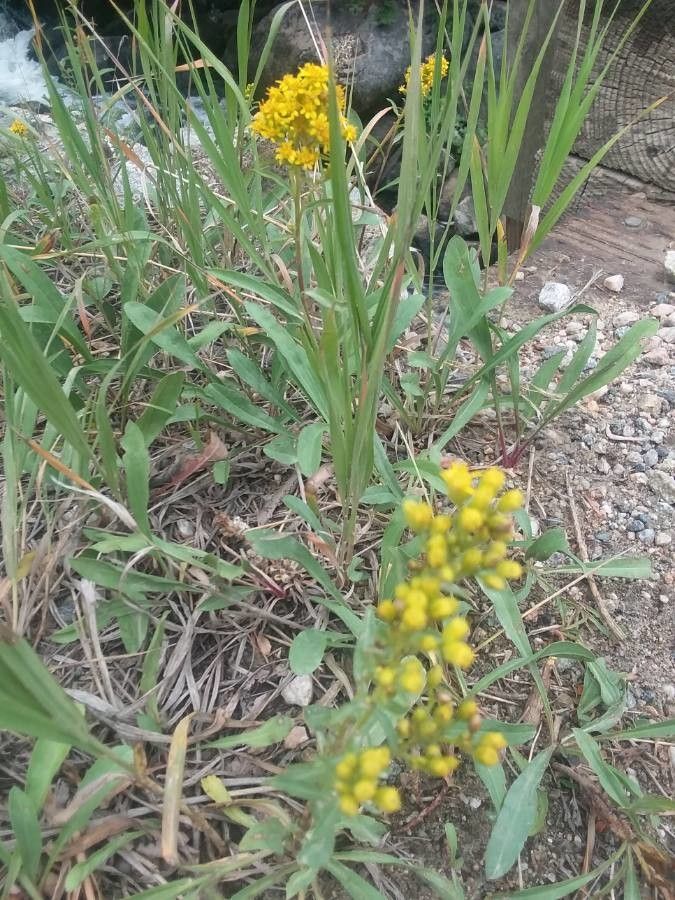
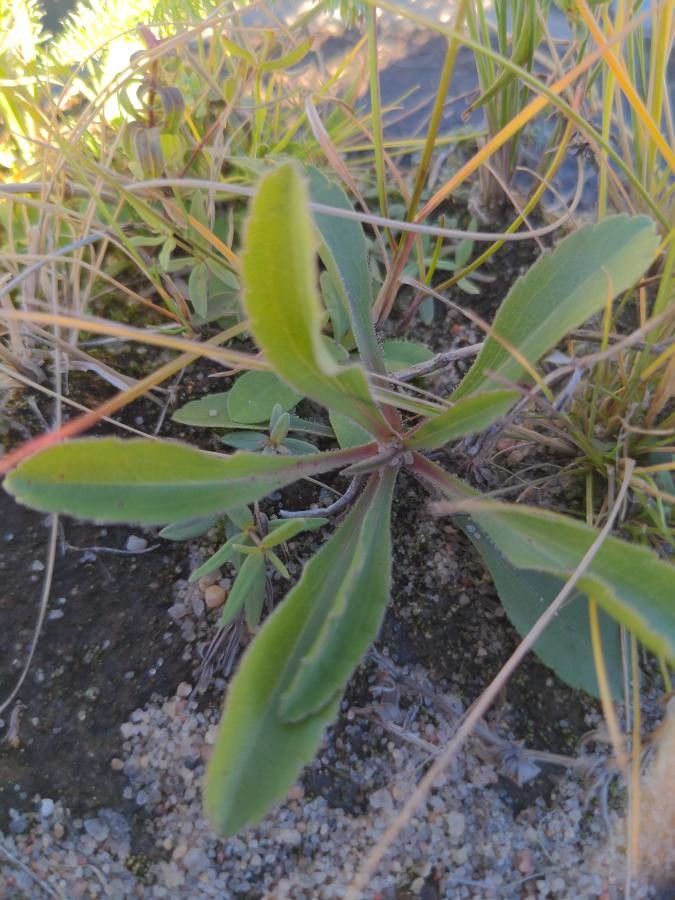
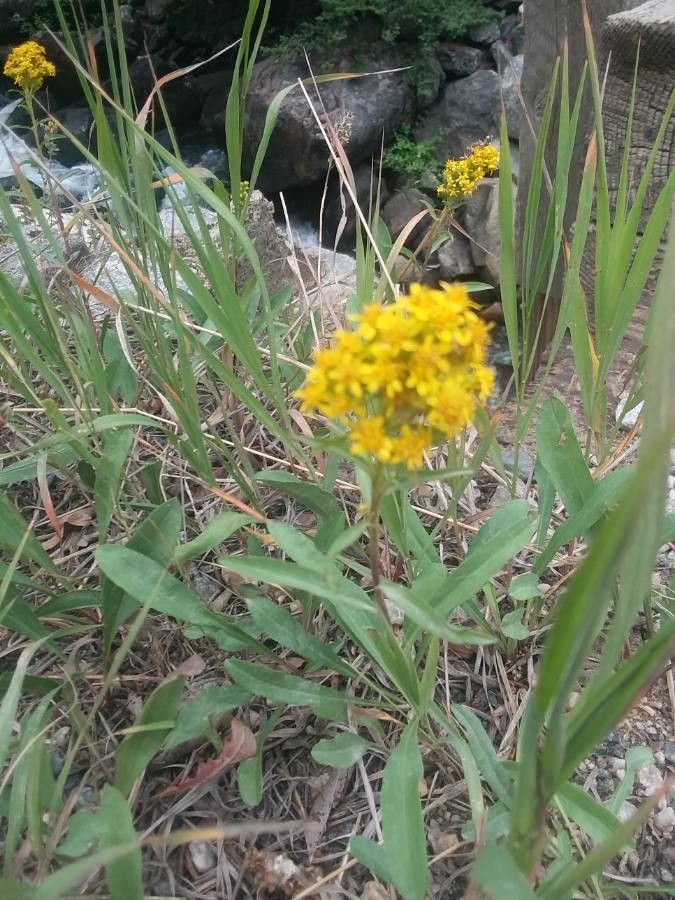
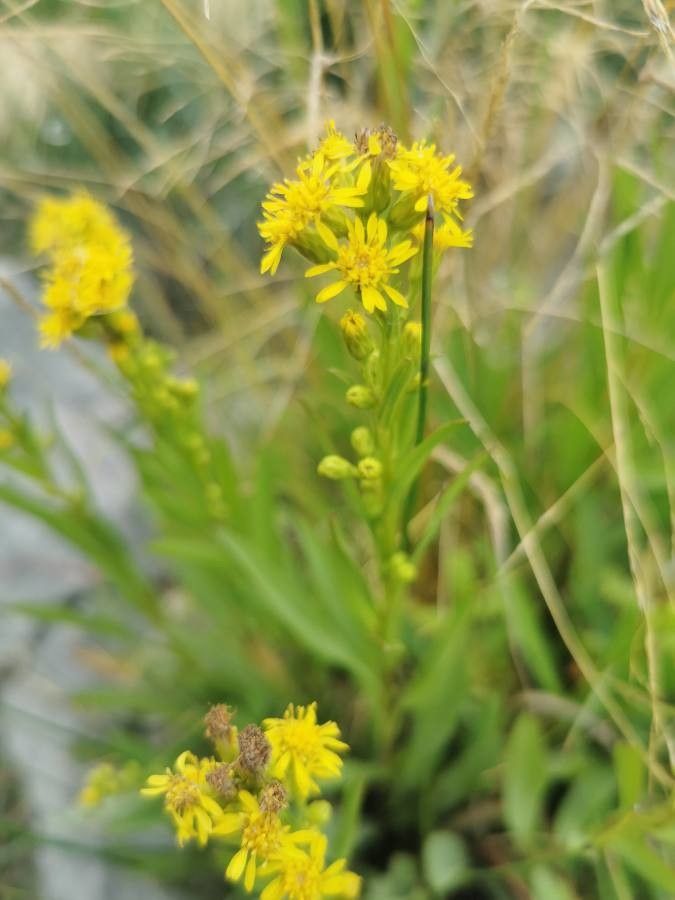
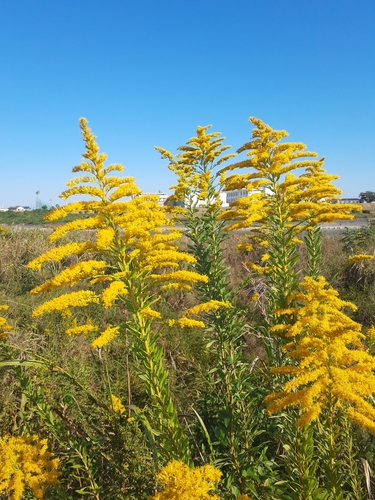
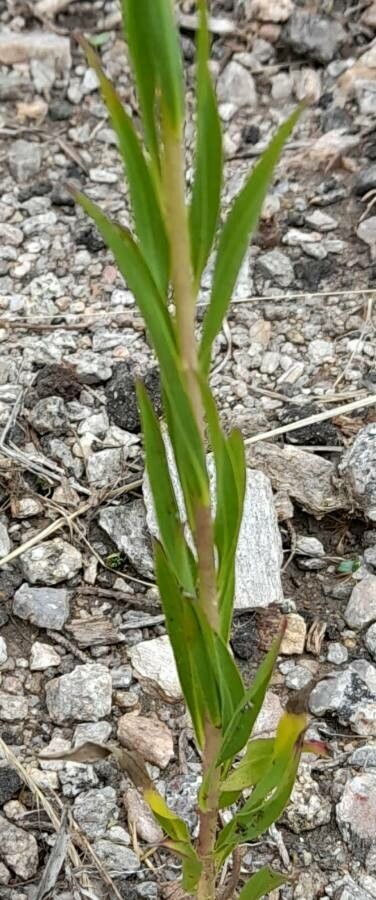
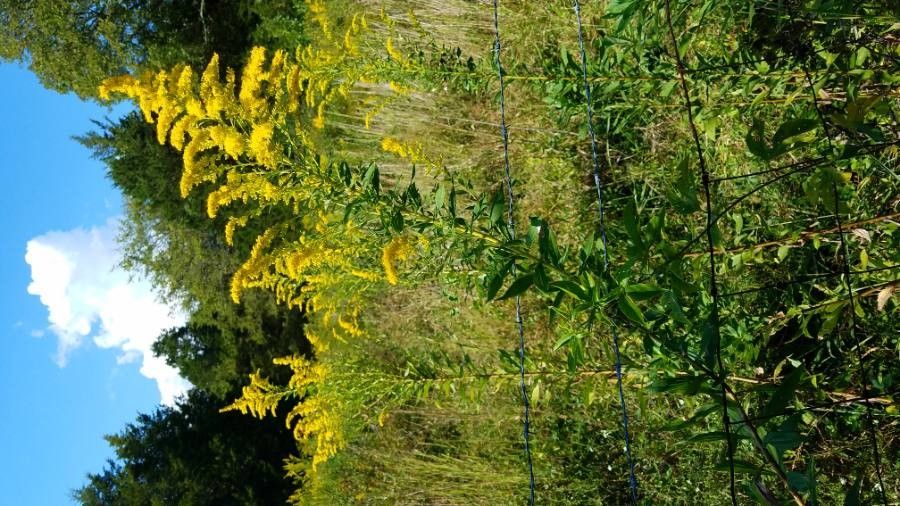
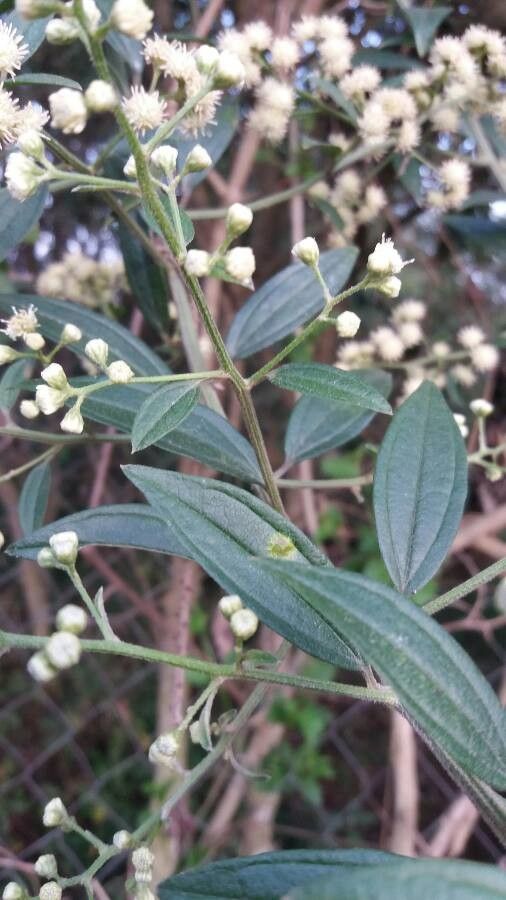
Solidago missouriensis is a species of flowering plant in the family Asteraceae known by the common names Missouri goldenrod and prairie goldenrod. It is native to North America, where it is widespread across much of Canada, the United States, and northern Mexico. It grows from British Columbia east to Manitoba, south as far as Sonora, Coahuila, Texas, and Mississippi.
Missouri goldenrod has good disease resistance and is generally not susceptible to illnesses. However, it can be affected by pests and diseases present in its environment. These infections are typically not severe. For care, this plant requires a moderate level of maintenance. It should be pruned regularly to maintain a tidy appearance and healthy growth. Fertilizing can also help encourage flowering. Missouri goldenrod is suitable for anyone with outdoor space, such as a garden or patio, and does not require much care experience. It may need more attention when grown indoors.
How to keep Solidago Missouriensis.
Light
Missouri goldenrod favors growing where it gets full sun for most of the day. It can also persist in locations that receive sunlight for only part of the day. This is reflected in its native habitat. Excessive or insufficient sun can influence the plant's health and growth.
Water
Missouri goldenrod thrives in prairie habitats that receive periodic rainfall and have adaptable soil moisture levels. While it prefers consistent moisture, it can withstand moderate drought conditions. To maintain its vigor, weekly watering is recommended, as this complements the seasonal rain patterns that promote robust growth during its active growing season.
Temperature
Missouri goldenrod is native to temperate climates and does best at temperatures from 50 to 95 °F (10 to 35 °C). For optimal growth, try to keep these temperatures year-round when possible.
Fertilizer
The best time to fertilize Missouri goldenrod is in early spring, when it is coming out of dormancy and starting active growth. Fertilizer supplies essential nutrients for healthy development. Although Missouri goldenrod has fairly low fertilizer requirements, applying fertilizer annually can improve its survival and encourage better, longer-lasting blooms.
Pruning
Missouri goldenrod, known for its bright yellow flowers, benefits from pruning in early to late spring. To promote healthy growth, maintain its shape, and minimize pests, remove any dead stems and trim the plant back by one-third of its height. This will help ensure vibrant blooms. For additional guidance, consult horticultural resources.
Pot & Repot
Missouri goldenrod needs pots with excellent drainage to thrive. Good drainage is crucial for preventing root rot and maintaining the plant's overall health.
Botanical profile.
- Plant Type
- Herb
- Life Cycle
- Perennial
- Genus
- Solidago
- Family
- Asteraceae
- Hardiness Zone
- 6-9
- Mature Height
- 30 cm to 91 cm
- Mature Spread
- 15 cm to 30 cm
- Leaf Color
- Green
- Leaf Type
- Semi-evergreen
- Flower Color
- Gold, Yellow
- Flower Size
- 2.54 cm
- Bloom Time
- Mid summer, Late summer
- Planting Time
- Spring, Summer, Autumn
- Harvest Time
- Late summer, Early fall, Mid fall
- Native Area
- Mexico
Other names.
Reader questions.
What are the sunlight requirements for Missouri Goldenrod?
Missouri Goldenrod thrives in environments that provide full sun exposure for the majority of the day, requiring more than 6 hours of sunlight. It can also grow in partial sun conditions, which means receiving sunlight for about 3 to 6 hours. Observing how sunlight moves through your garden and choosing spots with the perfect balance of light and shade is crucial for the plant's well-being. In its native habitat, these sun exposure preferences are apparent, hinting at its adaptability to varying light conditions. Too much or too little sunlight can impact the plant's health and growth, so it's important to monitor and adjust the plant's location as needed.
What is the natural habitat and preferred temperature range for Missouri goldenrod?
Missouri goldenrod, or Solidago missouriensis, thrives naturally within a temperate environment and prefers a temperature range of 50 to 95 °F (10 to 35 °C). To ensure optimal growth, it's important to maintain these temperature conditions throughout every season if possible. The plant exhibits strong cold resistance, meaning special frost protection measures aren't generally required during the winter months. However, if temperatures are anticipated to drop below -25°C, cold protection should be provided by covering the plant with materials like soil or straw. Furthermore, before the first freeze arrives in autumn, abundantly watering the plant to keep the soil moist is recommended. This preparation aids in preventing drought stress and water scarcity for the plant during the winter and early spring periods.
How should artificial lighting be used for indoor Missouri Goldenrod plants?
For Missouri Goldenrod plants grown indoors, adequate lighting is essential, especially when natural sunlight is insufficient, like during winter or in less sunny spaces. Artificial lights can substitute for sunlight, promoting faster and healthier growth. LED lights are beneficial because they can be tailored to provide specific wavelengths needed by the plant. Full sun plants require 30-50W/sq ft, partial sun plants need 20-30W/sq ft, and full shade plants should have 10-20W/sq ft of artificial light. Position the light source 12-36 inches above the plant to mimic natural sunlight and set it to stay on for 8-12 hours per day to simulate the length of natural daylight hours appropriate for your plant species.
How does Missouri goldenrod respond to and manage low temperatures?
Missouri goldenrod displays significant cold tolerance and generally thrives best when the temperature remains above 10°C. However, during the winter, it's crucial to ensure the temperature does not fall below -15°C. In conditions where the temperature plunges below -25°C, Missouri goldenrod might not show immediate signs of distress during the winter, but there could be a noticeable decrease in sprouting or even a failure to sprout in the following spring. To manage this, in spring, it's advised to remove any portions of the plant that have failed to sprout, facilitating healthier growth in the remaining sections.
What are the symptoms of inadequate sunlight for Missouri Goldenrod?
Missouri Goldenrod exhibits several symptoms when it doesn't receive adequate sunlight, including small leaves that are smaller in size than previously matured ones, leggy or sparse growth with longer spaces between leaves or stems giving the plant a thin and stretched appearance, faster leaf drop as the plant sheds older leaves to conserve resources, slower or halted growth when the plant enters survival mode due to poor light conditions, lighter-colored new leaves indicating a lack of chlorophyll and essential nutrients, and symptoms of too much sunlight like chlorosis, sunscald, leaf curling, wilting, and leaf scorching. Each of these symptoms suggests different issues related to the plant's light exposure.
What should be done if Missouri goldenrod experiences high temperatures?
During the summer, it is essential to keep Missouri goldenrod's surrounding temperature below 35°C to avoid heat stress. When temperatures exceed 38°C, the plant can experience several issues including leaves becoming lighter in color, curling, becoming susceptible to sunburn, and in severe cases, the plant might wilt and dry out entirely. To counteract the damage from high temperatures, one should trim away any sunburned and dried-up parts of the plant. Moving the plant to a shaded area during midday and afternoon hours or using a shade cloth can help protect it from excessive sunlight. Additionally, watering the plant in the morning and evening helps in maintaining soil moisture, providing relief to the plant from the heat.
What are the recommended solutions for sunlight-related issues with Missouri Goldenrod?
To address sunlight-related issues with Missouri Goldenrod, gradually moving plants to sunnier locations can help them adapt and receive at least 6 hours of direct sunlight daily. For indoor plants, using a south-facing window or artificial lighting such as desk lamps or grow lights for at least 8 hours daily can provide additional light. Outdoors, it's important to transition plants slowly to avoid sunburn. Removing obstructions like pruning trees or transplanting smaller plants can also improve sunlight access. For plants affected by insufficient sunlight, focusing on promoting new, healthy growth after adjusting light exposure is beneficial. When using artificial light, adjusting the duration and intensity based on the plant's needs is crucial for optimal growth.