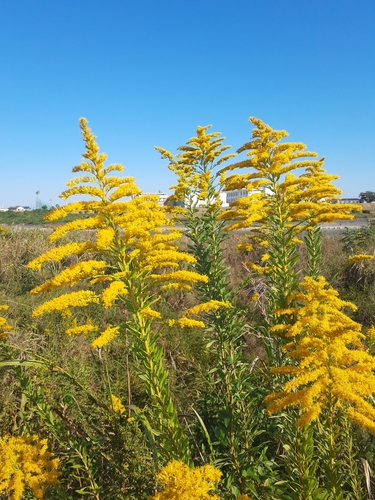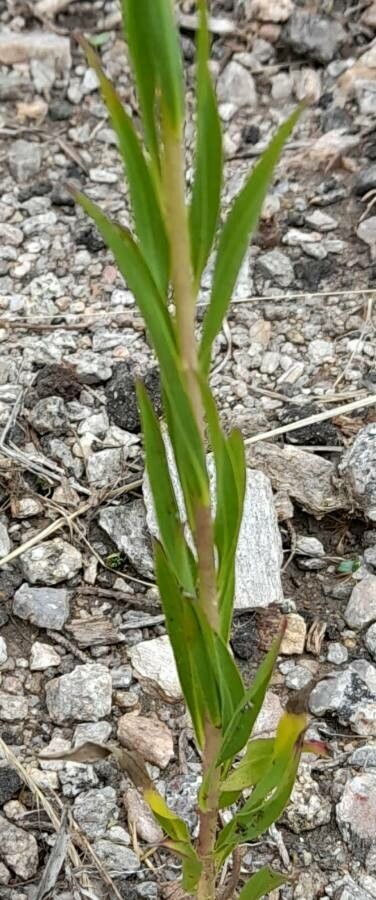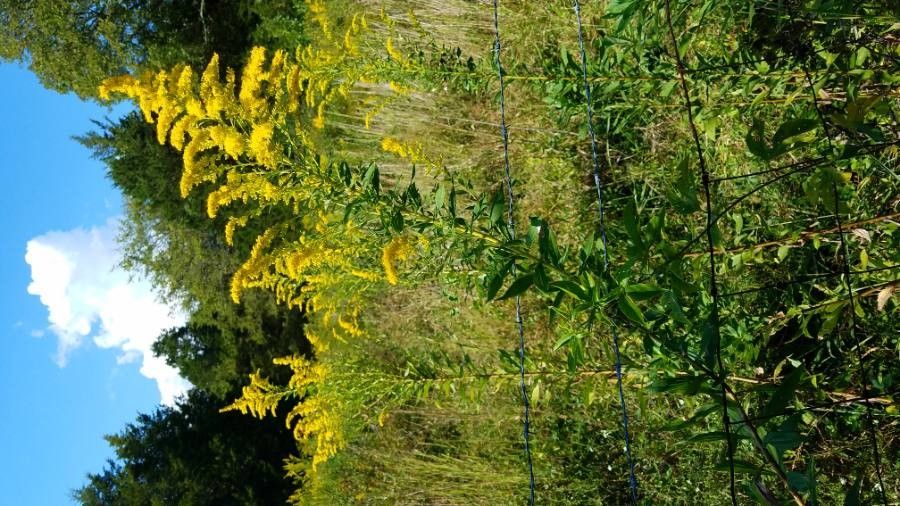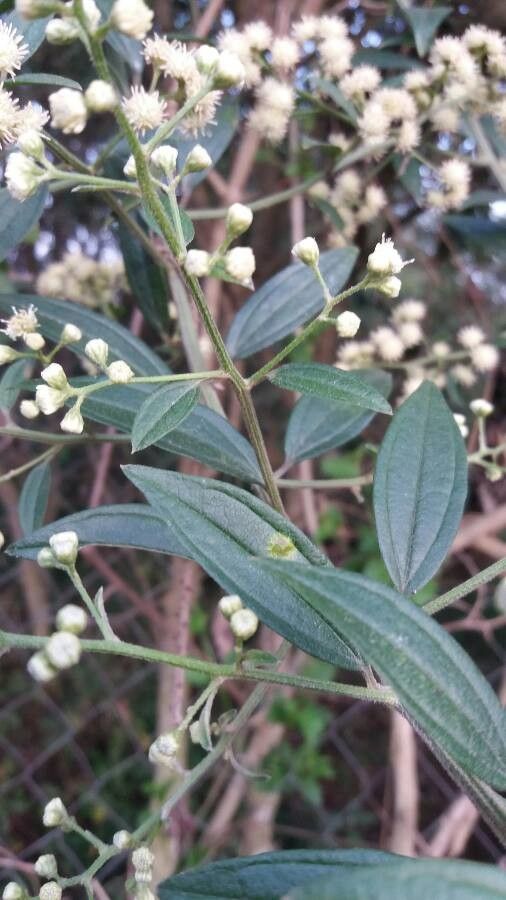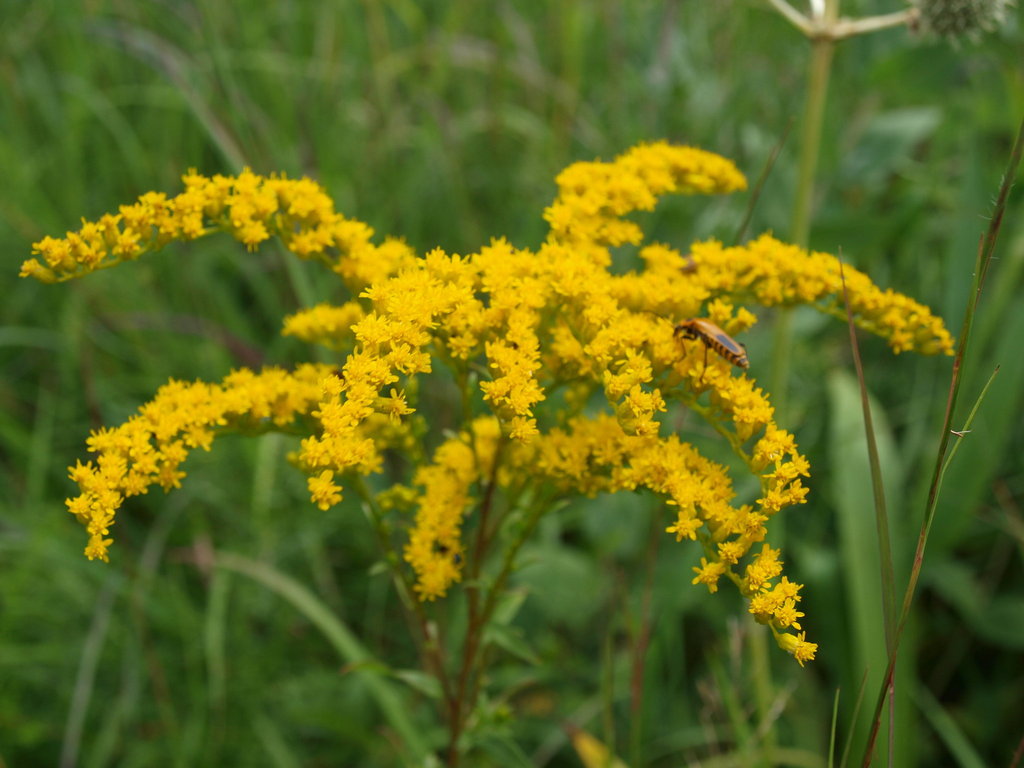
Solidago juncea, the early goldenrod, plume golden-rod, or yellow top, is a North American species of herbaceous perennial plants of the family Asteraceae native to eastern and central Canada and eastern and central United States. It grows from Nova Scotia west to Manitoba and Minnesota south as far as northern Georgia and northern Arkansas, with a few isolated populations in Louisiana and Oklahoma.Solidago juncea is a perennial herb up to 120 cm (4 feet) tall, spreading by means of underground rhizomes. Leaves around the base of the plant can be as much as 30 cm (1 foot) long, the leaves getting smaller higher on the stem. One plant can produce as many as 450 small yellow flower heads in a large, showy array.Solidago juncea is often grown in gardens as an ornamental.
Early goldenrod has strong disease resistance and is generally not prone to illnesses. However, it can be vulnerable to pests and diseases present in its environment. Such infections are typically not severe. Regarding care, this plant needs moderate maintenance. It should be pruned regularly to preserve a good appearance and encourage healthy growth. Fertilizing can also help encourage flowering. Early goldenrod is suitable for anyone with outdoor space, such as a garden or patio, and does not demand extensive care experience. It may need more attention when grown indoors.
How to keep Solidago Juncea.
Light
Early goldenrod needs plenty of light to grow well. In its early growth stages it prefers ample sunlight for proper development. Its native habitats are sunny open fields and meadows. Too much sun or too little can inhibit its growth, cause poor health, and diminish its vigor.
Water
Early goldenrod thrives in native grasslands, where it is well-suited to periods of rain and dryness. Although it prefers moderate moisture, it needs weekly watering to remain healthy. As an outdoor plant, early goldenrod adapts well to various climates by aligning its growth cycles with seasonal rainfall patterns.
Temperature
Early goldenrod is naturally suited to temperate regions and does best in temperatures of 68 to 95 °F (20 to 35 ℃). As the seasons shift, gradual changes in temperature should be accounted for to support its growth.
Fertilizer
For Early goldenrod, a single fertilizer application in spring is typically adequate, though multiple feedings can maximize growth. Feed once every one to one and a half months. Fertilization improves leaf appearance and function, maintaining consistent color and a healthy texture. It also encourages root growth and nutrient uptake for long-term plant health.
Pruning
Early goldenrod displays bright yellow flowers and grows upright. To encourage new growth, prune the plant from early to late spring by cutting old stems close to the ground. Remove spent blooms to extend the flowering period and prevent self-seeding. This also helps improve air circulation and reduces the risk of disease. Always use clean tools, and avoid heavy pruning while the plant is actively growing.
Pot & Repot
When repotting Early goldenrod, select a pot 1–2 inches (2.5–5.1 cm) larger with ample drainage. Use a well-draining potting mix. Repot in spring or fall, ensuring the root ball is slightly lower than the rim of the flower pot. Water thoroughly after repotting and place in a warm spot with indirect sunlight.
Botanical profile.
- Plant Type
- Herb
- Life Cycle
- Perennial, Annual
- Genus
- Solidago
- Family
- Asteraceae
- Hardiness Zone
- 5-9
- Mature Height
- 0.3 m to 1.22 m
- Mature Spread
- 61 cm to 91 cm
- Leaf Color
- Green
- Leaf Type
- Deciduous
- Flower Color
- Gold, Yellow
- Flower Size
- 2.54 cm
- Bloom Time
- Mid summer
- Planting Time
- Spring, Summer, Autumn
- Harvest Time
- Mid summer
Other names.
Reader questions.
How should I water my Early goldenrod?
To properly care for the Early goldenrod, use filtered water at room temperature. Tap water may contain harmful particles. The plant prefers warmer water since it originates from a warm environment, and cold water can be a shock. Avoid overhead watering to prevent foliage issues. Instead, saturate the soil with filtered, room temperature water until it is fully soaked. This allows the roots to absorb moisture and nutrients for healthy growth.
Why is it important to add fertilizer to my Early goldenrod?
The main structure of the Early goldenrod is made up of its leaves, and proper fertilization is vital for maintaining their appearance and function. Fertilization helps the leaves maintain consistent color and a healthy texture. Additionally, fertilization has benefits below the soil as well, promoting the growth of new roots and maintaining existing ones in the root system. This ensures that the plant remains healthy and capable of absorbing nutrients from the soil both now and in the future.
What are the sunlight requirements for Early Goldenrod (Solidago juncea)?
Early Goldenrod requires full sun, meaning it should receive above 6 hours of sunlight daily, or partial sun, about 3-6 hours of sunlight. It's important to monitor the sunlight in your garden to provide the best balance for your plants. Lack or excess of sunlight may negatively affect the plant's growth, leading to various health issues and reduced vibrancy.
What temperature conditions are best for the growth of early goldenrod?
Early goldenrod thrives best in temperate climates, with an optimal temperature range of 68 to 95 °F (20 to 35 °C). It is well-adapted to gradual changes in temperature as the seasons transition. Moreover, early goldenrod exhibits strong cold resistance, so it rarely requires special frost protection measures. However, in locations where winter temperatures are expected to plummet below -25°C, it is advisable to protect the plant using insulating materials like soil or straw to mitigate the cold impact. Additionally, watering the plant abundantly before the first freeze in autumn to keep the soil moist can help it endure the winter and early spring better by preventing drought and water scarcity.
If I give my Early goldenrod too much or too little water, what should I do?
When caring for your Early goldenrod, both overwatering and underwatering can be harmful to the health of the plant. However, overwatering is a more common issue. When this species gets too much water, its stems and leaves may wilt and turn yellow. Overwatering for a long time can also result in diseases like root rot, mold, and mildew, which can ultimately kill the plant. Underwatering is less likely for the Early goldenrod, as it is fairly drought-tolerant. However, it is still possible, and in such cases, the leaves of the plant may become brittle and brown. It is important to be able to recognize the signs of overwatering early on. Some diseases caused by overwatering, like root rot, may not be treatable if you wait too long. If you notice early signs of overwatering, reduce your watering schedule immediately. It would also be a good idea to assess the quality of the soil in which your Early goldenrod is growing. If the soil drains poorly, replace it with a loose and well-draining potting mix. On the other hand, if you notice signs of underwatering, simply water the plant more regularly until the signs subside.
When should I fertilize my Early goldenrod for the best results?
If you choose to grow your Early goldenrod outdoors annually, you will notice new growth sprouting in early spring. This is the signal to start fertilizing for the year. Typically, a single application of fertilizer in the spring is enough for the Early goldenrod to thrive. However, if you want to promote maximum growth, you can fertilize multiple times during the spring and early summer. In this case, feeding your Early goldenrod once every month to a month and a half is recommended.
What are some essential care tips for Early Goldenrod regarding sunlight?
To ensure healthy growth, Early Goldenrod needs abundant sunlight, especially during its initial growth stages. Its natural habitat includes sunny open fields and meadows. Artificial lighting can be used for indoor plants when natural sunlight is insufficient, with LED lights being recommended due to their customizability. The amount of artificial light required varies depending on the plant's needs: 30-50W/sq ft for full sun plants, 20-30W/sq ft for partial sun plants, and 10-20W/sq ft for full shade plants. Appropriate placement is 12-36 inches above the plant, and the duration should mimic natural daylight as closely as possible, generally 8-12 hours per day.
What should I do if early goldenrod is exposed to low temperatures?
Early goldenrod is capable of withstanding cold temperatures and ideally should be kept above 0°C during the winter. If the temperatures fall beneath -25°C, there may not be noticeable changes during winter but a decline in sprouting or an absence of it might occur in spring. To aid its recovery during spring, it's recommended to remove any parts of the plant that have failed to sprout, as this can encourage new growth and help the plant regain its vigor.
How much should I water my Early goldenrod plant?
If your Early goldenrod plant is in a pot, you can determine if it needs water by sticking your finger into the soil. If the top two to three inches of soil feel dry, it's time to water it. If you have planted your Early goldenrod outdoors in the ground, you can use the same method to test the soil. Once the first few inches of soil have dried out, it's time to give it water. Typically, you should water this plant once a week in the spring and early fall. However, during hot weather, you may need to water it twice or more per week. It's worth noting that mature, well-established Early goldenrod plants have a remarkable ability to withstand drought.
When is the best time to not use fertilizer on my Early goldenrod plant?
During late fall and winter, Early goldenrod goes into a dormant phase and stops producing new growth. Consequently, it is best to avoid fertilizing it during this time. In spring and summer, if you decide to apply fertilizer multiple times, it is advisable to decrease the fertilization rate as summer approaches since the growth rate of Early goldenrod also slows down. In general, it is not recommended to fertilize Early goldenrod when the weather is unusually hot or the soil exceptionally dry as this can stress the plant and lead to premature death.
What are the key symptoms of insufficient sunlight for Early Goldenrod?
Common symptoms of insufficient sunlight in Early Goldenrod include smaller new leaves, leggy or sparse growth, faster leaf drop, slower or no new growth, lighter colored new leaves, chlorosis (leaves losing green color and turning yellow), sunscald, leaf curling, wilting, and leaf scorching. These symptoms indicate that the plant is not receiving enough light, which affects its growth and overall health.
How does high temperature affect early goldenrod and what are the solutions?
High temperatures, especially above 38°C, can adversely affect early goldenrod, causing the leaves to become lighter, potentially curl, become susceptible to sunburn, and in severe cases, cause the plant to wilt and dry out. To mitigate these effects, it is crucial to trim away any sunburned or dried parts of the plant. Relocating the plant to a shaded area or utilizing shade cloth to shield it from the intense midday and afternoon sun can be effective. Additionally, maintaining soil moisture by watering the plant during the cooler parts of the day, such as in the morning and evening, is vital for its health during periods of high heat.