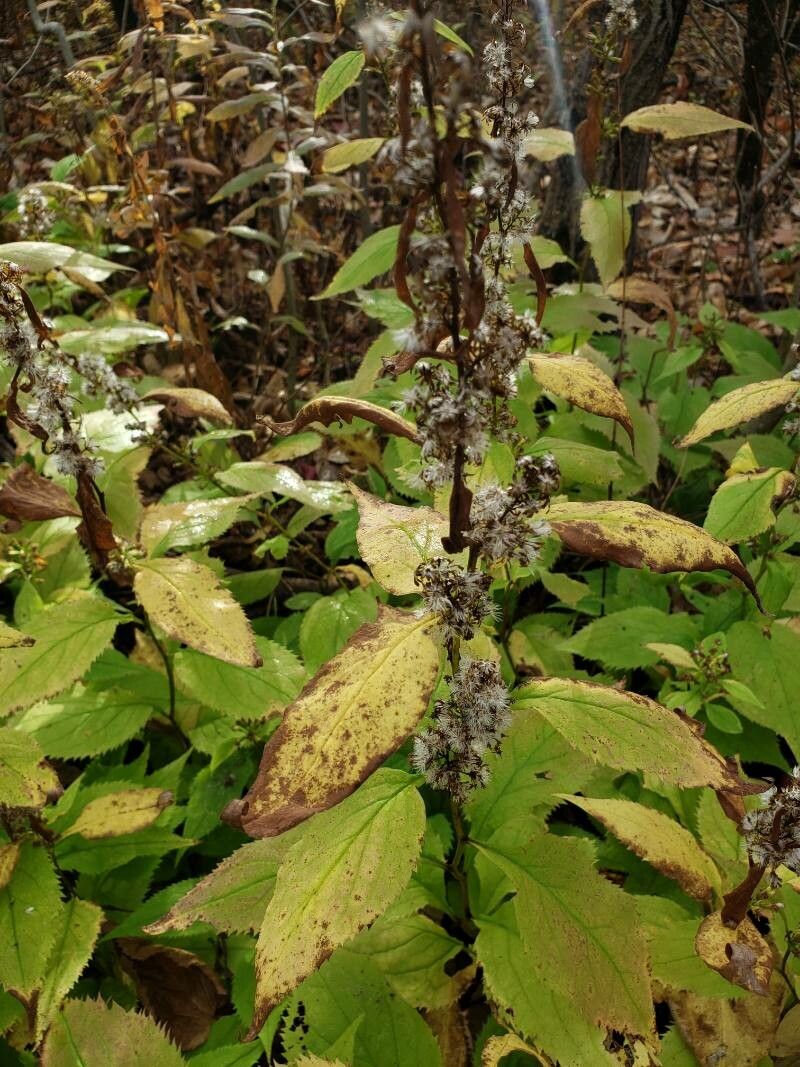
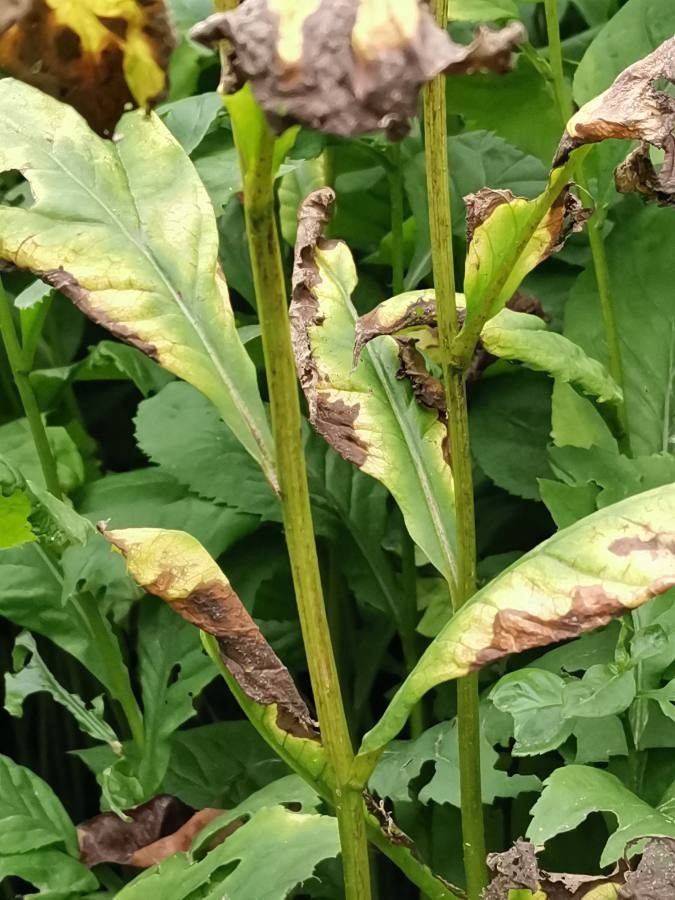
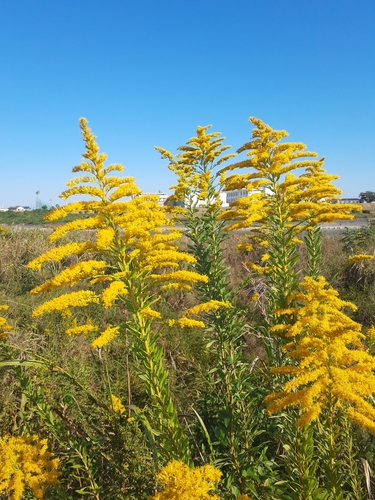
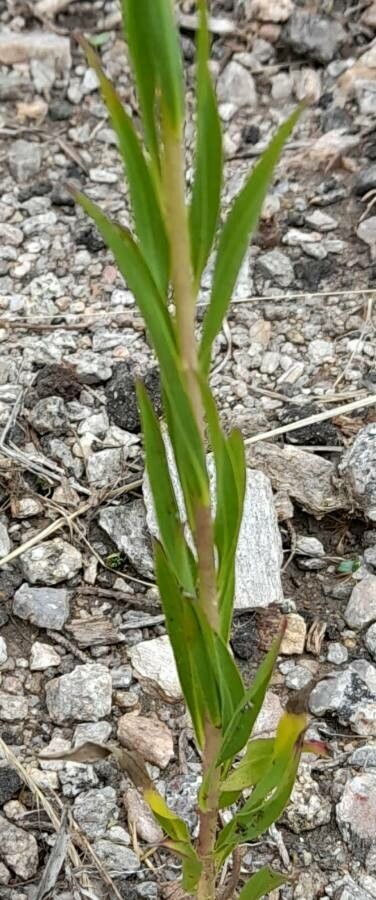
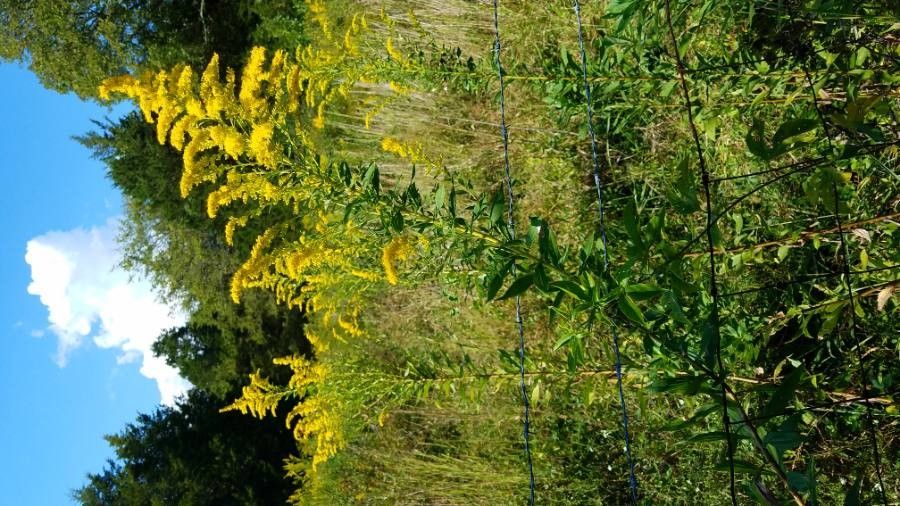
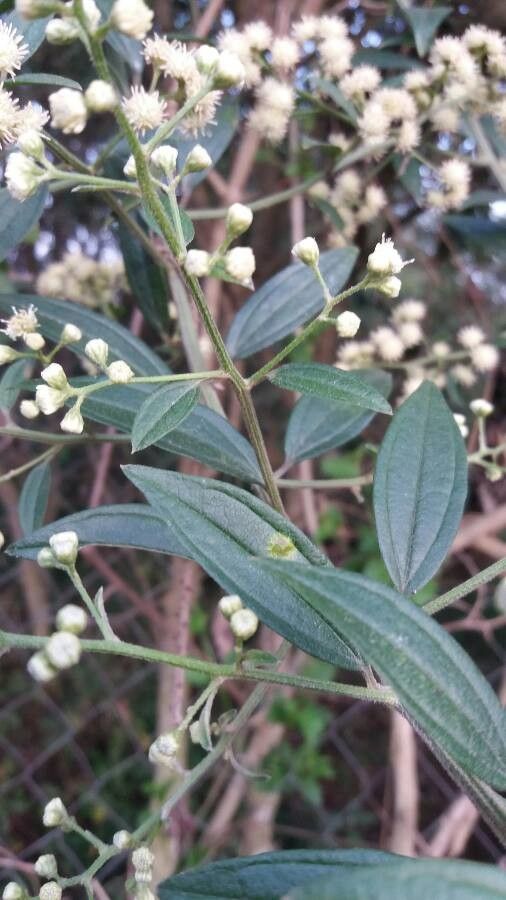
Solidago flexicaulis, commonly known as zigzag goldenrod, is a perennial herbaceous plant in the Asteraceae family. Native to eastern North America, it thrives in a variety of habitats, including woodlands, meadows, and along stream banks.
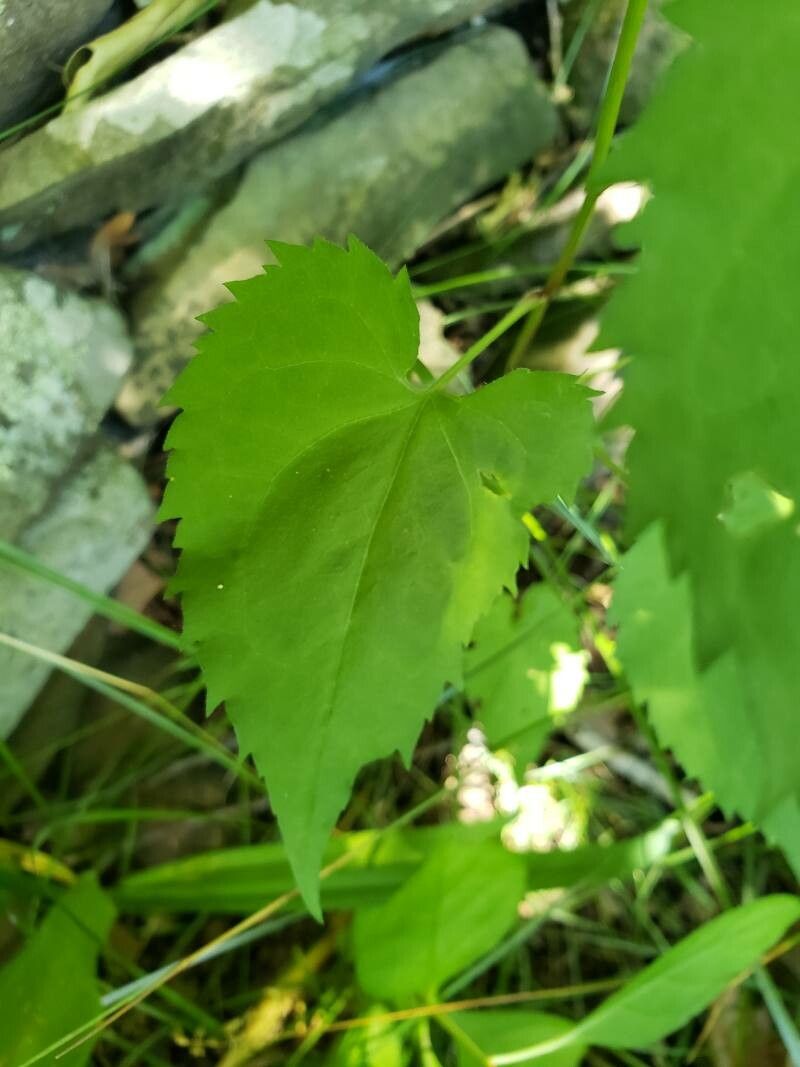
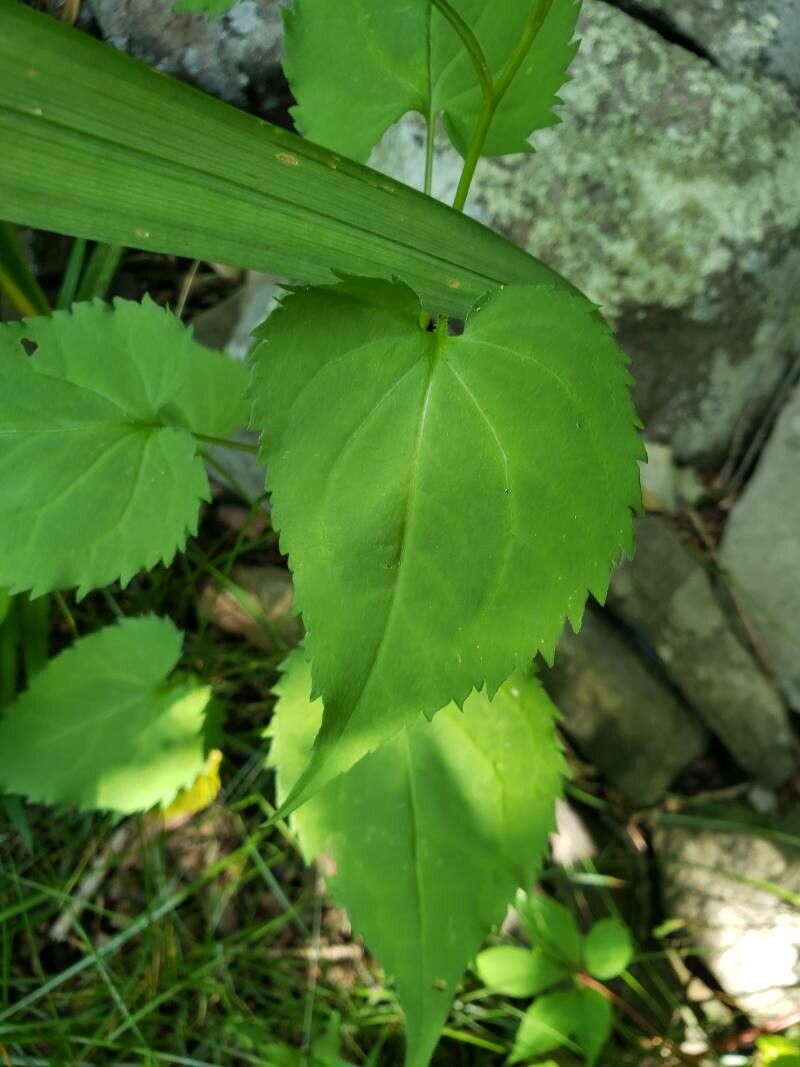
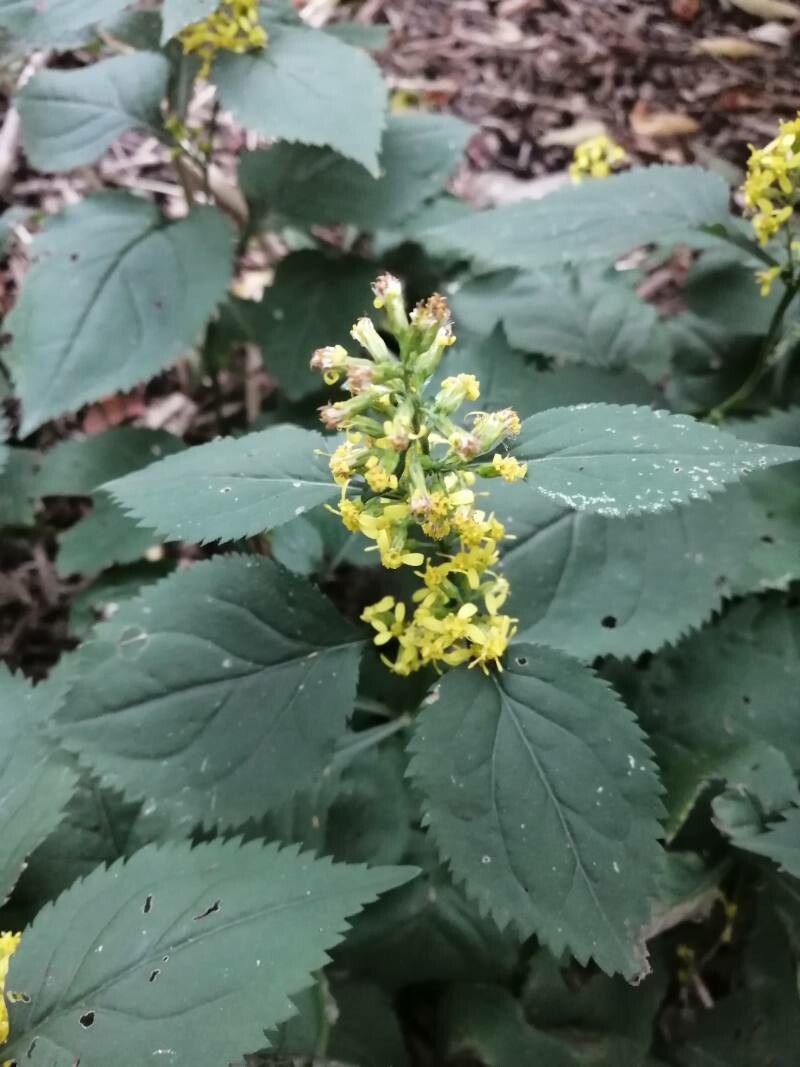
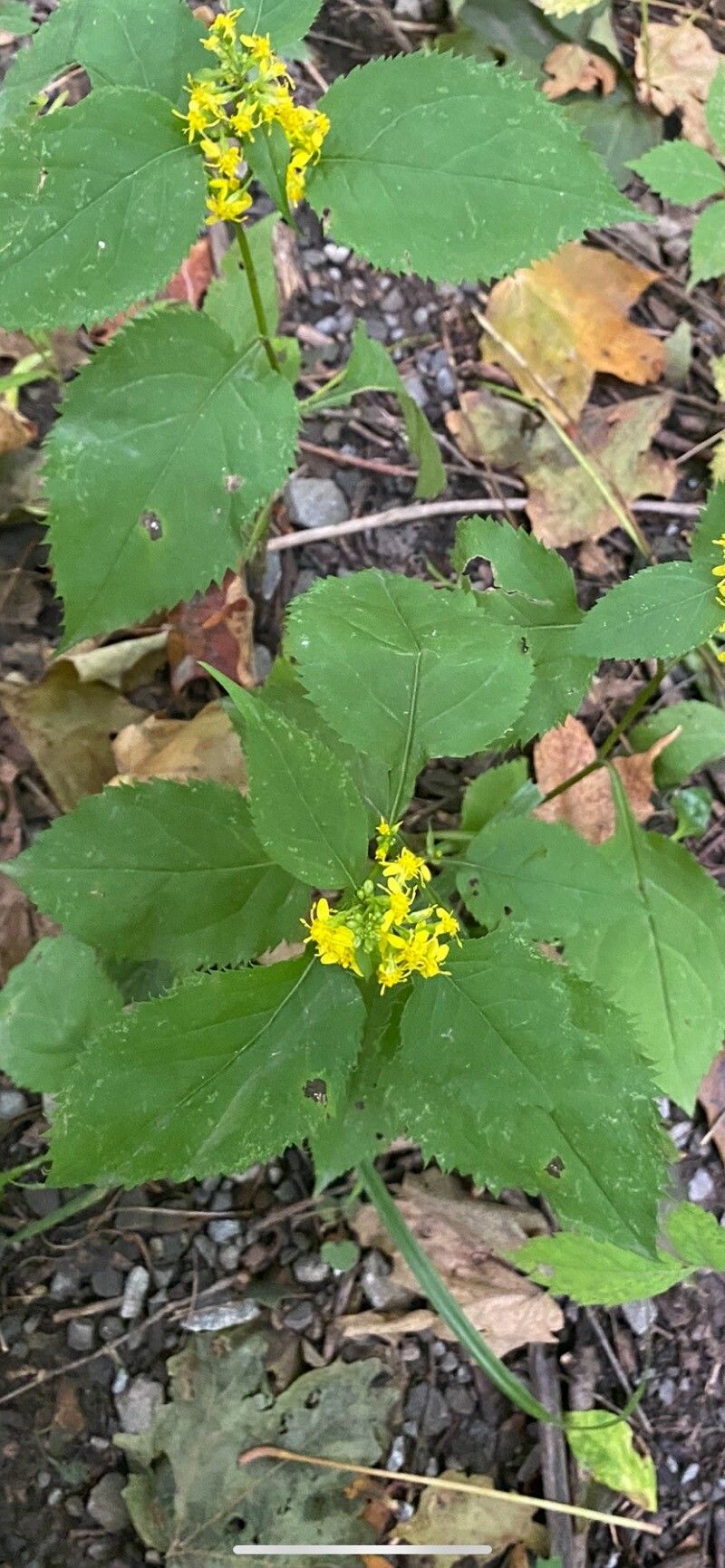
The plant can grow up to 3 feet tall, featuring an upright stem that zigzags along its length. Its alternate, lance-shaped leaves have serrated edges. In late summer through early fall, it produces small clusters of yellow flowers.
Native Americans have used zigzag goldenrod for medicinal purposes for centuries, attributing anti-inflammatory properties to it. It has served as a treatment for wounds, fevers, coughs, and colds.
Ecologically, the plant plays a crucial role by providing nectar for pollinators such as bees and butterflies during its blooming period.
Overall, Solidago flexicaulis is an attractive native wildflower with medicinal properties, contributing significantly to the ecosystems of eastern North America's woodlands, meadows, and stream sides.
Zigzag Goldenrod is fairly resistant to disease and is generally not prone to illnesses. Still, it can be vulnerable to pests and diseases present nearby, though these problems are usually not serious. Regarding care, the plant needs moderate maintenance. It should be pruned regularly to keep a neat appearance and encourage healthy growth. Fertilizing can also help stimulate flowering. Zigzag Goldenrod is well suited to anyone with outdoor space, such as a garden or patio, and does not demand extensive plant-care experience. It may need more attention when grown indoors.
How to keep Solidago Flexicaulis.
Light
Zigzag Goldenrod favors habitats that provide a mix of sun and shade throughout the day. It can also tolerate sites where sunlight is either continuously present or largely lacking. Excessive sun can inhibit its growth, while too little light may cause stunted development.
Water
Zigzag Goldenrod, a plant native to the understories of North American forests, thrives best in moderately moist soil and with weekly watering. While it is somewhat drought-tolerant, it benefits from humidity during the growing season, which encourages lush foliage and vibrant blooms. This versatile plant adapts well to both indoor and outdoor environments.
Temperature
Zigzag Goldenrod prefers temperatures from 41 to 95 ℉ (5 to 35 ℃) and can withstand both hot summers and cold winters. Its native habitats related to these temperature needs include deciduous woodlands, wooded slopes, and shaded meadows. To cope with seasonal temperature changes, avoid exposing the plant to direct sunlight on hot summer days and provide winter protection in colder regions.
Fertilizer
One fertilizer application in spring is generally sufficient for Zigzag Goldenrod, though multiple feedings can optimize growth. Apply fertilizer about every month to month and a half. Fertilization improves the leaves' appearance and function, helping maintain even color and a healthy texture. It also promotes root development and nutrient uptake for the plant's long-term health.
Pruning
Zigzag Goldenrod is characterized by its zigzagging stems and vibrant yellow flowers. To encourage fuller growth, more blooms, better air circulation, and overall plant health, prune the stems in early to late spring, cutting them back to 6 inches. Always use clean, sharp tools for the best results.
Pot & Repot
To thrive, Zigzag Goldenrod needs excellent drainage when planted in pots. This ensures optimal growth conditions and helps prevent root rot.
Botanical profile.
- Plant Type
- Herb
- Life Cycle
- Perennial
- Genus
- Solidago
- Family
- Asteraceae
- Hardiness Zone
- 5-9
- Mature Height
- 15 cm to 91 cm
- Mature Spread
- 30 cm to 91 cm
- Leaf Color
- Green, Yellow, Variegated
- Leaf Type
- Deciduous
- Flower Color
- Gold, Yellow
- Flower Size
- 2.54 cm
- Bloom Time
- Mid summer
- Planting Time
- Spring, Summer, Autumn
- Harvest Time
- Mid summer, Late summer
Other names.
Reader questions.
What should I do if I give my Zigzag Goldenrod too much water or too little water?
Overwatering and underwatering can harm your Zigzag Goldenrod plant, but overwatering is more common and poses greater risks. Excess water can cause wilting, yellowing of stems and leaves, and even diseases like root rot, mold, and mildew that can be fatal to the plant. While underwatering is less likely with the Zigzag Goldenrod due to its drought tolerance, it can still occur, resulting in brittle and brown leaves. To care for your Zigzag Goldenrod, it is crucial to identify signs of overwatering early. Some of the diseases caused by overwatering, such as root rot, may be irreversible if left unaddressed for too long. If you notice early signs of overwatering, reduce your watering immediately. Also, check the soil quality; if it drains poorly, replace it with a loose, well-draining potting mix. On the other hand, if you observe signs of underwatering, simply increase your watering frequency until the signs improve.
Why should I put fertilizer on my Zigzag Goldenrod plant?
The main structure of the Zigzag Goldenrod is made up of its leaves. Fertilization is important for maintaining the appearance and function of these leaves. Proper fertilization ensures that the leaves maintain consistent color and a healthy texture. Additionally, fertilization benefits the plant below the surface by promoting the growth of new roots and maintaining the existing root system. This not only keeps the plant healthy in the present, but also enables it to effectively absorb nutrients from the soil in the future.
What are the sunlight requirements for Zigzag Goldenrod?
Zigzag Goldenrod requires varying amounts of sunlight depending on its environment. It thrives in both partial sun, needing about 3-6 hours of sunlight daily, and full sun or full shade conditions, requiring more than 6 hours of sunlight. It's crucial to observe the movement of sunlight through your garden to find spots offering the right balance of light and shade, ensuring the plant's health and happiness.
What are the ideal temperature conditions for Zigzag Goldenrod?
Zigzag Goldenrod thrives in temperatures ranging from 41 to 95°F (5 to 35°C), making it suitable for both hot summers and cold winters. It's naturally found in environments like deciduous woodlands, wooded slopes, and shaded meadows. To cope with seasonal temperature variations, it's advised to protect the plant from direct sunlight in hot summers by providing shade and ensuring winter protection in colder regions by avoiding extreme cold exposure. Remarkably, Zigzag Goldenrod exhibits strong cold resistance and typically doesn't require special frost protection. However, in areas where winter temperatures may plummet below -25°C, protective measures like covering the plant with soil or straw are beneficial. Additionally, watering the plant abundantly before the first freeze of autumn to keep the soil moist is recommended to prevent drought and ensure the plant's well-being during winter and early spring.
How often do I need to water my Zigzag Goldenrod?
If your Zigzag Goldenrod plant is in a pot, the most precise way to determine if it needs water is by checking the soil with your finger. If the top two to three inches of soil feel dry, it's time to water it. Similarly, if you have planted your Zigzag Goldenrod outdoors in the ground, you can use the same method to test the soil. When the top few inches have dried out, it's time to add water. Usually, during spring and early fall, you'll need to water this plant about once a week. However, in extremely hot weather, you may need to increase watering to twice a week or more. Nevertheless, mature and well-established Zigzag Goldenrod plants can tolerate drought well.
When should I fertilize my Zigzag Goldenrod plant?
When you grow your Zigzag Goldenrod outdoors, it will start growing new leaves in early spring. This is a cue that it's time to fertilize the plant for the year. Usually, one application of fertilizer in the spring is enough for the Zigzag Goldenrod to thrive. However, if you want to encourage maximum growth, you can fertilize it multiple times during the spring and early summer. In this case, you should feed the plant every month to a month and a half.
What are some essential considerations for growing Zigzag Goldenrod?
Zigzag Goldenrod prefers a mix of sun and shade throughout the day but can adapt to both consistently sunny or shady locations. The right amount of sunlight is vital; too much can inhibit growth, while too little may cause stunted development. In cases where natural light is insufficient, especially indoors, artificial lighting can be utilized to promote optimal growth. LED lights are recommended for being customizable to plant needs, with appropriate wattage varying based on the plant's sunlight requirements: 30-50W/sq ft for full sun plants, 20-30W/sq ft for partial sun plants, and 10-20W/sq ft for full shade plants. Position the light source 12-36 inches above the plant, ensuring it receives 8-12 hours of light per day to mimic natural sunlight conditions.
How does Zigzag Goldenrod respond to low temperatures?
Zigzag Goldenrod is well-adapted to cold environments, favoring temperatures above 5°C. It can successfully withstand winters where temperatures stay above -20°C. Despite its cold tolerance, exposure to temperatures below -25°C may not show immediate harm, but could lead to reduced or absent sprouting in the following spring. In such cases, it is advised to remove any non-sprouting parts in spring as a part of the plant care routine.
How much water does my Zigzag Goldenrod plant need?
To properly water your Zigzag Goldenrod, don't be afraid to give it a generous amount of water. Make sure the top two to three inches of soil are dry before watering. It's best to thoroughly saturate the soil, allowing excess water to drain out of the pot's drainage holes. If you don't see any excess water draining, you may not have given enough water. However, be careful not to let water accumulate in the soil, as this can harm the plant. If you notice that water isn't draining properly, it could be due to poorly draining soil, which is not good for the plant's health. If the plant is located outdoors, receiving about 1 inch of rain per week should be enough.
When is it not a good idea to add fertilizer to my Zigzag Goldenrod plant?
During the late fall and winter, your Zigzag Goldenrod enters a dormant phase and stops producing new growth. This is not the time to fertilize it. In spring and summer, if you do choose to fertilize, gradually decrease the amount of fertilizer as summer approaches because the plant's growth rate slows down. In any case, it's not recommended to fertilize your Zigzag Goldenrod during extremely hot weather or when the soil is very dry. Doing so can stress the plant and cause it to die prematurely.
What are the symptoms of light deficiency or excess in Zigzag Goldenrod?
Symptoms of light deficiency in Zigzag Goldenrod include smaller new leaves, leggy or sparse growth, quicker leaf drop, slower or halted growth, lighter-colored new leaves, chlorosis, and symptoms of excessive light exposure like sunscald, leaf curling, wilting, and leaf scorching. These issues signal the plant's struggle with adapting to its lighting conditions, affecting its overall health and growth.
What should I do if Zigzag Goldenrod is exposed to high temperatures?
During the hot summer months, it's essential to ensure that Zigzag Goldenrod's temperature doesn't exceed 35°C. Temperatures above 38°C can cause the leaves to lighten in color, curl, become susceptible to sunburn, and in extreme situations, may lead to the plant wilting and drying out entirely. To mitigate damage, trim away any sunburned or dried areas. Relocate the plant to a shady spot or utilize shade cloth to protect it from direct midday and afternoon sun. Additionally, watering the plant during cooler morning and evening times is crucial to maintain soil moisture and support the plant's health under high temperature conditions.