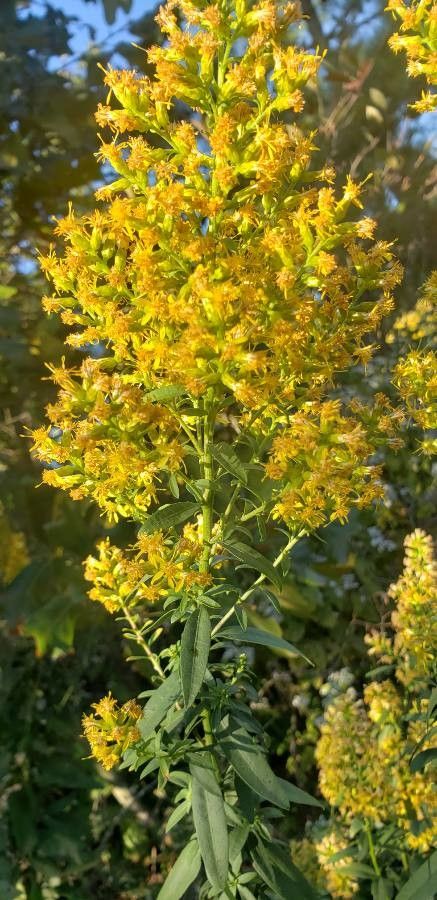
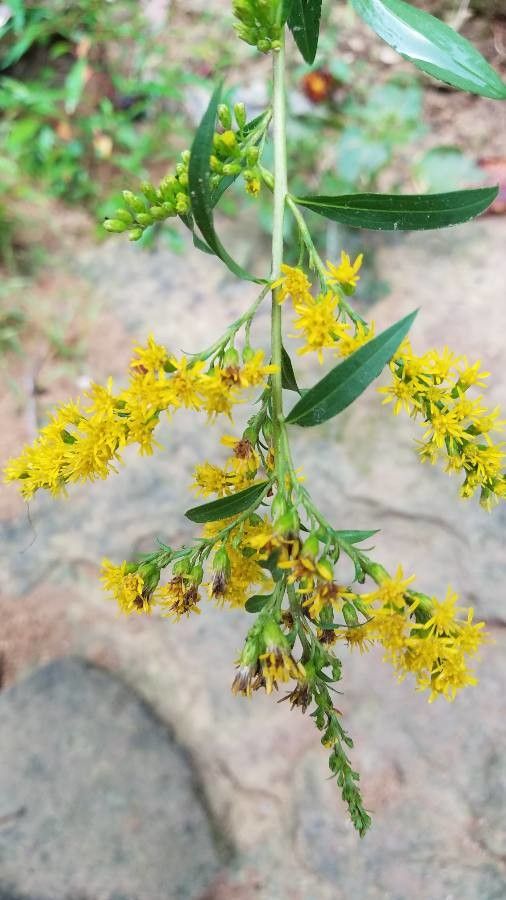
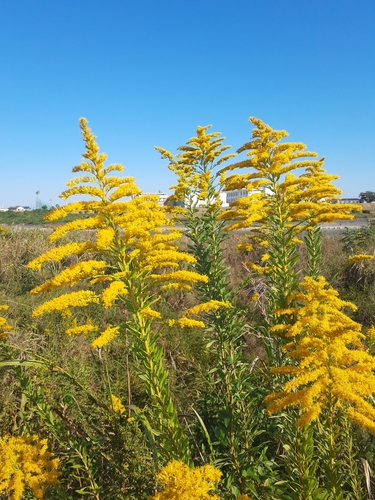
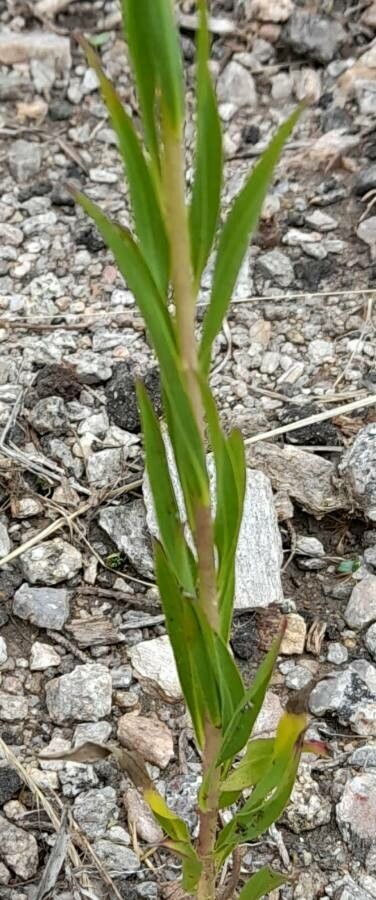
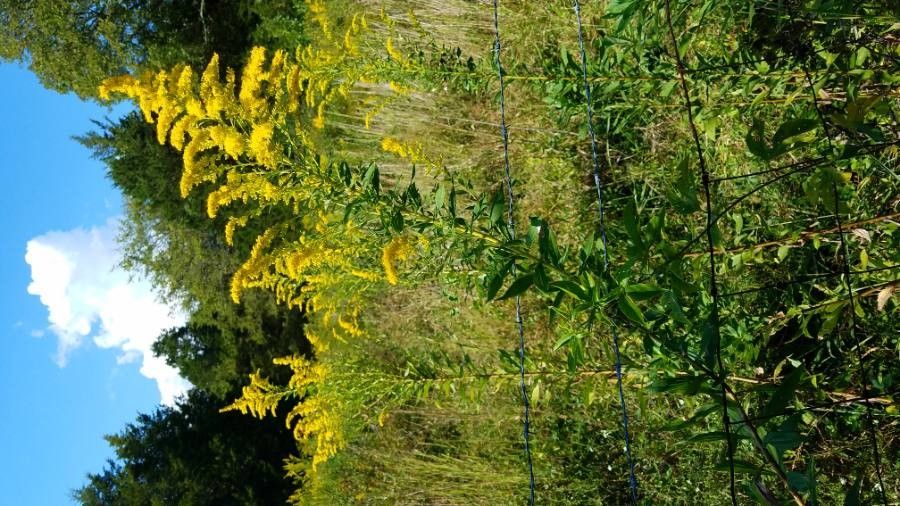
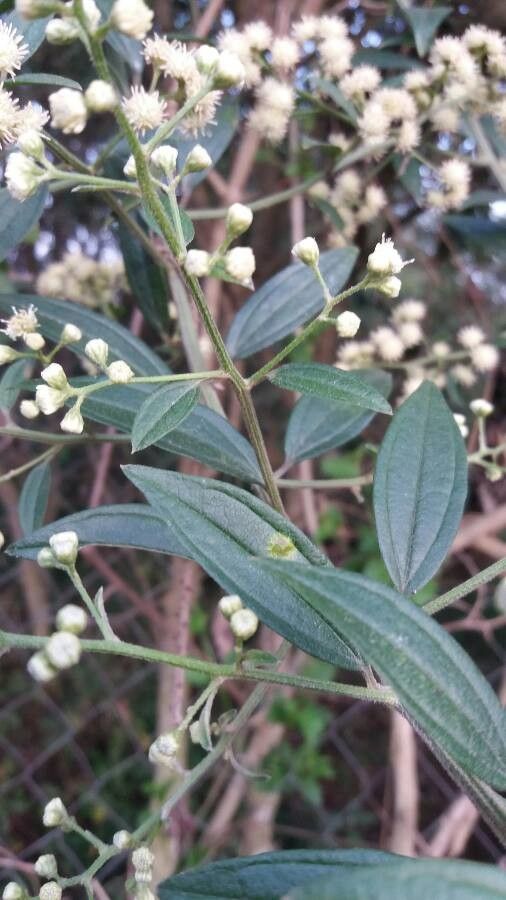
Solidago fistulosa, the pine barren goldenrod, is a plant species native to low-lying coastal areas of eastern North America. It grows in every state bordering on the Gulf of Mexico or on the Atlantic Ocean from Louisiana to New Jersey. It is generally found in bogs, along the edges of marshes, in drainage ditches, etc.Solidago fistulosa is an herb up to 150 cm (5 feet) tall, spreading by underground rhizomes. It has winged petioles, broad leaf blades, and sometimes as many as 500 small yellow flower heads born in large branching arrays.
Pine barren goldenrod is fairly resistant to disease and typically does not suffer from many illnesses. Still, it can be affected by pests and diseases that exist in its environment. Such infections tend to be mild. Regarding care, the plant is moderately low-maintenance. Regular pruning is needed to keep it looking good and to support healthy growth. Applying fertilizer can also encourage more blooms. This goldenrod is well suited for anyone with outdoor space, like a garden or patio, and does not demand extensive gardening experience. When kept indoors, it may need a higher level of care.
How to keep Solidago Fistulosa.
Light
Pine barren goldenrod is a sun-loving, perennial herbaceous plant native to open habitats and commonly found in meadows and grasslands. It prefers full sun but can also tolerate partial sun conditions.
Temperature
Pine barren goldenrod can tolerate a broad range of temperatures, but its range may still be restricted by various combinations of moisture and heat. It does best in warm summer conditions with sufficient rainfall or irrigation. Extended periods of cloudy, rainy weather and prolonged high temperatures can raise the risk of Pine barren goldenrod dying. In winter, shielding the plant from cold can increase its chances of survival.
Fertilizer
The best time to fertilize a Pine barren goldenrod is in early spring, when it is coming out of dormancy and starting active growth. Fertilization supplies important nutrients needed for healthy development. Although Pine barren goldenrod has fairly low fertilizer requirements, applying fertilizer annually can improve its survival and encourage better, longer-lasting blooms.
Pruning
The pine barren goldenrod is characterized by its tall, slender stems and bright yellow flowers. For optimal growth and flowering, it is best to prune the plant in early spring. During pruning, concentrate on removing dead stems and thinning out crowded areas to improve airflow. When trimming, limit your cuts to no more than one-third of the plant's height. This helps preserve the number of blooms while promoting healthy growth.
Pot & Repot
For optimal health and growth, pine barren goldenrod needs pots with excellent drainage.
Botanical profile.
- Plant Type
- Herb
- Life Cycle
- Perennial
- Genus
- Solidago
- Family
- Asteraceae
- Hardiness Zone
- 4-9
- Mature Height
- 1.22 m
- Mature Spread
- 61 cm
- Leaf Color
- Green
- Leaf Type
- Deciduous
- Flower Color
- Gold, Yellow
- Flower Size
- 0.25 cm to 0.51 cm
- Bloom Time
- Late summer, Early fall, Mid fall
- Planting Time
- Spring, Summer, Autumn
- Harvest Time
- Fall
Other names.
Reader questions.
What are the sunlight requirements for Pine barren goldenrod (Solidago fistulosa)?
The Pine barren goldenrod, or Solidago fistulosa, thrives in conditions that meet specific sunlight requirements. For 'full sun' exposure, the plant needs above 6 hours of sunlight daily. In 'partial sun' scenarios, about 3-6 hours of sunlight per day is sufficient. It's essential to observe how sunlight moves through your garden, selecting locations that offer an ideal balance of light and shade. This careful placement ensures the plants remain happy and healthy.