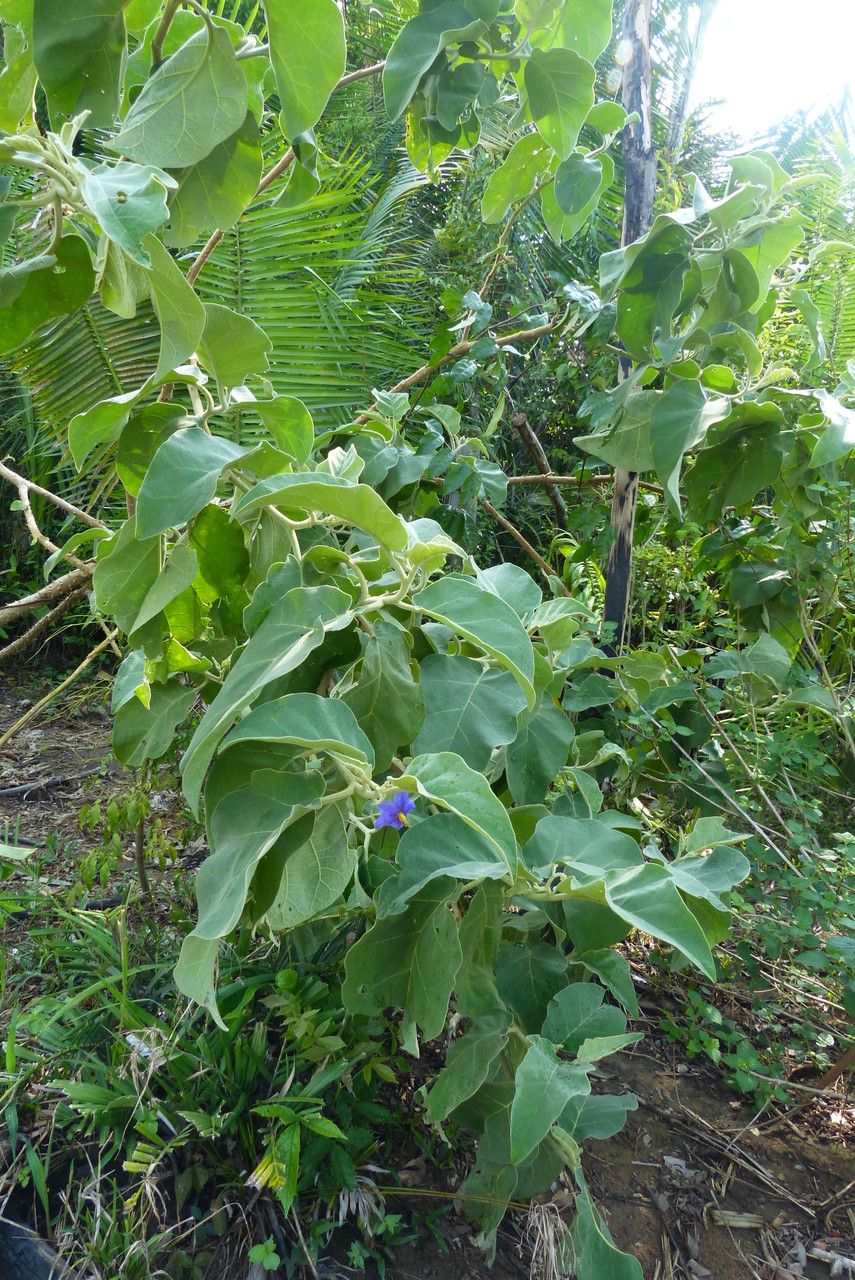
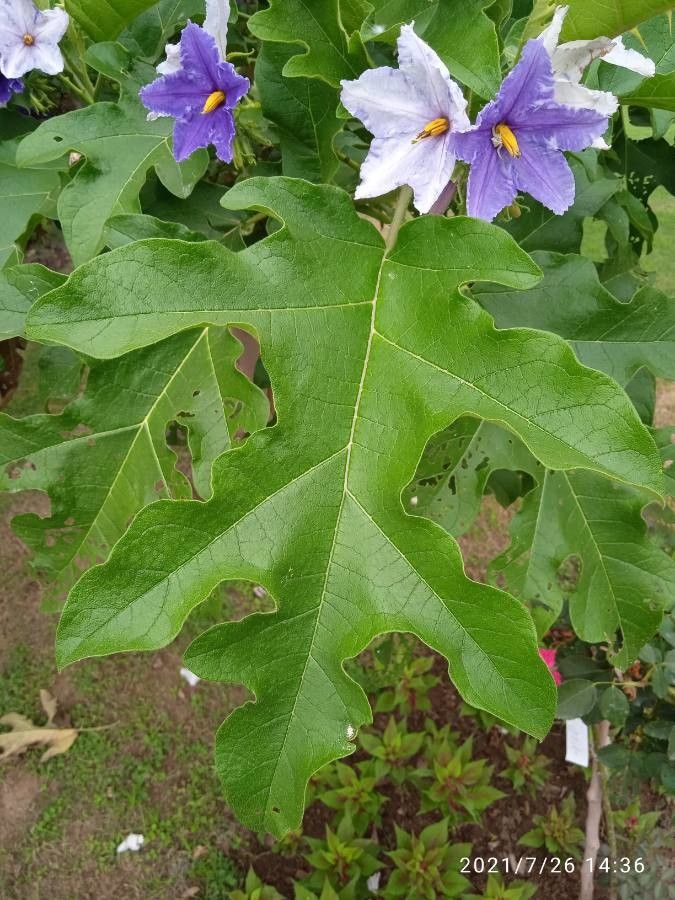
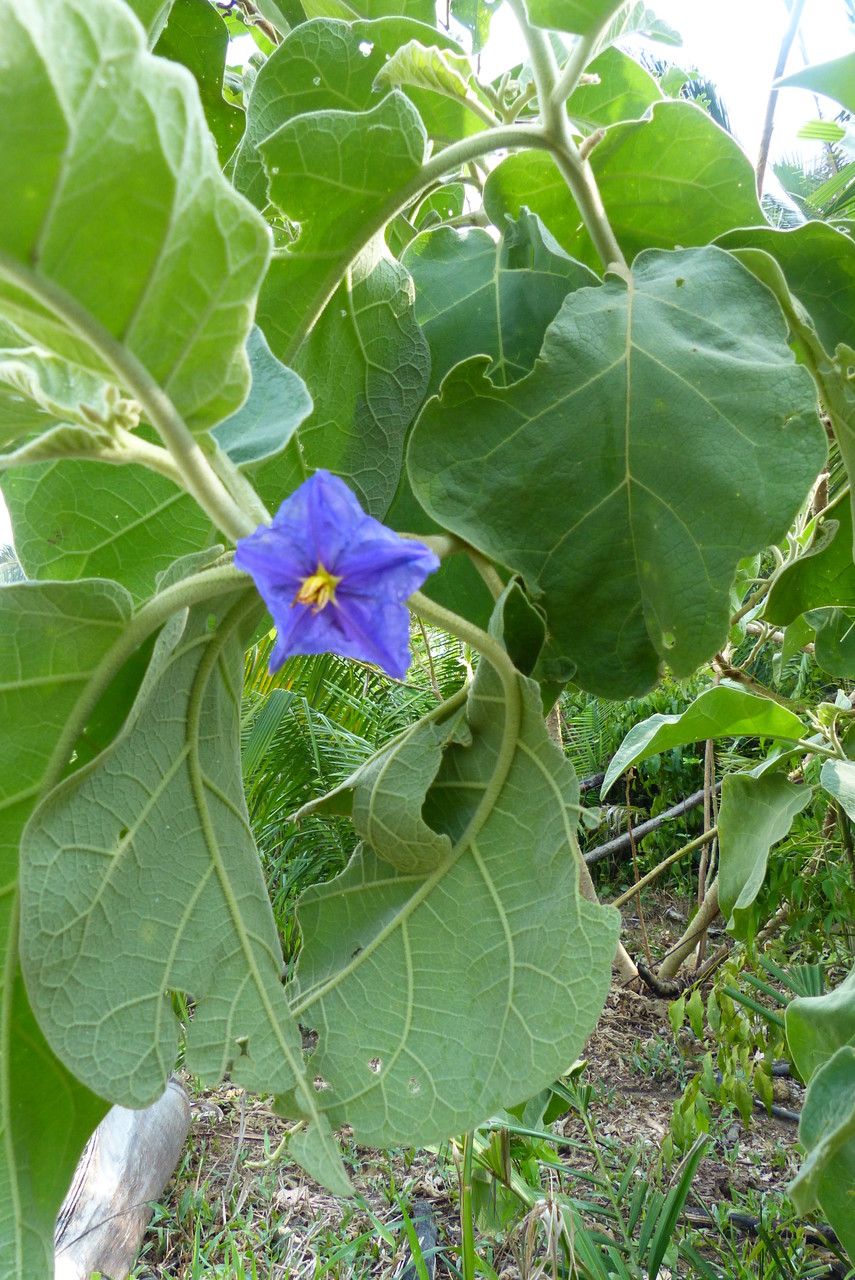
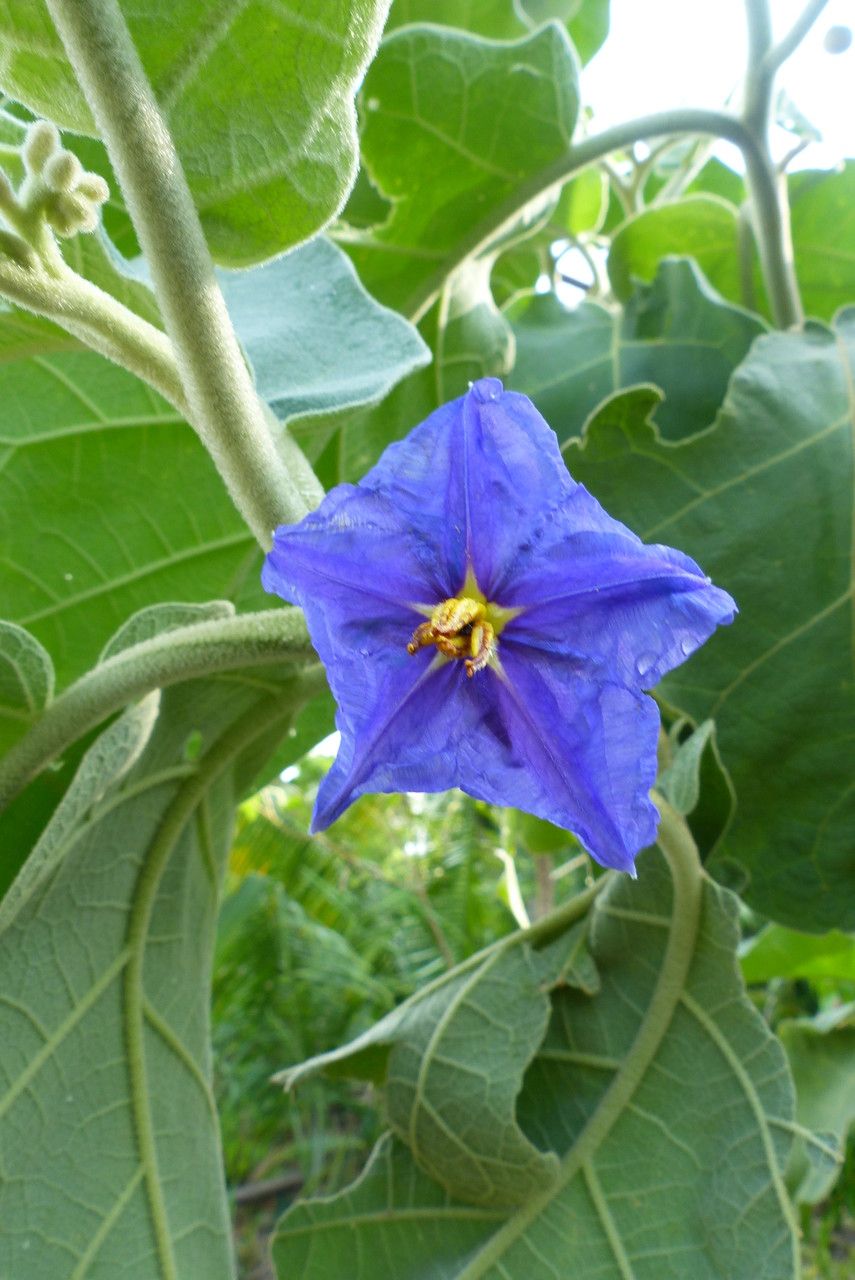
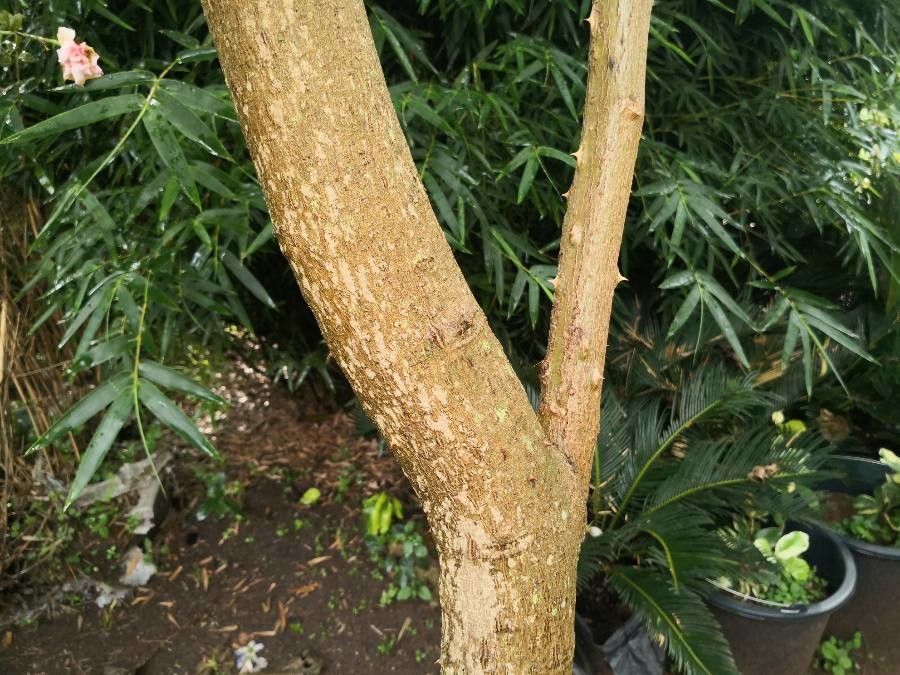
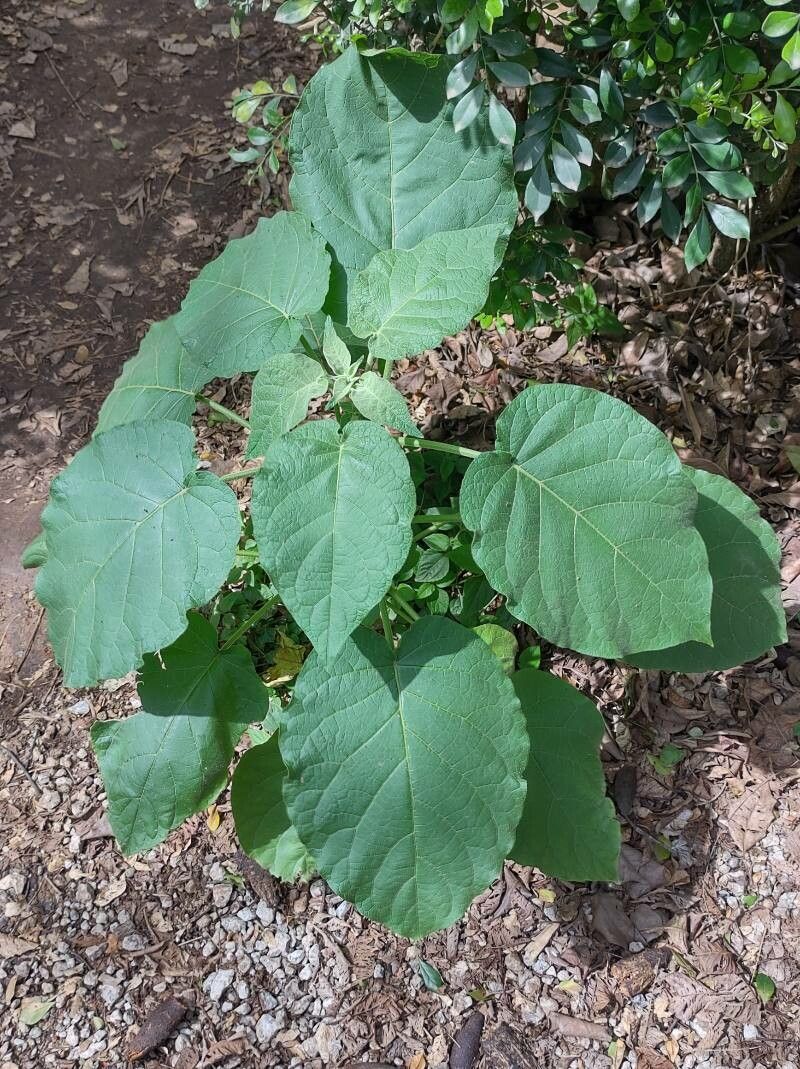
Solanum wrightii, commonly known as Wright's nightshade, is a perennial plant that belongs to the Solanaceae family. Native to the southwestern United States and northern Mexico, this plant typically grows to a height of 1-2 meters and features a woody stem with spiny branches.
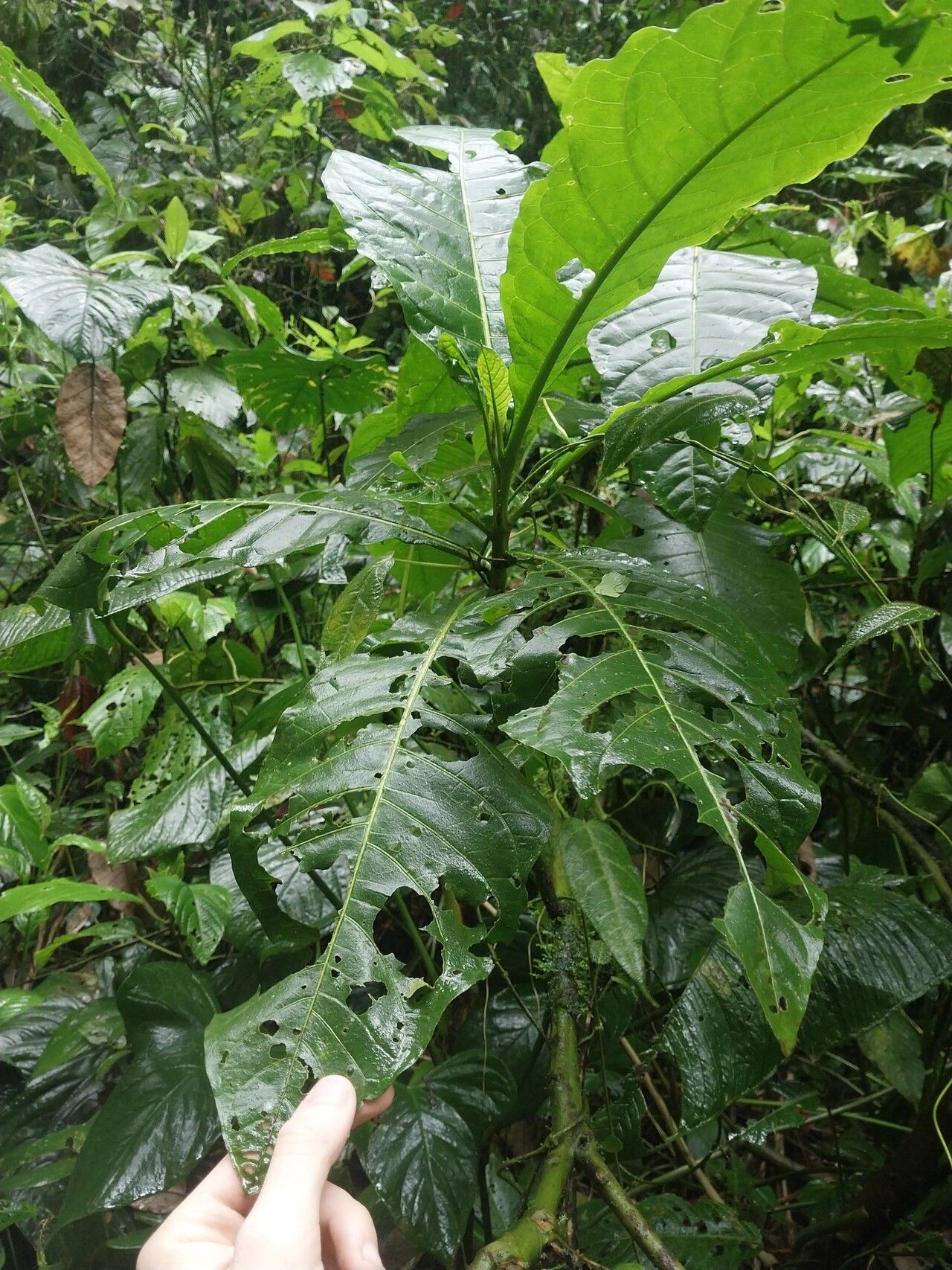
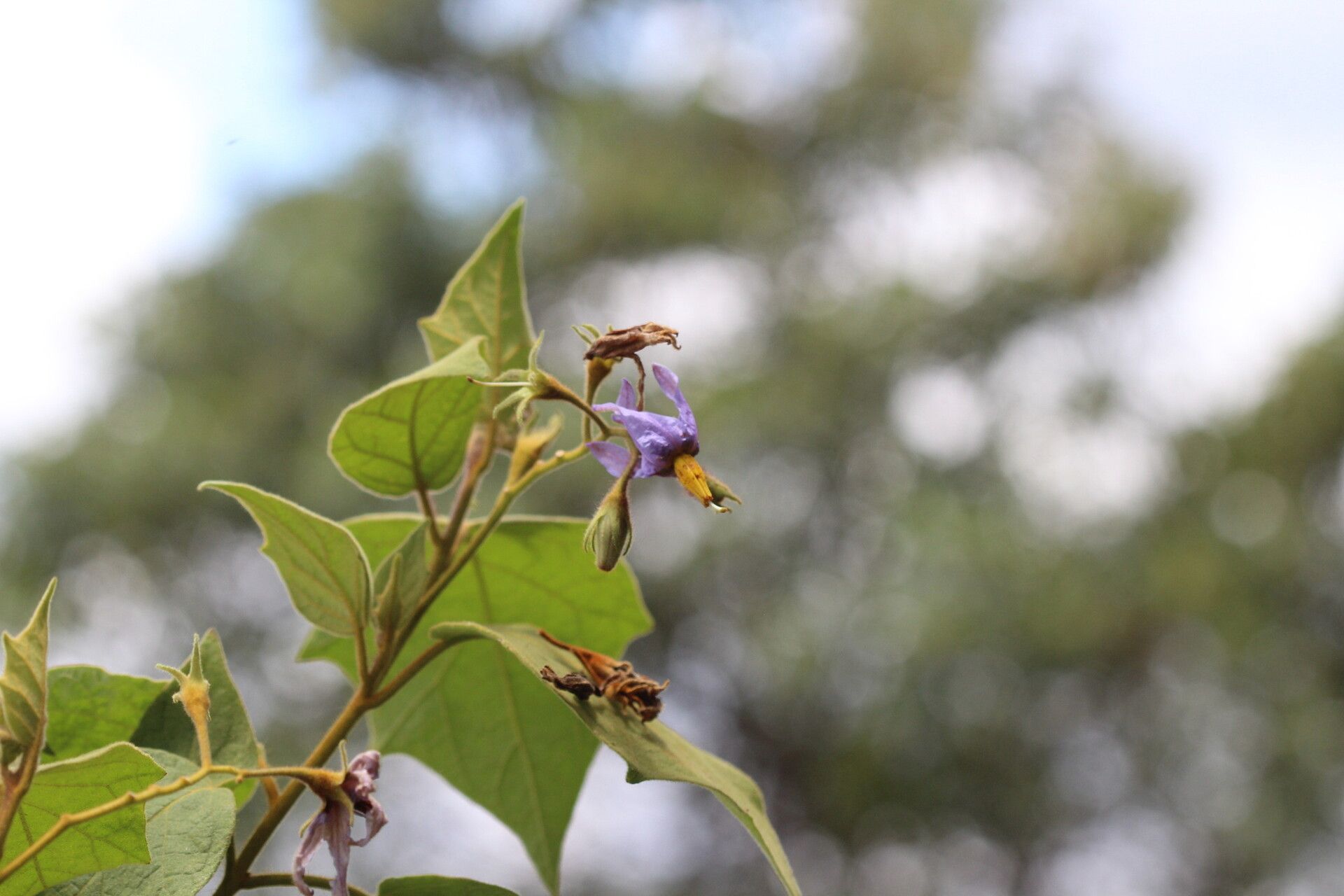
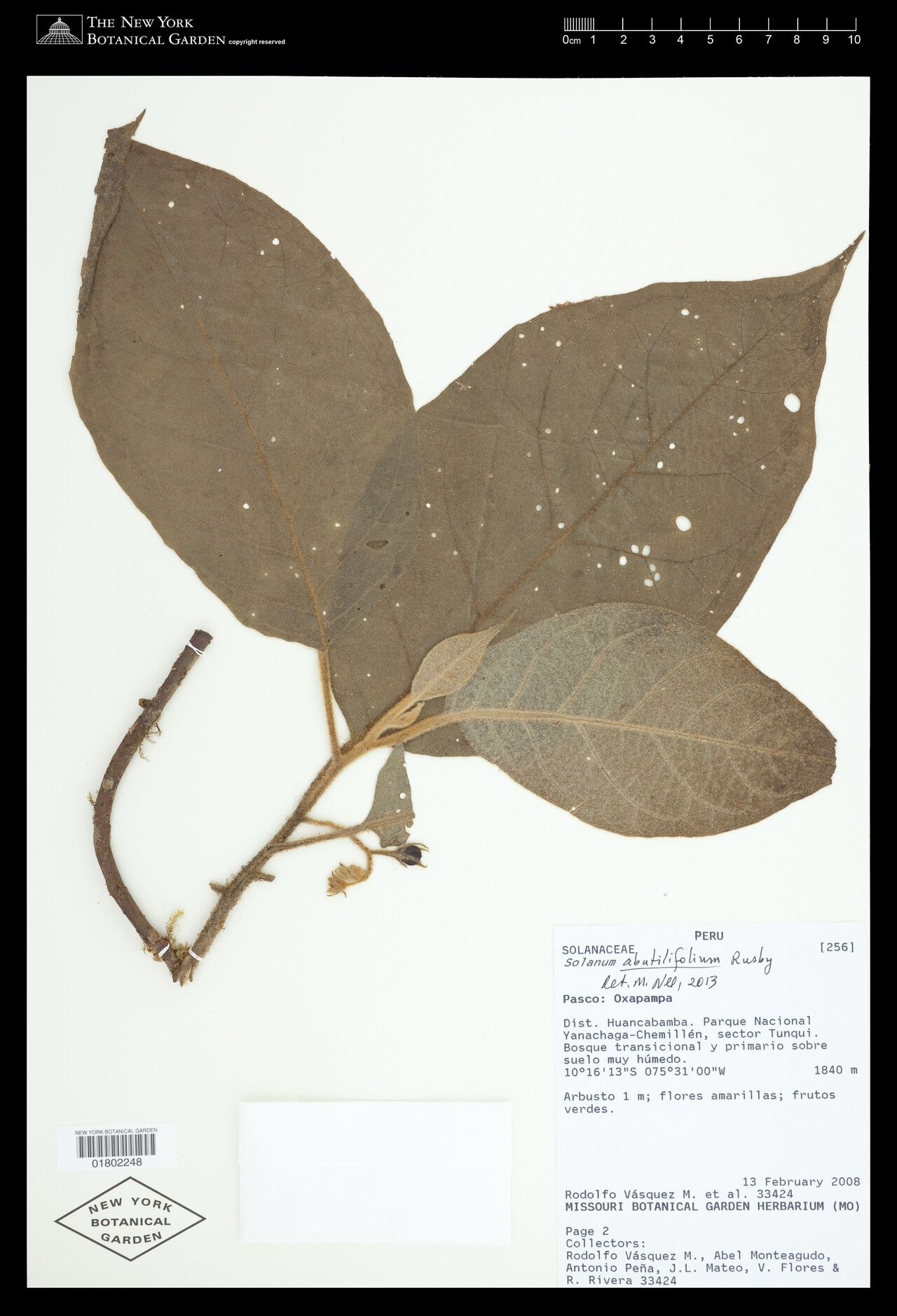
The leaves of Solanum wrightii are dark green, ovate in shape, pointed at the tips, and have a slightly hairy texture. Its small flowers, which bloom from late spring through summer, are either white or pale blue with yellow centers.
The fruit of this plant is an edible berry that transitions from green to yellow when ripe. Native Americans have used it for both food and medicinal purposes for centuries.
Solanum wrightii thrives in well-drained soils with full sun or partial shade, commonly found in rocky slopes or canyons. While it can tolerate drought conditions, it requires regular watering during its growing season.
Although some may consider it an invasive species due to its rapid spread by seeds, Solanum wrightii plays a significant role in the ecosystem. It provides food for wildlife such as birds and small mammals and serves as a natural insect repellent due to its toxic alkaloid content.
Botanical profile.
- Life Cycle
- Perennial
- Genus
- Solanum
- Family
- Solanaceae
Other names.