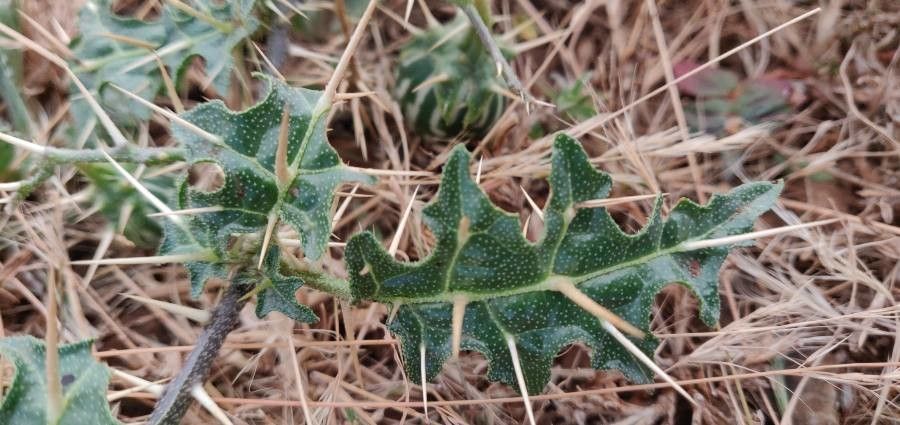
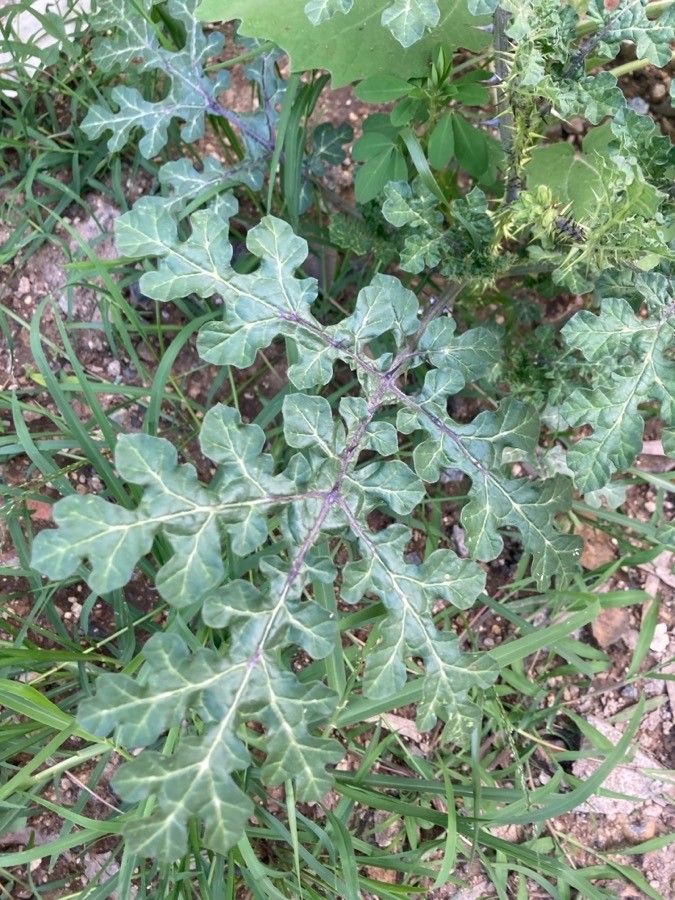
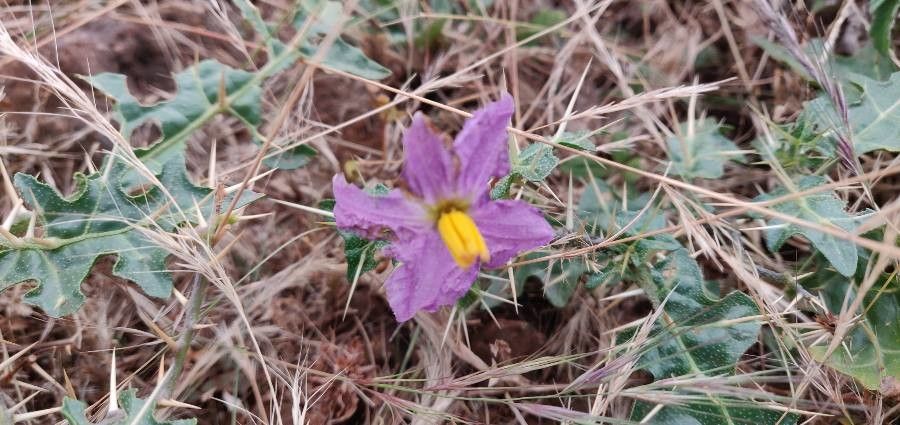
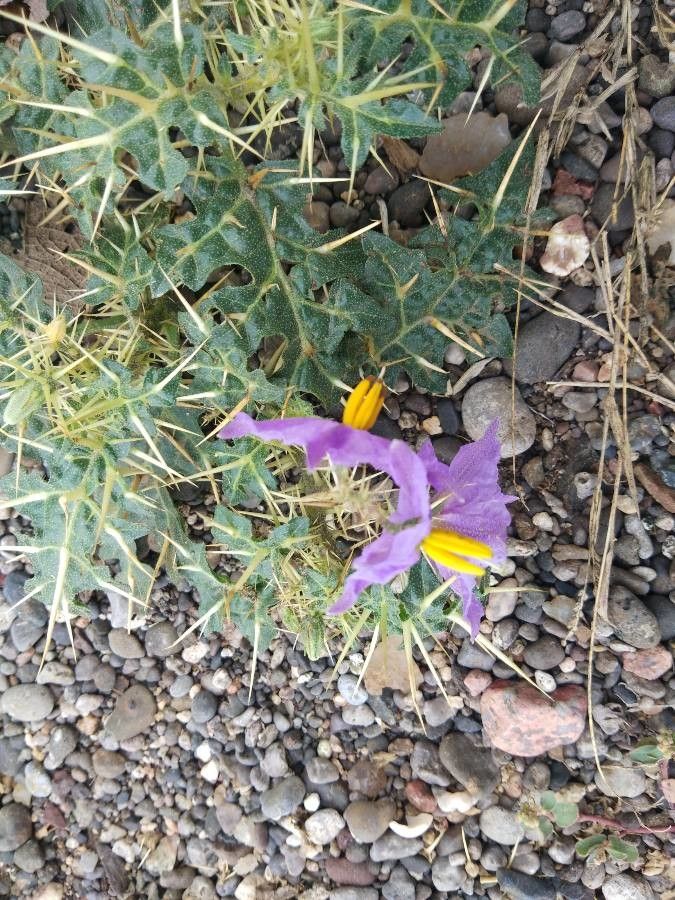
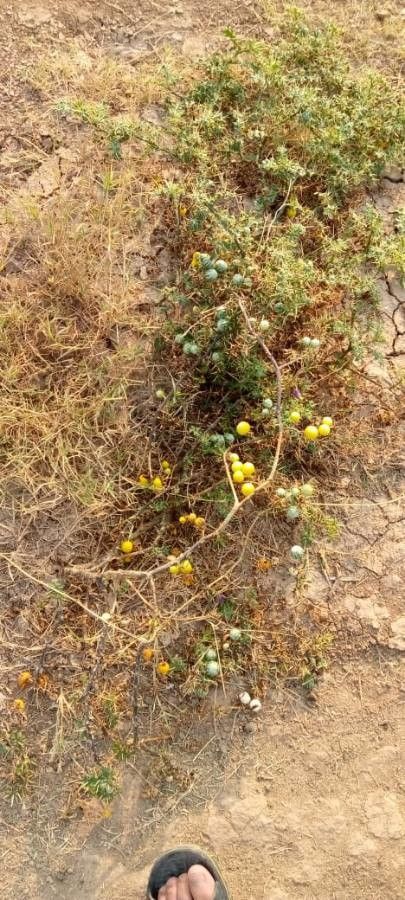
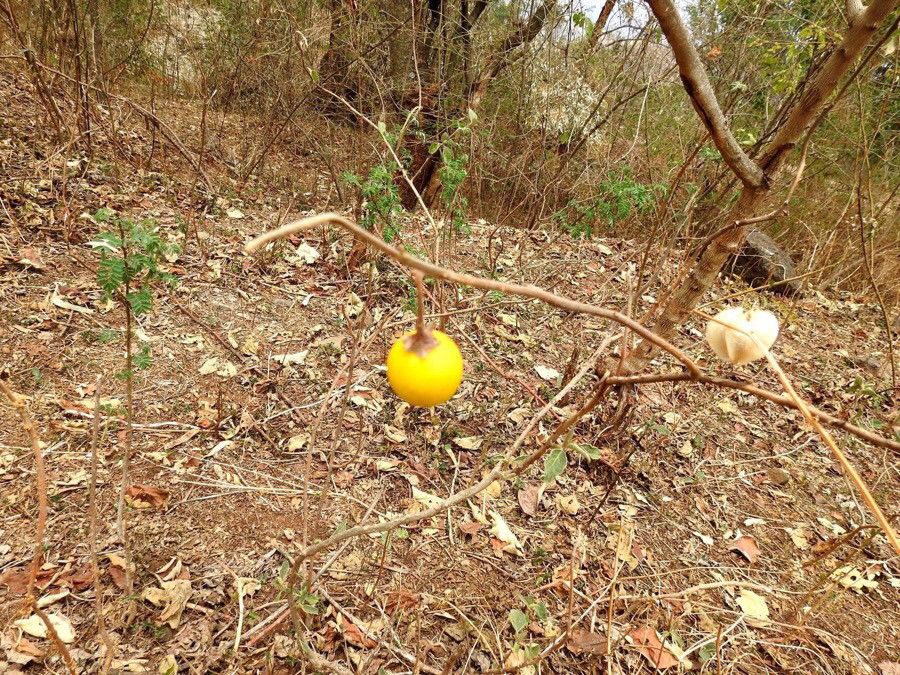
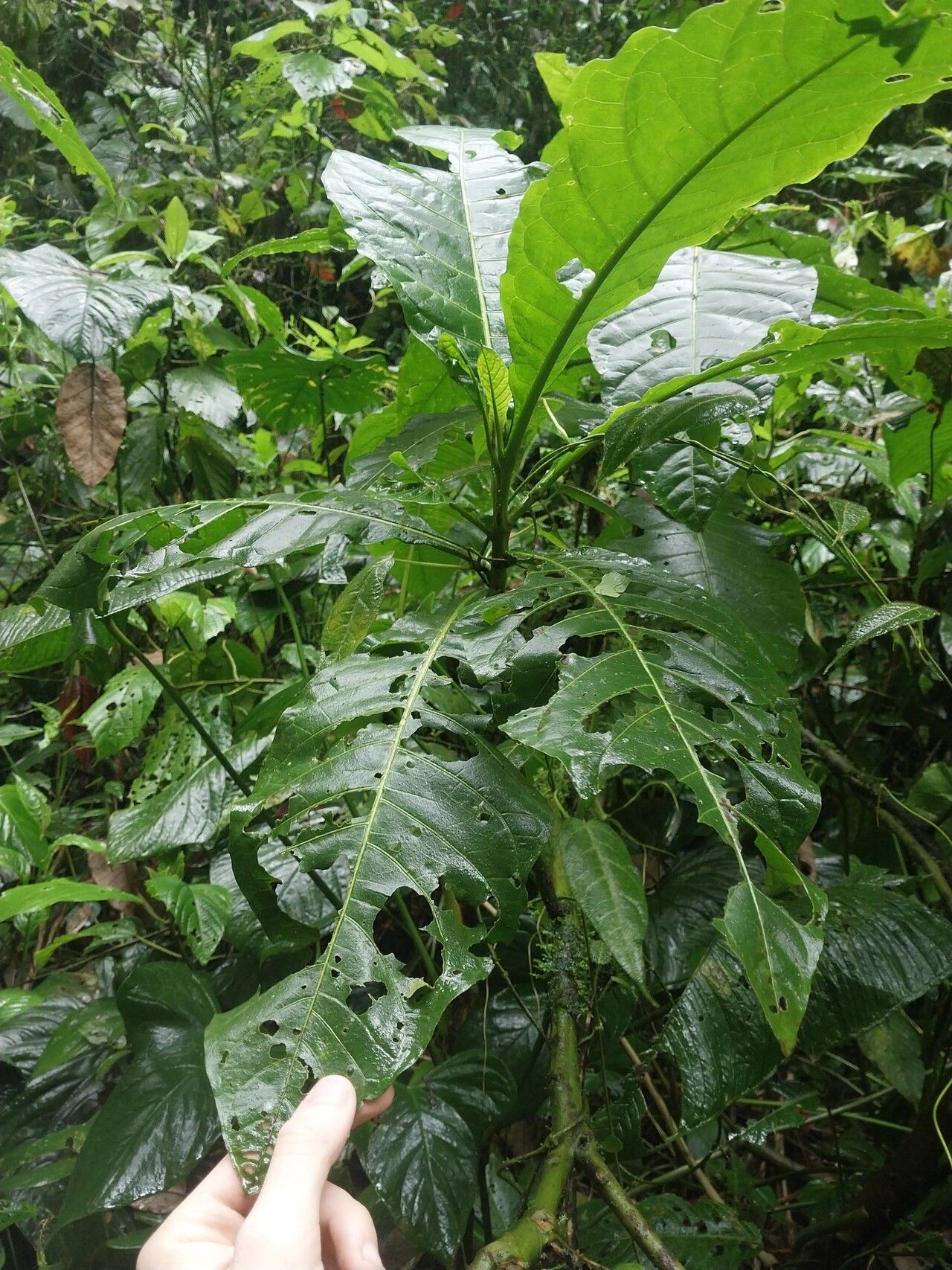
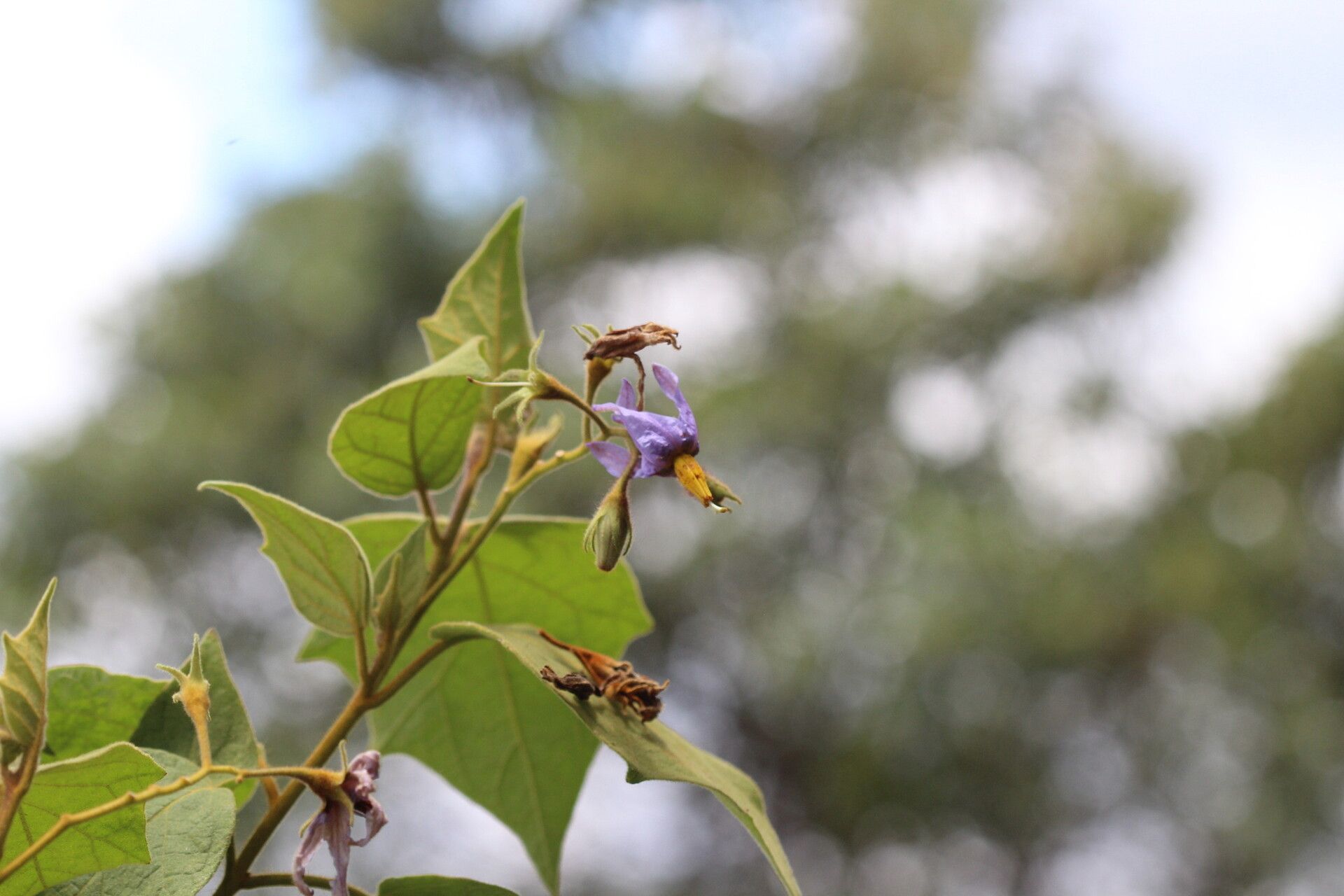
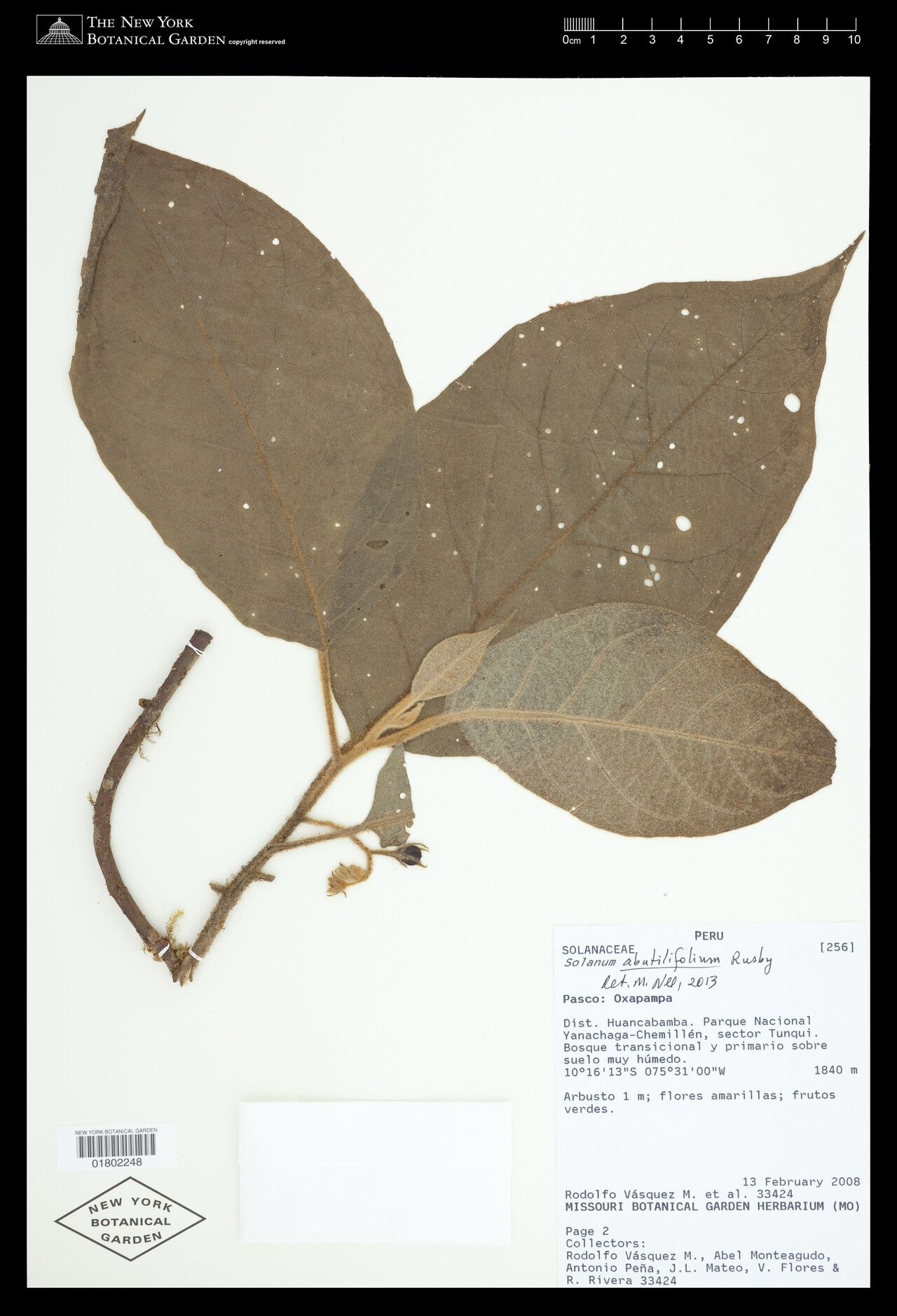
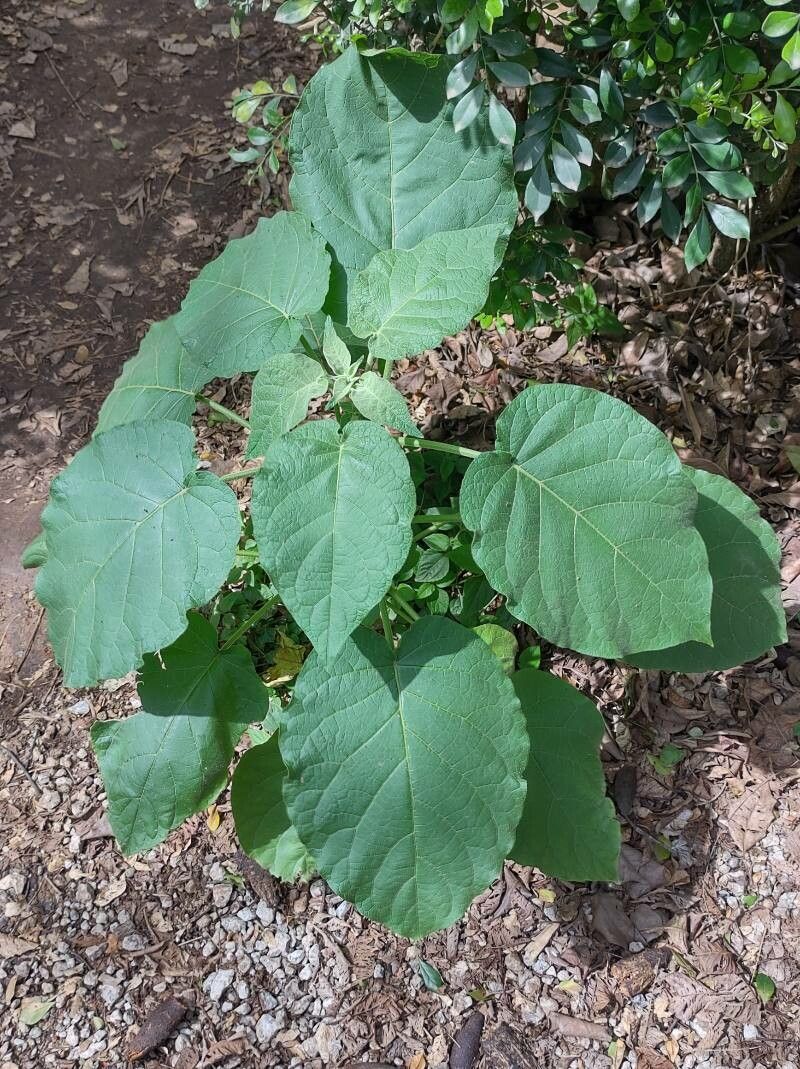
Solanum virginianum, also called Surattense nightshade, yellow-fruit nightshade, yellow-berried nightshade, Indian nightshade, Thai green eggplant, or Thai striped eggplant (from the unripe fruit), is a medicinal plant used mostly in India. Some parts of the plant, like the fruit, are poisonous. The common name is Kantakari. Solanum surattense Burm. f. and Solanum xanthocarpum Schrad. and Wendl. are synonyms of Solanum virginianum L. (Sharma et al., 2010).
Black nightshade has good resistance to disease and is generally not prone to illnesses. However, it can be vulnerable to pests and diseases present in its surroundings. Such infections are usually mild. Care-wise, this plant needs moderate maintenance. It should be pruned regularly to maintain a neat appearance and support healthy growth. Fertilizing can also help encourage flowering. Black nightshade is appropriate for anyone with outdoor space, such as a garden or patio, and does not demand extensive care experience. It may need more attention when grown indoors.
How to keep Solanum Virginianum.
Light
Black nightshade flourishes with abundant light for maximum growth, yet it can also tolerate reduced light exposure, bestowing upon it a degree of hardiness. Sunlight is essential for its positive development, and fluctuating light levels can influence its growth, while severe light deficiency may lead to weakness. The environment from where it originates provides considerable sunlight, with only occasional partial shading.
Water
The Surattense Nightshade thrives in tropical rainforests, where the humidity is high. It requires balanced watering, ideally about once a week, and has a moderate tolerance for drought. Although it is typically cultivated outdoors, it benefits from the natural rainfall during its active growing season.
Temperature
Native to temperate zones, black nightshade thrives best in a temperature spectrum of 68 to 95°F (20 to 35°C). Any deviation from this optimal temperature range necessitates environmental modifications to encourage maximum growth.
Fertilizer
Black nightshade thrives when it receives regular, diluted amounts of fertilizer, as it encourages the proper development of leaves. During the summer, it is recommended to fertilize Black nightshade about once a month. Nitrogen plays a significant role in leaf growth, and providing Black nightshade with a nitrogen-rich supplement can contribute to its flourishing condition.
Pruning
Surattense Nightshade, recognized for its thorny stems and vibrant yellow flowers, requires careful pruning from early to late spring. To improve its health and encourage flowering and fruiting, remove dead branches and thin out dense areas to enhance airflow and sunlight exposure. This process also helps in managing the plant’s size and shape.
Botanical profile.
- Plant Type
- Herb
- Life Cycle
- Annual, Perennial, Biennial
- Genus
- Solanum
- Family
- Solanaceae
- Hardiness Zone
- 5-10
- Mature Height
- 0.3 m to 1.22 m
- Mature Spread
- 61 cm
- Leaf Color
- Green, Purple
- Leaf Type
- Deciduous
- Flower Color
- White
- Flower Size
- 0.51 cm to 1.02 cm
- Bloom Time
- Late spring, Early summer, Mid summer
- Planting Time
- Spring
- Harvest Time
- Mid summer, Late summer
- Native Area
- Burkina Faso, Libya, India, Nigeria, Slovenia, Guinea-Bissau, Belarus, Cameroon, Ethiopia, Latvia, Netherlands, Tunisia, Bulgaria, Bangladesh, Laos, Chad, China, Afghanistan, Kyrgyzstan, Kazakhstan, Japan, Finland, Eswatini, Djibouti, Egypt, Angola, Austria, Namibia, Zimbabwe, Uzbekistan, Russia, Estonia, Ghana, Botswana, France, Nepal, Tajikistan, Sudan, Mauritania, Armenia, Poland, Greece, Norway, Switzerland, United Kingdom, Algeria, Turkey, Sweden, Slovakia, Montenegro, Croatia, Morocco, Uganda, Tanzania, Germany, Sierra Leone, Indonesia, Mozambique, Romania, Belgium, Portugal, Saudi Arabia, Malawi, Cyprus, Turkmenistan, Ukraine, Lebanon, Syria, Italy, Senegal, Iran, Côte d'Ivoire, Azerbaijan, Kuwait, Malaysia, Eritrea, Yemen, Kenya, Mali, Iraq, Liberia, Congo, Czech Republic, South Africa, Zambia, Serbia, Lithuania, Spain, Denmark, Myanmar, Albania, Ireland, Hungary, Thailand, Gabon
Other names.
Reader questions.
How should I water my Surattense Nightshade plant?
There are a few different ways to water Surattense Nightshade, such as using a garden hose with a spray nozzle or a watering can. This plant is not too particular about the type of water it receives and can thrive with rainwater, tap water, or filtered water. However, it's best to avoid watering this plant from above, as it can harm the leaves and flowers and potentially cause disease. Instead, a drip irrigation system is often recommended for watering Surattense Nightshade, as it ensures even and direct watering of the soil. If you have a container-grown Surattense Nightshade, you can use a cup, watering can, or tap to water the plant directly at the soil level.
What are the sunlight requirements for Surattense Nightshade?
Surattense Nightshade requires full sunlight exposure for more than 6 hours a day to thrive optimally. It can also tolerate partial sun, with about 3-6 hours of sunlight per day. Monitoring the movement of sunlight through your garden and choosing locations that offer a mix of light and shade will ensure the well-being of your plants. This careful balance supports the plant's growth and health, enabling it to thrive in its natural habitat of sun-drenched terrains. However, insufficient sunlight may stunt its growth, while excessive exposure can lead to leaf scorch.
What is the native climate for Surattense Nightshade?
Surattense Nightshade, also known as Solanum virginianum, is indigenous to regions with a temperature range of 68 to 95 °F (20 to 35 °C), showcasing its preference for warmer climates. In environments that experience cooler seasons, it's essential to make temperature adjustments to sustain its health and growth.
What should I do if I give too much or too little water to my Surattense Nightshade plant?
Underwatering Surattense Nightshade is easily fixed by watering the plant more regularly once you notice its lack of moisture. Overwatering, on the other hand, can lead to more serious issues if not caught early. It can cause the plant to develop diseases that can ultimately lead to its death. To prevent this, it is important to choose an appropriate location for your Surattense Nightshade that receives plenty of sunlight to dry out the soil and has good drainage to prevent pooling water. If you have overwatered a potted Surattense Nightshade, consider changing it to a new pot with better drainage. When repotting, be sure to use loose soils and a pot that drains efficiently.
How important is artificial lighting for indoor Surattense Nightshade plants?
Artificial lighting is crucial for the growth and health of indoor Surattense Nightshade plants, especially when natural sunlight is insufficient, such as in winter or in less sunny spaces. It promotes faster, healthier growth. Choosing the right type of artificial light, like LED lights, can provide specific wavelengths needed by the plants. Full sun plants require 30-50W per square foot of artificial light, partial sun plants need 20-30W per square foot, and full shade plants require 10-20W per square foot. The light source should be placed 12-36 inches above the plant to mimic natural sunlight, and most plants need 8-12 hours of light per day.
Does Surattense Nightshade need cold protection, and what measures should be taken?
Surattense Nightshade possesses some degree of cold tolerance and generally does not require any special care when temperatures are above its minimum tolerable growing temperature. However, if temperatures are expected to fall below this minimum threshold, temporary protective measures, including wrapping the plant with materials like plastic film or fabric, should be enacted. These protections must be removed once temperatures rise to suitable levels again.
How often do I need to water my Surattense Nightshade plant?
Surattense Nightshade needs regular watering throughout the growing season. In spring, you should water it once a week. As the season progresses and temperatures increase, you may need to water it two to three times per week. However, watering it more than that can harm the plant. Regardless of how often you water, make sure the soil remains moist but not wet. Watering Surattense Nightshade in a pot is different. Due to the soil heating up and drying faster, you'll need to water it more frequently. Generally, plan to water a potted Surattense Nightshade a few times a week, compared to once a week for an in-ground plant.
What are the signs of insufficient or excessive sunlight in Surattense Nightshade?
Signs of insufficient sunlight in Surattense Nightshade include smaller new leaves, leggy or sparse growth, faster leaf drop, slower or no new growth, and lighter-colored new leaves. Excessive sunlight exposure can lead to symptoms like chlorosis, sunscald, leaf curling, wilting, and leaf scorching. These symptoms indicate stress from inappropriate light levels, affecting the plant's ability to grow and photosynthesize properly.
How does low temperature affect Surattense Nightshade, and what are the remedies?
Surattense Nightshade has a moderate tolerance for low temperatures, thriving best above a specific minimum suitable growth temperature. In winter, it's crucial to keep it above its tolerable growing temperature minimum to avoid stress. Falling below the limit growth temperature can cause leaves to droop, and in severe cases, they may wilt and drop off. To counteract frost damage, trim frost-damaged parts, wrap the plant in non-woven fabric or cloth for insulation, and construct a wind barrier for additional protection against cold winds.
How much water does my Surattense Nightshade plant need?
To determine the appropriate amount of water for your Surattense Nightshade, there are a few different approaches. Some gardeners prefer to gauge soil moisture by feeling it, suggesting that you should water until the top six inches of soil feels moist. Alternatively, you can use a specific measurement, such as two gallons per week, depending on factors like heat and soil dryness. However, strict guidelines may result in overwatering if your plant needs less. When growing in a container, a different method is needed. You should water enough to moisten all the dry soil layers and can check by feeling the soil or observing excess water draining from the pot's holes.
What solutions can be applied for Surattense Nightshade experiencing light-related issues?
For indoor Surattense Nightshade plants experiencing light-related issues, gradually moving the plant to a sunnier location each week until it receives at least 6 hours of direct sunlight daily is recommended. Using a south-facing window helps maximize sunlight exposure. If the plant is large or not easily movable, consider using artificial light for at least 8 hours daily. For outdoor plants, gradually adapting them to sunlight by moving them to sunnier spots each week is essential to prevent sunburn. Minimizing obstructions and transplanting smaller plants to brighter locations can also be beneficial, ensuring the plants receive ample sunlight and exhibit healthy new growth.
What effects do high temperatures have on Surattense Nightshade, and how can these be mitigated?
During the hotter summer months, it's important to ensure Surattense Nightshade doesn't exceed its maximum suitable growth temperature. High temperatures can lead to lighter leaf colors, dry and withered leaf tips, curled leaves, and increased susceptibility to sunburn. Mitigation strategies include trimming sunburned and dried-up parts of the plant, relocating it to a shaded area during peak sun hours, or employing a shade cloth. Additionally, watering the plant in the morning and evening helps maintain soil moisture, further protecting it from the stress of high temperatures.