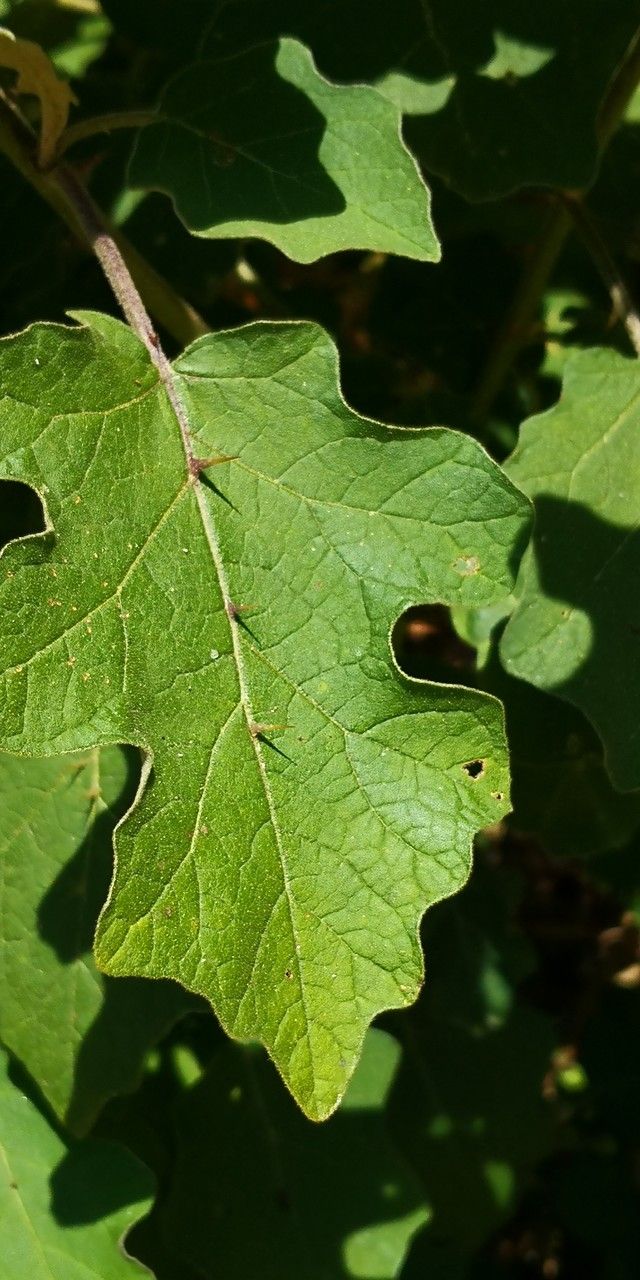
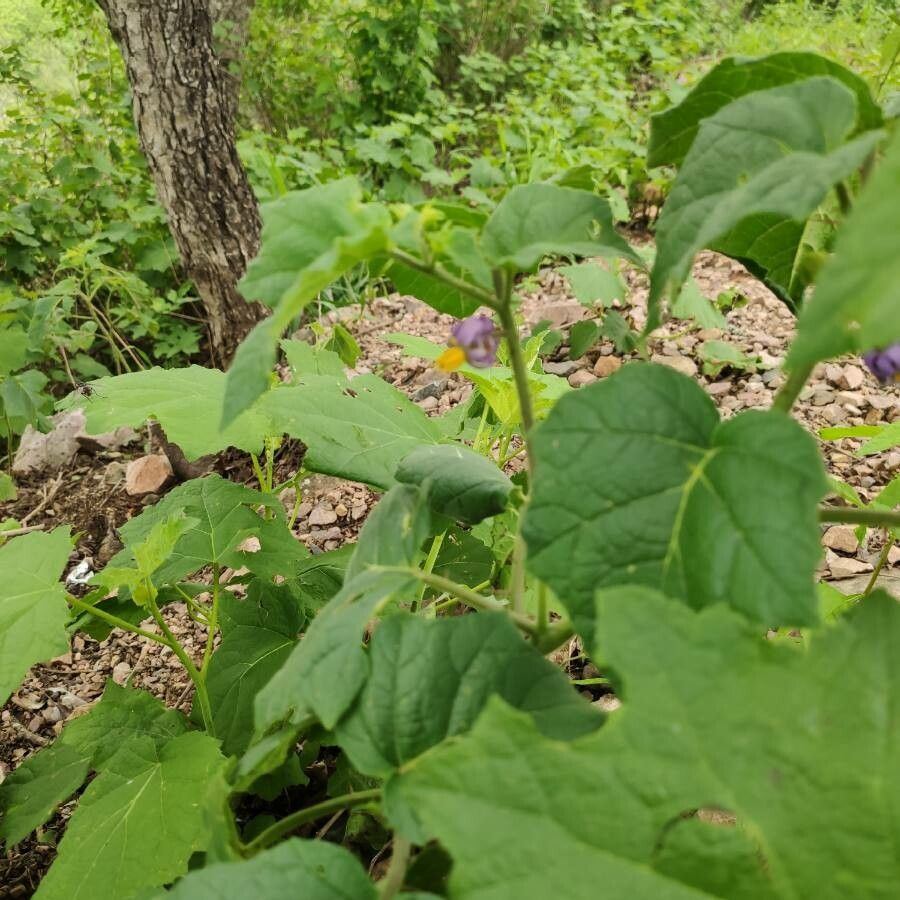
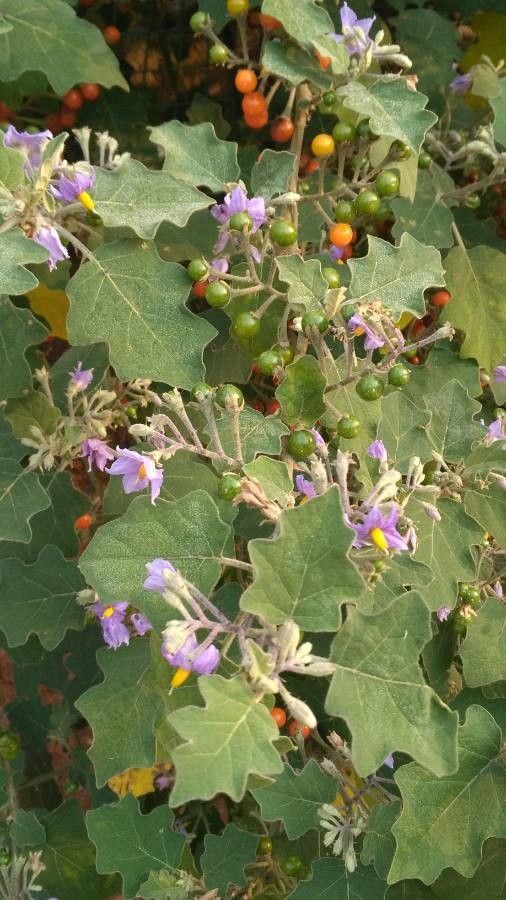
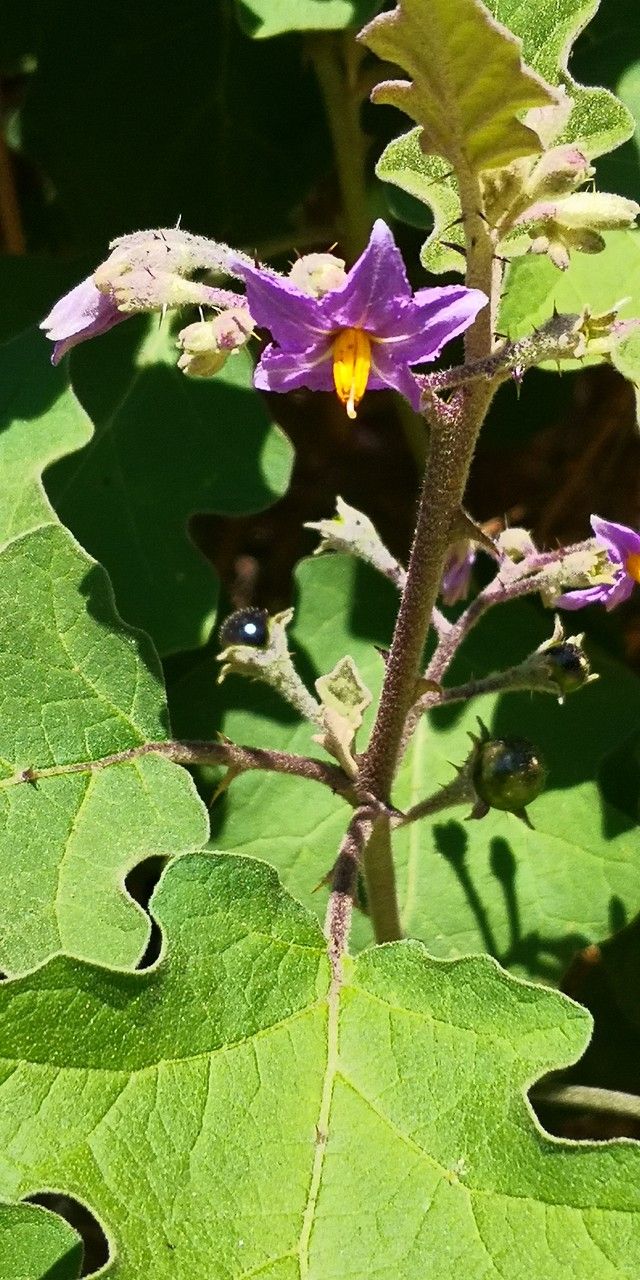
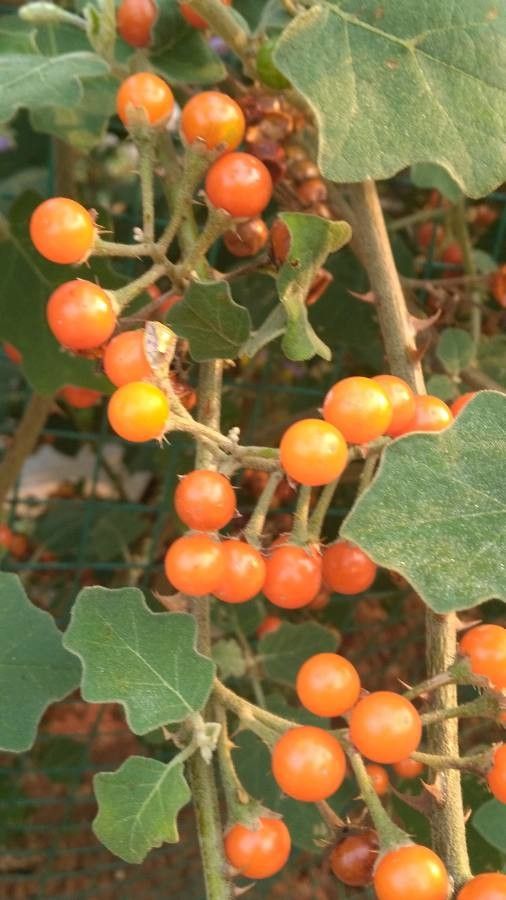
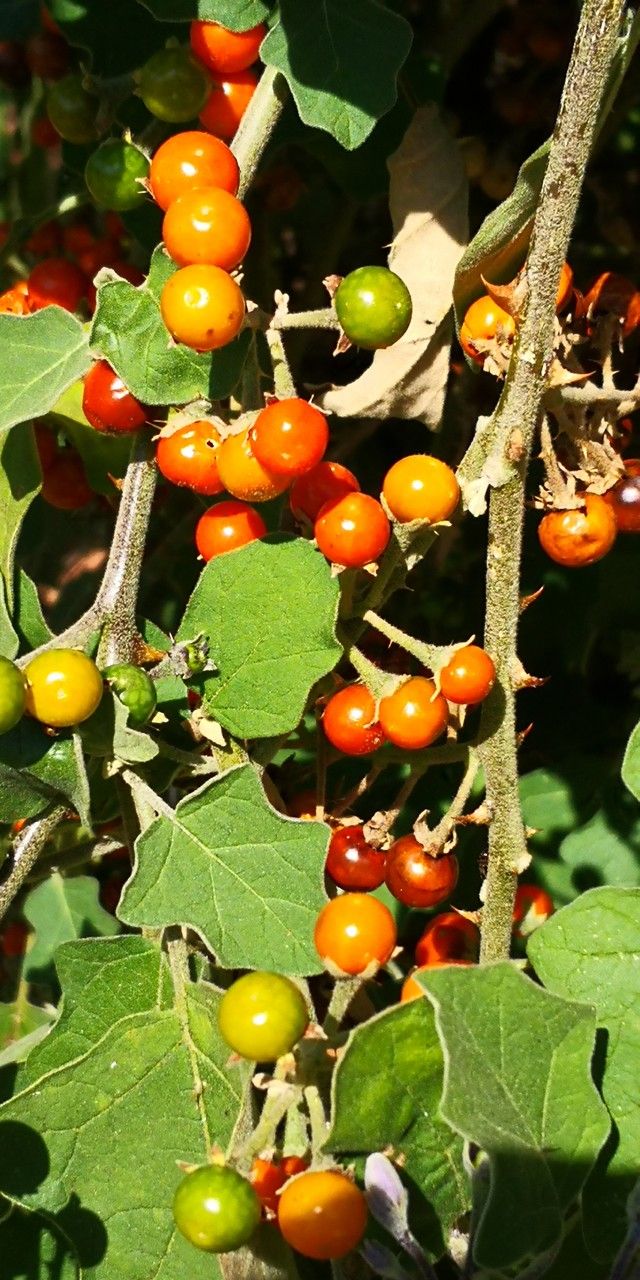
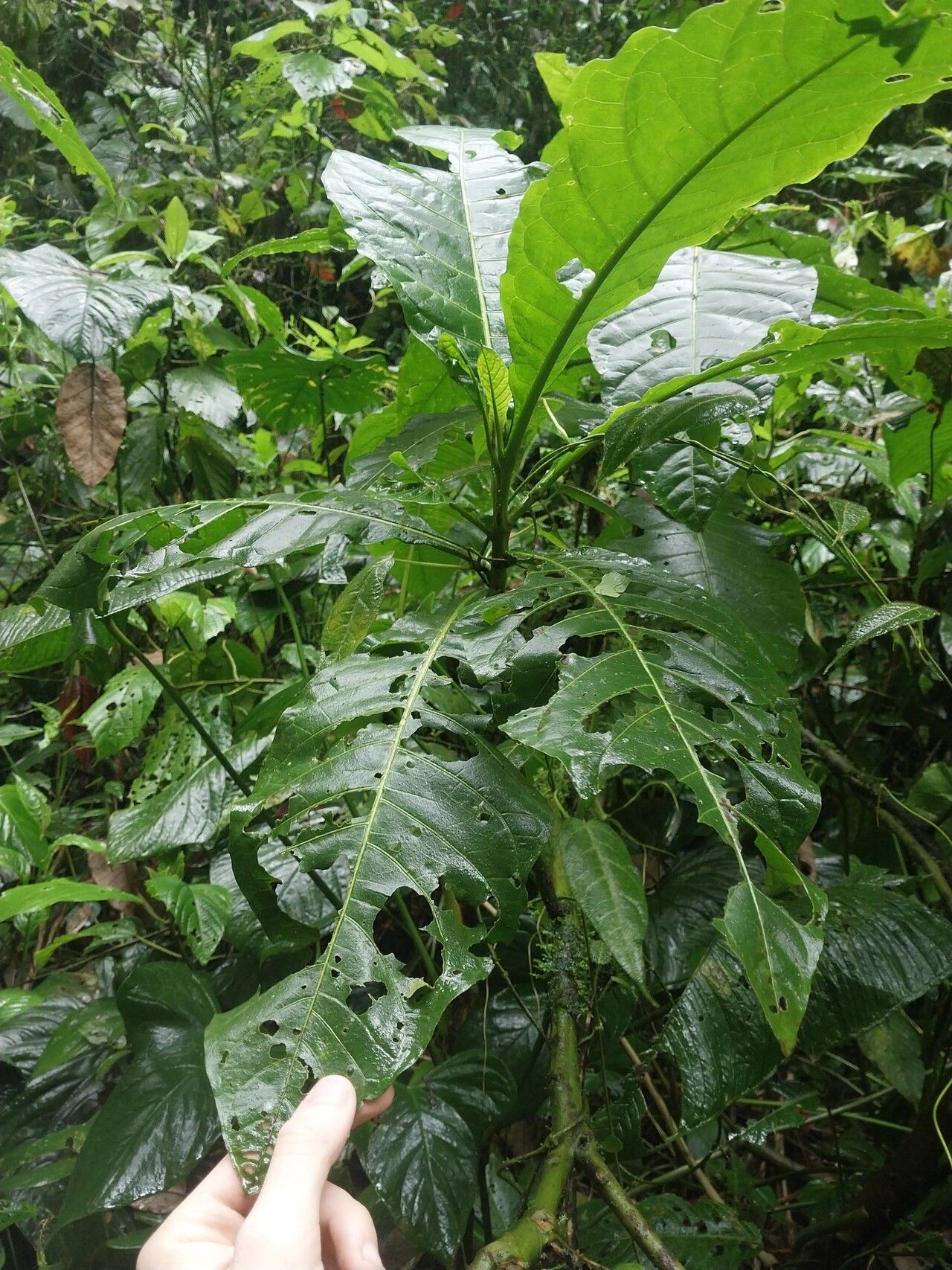
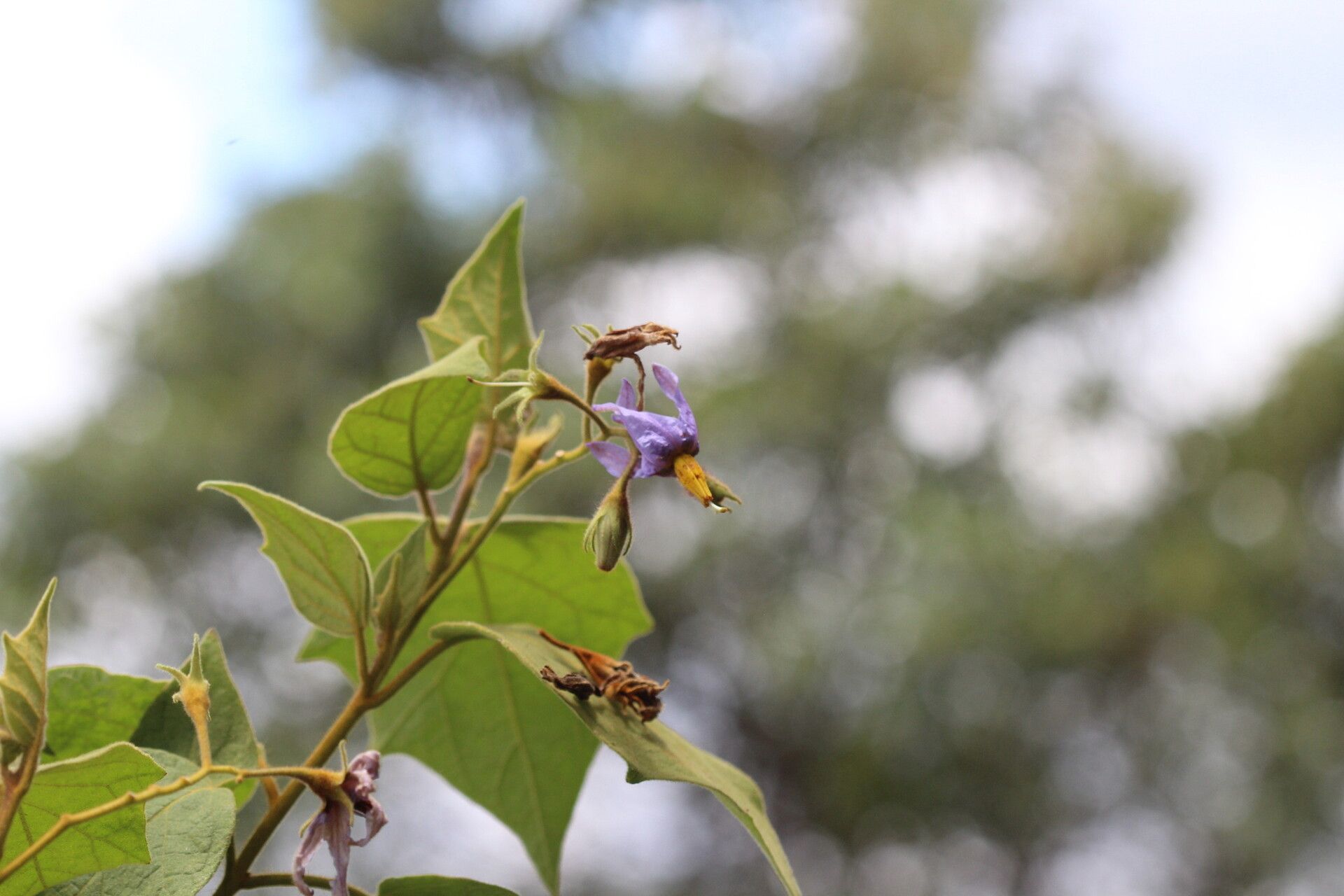
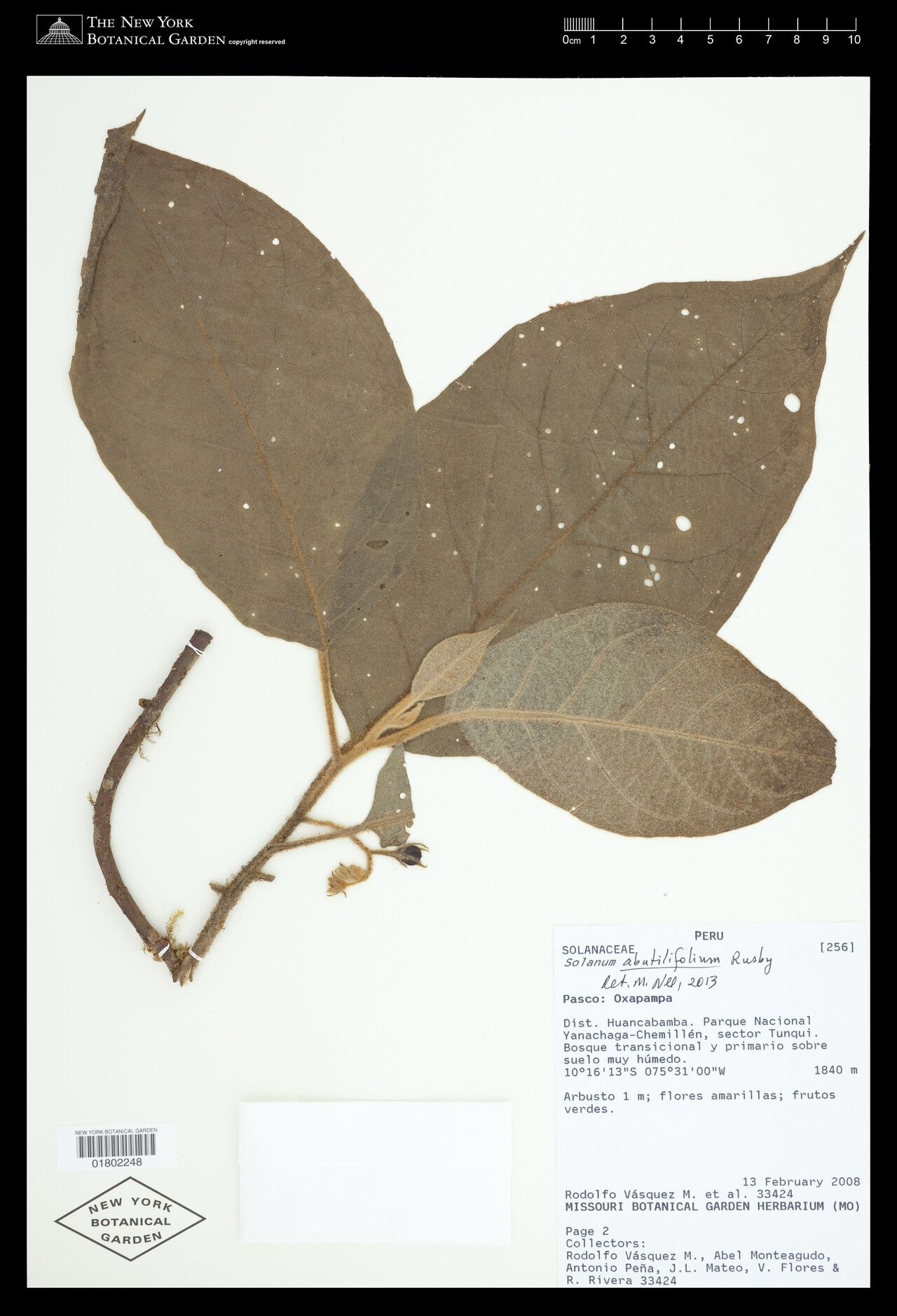
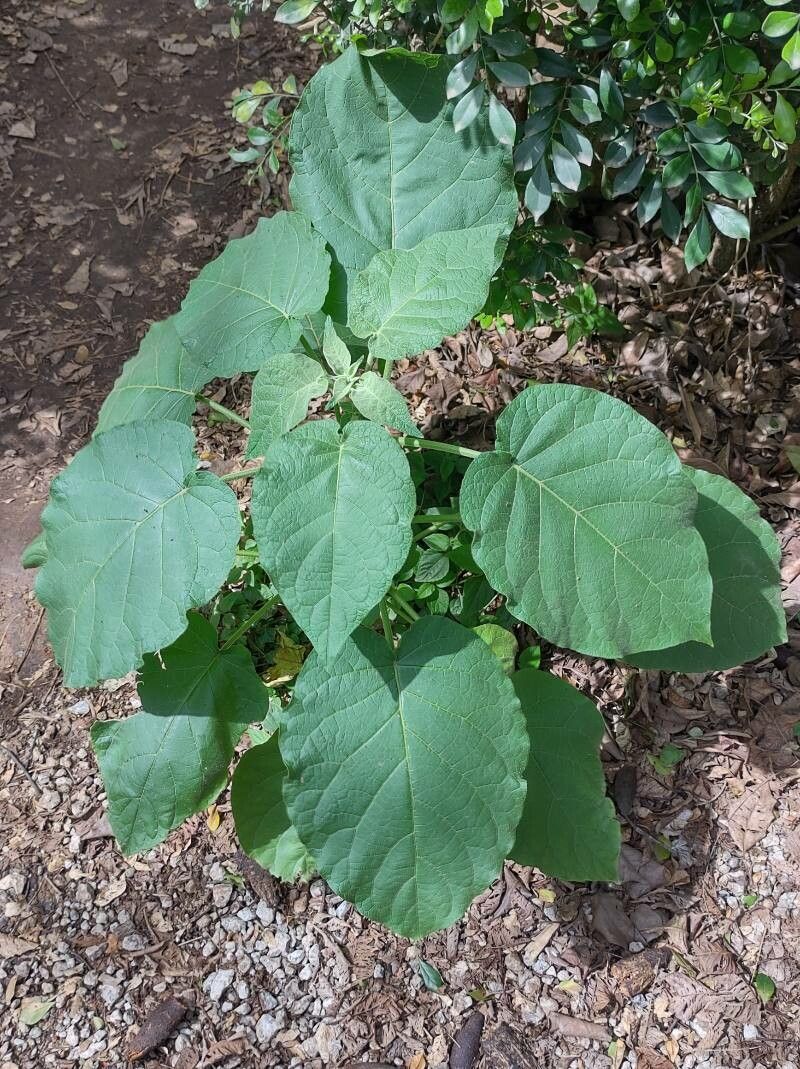
Solanum violaceum is a flowering plant in the family Solanaceae that is found in China at elevations of 100 to 2700 meters.
Eggplant has moderate resistance to disease and is not highly prone to leaf spot or powdery mildew. It may incur some insect damage, but this is likely to be mild. The care required is considered easy, needing only regular watering and occasional fertilization. Pruning is not usually necessary. Eggplant is appropriate for most people to grow outdoors with minimal attention, and it can also be cultivated indoors with some care and effort.
How to keep Solanum Violaceum.
Light
Eggplant needs a large amount of sunlight to grow best, though it can tolerate locations with somewhat reduced—but still considerable—sun exposure. This level of light promotes healthy growth. Excessive sun can scorch the leaves, while too little sunlight can reduce fruiting. Having originated in sunny environments, it can pass through its various growth stages if given sufficient light.
Water
Indian nightshade is well-suited to environments with moderate humidity, as it balances its drought tolerance with the need for moisture. It should be watered once every 2 to 3 weeks. As a deciduous plant, Indian nightshade sheds its leaves during dry seasons to conserve water. This shedding is part of its effective survival strategy, allowing it to adapt to various climates.
Temperature
Eggplant is adapted to a native growing environment with temperatures between 68 and 95 °F (20 to 35 ℃). That range represents its preferred temperatures. Seasonal temperature changes for eggplant depend on the local climate but should remain within its preferred temperature span.
Fertilizer
To feed eggplant, apply natural or commercial fertilizer high in nitrogen for leaf growth, phosphorus for roots and blossoms, and potassium to support photosynthesis and maximize fruit production. Plant in spring, amend the soil with compost or manure, and fertilize seedlings once they reach 2–4 inches in height. A shortage of macronutrients causes slow growth, wilting, and problems with fruit quality.
Pruning
The Indian nightshade is easily recognized by its purple blooms and thorny stems. To ensure it thrives, prune it in early spring. Start by removing any deadwood and thinning out dense areas to improve airflow. This practice promotes healthy growth, boosts overall plant health, reduces the risk of disease, and encourages more abundant flowering. For detailed pruning techniques, consult horticultural guides.
Pot & Repot
When repotting Eggplant, select a pot 1–2 inches (2.5–5.1 cm) larger with ample drainage. Use a well-draining potting mix. Repot in spring or fall, ensuring the root ball is slightly lower than the rim of the flower pot. Water thoroughly after repotting and place in a warm spot with indirect sunlight.
Botanical profile.
- Plant Type
- Herb
- Life Cycle
- Perennial, Annual
- Genus
- Solanum
- Family
- Solanaceae
- Hardiness Zone
- 2-10
- Mature Height
- 91 cm
- Mature Spread
- 30 cm
- Leaf Color
- Green
- Leaf Type
- Deciduous
- Flower Color
- Lavender, Purple
- Flower Size
- 3.05 cm to 4.06 cm
- Bloom Time
- Late spring, Early summer, Mid summer
- Planting Time
- Spring, Summer
- Harvest Time
- Mid summer, Late summer
Other names.
Reader questions.
What are the sunlight requirements for Indian Nightshade?
Indian Nightshade flourishes best under full sun conditions, requiring more than 6 hours of sunlight daily. It can also grow in partial sun, with about 3-6 hours of sunlight. However, both excessive or insufficient sunlight can harm the plant's growth. To support its development indoors, artificial lighting can be employed, especially during less sunny seasons. Ensure to choose the right type of light and adjust the distance and duration to meet the plant's needs effectively.
What is Indian Nightshade?
Indian nightshade, known scientifically as Solanum violaceum, is a plant species recognized by its unique botanical name. It is a part of the diverse flora on our planet, contributing to the rich variety of plant life found in various ecosystems.
How does sunlight impact the growth of Indian Nightshade?
Sunlight plays a crucial role in the growth and development of Indian Nightshade, aiding in its overall health. Insufficient sunlight may result in a range of symptoms, including smaller new leaves, leggy or sparse growth, faster leaf drop, slower or no new growth, paler new leaves, and other signs of distress like chlorosis, sunscald, leaf curling, wilting, and leaf scorching. Conversely, excessive sunlight can also cause issues like chlorosis and sunscald, indicating the importance of finding the right balance of light exposure.
What are some symptoms of light deficiency in Indian Nightshade?
When Indian Nightshade receives inadequate light, it may exhibit several symptoms such as small new leaves, leggy or sparse growth, early leaf drop to conserve resources, halted growth due to poor light conditions, lighter-colored new leaves indicating a lack of chlorophyll, and other issues including chlorosis, sunscald, leaf curling, wilting, and leaf scorching. These symptoms highlight the plant's struggle with insufficient sunlight.
How can I address light-related issues with my Indian Nightshade?
To mitigate light-related issues in Indian Nightshade, gradually increase its exposure to sunlight to ensure it receives at least 6 hours of direct sunlight daily, especially if moving plants outdoors. Indoors, consider employing artificial lighting when natural sunlight isn't sufficient, keeping lights on for about 8-12 hours per day. Additionally, remove obstructions that block sunlight or consider transplanting to a brighter location, especially for growth outdoors or in the ground, ensuring gradual adjustment to prevent sunburn.