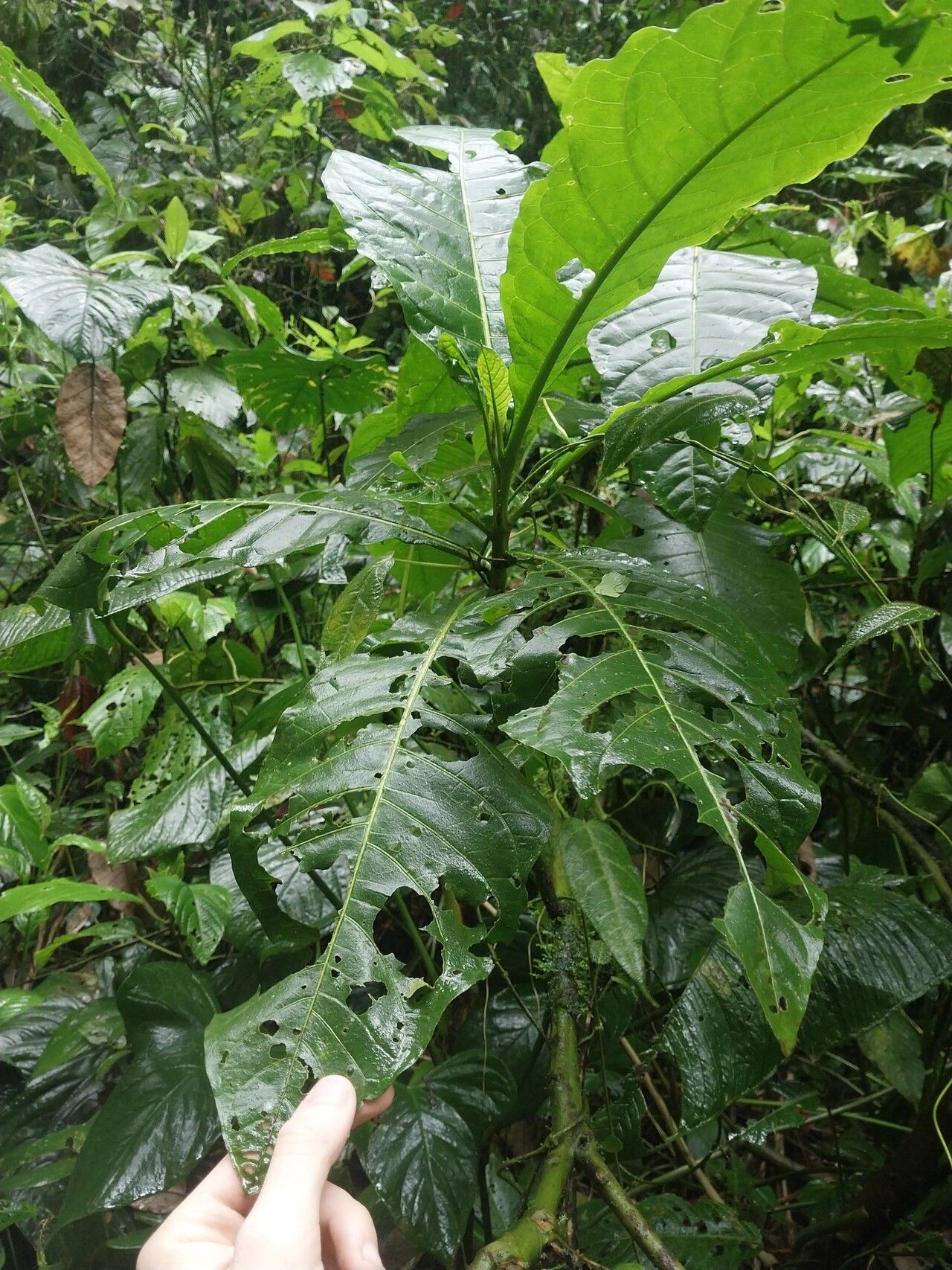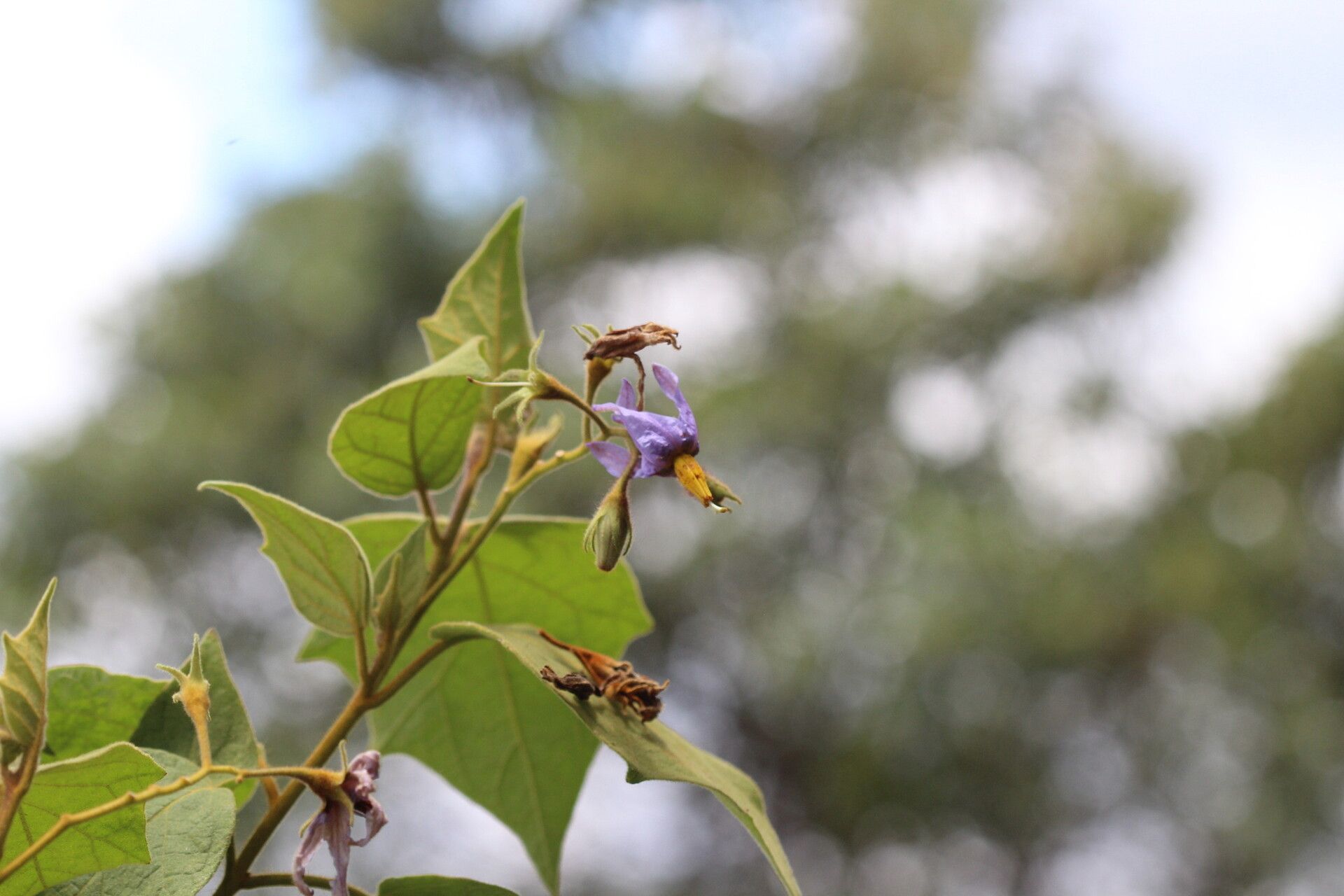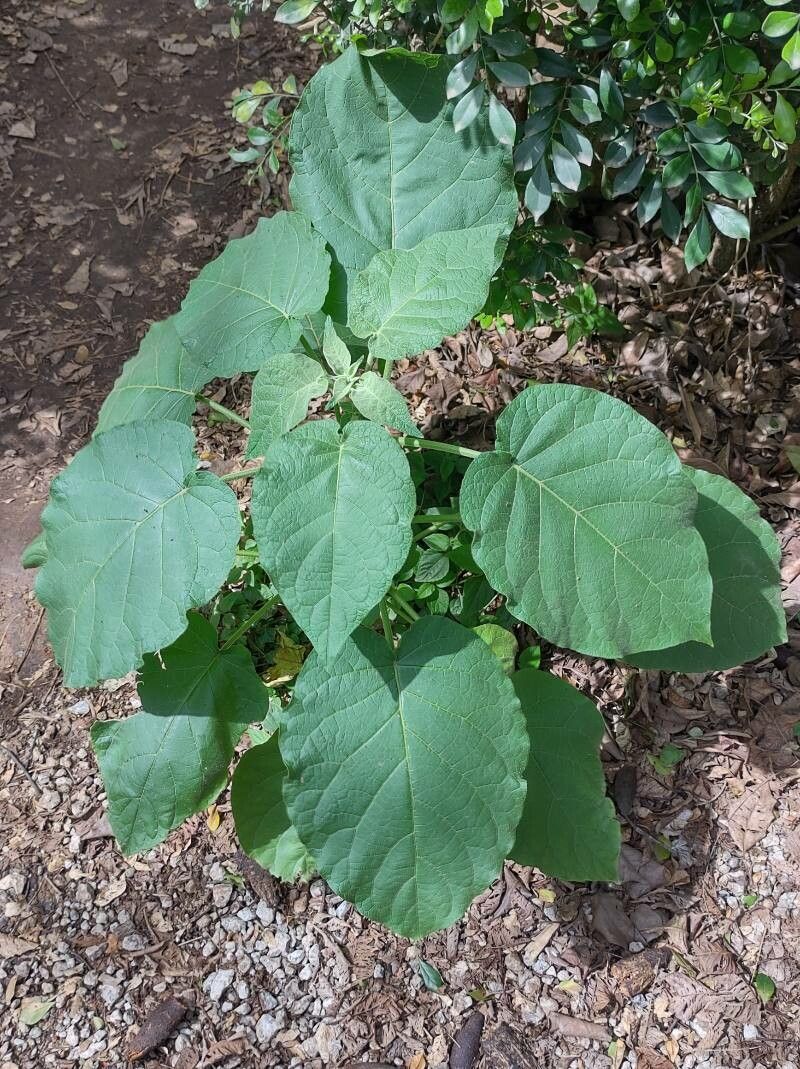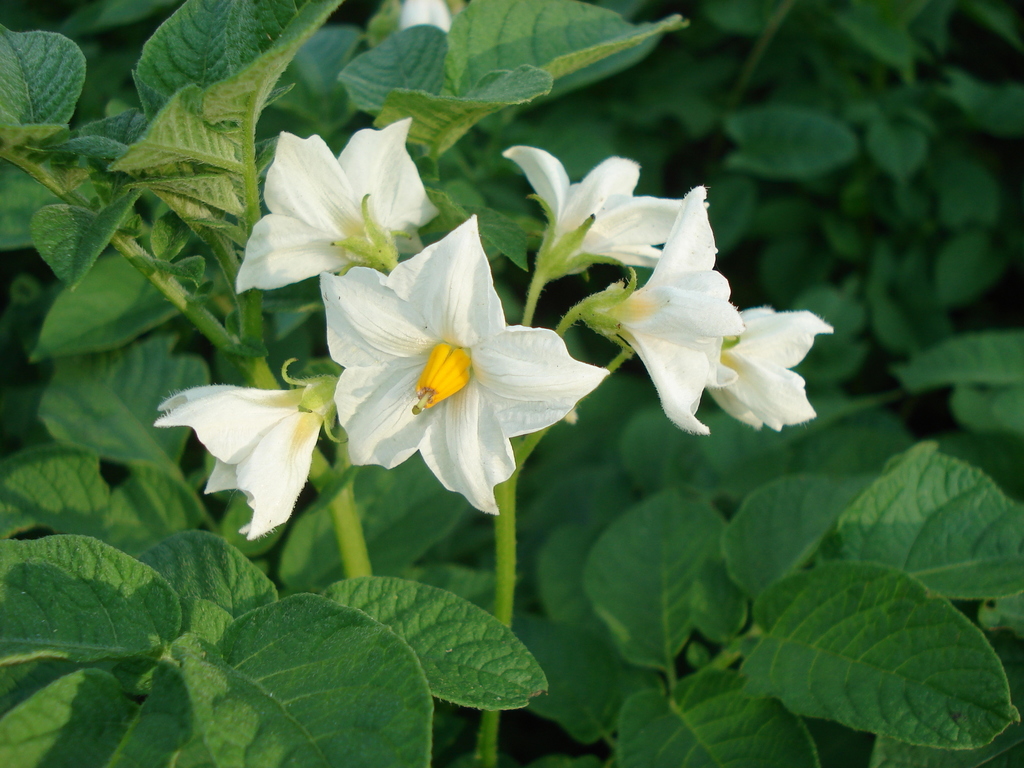
The potato is a starchy tuber of the plant Solanum tuberosum and is a root vegetable native to the Americas. The plant is a perennial in the nightshade family Solanaceae.Wild potato species can be found from the southern United States to southern Chile. The potato was originally believed to have been domesticated by Native Americans independently in multiple locations, but later genetic studies traced a single origin, in the area of present-day southern Peru and extreme northwestern Bolivia. Potatoes were domesticated there approximately 7,000–10,000 years ago, from a species in the Solanum brevicaule complex. In the Andes region of South America, where the species is indigenous, some close relatives of the potato are cultivated. Potatoes were introduced to Europe from the Americas by the Spanish in the second half of the 16th century. Today they are a staple food in many parts of the world and an integral part of much of the world's food supply. As of 2014, potatoes were the world's fourth-largest food crop after maize (corn), wheat, and rice. Following millennia of selective breeding, there are now over 5,000 different types of potatoes. Over 99% of potatoes presently cultivated worldwide descend from varieties that originated in the lowlands of south-central Chile. The importance of the potato as a food source and culinary ingredient varies by region and is still changing. It remains an essential crop in Europe, especially Northern and Eastern Europe, where per capita production is still the highest in the world, while the most rapid expansion in production since 2000 has occurred in southern and eastern Asia, with China and India leading the world in overall production as of 2018. Like the tomato, the potato is a nightshade in the genus Solanum, and the vegetative and fruiting parts of the potato contain the toxin solanine which is dangerous for human consumption. Normal potato tubers that have been grown and stored properly produce glycoalkaloids in amounts small enough to be negligible to human health, but, if green sections of the plant (namely sprouts and skins) are exposed to light, the tuber can accumulate a high enough concentration of glycoalkaloids to affect human health. The discovery of acrylamides in starchy foods in 2002 led to international health concerns, but subsequent high-quality evidence showed acrylamide is not likely to cause cancer in humans.
Potato: Most people are familiar with the name of this plant, but not many know the origin of the name "potato." Typically, when we use the word "potato," we are referring to the starchy, edible tuber of the plant. However, the term can also describe the plant itself, which is native to the Americas.
Potato has moderate resistance to disease and is not highly prone to leaf spot or powdery mildew. It may incur some insect damage, but this is likely to be minor. The plant is rated easy to care for, requiring only regular watering and occasional fertilization. It typically does not need pruning. Potato is suitable for most people to grow outdoors with little attention, and it can also be grown indoors if given some care and effort.
How to keep Solanum Tuberosum.
Light
The potato needs long daily periods of sunlight to promote vigorous growth. This reflects its origin in sun-drenched environments. At some stages of development it can tolerate reduced exposure, but too little or too much sun can cause suboptimal growth.
Water
The potato, native to the Andean region, grows best with moderate watering and well-drained conditions. Weekly irrigation is crucial for the development of its tubers during the growing season, ensuring optimal yield and size. Potatoes also demonstrate resilience against short dry spells.
Temperature
The potato is native to temperate environments and thrives at temperatures between 68 to 95 °F (20 to 35 ℃). During contrasting seasons, adjustments may be necessary to maintain this ideal temperature range.
Fertilizer
For Potato, choose natural organic materials like compost, grass clippings, or manure. Use slow-release granular fertilizer or commercial fertilizer only sparingly. Work the organic fertilizer into the soil before planting. Usually, one to two fertilizer applications during the growing season are enough to achieve a bountiful harvest.
Pruning
Pruning potato plants is essential for ensuring their optimal health and yield. The best time for pruning is from early to late spring. This process involves removing dead stems and excess foliage to improve air circulation. Additionally, promptly removing flower buds enhances tuber development, thereby boosting overall productivity, as noted by reputable sources.
Pot & Repot
When repotting Potato, select a pot 1-2 inches (2.5–5.1 cm) larger with ample drainage. Use a well-draining potting mix. Repot in spring or fall, ensuring that the root ball sits slightly below the rim of the flower pot. Water thoroughly after repotting and place in a warm spot with indirect sunlight.
Botanical profile.
- Plant Type
- Herb
- Life Cycle
- Perennial, Annual, Biennial
- Genus
- Solanum
- Family
- Solanaceae
- Hardiness Zone
- 3-10
- Mature Height
- 30 cm to 91 cm
- Mature Spread
- 30 cm to 46 cm
- Leaf Color
- Green
- Leaf Type
- Evergreen
- Flower Color
- White, Lavender
- Flower Size
- 3.05 cm to 4.06 cm
- Bloom Time
- Late spring, Early summer
- Planting Time
- Spring
- Harvest Time
- Mid summer
- Native Area
- Bolivia
Other names.
Reader questions.
When should I water my potato?
Watering your potato plant is essential for its health and growth. It's important to water the potato when the top 1-2 inches of soil are dry, without letting the entire soil dry out completely, as this can stress the plant. If the potato's leaves start to wilt or droop, it might need water, but be mindful not to confuse this with the natural wilting that occurs during hot afternoons. Stunted growth or a lack of new leaves and shoots can also indicate a need for more water. Be aware that both overwatering and underwatering can have detrimental effects on the potato, such as fungal infections or water stress, so interpreting these signs correctly and acting promptly is crucial.
Why should I put fertilizer on my Potato?
Determining whether or not your Potato crop needs fertilizer depends on the soil conditions in your garden. If you achieve a successful harvest, it suggests that fertilizer may not be needed. However, it is recommended to test the soil to accurately determine if fertilizer is necessary. You can either use a soil testing kit or send a sample to a lab for analysis. Understanding the nutrient levels in your soil will help you decide if additional fertilizer is required.
What are the sunlight requirements for growing potatoes?
Potatoes require a significant amount of sunlight each day to grow robustly, reflecting their origins in sun-drenched habitats. They thrive in full sun, which means they need more than 6 hours of sunlight daily. However, they can tolerate partial sun, which is about 3-6 hours of sunlight, especially during certain growth phases. Insufficient or excess sunlight can lead to suboptimal growth. Monitoring how sunlight moves through your garden can help you choose spots that offer the ideal balance of light and shade for your potatoes, ensuring their healthy growth.
What is the ideal climate for growing potatoes?
Potatoes are native to environments with temperate climates, thriving best in temperatures ranging from 68 to 95°F (20 to 35°C). To ensure the health and growth of potato plants, adjustments may be necessary during contrasting seasons to maintain this ideal temperature range. It's important to keep the environment relatively warm, especially during winter cultivation, to promote beneficial plant growth. The minimum temperature should be above freezing point to prevent the plant from experiencing freezing damage. During particularly cold winter temperatures approaching -5°C (25°F), it is advisable to bring the potatoes indoors or to provide protection by setting up a temporary greenhouse or using materials such as plastic film or fabric to wrap the plant.
How should I water my potato?
When watering your potato, it is best to use a method that promotes deep water penetration to ensure the even distribution necessary for proper root development. Utilizing a watering can with a long, narrow spout, water slowly at the base of the plant to allow the soil to absorb the water adequately. It's advisable to water early in the day to reduce evaporation and check the soil's moisture levels beforehand. The soil should be moist but not wet. Employing a soil moisture meter can help in determining the plant's watering needs, making sure not to overwater or underwater. Focus the watering at the plant's base, avoiding the leaves to prevent fungal diseases, and ensure adequate drainage to avoid water-related diseases.
When should I fertilize my potato plant?
To prepare the soil for planting, it's recommended to mix organic fertilizer into it at least a week before planting. Additionally, in the springtime, it's beneficial to apply another layer of fertilizer on top of the soil to give young plants an extra boost. Generally, one to two applications of fertilizer throughout the growing season will typically be enough to ensure a bountiful harvest of potatoes.
How can artificial lighting aid in growing potatoes indoors?
When natural sunlight is insufficient, particularly during winter or in areas with less sunlight, artificial lighting can be a crucial solution for growing potatoes indoors. Adequate artificial light promotes faster, healthier growth by mimicking natural sunlight. Choosing the right type of artificial light, such as LED lights, can provide the specific wavelengths needed by your plants. For full sun plants, 30-50W/sq ft of light is advisable, 20-30W/sq ft for partial sun plants, and 10-20W/sq ft for full shade plants. The light source should be placed 12-36 inches above the plant, with 8-12 hours of light per day to mimic natural daylight hours.
How does low temperature affect potato plants and what can be done?
Potato plants have a moderate tolerance to low temperatures and grow best within their suitable temperature range. During winter, it's essential to keep temperatures above the tolerable growing temperature minimum. Exposure to temperatures below the growth limit can cause leaves to darken in color. In severe cases, this may progress to water-soaked necrosis, wilting, and drooping, with the leaves gradually turning brown. To address frost damage, trim away the frost-damaged parts. If possible, immediately move the plants indoors to a warm environment or set up a makeshift greenhouse for cold protection. When indoor, position the plant near a south-facing window to ensure it receives ample sunlight. If natural light isn't sufficient, supplemental lighting can be used to promote growth.
How much water does a potato really need?
Potato plants require consistent moisture in their soil to flourish, with the amount of water needed varying by factors including pot size, root depth, and the size of the plant. Generally, keeping the soil evenly moist without becoming waterlogged is advisable, with around 1-1.5 inches of water per week typically being sufficient for optimal growth. Observing the leaves of the potato can provide indications of proper hydration; they should look healthy, vibrant, and not show signs of over or underwatering, such as yellowing, wilting, or curling edges. It's vital to strike a balance in watering, taking into account the plant's natural habitat and specific needs to avoid risks such as root rot or reduced yields due to improper watering.
When is the best time to not add fertilizer to my potato plants?
If most of the vegetables have already been harvested, it would be a waste of your fertilizer and energy to fertilize a potato crop. This is because potatoes need to be replanted every year. Additionally, if you're already gardening in soil that is nutrient-rich, it's best to avoid fertilizing potatoes. They don't require a lot of fertilizer to grow well and produce plenty of flavorful, sizable vegetables. In fact, in many cases, fertilizing potatoes is unnecessary. Only consider fertilizing them if a soil test indicates that your garden soil is lacking certain nutrients.
What are common symptoms of light deficiency in potatoes?
When potatoes are grown indoors with limited light, they may exhibit signs of light deficiency that include leggy or sparse growth, slower or halted new growth, smaller new leaves, chlorosis (leaf yellowing), sunscald, leaf curling, wilting, and leaf scorching. These symptoms indicate the plant's struggle with inadequate light, affecting its growth and health. It's important to recognize these signs early to adjust care and lighting conditions accordingly.
How should potato plants be cared for in high temperatures?
During summer, care should be taken to keep potato plants below their suitable maximum growth temperature. Exceeding the tolerable maximum temperature can slow down the plant's growth, lighten the color of its leaves, and increase its susceptibility to sunburn. To mitigate heat stress, trim away the sunburned and dried-up parts of the plant. Moreover, relocating the plant to a spot with shade, especially from the harsh afternoon sun, can be beneficial. It's also advisable to water the plant in the morning and evening to maintain soil moisture and aid in cooling.