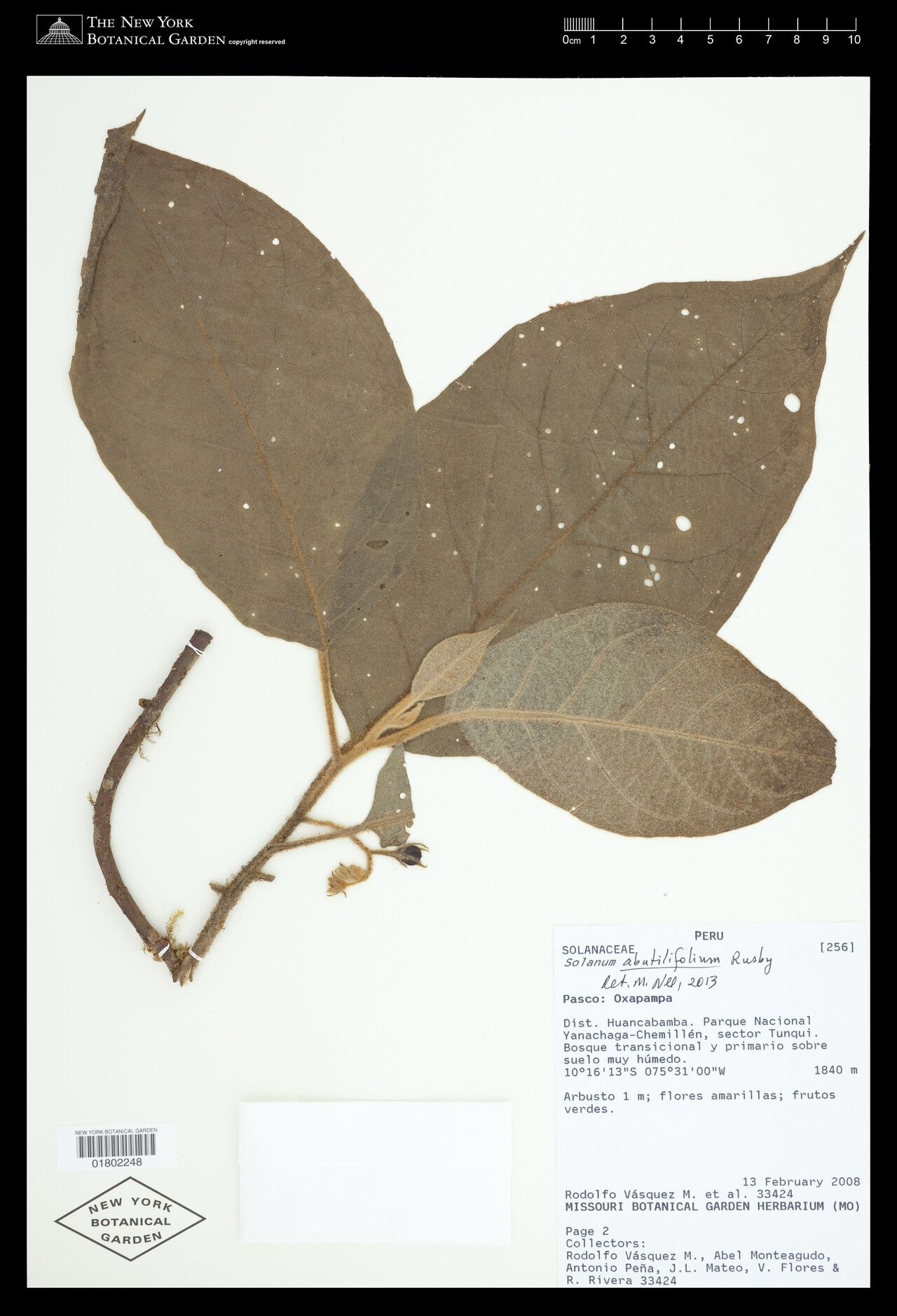
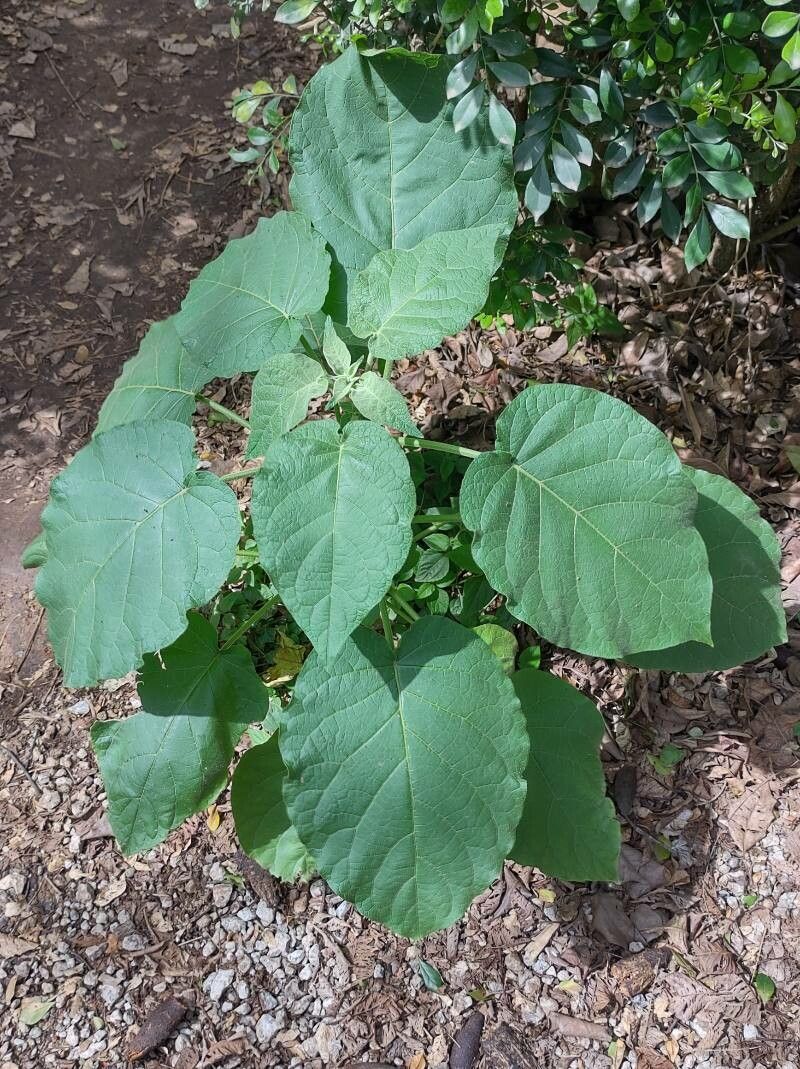
Silverleaf nightshade is fairly disease-resistant and typically does not suffer from many illnesses. However, it can be vulnerable to pests and diseases present in its surroundings. Such infections are generally mild. In terms of care, this plant requires moderate maintenance. It should be pruned regularly to preserve a tidy appearance and encourage healthy growth. Applying fertilizer can also help stimulate flowering. Silverleaf nightshade is suitable for anyone with outdoor space, such as a garden or patio, and does not demand extensive care experience. It may need more attention when grown indoors.
How to keep Solanum Saponaceum.
Light
Silverleaf nightshade thrives optimally when it receives a good deal of sun exposure on a daily basis, even though it can still survive in places with lower light levels or those that are entirely shaded. A setting that mimics its original habitat, which is distinguished by plentiful sunlight, promotes robust growth. Yet, changes in light exposure may have impacts on the health of the plant.
Temperature
The silverleaf nightshade, a plant native to North America, flourishes in a diverse range of climates and temperatures. Its optimal growth occurs in temperatures between 59 and 95 ℉ (15 to 35 ℃), specifically in sunny, arid environments. In periods of harsh summer heat, the plant manages to adapt by slowing its rate of growth and minimizing its water consumption in order to preserve energy.
Fertilizer
Generally, one fertilizer application in the spring is enough for Silverleaf nightshade. However, to optimize growth, you may consider feeding it multiple times. This should be done roughly once every four to six weeks. Fertilizing improves the aesthetics and functionality of leaves, facilitating uniform coloration and good health. It also encourages the growth of roots and the uptake of nutrients, contributing to the plant's health over the long haul.
Pot & Repot
When you're ready to repot your Silverleaf nightshade, select a pot that's 1-2 inches (2.5-5 cm) bigger and has sufficient drainage. Fill it with a well-draining potting soil. The ideal time to repot would be during the spring or fall. Make sure the root ball sits a bit lower than the pot's edge. After repotting, water the plant deeply and position it in a warm location where it'll receive indirect sunshine.
Botanical profile.
- Plant Type
- Herb
- Life Cycle
- Perennial
- Hardiness Zone
- 7-10
- Mature Height
- 30 cm to 91 cm
- Mature Spread
- 30 cm
- Leaf Color
- Green, Silver, Blue, Yellow
- Leaf Type
- Deciduous
- Flower Color
- Lavender
- Flower Size
- 2.03 cm
- Bloom Time
- Late spring, Early summer, Mid summer
- Planting Time
- Spring, Summer
- Harvest Time
- Summer
- Native Area
- Pakistan