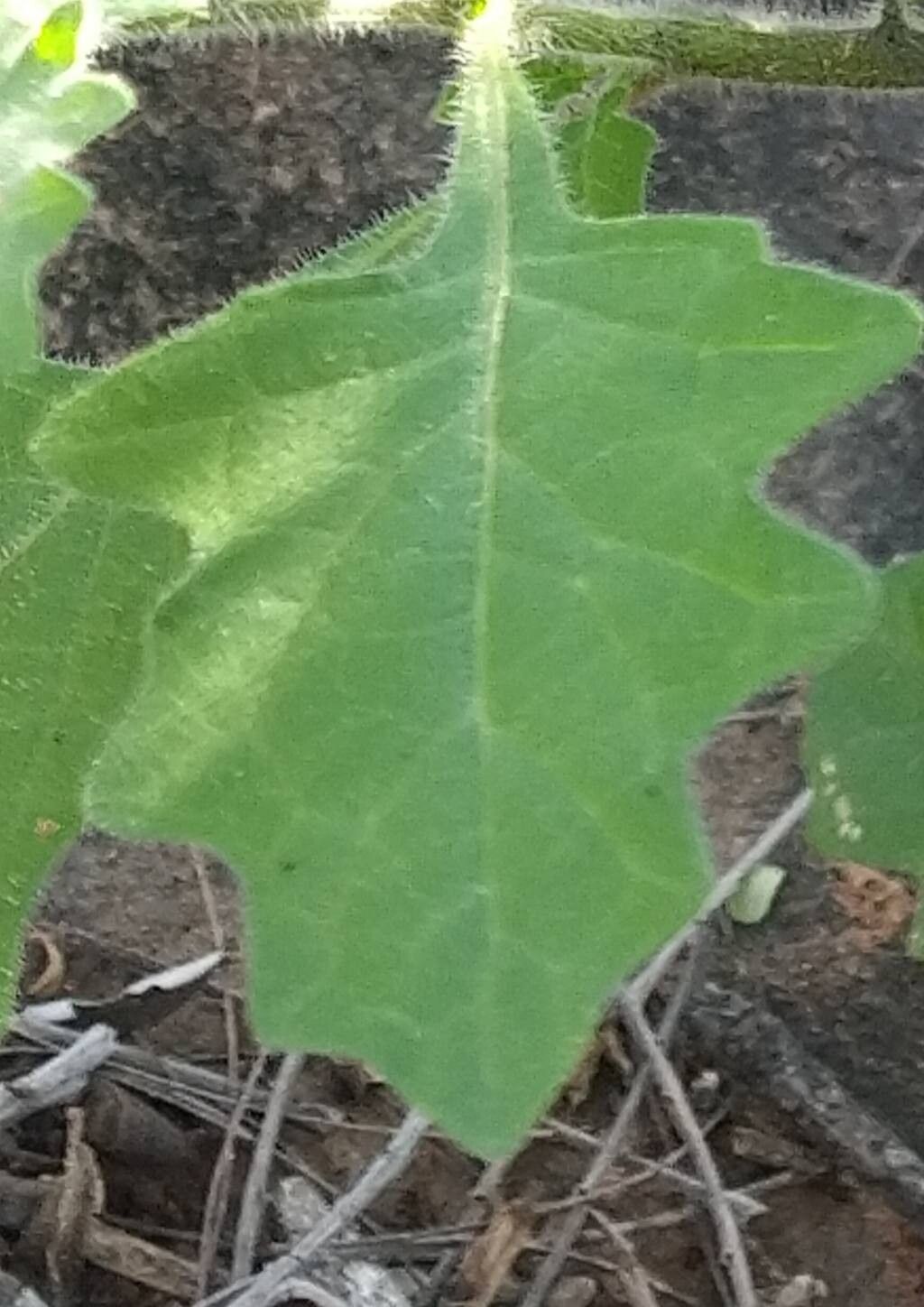
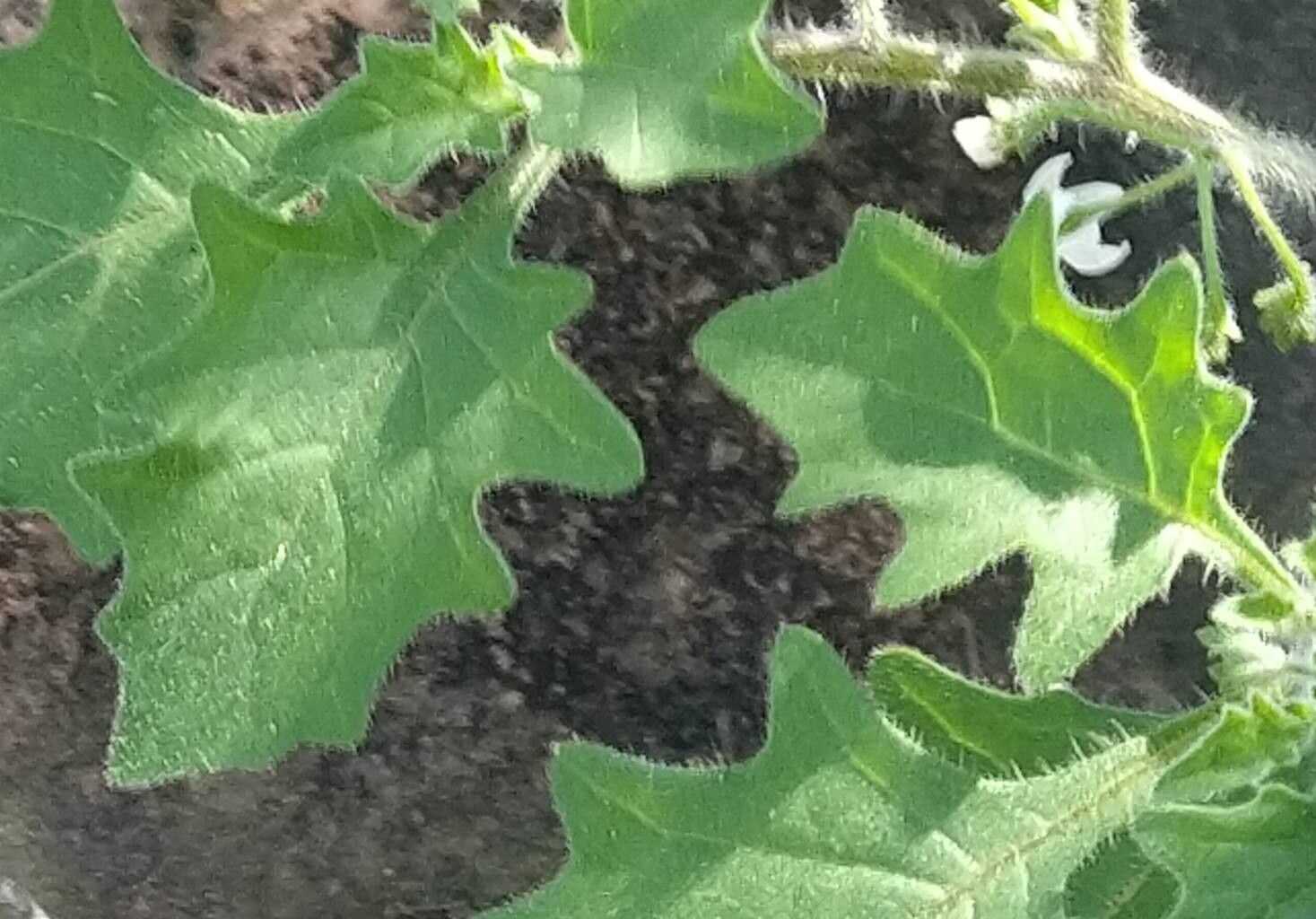
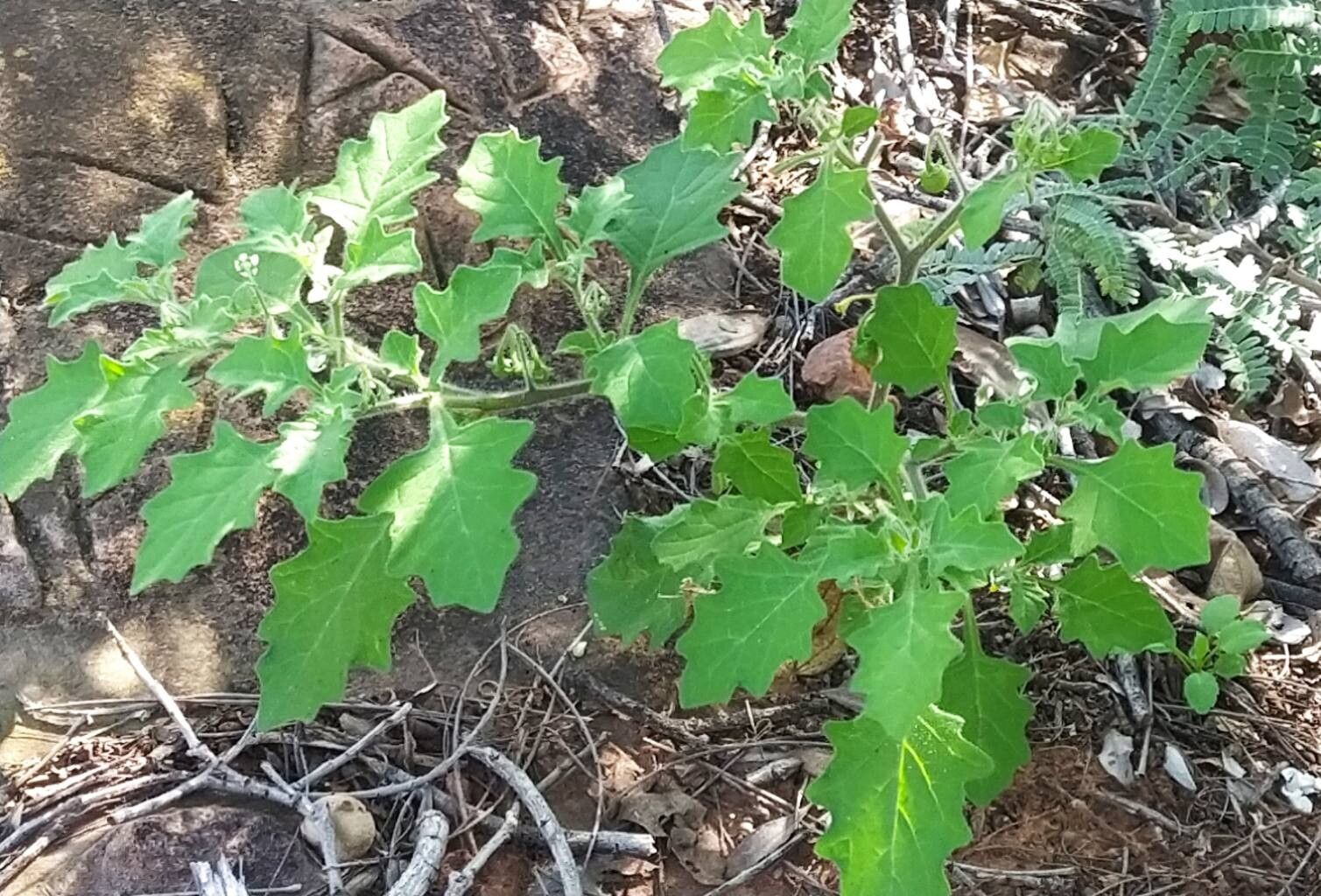
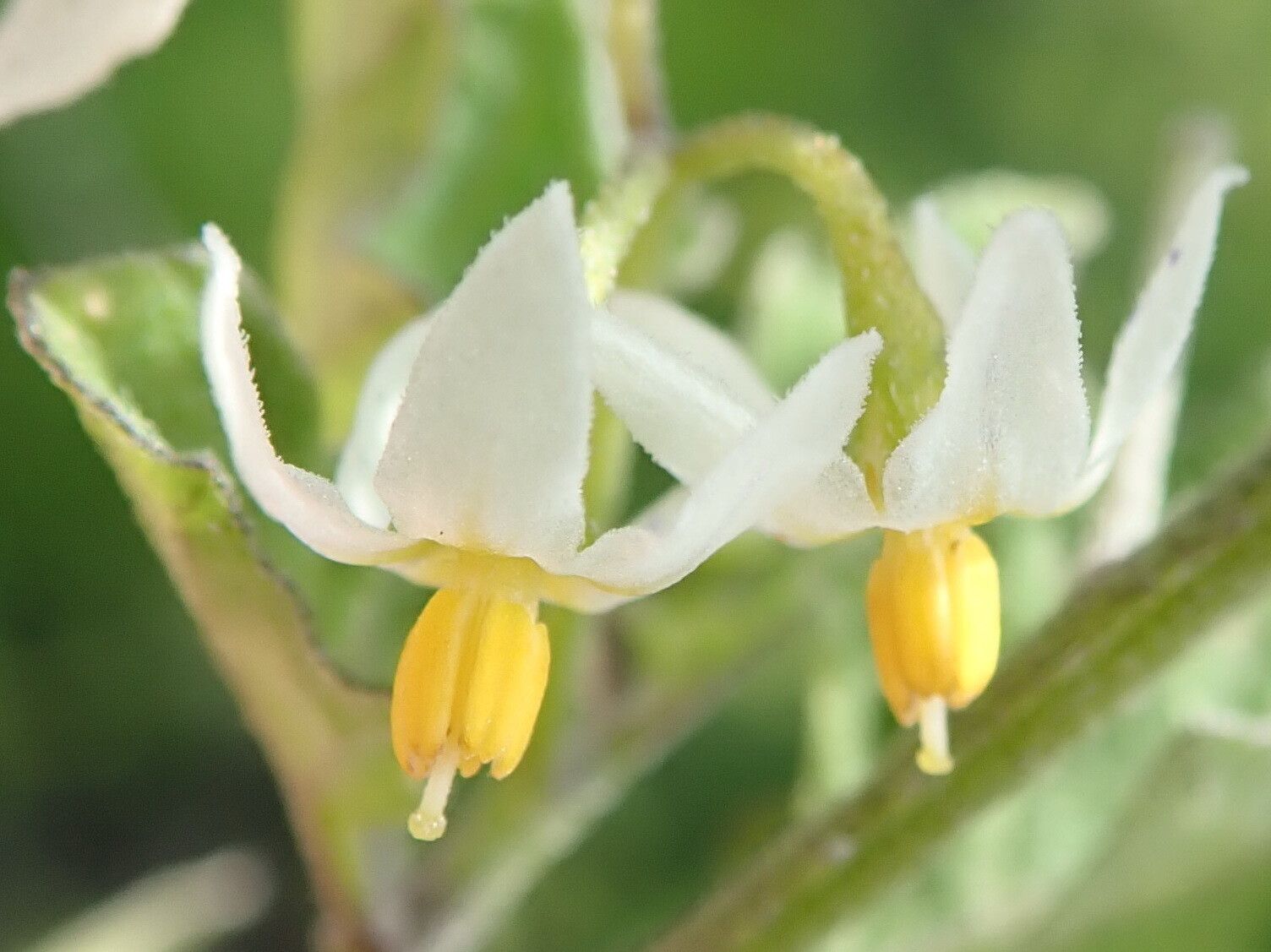
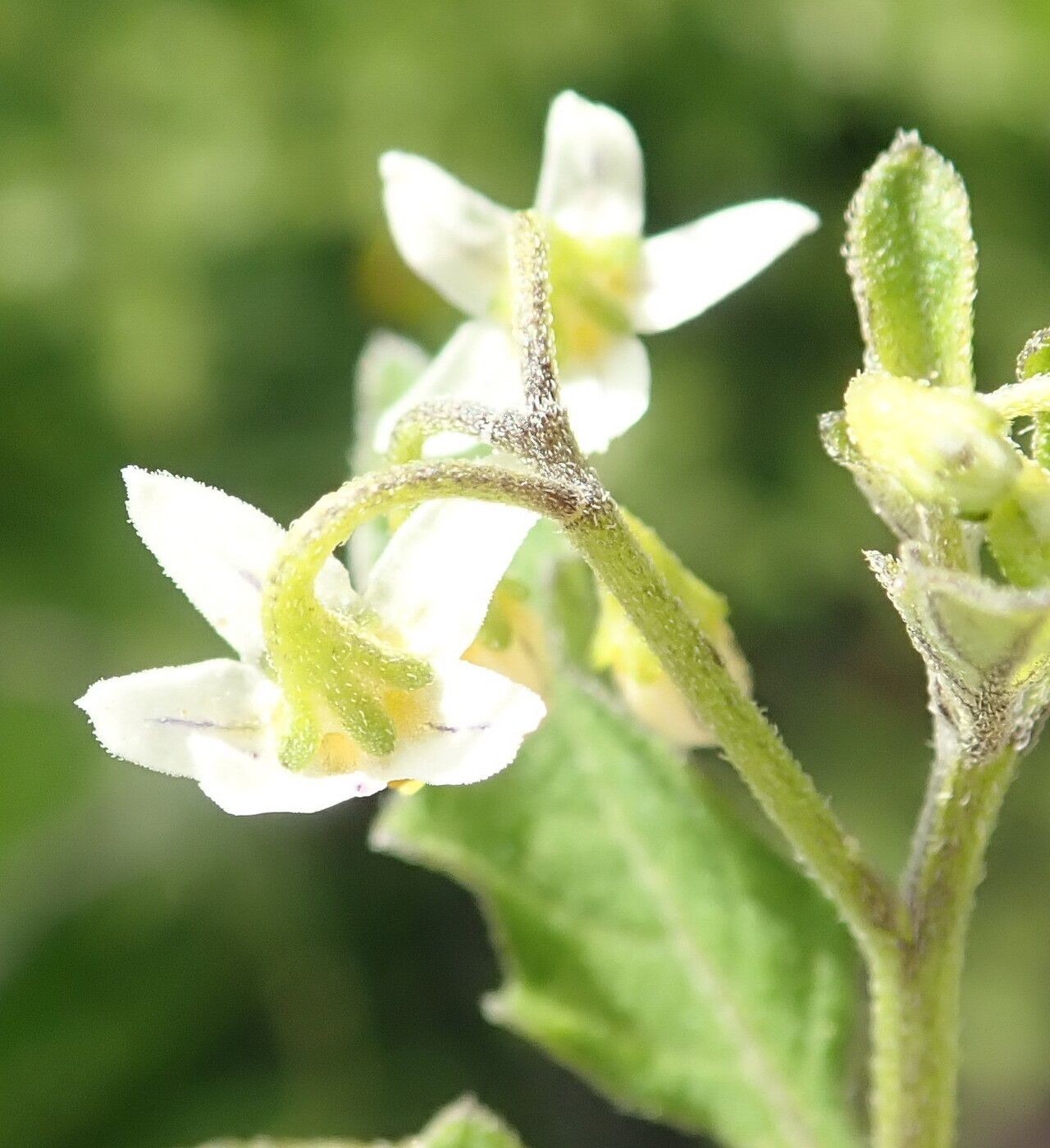
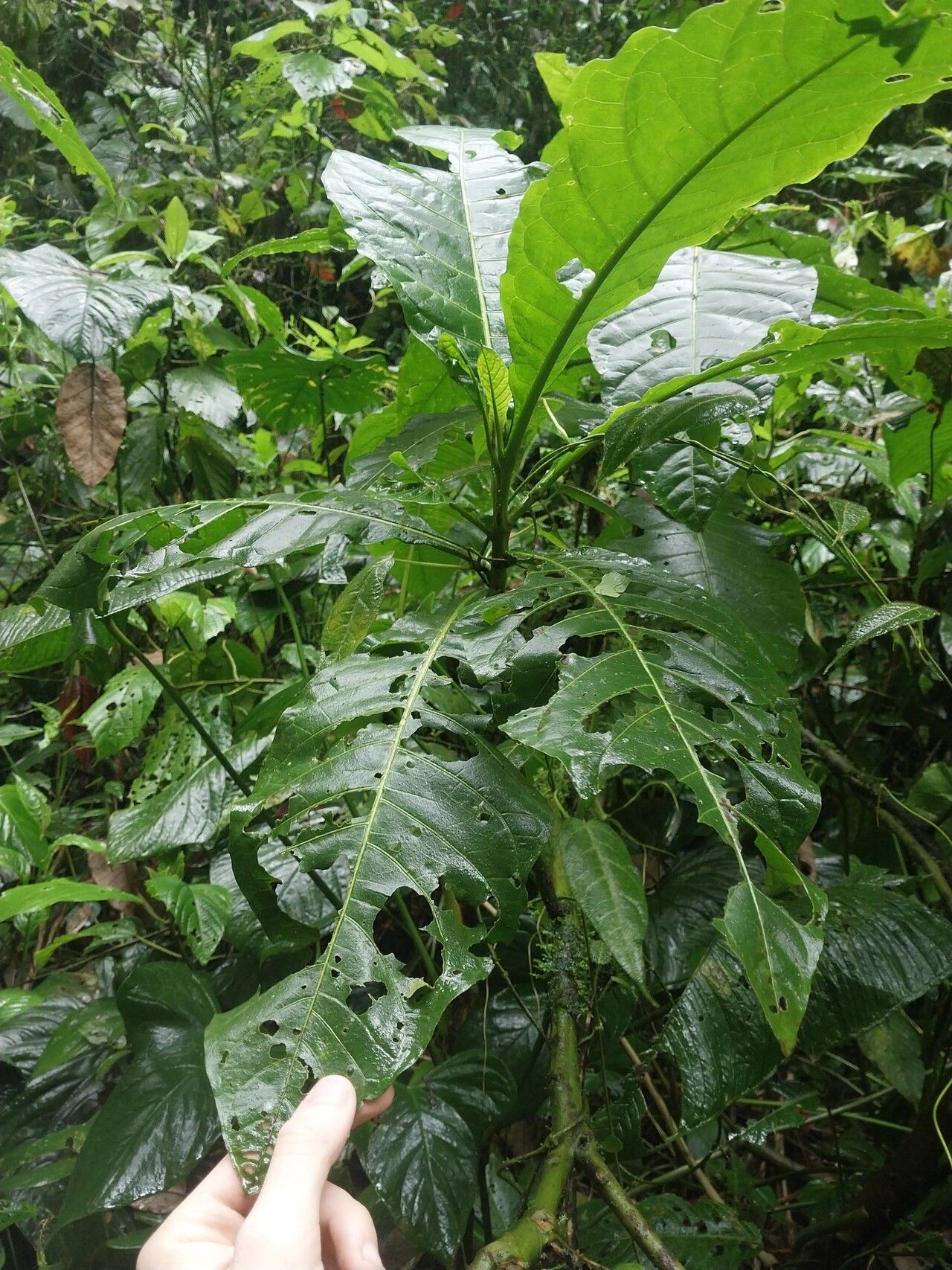
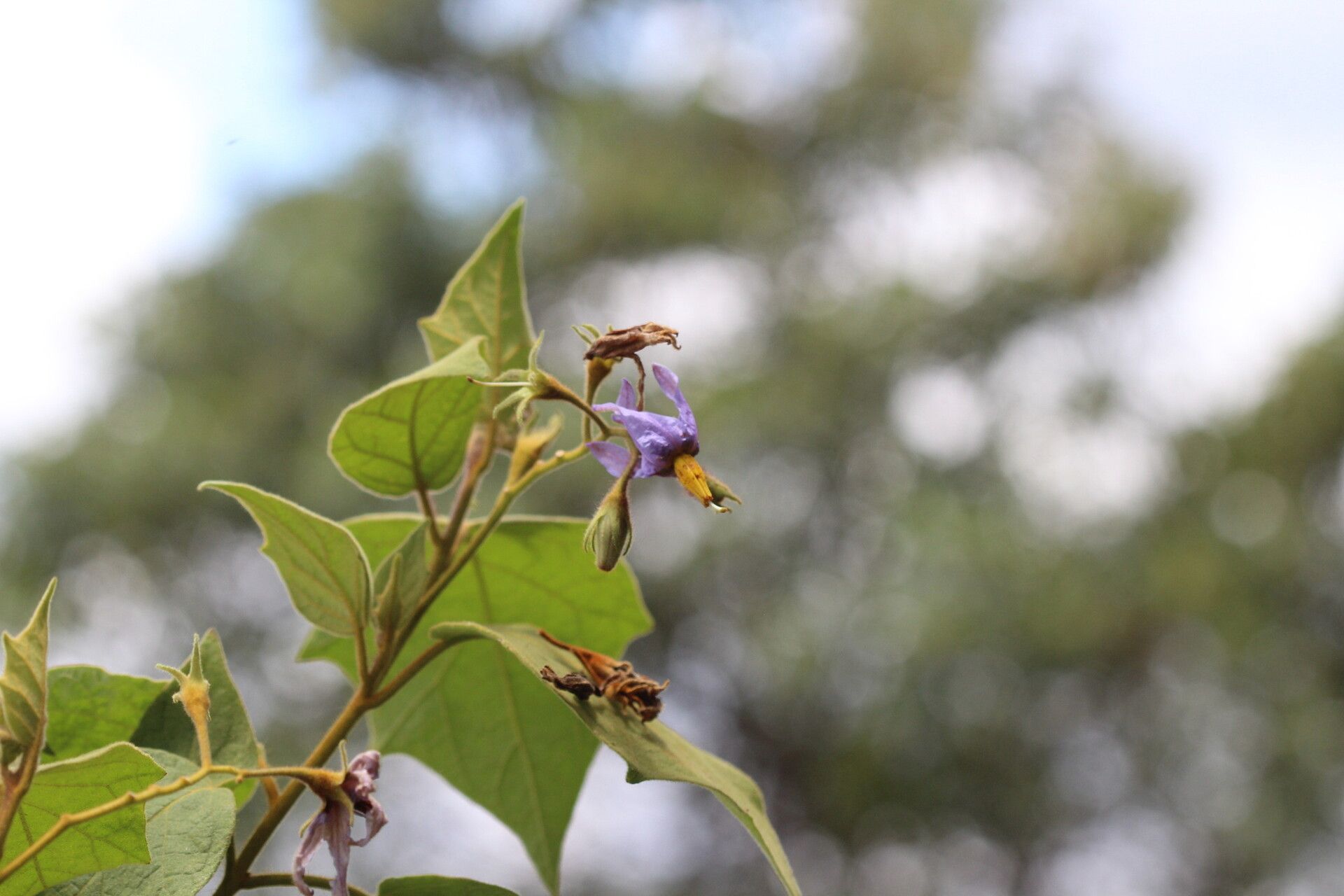
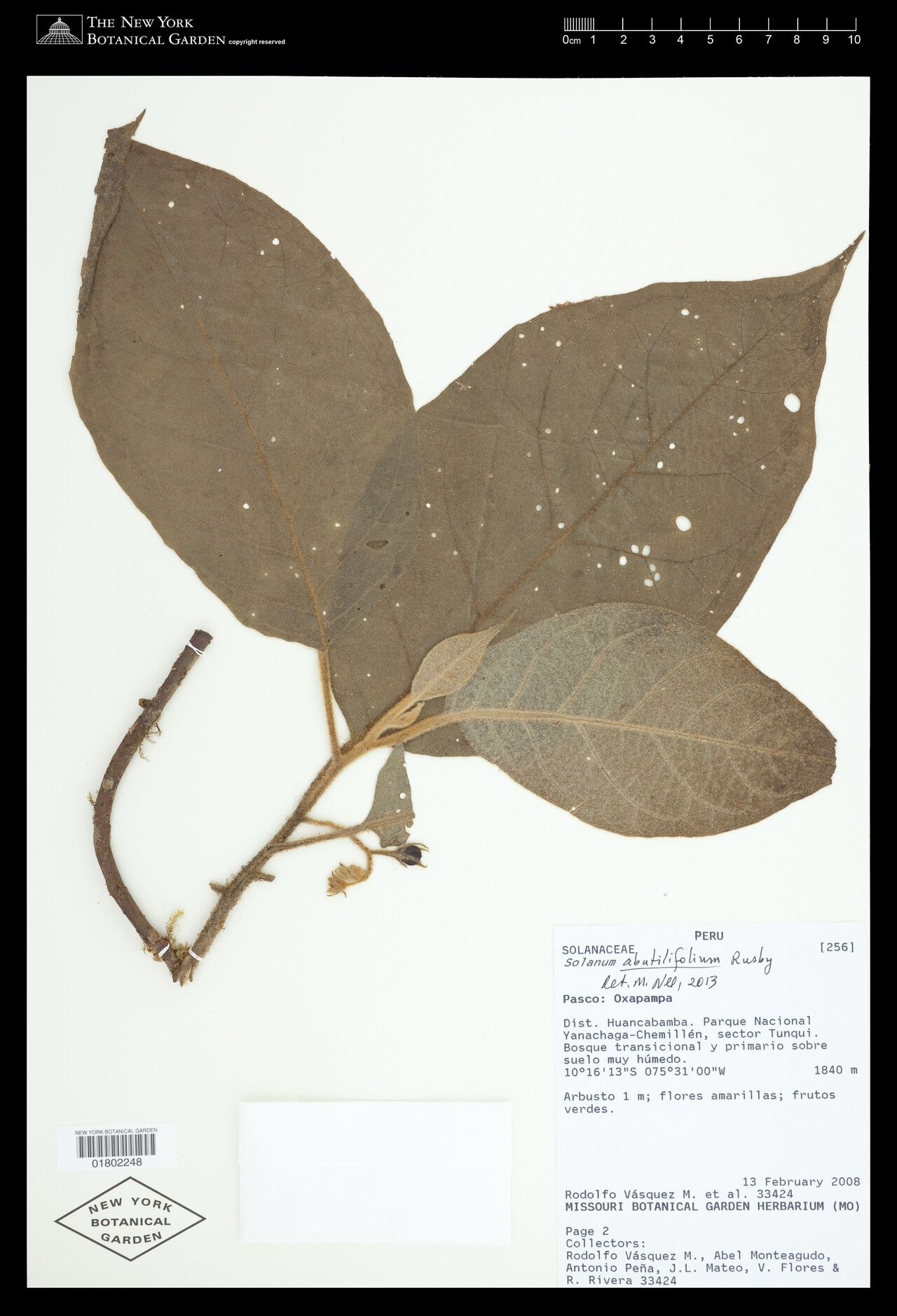
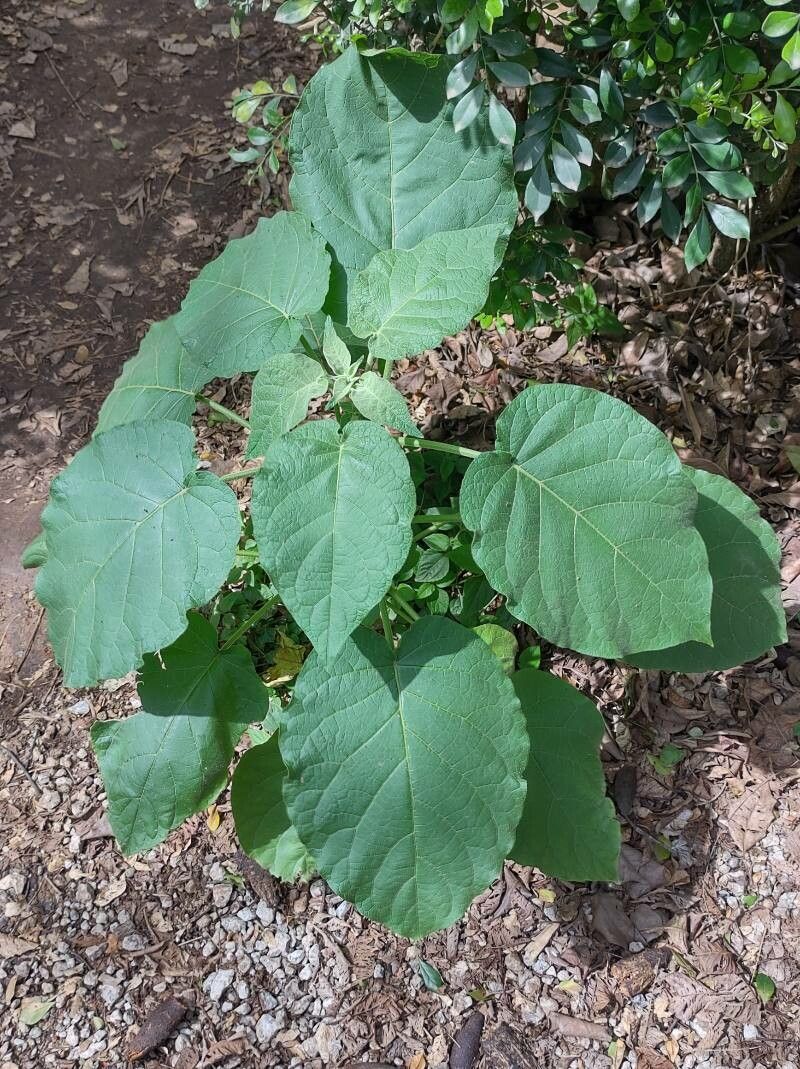
Solanum retroflexum, commonly known as umsobo (isiZulu), wonderberry or sunberry, is a historic heirloom fruiting shrub. Both common names are also used for the European black nightshade in some places, particularly where the latter species has been introduced, so care must be taken to distinguish them. It is sometimes called garden huckleberry, but that properly refers to the species S. scabrum described by Philip Miller.
Sunberry has moderate resistance to disease and is not highly prone to leaf spot or powdery mildew. It can suffer some insect damage, but that tends to be minor. The plant is considered easy to care for, requiring only regular watering and occasional fertilization. It generally does not need pruning. Sunberry is appropriate for most people to grow outdoors with little attention, and it can also be grown indoors if given some care and effort.
How to keep Solanum Retroflexum.
Light
Sunberry comes from habitats with plentiful sunlight, like open fields and sunny meadows. It prefers full sun but can also withstand partial sun.
Temperature
Sunberry does best in moderate temperatures, similar to what most people find comfortable. It prefers conditions that are not excessively hot or cold. The primary concern with high heat is the risk of sunburn, so providing some shade in summer is recommended to prevent excessive warmth. When temperatures fall, Sunberry goes dormant. If continuous growth is desired, you must maintain higher temperatures during winter. Frost can damage the plant and should be avoided.
Fertilizer
To feed Sunberry, use natural or commercial fertilizer rich in nitrogen for leaf growth, phosphorus for roots and blossoms, and potassium for photosynthesis and maximum fruit production. Plant in spring, enrich the soil with compost or manure, and fertilize seedlings when they reach a height of 2-4 inches. Insufficient macronutrients lead to slow growth, wilting, and fruit quality issues.
Botanical profile.
- Plant Type
- Herb
- Life Cycle
- Annual, Perennial
- Genus
- Solanum
- Family
- Solanaceae
- Hardiness Zone
- 9-11
- Mature Height
- 30 cm to 91 cm
- Mature Spread
- 30 cm to 76 cm
- Leaf Color
- Green, Dark Green
- Leaf Type
- Deciduous
- Flower Color
- White
- Flower Size
- 1.02 cm to 1.52 cm
- Bloom Time
- Late spring, Summer, Early fall
- Planting Time
- Spring, Summer, Autumn
- Harvest Time
- Mid summer, Late summer, Fall
- Native Area
- Malawi, Somalia, Lesotho, Angola, Mozambique, Tanzania, South Africa, Zambia, Eswatini, Namibia, Botswana, Zimbabwe
Other names.