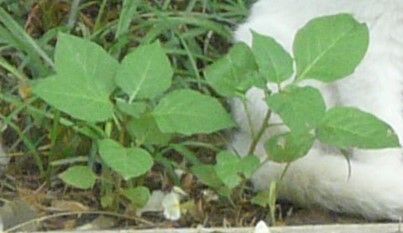
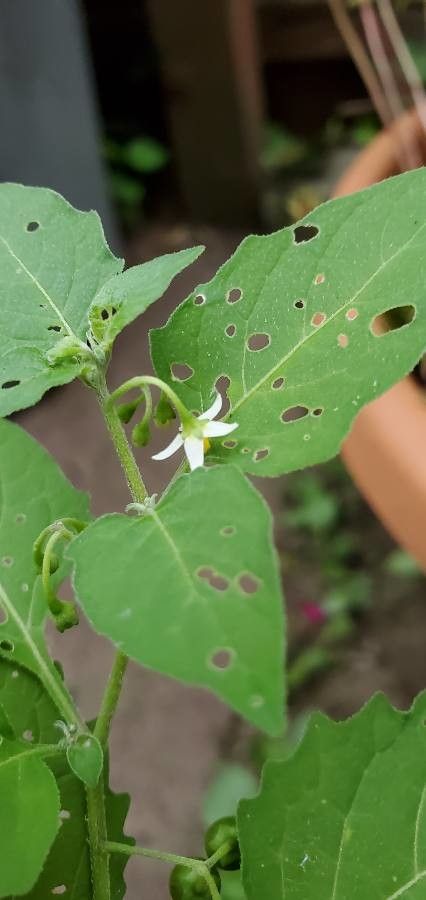
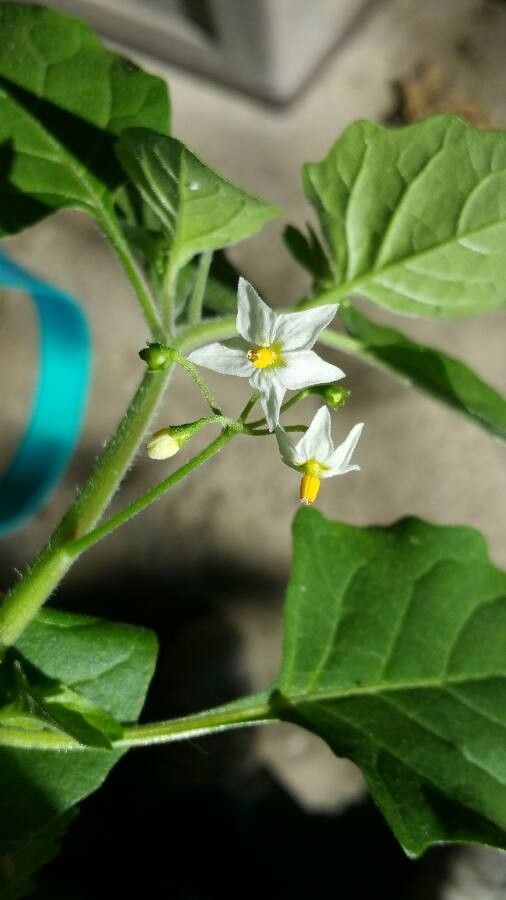
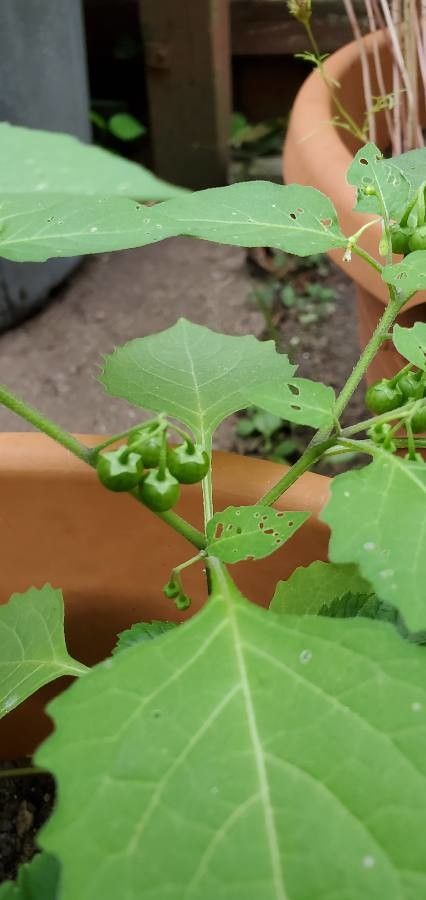
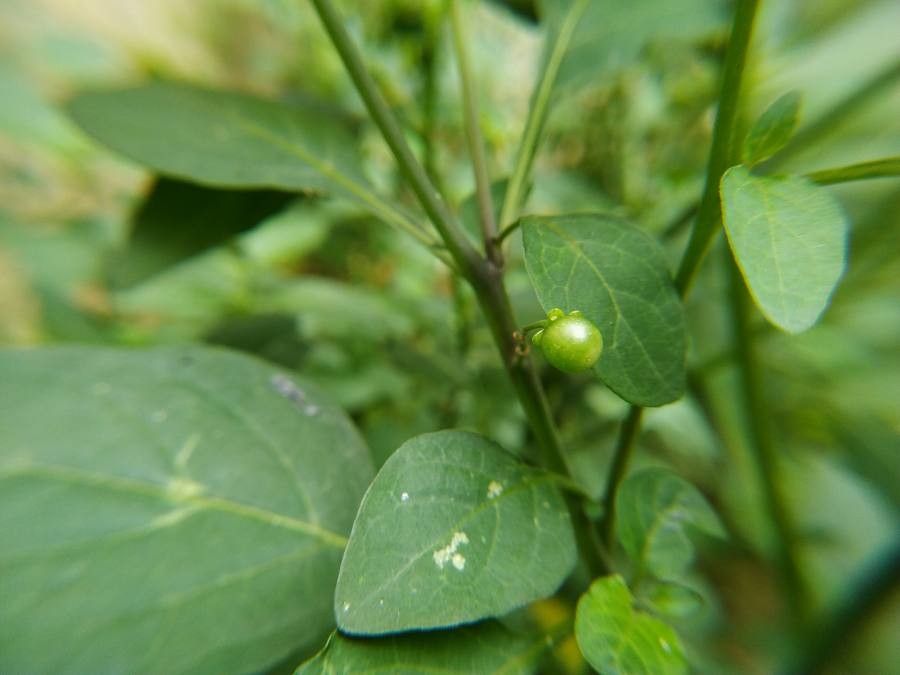
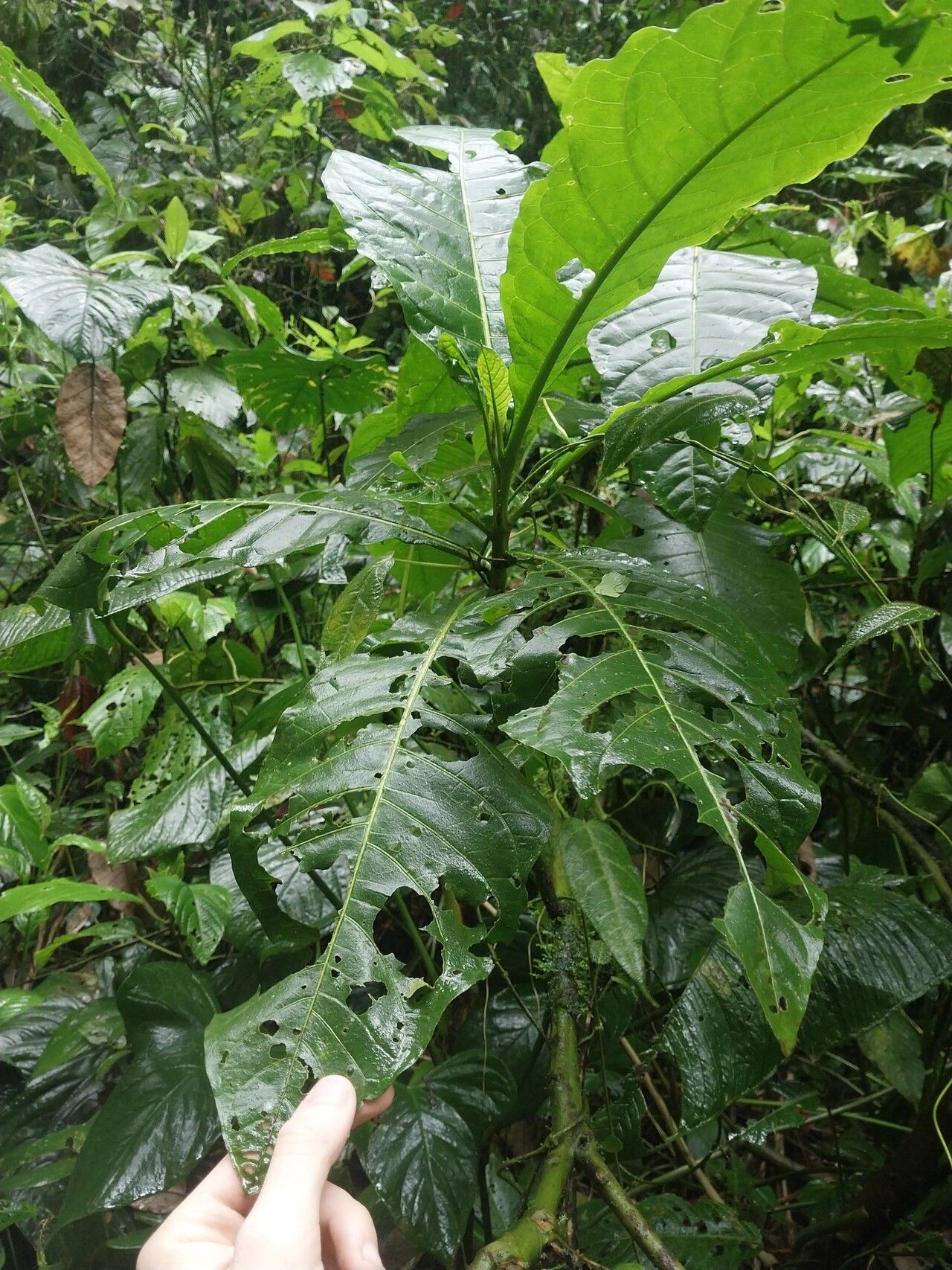
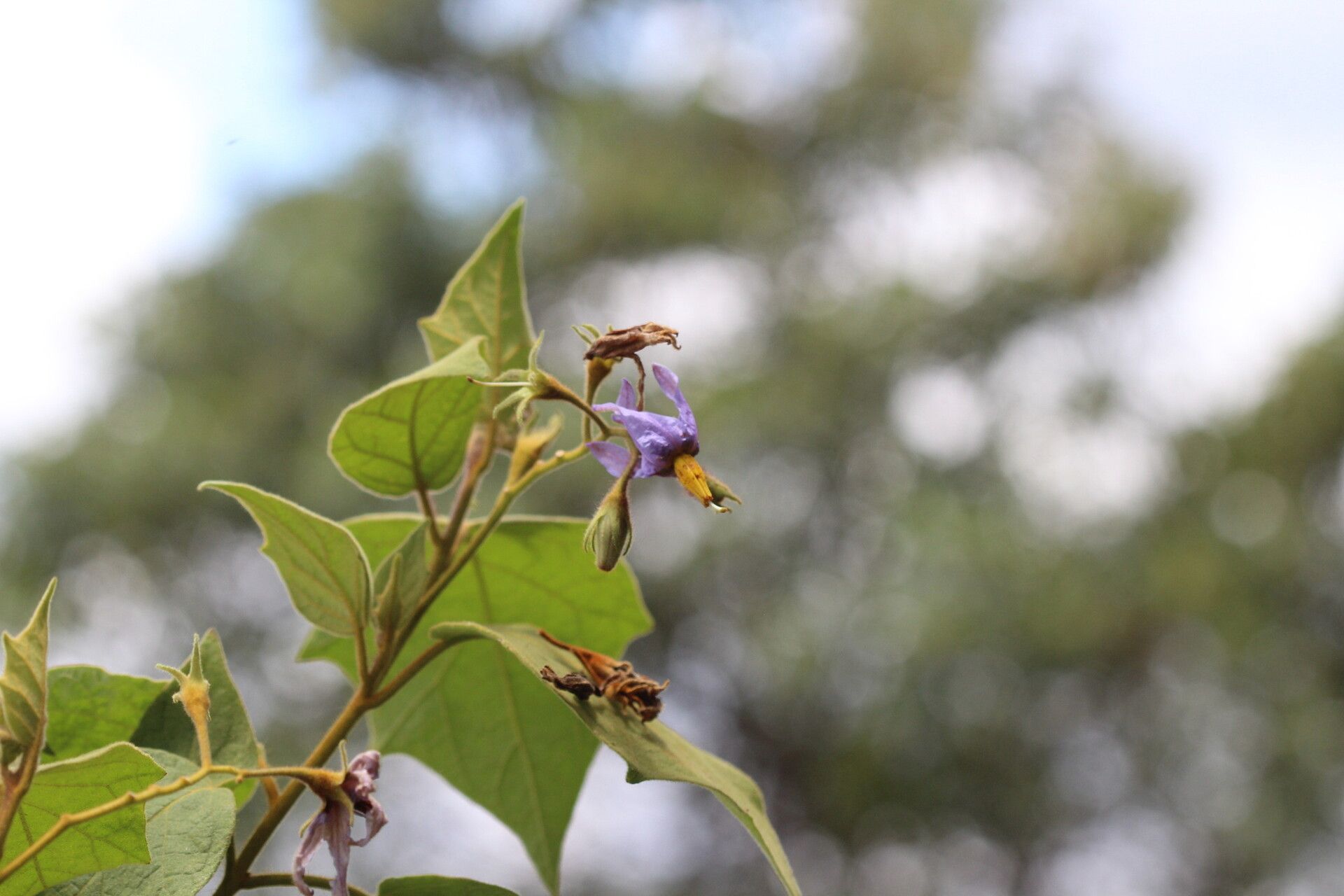
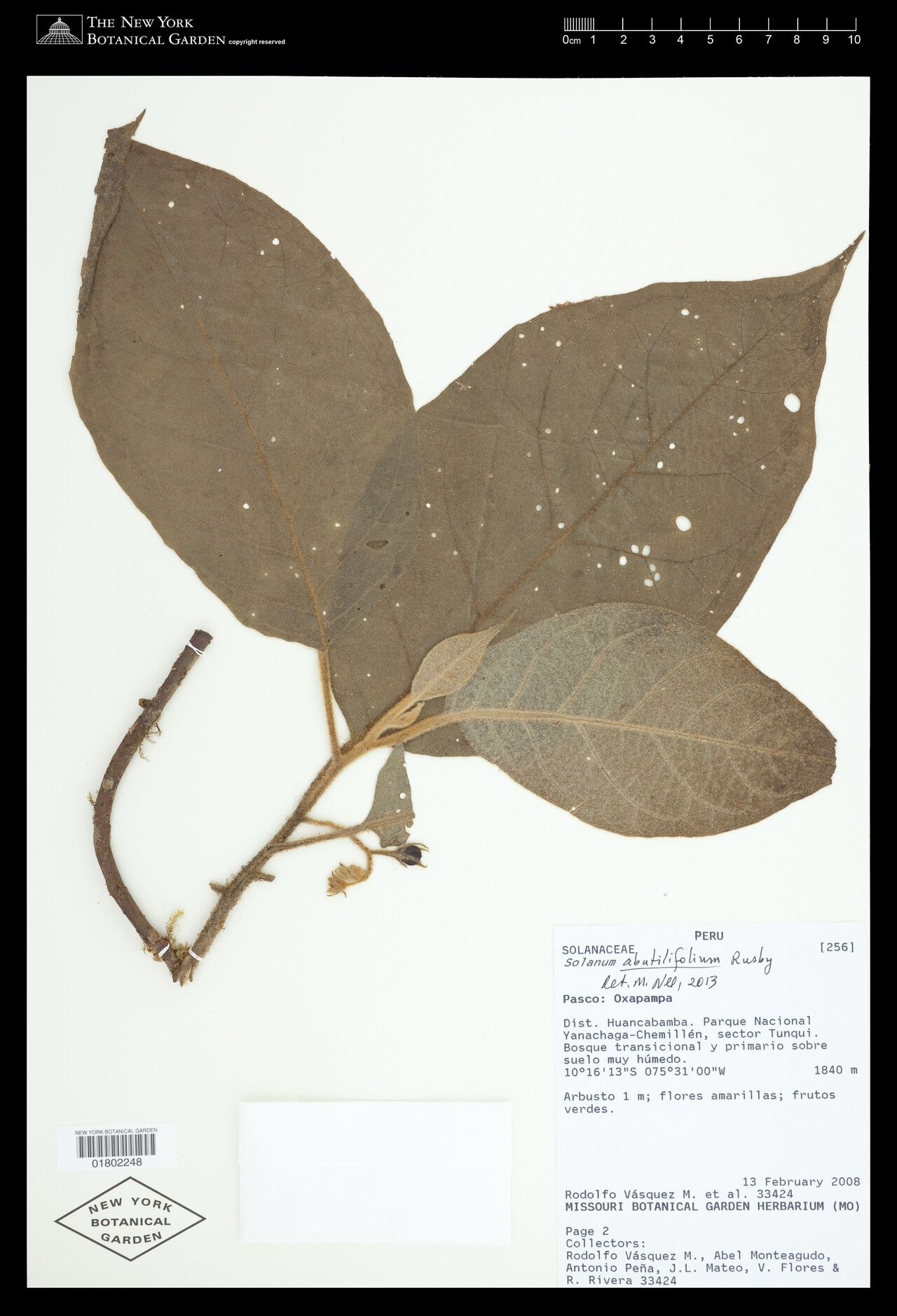
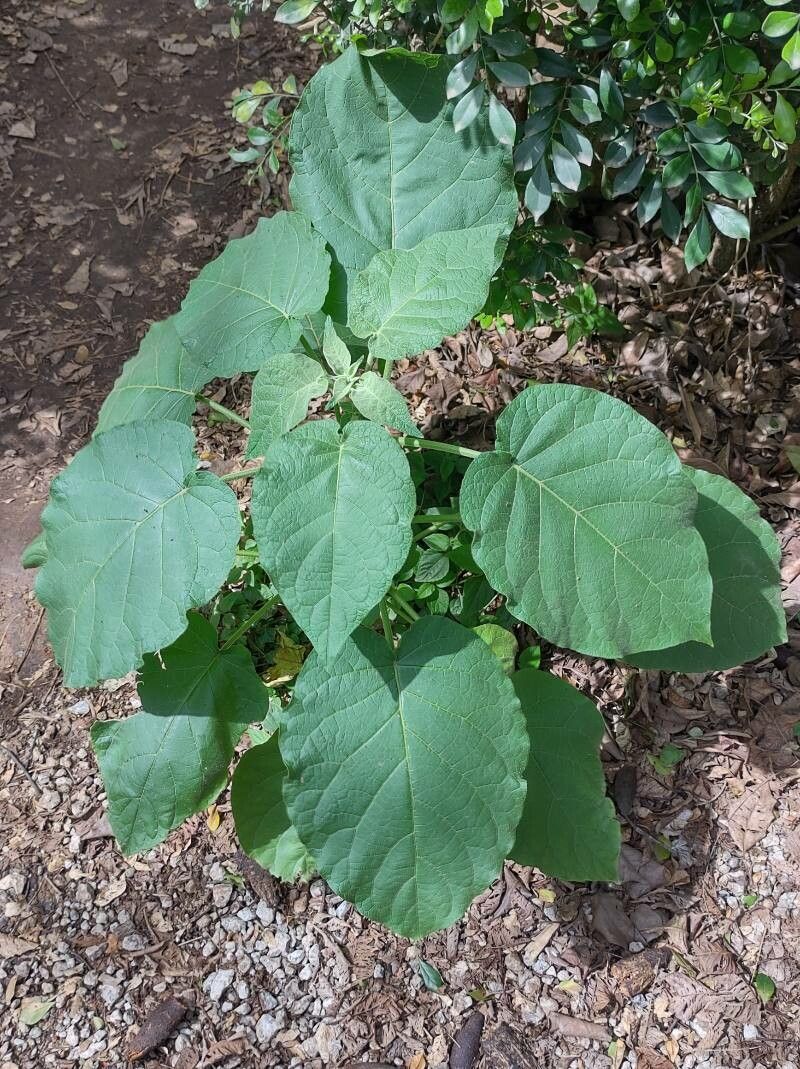
Solanum ptychanthum, the West Indian nightshade or eastern black nightshade, is an annual or occasionally perennial plant in the Solanaceae (Nightshade) family. It is typically 15–60 cm tall and many branched. The leaves of eastern black nightshade are triangular to elliptic. The stems are circular, and sometimes slightly hairy. The flowers are small, white, and star-shaped, and they occur in small umbels of 5-7. The flowers ripen into glossy, black berries, each 10 mm in diameter and containing between 50 and 100 seeds. The ripened fruits have been shown to be not poisonous in low to moderate amounts, however the unripened berries are toxic. The berries are eaten and dispersed by birds.
Eastern black nightshade has good resistance to disease and is generally not susceptible to illnesses. Still, it can be affected by pests and diseases present in its environment. These infections are typically mild. Regarding care, this plant requires moderate maintenance. It should be pruned regularly to keep an attractive appearance and support healthy growth. Fertilizing can also encourage flowering. Eastern black nightshade is appropriate for anyone with outdoor space, such as a garden or patio, and does not demand extensive care experience. It may need more attention when grown indoors.
How to keep Solanum Ptychanthum.
Light
Eastern black nightshade performs best in locations with ample sun but can also tolerate areas with reduced sunlight. Sunlight is crucial for its vigorous growth. Still, excessive or insufficient sun exposure can harm the plant's vitality. Its native environment, marked by plentiful sunshine, hints at its preference for sunny conditions.
Water
Black nightshade thrives in moist, well-drained soils. It prefers consistent moisture but can withstand short periods of dryness. Watering it weekly is effective for keeping the plant hydrated. Additionally, mulching is useful for retaining soil moisture and regulating temperature, particularly in temperate regions.
Temperature
Eastern black nightshade grows best at temperatures between 68 and 100°F (20 and 38 ℃). Native to temperate regions, it can adapt to a range of temperatures, however seasonal adjustments may be necessary to ensure optimal growth.
Fertilizer
Eastern black nightshade benefits from regular, light applications of fertilizer to encourage healthy leaf development. You should feed Eastern black nightshade about once a month during the summer. Nitrogen is essential for the foliage, and adding nitrogen-rich sources helps Eastern black nightshade thrive.
Botanical profile.
- Plant Type
- Herb
- Life Cycle
- Annual, Perennial
- Genus
- Solanum
- Family
- Solanaceae
- Hardiness Zone
- 7-11
- Mature Height
- 15 cm to 61 cm
- Mature Spread
- 0.3 m to 1.22 m
- Leaf Color
- Green
- Leaf Type
- Deciduous
- Flower Color
- White
- Flower Size
- 2.54 cm
- Bloom Time
- Late spring, Summer
- Planting Time
- Autumn
- Harvest Time
- Summer, Early fall
- Native Area
- Belize, Mexico, Guatemala, Dominican Republic, Jamaica, Uruguay, Cuba, Canada, Paraguay, Argentina, Haiti, Venezuela, Brazil, Suriname, Chile, Honduras, Georgia, United States, Peru, Panama, Bahamas, Colombia, Bolivia, Guyana, El Salvador, Nicaragua, Ecuador, Costa Rica
Other names.
Reader questions.
What are the sunlight requirements for Black nightshade (Solanum ptychanthum)?
Black nightshade requires full sun, characterized by above 6 hours of sunlight, for optimal growth, but it can also tolerate partial sun, which is about 3-6 hours of sunlight a day. It's crucial to watch how sunlight moves through your garden, finding spots that provide the perfect balance of light and shade. This plant thrives in its native habitat where sun exposure is abundant, yet it's also resilient enough to withstand locations with less sunlight. Proper sunlight is essential as overexposure or underexposure could harm the plant's health. Additionally, for indoor plants lacking natural sunlight, especially in winter or less sunny spaces, artificial lighting serves as an effective solution to ensure healthy growth.
What are the ideal growing conditions for Black Nightshade?
Black Nightshade, botanically known as Solanum ptychanthum, thrives best in temperatures ranging from 68 to 100°F (20 to 38°C), making it well-suited for temperate regions. Although it can adapt to a variety of temperatures, it may require seasonal adjustments to ensure optimal growth. Given its strong cold resistance, special frost protection is typically unnecessary. However, in regions where winter temperatures drop below the plant's cold tolerance limit, it's important to provide protection by covering the plant with soil or straw. Additionally, watering the plant abundantly before the first freeze of autumn to keep the soil moist can help prevent drought and water scarcity during the colder months.
What are the symptoms of improper sunlight exposure in Black nightshade?
Black nightshade shows several symptoms when exposed to improper sunlight, whether it's too little or too much. Symptoms of insufficient light include smaller new leaves, leggy or sparse growth, early leaf drop to conserve resources, halted growth, pale new leaves, indicating a lack of chlorophyll and nutrients. Excessive sunlight can cause chlorosis (leaves turning yellow), sunscald (damage from intense light), leaf curling (to minimize water loss), wilting (from excessive transpiration), and leaf scorching (brown, crispy leaf edges). Monitoring these symptoms can help in adjusting the plant's exposure to sunlight appropriately.
How does Black Nightshade react to low temperatures?
Black Nightshade is cold-tolerant and generally fares well during winter, provided the temperature stays above its minimum tolerable limit. If temperatures fall below this threshold, although there might not be immediate visible effects in winter, there could be a noticeable decrease in sprouting or even a complete lack of sprouting in the spring. To counter this, it's recommended to remove any parts of the plant that fail to sprout as the weather warms.
How can I address sunlight exposure problems for Black nightshade?
Addressing sunlight exposure problems for Black nightshade involves several strategies. For indoor plants, gradually moving them to a sunnier location each week to achieve at least 6 hours of direct sunlight daily is recommended. Use a south-facing window and keep curtains open during the day. If the plant is large or not easily movable, consider artificial lighting, keeping a desk or ceiling lamp on for at least 8 hours daily, or investing in professional grow lights. Outdoors, gradually acclimate your plants to sunlight to prevent sunburn. If sunlight is blocked by objects like trees, prune them or move smaller plants to sunnier spots, particularly during their dormant period for easier transplantation. Note that parts of the plant damaged by insufficient light may not recover, but new growth will be healthy with proper light exposure.
What should be done if Black Nightshade is exposed to high temperatures?
During summer, it's vital to ensure that Black Nightshade does not exceed its maximum tolerable temperature. Exposure to excessively high temperatures can result in the leaves becoming lighter in color, prone to curling, and susceptible to sunburn. In severe cases, the plant may wilt and dry out completely. To mitigate these risks, trim away any sunburned or dried-up parts of the plant. Consider moving the plant to a shaded location or using a shade cloth to protect it from the midday and afternoon sun. Additionally, watering the plant in the morning and evening will help keep the soil moist and assist in cooling the plant.