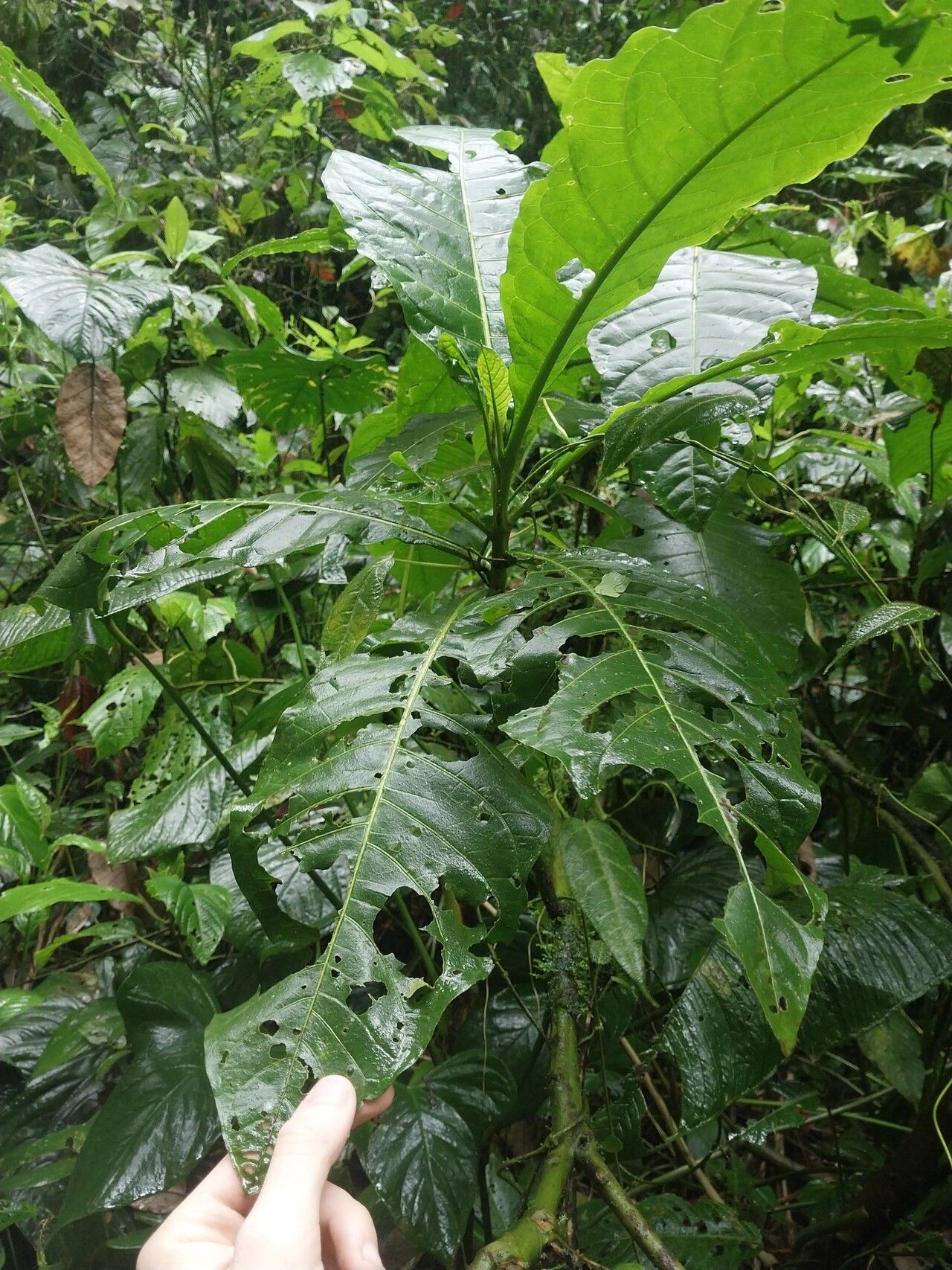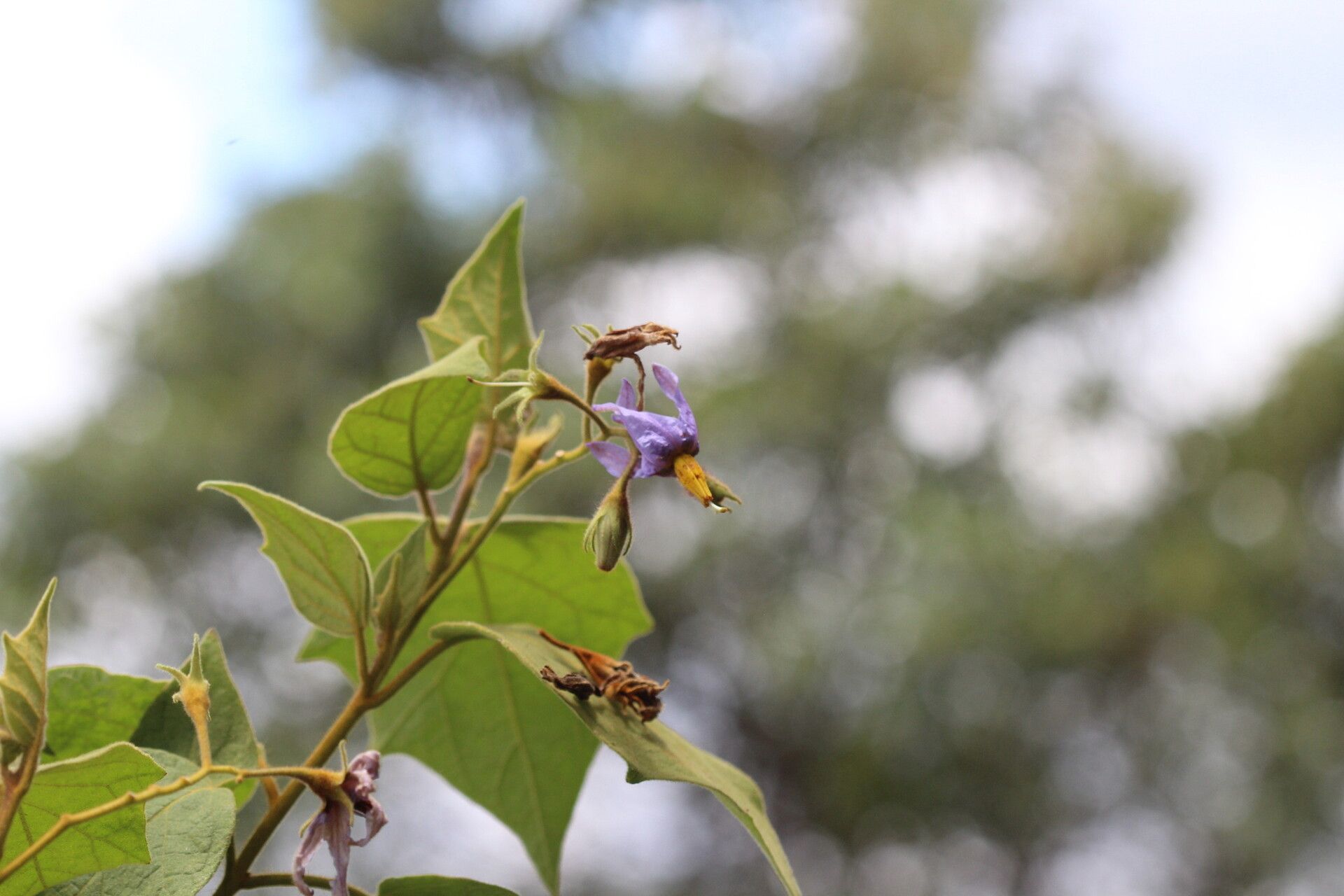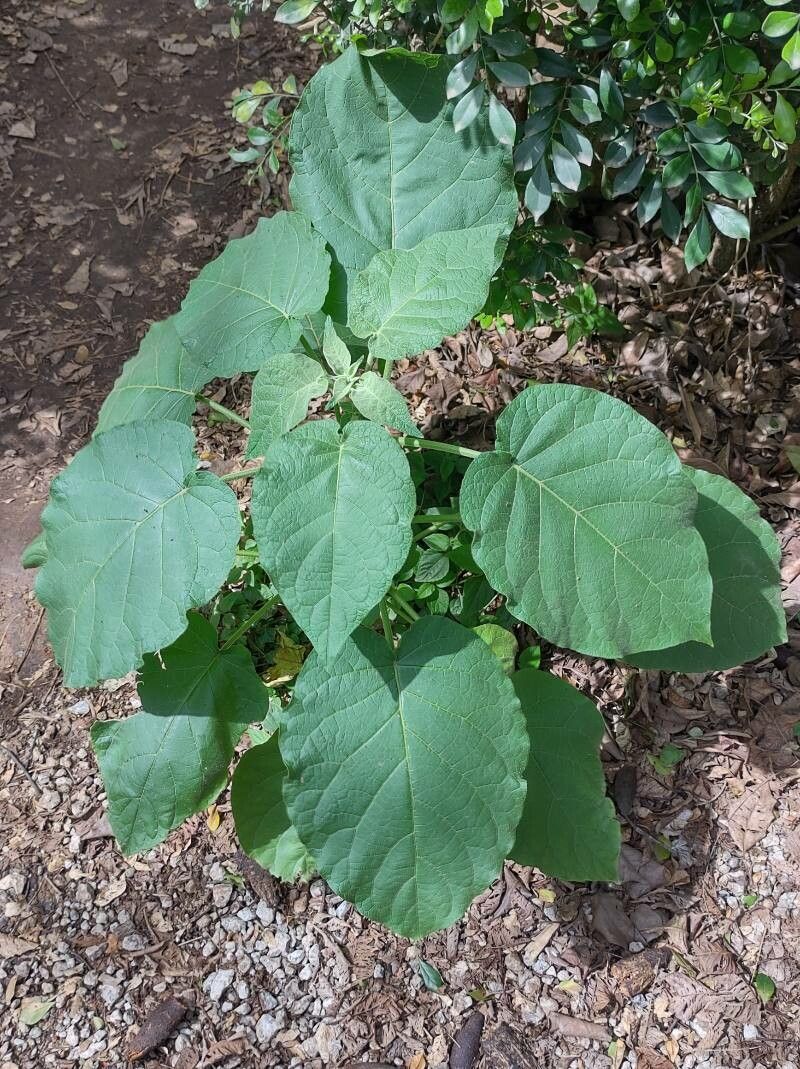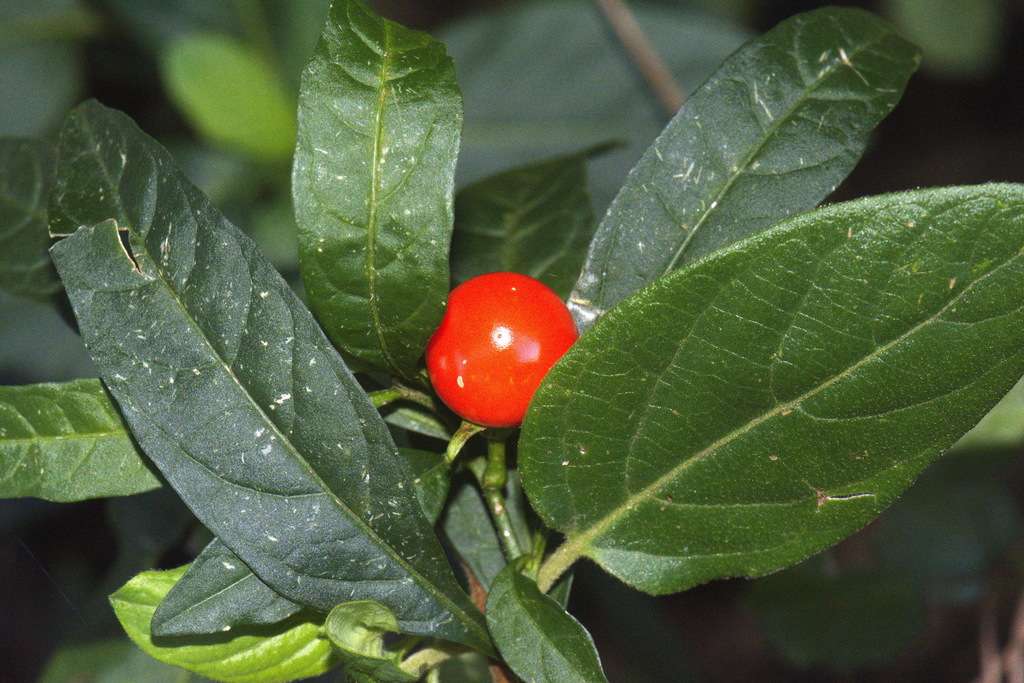
Solanum pseudocapsicum, commonly known as the Jerusalem cherry or Christmas cherry, is a small ornamental plant that belongs to the Solanaceae family. Native to South America, it has been widely cultivated as a houseplant around the world.
This plant typically grows to a height of 1 to 2 feet and features dark green, oval-shaped leaves with slightly serrated edges. It produces small white flowers that are followed by bright red or orange berries, which resemble cherries but are not edible.
The Jerusalem cherry is often used as a decorative plant during Christmas because its bright red berries add color and cheerfulness to any room. However, it is important to note that all parts of this plant are toxic if ingested and can cause severe gastrointestinal symptoms such as vomiting and diarrhea.
Jerusalem cherry is primarily grown as an ornamental houseplant because it is not suitable as a food source. Originally native to South America, this plant has been introduced to many other countries and continents, where it is now often regarded as a weed. FUN FACT · FROM THE LIBRARY
Regarding care requirements, Solanum pseudocapsicum prefers well-draining soil and regular watering but can tolerate some drought conditions. It thrives in bright indirect light or partial shade.
Overall, while the plant's toxicity makes it unsuitable for consumption by humans or pets, Solanum pseudocapsicum remains an attractive ornamental houseplant appreciated for its vibrant colors, especially during festive seasons like Christmas!
The Jerusalem cherry belongs to the nightshade family, as indicated by its genus name. Its common name refers to its small red fruits, which resemble cherry tomatoes—a fellow member of the nightshade family—in both texture and flavor. However, unlike cherry tomatoes, the Jerusalem cherry is mildly toxic to humans, and consuming its fruit may lead to gastrointestinal distress.
Jerusalem cherry has a fairly high level of disease resistance and is generally not susceptible to illnesses. However, when the plant is maintained in a poor environment it can become more prone to disease. It also has few insect pests. Regarding care, the plant has moderate requirements. It needs plenty of sunlight because inadequate light can make it more vulnerable to disease and cause thin, leggy growth. Since it is often kept indoors, it may need to be relocated regularly to a bright spot. It does not need frequent watering. Overall, Jerusalem cherry is suitable for most people, though it is best for those who can provide good light conditions.
How to keep Solanum Pseudocapsicum.
Light
The Jerusalem cherry thrives in full exposure to light for optimum growth. During its unique growth stages, it benefits from this generously lit environment that is similar to its original habitat. Being in this abundant light encourages thriving. However, excessive or inadequate light can impact the vitality of the Jerusalem cherry.
Water
Jerusalem cherry, which comes from a temperate climate, thrives with regular moisture and can tolerate moderate drought. For optimal health, it requires weekly watering, particularly during its active growing season. This is especially important when it is grown indoors to support its lush foliage and vibrant fruit display.
Humidity
This plant will thrive in moderate humidity, which is probably the level in your home. However, misting it a few times a week can be very beneficial. Make sure the room has good ventilation.
Temperature
The jerusalem cherry plant grows best in warm conditions and prefers temperatures between 68 to 100 ℉ (20 to 38 ℃). It is native to tropical regions and therefore must be protected from frost and very cold temperatures in winter. During the summer months it benefits from partial shade and adequate humidity in the air to maintain moisture.
Fertilizer
For the upkeep of Jerusalem cherry, fertilization plays a key role. Continuous feeding throughout the growth phase is necessary to maintain energy for the flamboyant leaves and aid in general growth. If fertilization is overlooked, it can lead to ill leaves, reduced decorative charm, and inhibited or frail growth which is susceptible to snapping.
Pot & Repot
When transplanting a Jerusalem cherry, opt for a pot that is 1-2 inches (2.5-5 cm) wider and has plenty of drainage. Employ a potting mix that drains effectively. Carry out the repotting process either in spring or autumn, making certain that the root ball sits a little lower than the flower pot's rim. After repotting, water the plant comprehensively and position it in a warm location with indirect sunlight.
Botanical profile.
- Plant Type
- Shrub
- Life Cycle
- Perennial
- Genus
- Solanum
- Family
- Solanaceae
- Hardiness Zone
- 9-11
- Mature Height
- 0.91 m to 2.13 m
- Mature Spread
- 34 cm
- Leaf Color
- Green
- Leaf Type
- Evergreen
- Flower Color
- White
- Flower Size
- 0.76 cm to 1.52 cm
- Bloom Time
- Late spring, Early summer, Mid summer
- Planting Time
- Spring, Summer
- Harvest Time
- Early spring, Mid summer, Late summer, Fall, Winter
- Native Area
- Colombia, Bolivia, Venezuela
Other names.
Reader questions.
How should I water my Jerusalem cherry?
When watering your Jerusalem cherry, you have many options for tools. Watering cans, hoses, cups - they all work fine. Just make sure to water directly onto the soil. It's important to evenly moisten all areas of the soil to provide adequate water to the entire root system. Filtered water is recommended to avoid harmful particles from tap water. Also, try to use water that is at or slightly above room temperature to avoid shocking the plant. However, the Jerusalem cherry is generally tolerant of different types of water.
Why is it necessary to put fertilizer on my Jerusalem cherry plant?
Jerusalem cherry needs regular fertilization primarily because its showy leaves demand a significant amount of energy for production and maintenance. Ensuring that its leaves are in good condition requires sufficient energy, but the plant also needs additional energy to support the growth of its stems, branches, roots, and other vital structures. Neglecting fertilization can lead to two likely outcomes. Firstly, the leaves of your Jerusalem cherry will lose their natural color and texture, making them look unhealthy and significantly reducing their ornamental appeal. Secondly, the plant's overall growth will slow down or produce weak growth that is prone to breakage.
What are the sunlight requirements for a Jerusalem cherry?
Jerusalem cherry plants demand considerable light exposure to maintain healthy growth, reflecting their native habitat's conditions. They thrive in full sun, which means they need more than 6 hours of sunlight each day, but can also grow in partial sun, receiving about 3-6 hours of sunlight. It’s essential to observe how sunlight traverses your garden, identifying areas that strike an ideal balance of light and shade to ensure the plants' well-being.
What are the essential care requirements for a Jerusalem cherry plant?
The Jerusalem cherry plant thrives in warm temperatures, specifically within the range of 68 to 100°F (20 to 38°C), as it originates from tropical regions. It requires protection from frost and extreme cold during winter. In summer, it benefits from partial shade and high humidity to maintain moisture. It's crucial to avoid cold temperatures entirely, as they can harm the plant. For outdoor-grown plants, it's advisable to bring them indoors during autumn, placing them near a bright window but away from heaters, to keep the temperature above the suitable growth minimum and well away from the cold extremes.
What should I do if I give my Jerusalem cherry plant too much or too little water?
For outdoor plants, especially newly planted ones or plant seedlings, it can be common for them to not get enough water. It's important to remember that you should continue to water them regularly for a few months, especially when they are small or just planted. This is because once the roots are established, the Jerusalem cherry can rely on rain most of the time. If your Jerusalem cherry is planted in pots, overwatering is often more likely to happen. If you accidentally overwater your plant, you should take immediate action to fix the situation. First, stop watering the plant right away to minimize the effects of overwatering. Then, remove the Jerusalem cherry from its pot and check its roots. If you find that none of the roots have rot, you can put the plant back in its pot. However, if you find signs of root rot, trim away any affected roots and consider applying a fungicide to prevent further damage. Finally, repot the Jerusalem cherry in well-draining soil. In the case of underwatering, simply water the Jerusalem cherry more frequently. Underwatering is often an easy problem to fix. When a plant is underwatered, its leaves may droop, dry out, and fall off. However, the leaves will quickly regain their fullness after sufficient watering. So, make sure to adjust your watering frequency as soon as you notice underwatering occurring.
When should I put fertilizer on my Jerusalem cherry plant?
To ensure the healthy growth of your Jerusalem cherry, it is best to occasionally feed it instead of following a set schedule. A convenient method is to apply fertilizer while watering the plant, only doing so sporadically. Throughout the growing season, it is important to provide an ample amount of water. You can feed the plant once every two to three weeks, consistently during periods of new growth.
How important is lighting for Jerusalem cherry plants?
Lighting plays a crucial role in the growth and health of Jerusalem cherry plants. These plants benefit from extensive light exposure, which fosters their development during different growth stages. Too much or too little light, however, could negatively impact the plant’s vitality. For indoor plants, insufficient natural sunlight, especially in winter or darker spaces, necessitates artificial lighting solutions such as LED lights, which can be customized to provide specific light wavelengths needed for optimal growth. The amount of artificial light required varies depending on whether the plants need full sun, partial sun, or full shade conditions.
What should I do if my Jerusalem cherry plant is exposed to low temperatures?
If your Jerusalem cherry plant has been exposed to low temperatures and shows signs such as color lightening in leaves or frost damage manifested by browning or blackening of leaves alongside wilting and drooping, it's essential to immediately trim off the frost-damaged parts and move the plant to a warmer indoor environment. A south-facing window is ideal for ensuring it receives enough sunlight without the direct heat from heaters or air conditioning vents, which could cause excessive dryness.
How much water does my Jerusalem cherry plant need?
Most outdoor plants can rely on rainfall for their water needs. However, if your area doesn't get enough rain, you'll need to water them every 2 weeks in the spring and fall, and more frequently in the summer. In winter, when plants need less water, you should water them sparingly or not at all. Young or newly planted Jerusalem cherry plants require more frequent watering to help them establish and grow. For potted plants, there are two ways to determine how often to water your Jerusalem cherry. The first is to set a watering schedule, such as once a week or once every other week. However, this may not always work as it doesn't consider the specific conditions of your plant's environment. The second approach is to check the soil moisture. Wait until the top two to four inches of soil have dried out before giving more water. This method is especially important during the summer when the plant's water needs are greater.
When is the best time to not put fertilizer on my Jerusalem cherry plant?
You can stick to a regular fertilization schedule for your Jerusalem cherry for most of the year, specifically during the active growing seasons of spring, summer, and early fall. However, during the winter, it is important not to fertilize the plant. During this time, the Jerusalem cherry goes into a dormant growth phase where it produces little to no new growth. Because of this lack of active growth, the plant doesn't require extra nutrients and will use less energy overall.
What symptoms indicate insufficient light for Jerusalem cherry plants?
Insufficient lighting can trigger several symptoms in Jerusalem cherry plants, including a lack of obvious abnormalities while adversely affecting their future flowering and fruiting potential. Other signs include faster leaf drop as the plant conserves resources, halted or significantly slowed growth due to survival mode activation in poor light conditions, chlorosis marked by yellowing leaves from the breakdown of chlorophyll, sunscald from intense sunlight exposure damaging plant tissues, leaf curling as a protective measure against water loss and damage, wilting due to excessive water loss, and leaf scorching characterized by brown, dry, and crispy leaf edges.
How do I care for my Jerusalem cherry plant during high temperatures?
During high temperature periods, specifically when above the suitable maximum, the Jerusalem cherry plant's leaves might lighten, and the plant becomes prone to sunburn. To care for it, remove any sunburned or dried-up parts and relocate the plant to a spot where it can enjoy shade during the intense midday and afternoon sun. It's also beneficial to water the plant in the morning and evening to ensure the soil remains moist and to prevent heat stress.