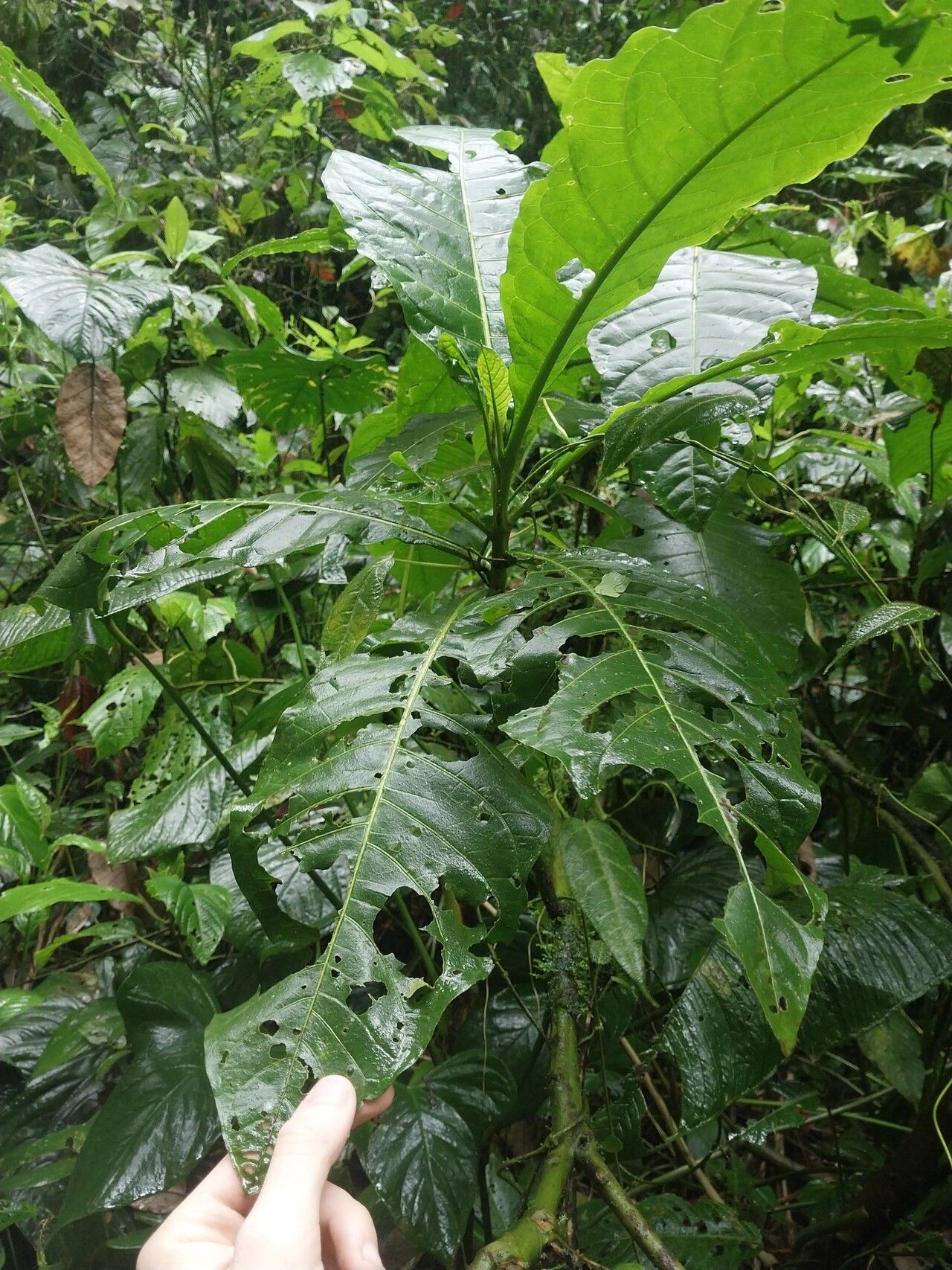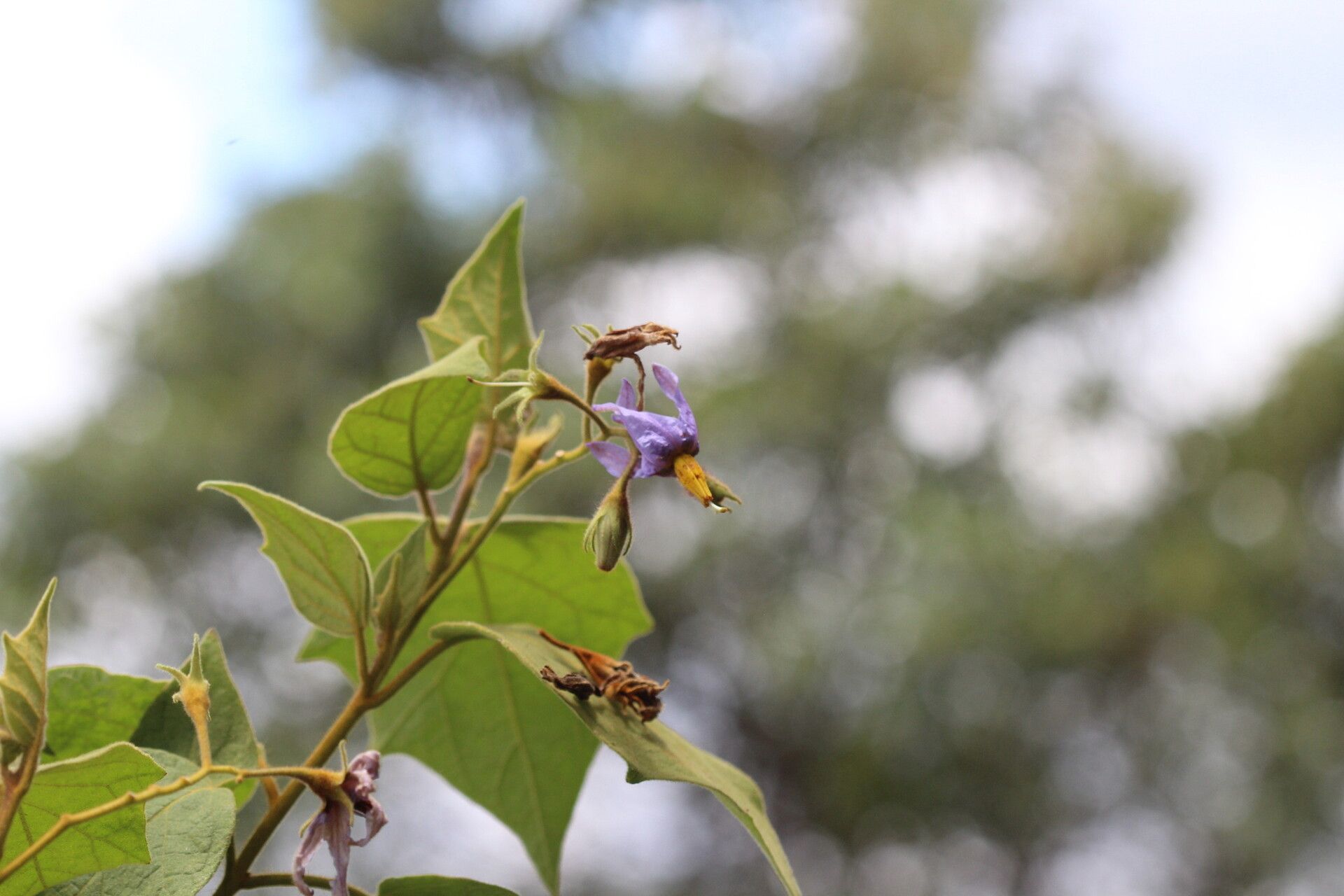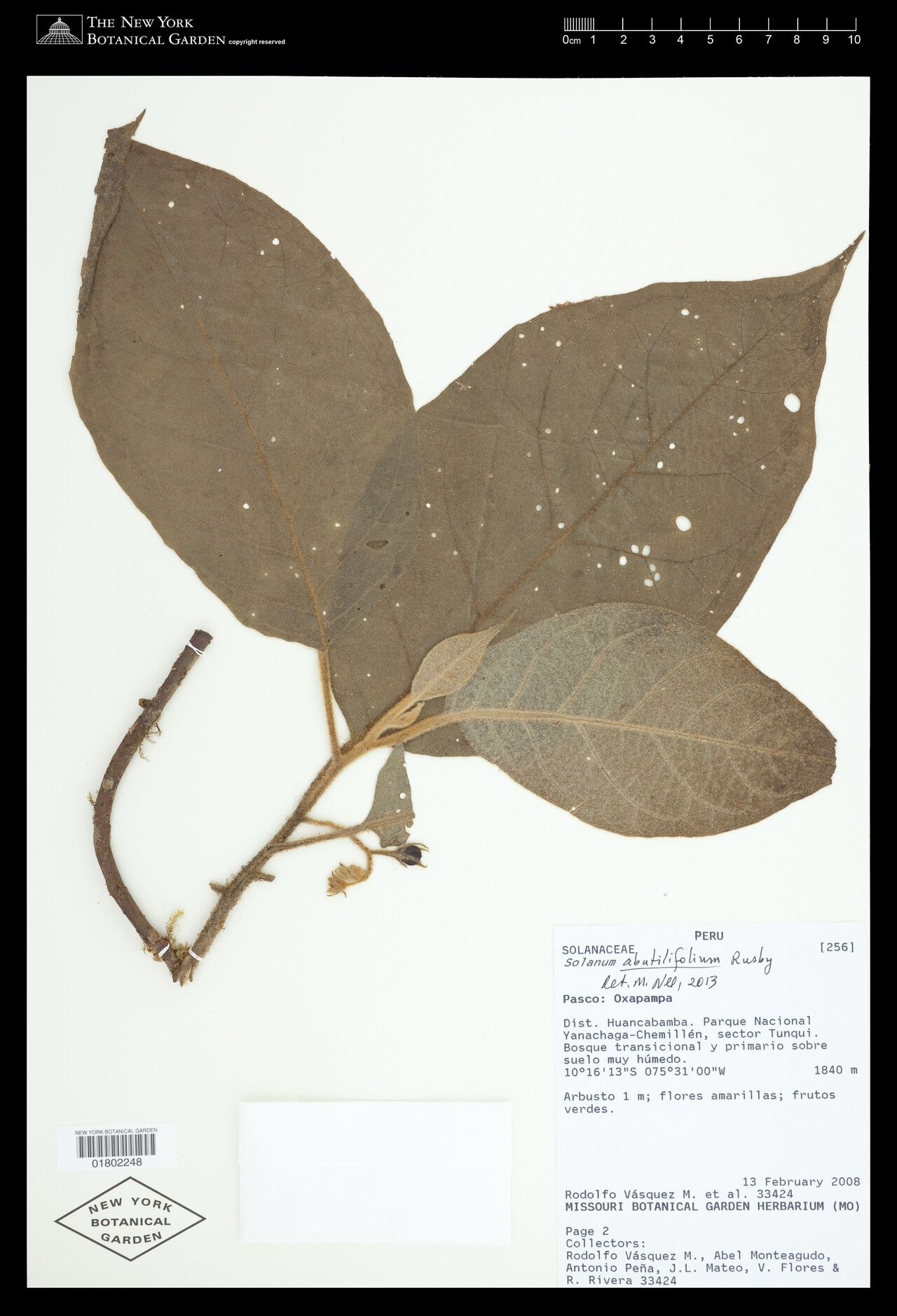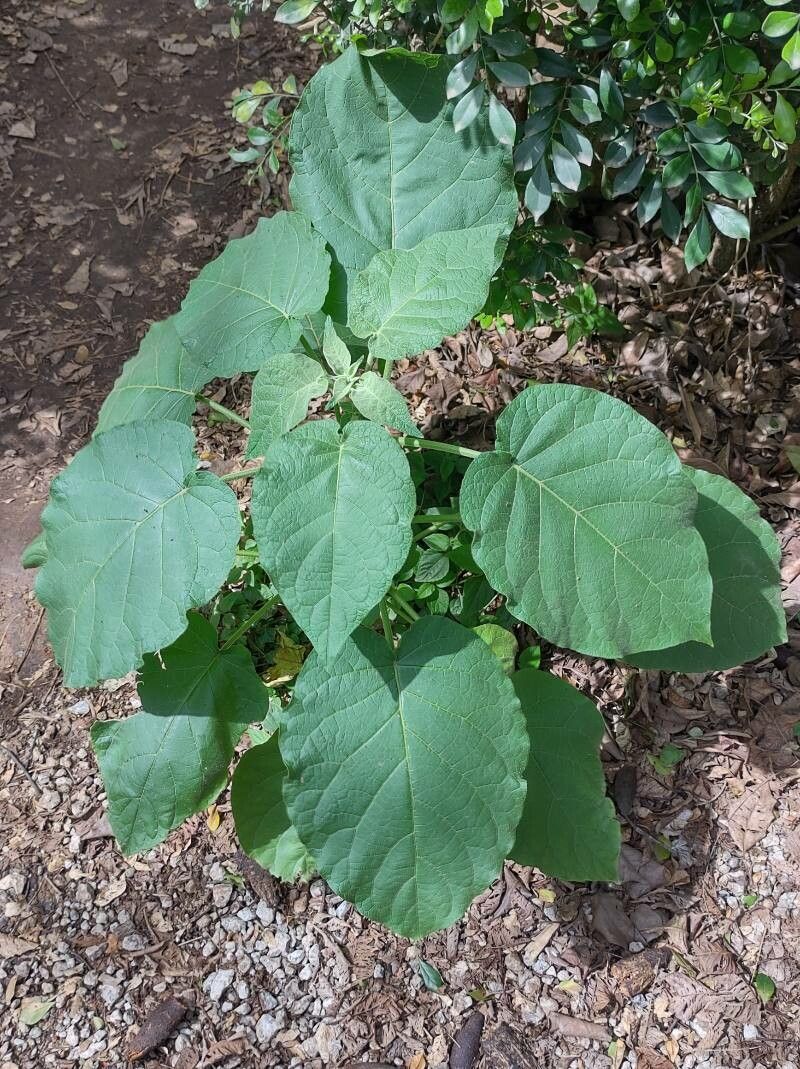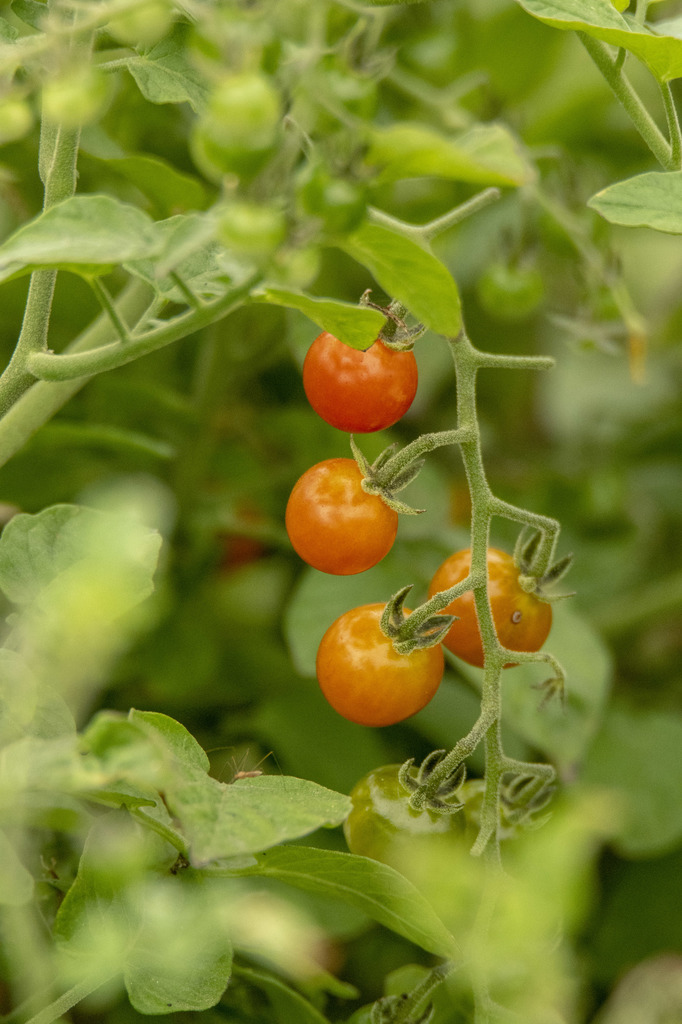
Solanum pimpinellifolium, commonly known as the wild tomato or currant tomato, is a small, wild species of tomato native to South America. As a member of the Solanaceae family, it is closely related to the cultivated tomato (Solanum lycopersicum). The plant typically reaches a height of 1-2 meters and produces small, yellow or red fruits that are about 1-2 cm in diameter. These fruits are edible, though they have a sour taste and are often used in sauces or pickles.
Solanum pimpinellifolium is an annual plant that thrives in warm climates with abundant sunlight. It prefers well-drained soil with moderate moisture levels but can tolerate some drought conditions. Indigenous people have used this plant for centuries as a medicinal herb to treat various ailments, including fever, coughs, and skin infections.
In recent years, Solanum pimpinellifolium has attracted the attention of researchers due to its high genetic diversity compared to other cultivated tomatoes. This diversity makes it a valuable genetic resource for breeding programs aimed at improving disease resistance and other desirable traits in tomatoes.
Overall, Solanum pimpinellifolium is an intriguing species of wild tomato with potential uses as a food source and medicinal herb. Its high genetic diversity also makes it important from a genetic standpoint, offering valuable traits that can benefit cultivated tomato varieties.
Currant tomato has moderate resistance to disease and is not highly susceptible to leaf spot or powdery mildew. It may incur some insect damage, though this is likely to be minor. The plant is considered easy to care for, needing only regular watering and occasional fertilizing. It typically does not require pruning. Currant tomato is appropriate for most people to grow outdoors with minimal attention, and it can also be cultivated indoors if given some care and effort.
How to keep Solanum Pimpinellifolium.
Light
The currant tomato comes from habitats with plentiful sunlight, such as open fields and sunny meadows. It prefers full sun but can also tolerate partial sun.
Water
The currant tomato flourishes in tropical climates, where it benefits from consistent moisture and a moderate tolerance for drought. To care for this plant, water it every two weeks, and use well-draining soil to avoid waterlogging. It is also essential to maintain steady humidity for optimal growth and root health.
Humidity
This plant will thrive in moderate humidity, which is probably the level in your home. However, misting it a few times a week can be very beneficial. Make sure the room has good ventilation.
Temperature
Currant tomato prefers moderate temperatures, comparable to those most people find comfortable. It does best in conditions that are neither excessively hot nor cold. The primary problem with high heat is the risk of sunburn, so providing some shade in summer is recommended to prevent overheating. If temperatures fall, the Currant tomato enters a dormant state. To maintain continuous growth, higher temperatures must be kept during winter. Frost can damage the plant and should be avoided.
Fertilizer
Use organic fertilizers (e.g., fish emulsion or compost) rather than chemical ones for Currant tomato. Supply higher nitrogen and phosphorus to young plants in spring. Mix compost or fertilizer into the soil before or after planting. For mature plants, add a balanced fertilizer or one targeted to specific deficiencies in spring. Nutrient deficiency results in small leaves, short branches, yellow or bronze leaves, acidic fruits, premature fruit drop, and splitting.
Pruning
Currant tomatoes benefit from careful pruning, which involves removing suckers, thinning for better airflow, and managing the overall size of the plant. The best time to prune is from early to late spring. This practice increases fruit yield, reduces the risk of disease, and helps maintain the plant's structure, which is particularly important in gardens with limited space.
Botanical profile.
- Plant Type
- Herb
- Life Cycle
- Annual, Perennial
- Genus
- Solanum
- Family
- Solanaceae
- Hardiness Zone
- 10-12
- Mature Height
- 0.91 m to 2.13 m
- Mature Spread
- 49 cm to 91 cm
- Leaf Color
- Green, Dark Green
- Leaf Type
- Deciduous
- Flower Color
- Yellow
- Flower Size
- 1.02 cm to 1.52 cm
- Bloom Time
- All year round
- Planting Time
- Spring, Summer
- Harvest Time
- All year round
- Native Area
- Ecuador, Peru