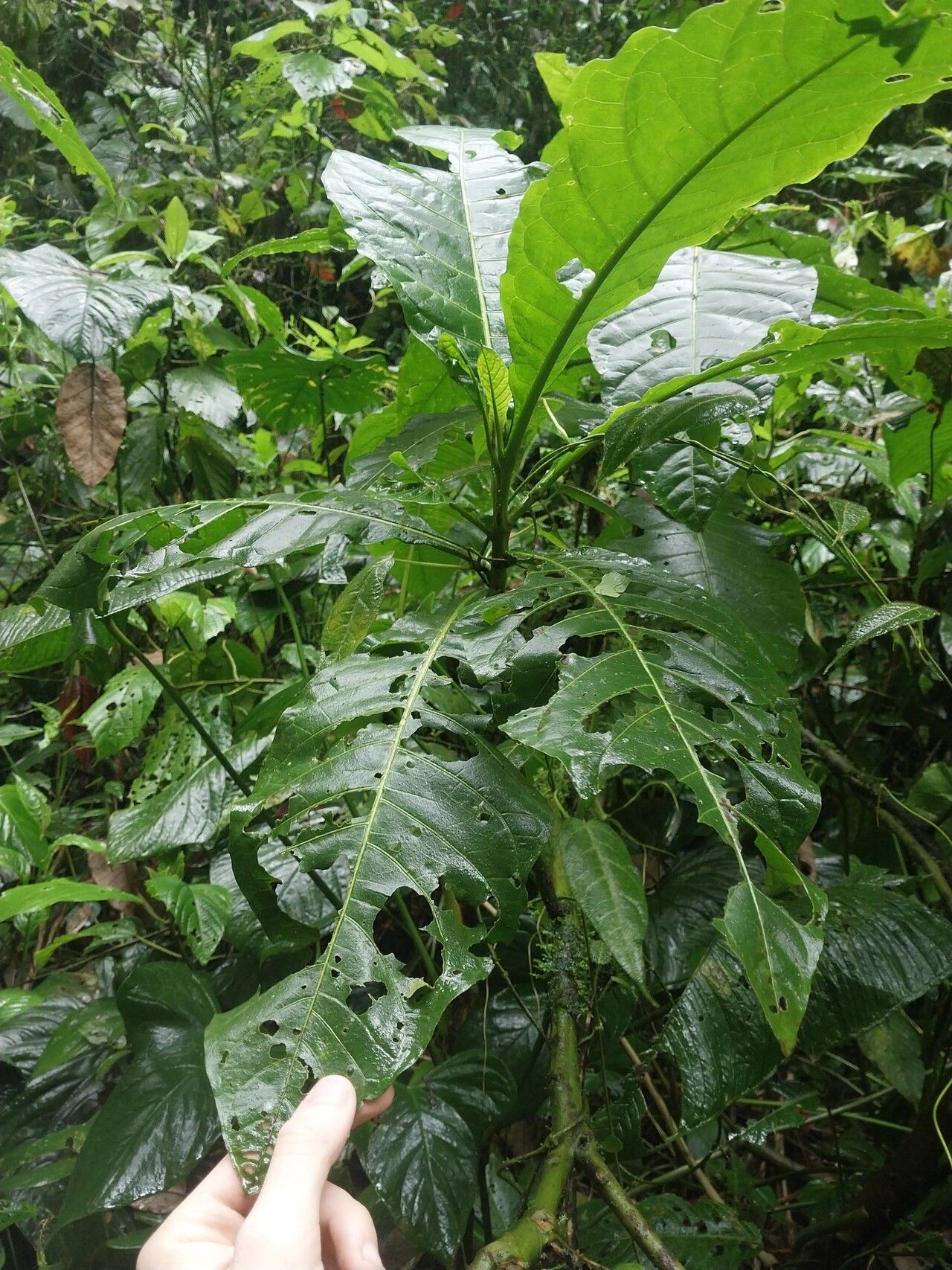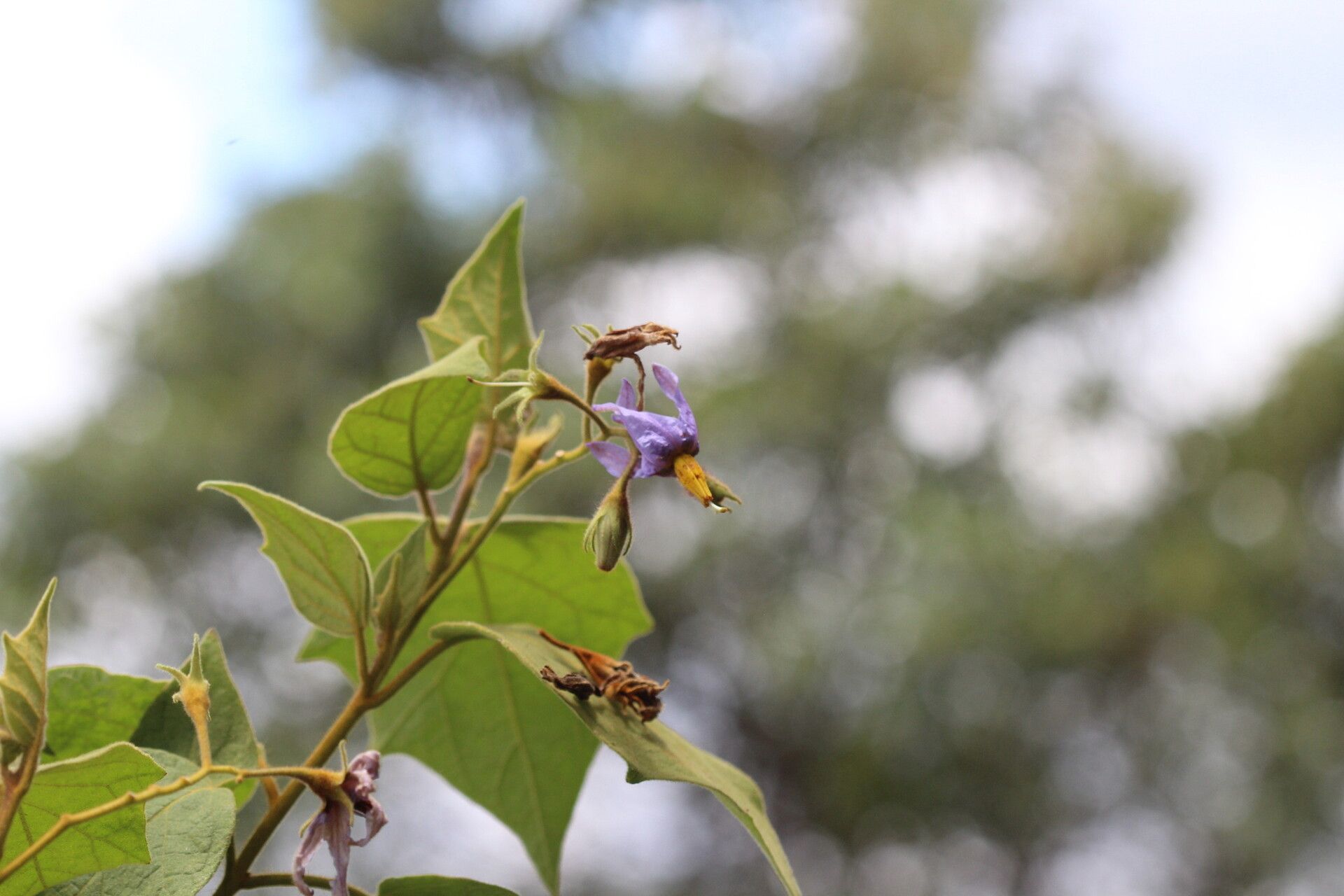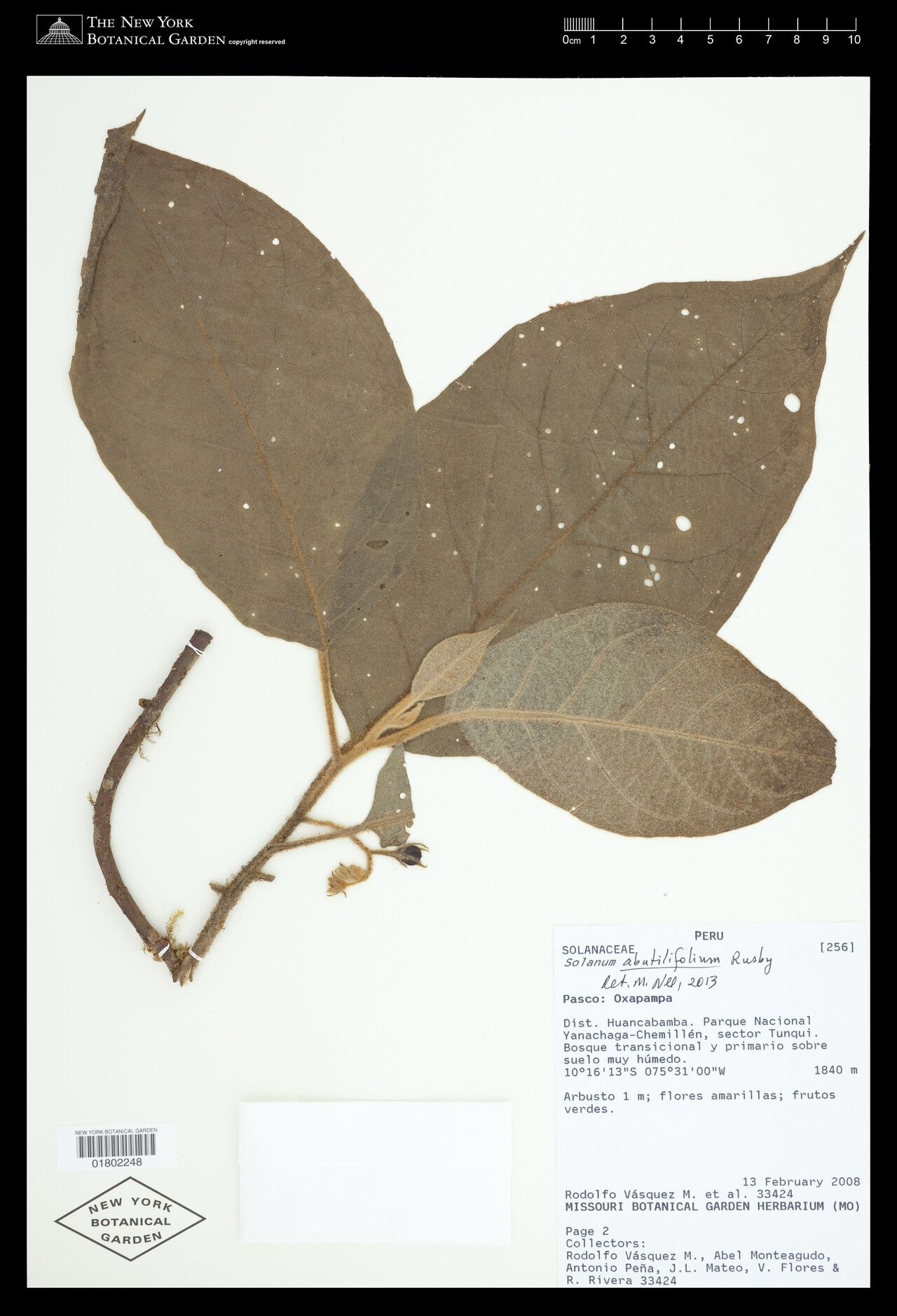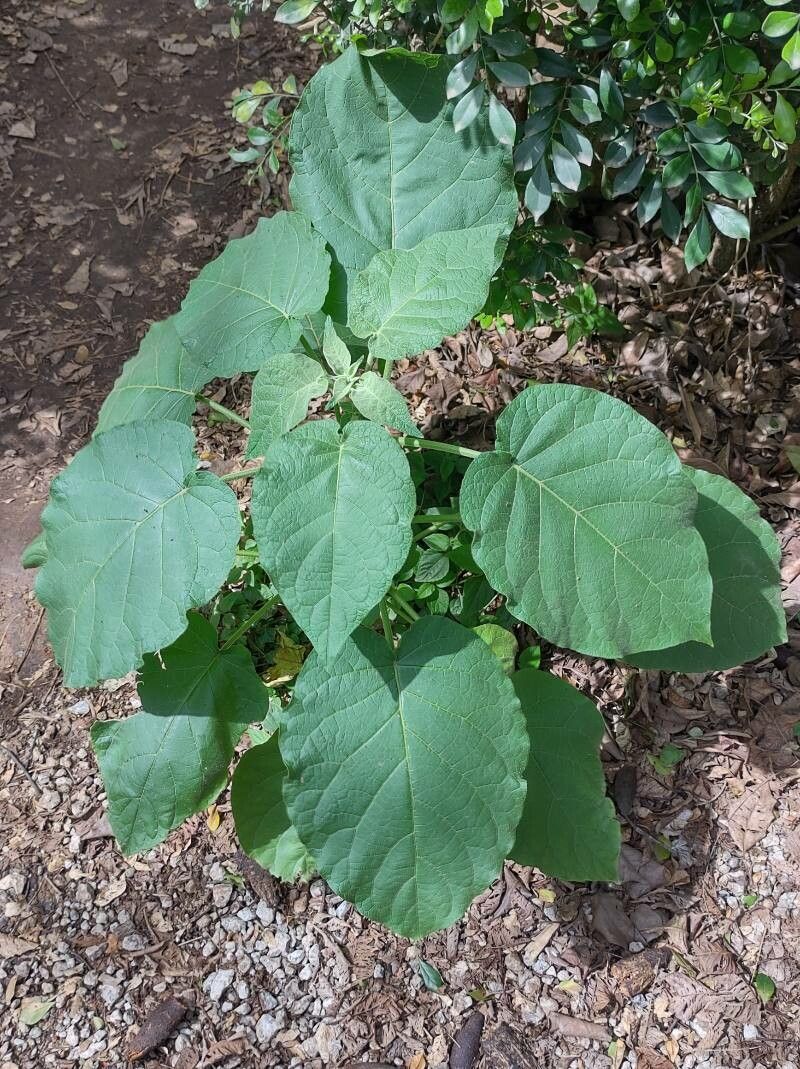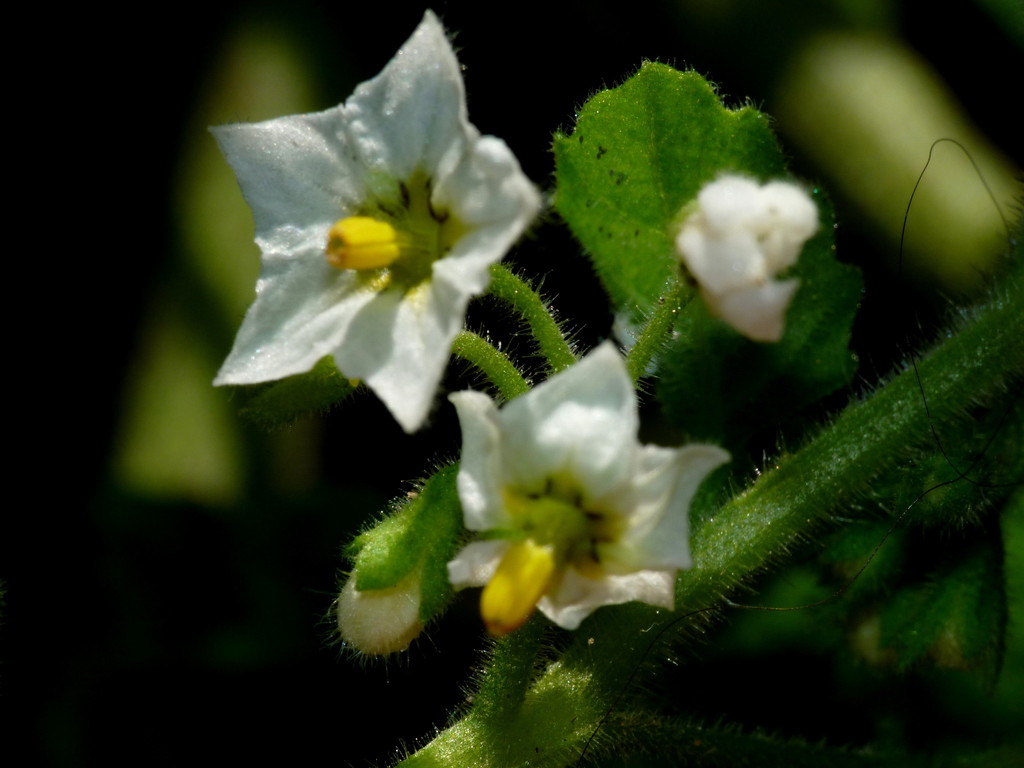
Solanum physalifolium, known as hoe nightshade, Argentine nightshade, green nightshade and hairy nightshade, is a species in the family Solanaceae (the nightshade family). Native to Argentina, Bolivia and Chile, it is widely naturalized in Australia, New Zealand, Europe, western Canada and the north western United States. Solanum physalifolium has been widely but incorrectly known as Solanum sarrachoides, a different species. It has been listed as a noxious weed in the US states of Kansas and Michigan under this misapplied name.Two varieties have been recognized: Solanum physalifolium var. nitidibaccatum (Bitter) Edmonds, syn. S. nitidibaccatum Bitter Solanum physalifolium var. physalifolium
Hoe nightshade beschikt over een goede weerstand tegen ziekten en is in de regel niet erg vatbaar voor ziektes. Toch kan hij aangetast worden door plagen en ziekten die in de directe omgeving voorkomen. Deze infecties zijn meestal niet ernstig. Wat de verzorging betreft heeft deze plant een gemiddeld onderhoudsniveau. Hij moet regelmatig worden gesnoeid om een verzorgd uiterlijk en een gezonde groei te behouden. Bemesting kan ook helpen om de bloei te stimuleren. Hoe nightshade is geschikt voor iedereen met een buitenruimte, zoals een tuin of patio, en vraagt niet veel verzorgingservaring. Bij binnenkweek kan hij meer verzorging nodig hebben.
How to keep Solanum Physalifolium.
Light
Hoe nightshade originates from bright, open habitats where it prospers in full sun. It can endure partial shade but prefers direct sunlight for optimal growth. This annual or biennial plant is recognized for its sun-loving habit.
Water
Nightshade flourishes best in moderate moisture environments, similar to subtropical climates. It requires weekly watering, ensuring the soil doesn't become oversaturated. Rainwater is especially beneficial, as it enhances nutrient absorption during the growing season. Nightshade balances drought tolerance with its need for regular hydration.
Temperature
Hoe nightshade kan zich aanpassen aan een breed scala aan temperatuuromstandigheden, maar de verspreiding kan alsnog beperkt worden door verschillende combinaties van water- en warmtecondities. De plant groeit het beste in warme zomers met voldoende neerslag of water geven. Langdurige perioden van bewolkt en regenachtig weer, evenals aanhoudend hoge temperaturen, kunnen de kans vergroten dat Hoe nightshade afsterft. In de winter kan goede bescherming tegen de kou de overlevingskans van de plant verhogen.
Fertilizer
Hoe nightshade benefits from frequent, mild applications of fertilizer to encourage healthy leaf growth. You should fertilize Hoe nightshade about once a month during the summer. Nitrogen is essential for foliage, and adding nitrogen-rich sources helps Hoe nightshade thrive.
Pruning
Nightshade plants have slender stems and small white flowers, and they benefit from pruning between early and late spring. To encourage better growth and flowering, trim away any dead branches and thin out crowded areas. Remember to clean your tools to prevent disease, which will enhance the plant's overall health and appearance.
Botanical profile.
- Plant Type
- Herb
- Life Cycle
- Annual
- Genus
- Solanum
- Family
- Solanaceae
- Hardiness Zone
- 5-9
- Mature Height
- 30 cm to 91 cm
- Mature Spread
- 30 cm to 49 cm
- Leaf Color
- Green
- Leaf Type
- Deciduous
- Flower Size
- 1.02 cm to 1.52 cm
- Bloom Time
- Summer, Early fall, Mid fall
- Planting Time
- Spring, Summer, Autumn
- Harvest Time
- Late summer, Fall, Early winter
Other names.
Reader questions.
What is the most effective way to water my Hoe nightshade plants?
To water Hoe nightshade, you have a few options. You can use a garden hose with a spray nozzle, a watering can, or pretty much any other common watering tool. Luckily, Hoe nightshade isn't too fussy about its water source. It can survive on rainwater, tap water, or even filtered water. But be careful not to water this plant from above, as it can harm the leaves and flowers, and potentially cause disease. A drip irrigation system is often the best way to water Hoe nightshade, as it provides water evenly and directly to the soil. If you have a Hoe nightshade growing in a container, you can follow a similar watering method, but simply change the tools you use. A cup, watering can, or your tap can be used to directly water the soil of a container-grown Hoe nightshade.
What are the sunlight requirements for Hoe nightshade?
Hoe nightshade thrives in full sun, requiring more than 6 hours of sunlight daily for optimal growth, although it can tolerate partial sun, about 3-6 hours of sunlight. It is essential to observe how sunlight moves through your garden to find the ideal balance of light and shade for your plants. Artificial lighting can be a vital solution for indoor plants when natural sunlight is insufficient, especially in winter or darker spaces. LED lights are recommended since they can provide the specific light wavelengths needed, with full sun plants requiring 30-50W/sq ft, partial sun plants needing 20-30W/sq ft, and full shade plants needing 10-20W/sq ft of artificial light.
What is the name of the plant?
The plant is known as Hoe nightshade, with its botanical name being Solanum physalifolium.
What do I need to do if I give my Hoe nightshade plant too much or too little water?
The solution for underwatering your Hoe nightshade is simple: water it more regularly when you observe it lacking moisture. However, overwatering can be a more serious problem if not detected early. When your Hoe nightshade is overwatered, it becomes susceptible to diseases that can lead to its decline and death. To prevent this, choose a suitable location for your plant that receives ample sunlight, allowing the soil to dry out, and ensure that the soil has proper drainage to prevent waterlogging. If you've overwatered a potted Hoe nightshade, consider transferring it to a new pot. The previous container may not have had good drainage or sufficient holes. When repotting, use loose soil and a pot that drains efficiently.
What are the common symptoms of light deficiency in Hoe nightshade?
When Hoe nightshade is cultivated indoors with inadequate light, several symptoms may appear indicating light deficiency. These include smaller new leaves, leggy or sparse growth, faster leaf drop, slower or no new growth, and lighter-colored or yellowing new leaves indicating chlorosis. Additionally, excessive sunlight can cause symptoms like sunscald, leaf curling, wilting, and leaf scorching. Each symptom reflects the plant's struggle to adapt to its lighting environment, emphasizing the need for proper sunlight or artificial lighting.
Are there any essential details provided about Hoe nightshade?
No, there are no essential details provided about the Hoe nightshade.
How frequently should I give water to my Hoe nightshade plant?
Hoe nightshade requires regular watering throughout the growing season. In the beginning of spring, it is recommended to water the plant once a week. As the season progresses and gets warmer, the watering frequency should be increased to two to three times a week. However, exceeding this rate can harm the plant. It is important to keep the soil moist, but not wet, regardless of the watering frequency. Watering Hoe nightshade in a pot is slightly different. In general, the soil in a pot can dry out quicker, so it is necessary to water container-grown Hoe nightshade more frequently. Most of the time, watering a potted plant should be done a few times per week, compared to just once per week for a plant in the ground.
How can I address light deficiency symptoms in indoor and outdoor Hoe nightshade plants?
To address light deficiency in indoor plants, gradually move them to sunnier spots to receive at least 6 hours of direct sunlight daily or use artificial light for additional support. For outdoor plants, transition them gently to brighter locations to prevent sunburn. Reducing obstructions such as pruning trees can help sunlight reach your plants better. For plants in the ground, consider transplanting to sunnier locations with good drainage during their dormant period. Remember, parts of the plant affected by insufficient light may not recover, but new growth will be healthy after adjusting light exposure.
What symptoms are associated with Hoe nightshade?
The information does not specify any symptoms associated with the Hoe nightshade.
How much water does my Hoe nightshade plant need?
Determining how much water to give your Hoe nightshade can be approached in a few different ways. Some gardeners prefer to check the soil for moisture and water until the top six inches feel moist. Others find it helpful to use a specific measurement, like two gallons per week, taking into account factors like temperature and soil dryness. However, following strict guidelines may result in overwatering if your plant needs less. When growing Hoe nightshade in a container, a different method is needed. Water should be given until all layers of soil are moist, which can be tested by feeling the soil or observing water draining from the pot's holes.
How do I know if I'm giving enough water to my Hoe nightshade plant?
Avoiding overwatering your Hoe nightshade can be tricky because of their deep roots that need moist soil weekly. However, Hoe nightshade plants are highly prone to root rot and browning if overwatered. Underwatering is less of a concern as these plants can survive without much watering. However, if you wait too long to water them, they may wilt and develop dry leaves.
How do I water my Hoe nightshade plant throughout the seasons?
The water needs of your Hoe nightshade will increase as the seasons progress. In spring, watering once per week should be sufficient. However, as the summer heat arrives, you may need to increase watering to about three times per week, especially if your Hoe nightshade is in a container. Containers tend to dry out quicker than ground soil in warm weather. In autumn, when the temperature has dropped and the sun is not as intense as in summer, you can slightly reduce the amount of water your Hoe nightshade needs while it is still in bloom.