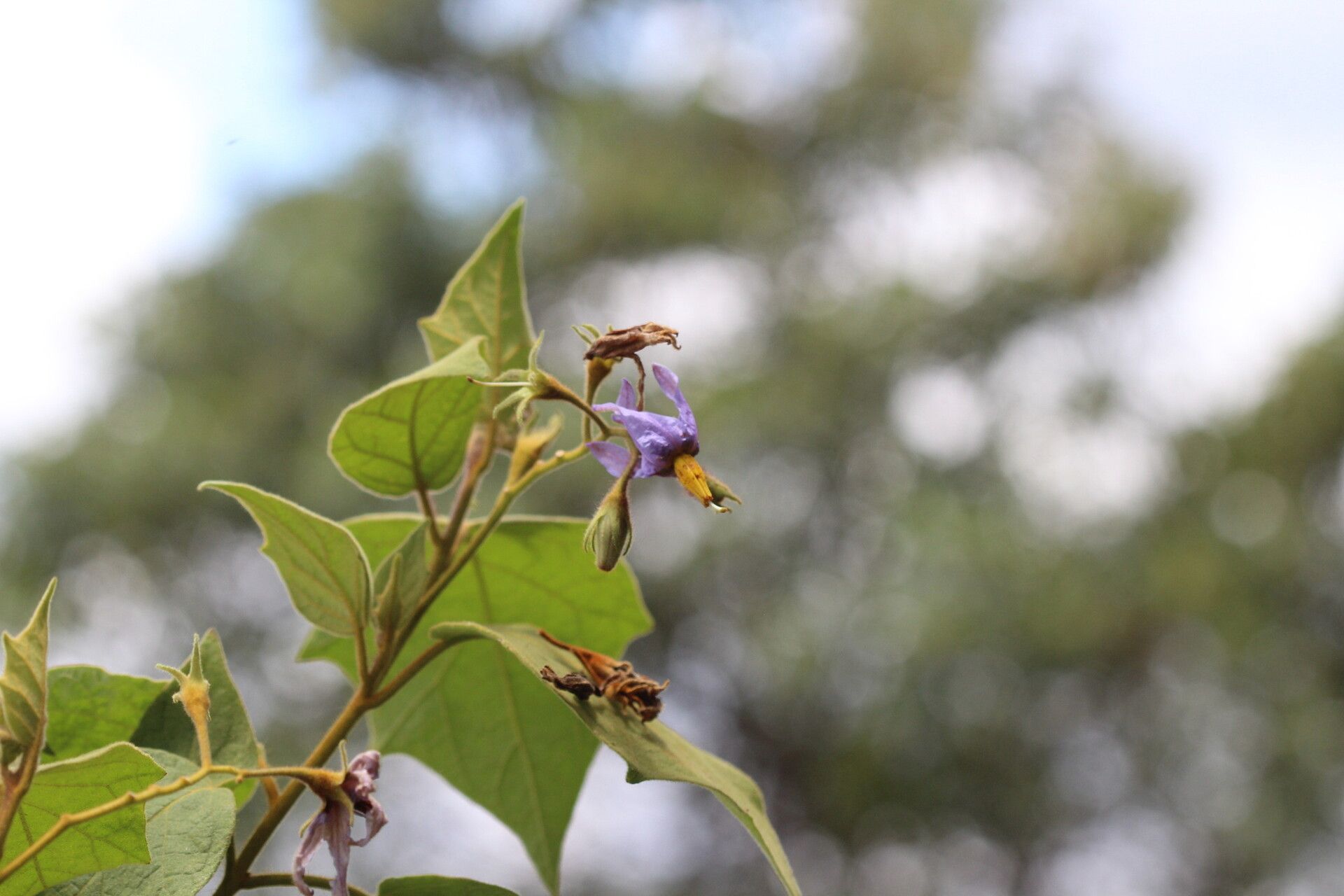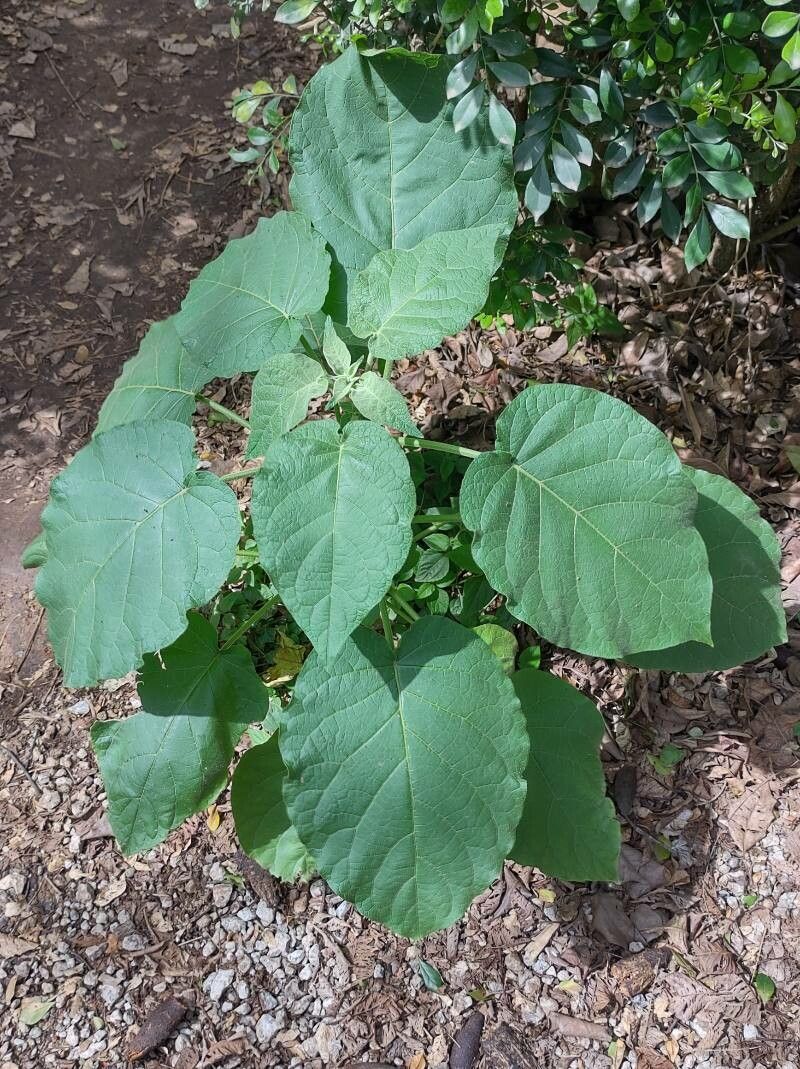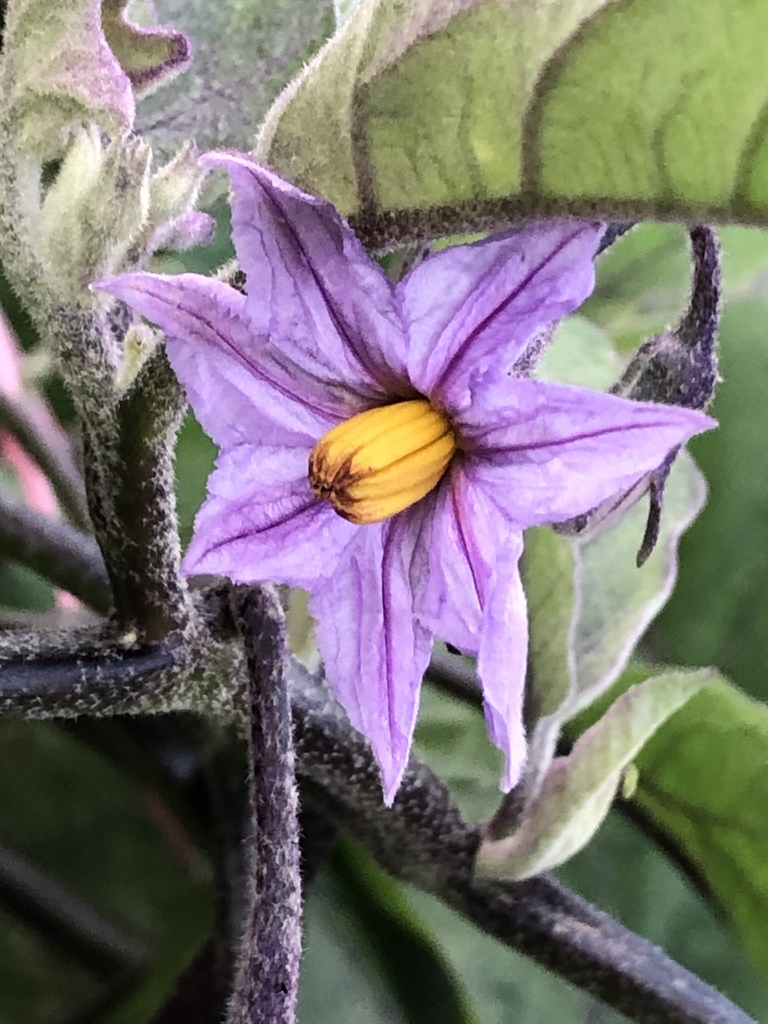
Solanum melongena, commonly known as eggplant or aubergine, is a species of nightshade plant that belongs to the Solanaceae family. Native to the Indian subcontinent, it has been cultivated for thousands of years. The plant grows to a height of 1 to 1.5 meters and features large, broad green leaves.
The fruit of Solanum melongena is typically egg-shaped and varies in color from dark purple to white or yellowish-green, depending on the variety. It can grow up to 30 cm in length and 15 cm in width, with a smooth skin that can be either glossy or matte.
Eggplant is widely used in cooking around the world due to its unique flavor and texture. It can be grilled, roasted, fried, or baked, and is also a popular ingredient in stews and curries.
Besides its culinary uses, eggplant offers several health benefits due to its high nutrient content, including vitamins C and K, fiber, potassium, magnesium, and antioxidants. Some studies suggest that it may also have anti-inflammatory properties, which could help reduce risk factors for heart disease.
Overall, the Solanum melongena plant plays an important role both culturally and nutritionally around the world.
Eggplant has moderate resistance to disease and is not highly prone to leaf spot or powdery mildew. It may incur some insect damage, but this is likely to be mild. The care required is considered easy, needing only regular watering and occasional fertilization. Pruning is not usually necessary. Eggplant is appropriate for most people to grow outdoors with minimal attention, and it can also be cultivated indoors with some care and effort.
How to keep Solanum Melongena.
Light
Eggplant needs a large amount of sunlight to grow best, though it can tolerate locations with somewhat reduced—but still considerable—sun exposure. This level of light promotes healthy growth. Excessive sun can scorch the leaves, while too little sunlight can reduce fruiting. Having originated in sunny environments, it can pass through its various growth stages if given sufficient light.
Water
Eggplant grows best in moderate climates where the soil remains consistently moist, though it can tolerate short dry periods. For optimal growth, watering twice a week is recommended. Proper irrigation is especially important during the growing season to avoid problems such as blossom-end rot, which can result from inconsistent watering.
Humidity
This plant needs special care because it loves high humidity levels of 60-80% or more. The best way to achieve this is by placing a humidifier near the plant. Daily misting is also essential! Make sure the room has good ventilation.
Temperature
Eggplant is adapted to a native growing environment with temperatures between 68 and 95 °F (20 to 35 ℃). That range represents its preferred temperatures. Seasonal temperature changes for eggplant depend on the local climate but should remain within its preferred temperature span.
Fertilizer
To feed eggplant, apply natural or commercial fertilizer high in nitrogen for leaf growth, phosphorus for roots and blossoms, and potassium to support photosynthesis and maximize fruit production. Plant in spring, amend the soil with compost or manure, and fertilize seedlings once they reach 2–4 inches in height. A shortage of macronutrients causes slow growth, wilting, and problems with fruit quality.
Pruning
Eggplant, known for its glossy purple fruit, benefits from pruning in mid-spring to enhance growth and yield. To improve air circulation, remove the lower leaves and suckers. Be sure to use sterilized tools to prevent disease, which will help improve the plant's structure and productivity.
Pot & Repot
When repotting Eggplant, select a pot 1–2 inches (2.5–5.1 cm) larger with ample drainage. Use a well-draining potting mix. Repot in spring or fall, ensuring the root ball is slightly lower than the rim of the flower pot. Water thoroughly after repotting and place in a warm spot with indirect sunlight.
Botanical profile.
- Plant Type
- Herb
- Life Cycle
- Perennial, Annual
- Genus
- Solanum
- Family
- Solanaceae
- Hardiness Zone
- 2-10
- Mature Height
- 91 cm
- Mature Spread
- 30 cm
- Leaf Color
- Green
- Leaf Type
- Deciduous
- Flower Color
- Lavender, Purple
- Flower Size
- 3.05 cm to 4.06 cm
- Bloom Time
- Late spring, Early summer, Mid summer
- Planting Time
- Spring, Summer
- Harvest Time
- Mid summer, Late summer
- Native Area
- Asia
Other names.
Reader questions.
When Should I Water My Eggplant?
Watering your eggplant correctly is critical for its health, growth, and productivity. The soil moisture content is a reliable indicator for when to water; if the soil is dry to the touch at a depth of 1-2 inches, it's time to water. Wilting, drooping, and color changes in leaves are signs of water stress, as is dry surface soil and flower bud dropping. Pay attention to temperature and humidity, as high heat and dry air increase water needs. Avoid watering too early or too late to prevent risks like root rot from overwatering and stress or damage from underwatering. Observing these signals carefully will guide you to water your eggplant at the best times.
Why should I put fertilizer on my eggplant?
When growing Eggplant for its fruit, it is important to supplement the soil with additional nutrients in order to achieve the best harvest. Each macronutrient plays a different role in supporting plant growth. Phosphorus, for example, is crucial for promoting the formation of flowers and fruit. However, a plant cannot produce flowers and fruit without a healthy root system and leaves that can absorb sunlight. It is therefore essential to provide the necessary nutrients for these parts of the plant as well. Insufficient macronutrient levels can lead to reduced vitality, slower growth, and wilting in plants. Since flowering and fruiting require a significant amount of energy, a deficiency in these key components will also be reflected in the quality of the resulting fruits.
What are the sunlight requirements for eggplants?
Eggplants require full sun, meaning they need above 6 hours of sunlight daily, but they can also thrive in partial sun, which is about 3-6 hours of sunlight. It’s essential to watch how sunlight moves through your garden to choose spots that offer a perfect balance of light and shade, ensuring the plants' optimal growth and happiness.
What is the preferred temperature range for growing eggplant?
Eggplant thrives in relatively warm temperatures, with a native growth environment ranging from 68 to 95 °F (20 to 35 °C). This temperature preference makes it essential to adjust seasonal temperatures based on the local climate, ensuring they stay within these limits. During winter, it's beneficial to maintain temperatures above the freezing point to prevent plant damage, especially when outdoor temperatures approach -5°C (25°F). In such cold conditions, moving the eggplant indoors or offering protection using a temporary greenhouse or wrapping materials is advisable.
How Should I Water My Eggplant?
Eggplants have specific watering needs that, when met, significantly affect their health and productivity. A consistent moisture level is crucial, but avoid overwatering. Bottom-watering, where the plant absorbs water from the bottom up, is a preferred method as it prevents leaf moisture and reduces disease risks. Using a moisture meter and a watering can with a long spout helps in directing water to the base without wetting the foliage. Keep the soil around the plant moist, particularly during dry conditions, by focusing watering at the base and avoiding the foliage to minimize disease risks. Maintaining a consistent humidity level and adequately checking the soil's moisture will support your eggplant's needs.
When should I fertilize my Eggplant?
To successfully grow eggplants, it is important to know when to plant them. As a summer crop, they should be planted in the spring for optimal fruit production during the summer months. Make sure to check the specific variety of eggplant for the best planting time. In order to yield high-quality produce, eggplants require rich and fertile soil. Before planting, mix a 2 inch layer of compost or well-rotted manure into the soil to provide essential nutrients and improve drainage. Transplants can be fertilized immediately after planting, while seedlings should reach a height of 2 to 4 inches before their first fertilization. For established plants, feed them every 3 to 4 weeks throughout the growing season until the first frost or when the plant stops producing. When choosing a fertilizer, consider the specific type and variety of eggplant to customize the fertilization schedule to your specific situation. If unsure, it is better to fertilize less rather than risk over-fertilization.
How important is sunlight for eggplant growth?
Sunlight is crucial for eggplant growth. Eggplants need an abundant amount of sunlight to flourish optimally. They can endure settings with less, but still substantial, sun exposure. These light conditions stimulate healthy growth. While overexposure can lead to scorched leaves, inadequate sun can negatively affect fruiting. Originating from environments with ample sun, eggplants can survive different growth stages with sufficient sunlight.
How does low temperature affect eggplant, and what are the solutions?
Eggplant has a moderate tolerance to low temperatures and thrives best within its suitable growth temperature range. However, if the temperature drops below the plant's tolerable growing minimum, the leaves may darken, and in severe cases, symptoms like water-soaked necrosis, wilting, and drooping can occur, with leaves gradually turning brown. To mitigate frost damage, it is recommended to trim away frost-damaged parts, move the plant to a warm environment indoors, or set up a makeshift greenhouse for protection. Ensuring the plant is placed near a south-facing window can help provide sufficient sunlight, and if necessary, supplemental lighting may be used.
How Much Water Does Eggplant Really Need?
Eggplants thrive in semi-arid conditions, implying their moderate but specific water requirements. Ideally, eggplants need about 1-1.5 inches of water per week, directly influencing root and plant health when distributed evenly and deeply, reaching 6 to 12 inches where the roots reside. Proper hydration is evident through glossy, deep green leaves; any deviation like wilting or discoloration suggests a need for adjustment in watering practices. Over or under-watering can lead to issues such as root rot or reduced fruit yield, making it crucial to balance eggplant's hydration according to these guidelines for optimal growth.
When shouldn't I put fertilizer on my Eggplant plants?
To ensure healthy growth and fruitful production, avoid using excessive nitrogen fertilizer for Eggplant. Instead, choose a fertilizer with a lower nitrogen content in relation to other nutrients. Additionally, it is important to refrain from fertilizing Eggplant during periods of high temperatures or dry conditions. Under such circumstances, the fertilizer may wash away or remain in the soil, hindering the plant's ability to absorb water. This can be particularly detrimental during droughts or heatwaves.
Can artificial light be used for eggplant growth and how?
Yes, artificial light can be used for eggplant growth, especially when natural sunlight is insufficient, like in winter or less sunny spaces. Indoor plants require adequate lighting for optimal growth, with artificial lights offering a vital solution. LED lights are popular for their ability to be customized to provide specific wavelengths needed by plants. Full sun plants need 30-50W/sq ft of artificial light, partial sun plants need 20-30W/sq ft, and full shade plants require 10-20W/sq ft. Place the light source 12-36 inches above the plant, mimicking natural sunlight, and ensure it stays on for 8-12 hours per day to mimic the length of natural daylight.
What should be done if eggplant experiences high temperatures?
During the summer, it's crucial to ensure the temperature does not exceed the eggplant's suitable growth maximum. High temperatures can slow down the plant's growth, lead to lighter leaf color, and increase susceptibility to sunburn. If the plant experiences excessively high temperatures, the sunburned and dried-up parts should be trimmed away. Moving the plant to a shaded location, especially during the afternoon sun, and watering the plant in the morning and evening to maintain soil moisture, are effective practices to alleviate stress from high temperatures.