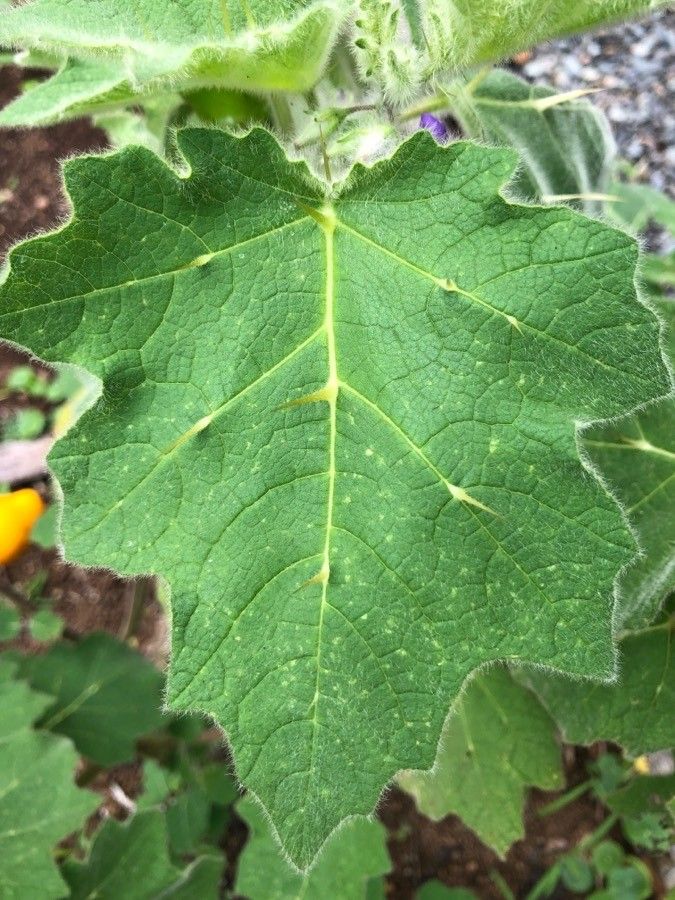
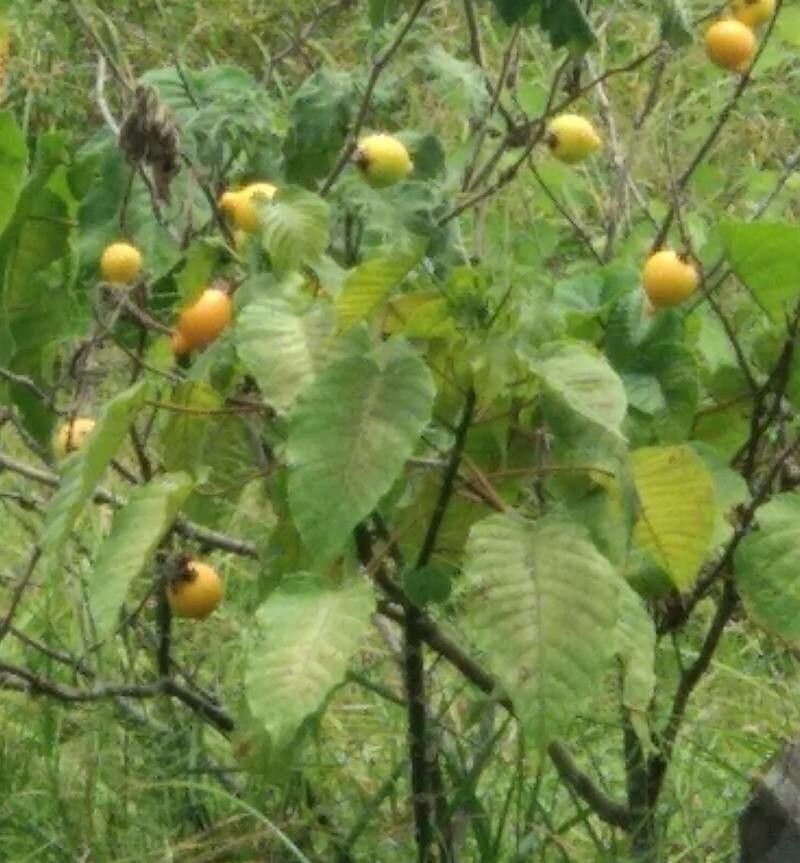
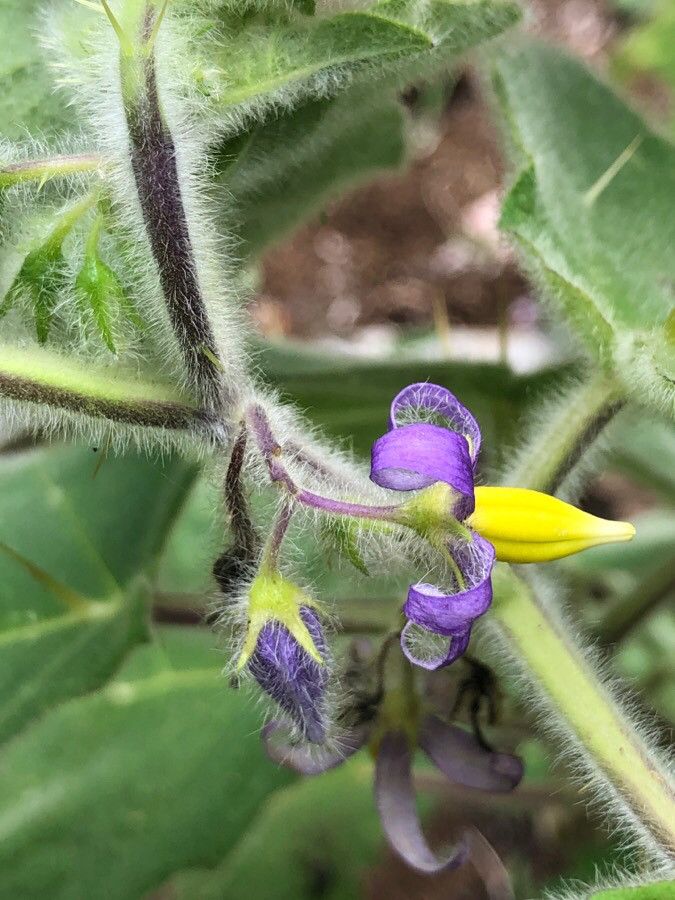
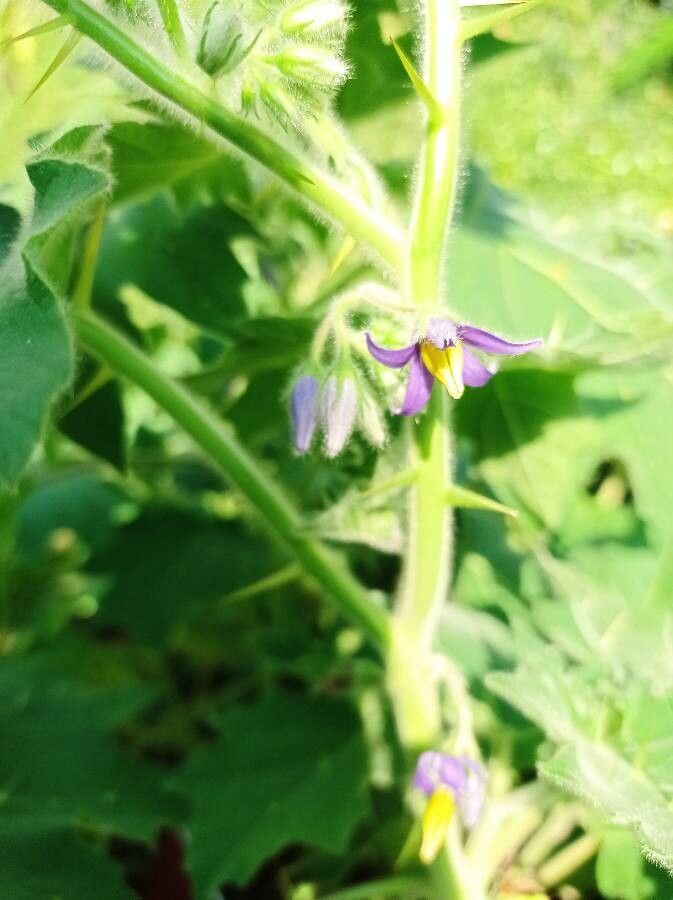
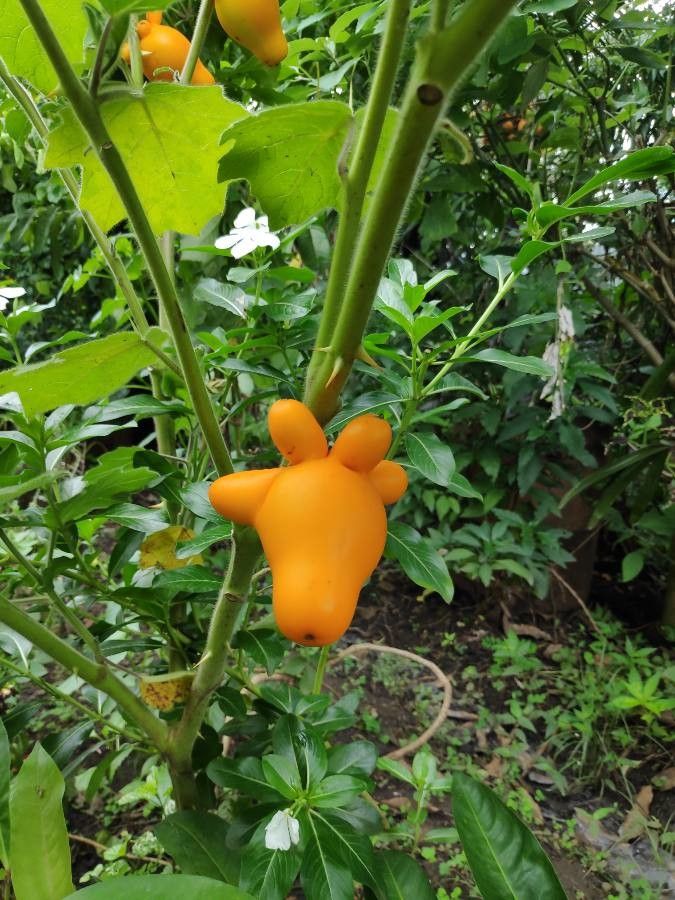
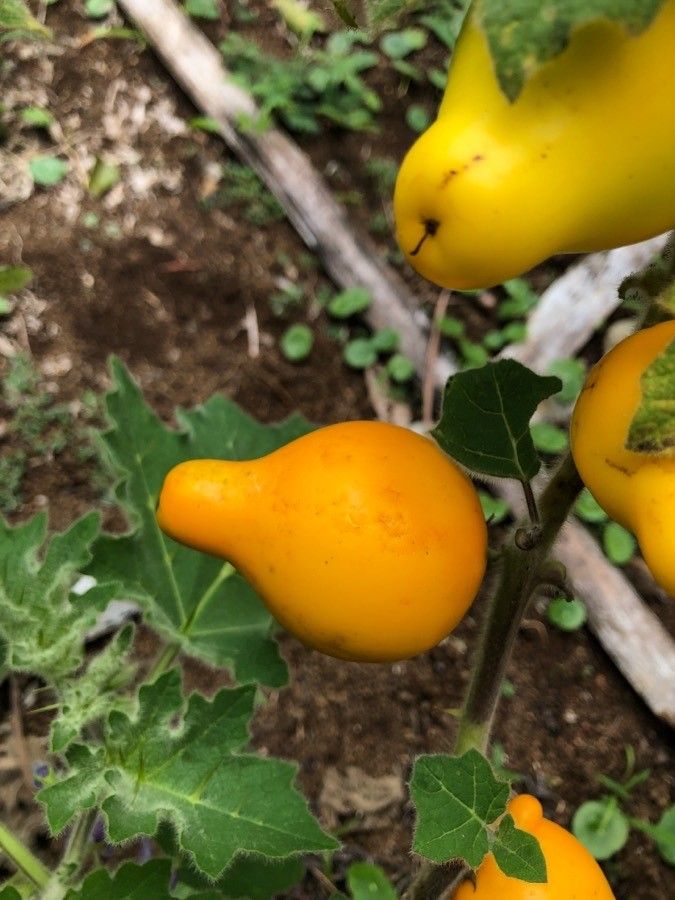
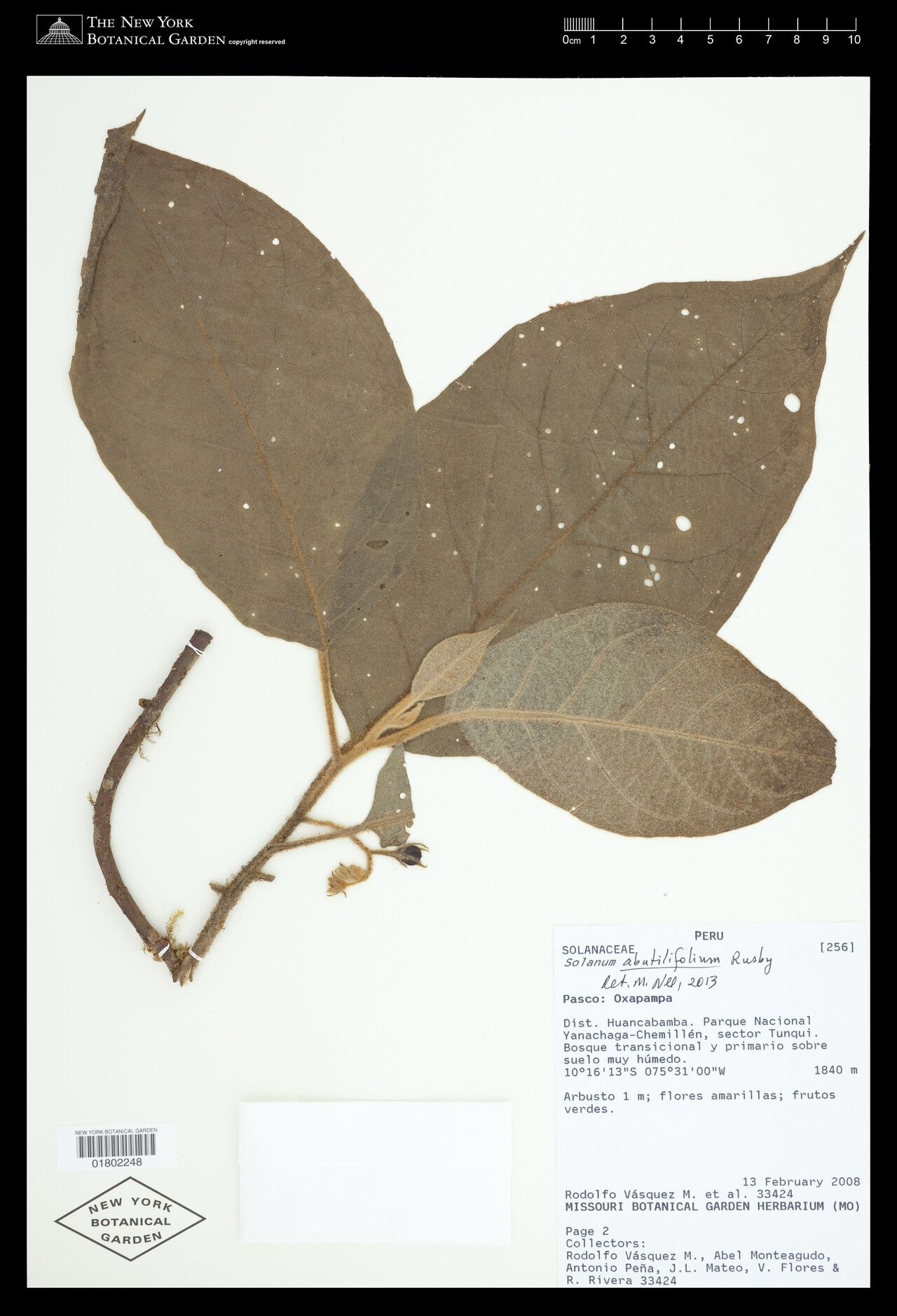
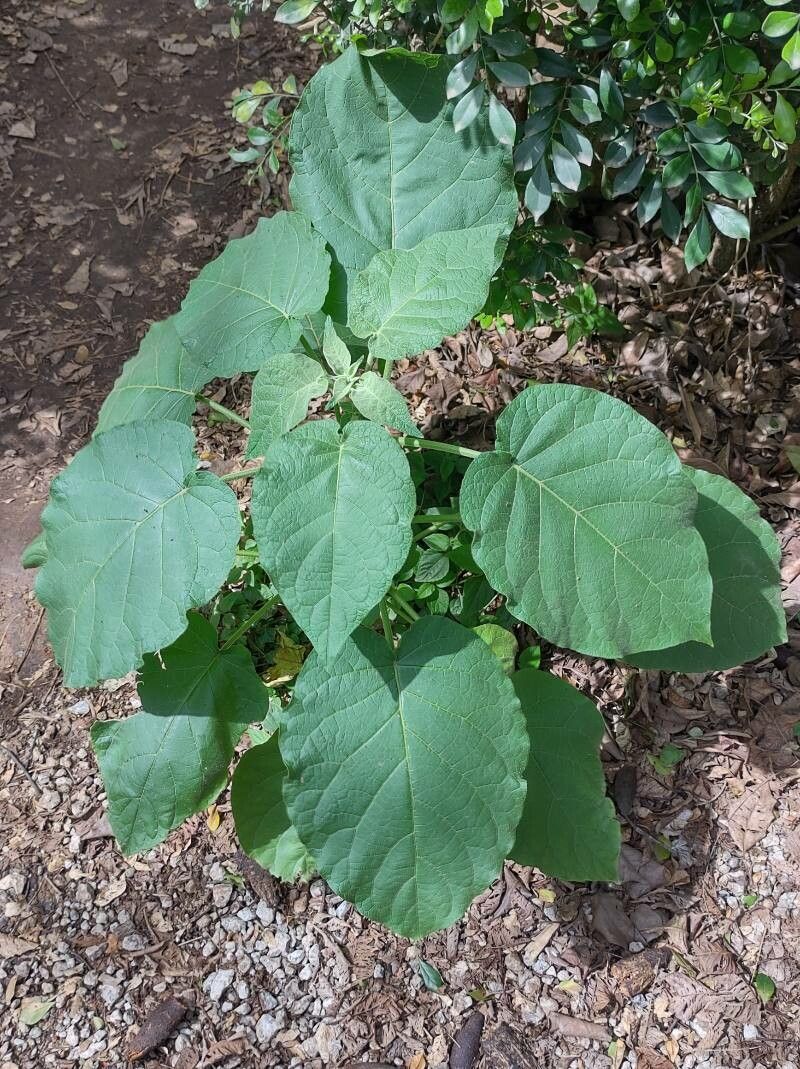
Solanum mammosum, commonly known as the nipple fruit or cow's udder, is a tropical plant species belonging to the Solanaceae family. Native to South America, it has been introduced and naturalized in many tropical regions worldwide.
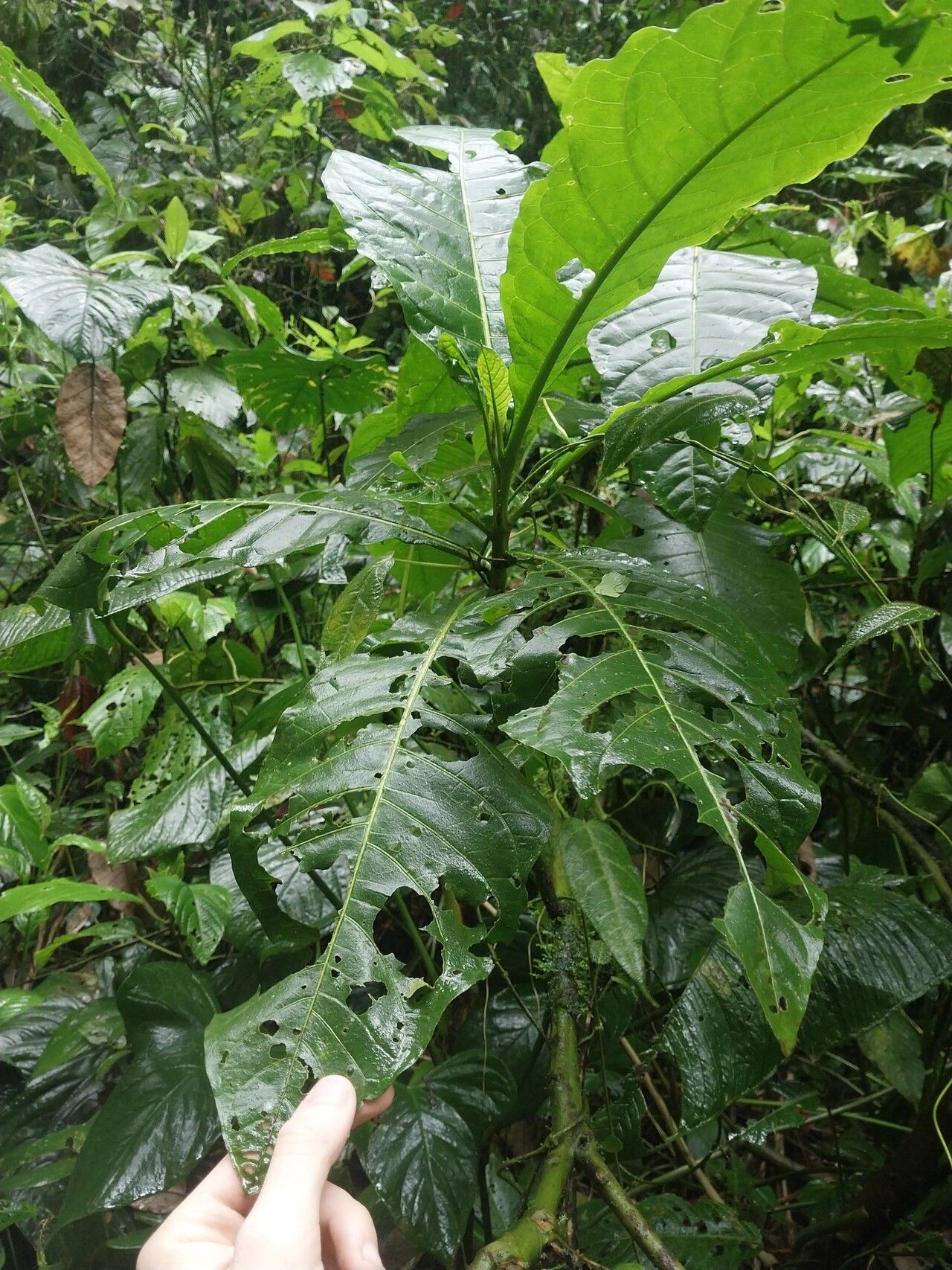
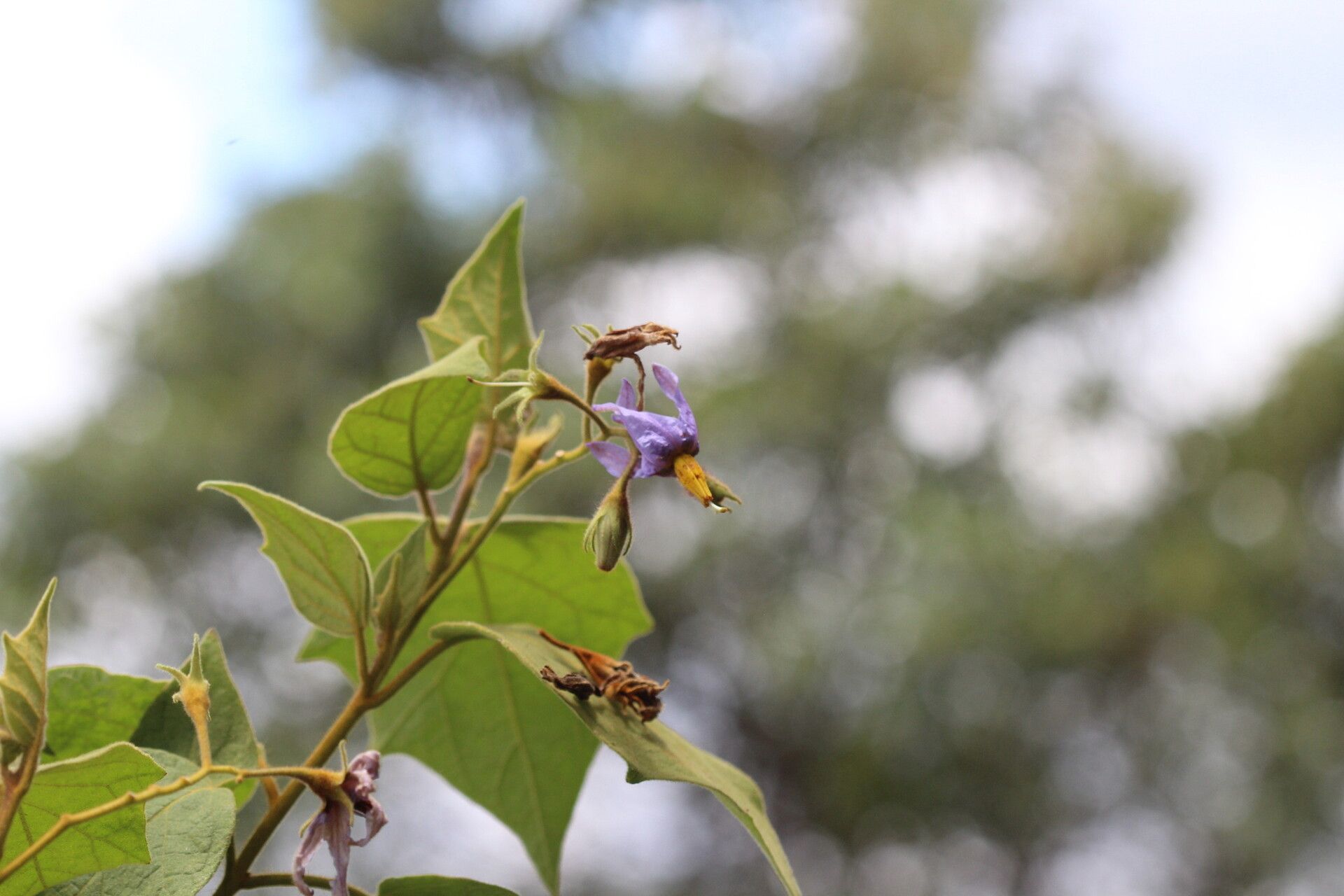
This plant typically grows as a shrub or small tree, reaching heights of up to 3 meters. Its large leaves are ovate or elliptical, measuring up to 30 cm in length. The plant produces white flowers with yellow centers, which are followed by small green fruits resembling cow's udders, thus giving rise to its common name.
While the nipple fruit is edible, it is not commonly consumed due to its bitter taste when unripe. However, when fully ripe, it can be eaten raw or cooked into various dishes, such as stews and curries.
In traditional medicine, various parts of Solanum mammosum have been used for their medicinal properties, including treatments for skin infections, fever, coughs, and colds.
Overall, Solanum mammosum is an intriguing plant with unique physical characteristics, making it an attractive ornamental species for gardens and providing some medicinal benefits in traditional medicine practices.
Turkey berry has moderate resistance to disease and is not highly prone to leaf spot or powdery mildew. It may suffer some insect damage, but this damage is likely to be minor. The plant is easy to care for, requiring only regular watering and occasional fertilization. It generally does not need pruning. Turkey berry is suitable for most people to grow outdoors with little attention, and it can also be grown indoors if provided with some care and effort.
How to keep Solanum Mammosum.
Light
Turkey berry needs substantial light exposure to enhance its healthy growth. While it can endure some shade, it thrives most when receiving plenty of sunlight. Hailing from an environment bountiful in sunlight, turkey berry can survive but not reach its full potential in areas with less light. Both high amounts of shade and harsh light can put the plant under stress, impacting its vitality and productivity.
Water
Nipple-fruit flourishes in regions that receive moderate rainfall and can withstand short periods of drought. For optimal growth, it is best to water the plant every 1-2 weeks to maintain balanced soil conditions. When growing nipple-fruit outdoors, it is important to pay special attention to watering during the active growing season. This ensures healthy fruit production and vibrant foliage.
Temperature
Turkey berry, which emerged in environments with temperatures between 59 and 100 °F (15 to 38 ℃), favors mild warmth. During seasons of extreme heat or cold, changes in the temperature might be required.
Fertilizer
The root system of the turkey berry naturally produces nitrogen, which decreases the requirement for supplemental fertilizers. Soils with good drainage are ideal, and the need for fertilization can vary based on the makeup of the soil. But if the soil lacks sufficient levels of potassium or phosphorus, it could inhibit the plant's growth, while a shortage of nitrogen is not a problem.
Pruning
Nipple-fruit is known for its uniquely shaped fruits and decorative leaves. To promote healthy growth and airflow, prune the plant from early to late spring by removing any dead or weak branches. Thinning out crowded areas also helps prevent diseases. Using clean, sharp tools minimizes damage and encourages quicker healing, ultimately enhancing both the plant's appearance and fruit production.
Botanical profile.
- Plant Type
- Shrub
- Life Cycle
- Perennial
- Genus
- Solanum
- Family
- Solanaceae
- Hardiness Zone
- 8-11
- Mature Height
- 2.13 m to 3.05 m
- Mature Spread
- 1.52 m
- Leaf Color
- Green, Blue
- Leaf Type
- Evergreen
- Flower Color
- White
- Flower Size
- 2.54 cm
- Bloom Time
- Late spring, Summer, Early fall
- Planting Time
- Spring, Summer, Autumn, Winter
- Harvest Time
- Summer, Fall
- Native Area
- Colombia, Bahamas, Belize, Honduras, Mexico, Guatemala, Guyana, Nicaragua, Ecuador, Costa Rica, Panama
Other names.
Reader questions.
How should I water my Nipple-fruit plant?
To properly water the Nipple-fruit plant, use filtered water at room temperature. Tap water may have harmful particles, so it's best to filter it. Since the Nipple-fruit comes from warm surroundings, avoid using cold water as it can shock the plant. Instead of overhead watering, soak the soil with filtered room temperature water. This method helps moisten the roots and allows them to spread and gather nutrients in the soil.
Why should I put fertilizer on my Nipple-fruit?
All plants, including the Nipple-fruit, need soil nutrients to grow. However, it's not always guaranteed that the soil you have will have all the necessary nutrients. This is where fertilization and soil amendments come in. They help ensure that your garden plants get both the basic nutrients they need and the specific nutrients that are necessary for their growth. In the case of the Nipple-fruit, fertilization is important for the healthy development of its roots and stems throughout the growing season. It also helps the plant produce a beautiful set of leaves, which is especially crucial since the foliage is what makes this plant visually appealing.
What are the sunlight requirements for Nipple-fruit?
Nipple-fruit requires full sun exposure, involving more than 6 hours of sunlight a day. However, it can also tolerate partial sun, which means about 3-6 hours of sunlight daily. It is crucial to observe the movement of sunlight through the garden and select locations that offer a suitable balance of light and shade, ensuring the plants' optimal growth and health.
What is the ideal temperature range for growing Nipple-fruit?
Nipple-fruit, also known as Solanum mammosum, thrives in environments with temperatures ranging from 68 to 100°F (20-38°C). It is crucial to maintain this temperature range as growth may become stunted when the temperature falls below or rises above these limits. During the cooler seasons, it is advisable to keep the plant in warmer, indoor environments to ensure its health. Particularly, it is recommended to bring outdoor-grown Nipple-fruit indoors during autumn and place it near a bright window, making sure it is not too close to heaters. Maintaining temperatures above 20°C during winter is beneficial for the plant's growth, while temperatures nearing 10°C can be harmful.
What should I do if I give my Nipple-fruit too much or too little water?
Taking care of your Nipple-fruit requires attention to watering. Both overwatering and underwatering can harm your plant, but overwatering is more common. Too much water causes wilting, yellowing, and can lead to root rot, mold, and mildew. Although underwatering is less likely, it can still happen, resulting in brittle, brown leaves. It's important to recognize signs of overwatering early to prevent irreversible damage. Reduce watering if you notice these signs and ensure that the soil drains well. If underwatering is the issue, simply water more regularly until the plant recovers.
When should I fertilize my Nipple-fruit?
A Nipple-fruit requires the most fertilizer when it is actively growing, which usually happens during spring, summer, and early fall. Once winter ends, you should feed your Nipple-fruit every two to four weeks until fall arrives. During fall, you can gradually reduce the amount of fertilizer until you stop feeding it completely in preparation for winter, when the Nipple-fruit's growth slows down.
What are the essentials for growing Nipple-fruit successfully?
To ensure successful growth, Nipple-fruit needs maximum sunlight exposure throughout the day. It thrives best under open sky conditions where there is no obstruction to light. Insufficient solar exposure can impede its growth, while adequate sunlight encourages vigorous development. This light requirement is consistent across all its growth stages. In locations where natural light is insufficient, especially during winter or in less sunny spaces, artificial lighting becomes crucial. Indoor plants benefit from the use of LED lights or other artificial sources that can be adjusted to provide the necessary wavelengths of light, mimicking natural sunlight conditions.
How does low temperature affect Nipple-fruit, and what are the solutions?
Nipple-fruit is not tolerant of low temperatures and thrives best in warm conditions, specifically when the temperature is above 20°C. During winter, ensuring that the temperature remains above 10°C is essential. Exposure to temperatures below 5°C may lead to the leaves lightening in color, and frost damage can cause the leaves to gradually turn brown or black, accompanied by wilting and drooping. To address frost damage, it's recommended to trim off the damaged parts and move the plant immediately indoors to a warmer environment. Positioning the plant near a south-facing window ensures enough sunlight, but it's essential to keep the plant away from heaters or air conditioning vents to avoid excessive dryness.
How frequently should I give water to my Nipple-fruit?
If your Nipple-fruit plant is in a pot, the best way to check if it needs water is by sticking your finger in the soil. If the top two to three inches of soil are dry, it's time to water it. The same method can be used if you have your Nipple-fruit plant planted outdoors in the ground. When the top few inches of soil are dry, it's time to water the plant. Generally, during spring and early fall, you'll need to water this plant about once a week. However, when the weather gets extremely hot, you may need to water it twice a week or more. It's important to note that mature, well-established Nipple-fruit plants can tolerate drought well.
When is the best time to not put fertilizer on my Nipple-fruit plant?
For most of the year, including spring, summer, and most of fall, it is important to consistently feed your Nipple-fruit. The only exception is if you have accidentally given it too much fertilizer or fertilized it incorrectly, causing fertilizer burn or other issues. In such cases, you must address the problem before resuming regular feeding. During winter, you should abstain from fertilizing the Nipple-fruit. If you have this plant indoors in a cold region, it will go into a dormant phase during winter. Feeding the plant during this dormant phase is unnecessary, unhelpful, and likely to cause fertilizer burn.
What are the symptoms of light deficiency in Nipple-fruit?
When Nipple-fruit is cultivated indoors or in areas with inadequate lighting, several symptoms can indicate light deficiency. These include smaller new leaves, leggy or sparse growth, faster leaf drop, slowed or ceased growth, leaves with lighter color or irregular patterns, and conditions such as chlorosis, sunscald, leaf curling, wilting, and leaf scorching. These symptoms reflect the plant’s struggle with insufficient light, affecting its chlorophyll production, structural integrity, and overall health.
How does high temperature affect Nipple-fruit, and what are the solutions?
During the summer, it is important to ensure that Nipple-fruit is kept below 38°C to avoid overheating. When temperatures exceed 43°C, the plant's leaves may lighten in color and become more susceptible to sunburn. To manage such conditions, trim away the sunburned and dried-up parts. Relocate the plant to a shaded area to protect it from the midday and afternoon sun, and water the plant in the morning and evening to keep the soil moist. These steps will help mitigate the effects of high temperature and sun exposure.