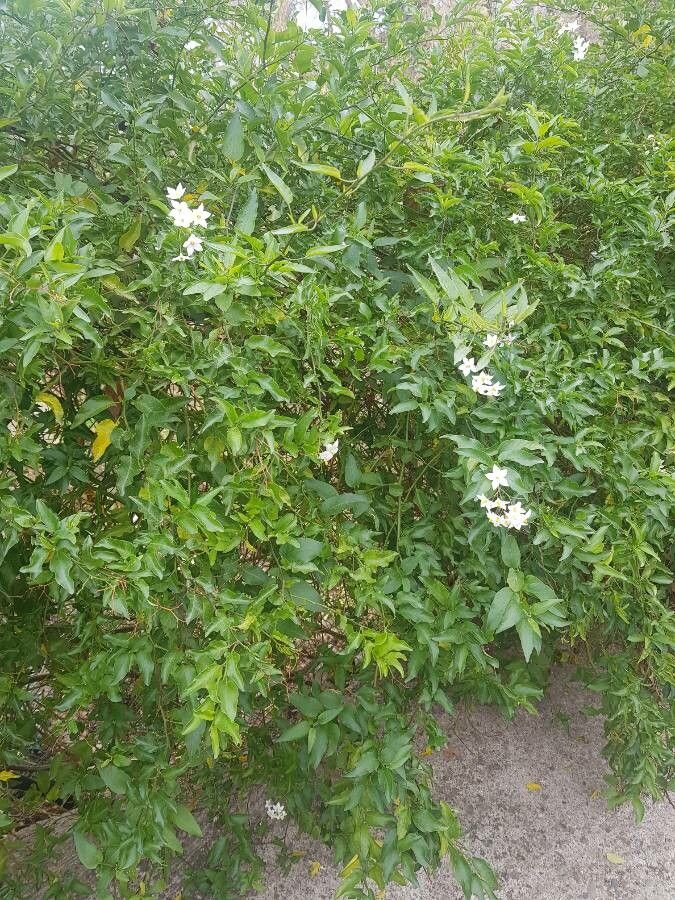
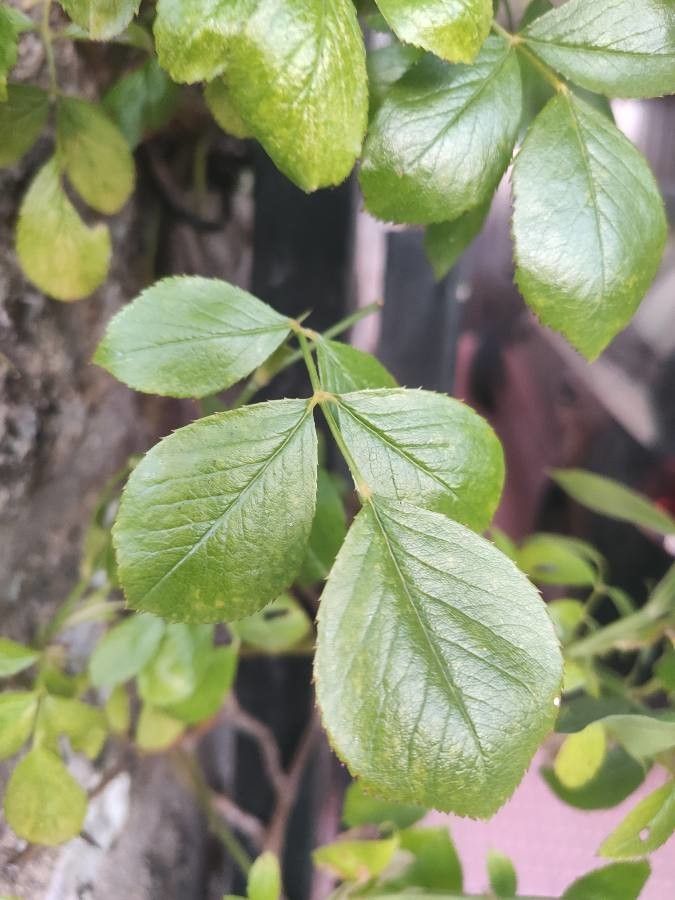
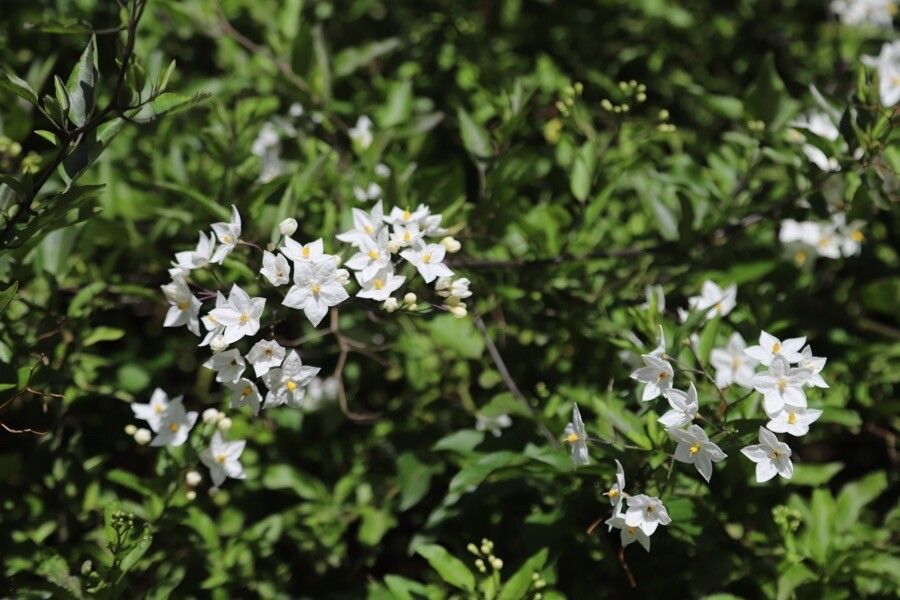
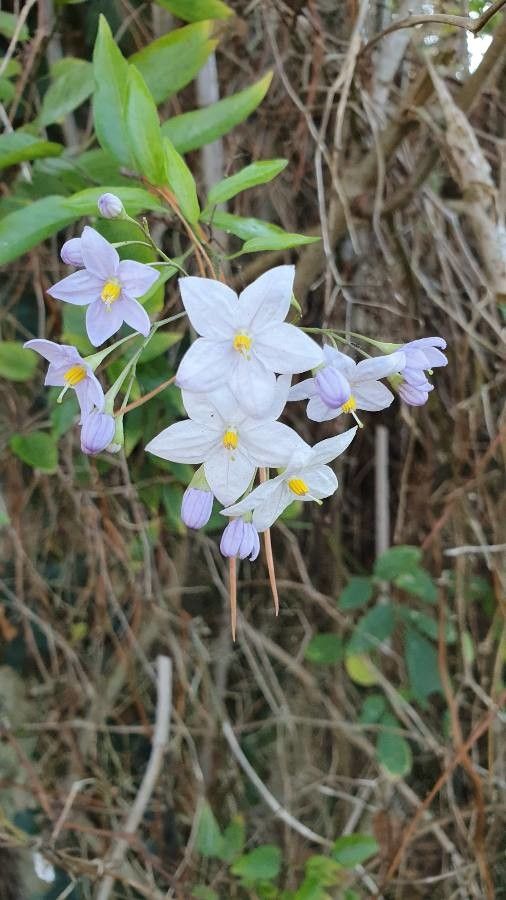
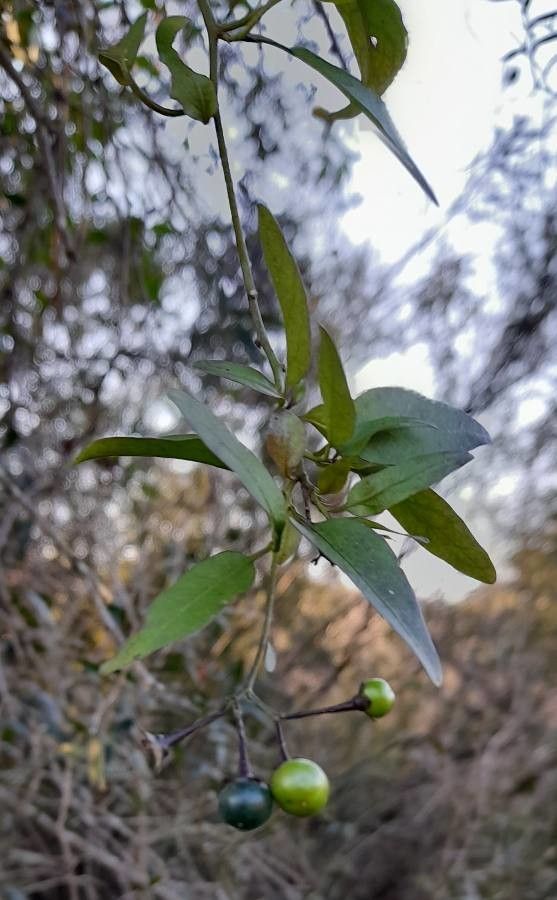
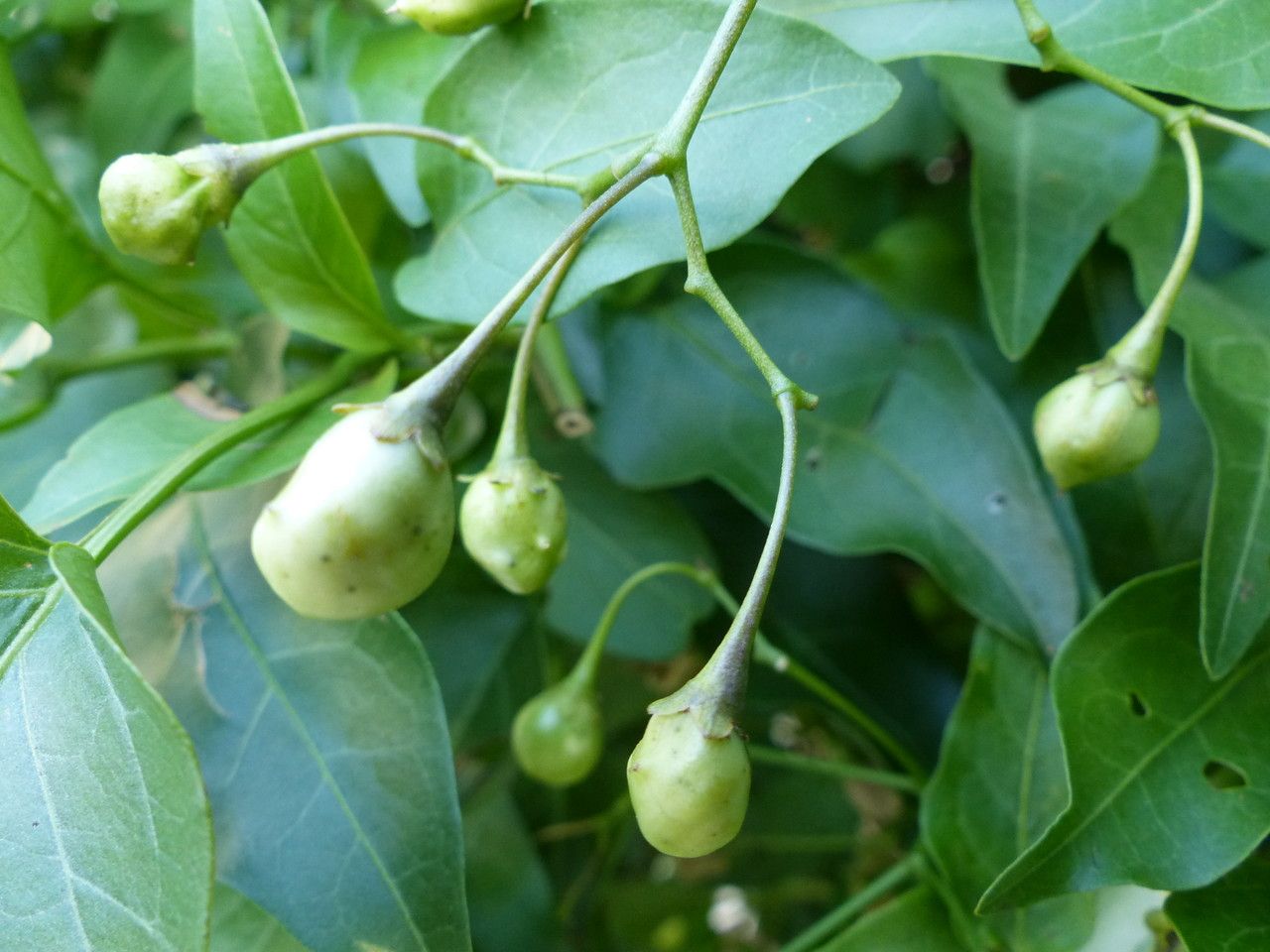
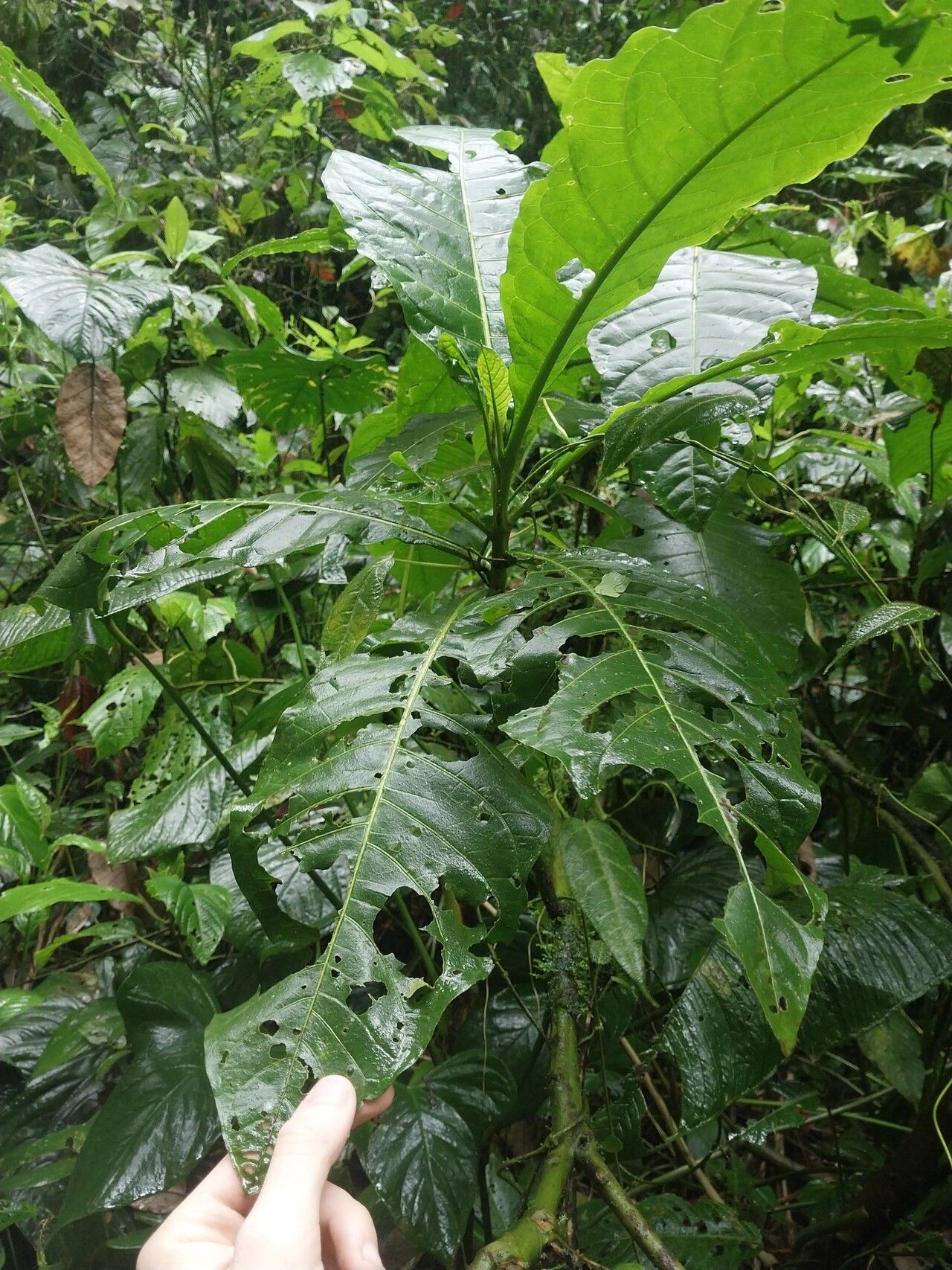
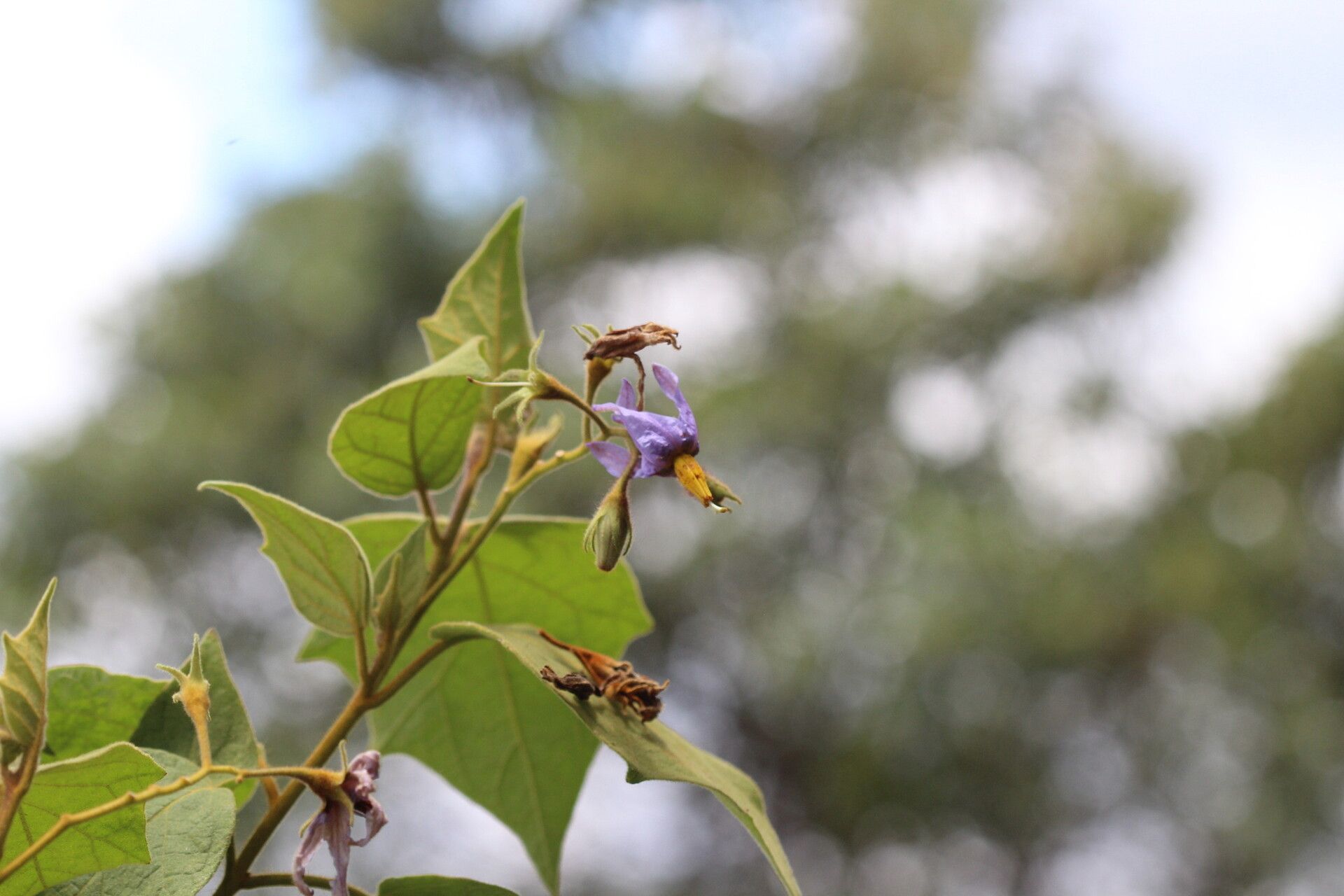
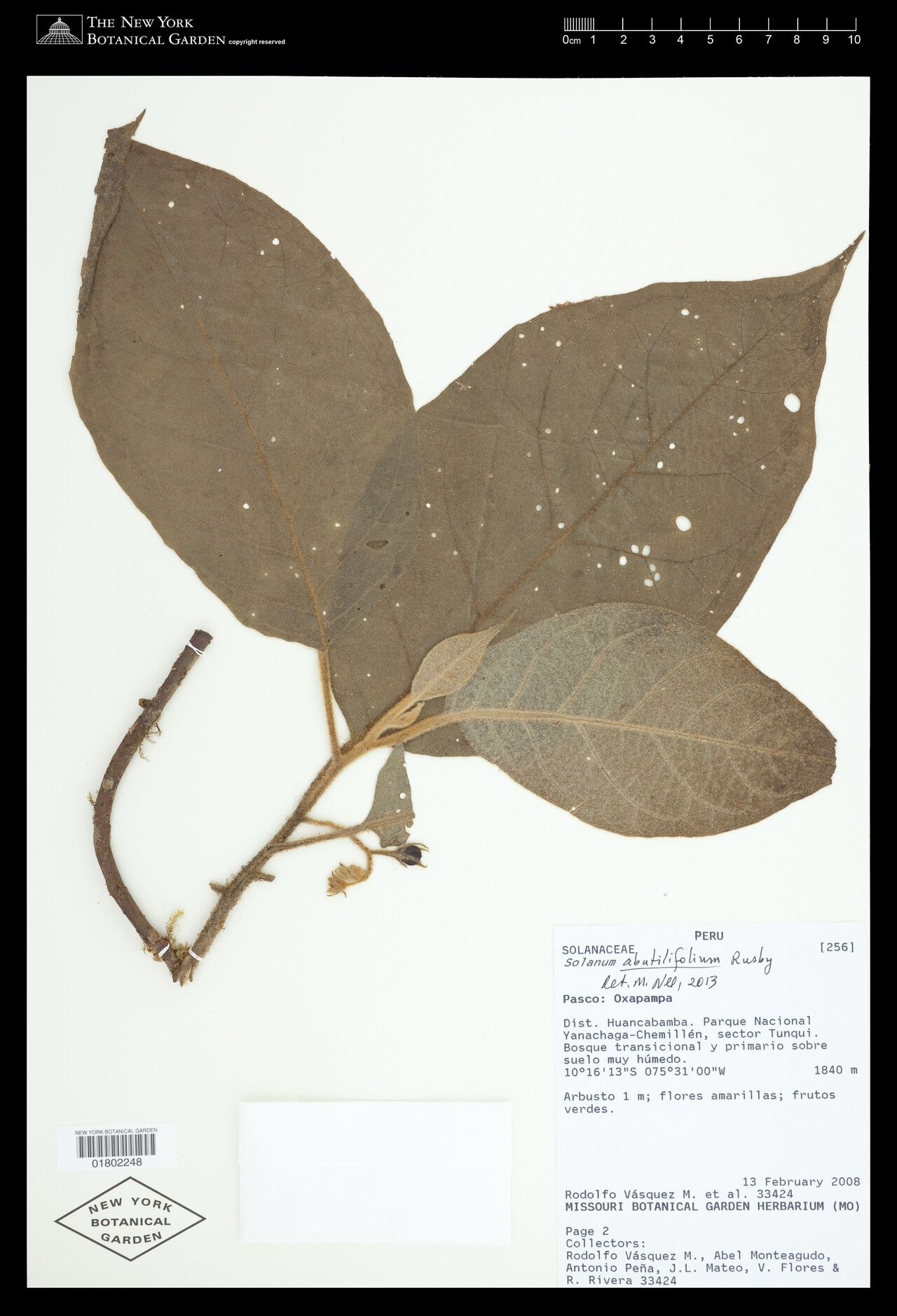
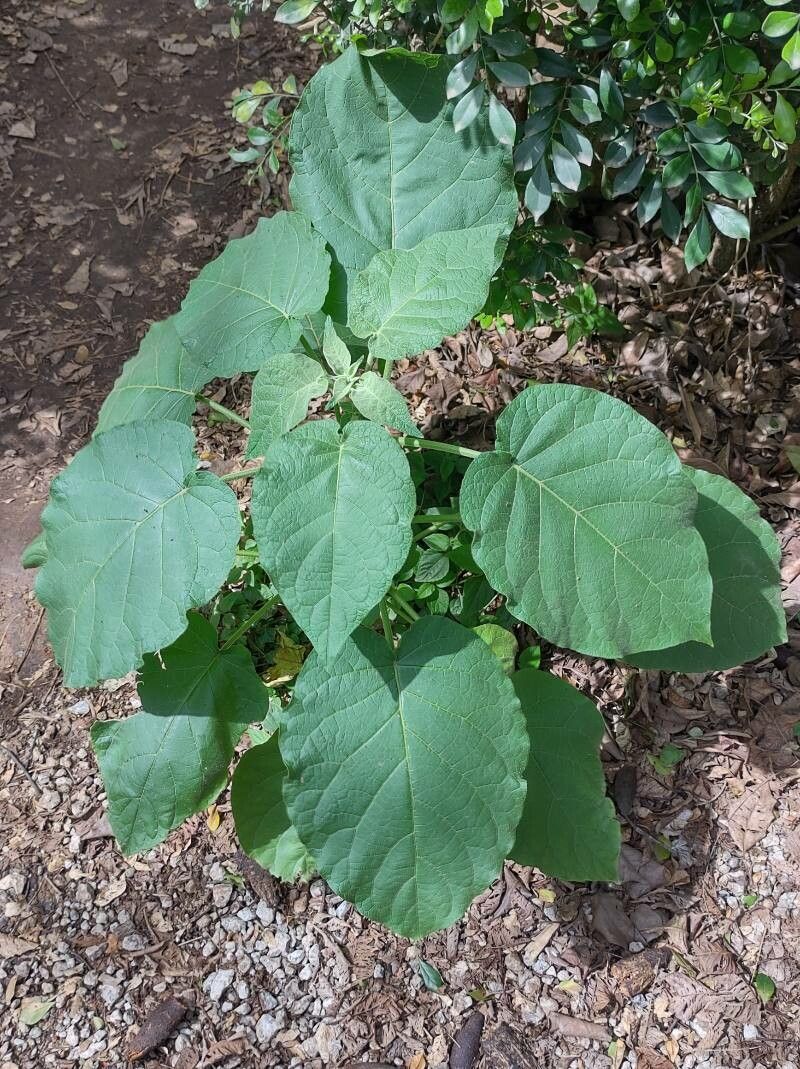
Solanum laxum, commonly known as potato vine, potato climber or jasmine nightshade, is an evergreen vine in the family Solanaceae. It is native to South America and commonly grown as an ornamental garden plant.
The Potato Vine, also known by its scientific name Solanum laxum, is a distant relative of the common potato, which is how it gets its common name. Despite this connection, its Latin name reveals that it belongs to the nightshade family. While it may be visually appealing, it's important to note that this plant is toxic and not edible, making it suitable only as an ornamental plant.
Bittersweet nightshade is fairly resistant to disease and generally does not suffer from illnesses. That said, it can be vulnerable to pests and pathogens present in its environment, though these problems are typically minor. In terms of care, the plant has moderate maintenance needs. It should be pruned regularly to preserve a neat appearance and support healthy growth. Fertilizing can also help encourage flowering. Bittersweet nightshade is suitable for anyone with outdoor space, such as a garden or patio, and does not demand extensive gardening experience. It may require more attention when kept indoors.
How to keep Solanum Laxum.
Light
Bittersweet nightshade does best with moderate sunlight but can tolerate stronger light. The light levels in its native environment affect its adaptable sunlight requirements. Too much exposure can damage the plant, while too little light may hinder its growth. Its sunlight needs can vary slightly during different stages of development.
Water
The potato vine thrives in moderate climates with a balanced level of moisture and can tolerate short periods of drought. It needs watering every three weeks and keeps its foliage throughout the year. This ensures it continues to absorb water consistently, even during the cooler months when other plants might go dormant.
Humidity
This plant will thrive in moderate humidity, which is probably the level in your home. However, misting it a few times a week can be very beneficial. Make sure the room has good ventilation.
Temperature
Being a temperate woody species, bittersweet nightshade favors temperatures between 41 and 89.6 ℉ (5 and 32 ℃). It tolerates a broad range of temperatures but may need adjustments in extreme weather. In winter, supplying plenty of sunlight and keeping temperatures near 50 to 55 ℉ (10 to 12.8 ℃) can help preserve its health.
Fertilizer
One fertilizer application in spring is generally enough for Bittersweet nightshade, though repeated feedings can help maximize growth. Apply fertilizer roughly every month to six weeks. Fertilizing improves the leaves' appearance and function, helping keep color even and texture healthy. It also promotes root development and nutrient uptake, supporting the plant's long-term health.
Pruning
To ensure healthy growth and maintain the shape of your potato vine, prune it in early spring. Start by removing any dead stems and thinning out crowded areas to improve airflow. This will help control the plant's vigor, reduce the risk of disease, and encourage better flowering. Make sure to use clean, sharp tools for precise cuts, as this promotes faster healing.
Botanical profile.
- Plant Type
- Herb
- Life Cycle
- Perennial
- Genus
- Solanum
- Family
- Solanaceae
- Hardiness Zone
- 4-8
- Mature Height
- 0.61 m to 2.44 m
- Mature Spread
- 2.44 m
- Leaf Color
- Green
- Leaf Type
- Deciduous
- Flower Color
- Purple, White
- Flower Size
- 2.54 cm
- Bloom Time
- Late spring, Early summer, Mid summer
- Planting Time
- Spring, Summer, Autumn, Winter
- Harvest Time
- Mid summer
- Native Area
- India, Austria, Turkey, Sweden, Slovakia, Montenegro, Pakistan, Croatia, Slovenia, Morocco, Belarus, Russia, Germany, Estonia, Romania, Latvia, Belgium, Netherlands, Portugal, France, Tunisia, Czech Republic, Bulgaria, Armenia, Poland, Greece, Ukraine, Serbia, Lebanon, Lithuania, Norway, China, Italy, Kazakhstan, Spain, Switzerland, Vietnam, Myanmar, Finland, Denmark, Albania, Ireland, United Kingdom, Hungary, Algeria, Azerbaijan
Other names.
Reader questions.
How should I water my Potato vine in the best way?
To ensure excellent root development, consider placing a garden hose at the base of the plant. Avoid spraying the leaves directly, as this can be detrimental. If the plant is outdoors and exposed to direct sunlight, the leaves may require additional watering. One option is to use bubblers that can be placed on each plant to keep the roots moist. Soaker hoses are also effective in covering the entire garden or bed, especially when adding or removing plants, to encourage deep root growth. Remember to drain excess water and allow the soil to dry before watering again. Watering at ground level is recommended to prevent diseases. On sunny days, spraying the entire bush with water can be beneficial. Whether the potato vine is potted or in the ground, it prefers deep watering rather than light sprinkling.
Why should I put fertilizer on my Potato vine?
Fertilizing a Potato vine has several important benefits. Firstly, it helps the vine produce beautiful blooms. To ensure excellent flowers in the spring, it is best to fertilize in early spring. Additionally, fertilizer provides the vine with extra energy to store during its dormant phases. By giving the vine nutrients during fall planting or late spring, it will have more energy for active growth.
What are the sunlight requirements for Potato vine?
The Potato vine, scientifically known as Solanum laxum, thrives in environments that are continually exposed to sun, requiring full sun conditions of above 6 hours of sunlight daily or partial sun conditions of about 3-6 hours of sunlight. However, it can also adapt to areas with some shade, although less sunny areas may limit its growth potential. Its ability to adjust to various sunlight conditions stems from its origin in dense vegetation. Observing how sunlight moves through your garden and selecting locations with an ideal mix of light and shade will ensure your plants grow happily and healthily.
What is the native environment of the potato vine?
The potato vine is native to environments that favor moderate to warm temperatures. It flourishes best within a temperature range of 59 to 95 °F (15 to 35 ℃). It can make seasonal adjustments, such as seeking shade to lessen the heat during the peak of summer. The potato vine does have some tolerance to cold and generally doesn't require any additional measures when the temperature is above -5°C. However, if temperatures are expected to drop below -5°C, it is necessary to take temporary measures for cold protection, such as wrapping the plant with plastic film, fabric, or other materials, and then removing these once temperatures rise again.
What should I do if I give Potato vine too much or too little water?
An overwatered Potato vine can display various signs including yellowing, dropping off, and wilting leaves. The plant may also appear dull and unhealthy, with mushy stems. To address these issues, it's advisable to adjust your watering schedule. However, wilting can also indicate under watering, which can cause the leaves to become crispy and dry. In such cases, check the soil moisture level and provide a thorough watering when it is dry. Sufficient water will help the Potato vine recover, but the plant may still exhibit yellow and dry leaves due to root damage. Once the plant returns to normal, the yellowing of leaves will stop. When growing a Potato vine indoors, always monitor the moisture levels in the pot and avoid overwatering. Look out for signs of black spots, and if present, allow the soil to dry out by refraining from watering for a few days. Overwatering can lead to root rot, so if you observe discolored and slimy roots, consider transferring the plant to a different pot. It is crucial to prevent root rot by avoiding excessively soggy soil. When planting a Potato vine outdoors, ensure the soil is adequately moist. If it feels too dry to the touch, this could indicate underwatering, and proper watering is required for the plant's recovery.
When should I fertilize my Potato vine for the best results?
Timing is important when fertilizing Potato vine. If fertilizer is applied too early, while the vine is still dormant, it will not be effective and may get washed away by rainwater, leading to waste and pollution. The first fertilizer application should be done in early spring, followed by monthly fertilization until early summer.
How does artificial lighting support indoor Potato vine growth?
For indoor plants like the Potato vine, when natural sunlight is not sufficient, especially during winter or in spaces that receive less sunlight, artificial lighting becomes crucial for optimal growth. LED lights are recommended for their ability to provide specific wavelengths needed by the plants. Full sun plants require 30-50W/sq ft, partial sun plants 20-30W/sq ft, and full shade plants 10-20W/sq ft of artificial light. Positioning the light source 12-36 inches above the plant and ensuring it receives 8-12 hours of light daily mimics natural sunlight conditions and promotes healthier, faster growth.
How does the potato vine respond to low temperatures, and what are the solutions?
The potato vine has a moderate tolerance to low temperatures and thrives best when temperatures are above 15°C. It should be kept above -5°C during winter. When the temperature falls below -10°C, the leaves may start to droop, which can lead to recovery in mild cases, but in severe cases, the leaves will wilt and eventually fall off. The solution for frost damage involves trimming off the frost-damaged parts. Before encountering low temperatures again, it's advised to wrap the plant with materials like non-woven fabric or cloth and construct a wind barrier to protect it from cold winds.
How often do I need to water my Potato vine?
The Potato vine prefers deep and infrequent watering, especially in pots. Pots have limited water storage, so the soil dries out faster. In cold regions, water every 3 to 5 days, preferably in the morning when the soil is dry. Check the top 2-3 inches of soil, and if dry, give the plant a full watering. In hot weather, check soil moisture daily, as heat can quickly dry out the pot soil. Garden irrigation is necessary in hot climates, watering about once a week. Consider rainwater when deciding if additional watering is needed. Potted plants may not need additional watering if there is ample rainfall. When outdoors, add 3 to 4 inches of mulch to conserve water. Sandy soil drains faster, so water more frequently. Clay soil requires less frequent watering, allowing the plant to dry for 2-3 days without developing root rot. Mark watering dates on the calendar and watch for drooping leaves as a sign of needing water.
When is it not a good time to add fertilizer to my Potato vine?
To ensure optimal growth and flowering of Potato vine, it's important to consider the following guidelines for fertilizing: 1. Avoid excessive nitrogen: Using a fertilizer with high nitrogen content can result in abundant foliage but few blooms. Instead, choose a fertilizer that contains a lower level of nitrogen compared to other nutrients. 2. Timing matters: Refrain from fertilizing Potato vine in the late autumn, as this can encourage excessive growth shortly before the winter season. Additionally, avoid fertilizing during hot and dry periods, as dry soil is less effective at delivering nutrients. Fertilizing during these times can also stimulate growth that requires more water, which might not be readily available. It's advisable to apply fertilizer earlier in the season when temperatures are cooler. 3. Watch for nearby plants: Keep in mind that Potato vine can absorb fertilizer from neighboring plants or lawns. Take care to prevent inadvertently giving other trees or shrubs a double-dose of fertilizer.
What symptoms indicate Potato vine is receiving inadequate light?
The Potato vine may show several symptoms if it's not getting enough light, including smaller new leaves, leggy or sparse growth, faster leaf drop, slower or halted growth, and lighter-colored new leaves. Chlorosis, or the yellowing of leaves due to a lack of chlorophyll, sunscald, leaf curling, wilting, and leaf scorching are other indicators of inadequate lighting or overexposure. These symptoms suggest the plant is struggling to photosynthesize efficiently, impacting its health and growth.
What happens to the potato vine in high temperatures, and how can you mitigate these effects?
During summer, the potato vine should be kept below 35°C. Temperatures exceeding 41°C can cause the leaves to lighten in color, tips to dry and wither, leaves to curl, and increase susceptibility to sunburn. To mitigate these effects, it's recommended to trim away the sunburned and dried-up parts and move the plant to a shaded location during midday and afternoon. Another solution is to use a shade cloth for creating shade. Watering the plant in the morning and evening to keep the soil moist can also help combat the effects of high temperatures.