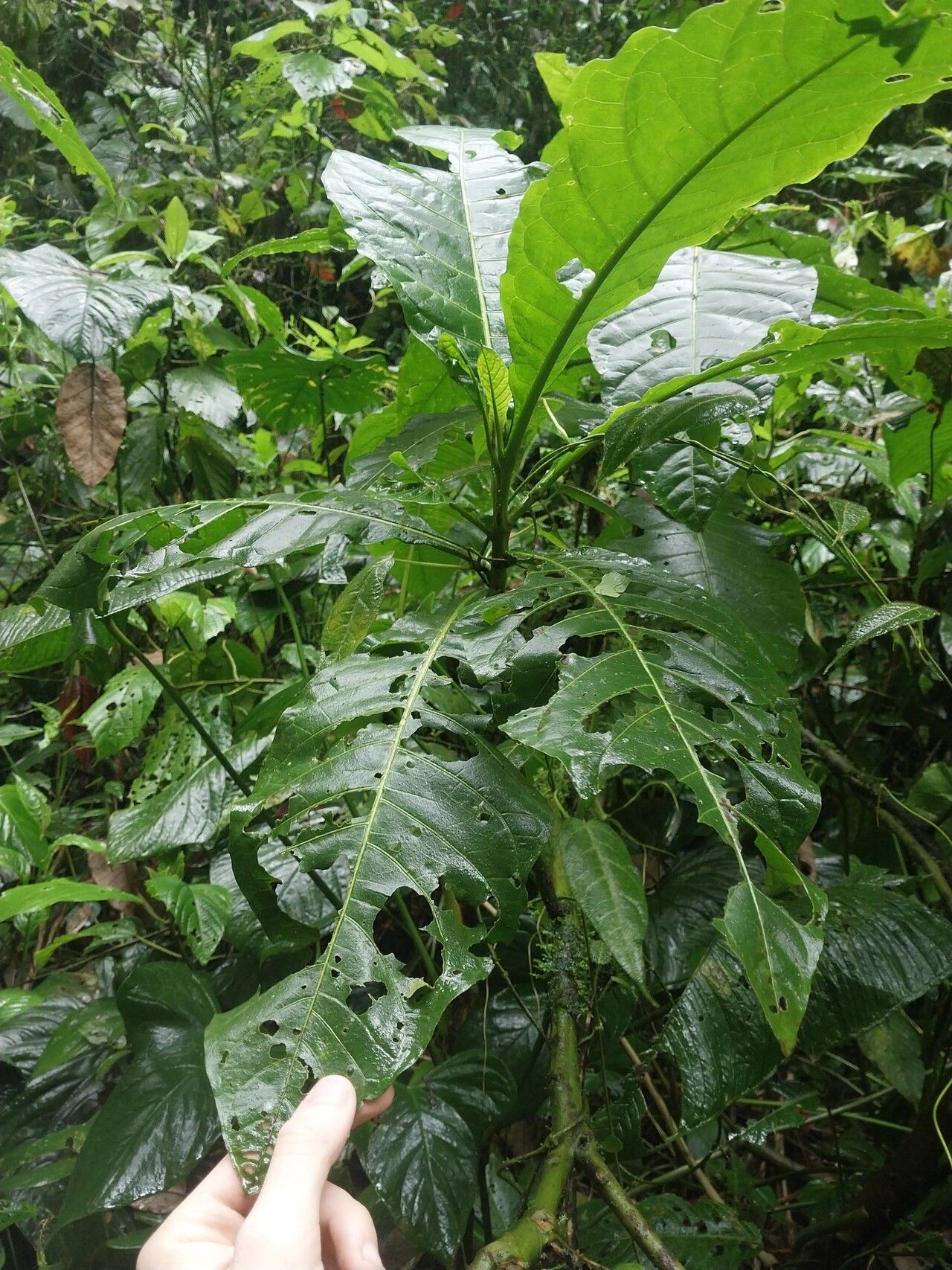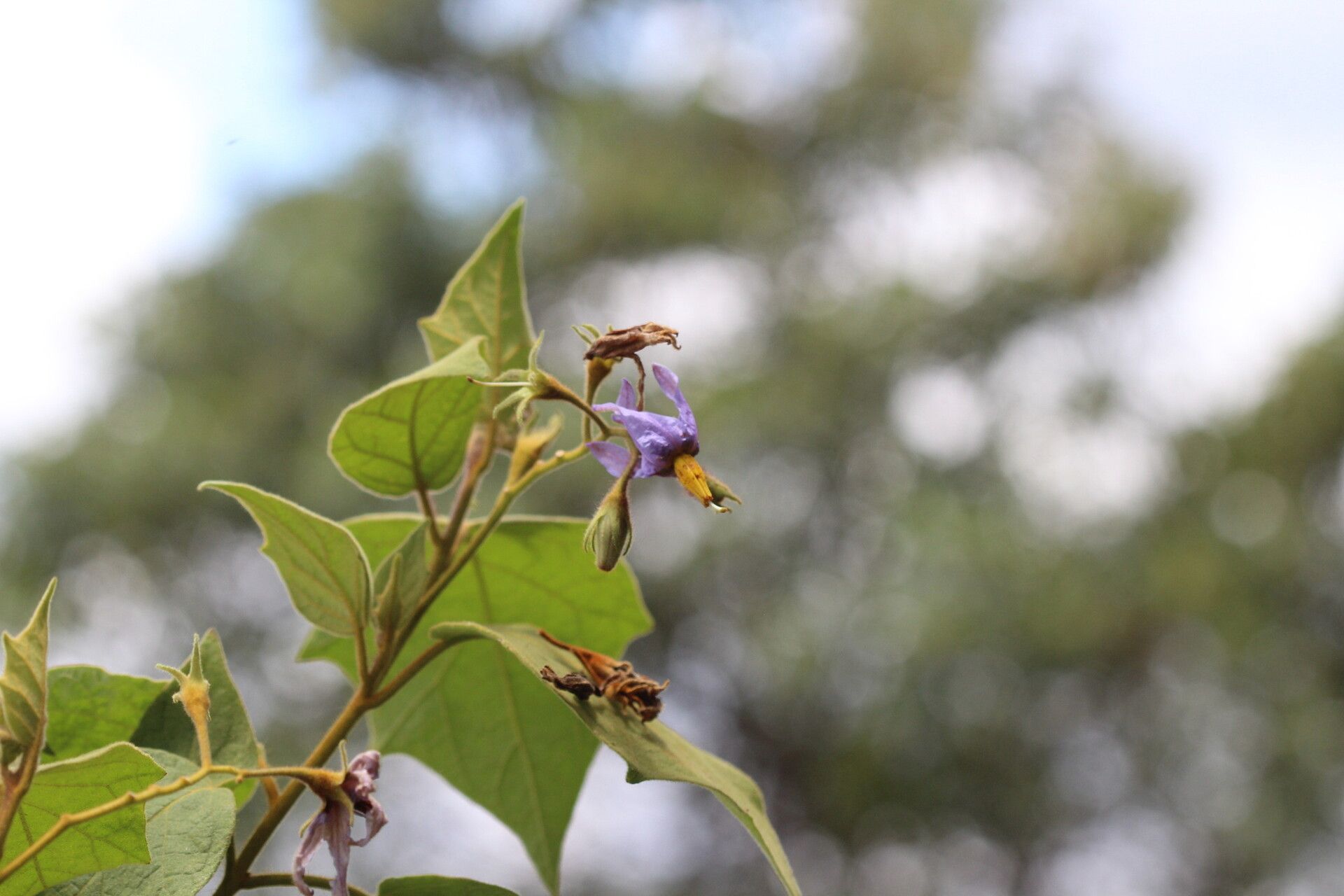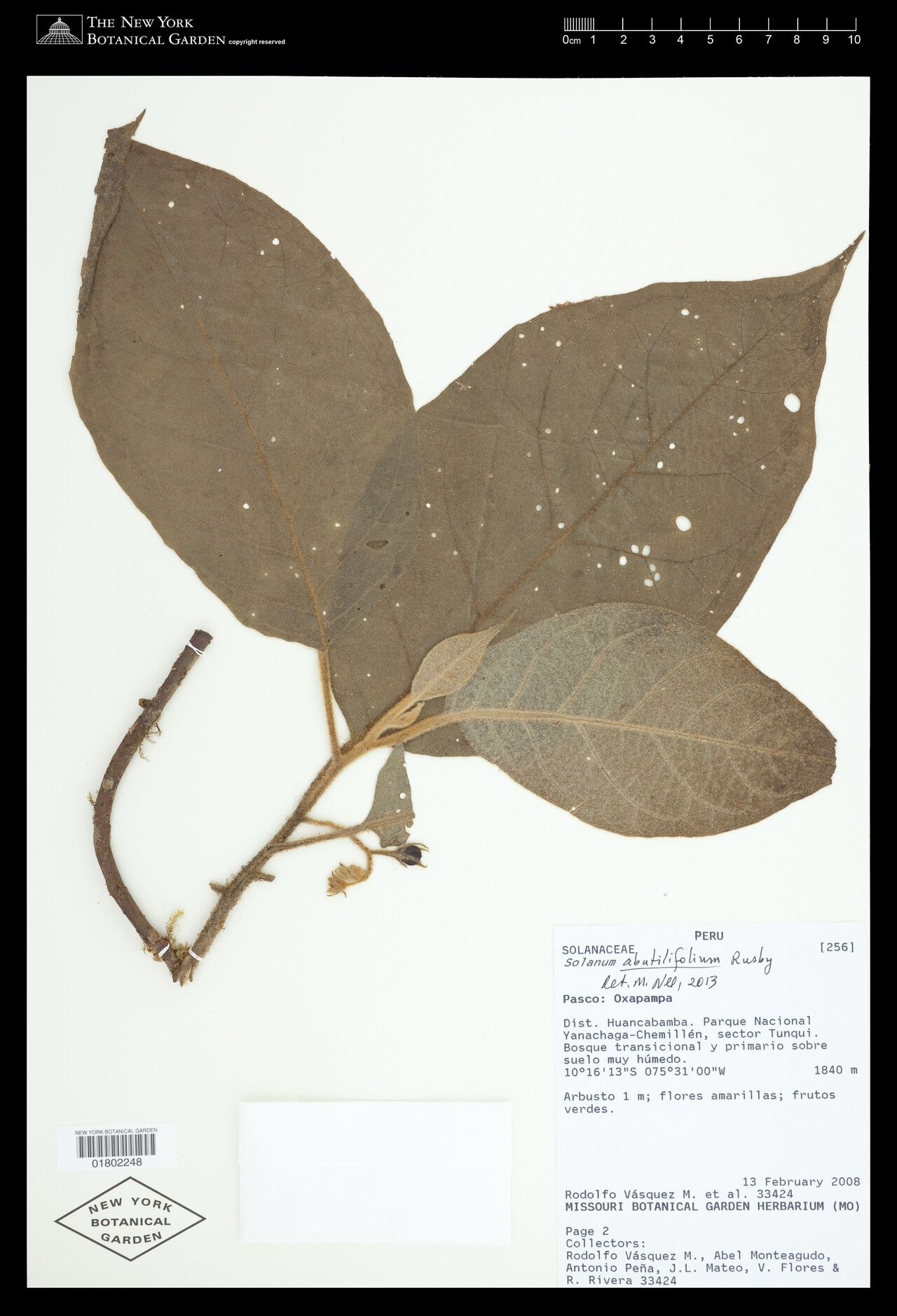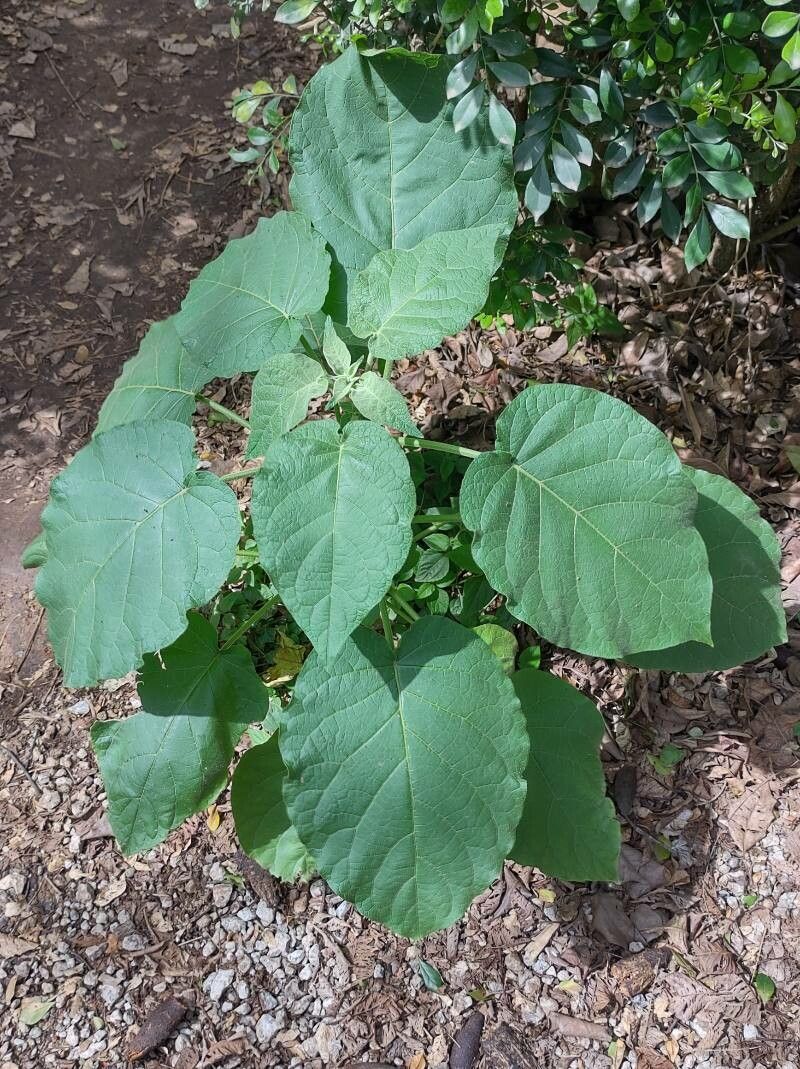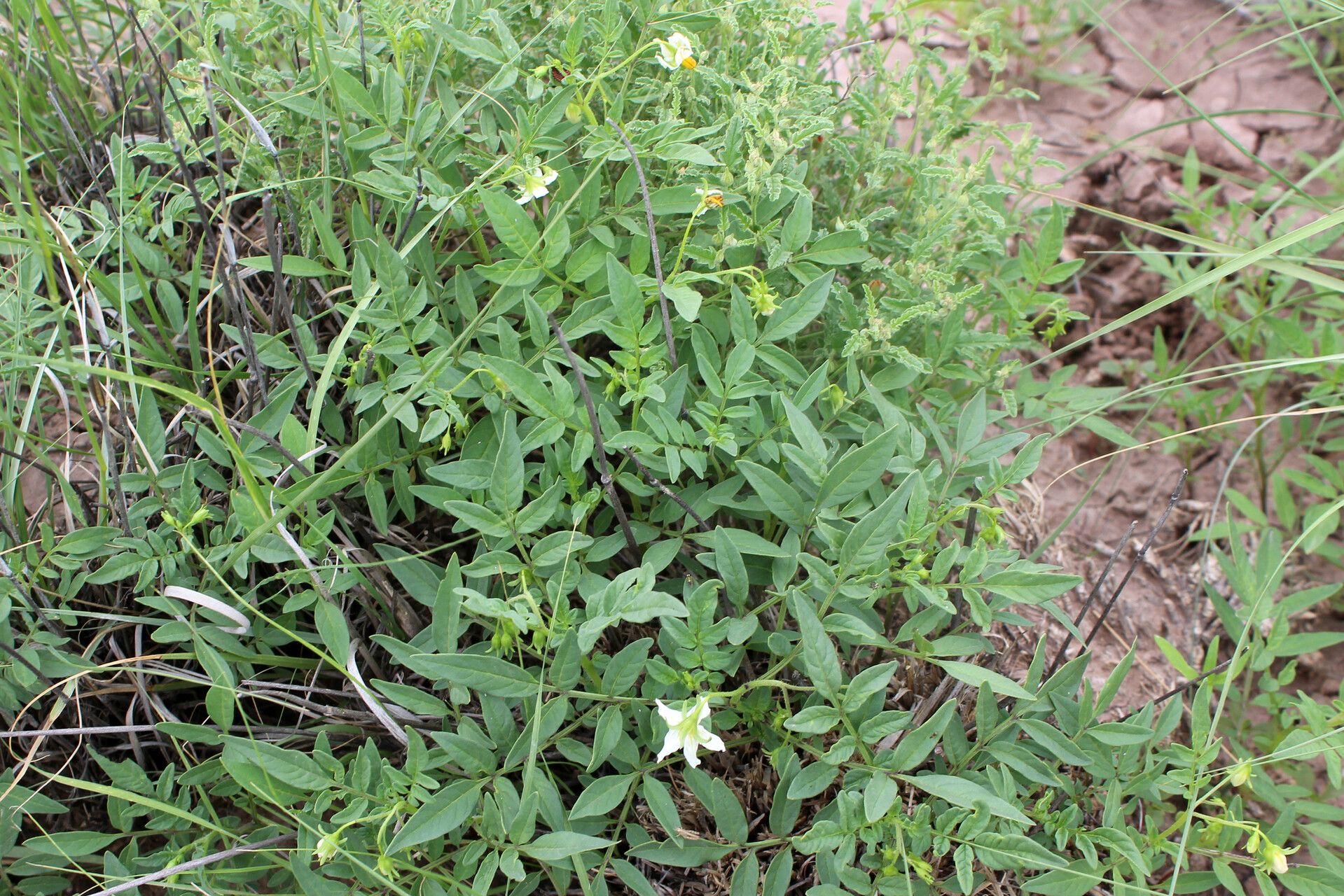
Solanum jamesii is a species of nightshade. Its range includes the southern United States. All parts of the plant, and especially the fruit, are toxic, containing solanine when it matures. The tubers were/are eaten raw or cooked by several Native American tribes, but they require leaching and boiling in clay in order to be rendered edible. The tubers are small when compared to familiar varieties of S. tuberosum.
Wild potato has moderate resistance to disease and is not particularly vulnerable to leaf spot or powdery mildew. It may incur some insect damage, but this is likely to be mild. The care level for this plant is considered easy, since it only needs regular watering and occasional fertilization. It generally does not require pruning. Wild potato is appropriate for most people to grow outdoors with minimal attention, and it can also be cultivated indoors with some care and effort.
How to keep Solanum Jamesii.
Light
Wild potato comes from habitats like forest understories or rocky areas with natural shade. Its preferred light condition is partial sunlight, though it can also withstand full sun when required. This flexibility enables it to do well under a range of sunlight exposures.
Temperature
Wild potato does best in moderate temperatures — roughly the range most people find comfortable. It prefers conditions that are not overly hot or too cold. The biggest problem with high heat is the risk of sunburn, so offering some shade in summer is wise to avoid excessive heat. When temperatures fall, Wild potato becomes dormant. If you want it to keep growing continuously, you need to keep winter temperatures higher. Frost can damage the plant and should be avoided.
Fertilizer
For Wild potato, use natural organic materials like compost, grass clippings, or manure. Slow-release granular fertilizer or commercial fertilizer may be applied, but only sparingly. Incorporate the organic fertilizer into the soil before planting. Generally, one to two fertilizer applications per growing season are enough to achieve a bountiful harvest.
Botanical profile.
- Plant Type
- Herb
- Life Cycle
- Perennial
- Genus
- Solanum
- Family
- Solanaceae
- Hardiness Zone
- 5-9
- Mature Height
- 20 cm to 40 cm
- Mature Spread
- 30 cm to 49 cm
- Leaf Color
- Green, Dark Green
- Leaf Type
- Deciduous
- Flower Size
- 1.02 cm to 2.03 cm
- Bloom Time
- Summer
- Planting Time
- Spring, Summer, Autumn
- Harvest Time
- Late summer, Early fall, Mid fall
- Native Area
- Mexico