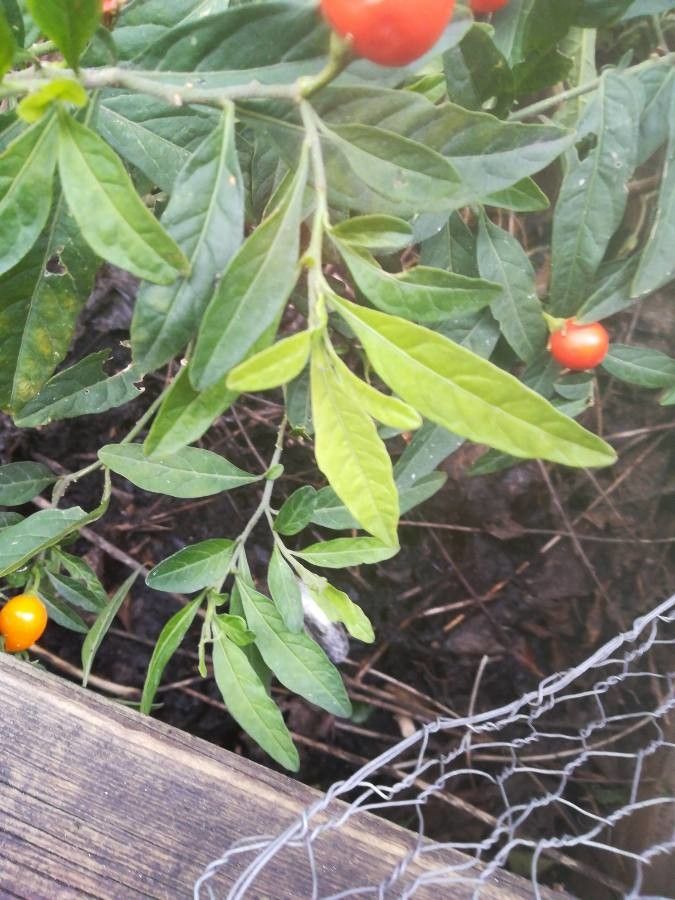
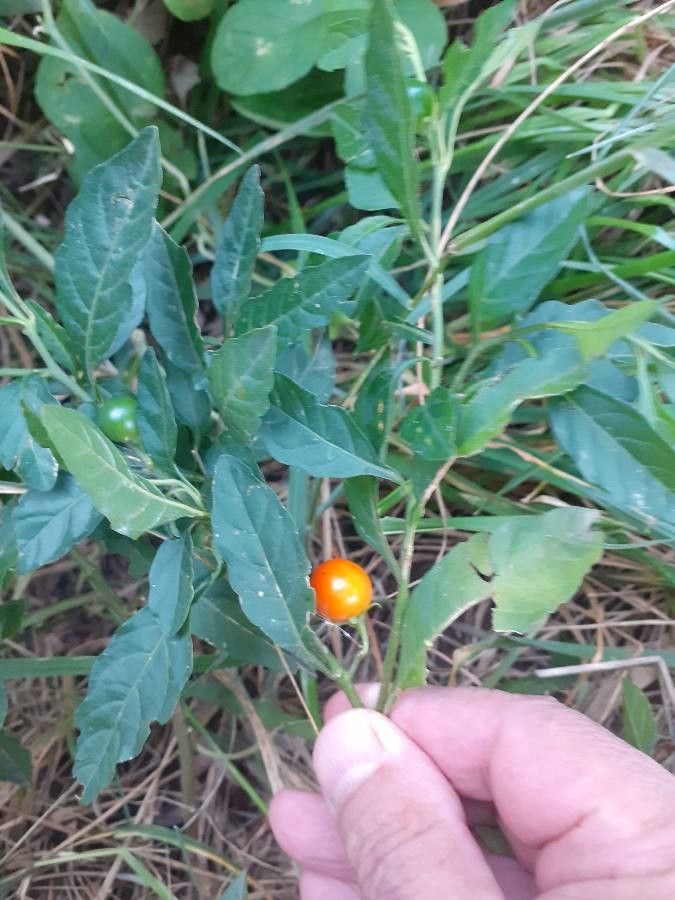
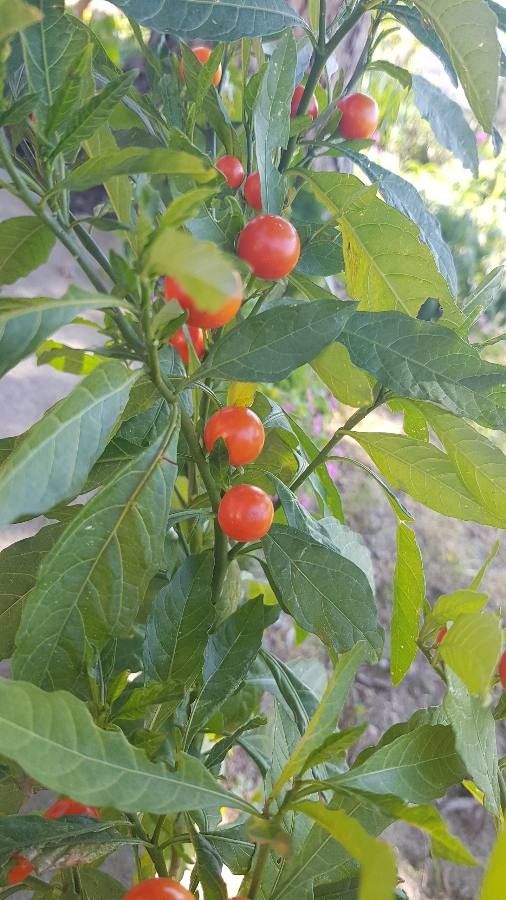
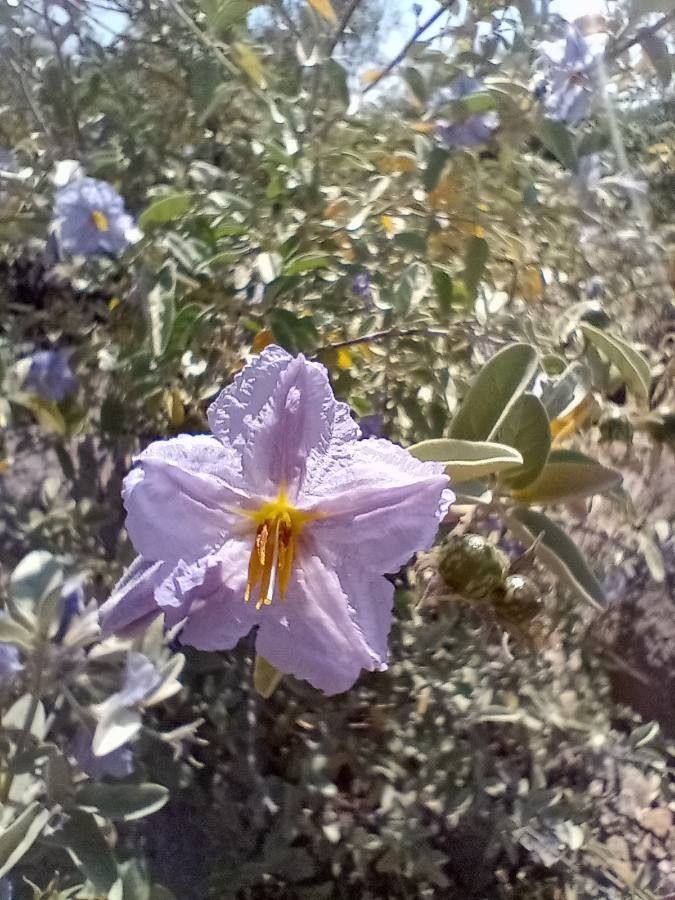
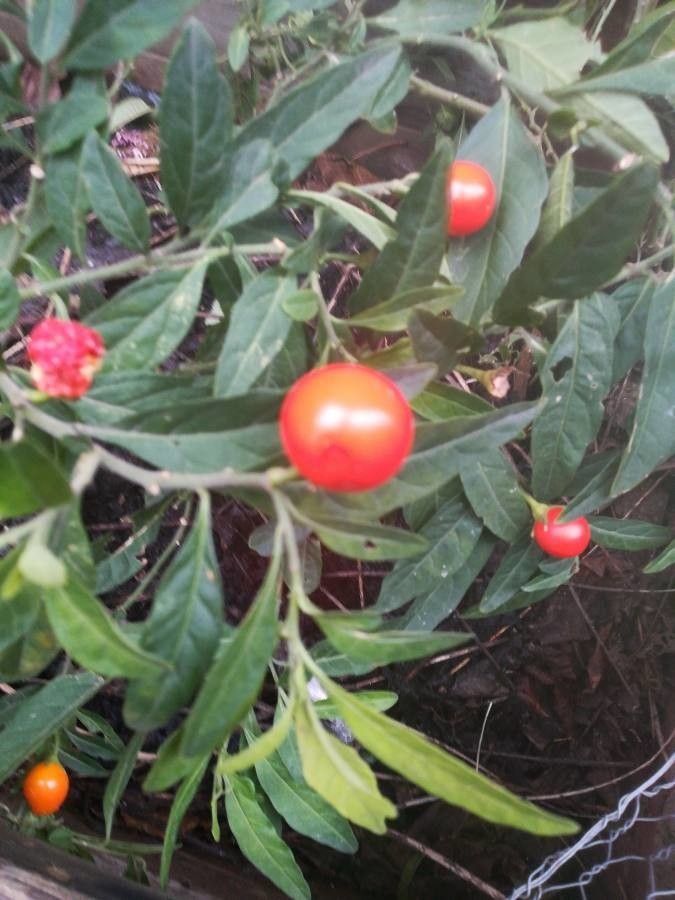
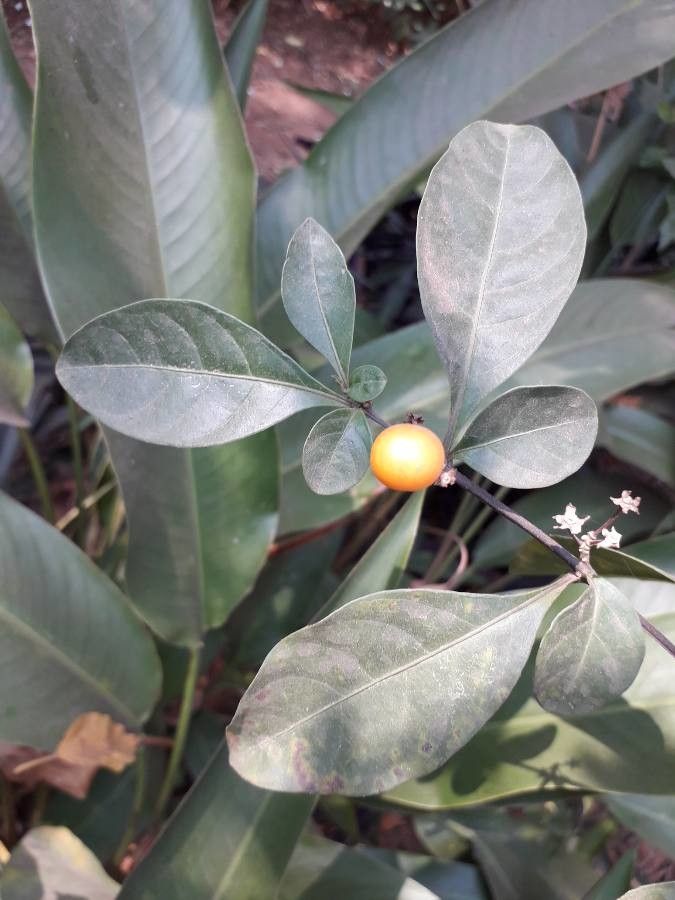
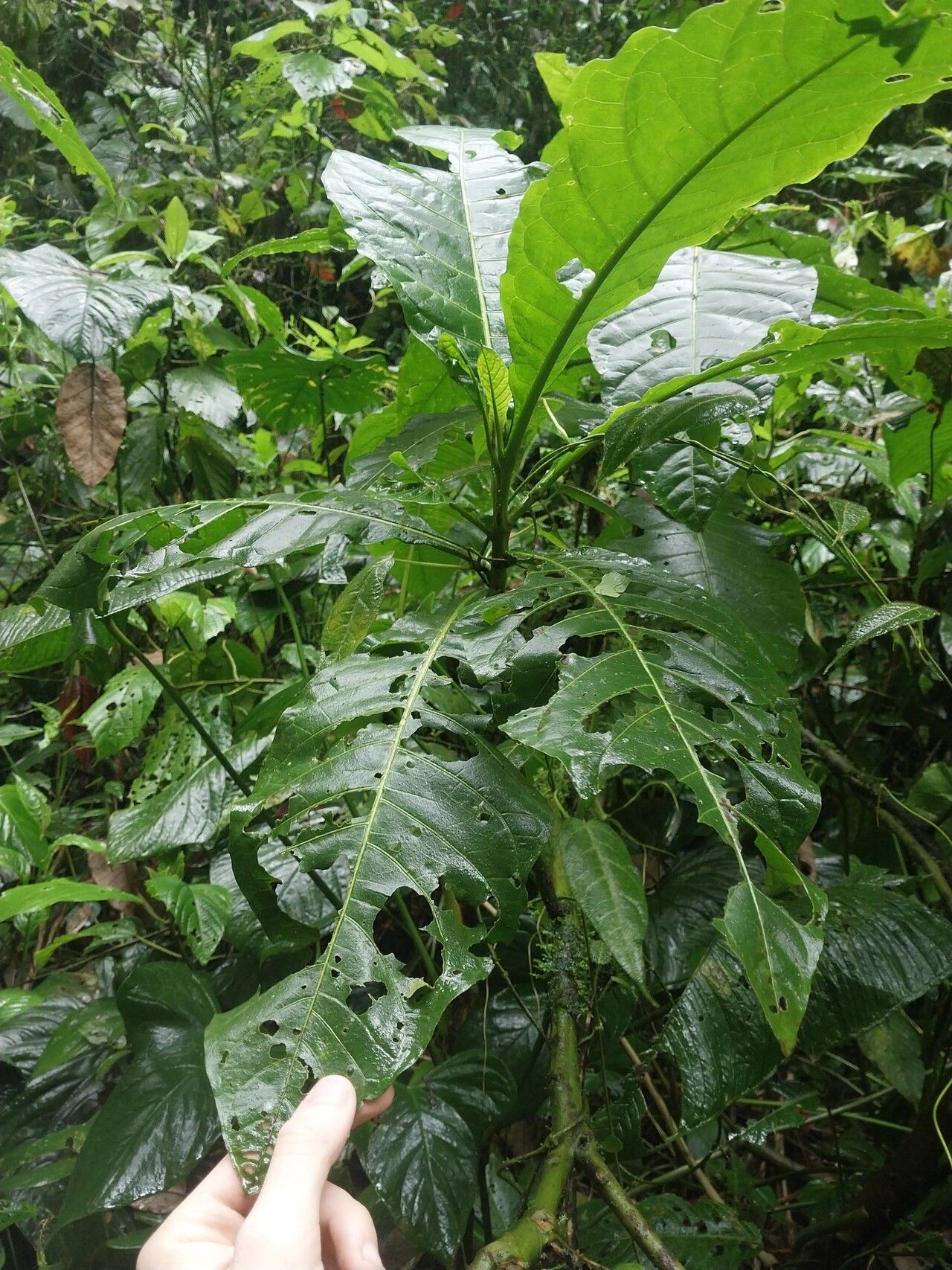
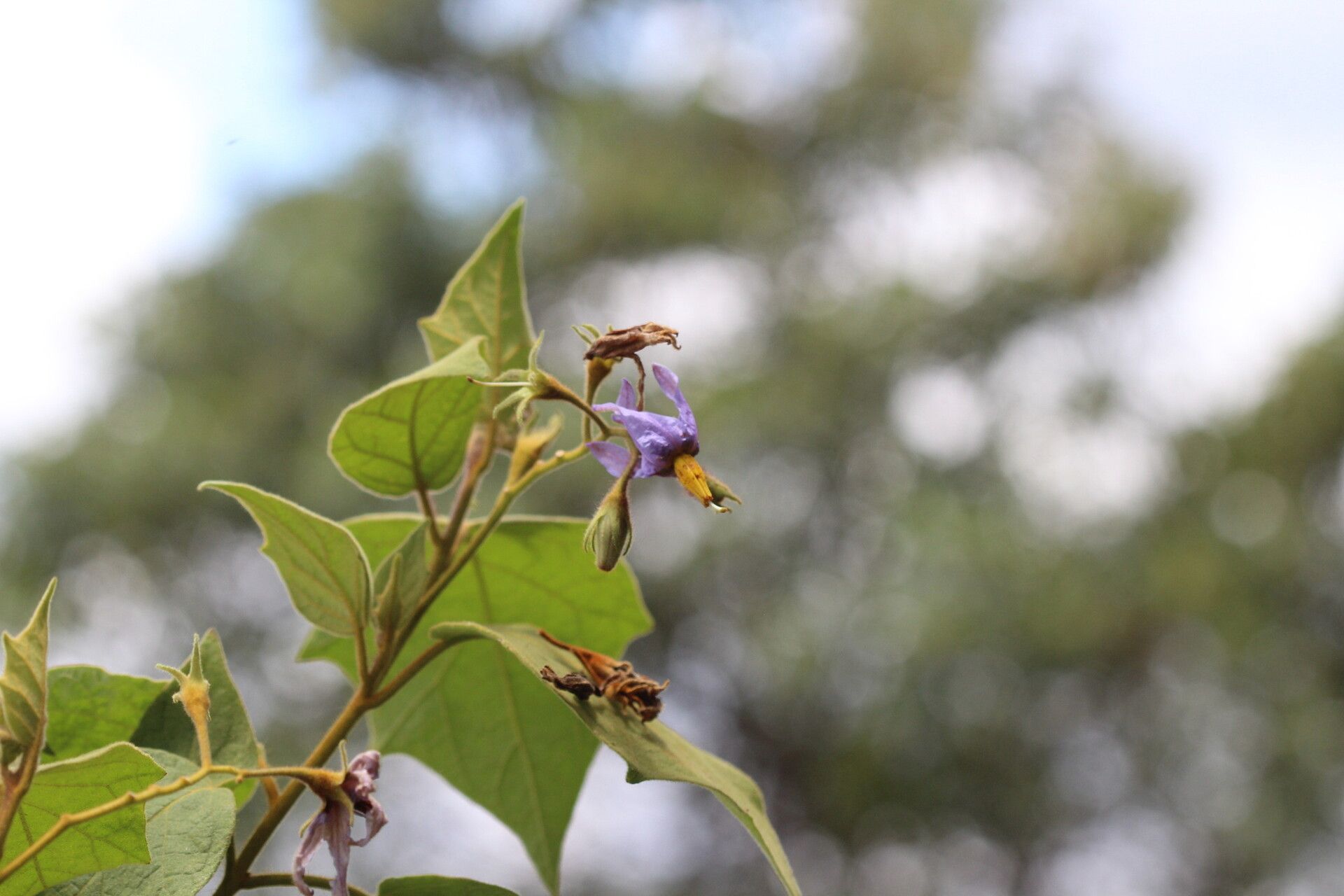
Hinds' nightshade is fairly disease-resistant and is generally not prone to illnesses. However, it can be affected by pests and local diseases present in its surroundings. These infections are usually mild. In terms of care, this plant requires moderate maintenance. It should be pruned regularly to maintain a good appearance and support healthy growth. Fertilizing can also help promote flowering. Hinds' nightshade is suitable for anyone with outdoor space, such as a garden or patio, and does not require much care experience. It may need more attention when grown indoors.
How to keep Solanum Hindsianum.
Light
Hinds' nightshade grows best with plentiful sunlight throughout the day. It can tolerate partial shade, but that may slow its growth. Excessive shade causes stunted growth, while overexposure to sun can lead to leaf scorch. This corresponds to its native habitat, which is characterized by abundant sun exposure.
Water
Hinds' nightshade thrives in dry areas with very little moisture, showcasing excellent drought tolerance. It only needs to be watered once a week, and it's crucial to plant it in well-draining soil to avoid waterlogging, particularly during its active growth season. Additionally, Hinds' nightshade can withstand varying outdoor temperatures.
Temperature
Hinds' nightshade is native to areas with temperatures ranging from 68 to 95 °F (20 to 35 ℃). For optimal growth it requires a steady, warm temperature within that range. In colder climates, seasonal adjustments may be necessary to ensure the plant thrives.
Fertilizer
Hinds' nightshade needs the most fertilizer during its active growth period, which occurs mainly in spring, summer, and early fall. Fertilizing provides essential nutrients the soil may lack, supporting healthy root and stem development and enhancing the attractive foliage that is a notable characteristic of this plant.
Pruning
To promote growth and flowering, prune hinds' nightshade between early and late spring. Begin by removing dead branches and thinning out overcrowded areas to improve air circulation. Make sure to use sterilized tools to prevent infections. Proper pruning helps rejuvenate hinds' nightshade, maintains an attractive shape, and encourages abundant blooms.
Botanical profile.
- Plant Type
- Herb
- Life Cycle
- Perennial
- Genus
- Solanum
- Family
- Solanaceae
- Hardiness Zone
- 10
- Mature Height
- 2.44 m
- Mature Spread
- 1.83 m
- Leaf Color
- Green, Blue
- Leaf Type
- Deciduous
- Flower Color
- Yellow, Purple
- Flower Size
- 2.03 cm to 3.05 cm
- Bloom Time
- Late spring, Summer, Early fall
- Planting Time
- Spring, Summer, Autumn
- Harvest Time
- Mid summer, Late summer, Fall
- Native Area
- Mexico
Other names.
Reader questions.
How should I water my Hinds' nightshade plant?
When watering the Hinds' nightshade, it is best to use filtered water that is at room temperature. Tap water may contain harmful particles for this plant, so filtered water is preferred. The Hinds' nightshade comes from a warm environment, so using cold water can be a shock to its system. To avoid foliage problems, it is recommended to not water this plant from above. Instead, water the soil with filtered room temperature water until it is completely soaked. This helps the roots stay moist and encourages the spread of nutrients throughout the soil.
What are the sunlight requirements for Hinds' nightshade?
Hinds' nightshade requires full sun, characterized by above 6 hours of sunlight daily, to thrive optimally. Partial sun, which is about 3-6 hours of sunlight, is tolerable but may slow its growth. Ensuring the plant receives the right balance of light and shade is crucial for its health and happiness. Excessive shade can lead to stunted growth, while too much direct sunlight may cause leaf scorch. Observing how sunlight moves through your garden and choosing the right spots is essential for the plant's well-being.
What is the ideal growing temperature for Hinds' nightshade?
Hinds' nightshade, or Solanum hindsianum, thrives in regions where the temperature ranges between 68 to 95 °F (20 to 35 °C). To ensure optimal growth, it is crucial to maintain a warm, consistent temperature within this range, especially in areas with colder climates. During winter, it's advisable to bring the plant indoors, placing it near a bright window yet away from direct heat sources to sustain temperatures above 20°C. It's important to note that Hinds' nightshade is highly sensitive to cold, with temperatures nearing 5°C posing a significant risk to its health.
What should I do if I give my Hinds' nightshade plant too much water or too little water?
Overwatering is a common issue that can harm your Hinds' nightshade plant. It causes the stems and leaves to wilt and turn yellow. Overwatering can also lead to diseases like root rot, mold, and mildew, which can be fatal for the plant. On the other hand, underwatering is less common for the Hinds' nightshade because it can tolerate drought. However, if underwatering occurs, the leaves may become brittle and brown. It is important to recognize the signs of overwatering early to prevent irreversible damage. Reduce watering immediately if you notice these signs. Check the soil drainage and replace it with a well-draining potting mix if needed. If your plant is not receiving enough water, simply increase the watering frequency until the signs disappear.
What does Hinds' nightshade need to grow well?
Hinds' nightshade thrives with ample sunlight throughout the day, originating from habitats characterized by plenty of sun exposure. Partial shade is tolerated but may impede growth. Both excessive shade and overexposure to sunlight can be harmful, leading to stunted growth or leaf scorch, respectively. During periods of insufficient natural light, such as winter or in less sunny indoor locations, artificial lighting becomes crucial. Adequate lighting, particularly using LED lights that can be customized for specific wavelengths, supports optimal growth. The intensity and duration of artificial lighting should mimic natural sunlight as closely as possible, with full sun plants needing 30-50W/sq ft, partial sun plants requiring 20-30W/sq ft, and full shade plants needing 10-20W/sq ft of light.
How does low temperature affect Hinds' nightshade and what are the solutions?
Hinds' nightshade prefers warm environments and does not tolerate low temperatures well. Optimal growth occurs when temperatures are above 20°C, and the plant should be kept above 5°C during winter months. Exposure to temperatures below 1°C can result in a lightening of leaf color, followed by browning or blackening after frost damage, along with wilting and drooping. To counteract frost damage, affected parts should be trimmed off, and the plant should be moved to a warm indoor space. Placing the plant near a south-facing window ensures sufficient sunlight, but it is crucial to avoid direct proximity to heaters or air conditioners to prevent air dryness.
How often do I need to water my Hinds' nightshade plant?
If your Hinds' nightshade plant is in a pot, determining when to water it is easiest by sticking your finger in the soil. If the top two to three inches of soil feel dry, it's time to water it. If your Hinds' nightshade is grown outdoors in the ground, you can use the same method to test the soil. When the top few inches of soil are dry, it's time to water it. Typically, this means watering about once a week during the spring and early fall. However, during hot weather, you may need to water it two or more times a week. Nevertheless, mature and well-established Hinds' nightshade plants can withstand drought well.
What are common symptoms of inadequate lighting in Hinds' nightshade?
Inadequate lighting can lead to several noticeable symptoms in Hinds' nightshade, including smaller new leaves, leggy or sparse growth, faster leaf drop, slower or ceased new growth, and lighter-colored new leaves. These symptoms indicate the plant's struggle to adapt to the poor light conditions, entering survival mode and attempting to conserve resources. Conditions such as chlorosis and sunscald can also occur, characterized by yellowing leaves and tissue damage from excessive sunlight, respectively. Leaf curling and wilting are defense mechanisms against overexposure, and leaf scorching may occur due to the intense sunlight, affecting the plant's photosynthetic capacity and overall health.
What should be done if Hinds' nightshade is exposed to high temperatures?
In the summer, it's essential to maintain the temperature for Hinds' nightshade below 35°C, as exposures to temperatures above 41°C can cause the leaves to lighten and increase susceptibility to sunburn. Remedial measures include trimming away sunburned or dried parts of the plant and relocating it to a shaded area away from the intense midday and afternoon sun. Additionally, watering the plant in the morning and evening helps keep the soil adequately moist, aiding in the plant's overall health during high temperature periods.
How much water does my Hinds' nightshade plant need?
To properly water your Hinds' nightshade, don't be afraid to give it a generous amount of water. Wait until the top two to three inches of soil are dry, and then thoroughly water the plant, making sure to soak the entire soil. The water should be enough to cause excess water to drain out of the pot's drainage holes. If you don't see excess water draining, you may have not given enough water. However, be careful not to let water accumulate in the soil, as this can harm the plant. Poor drainage is also harmful to the plant, so make sure the soil drains well. If the plant is outdoors, 1 inch of rainfall per week is sufficient.
How can I address light-related issues in Hinds' nightshade?
Addressing light-related issues in Hinds' nightshade involves gradually increasing the plant's exposure to direct sunlight to at least 6 hours daily, which can be achieved by moving the plant closer to a south-facing window or providing artificial light for indoor plants. For outdoor plants, the transition to sunnier spots should be gradual to prevent sunburn. Removing obstructions that block sunlight or transplanting smaller plants to sunnier locations can also help. It's important to note that parts of the plant affected by insufficient light may not recover, but new growth will be healthy once the light conditions improve. Using desk or ceiling lamps, or investing in professional plant grow lights, are additional solutions for indoor plants requiring more light.
How should I water my Hinds' nightshade at various stages of growth?
The water requirements of the Hinds' nightshade can vary depending on its growth stages. In the first few years of its life or after transplanting, it will need more water than usual. During these stages, the plant focuses on sprouting new roots to support future growth, and these roots thrive with slightly more moisture. As the plant matures, it will require less water. Additionally, during the bloom period, when flowers are developing, the Hinds' nightshade may need extra water to support this process.