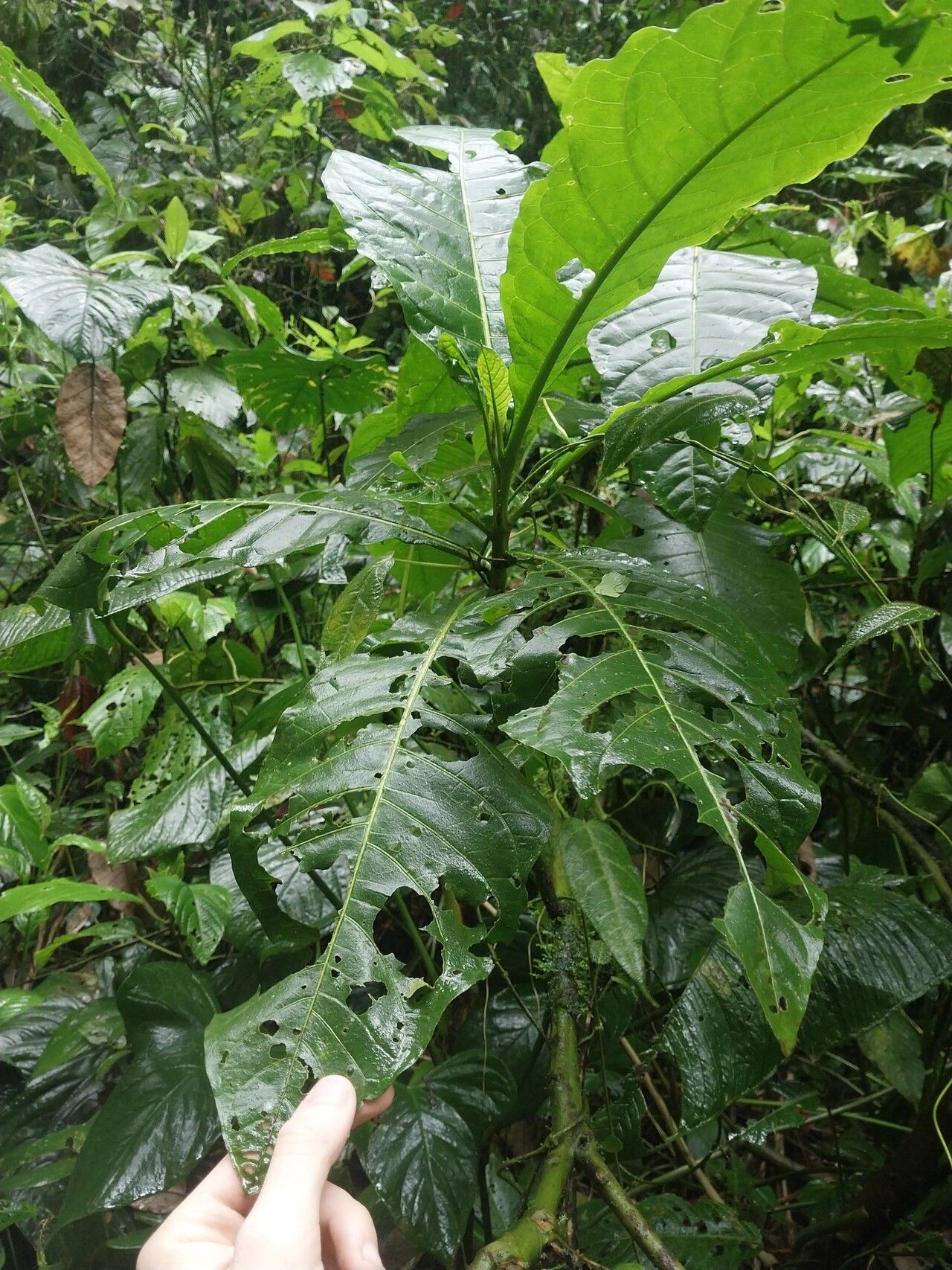
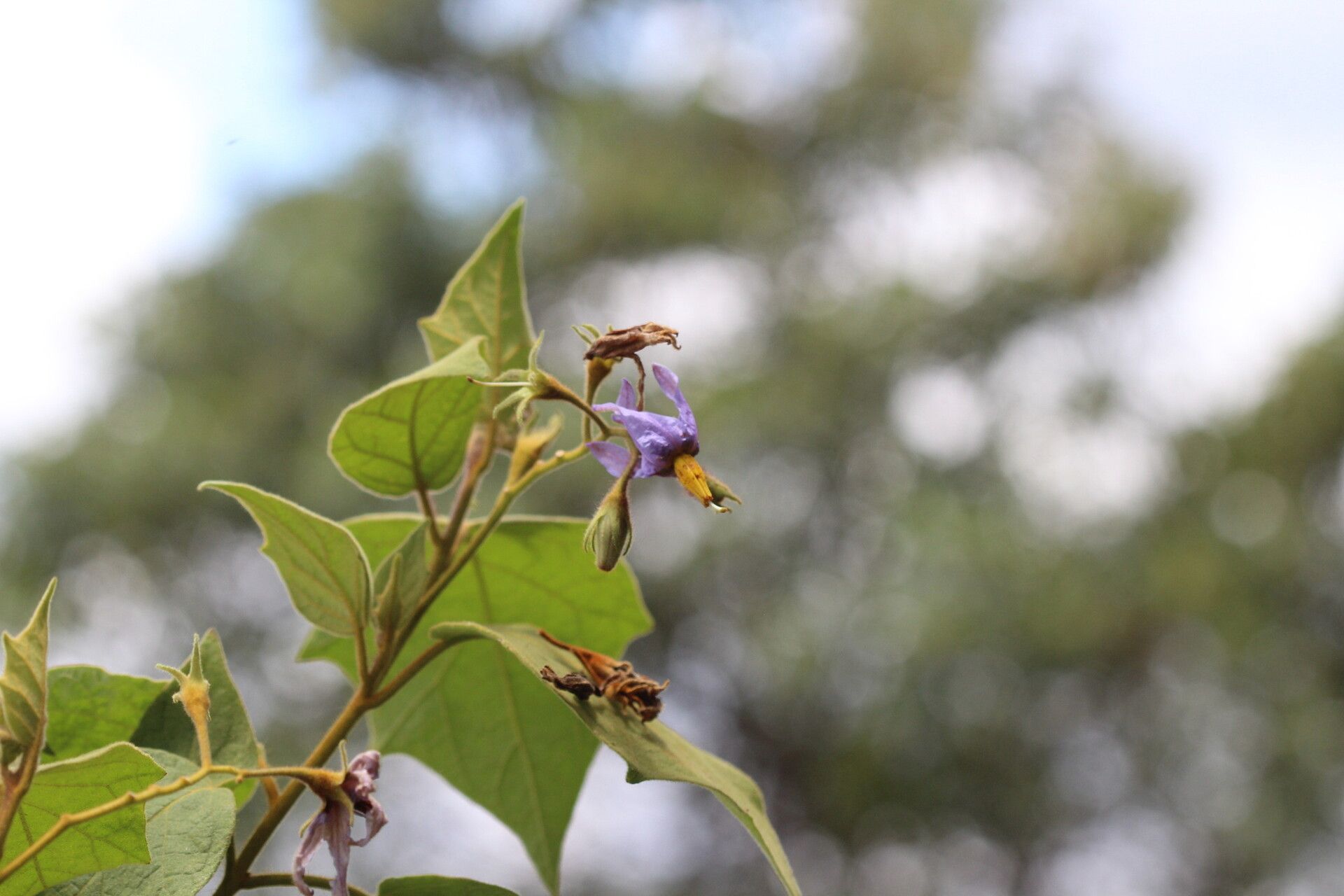
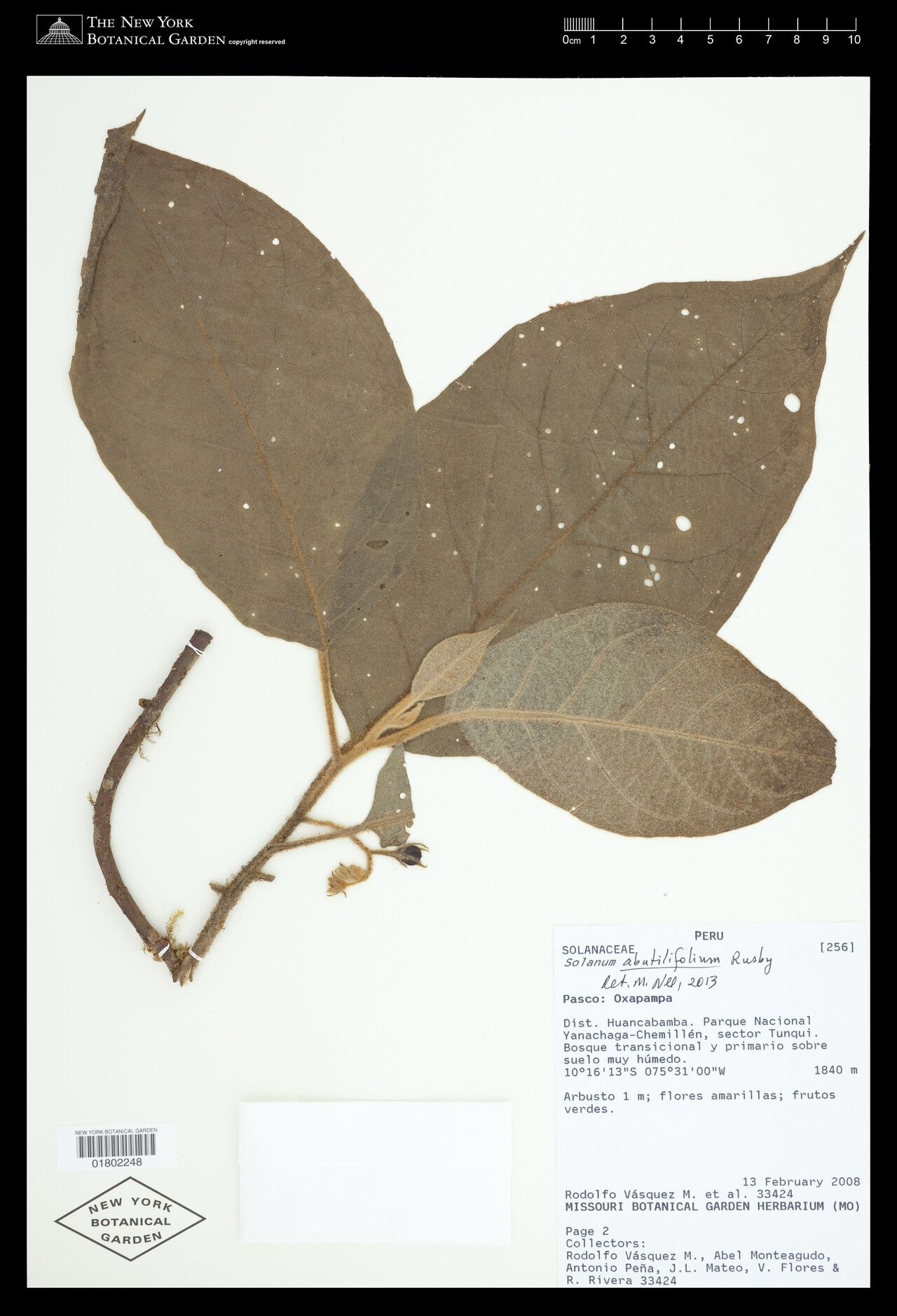
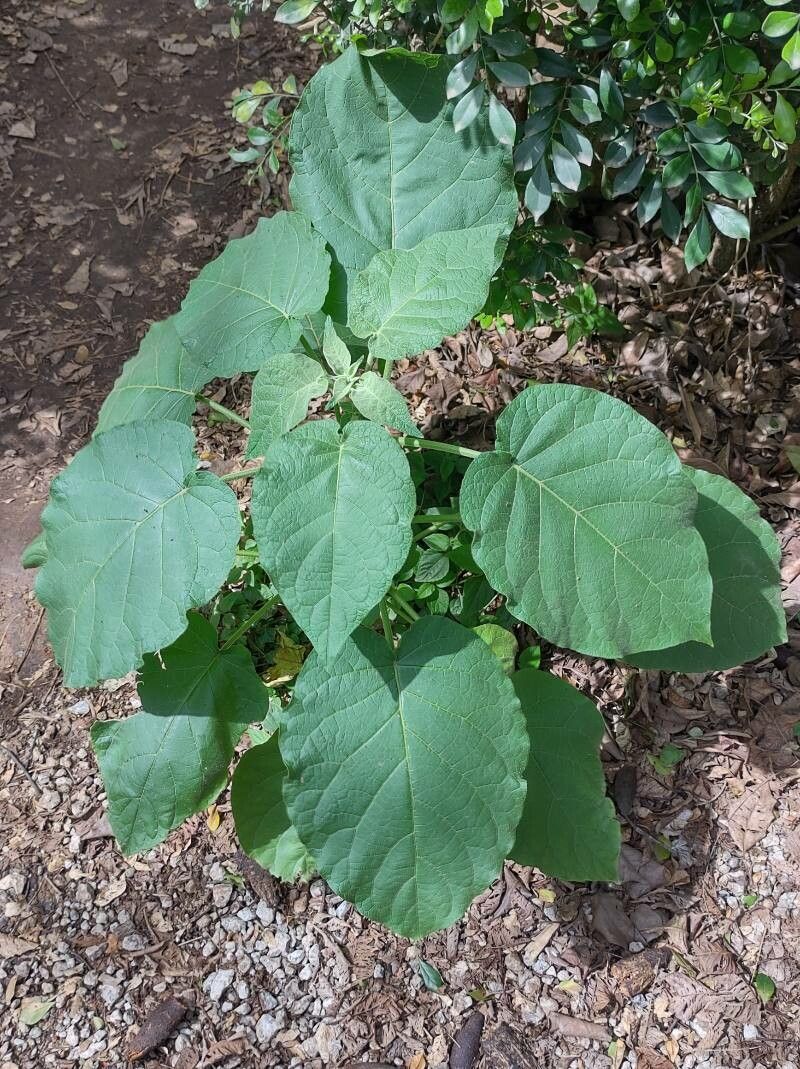
Chilean nightshade is resistant to disease and generally not susceptible to illnesses. As for care, the plant is fairly low-maintenance. Planted outdoors it needs only light watering, and larger specimens usually do not require pruning. Smaller plants should be pruned after they have finished blooming. Chilean nightshade is appropriate for anyone with an outdoor area, such as a garden or deck, and does not need extensive gardening experience.
How to keep Solanum Gayanum.
Light
The Chilean nightshade has its origins in open settings like sunny meadows and edges of forests where there is plenty of light. It does best in full sunlight, though it's also capable of withstanding partial sunlight, displaying a good adaptability to differing levels of sunlight exposure.
Temperature
The Chilean nightshade plant exhibits remarkable flexibility in adapting to a range of weather conditions, including extremely hot summers and cold winters. Nonetheless, it has a preferred temperature range for optimal growth. The plant is susceptible to heat and moisture stress when the temperatures get excessively high, potentially leading to its death. In areas where the temperatures near the minimum level of its tolerance to cold, it's crucial to apply measures to insulate the plant for its protection.
Fertilizer
The schedule for fertilizing Chilean nightshade is key. Begin the fertilization process in the early spring and proceed on a monthly basis until the arrival of early summer. Fertilizer contributes to the development of beautiful flowers and supplies much-needed energy during periods of both rest and growth.
Botanical profile.
- Plant Type
- Vine
- Life Cycle
- Perennial
- Genus
- Solanum
- Family
- Solanaceae
- Hardiness Zone
- 9-11
- Mature Height
- 6.1 m
- Mature Spread
- 1.83 m
- Leaf Color
- Green
- Leaf Type
- Evergreen
- Flower Color
- Purple
- Flower Size
- 2.03 cm to 3.05 cm
- Bloom Time
- Late spring, Summer, Early fall
- Planting Time
- Spring, Summer, Autumn
- Harvest Time
- Late summer, Fall