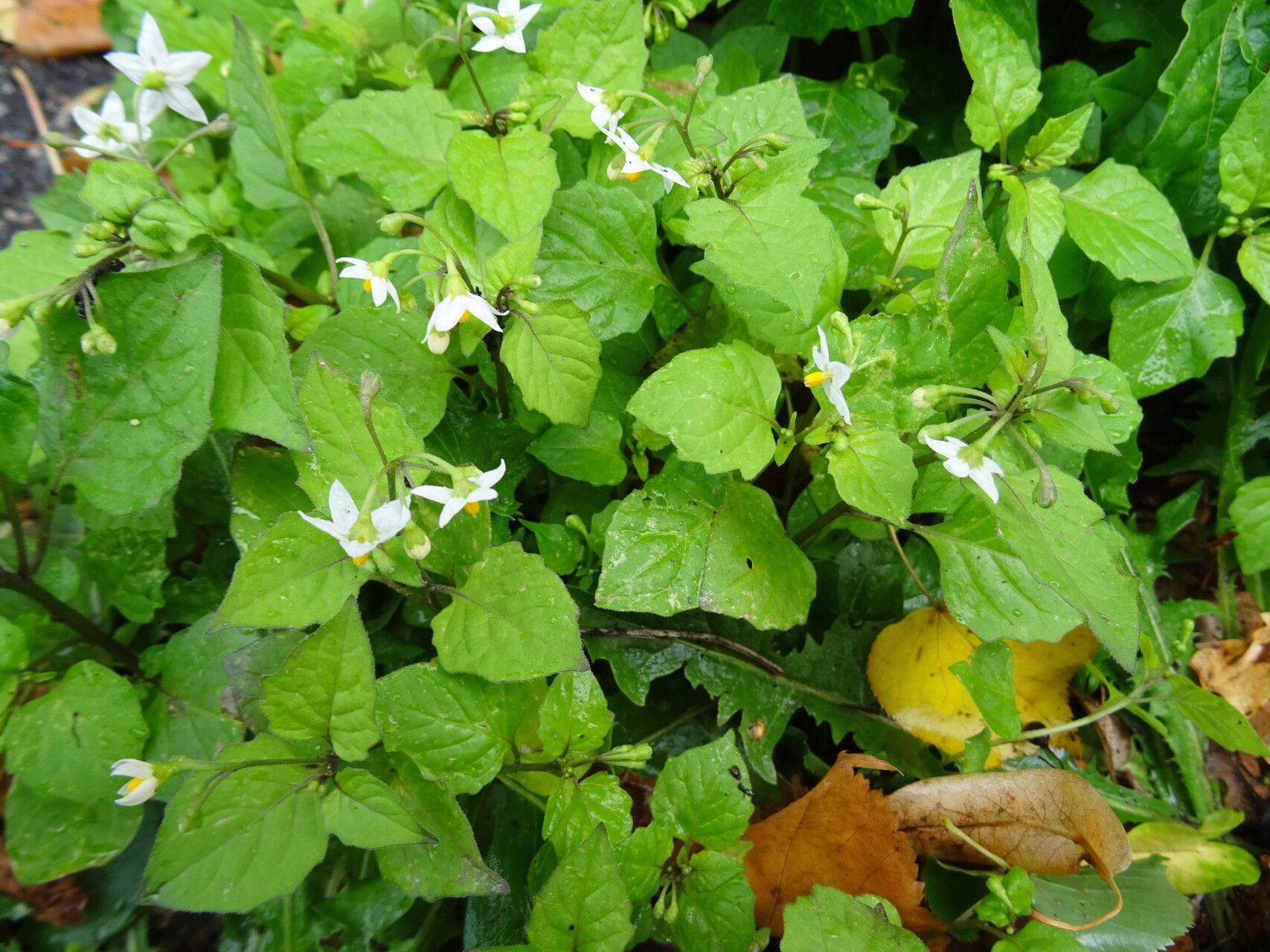
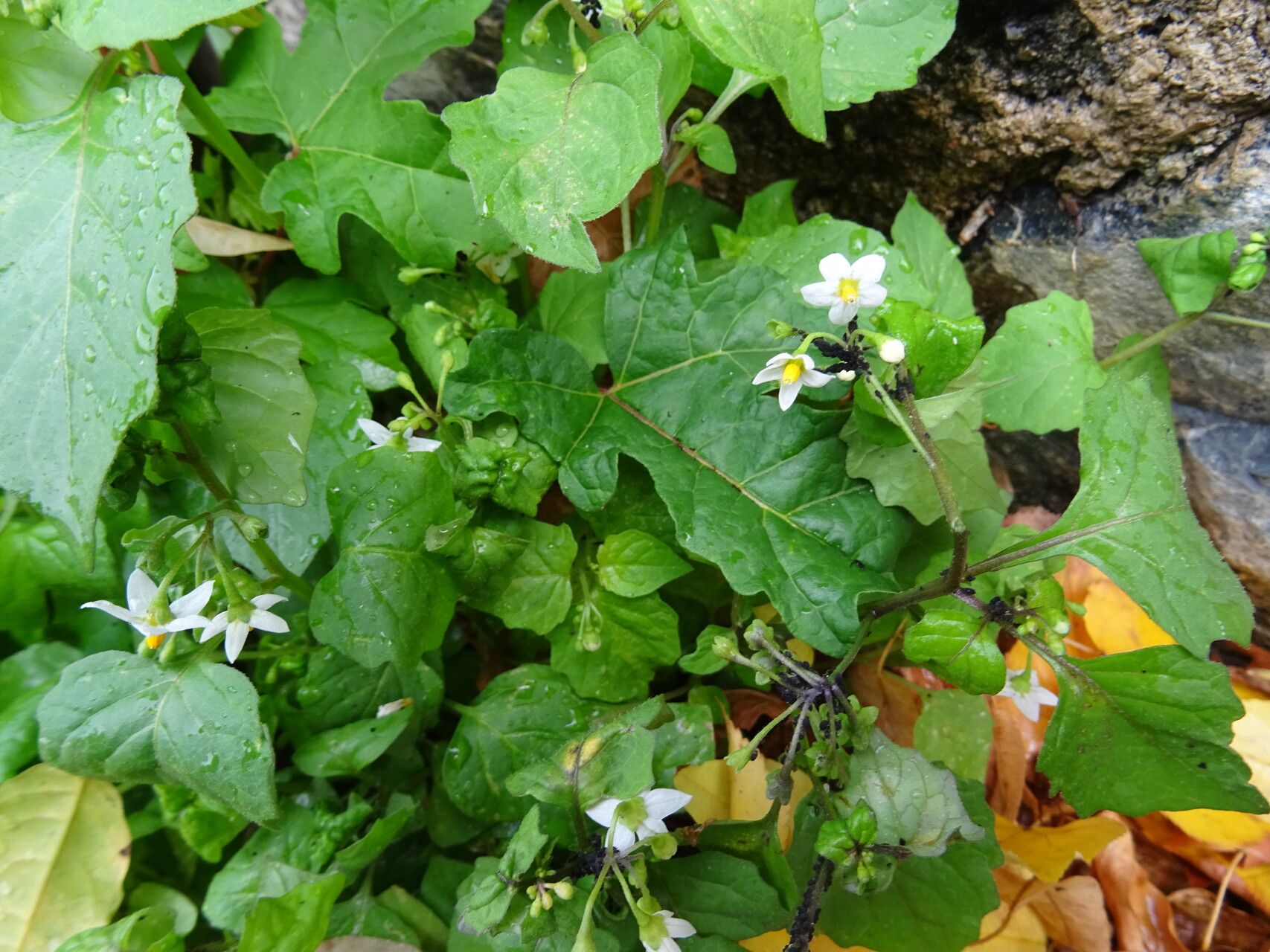
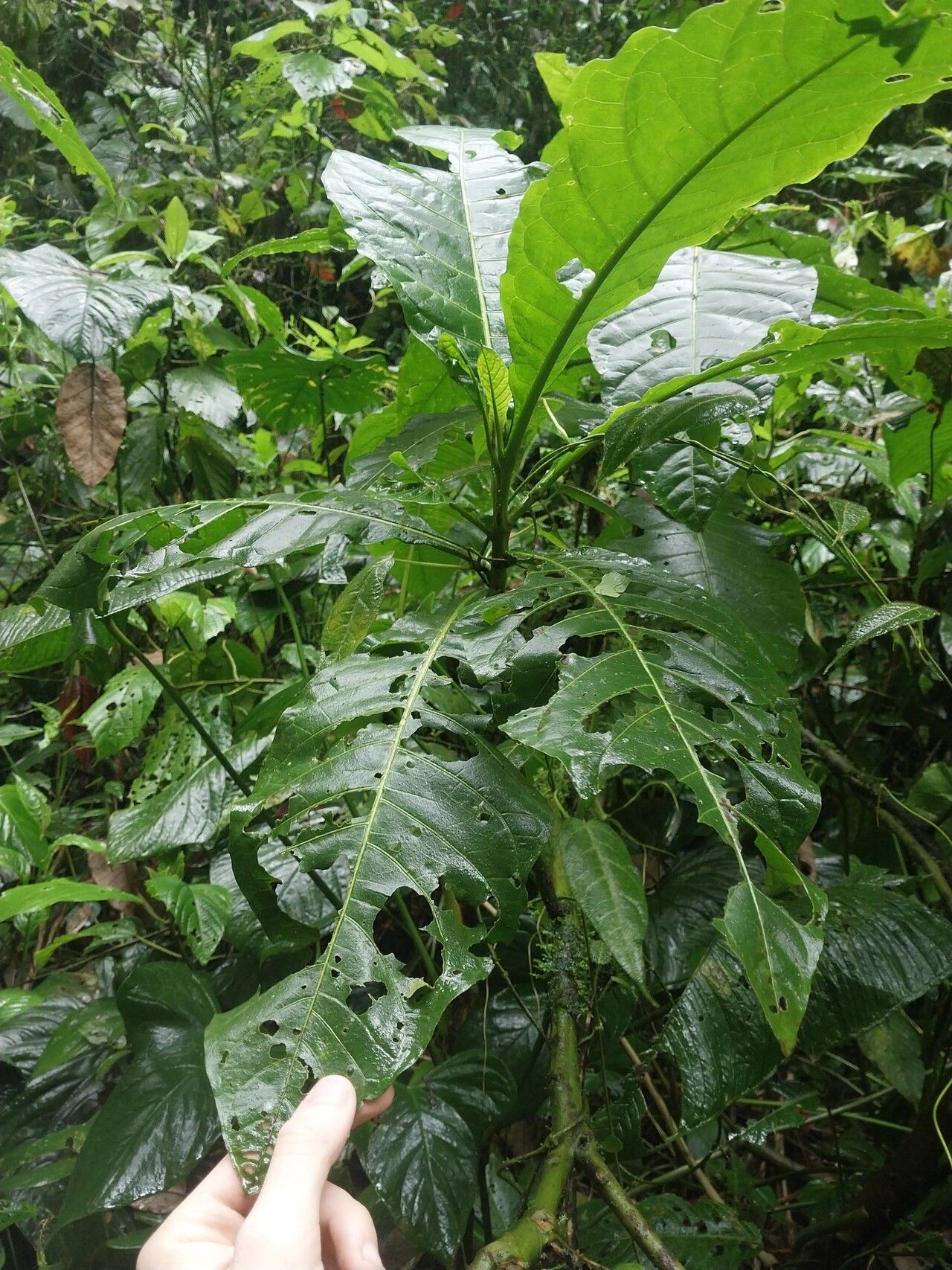
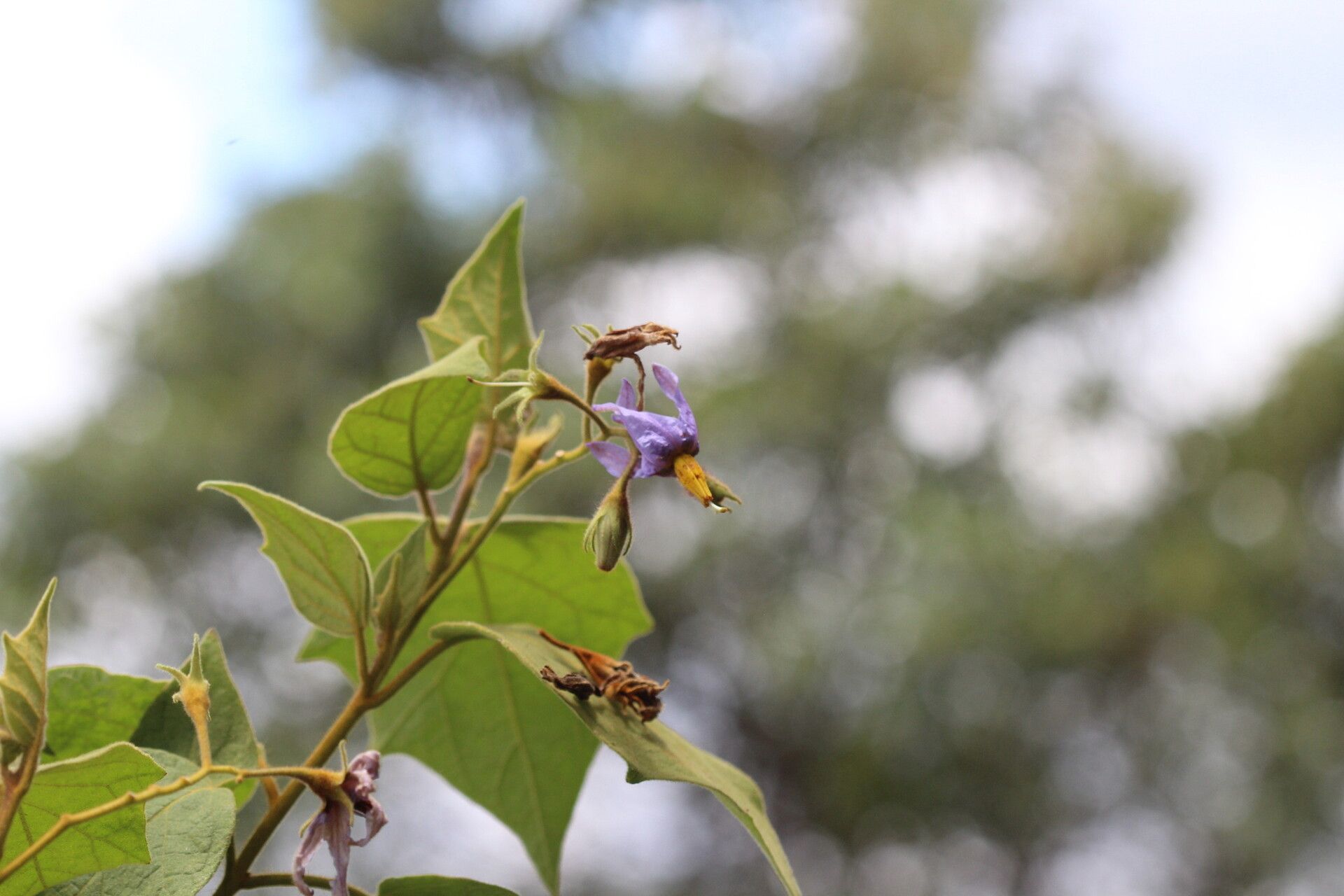
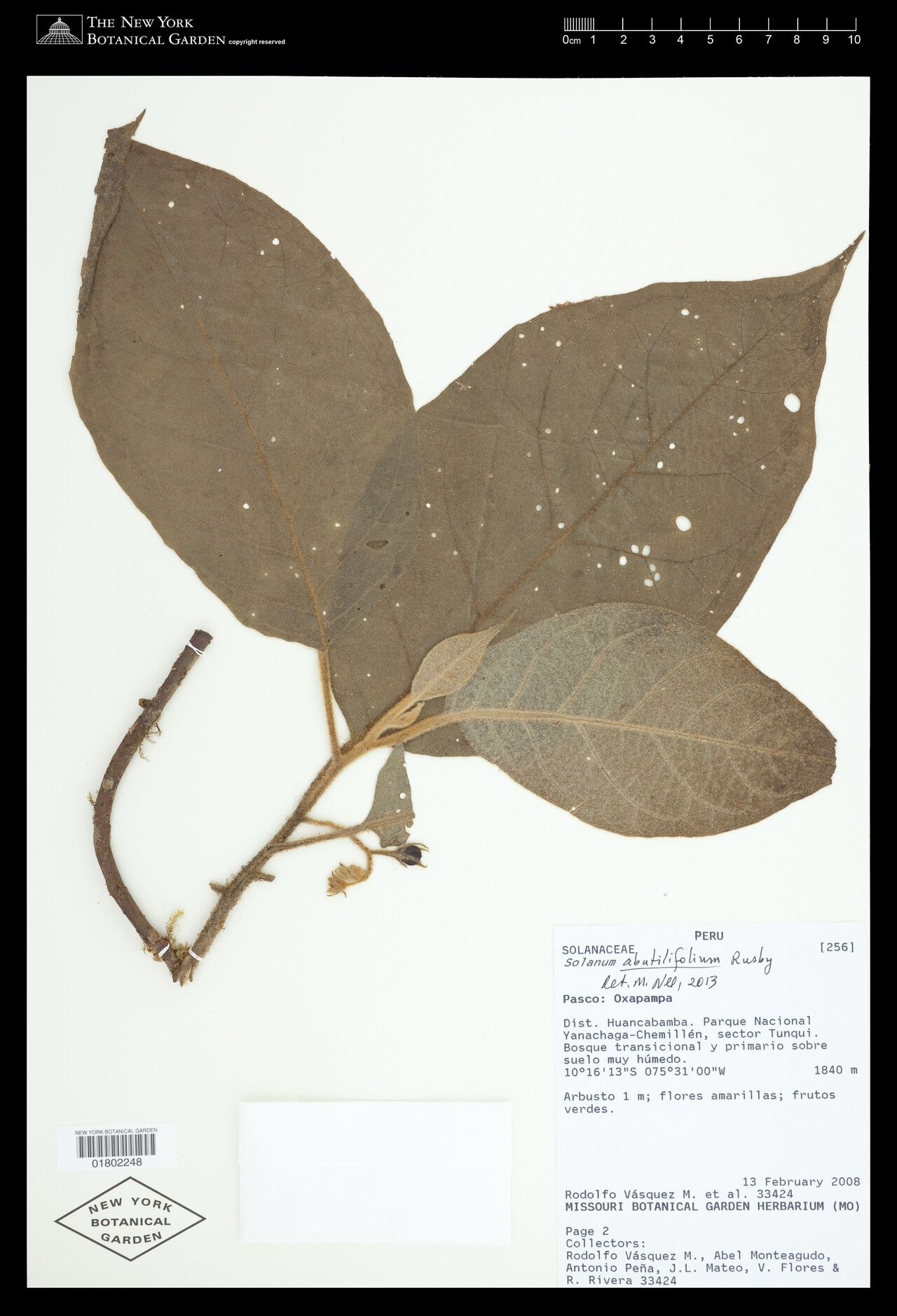
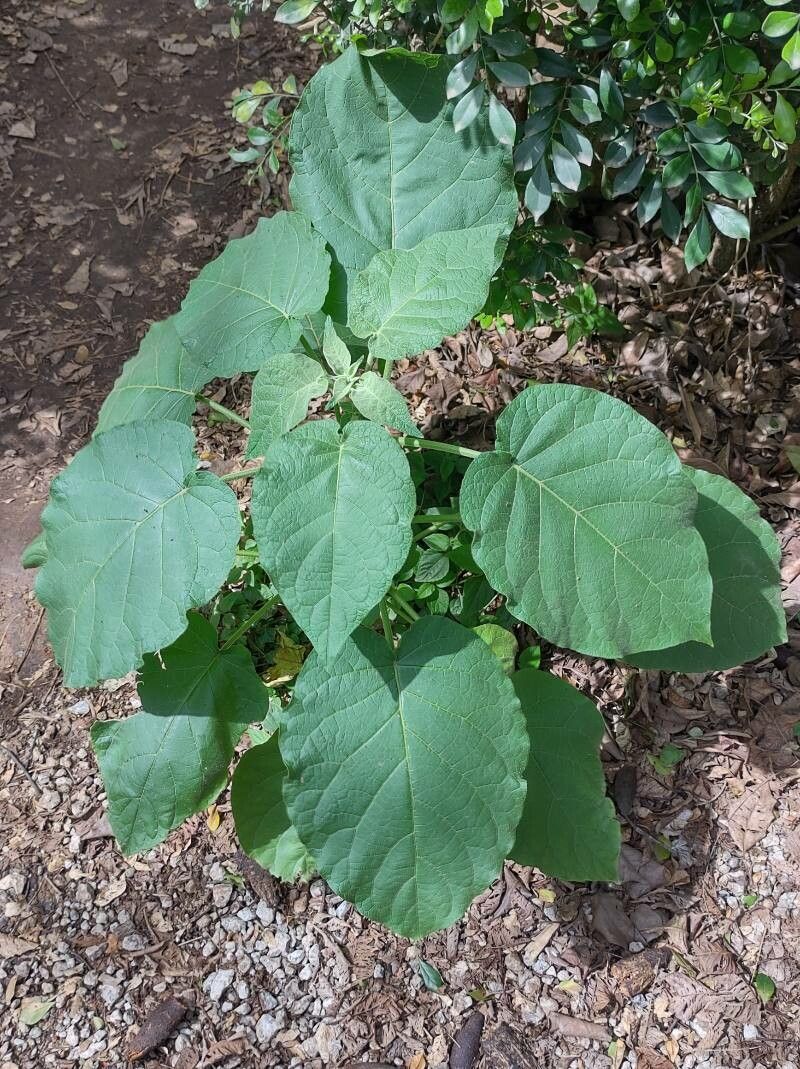
Solanum furcatum is a species of plant in the family Solanaceae known by the common name forked nightshade. It is native to South America. It is known elsewhere as an introduced species.
Forked nightshade is fairly disease-resistant and generally not highly prone to illnesses. That said, it can be affected by pests and diseases present in its environment. These problems are commonly mild. In terms of care, the plant requires moderate maintenance. It should be pruned regularly to preserve a neat appearance and encourage healthy growth. Fertilizing can also help stimulate flowering. Forked nightshade is appropriate for someone with outdoor space, such as a garden or patio, and does not require extensive care experience. It may need more attention when grown indoors.
How to keep Solanum Furcatum.
Light
Forked nightshade is a sun-loving, perennial herbaceous plant native to open habitats and commonly found flourishing in meadows and grasslands. It prefers full sun but can also tolerate partial sun.
Temperature
Forked nightshade can tolerate a wide range of temperatures, but its distribution can still be limited by different mixes of water and heat conditions. It grows best in warm summer climates with sufficient rainfall or watering. Long periods of cloudy, rainy weather or prolonged high temperatures increase the risk of Forked nightshade dying. In winter, adequate protection from the cold can improve the plant's chances of survival.
Fertilizer
Usually one fertilizer application in spring is enough for Forked nightshade, but repeated feedings can maximize its growth. Fertilize about every month to six weeks. Feeding improves the leaves' appearance and function, helping maintain even color and a healthy texture. It also promotes root development and nutrient uptake, supporting the plant's long-term health.
Pruning
Forked nightshade has distinctive forked stems and benefits greatly from regular pruning. Key techniques include removing dead stems and thinning crowded areas to improve airflow. For the best growth, flowering, and fruit production, prune the plant in early spring. This will help maintain the plant's overall health and reduce the risk of disease.
Botanical profile.
- Plant Type
- Herb
- Life Cycle
- Perennial
- Genus
- Solanum
- Family
- Solanaceae
- Hardiness Zone
- 8-11
- Mature Height
- 30 cm to 76 cm
- Mature Spread
- 40 cm to 61 cm
- Leaf Color
- Green, Dark Green
- Leaf Type
- Evergreen
- Flower Color
- White, Lavender
- Flower Size
- 1.02 cm to 1.52 cm
- Bloom Time
- Late spring, Summer, Early fall, Mid fall
- Planting Time
- Spring, Summer
- Harvest Time
- Mid summer, Late summer, Fall, Early winter
- Native Area
- Ecuador, Peru
Other names.
Reader questions.
How much sunlight does Forked nightshade (Solanum furcatum) require?
Forked nightshade (Solanum furcatum) thrives under different sunlight conditions depending on its specific needs. For full sun exposure, it requires above 6 hours of sunlight per day, making it perfect for areas that receive a generous amount of direct sunlight. Alternatively, if the plant is placed in an area with partial sun, it should receive about 3-6 hours of sunlight daily. This flexibility allows you to choose the best spot in your garden that ensures both light and shade are balanced optimally for the plant's happiness. It's important to observe how sunlight moves through your garden to select the most suitable location for your Forked nightshade.
What is the botanic name of Forked nightshade?
The botanic name of Forked nightshade is Solanum furcatum.