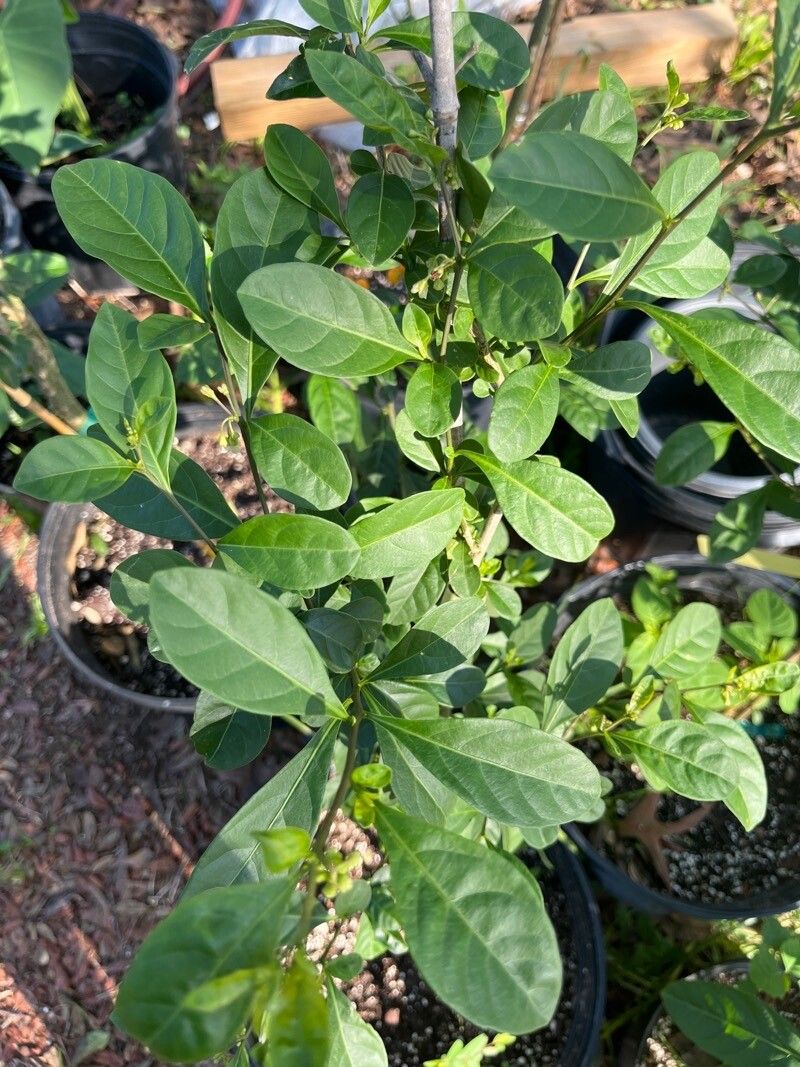
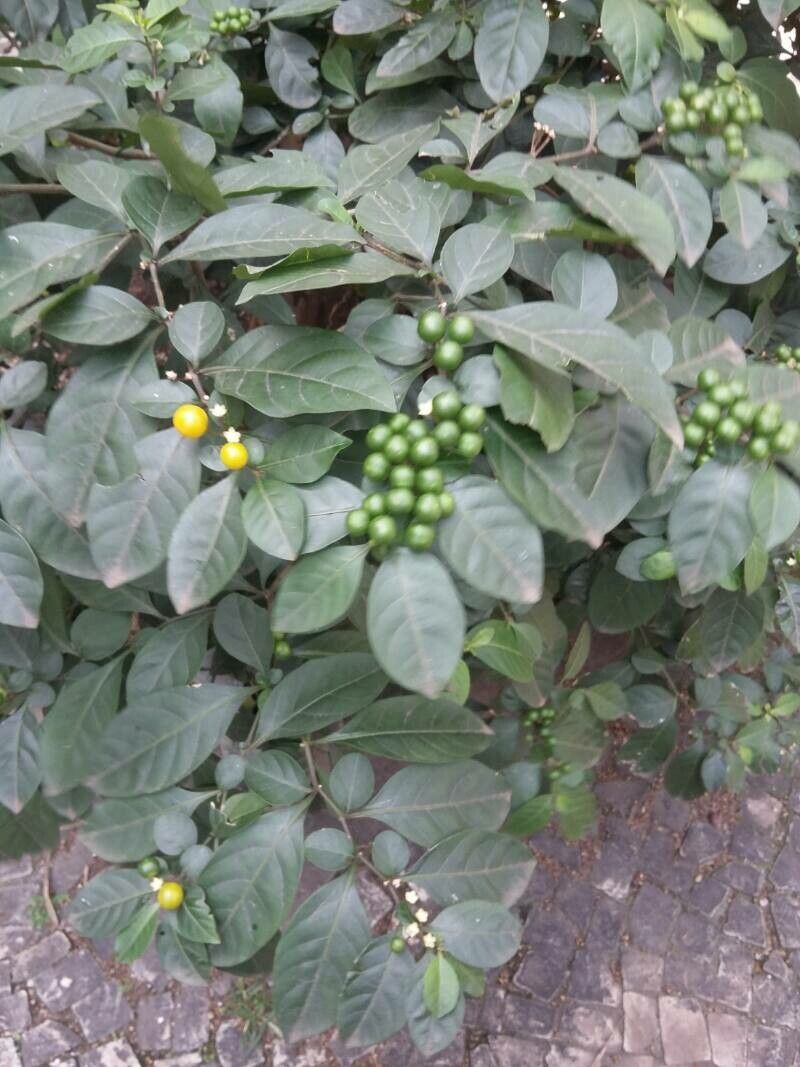
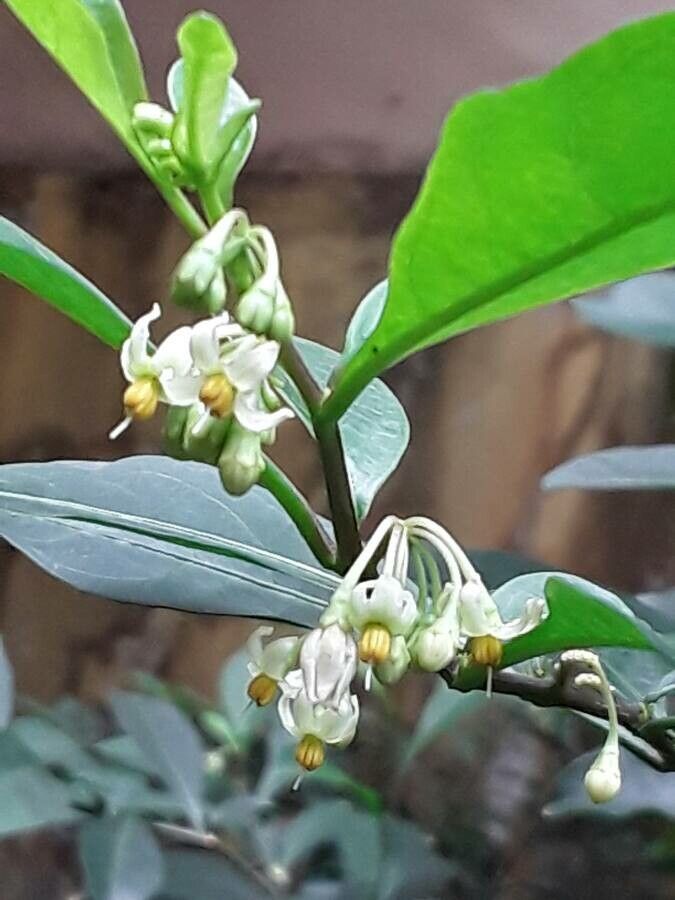
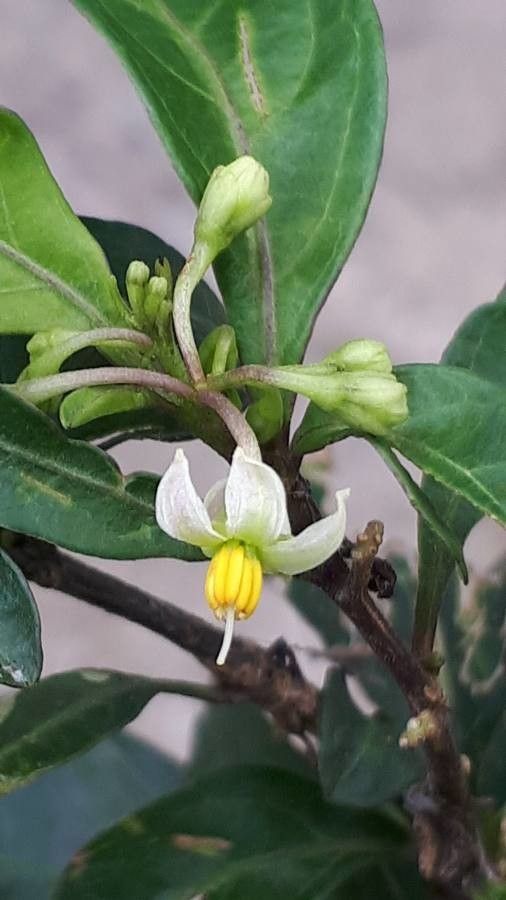
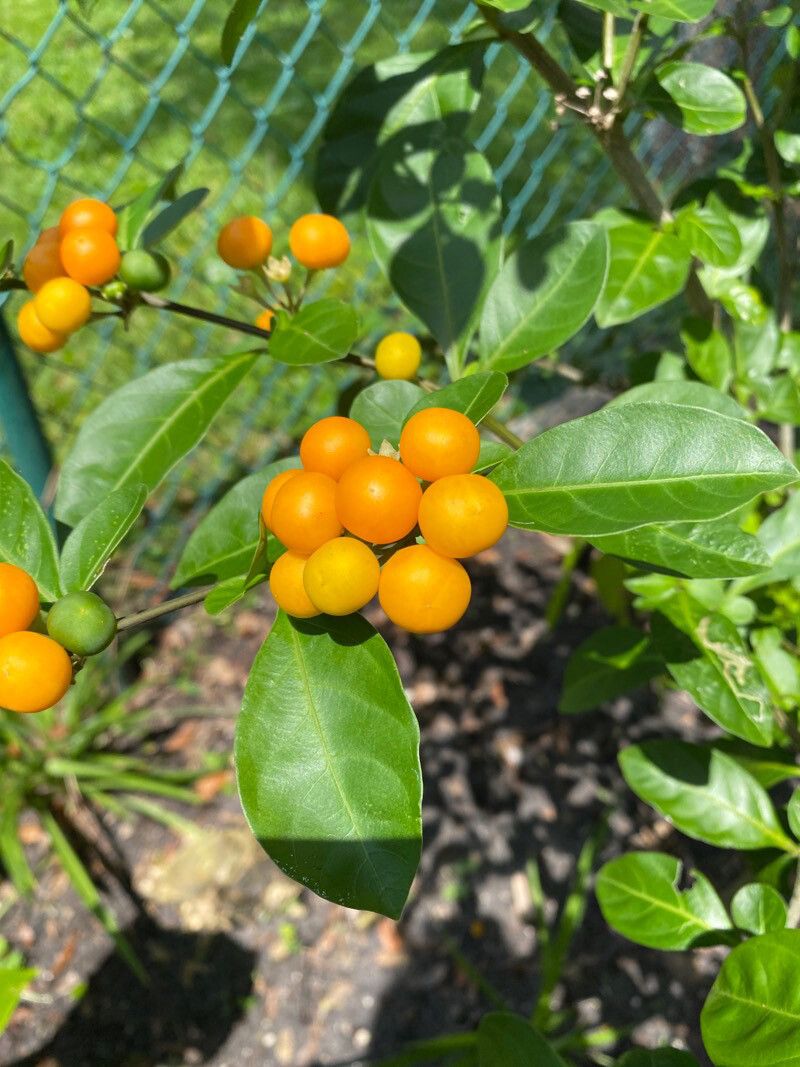
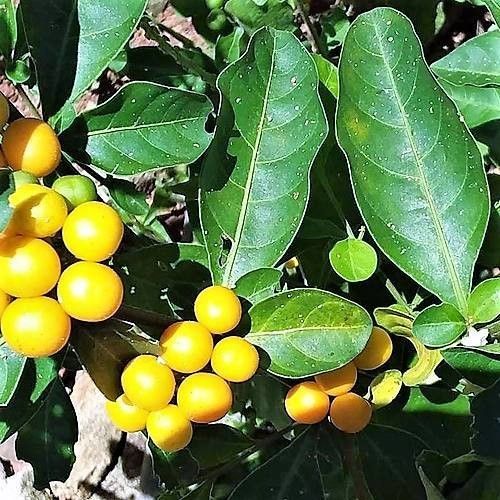
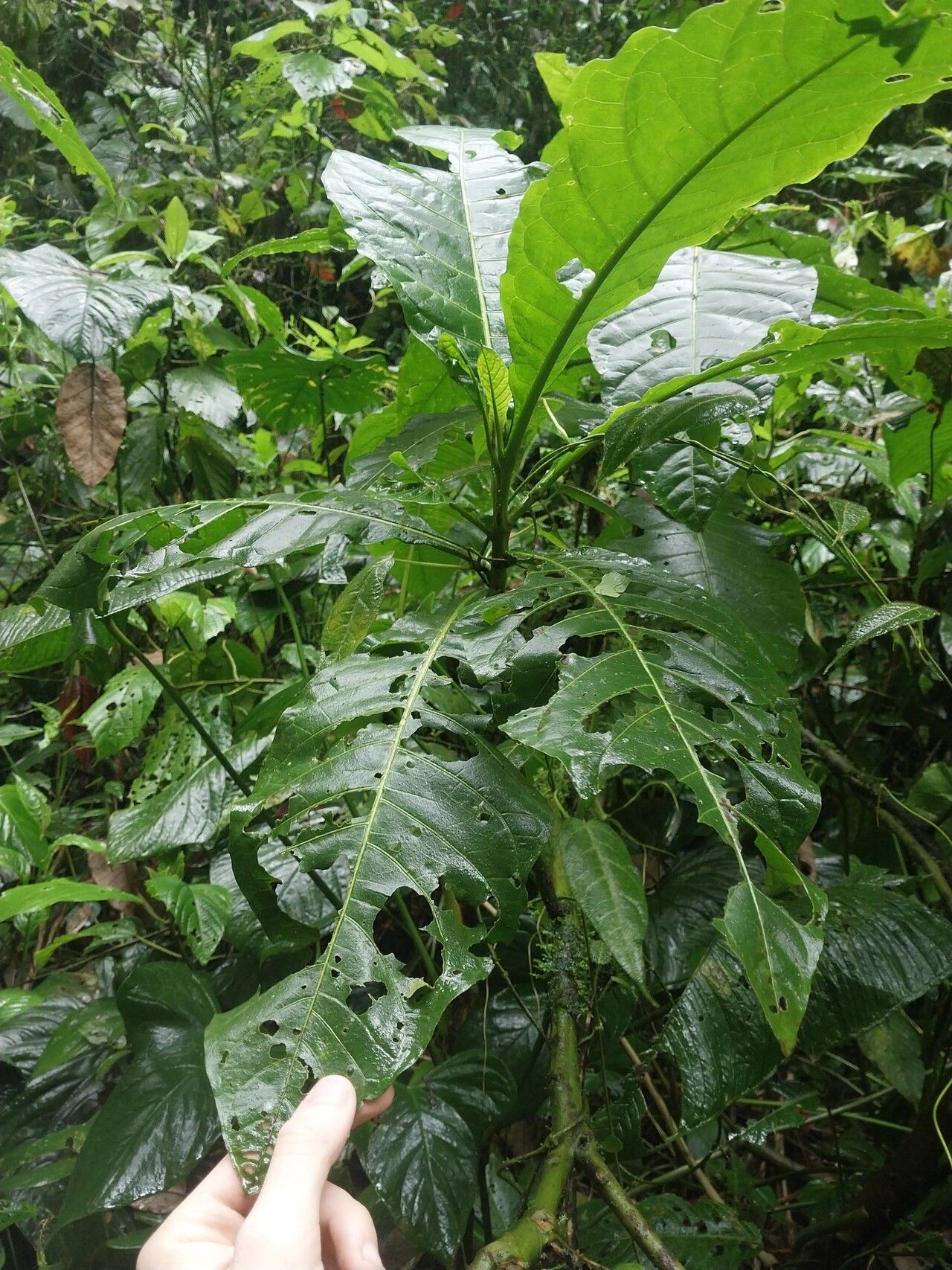
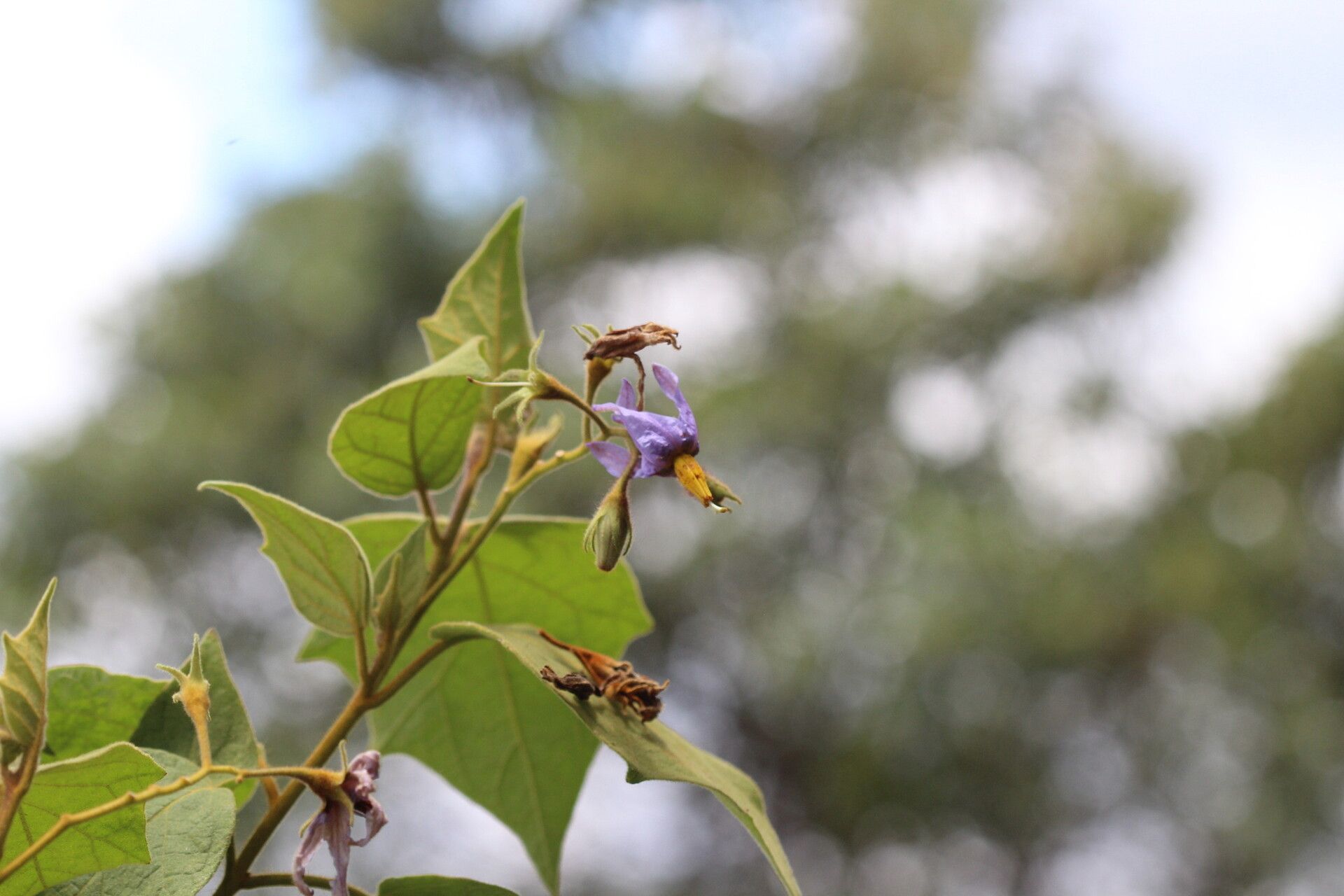
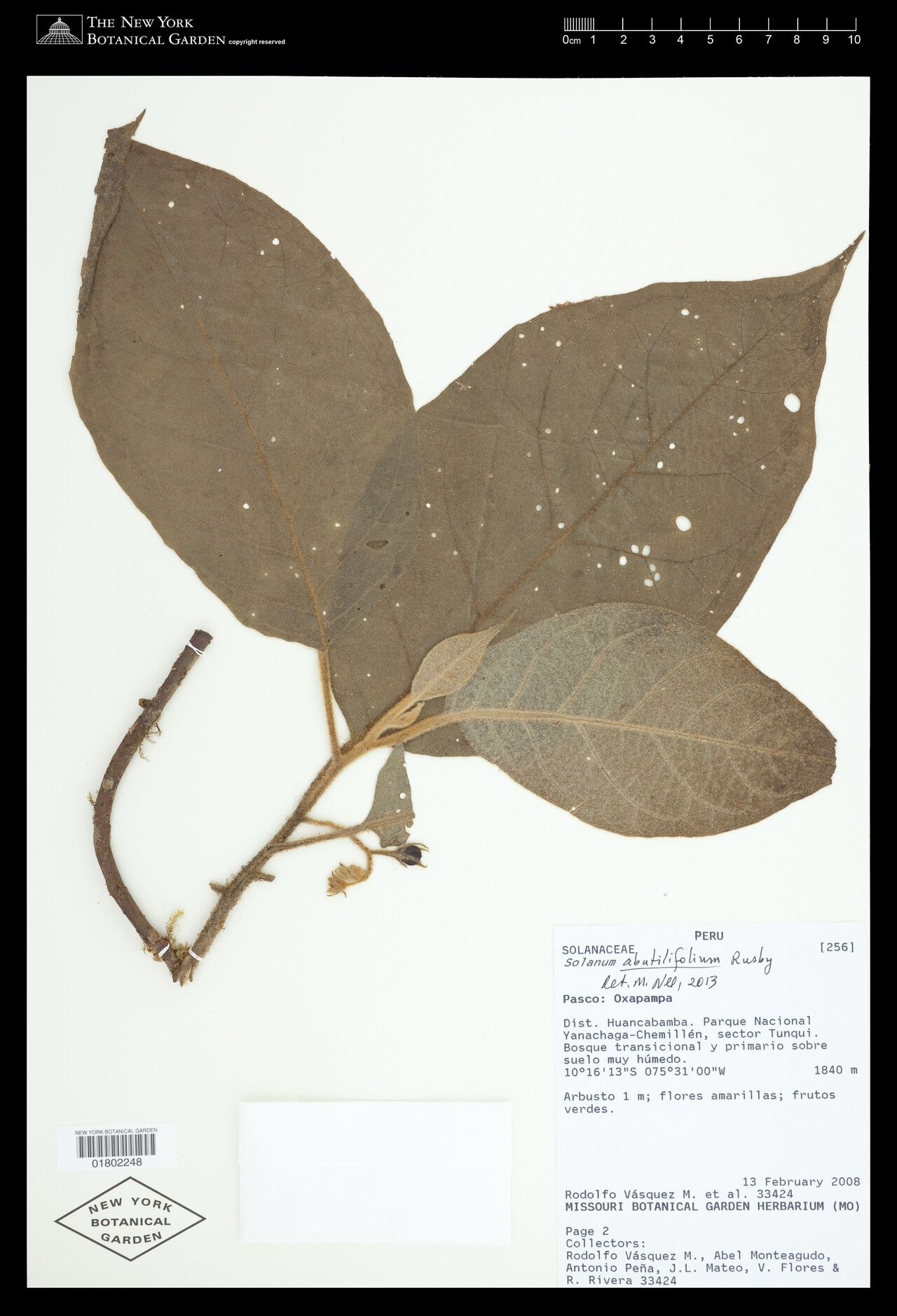
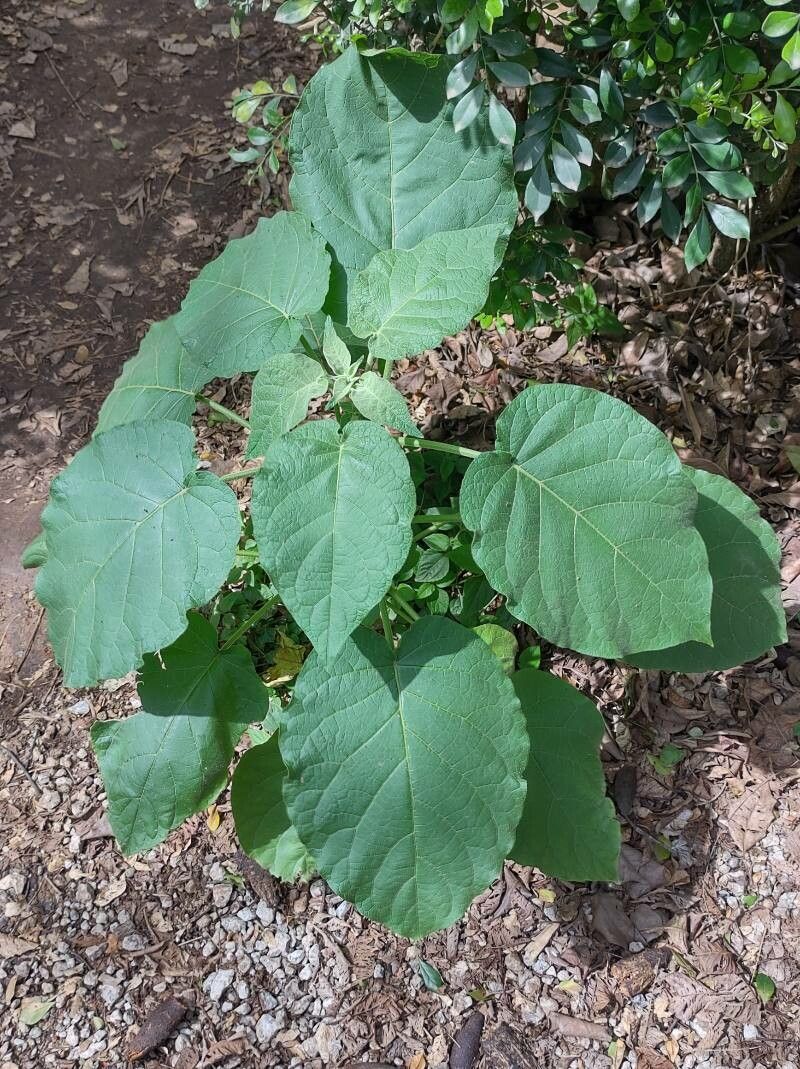
Solanum diphyllum, commonly known as the two-leaved nightshade, is a perennial herbaceous plant that belongs to the Solanaceae family. Native to North America, it thrives in diverse habitats such as woodlands, prairies, and disturbed areas.
This plant can grow up to 1 meter tall and features a branching stem adorned with small thorns. Its leaves are simple and ovate, each with two lobes and a smooth texture. The flowers of Solanum diphyllum are small, with five white petals that form a star shape when fully open.
The plant produces edible berries that transition from green to yellow as they ripen. These berries contain numerous seeds, which can be used for propagation.
Native Americans have historically used Solanum diphyllum for medicinal purposes, treating ailments such as fever, coughs, and skin infections.
Overall, Solanum diphyllum is a fascinating plant species, notable for its unique leaf structure and its traditional medicinal uses by indigenous peoples in North America.
Jerusalem cherry has a fairly high level of disease resistance and is generally not susceptible to illnesses. However, when the plant is maintained in a poor environment it can become more prone to disease. It also has few insect pests. Regarding care, the plant has moderate requirements. It needs plenty of sunlight because inadequate light can make it more vulnerable to disease and cause thin, leggy growth. Since it is often kept indoors, it may need to be relocated regularly to a bright spot. It does not need frequent watering. Overall, Jerusalem cherry is suitable for most people, though it is best for those who can provide good light conditions.
How to keep Solanum Diphyllum.
Light
The Jerusalem cherry thrives in full exposure to light for optimum growth. During its unique growth stages, it benefits from this generously lit environment that is similar to its original habitat. Being in this abundant light encourages thriving. However, excessive or inadequate light can impact the vitality of the Jerusalem cherry.
Water
The twoleaf nightshade thrives in environments with moderate humidity and indirect light. It requires consistent moisture without becoming waterlogged. Water the plant every 2 to 3 weeks, allowing the soil to dry slightly between watering sessions. This adaptable plant flourishes outdoors, benefiting from rainwater during its active growth seasons.
Temperature
The jerusalem cherry plant grows best in warm conditions and prefers temperatures between 68 to 100 ℉ (20 to 38 ℃). It is native to tropical regions and therefore must be protected from frost and very cold temperatures in winter. During the summer months it benefits from partial shade and adequate humidity in the air to maintain moisture.
Fertilizer
For the upkeep of Jerusalem cherry, fertilization plays a key role. Continuous feeding throughout the growth phase is necessary to maintain energy for the flamboyant leaves and aid in general growth. If fertilization is overlooked, it can lead to ill leaves, reduced decorative charm, and inhibited or frail growth which is susceptible to snapping.
Pruning
The Twoleaf Nightshade is characterized by its two-part leaves and small, bright berries. To maintain its health and appearance, prune the plant in early spring. This process involves removing dead branches, which helps to improve air circulation and stimulates new growth. Proper pruning encourages flowering and berry production while also preventing diseases, ensuring the plant remains healthy and visually appealing.
Pot & Repot
When transplanting a Jerusalem cherry, opt for a pot that is 1-2 inches (2.5-5 cm) wider and has plenty of drainage. Employ a potting mix that drains effectively. Carry out the repotting process either in spring or autumn, making certain that the root ball sits a little lower than the flower pot's rim. After repotting, water the plant comprehensively and position it in a warm location with indirect sunlight.
Botanical profile.
- Plant Type
- Shrub
- Life Cycle
- Perennial
- Genus
- Solanum
- Family
- Solanaceae
- Hardiness Zone
- 9-11
- Mature Height
- 0.91 m to 2.13 m
- Mature Spread
- 34 cm
- Leaf Color
- Green
- Leaf Type
- Evergreen
- Flower Color
- White
- Flower Size
- 0.76 cm to 1.52 cm
- Bloom Time
- Late spring, Early summer, Mid summer
- Planting Time
- Spring, Summer
- Harvest Time
- Early spring, Mid summer, Late summer, Fall, Winter
- Native Area
- Colombia, Bolivia, Venezuela
Other names.
Reader questions.
How should I water my Twoleaf nightshade plant to keep it healthy and thriving?
To ensure excellent root development, it is recommended to place a garden hose at the base of the plant. Avoid spraying the leaves directly, especially if they are outdoors and exposed to direct sunlight, as they will require more watering. There are several options for watering the roots effectively, such as using bubblers or soaker hoses. When adding or removing plants, using soaker hoses that cover the entire garden or bed can help deep water the roots. It's important to drain excess water and allow the soil to dry before watering again. Watering at ground level is advised to prevent diseases. On sunny days, it may be beneficial to spray the entire bush with water. Whether potted or in the ground, it's important to remember that Twoleaf nightshade prefers deep watering rather than light sprinkling.
What are the sunlight requirements for Twoleaf nightshade?
Twoleaf nightshade requires above 6 hours of sunlight daily to be considered in full sun, while it can also grow in partial sun or full shade with about 3-6 hours of sunlight. It's crucial to observe your garden throughout the day to find spots that offer the right balance of light and shade, which ensures the plants' well-being. While Twoleaf nightshade thrives under intense sunlight, it can adapt to moderate or lower light conditions, although less light might inhibit its growth, and excessive light could harm it.
What is Twoleaf nightshade?
Twoleaf nightshade is a plant known botanically as Solanum diphyllum. There is no additional information provided about its essentials or symptoms related to its presence or usage.
What should I do if I give too much/not enough water to the Twoleaf nightshade plant?
An overwatered Twoleaf nightshade can show signs of yellow leaves, dropping off and wilting. The plant may also appear dull and unhealthy, with mushy stems. When these signs appear, it's best to adjust your watering schedule accordingly. Wilting can also indicate under watering, with leaves becoming crispy and dry. In cases where the soil is dry and watering alone is insufficient, give the plant a generous watering. Sufficient water will help the Twoleaf nightshade recover, but it may still have dry and yellow leaves for a few days due to root damage. Once the plant returns to normal, the yellowing of leaves will cease. Indoors, always check the moisture levels of the pot for the Twoleaf nightshade and avoid overwatering. Watch for signs of black spots, which may indicate that the soil needs time to dry out. Overwatering can lead to root rot, so consider transferring the plant to a different pot if you see discolored and slimy roots. To prevent root rot, ensure the soil doesn't become overly soggy. When planting the Twoleaf nightshade outdoors, dig a little deeper and if the soil feels too dry, it may indicate under watering. Adequate watering is necessary to assist the plant's recovery.
How does artificial lighting support Twoleaf nightshade's growth indoors?
Indoor plants like Twoleaf nightshade require adequate lighting for optimal growth, especially when natural sunlight is insufficient. Artificial lights, such as LED lights, are beneficial as they can be adjusted to provide the specific wavelengths of light that plants need. For full sun plants, 30-50W/sq ft of artificial light is needed, partial sun plants require 20-30W/sq ft, and full shade plants need 10-20W/sq ft. The light source should be placed 12-36 inches above the plant, mimicking natural sunlight as closely as possible, and most plants will need 8-12 hours of light per day.
How many times should I water my Twoleaf nightshade?
The Twoleaf nightshade prefers deep and infrequent watering. If they are planted in pots, it is important to soak them in a gallon of water each time. Watering every 3 to 5 days is necessary in cold regions. Water in the morning when the soil is dry, whether the plant is indoors or outdoors. To determine when to water, check the soil inside the pot. If the top 2-3 inches of soil are dry, it is time to water the plant fully. During hot days, monitor the moisture daily as the soil in the pot can dry out quickly due to the heat. For gardens, irrigation is required. In hot climates, watering once a week is recommended. Only water when the top 2-3 inches of soil are too dry, both indoors and outdoors. Consider the amount of rainfall to avoid overwatering and root rot. Twoleaf nightshade typically grows in spring and fall. Use mulch about 3 to 4 inches deep when the plants are outdoors to conserve water. Water more frequently in sandy soil as it drains faster. In clay soil, water less frequently and allow 2-3 days for the plant to dry out to avoid root rot. Keep track of watering dates on a calendar and watch for drooping leaves, which could indicate that watering is overdue.
What symptoms indicate Twoleaf nightshade is not receiving enough sunlight?
When Twoleaf nightshade does not get enough sunlight, it may show symptoms like small or lighter-colored new leaves, leggy or sparse growth, faster leaf drop, and slower or no new growth. Insufficient sunlight leads to these signs because the plant enters a survival mode to conserve resources. Additionally, excessive sunlight can cause chlorosis, sunscald, leaf curling, wilting, and leaf scorching, indicating that the plant's balance of light exposure is crucial for its health.
How much water should I give my Twoleaf nightshade plant?
The Twoleaf nightshade typically requires about a gallon of water on each schedule. For potted plants, water them deeply until the water is dripping at the bottom of the pot and then allow the soil to dry before watering again. You can use a water calculator or moisture meter to determine the amount given to your plant in a week. During the flowering period, provide ample water but allow the moisture to evaporate afterwards to avoid root rot. If the Twoleaf nightshade is planted outdoors with sufficient rainfall, additional watering may not be necessary. When the plant is young or newly planted, ensure it receives 1-2 inches of rain per week. As the Twoleaf nightshade matures, it can rely solely on rainfall. However, if the weather is excessively hot or there has been no rainfall for 2-3 weeks, consider giving the plant a full watering during the cooler part of the day to prevent heat damage. Additional watering will be needed during prolonged dry spells.
What solutions can improve sunlight exposure for Twoleaf nightshade?
To optimize light exposure for Twoleaf nightshade, gradually move the plants to sunnier locations each week to achieve at least 6 hours of direct sunlight daily. Use south-facing windows and keep curtains open for maximum sunlight or consider artificial lighting for plants that are large or hard to move, ensuring at least 8 hours of light daily. For outdoor plants, avoid sudden changes in light intensity to prevent sunburn. Minimizing obstructions and possibly transplanting during the dormant season to sunnier locations with good drainage can also help. Remember, while it might not be possible to recover parts of the plant that suffered due to insufficient sunlight, new growth will be healthy with better light conditions.
Should I water my Twoleaf nightshade more or less depending on the time of year or the weather?
The Twoleaf nightshade requires outdoor conditions with rain, but watering is necessary during persistent dry weather. During the spring and fall growing seasons, the soil should be moist but not soggy, alternating between dry and moist conditions. In hot summer weather, water may evaporate quickly, so additional watering is necessary if there is a lack of rainfall. However, less water is needed in winter when the plant goes dormant. Using a well-draining but moisture-retentive soil mixture like terracotta can help the water evaporate quicker during this period. Once the plant starts leafing out and going dormant, watering can be skipped, as the fall and winter rains can sustain it. When cultivating the Twoleaf nightshade after spring, ensure good drainage at all times, especially during winter, as the plant dislikes ponding or drought during flowering. When in pots, the limited root growth requires regular watering, especially in summer. Deep soaking once or twice a week is recommended, avoiding shallow sprinkles that reach the leaves. Even during dormancy in fall or winter, the plant should not dry out completely. Avoid overwatering, as the plant does not tolerate sitting in water for too long, and ensure proper soil drainage to avoid winter damage. Applying mulch whenever possible helps reduce stress, conserve water, and promote healthy blooms.
What do I need to watch out for when I water my Twoleaf nightshade plant in different seasons, climates, or during different growing times?
Twoleaf nightshade primarily relies on rain when planted in the ground. However, if there is no rainfall for 2-3 weeks, it is important to consider providing the plants with a deep watering. When watering Twoleaf nightshade in the summer, it is best to do so in the morning to avoid stressing the roots with a large temperature difference between the water and the root system. It is important to avoid watering the bushes when it is too hot outside. Mulching should be started in the spring when the ground is not too cold. The age of the plants is also a factor to consider. Newly planted ones often fail to grow due to lack of water. Once the plants are established, the watering schedule should be reduced. During the fall and winter, especially if there is a water-retaining material in the soil, watering should be decreased. The dry winds in winter can cause drying, and newly planted ones are at risk of drought during windy seasons in winter, summer, and fall. Therefore, more watering is required during these times. Plants planted in pots tend to dry out faster, so they require more watering. It is important to monitor them closely for signs of drying, such as less blooming and drying leaves. Watering potted plants can be more complex and the frequency may fluctuate. Care should be taken to avoid leaving them sitting in water, so it is best to avoid containers with saucers, bowls, and trays. Overwatering in the fall can cause the foliage to look mottled or yellowish, so it is important to prevent overwatering regardless of the current climate or season. During the months when Twoleaf nightshade begins to flower, increasing the watering frequency may be necessary, but once they are fully grown, it is best to give them a rest. Providing an adequate amount of water once every 3 to 5 days, without following a strict schedule, is recommended. Checking the soil for dryness by sticking a finger in the pot or using a moisture meter can help determine the right time for watering. It is important to avoid overwatering or underwatering, as both can lead to root rot and the death of the plants. This applies regardless of the climate or season in your area.
Why do I need to water my Twoleaf nightshade?
Watering the Twoleaf nightshade plays a vital role in transporting nutrients from the soil to the rest of the plant. To keep this species healthy, it is important to determine the appropriate amount of water to provide, taking into consideration the weather conditions and type of soil in your area. The Twoleaf nightshade thrives in moist soil, but excessive water can be detrimental. When planting in the ground, ensure the use of enough mulch and avoid watering too little. In pots, it is recommended to water until the base of the plant is moist, providing a full can of water for the best blooms. For foliage growth, the plant should be watered to a depth of 10 to 20 inches. During periods of rainfall, it is advisable to refrain from watering so the plant can absorb nutrients from the rainwater.