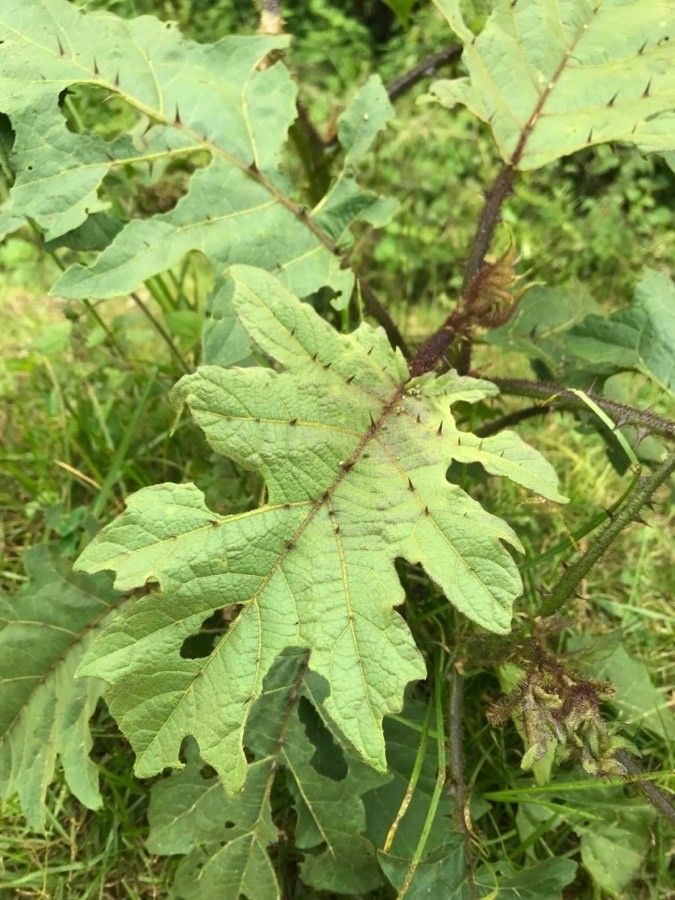
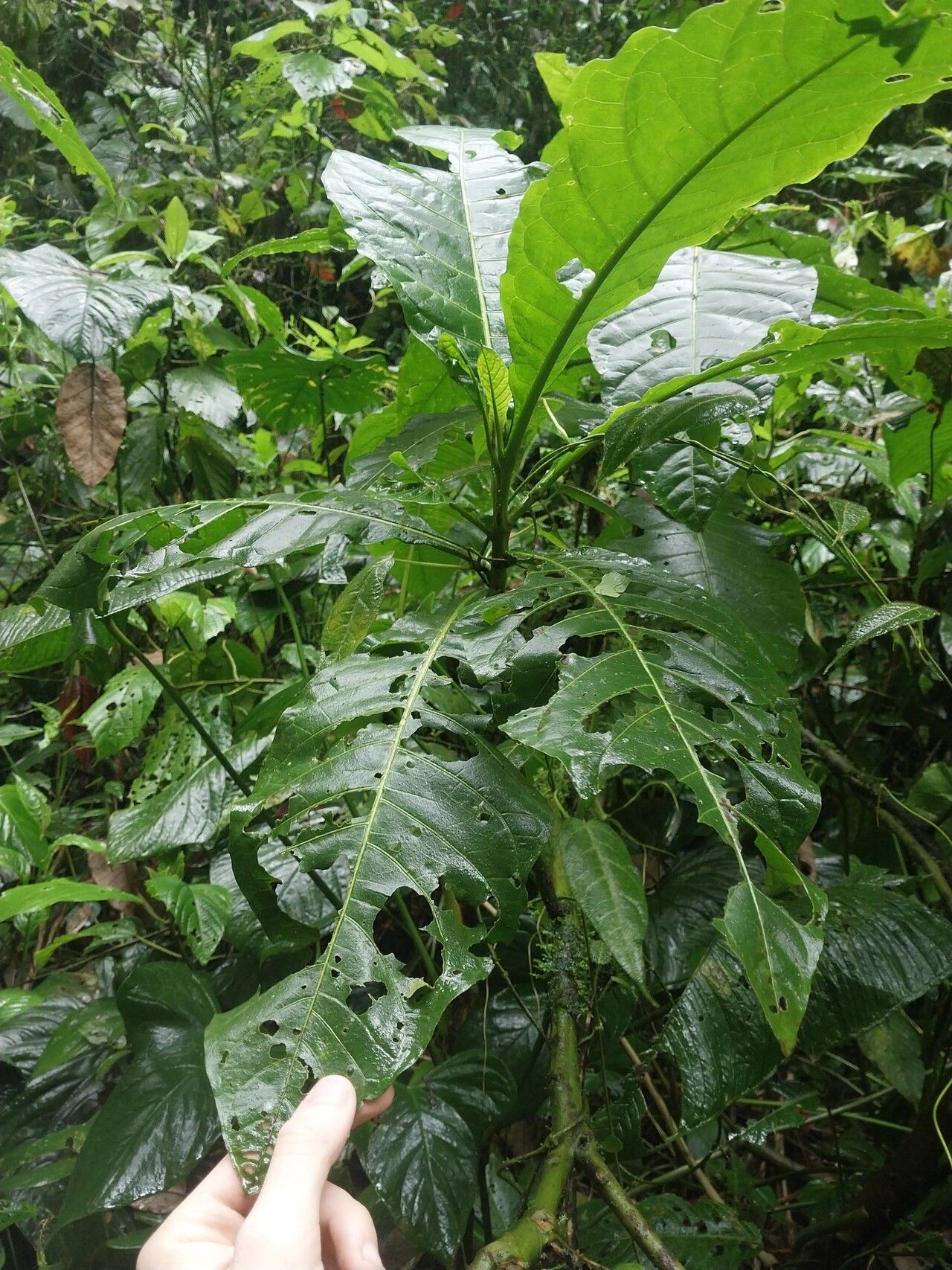
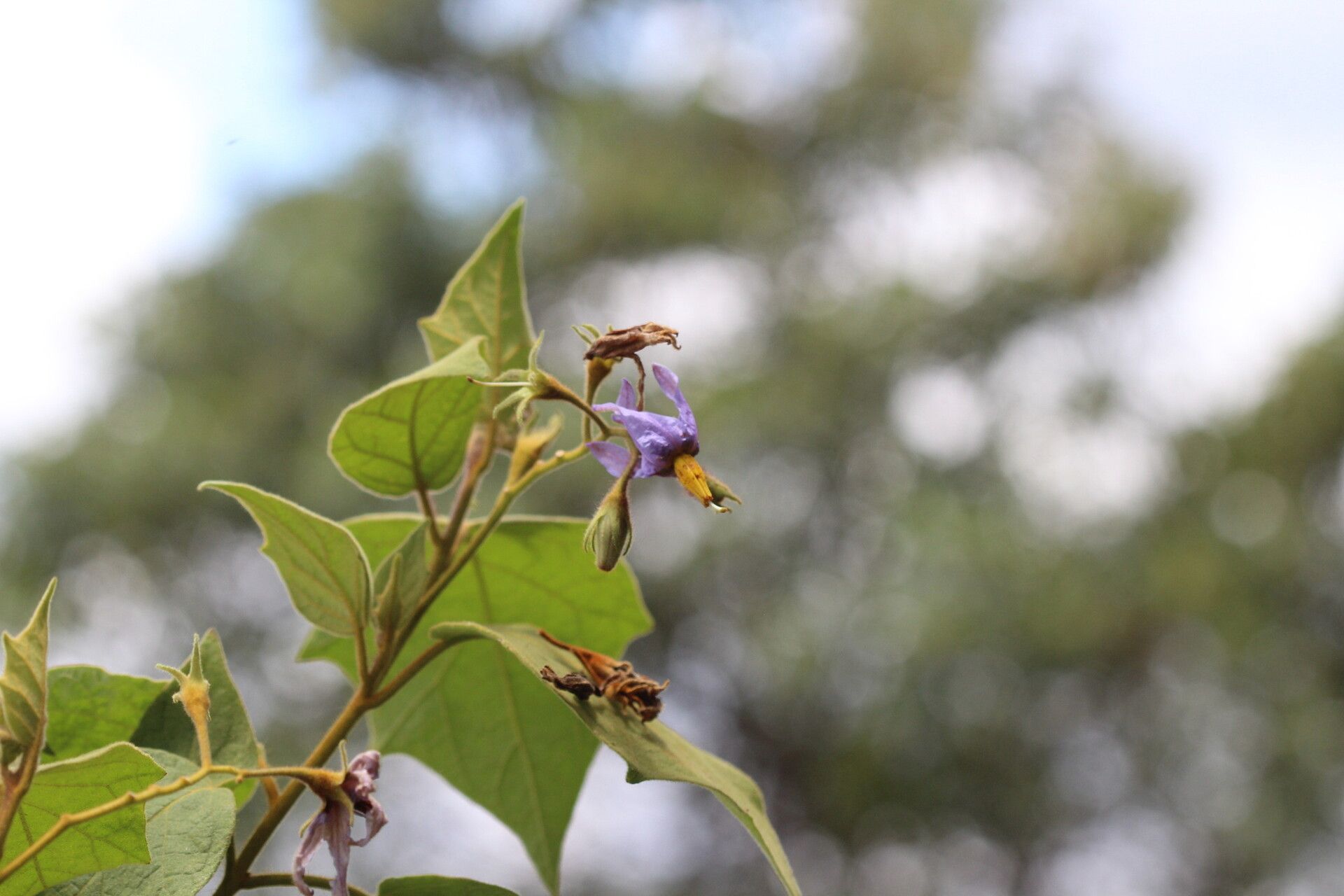
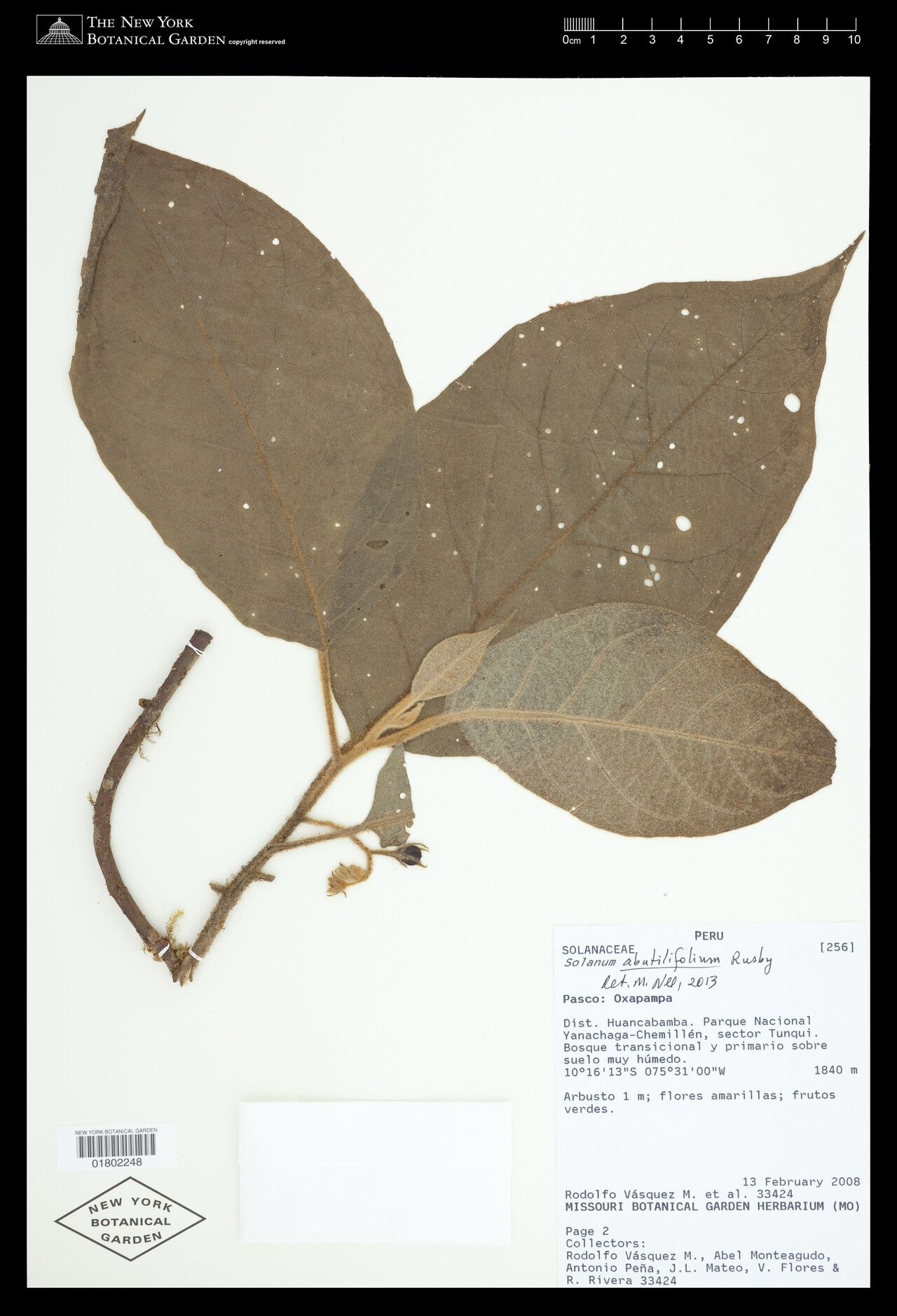
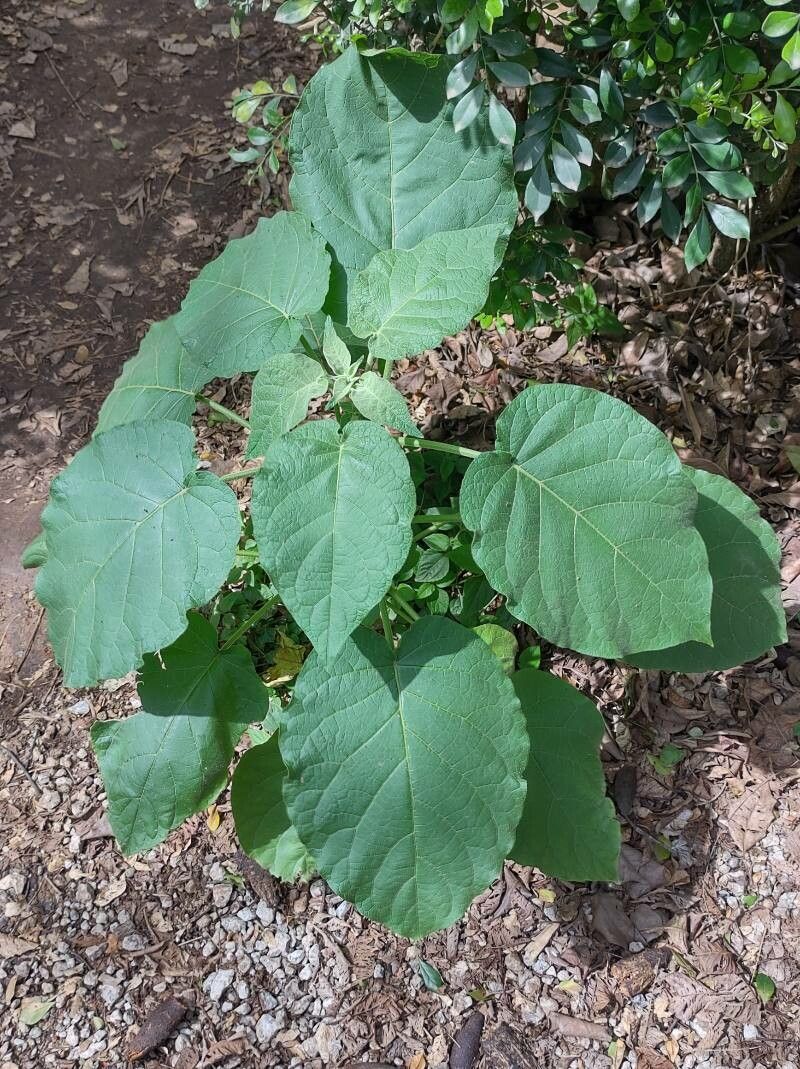
Solanum aculeatissimum, known as Dutch eggplant, and love-apple, is a weedy shrub that bears small, 2–3 cm pale yellow fruit following white flowers with characteristic Solanum yellow stamens.
Soda-apple nightshade has strong resistance to diseases and is generally not susceptible to them. Still, it can be affected by pests and diseases present in its environment. These outbreaks are typically mild. Regarding care, this plant needs a moderate amount of attention. It should be pruned regularly to keep a neat appearance and support healthy growth. Applying fertilizer can also encourage more flowering. Soda-apple nightshade is appropriate for anyone with outdoor areas like a garden or patio and does not demand extensive gardening experience. It may need extra care if cultivated indoors.
How to keep Solanum Aculeatissimum.
Light
The soda-apple nightshade flourishes remarkably well in plentiful sunlight and can even deal with intermediate light levels. It originates from environments rich in sunlight, so its growth is highly impacted by the quantity of light it gets. Too much or too little light can both harm the wellbeing of this plant.
Temperature
The soda-apple nightshade is native to tropical areas known for their warm and humid climate. It, therefore, thrives in heat and humidity, but is not fond of unexpected alterations in temperature. It prefers a consistent temperature setting, so preventing indoor temperature swings is crucial. This plant typically isn't resistant to cold weather and demands warmth for its growth. Should the surrounding temperature fall excessively, it could halt the growth of the plant or potentially cause it to perish.
Fertilizer
The soda-apple nightshade plant needs the highest amount of fertilizer during its growing season, namely in the spring, summer, and the beginning of autumn. This fertilization is crucial to supply vital nutrients the soil might be missing, encouraging strong root and stem growth, along with appealing leaves, a distinctive characteristic of this particular species.
Botanical profile.
- Plant Type
- Herb, Shrub
- Life Cycle
- Perennial
- Genus
- Solanum
- Family
- Solanaceae
- Hardiness Zone
- 9-11
- Mature Height
- 0.91 m to 3.05 m
- Mature Spread
- 49 cm to 91 cm
- Leaf Color
- Green, Blue
- Leaf Type
- Evergreen
- Flower Color
- White
- Flower Size
- 0.10 cm to 0.76 cm
- Bloom Time
- Late spring, Summer, Early fall, Mid fall
- Planting Time
- Spring, Summer, Autumn
- Harvest Time
- Mid summer, Late summer, Fall, Early winter
Other names.
Reader questions.
What are the sunlight requirements for Soda-apple nightshade?
Soda-apple nightshade requires ample sun exposure for optimal growth, thriving significantly in environments that offer full sun for more than 6 hours a day or partial sun about 3-6 hours daily. Originating from habitats rich in sunlight, its growth and health are closely linked to the amount of light it receives. Both over-exposure and under-exposure to sunlight can have detrimental impacts on the plant. It's essential to monitor the sunlight patterns in your garden, aiming for spots that provide a balanced amount of light and shade to ensure the well-being of your Soda-apple nightshade.
What is the botanical name of Soda-apple nightshade?
The botanical name of Soda-apple nightshade is Solanum aculeatissimum.
How can artificial lighting support Soda-apple nightshade growth indoors?
When natural sunlight is limited, especially during winter or in less sunny locations, artificial lighting can be crucial for the growth of indoor Soda-apple nightshade plants. Adequate lighting is necessary for optimal growth, and artificial lights, such as LED lights, can be customized to offer the specific wavelengths needed by the plant. For full sun plants, 30-50W/sq ft is recommended; for partial sun plants, 20-30W/sq ft; and for full shade plants, 10-20W/sq ft of artificial light. The light source should be positioned 12-36 inches above the plant, simulating natural sunlight as closely as possible. Most plants will benefit from 8-12 hours of light per day to mimic natural daylight conditions.
What are the symptoms of inadequate lighting for Soda-apple nightshade?
Inadequate lighting can lead to several symptoms in Soda-apple nightshade, including smaller new leaves, leggy or sparse growth, faster leaf drop, slower or ceased new growth, and leaves developing irregular color patterns or appearing lighter, indicating a lack of chlorophyll. Excessive sunlight can cause chlorosis, where leaves lose their green color and turn yellow, sunscald characterized by pale or necrotic areas on leaves or stems, leaf curling as a defense mechanism to reduce surface area exposed to sunlight, wilting due to increased water loss, and leaf scorching from excessive sunlight exposure.
How can lighting conditions be optimized for Soda-apple nightshade?
Optimizing light conditions for Soda-apple nightshade involves a combination of techniques depending on whether the plant is grown indoors, outdoors, or directly in the ground. For indoor plants, gradually moving them to sunnier spots to achieve at least 6 hours of direct sunlight daily, or using artificial light sources like desk lamps or professional grow lights for at least 8 hours a day, can help. Outdoors, gradually acclimatize your plant to sunlight to prevent sunburn. If dealing with obstructions like trees, pruning can improve sunlight exposure. For smaller plants, consider transplanting during their dormant period to a location with better sunlight and drainage. It's essential to adapt these strategies based on the plant's specific needs and the available sunlight.