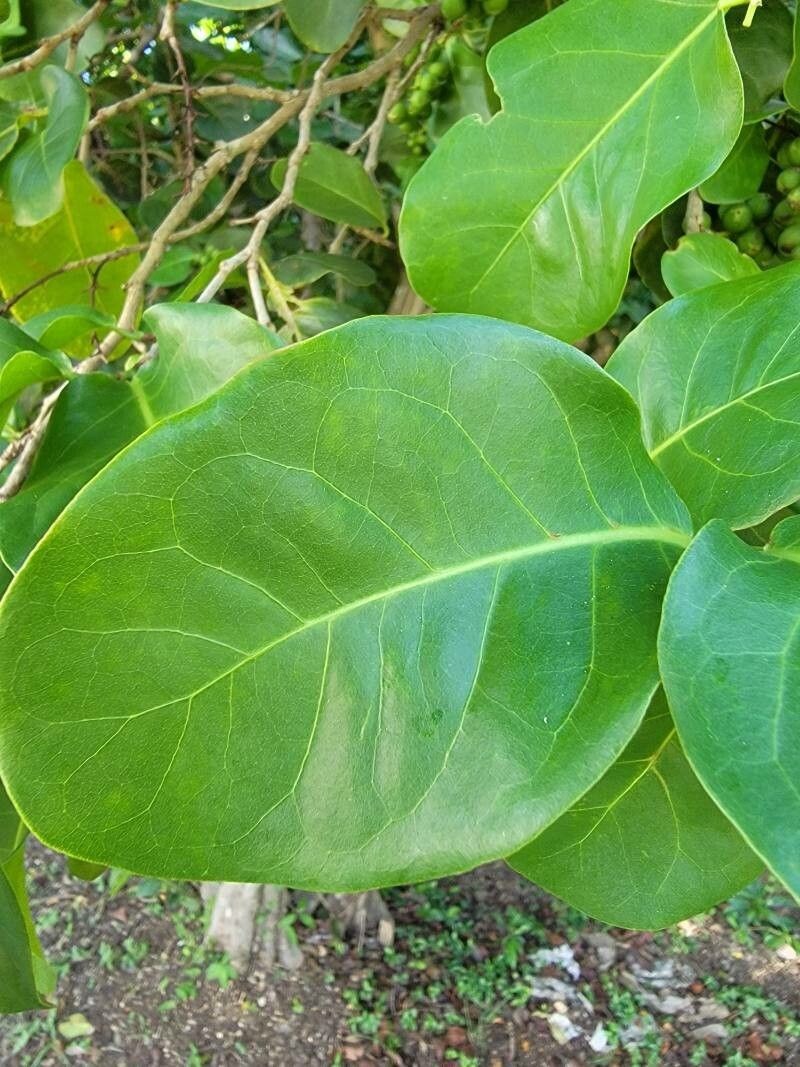
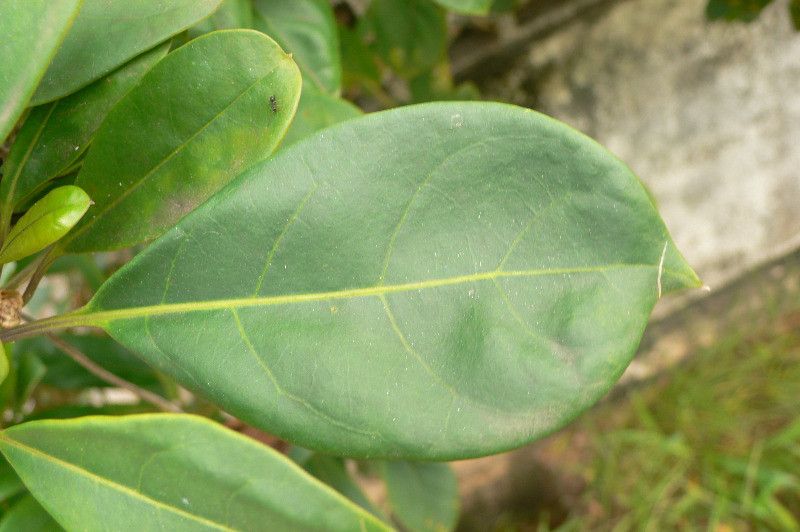
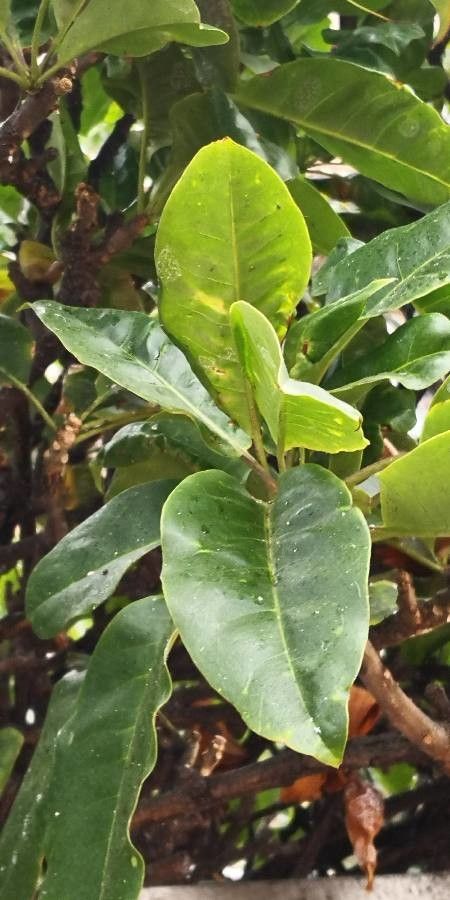
Solandra maxima, commonly known as the Cup of Gold vine, is a tropical evergreen vine that belongs to the Solanaceae family. Native to Central and South America, this plant can reach up to 30 feet in length. It features large, glossy green leaves that are heart-shaped and can grow up to 10 inches long.
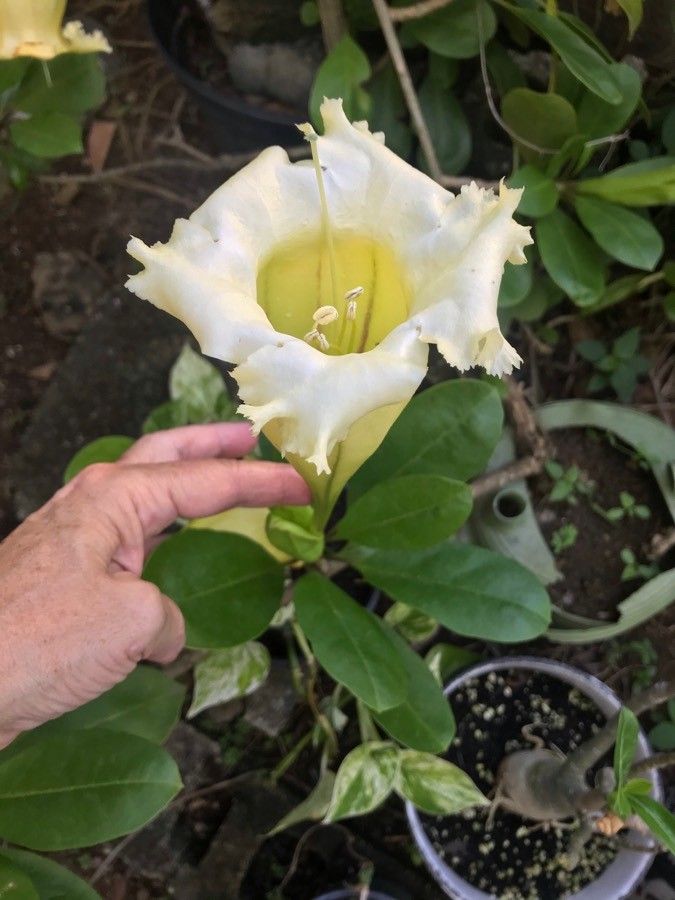
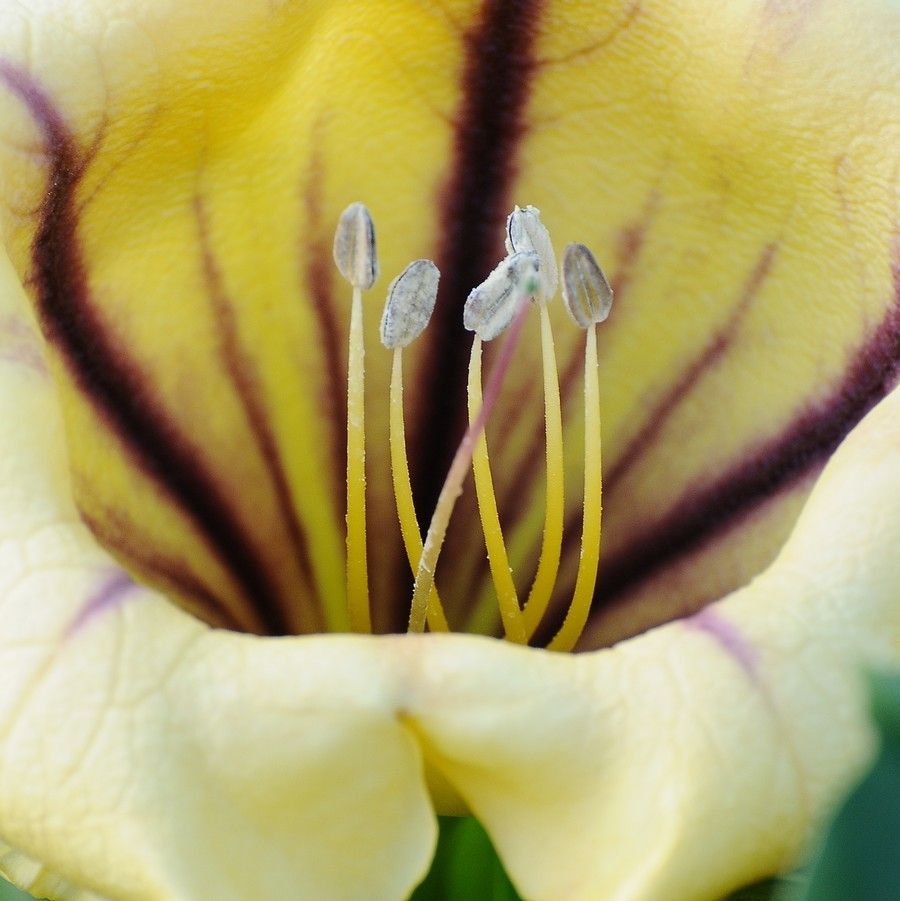
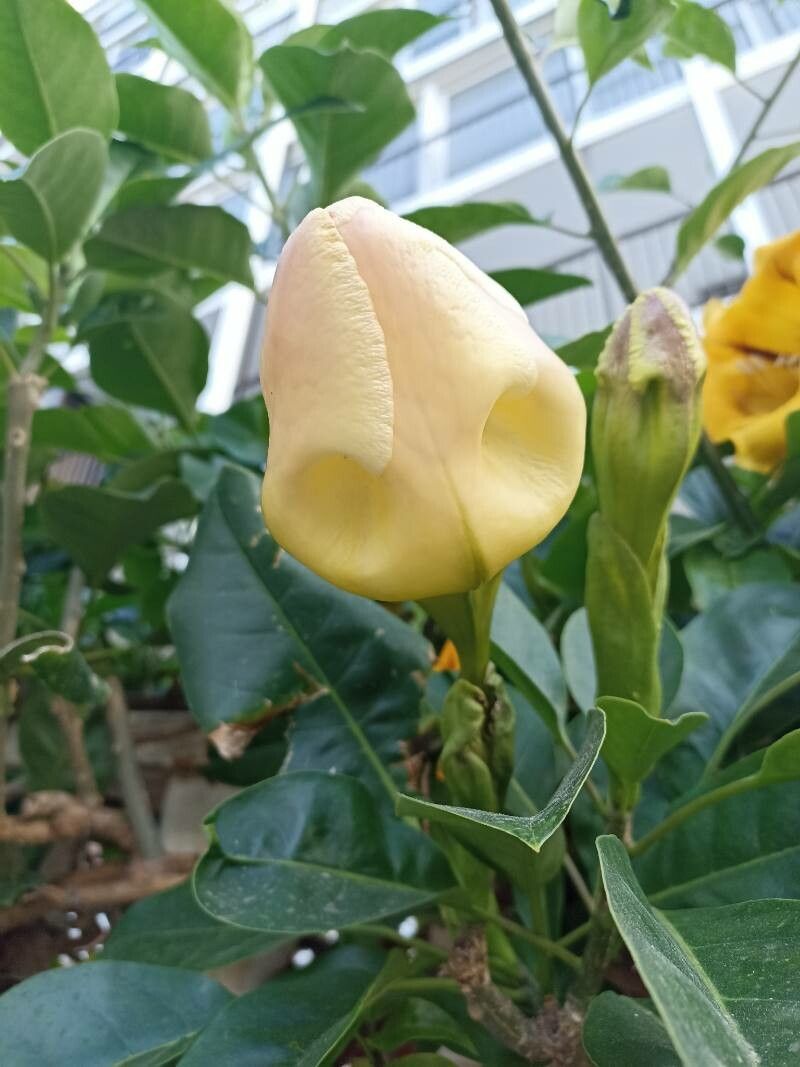
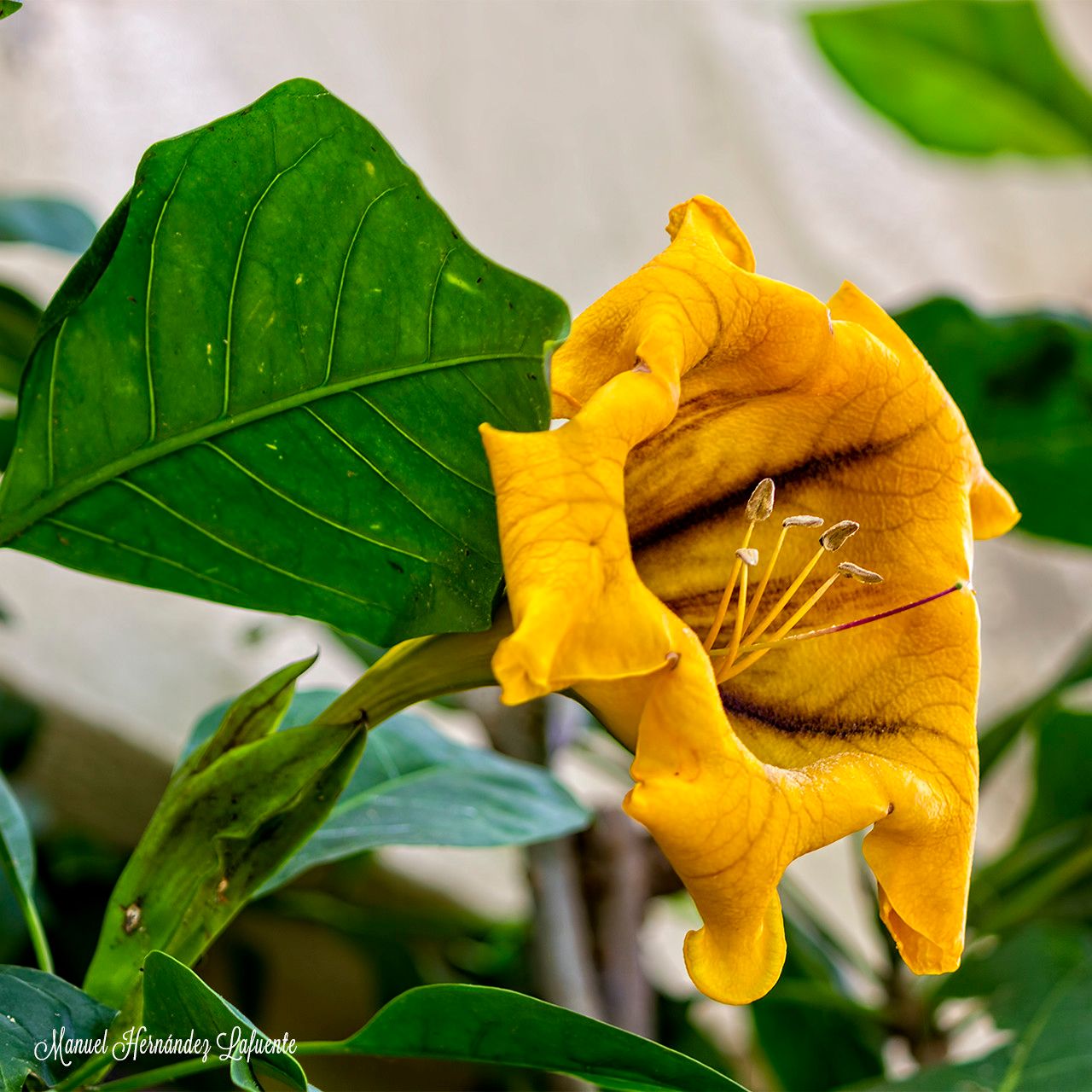
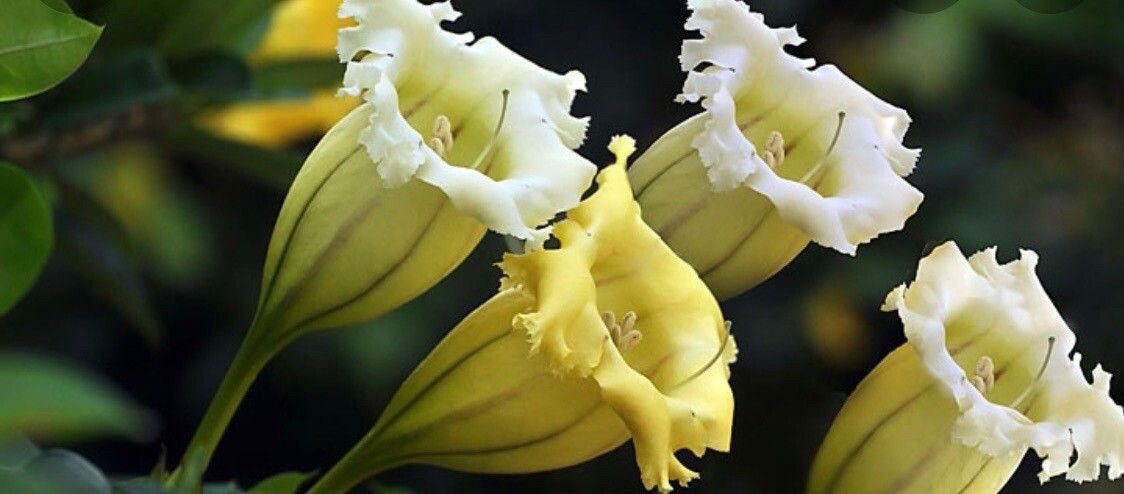
The Cup of Gold vine produces striking, trumpet-shaped flowers that are golden yellow with a deep maroon throat. These fragrant flowers can reach up to 6 inches in length and attract bees, butterflies, and hummingbirds.
Solandra maxima thrives in full sun or partial shade and requires well-draining soil. While it is drought-tolerant, regular watering during the growing season promotes optimal growth. The plant can be propagated through stem cuttings or layering.
Indigenous peoples have used the Cup of Gold vine for medicinal purposes for centuries, as it contains alkaloids with anti-inflammatory properties. However, it is important to note that all parts of the plant are toxic if ingested.
Overall, Solandra maxima is an attractive tropical plant with stunning golden yellow flowers, making it an excellent choice for gardeners seeking a visually striking addition to their garden or landscape design.
Cup of gold vine is resistant to disease and generally not liable to illnesses. As for care, the plant is fairly low-maintenance. Planted outdoors it needs little watering, and larger specimens usually do not require pruning. Smaller plants, however, should be pruned after they finish blooming. Cup of gold vine is suitable for anyone with outdoor space, like a garden or deck, and does not demand much prior care experience.
How to keep Solandra Maxima.
Light
The cup of gold vine does best outdoors in open conditions where sunlight can reach it freely. Its vigor and general health are highly affected by continuous exposure to sunlight. It naturally grows in open woodland, underlining the plant's need for abundant sun. Both too little and too much light can stress the plant.
Water
The cup of gold vine, originating from tropical regions, thrives in high humidity and consistent moisture. Although it is moderately drought-tolerant, it prefers to be watered weekly. Regular watering is especially important during its active growing season to ensure vigorous growth and the development of large blooms.
Temperature
Cup of gold vine is native to habitats with temperatures ranging from 59 to 100°F (15 to 38℃). It prefers warmer climates but can tolerate somewhat colder conditions. Adjust environmental temperatures across seasons accordingly for optimal growth.
Fertilizer
Correct timing is essential for fertilizing the Cup of gold vine. Begin fertilizing in early spring and continue monthly until early summer. Fertilizer encourages attractive blooms and supplies energy during both dormant and active growth phases.
Pruning
The cup of gold vine is known for its large, trumpet-shaped flowers and vigorous growth. To promote healthy growth and abundant blooms, prune the plant in early spring to remove any dead branches. Regular maintenance is important to manage its size and to prevent unwanted spreading. Be sure to sanitize your tools before use to prevent the transmission of diseases.
Pot & Repot
Repot your cup of gold vine every 2 to 3 years during the spring to encourage healthy growth. Choose a larger, sturdy container and use well-draining soil. After repotting, place the plant in bright, indirect light and water it consistently. Additionally, use a trellis to support the vine, which helps maintain its health and encourages vibrant blooms.
Botanical profile.
- Plant Type
- Vine
- Life Cycle
- Perennial
- Genus
- Solandra
- Family
- Solanaceae
- Hardiness Zone
- 8-11
- Mature Height
- 10.06 m
- Mature Spread
- 91 cm
- Leaf Color
- Green, Orange
- Leaf Type
- Evergreen
- Flower Color
- Gold
- Flower Size
- 15.24 cm to 30.48 cm
- Bloom Time
- All year round
- Planting Time
- Spring, Autumn
- Harvest Time
- All year round
- Native Area
- Colombia, Honduras, Mexico, Guatemala, Venezuela, Nicaragua, Ecuador, Costa Rica, Panama
Other names.
Reader questions.
How should I water my Cup of gold vine?
To ensure excellent root development, place a garden hose at the base of the plant, being mindful not to directly spray the leaves. If the plant is outdoors and exposed to direct sunlight, the leaves may require more watering. You can use bubblers or soaker hoses for each plant to keep the roots moistened. When adding or removing plants, use soaker hoses that cover the entire garden or bed to ensure deep root penetration. Drain any excess water and wait for the soil to dry before watering again. Watering at ground level helps prevent diseases. On a sunny day, consider spraying the entire bush with water. Whether the Cup of gold vine is in a pot or planted in the ground, it prefers deep watering rather than light sprinkling.
Why should I add fertilizer to my Cup of gold vine?
Fertilizing your Cup of Gold vine has several important benefits. One of the most obvious is that it helps the vine produce beautiful blooms. It is recommended to fertilize the vine in early spring to ensure excellent flowers during that season. Additionally, fertilizer provides the vine with energy that can be stored in the ground during its dormant growth phases. By giving the vine extra nutrients during fall planting or late spring, it can store more energy to use when active growth begins again.
What are the sunlight requirements for Cup of gold vine?
Cup of gold vine thrives under full sun conditions, requiring more than 6 hours of sunlight daily for optimal growth. It's essential to observe how sunlight moves through your garden to ensure you place your plants in areas that balance light and shade effectively, catering to their needs while preventing stress from too much or too little light. The plant's natural habit is in open woodlands, indicating its preference for abundant sunlight.
What is the native climate for the Cup of Gold Vine?
The Cup of Gold Vine, botanically known as Solandra maxima, thrives in environments where temperatures range from 59 to 100°F (15 to 38°C). It prefers warmer climates but can adapt somewhat to cooler ones. It's important to adjust environmental temperatures across different seasons to ensure optimal growth of the Cup of Gold Vine.
What should I do if I give Cup of gold vine too much or too little water?
When a Cup of gold vine is overwatered, its leaves can turn yellow, drop off, and wilt. The plant may appear dull, unhealthy, and have mushy stems. To address these signs, it's important to adjust your watering schedule. Wilting can also be a sign of under watering, and in this case, the leaves will become crispy and dry. If the soil is dry and simply watering is not enough, it's best to give the plant a thorough watering. However, even with enough water, the Cup of gold vine may still have yellow leaves and appear dry due to the damaged root system. Once it returns to normal, the yellowing of leaves will stop. When keeping the Cup of gold vine indoors, check the moisture levels in the pot and avoid overwatering. If you notice black spots, let the soil dry out by refraining from watering for a few days. Overwatering can lead to root rot, so if you see discolored and slimy roots, consider transferring the plant to a different pot. It's important to prevent root rot by not letting the soil become too soggy. When planting the Cup of gold vine outdoors, make sure to dig a little deeper and check the soil moisture with your fingers. If it feels too dry, it may be a sign of underwatering, and adequate watering is necessary for the plant to recover.
When should I fertilize my Cup of gold vine?
Proper timing is essential for fertilizing Cup of gold vine. Applying fertilizer too early while the vine is dormant will be ineffective and washed away by rainwater, leading to waste and pollution. The first application of fertilizer should be in early spring, followed by monthly fertilization until early summer.
Why is sunlight important for Cup of gold vine, and how can artificial lighting help?
Sunlight plays a crucial role in the vitality and health of the Cup of gold vine, with its growth environment naturally being open woodlands, highlighting its need for plentiful sunlight. In conditions where natural sunlight is insufficient, especially during winter or in less sunny spaces, artificial lighting can be a vital support for optimal plant growth. Indoor plants benefit from adequate artificial lighting, such as LED lights, which can be customized to provide specific wavelengths needed for the plant. For full sun plants, 30-50W/sq ft of artificial light is recommended, while partial sun and full shade plants require 20-30W/sq ft and 10-20W/sq ft, respectively. The light source should be placed 12-36 inches above the plant, and it is vital to mimic natural daylight hours, ensuring the plant receives about 8-12 hours of light per day.
Does the Cup of Gold Vine have any cold tolerance?
Yes, the Cup of Gold Vine exhibits moderate cold tolerance. Generally, it does not require any additional cold protection measures when the temperature is above -5°C. However, if temperatures are expected to fall below -5°C, temporary measures should be taken for cold protection, such as wrapping the plant in plastic film, fabric, or other materials. These protective measures should be promptly removed once temperatures rise again.
How frequently should I water my Cup of gold vine?
The Cup of gold vine prefers deep, infrequent watering. If they're planted in pots, it's especially important to soak them in a gallon of water each time, as the limited water storage in pots causes the soil to dry out faster. In cold regions, watering is needed every 3 to 5 days. Water your plant early in the morning when the soil is dry, both indoors and outdoors. You can also check the soil moisture by feeling it or observing the top 2-3 inches of soil. If it's dry, it's time to give the plant a thorough watering. On hot days, check the moisture daily, as the heat can quickly dry out the pot soil. If you have a garden, irrigation is necessary. In hot climates, water once a week, making sure about 2 to 3 inches of soil is dry before watering. Avoid overwatering during rainy periods to prevent root rot. The Cup of gold vine typically grows in spring and fall. When outdoors, adding a 3 to 4-inch layer of mulch can help conserve water. Sandy soil requires more frequent watering due to faster drainage, while clay soil needs less frequent watering to prevent root rot. You can keep track of watering dates on a calendar and watch for drooping leaves, which may indicate the need for watering.
When should I not put fertilizer on my Cup of gold vine?
To help Cup of gold vine thrive, it is important to choose a fertilizer with less nitrogen and a higher balance of other nutrients. Avoid fertilizing in late autumn, as this can lead to excessive growth before winter. Similarly, avoid fertilizing during hot and dry times of the year when the soil is not as effective at delivering nutrients. This can stimulate growth that requires more water, which may not be available. Instead, it is best to apply fertilizer earlier in the season when temperatures are cooler. Additionally, be careful not to accidentally over-fertilize nearby plants or lawns, as Cup of gold vine can absorb fertilizer from its surroundings.
What are the symptoms of inadequate light in Cup of gold vine?
When Cup of gold vine does not receive sufficient sunlight, it may exhibit several symptoms, including smaller new leaves, leggy or sparse growth, premature leaf drop, slower or ceased growth, pale new leaves, chlorosis (yellowing of the leaves), sunscald, leaf curling, wilting, and leaf scorching. These symptoms often indicate that the plant is struggling with light deficiency, impacting its ability to grow healthily.
What should I do if the temperature falls below -10°C?
If the temperature falls below -10°C, the Cup of Gold Vine's leaves may start to droop and, in severe cases, wilt and eventually fall off. In such situations, you should trim off the frost-damaged parts of the plant. To prevent further damage, wrap the plant with non-woven fabric or cloth and construct a wind barrier to protect it from cold winds before encountering low temperatures again.