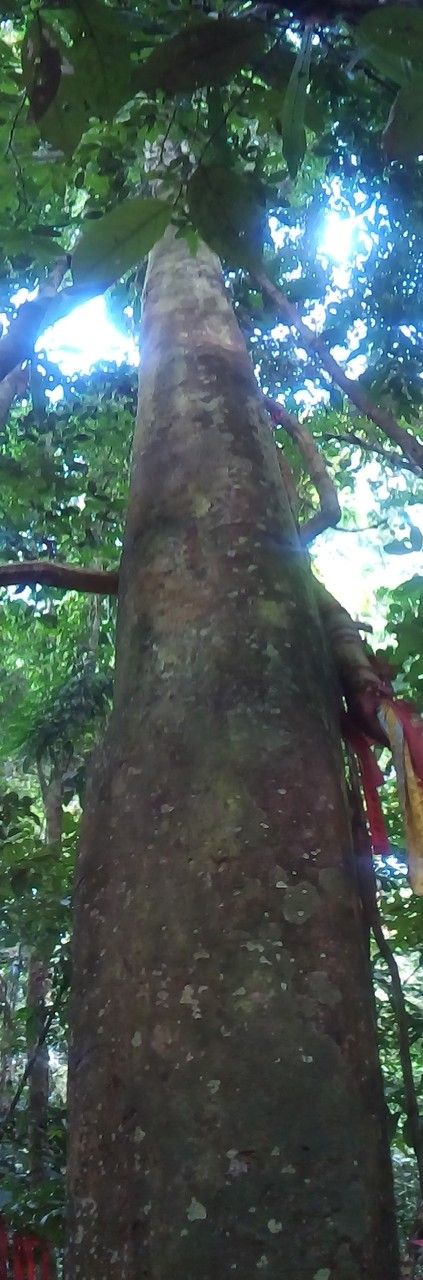
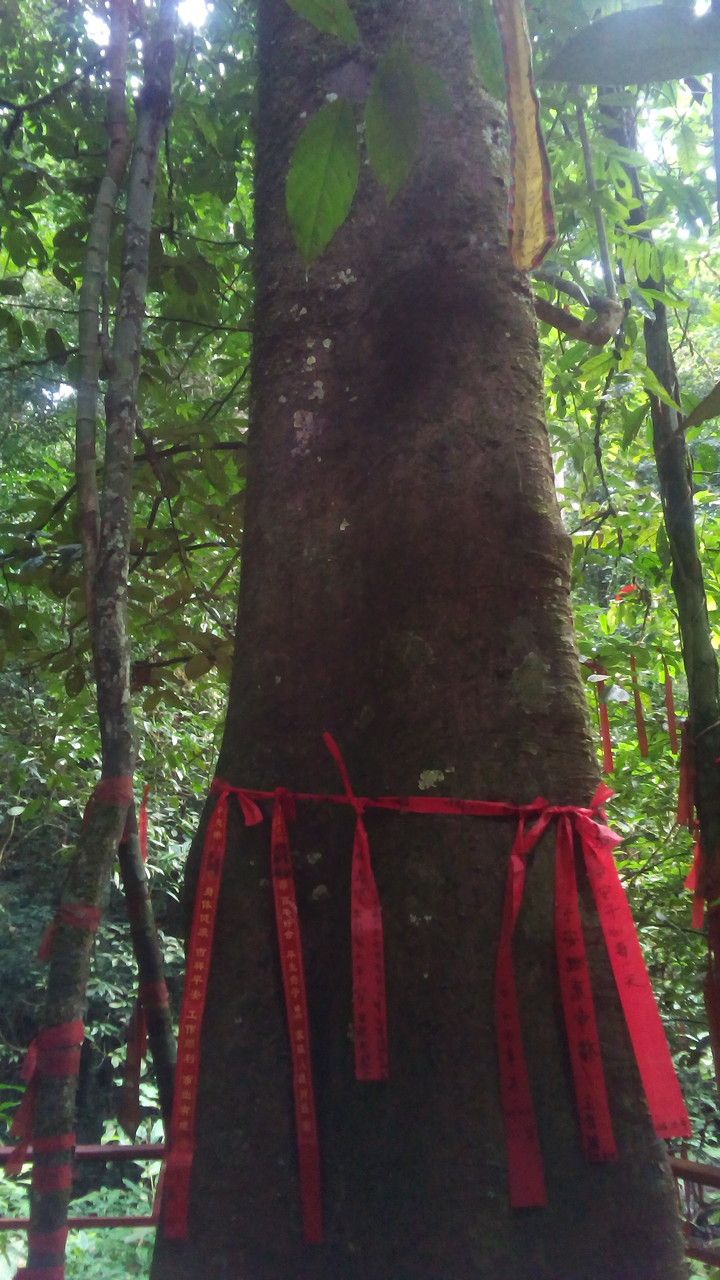
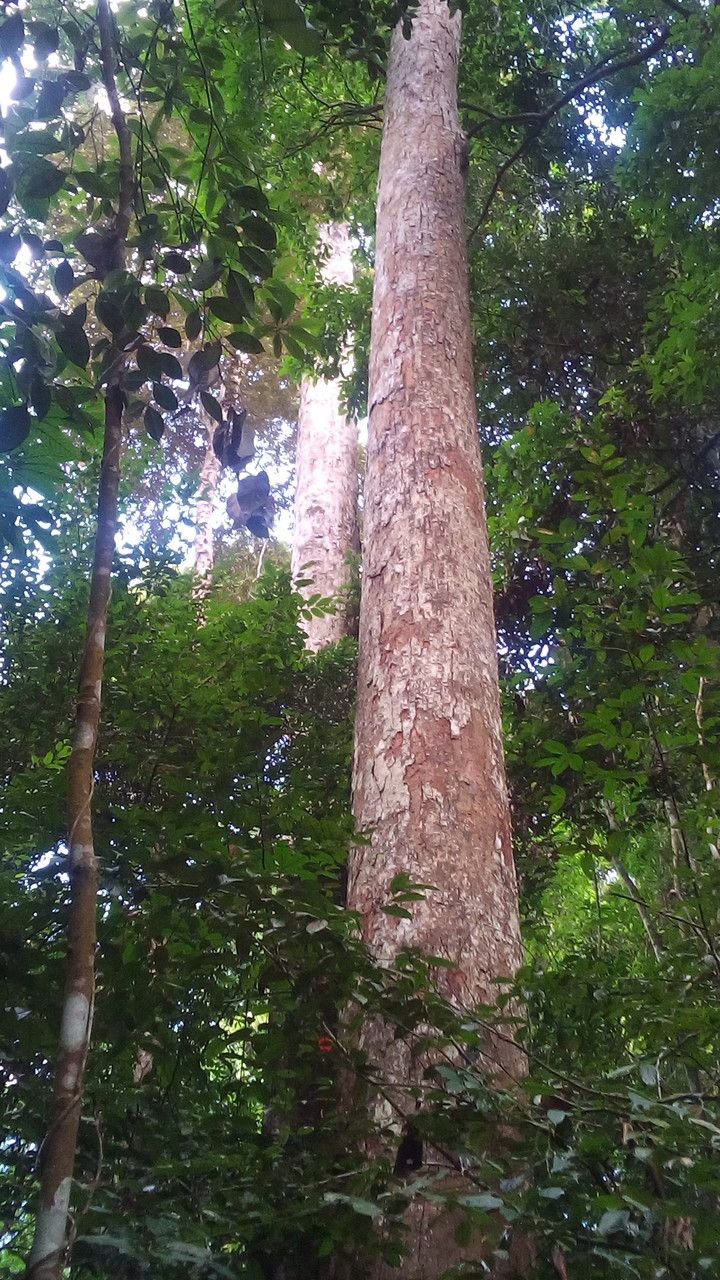
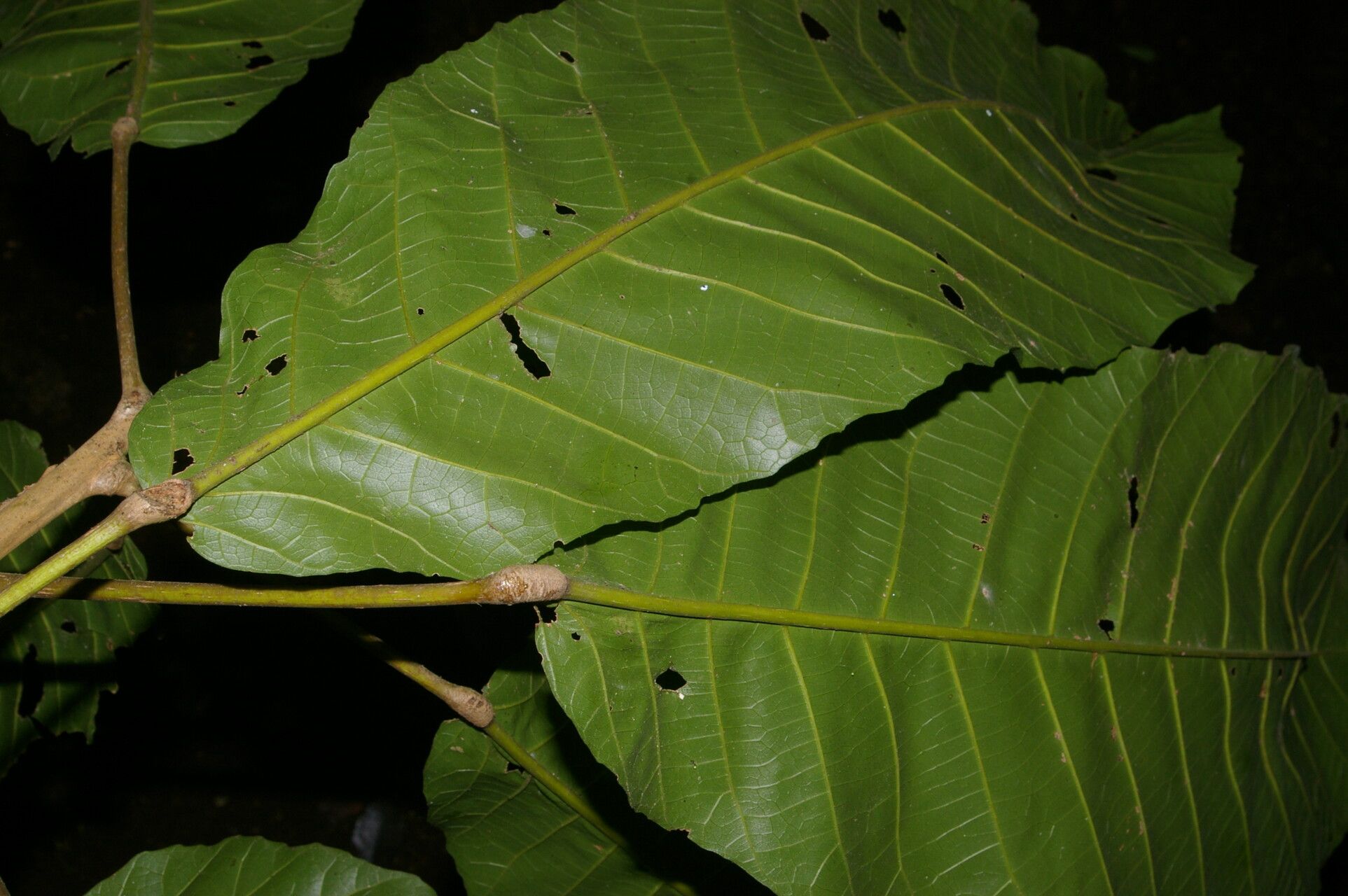
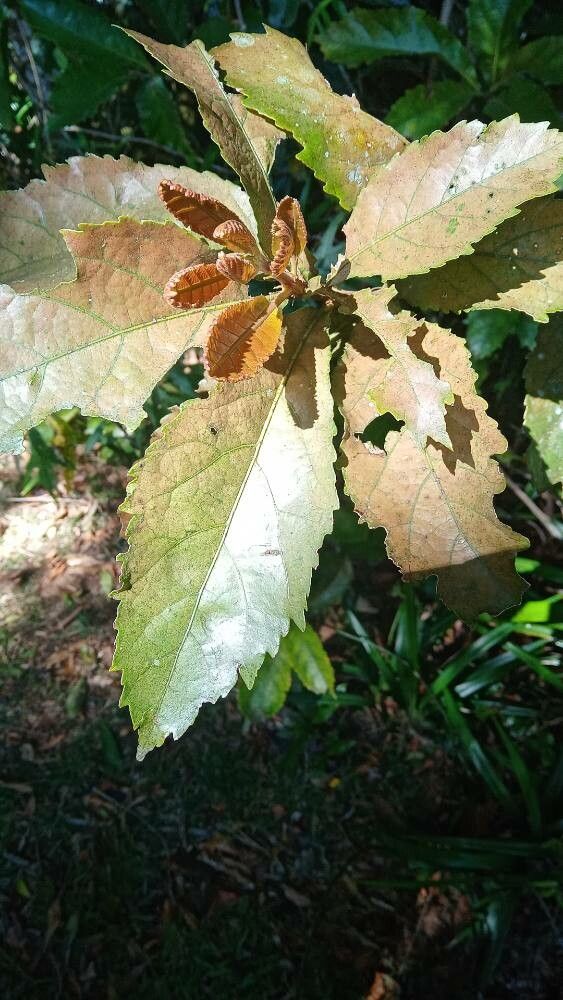
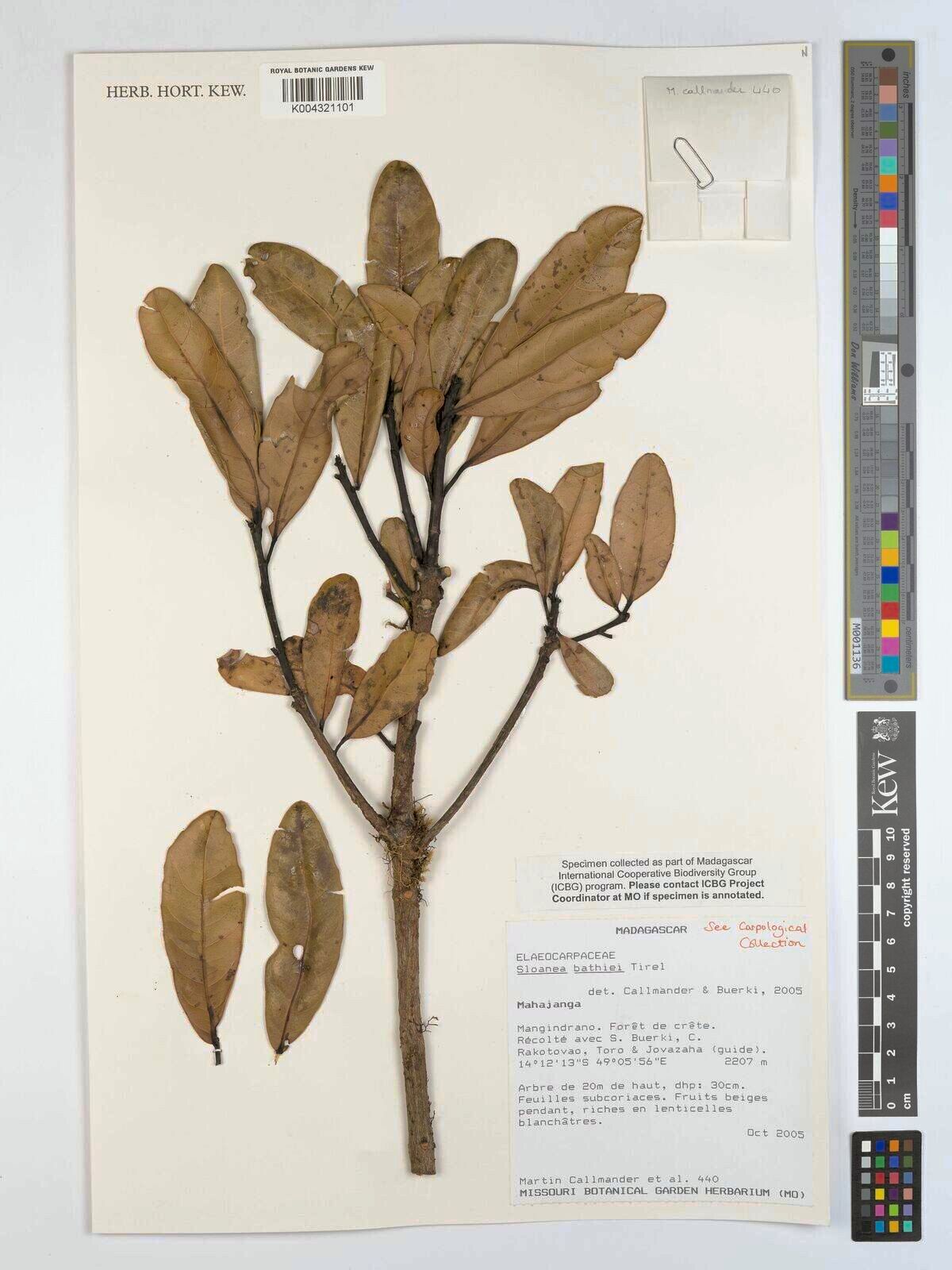
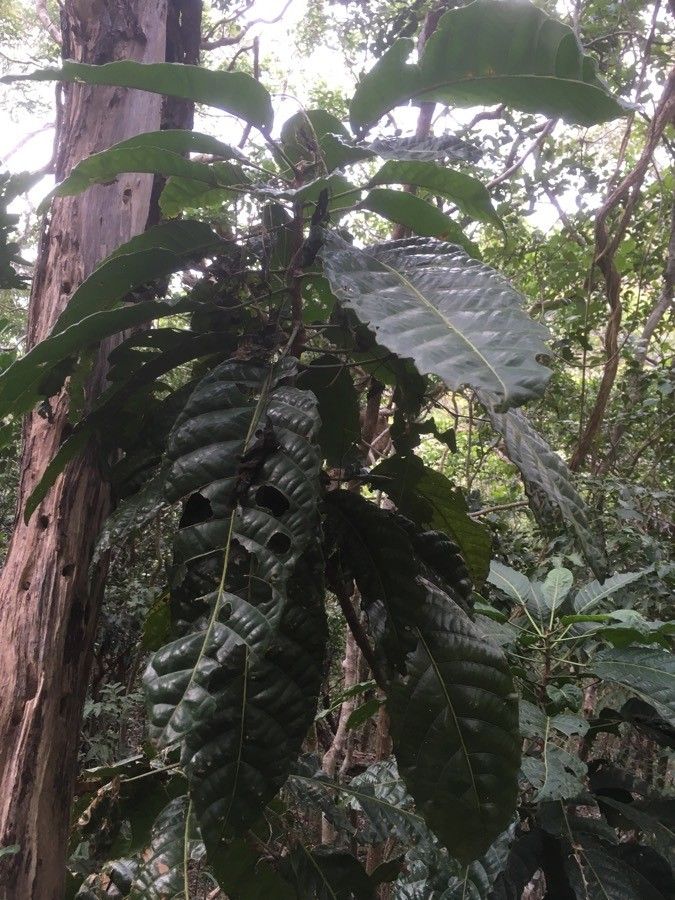
Sloanea dasycarpa is resistant to disease and, overall, is not easily affected by illnesses. With regard to care, this plant is fairly low-maintenance. When grown outdoors it needs only minimal watering, and larger plants typically do not require pruning. However, smaller plants should be pruned after they have finished blooming. Sloanea dasycarpat is appropriate for anyone with an outdoor area, such as a garden or deck, and does not need extensive care experience.
How to keep Sloanea Dasycarpa.
Light
Sloanea dasycarpa naturally occurs in habitats like forest understories and rocky sites, where it grows in shaded conditions. It prefers partial sun but can tolerate full sun or deep shade, showing its adaptable, hardy character.
Water
Sloanea dasycarpa thrives best in consistently moist environments, requiring weekly watering to maintain an evenly moist soil. It is typically grown outdoors, where it can benefit from natural rainfall. The plant aligns its growth cycle with the availability of water to maximize the benefits of seasonal rains.
Temperature
Sloanea dasycarpa comes from tropical areas, where the climate is generally warm and humid. Consequently, it is adapted to high heat and moisture. It does not tolerate sudden temperature changes and prefers steady temperatures, so avoiding temperature fluctuations indoors is important. It typically cannot endure cold conditions and needs higher temperatures to grow. If the ambient temperature becomes too low, the plant may stop growing or even die.
Fertilizer
Fertilizing is essential for the care of Sloanea dasycarpa. Regular feeding during the growing season keeps the plant’s energy up for its showy leaves and supports overall growth. Failing to fertilize can lead to unhealthy leaves, reduced ornamental value, and stunted or weak growth that is more likely to break.
Pruning
Sloanea dasycarpa features glossy leaves and distinctive fruit. For optimal growth, prune this plant from early to late winter. This will help remove dead or diseased branches, improve its shape, and enhance air circulation. Annual pruning promotes better flowering and overall health. Be sure to sterilize your tools to prevent the spread of disease. An open-center pruning technique can also be used to improve the plant's appearance.
Botanical profile.
- Plant Type
- Tree
- Life Cycle
- Perennial
- Genus
- Sloanea
- Family
- Elaeocarpaceae
- Hardiness Zone
- 10-12
- Mature Height
- 7.92 m to 11.89 m
- Mature Spread
- 10.06 m to 14.94 m
- Leaf Color
- Green
- Leaf Type
- Evergreen
- Flower Color
- White, Yellow
- Flower Size
- 1.02 cm to 3.56 cm
- Bloom Time
- Late spring, Early summer
- Planting Time
- Spring, Summer
- Harvest Time
- Late summer, Early fall, Mid fall
- Native Area
- Nepal, India, Myanmar, Bhutan, China
Reader questions.
What are the sunlight requirements for Sloanea dasycarpa?
Sloanea dasycarpa, also known as Sloanea dasycarpa botanically, thrives under specific sunlight conditions. They require partial sun, which means about 3-6 hours of sunlight daily, or full sun, which refers to more than 6 hours of sunlight per day. It's important to observe how sunlight moves through your garden, finding spots that offer a delicate balance of light and shade. This consideration ensures that your Sloanea dasycarpa plants remain healthy and happy.