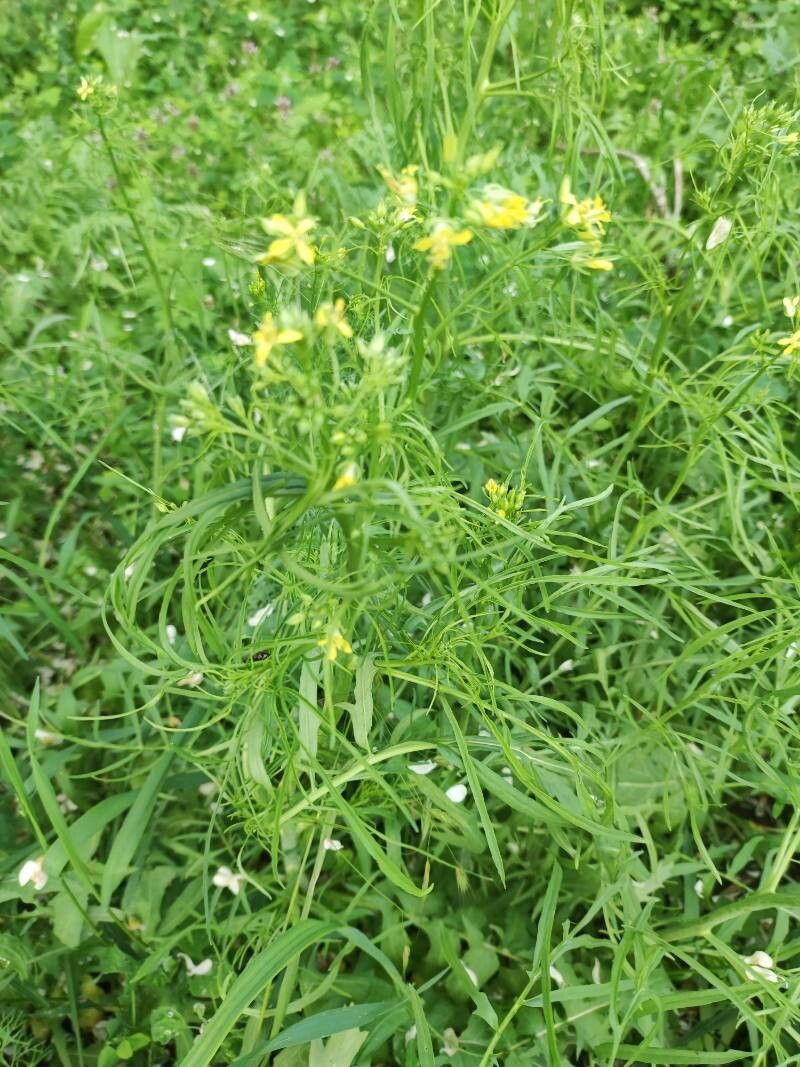
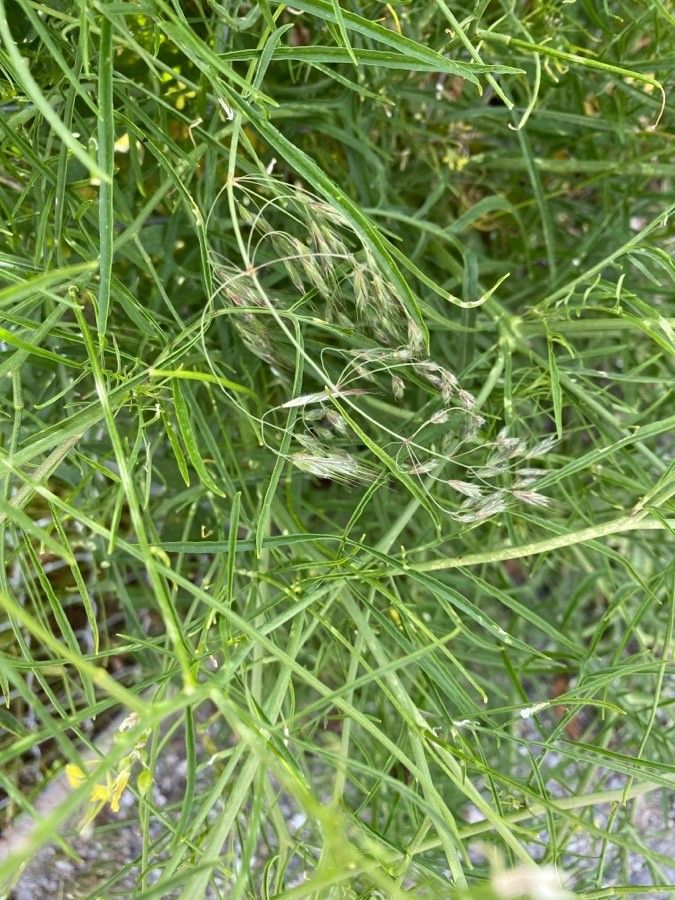
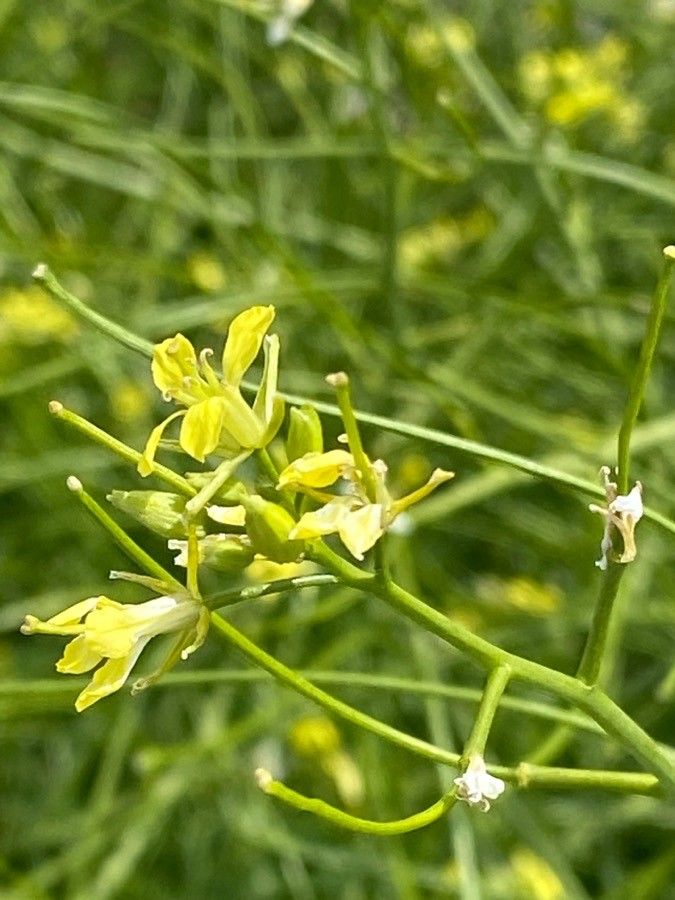
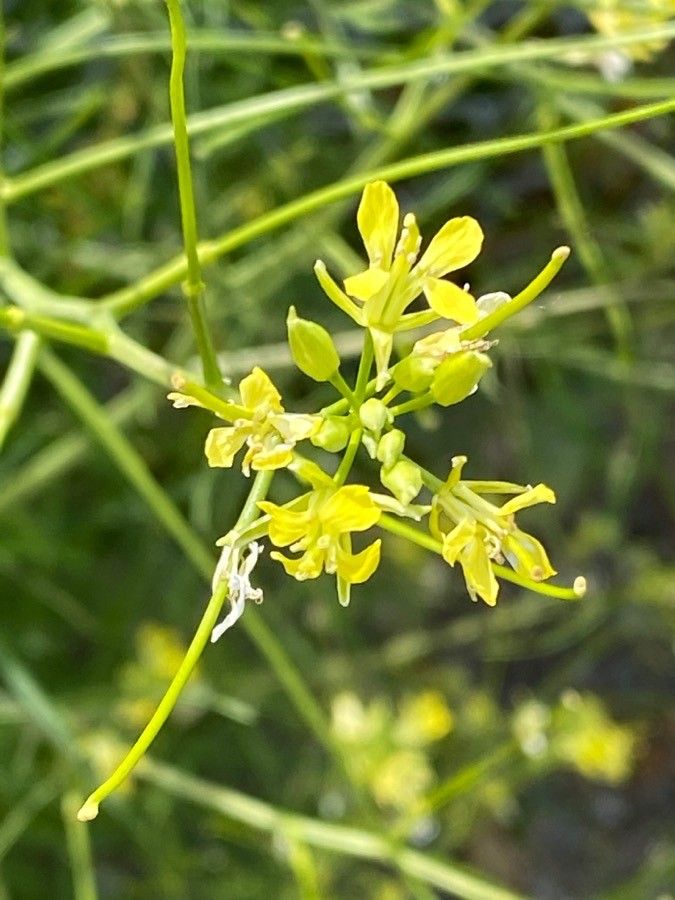
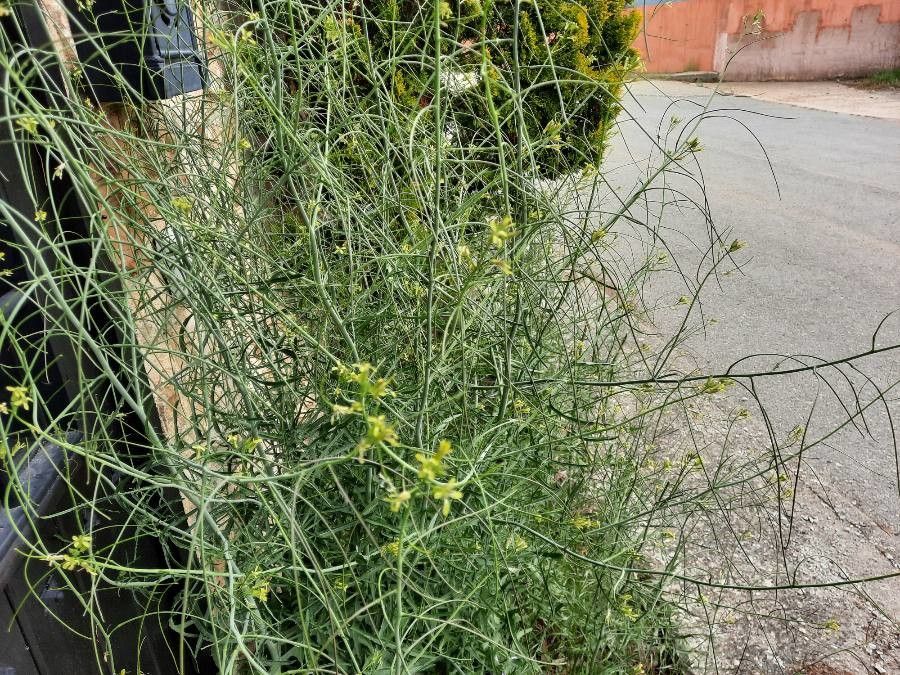
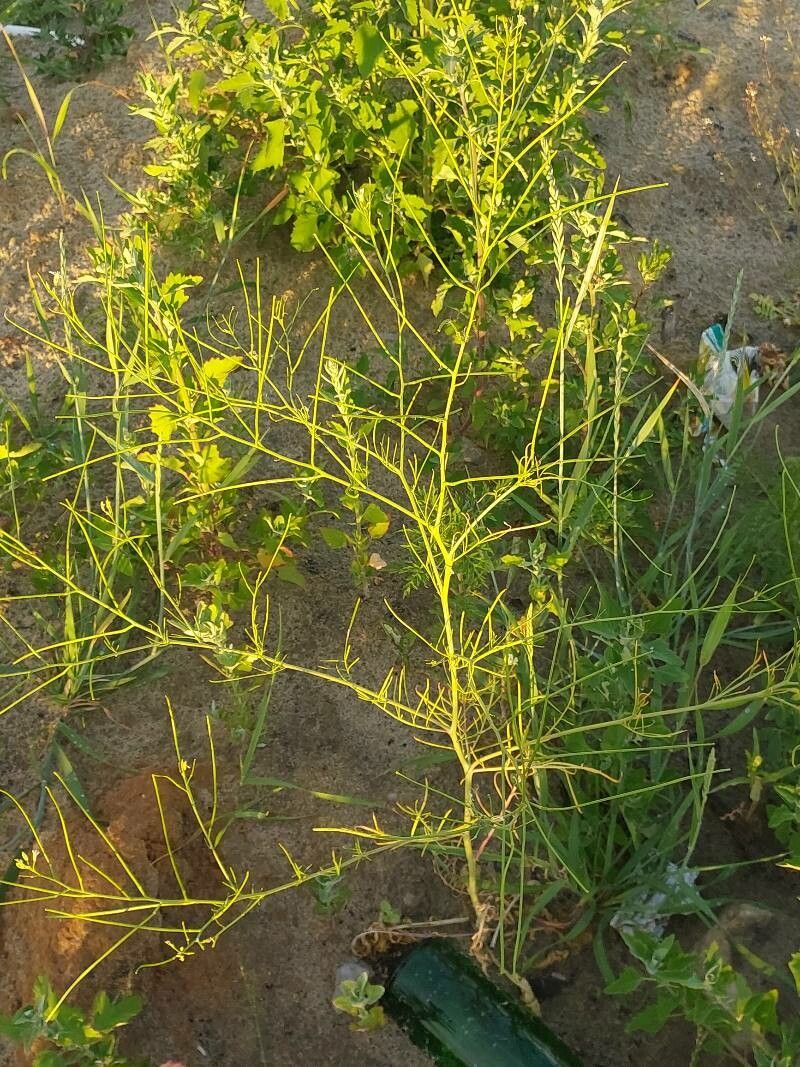
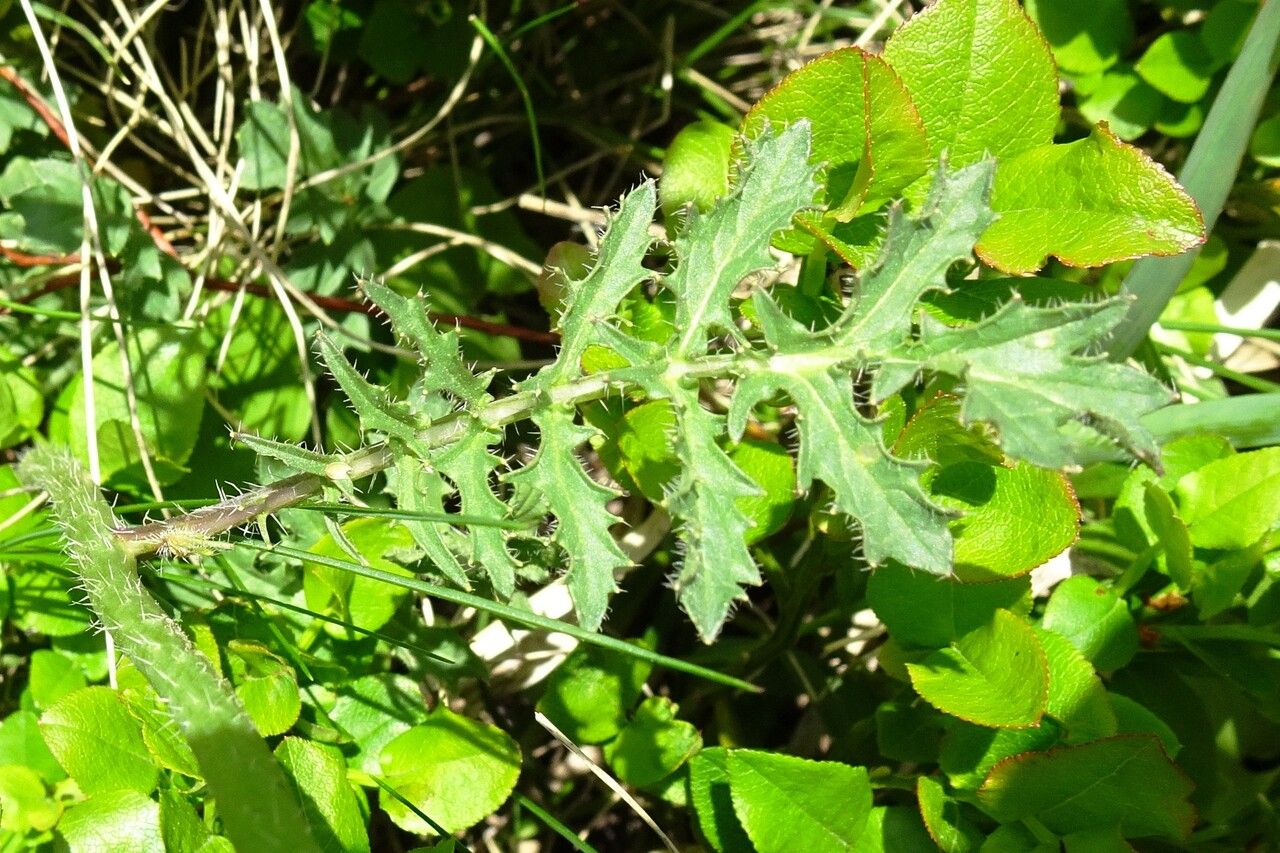
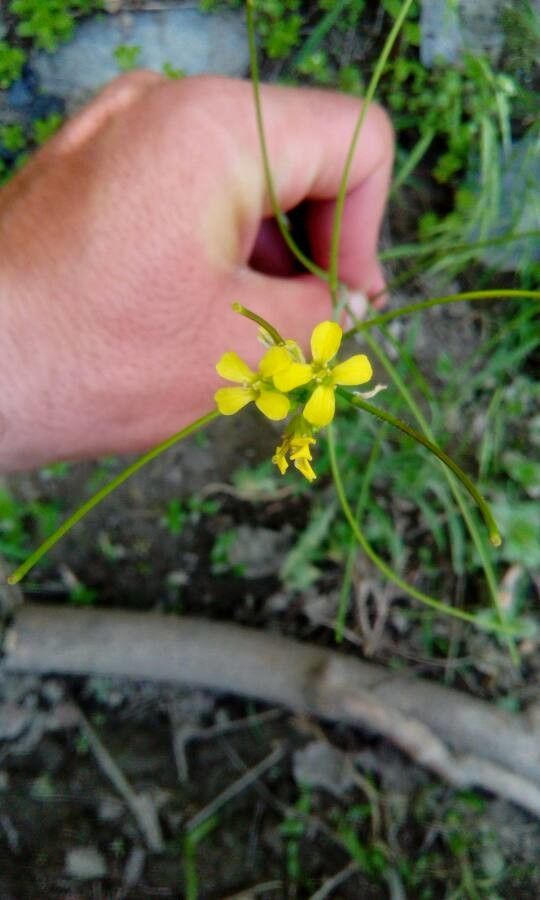
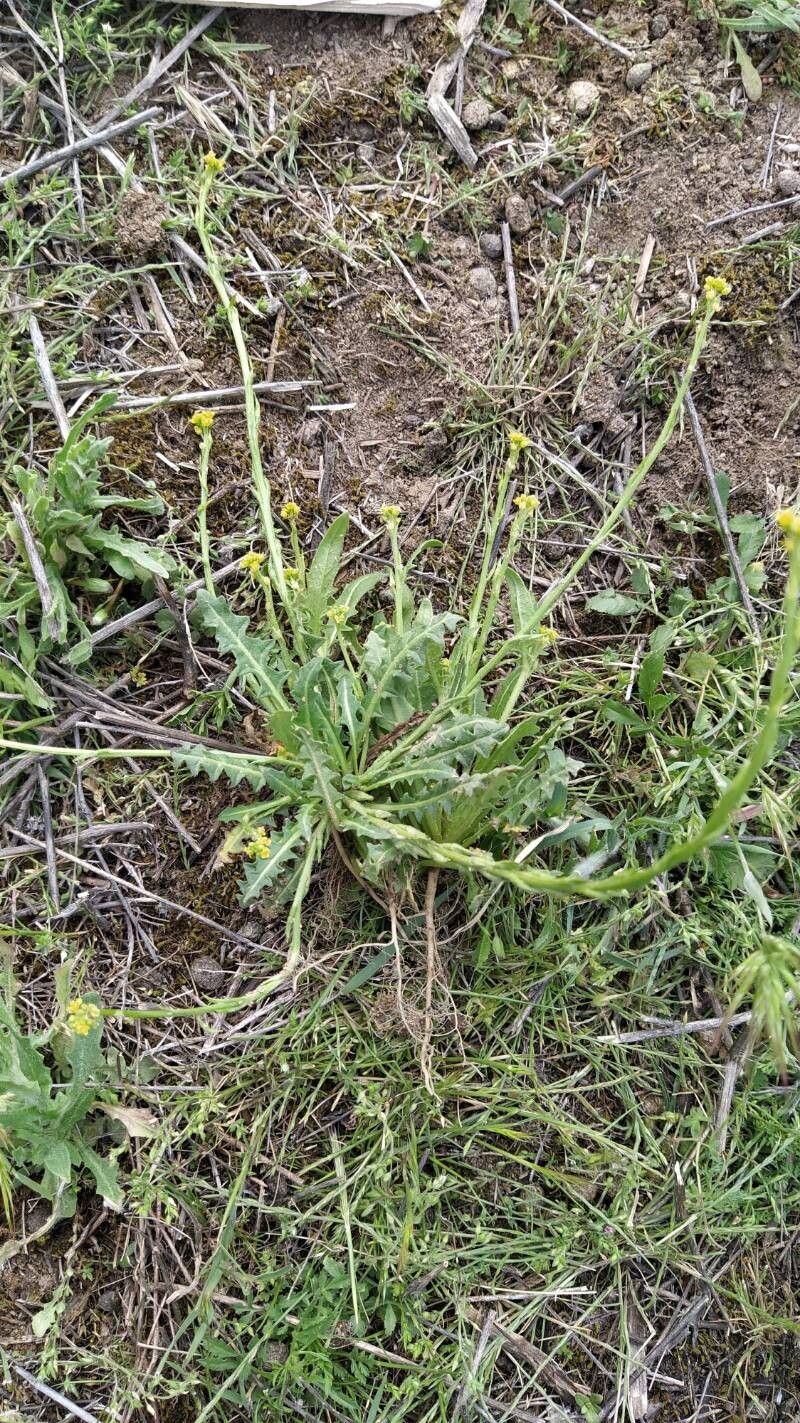
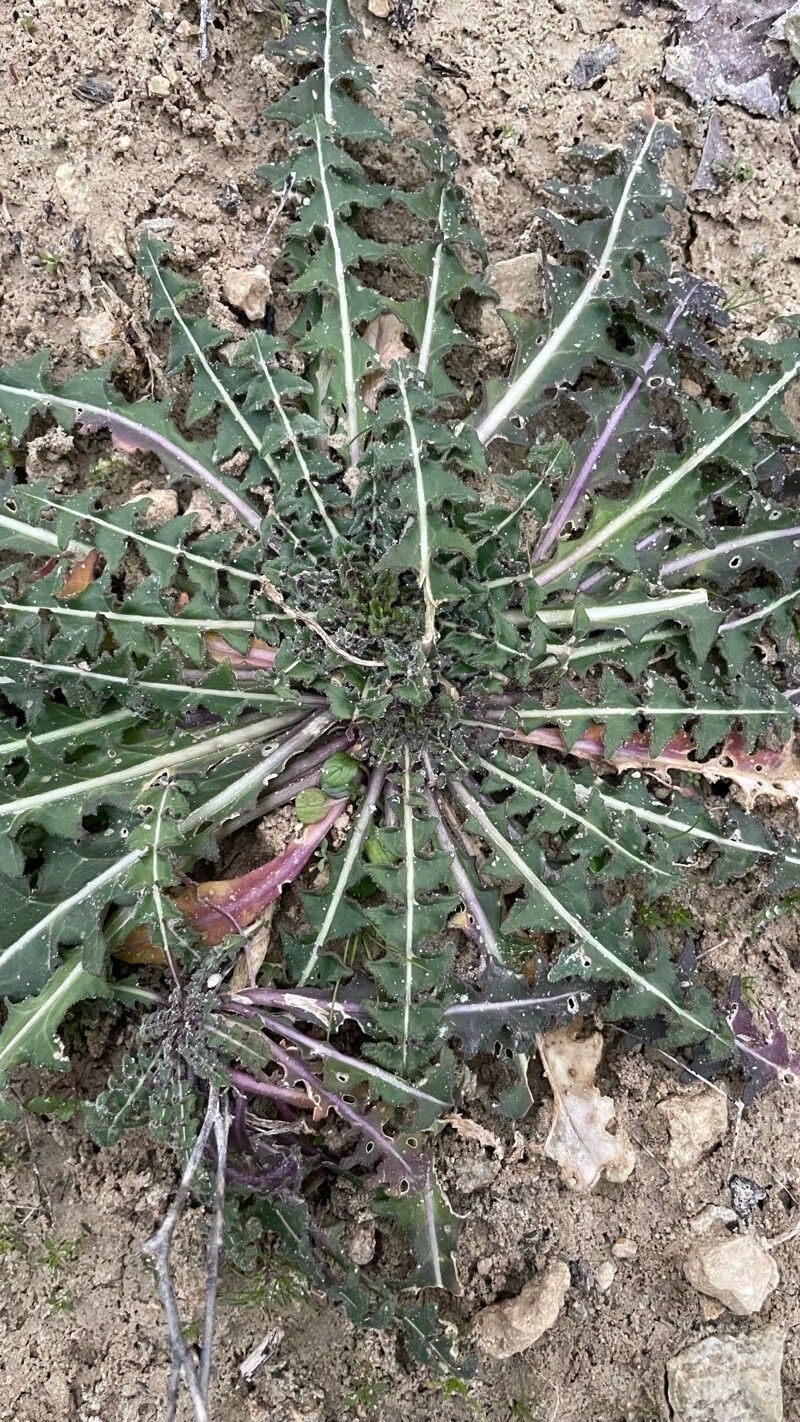
Sisymbrium altissimum is a species of Sisymbrium. The plant is native to the western part of the Mediterranean Basin and is widely naturalized throughout most of the world, including all of North America. After maturity it forms a tumbleweed. Common names of the plant include Jim Hill mustard, tall tumblemustard, tall mustard, tumble mustard, tumbleweed mustard, tall sisymbrium, and tall hedge mustard.
Jim Hill Mustard has strong disease resistance and is generally not prone to illnesses. However, it can be affected by pests and diseases present in its environment. These infections are typically mild. Regarding care, this plant needs moderate maintenance. It should be pruned regularly to keep a neat appearance and support healthy growth. Fertilizing can also help encourage flowering. Jim Hill Mustard is appropriate for anyone with outdoor space, such as a garden or patio, and does not demand extensive experience in plant care. It may require additional attention when grown indoors.
How to keep Sisymbrium Altissimum.
Light
Jim Hill Mustard prefers a location with plenty of sunlight during the day, though it can also tolerate spots with somewhat reduced light. Too much shade or excessive exposure can hinder its growth and overall health. Adequate sunlight at every stage of growth is essential for its development.
Water
Jim Hill Mustard flourishes in consistently moist conditions, preferring weekly watering to mimic its natural rainfall pattern. While it can withstand short periods of dryness, it benefits from being grown outdoors where it can receive extra rain during its active growth phase, which helps to boost its resilience.
Temperature
Jim Hill Mustard can tolerate a wide range of temperatures, but its distribution may still be restricted by various combinations of moisture and heat. It grows best in warm summer climates with sufficient rainfall or irrigation. Extended stretches of cloudy, rainy weather, as well as prolonged high temperatures, can raise the chance of Jim Hill Mustard dying. In winter, adequate protection from cold can increase the plant's survival rate.
Fertilizer
Jim Hill Mustard benefits from regular, diluted fertilizer applications to encourage healthy leaf growth. You should fertilize Jim Hill Mustard about once a month during the summer months. Nitrogen is vital for foliage, and adding nitrogen-rich sources helps Jim Hill Mustard thrive.
Botanical profile.
- Plant Type
- Herb
- Life Cycle
- Annual, Biennial
- Genus
- Sisymbrium
- Family
- Brassicaceae
- Hardiness Zone
- 3-8
- Mature Height
- 0.61 m to 1.22 m
- Mature Spread
- 30 cm to 61 cm
- Leaf Color
- Green
- Leaf Type
- Semi-evergreen
- Flower Color
- Yellow
- Flower Size
- 0.76 cm
- Bloom Time
- Late spring, Early summer, Mid summer
- Planting Time
- Spring, Summer, Autumn
- Harvest Time
- Early summer, Mid summer
- Native Area
- Tajikistan, Turkey, India, Austria, Slovakia, Bulgaria, Armenia, Pakistan, Poland, Greece, Slovenia, Croatia, Belarus, Ukraine, Serbia, Uzbekistan, Russia, Afghanistan, Hungary, Iraq, Syria, Italy, Kazakhstan, Switzerland, Iran, Albania, Azerbaijan, Romania, Turkmenistan
Other names.
Reader questions.
How should I water my Jim Hill Mustard plant?
To water Jim Hill Mustard, you have various options such as using a garden hose with a spray nozzle, a watering can, or any other common watering tool. This plant is not too fussy about the type of water it receives. It can thrive on rainwater, tap water, or filtered water. However, it is advisable to avoid watering this plant from overhead as it can harm the leaves and flowers and potentially cause disease. A drip irrigation system is often the best way to water Jim Hill Mustard. These systems distribute water evenly and directly to the soil. If you have a Jim Hill Mustard in a container, you can follow a similar watering approach but with different tools. Use a cup, watering can, or tap water to directly apply water to the soil.
What are the sun requirements for Jim Hill Mustard?
Jim Hill Mustard requires abundant sun exposure throughout the day for optimal growth, ideally thriving in full sun, which is defined as above 6 hours of sunlight daily. It can also adapt to partial sun conditions, approximately 3-6 hours of sunlight. However, it is crucial at all stages of its growth to have sufficient sunlight to ensure its health and development. It's important to understand how sunlight moves through your garden, choosing spots that strike the perfect balance of light and shade for your plants' needs.
What is Jim Hill Mustard?
Jim Hill Mustard, known botanically as Sisymbrium altissimum, is a plant species. However, specific details about its essentials, symptoms, or additional information were not provided.
If I give my Jim Hill Mustard plant too much or too little water, what should I do?
The remedy for underwatering Jim Hill Mustard is simple: increase the frequency of watering when you notice the plant lacks moisture. On the other hand, overwatering can be a serious issue if not caught early. It can cause diseases that lead to the plant's decline and death. To prevent this, it's important to choose a suitable growing location with adequate sunlight and good drainage to avoid waterlogged soil. If you have overwatered your Jim Hill Mustard in a pot, consider transferring it to a new pot with better drainage. Ensure the new pot has loose soil and efficient drainage to prevent future overwatering.
How can artificial lighting benefit Jim Hill Mustard when grown indoors?
Indoor plants, including Jim Hill Mustard, require adequate lighting for optimal growth. When natural sunlight is insufficient, especially in winter or less sunny locations, artificial lights become essential. They promote faster, healthier growth by offering a solution that mimics natural sunlight. LED lights are a popular choice for indoor plant lighting, capable of providing specific wavelengths needed by the plants. Full sun plants require 30-50W/sq ft of artificial light, partial sun plants need 20-30W/sq ft, and full shade plants should have 10-20W/sq ft. The light source should be placed 12-36 inches above the plant, ensuring 8-12 hours of light per day to mimic natural daylight hours effectively.
How frequently should I water my Jim Hill Mustard plant?
To ensure the healthy growth of Jim Hill Mustard, it is important to provide regular watering throughout the growing season. In spring, watering once a week should suffice. However, as the weather gets warmer, you may need to increase watering to two or three times per week. Be careful not to exceed this rate, as it can harm the plant. Regardless of frequency, it is important to keep the soil moist but not overly wet. Watering potted Jim Hill Mustard requires a slightly different approach. The soil in pots can heat up and dry out faster, so you should water container-grown plants a few times per week, compared to only once per week for those in the ground.
What symptoms indicate light deficiency in Jim Hill Mustard when grown indoors?
Symptoms of light deficiency in Jim Hill Mustard include small, new leaves that are smaller in size compared to older ones, leggy or sparse growth characterized by longer spaces between leaves or stems, faster leaf drop as a resource-conservation measure, slower or ceased new growth indicating a survival mode due to poor light conditions, and lighter-colored new leaves or chlorosis, which signify a lack of chlorophyll and essential nutrients. Sunscald, leaf curling, wilting, and leaf scorching are problems related to excessive sunlight, while symptoms like small leaves, sparse growth, faster leaf drop, slower or no new growth, and lighter-colored new leaves indicate insufficient sunlight.
How much water does my Jim Hill Mustard plant need?
There are a few ways to decide how much water to give your Jim Hill Mustard. One method is to check the soil for moisture and water until the top six inches are wet. Another option is to use a set measurement, like about two gallons per week, depending on the weather and soil dryness. However, following strict guidelines could lead to overwatering if your plant needs less. When growing in a container, you should water until all layers of soil are moist or until you see water coming out of the drainage holes.
What are the solutions for addressing light-related issues in Jim Hill Mustard, considering both indoor and outdoor growing conditions?
To address light-related issues in Jim Hill Mustard, indoor plants requiring more sunlight may be gradually moved to a sunnier location, achieving at least 6 hours of direct sunlight daily, or supplemented with artificial light for ample exposure. Outdoor plants should similarly be moved to gradually sunnier spots to prevent sunburn, adapting to changes in light intensity carefully. Reducing obstructions such as pruning branches or relocating plants can enhance sunlight access. Transplanting during the dormant period can also mitigate light-related issues, promoting healthier new growth post-adjustment.
How do I know if I'm giving enough water to my Jim Hill Mustard plant?
Caring for your Jim Hill Mustard can be a bit tricky when it comes to watering. While these plants have deep roots that need weekly moisture, they are also prone to root rot and browning if overwatered. Underwatering is less of a concern, as they can survive for a while without extra watering. However, if you wait too long, the plant may start to wilt and the leaves may become dry.
How do I water my Jim Hill Mustard in different seasons?
As the seasons progress, you can expect your Jim Hill Mustard's water needs to change. In spring, watering once a week should be sufficient. However, as the summer heat arrives, you will likely need to increase watering to about three times per week, especially for Jim Hill Mustard grown in containers. Containers dry out faster than ground soil in warm weather. During autumn, when your Jim Hill Mustard is still blooming, it may require less water as the temperature cools and the sun's intensity decreases compared to summer.
How do I water my Jim Hill Mustard at different stages of growth?
Throughout the year, Jim Hill Mustard goes through different growth stages, each with varying water requirements. When starting the mustard as a seed, it is important to water it generously to ensure consistent soil moisture. As the seed germinates and grows above the soil, slightly less water is needed. Once the plant is fully mature, a regular watering frequency of about once per week is sufficient. During the flower development stage, slightly more water may be required to support the process.