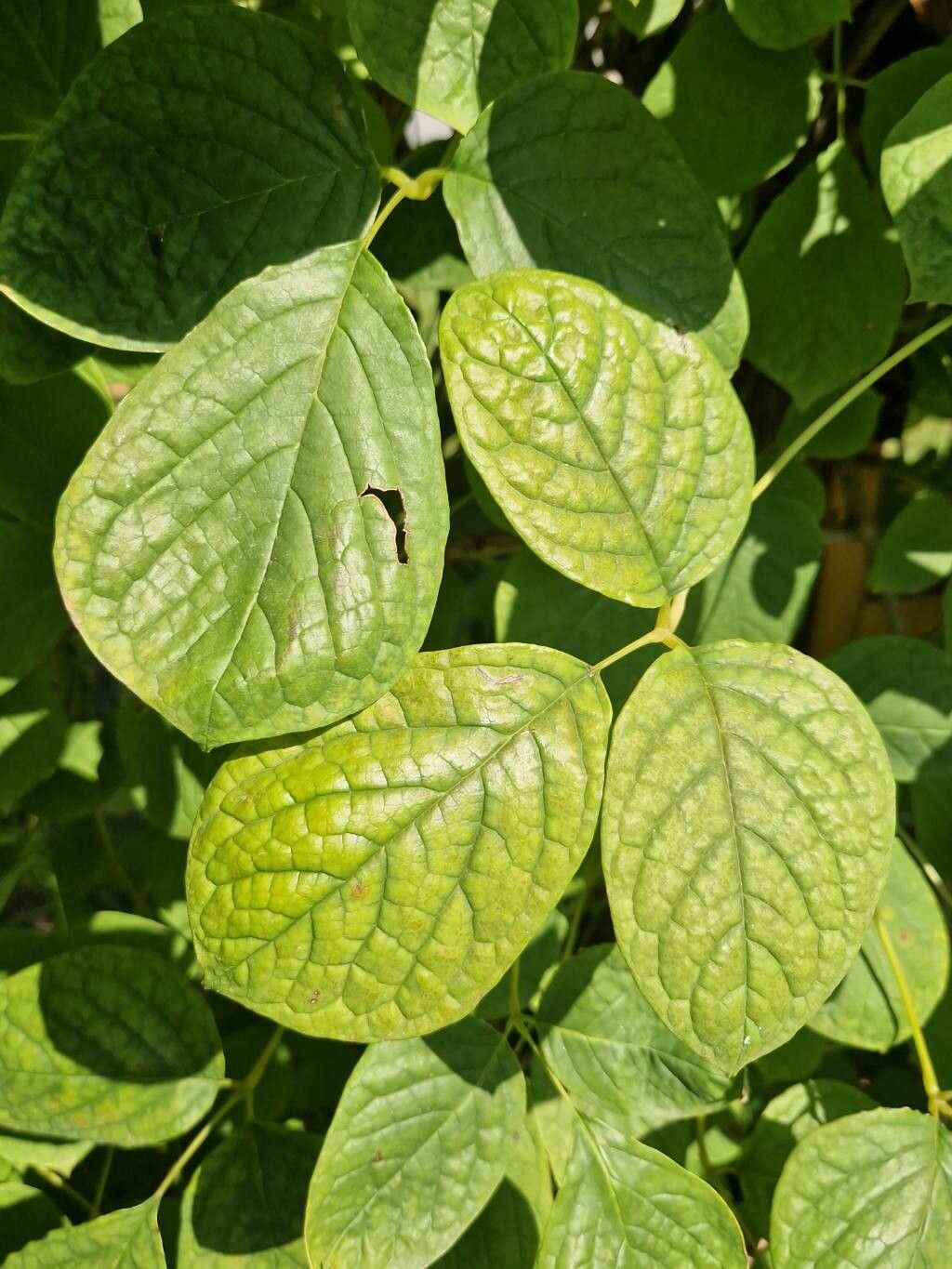
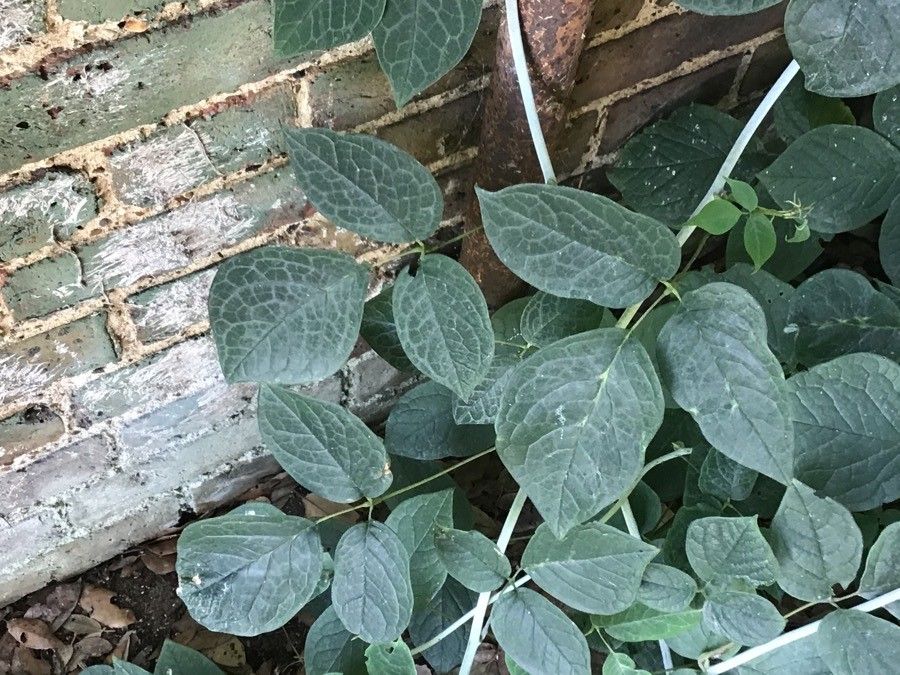
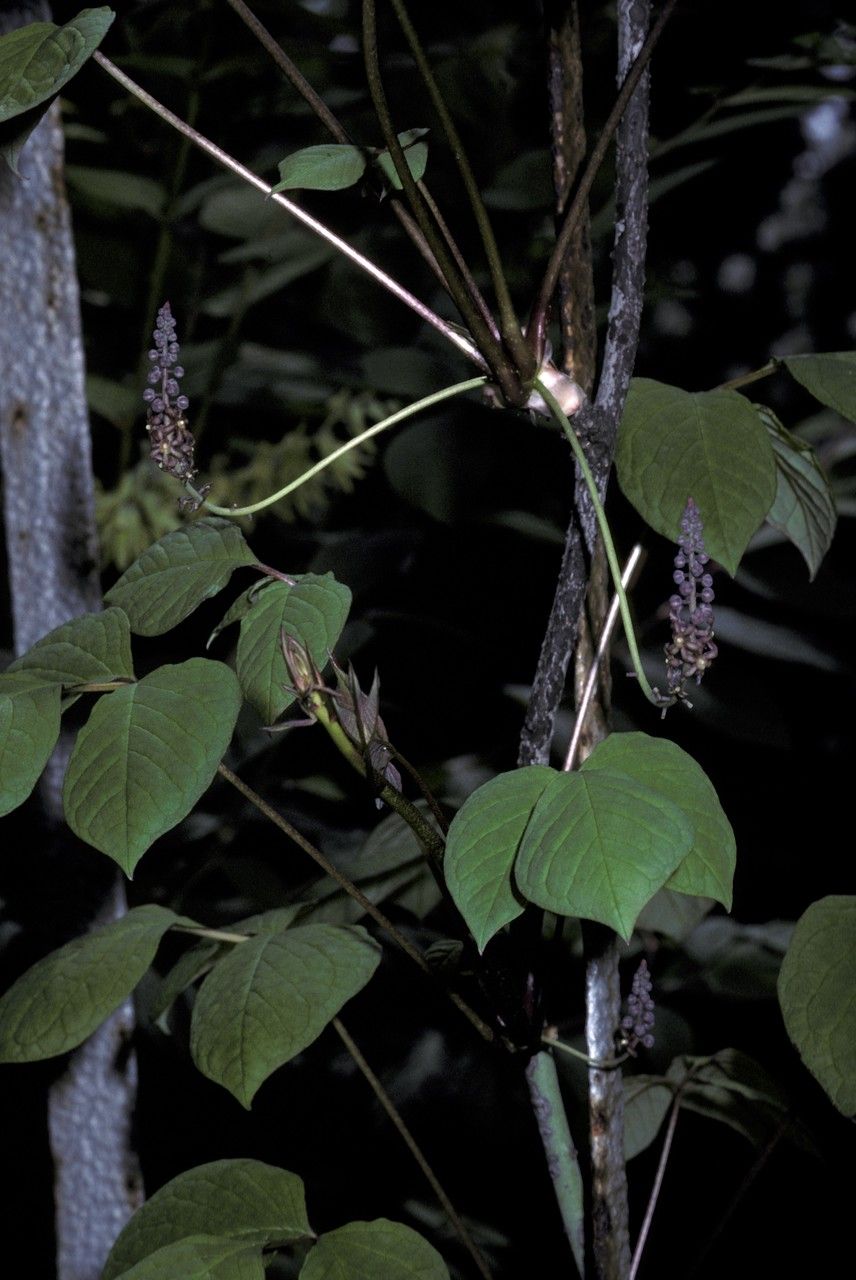
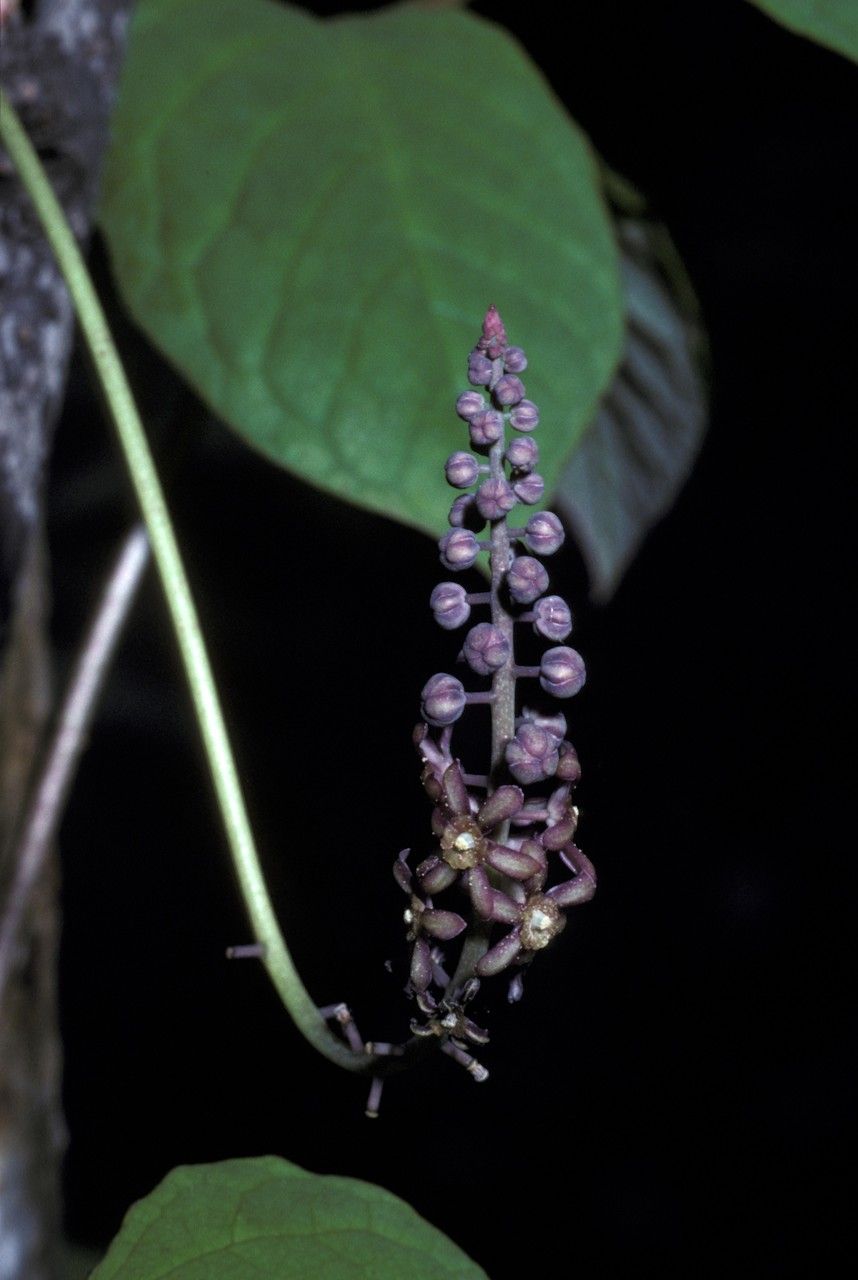
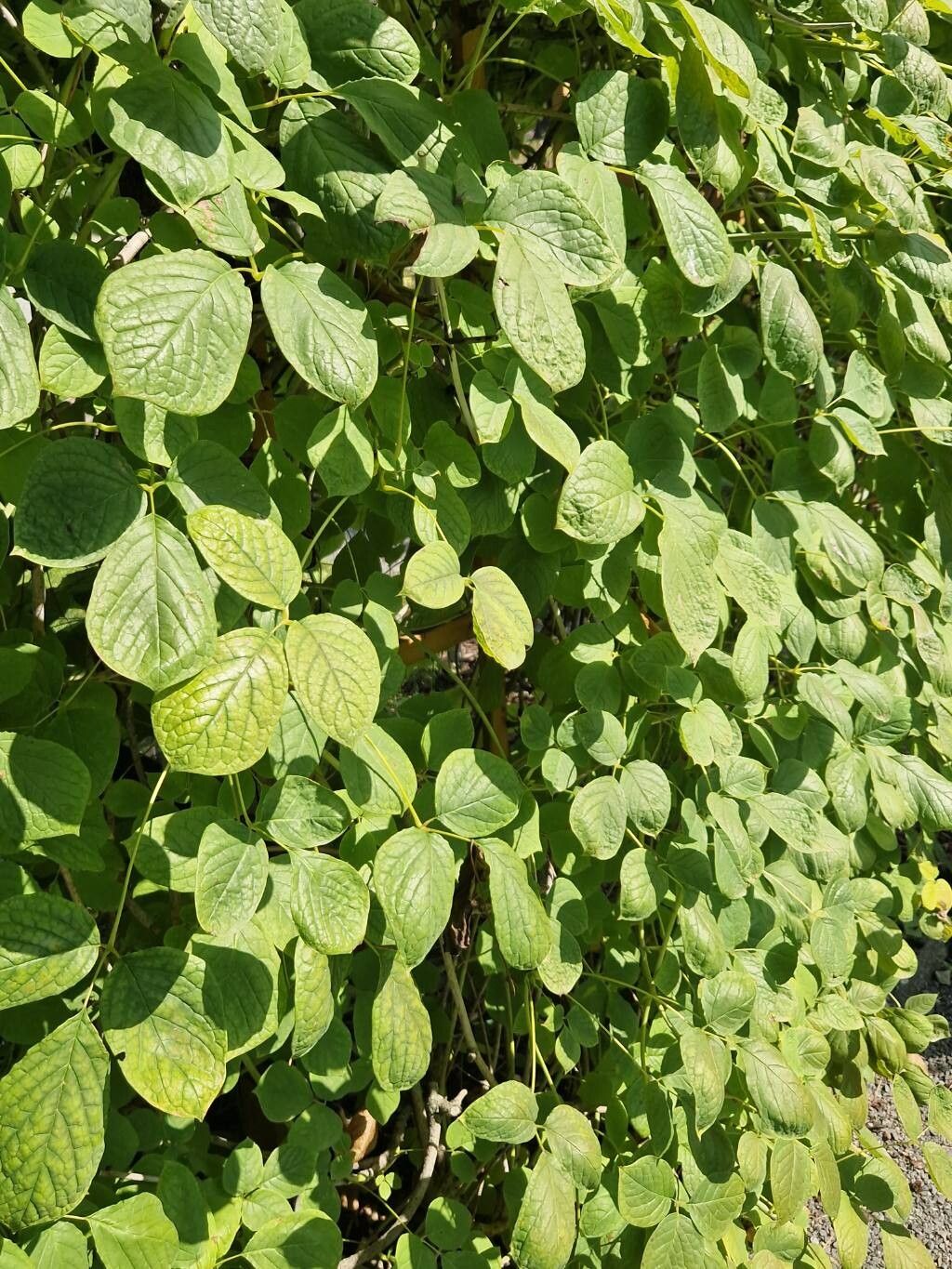
Sinofranchetia is a genus of flowering plant in the Lardizabalaceae family. It contains a single species, Sinofranchetia chinensis, endemic to China.
Chinese sinofranchetia is fairly disease-resistant and typically does not suffer from illnesses. Regarding care, this species is fairly low-maintenance. When grown outdoors it needs only light watering, and mature specimens usually do not require pruning. Young or smaller plants, however, should be trimmed after flowering. Chinese sinofranchetiat is appropriate for anyone who has an outdoor area, like a garden or a deck, and it does not demand extensive gardening experience.
How to keep Sinofranchetia Chinensis.
Light
Chinese sinofranchetia performs best in full sun, preferring spots where light is unobstructed for most of the day. It can, however, tolerate areas that receive only partial sun during the day. In low-light situations the plant’s health may decline, leading to slower growth and reduced vigor. Excessive exposure can also cause stress. This reflects its native conditions, where it grows amid unfiltered sunlight.
Water
Chinese Sinofranchetia thrives in an environment with consistent moisture. It prefers soil that remains evenly moist, though it can tolerate moderate drought once it is well established. It should be watered every three weeks. Generally grown outdoors, the plant benefits from mulching, which helps retain moisture, especially during the active growing season.
Temperature
Chinese sinofranchetia prefers a mild climate, growing best at 41 to 95 °F (5 to 35 °C). Native to temperate areas, it does well in cooler conditions while also tolerating warmer seasons. To replicate these conditions indoors, seasonal temperature adjustments may be required.
Fertilizer
Timing is important when fertilizing Chinese sinofranchetia. Apply fertilizer in early spring and then monthly until early summer. The fertilizer encourages lovely blooms and supplies energy during both dormant and active growth phases.
Pruning
The Chinese sinofranchetia is known for its robust growth and attractive foliage. To keep it looking its best, prune the plant in early spring to maintain its shape. Be sure to remove any dead or crossing stems to promote better air circulation. However, be cautious not to over-prune, as this can stress the plant. By pruning correctly, you can enhance flowering and contribute to a healthier garden.
Botanical profile.
- Plant Type
- Vine
- Life Cycle
- Perennial
- Genus
- Sinofranchetia
- Family
- Lardizabalaceae
- Hardiness Zone
- 5-9
- Mature Height
- 9.14 m to 15.24 m
- Mature Spread
- 3.05 m to 6.1 m
- Leaf Color
- Dark Green
- Leaf Type
- Deciduous
- Flower Color
- White
- Flower Size
- 15.24 cm to 30.48 cm
- Bloom Time
- Late spring, Early summer
- Planting Time
- Spring, Autumn
- Harvest Time
- Late summer, Early fall, Mid fall
- Native Area
- China
Reader questions.
What are the sunlight requirements for Chinese sinofranchetia?
Chinese sinofranchetia thrives best in full sun, which means it requires above 6 hours of sunlight daily, but it can also grow in partial sun, approximately 3-6 hours of sunlight. It's important to observe the way sunlight moves through your garden to find spots that offer the right balance of light and shade, ensuring the plant's happiness. Areas with unobstructed light most of the day are ideal, yet it can also adapt to partial day-long solar access. In environments with low light, the plant may experience reduced growth and vitality, while overexposure can cause some stress, mimicking its native growth conditions.
What is the ideal climate for Chinese sinofranchetia?
Chinese sinofranchetia thrives in a moderate climate, with ideal temperatures ranging between 41 to 95 °F (5 to 35 °C). Originating from temperate environments, it does well in cooler conditions but can also withstand warmer seasons with some seasonal temperature adjustments possibly needed for indoor cultivation. It has strong cold resistance, so typically it does not need special frost protection measures during winter. However, in extremely cold conditions where temperatures are expected to drop below -25°C, it's important to protect the plant by wrapping its trunk and branches and to water it abundantly before the first freeze in autumn to keep the soil moist through winter and early spring.
How does artificial lighting support the growth of indoor Chinese sinofranchetia?
For indoor Chinese sinofranchetia, adequate lighting is crucial, especially when natural sunlight is insufficient, like in winter or less sunny spaces. Artificial lights, such as LEDs, are effective because they can be customized to provide the specific wavelengths of light the plants need. Full sun plants should have 30-50W/sq ft of artificial light, partial sun plants need 20-30W/sq ft, and full shade plants require 10-20W/sq ft. The light source should be placed 12-36 inches above the plant to mimic natural sunlight, and most plants benefit from 8-12 hours of light per day to promote faster, healthier growth.
How does Chinese sinofranchetia handle low temperatures?
Chinese sinofranchetia is cold-tolerant, thriving best in temperatures above 5°C, but should be kept above -20°C during winter. If temperatures fall below -25°C, while there may not be visible damage in winter, come spring, the branches might become brittle, dry, and fail to produce new shoots. In response, the best solution is to prune away any dead branches in the spring to promote new growth.
What are the symptoms of insufficient light in Chinese sinofranchetia?
When Chinese sinofranchetia doesn't receive enough light, it may display symptoms like smaller new leaves, leggy or sparse growth, faster leaf drop, slower or no new growth, and lighter-colored new leaves. These signs indicate the plant is struggling with the light conditions. Conversely, too much sunlight can cause chlorosis (leaves turning yellow), sunscald, leaf curling, wilting, and leaf scorching, which are detrimental to the plant's health. These symptoms highlight the need for a balanced light environment for Chinese sinofranchetia.
How should Chinese sinofranchetia be cared for in high temperatures?
In high temperatures, specifically during summer, it's crucial to keep Chinese sinofranchetia below 35°C. Should the temperature rise above 38°C, the leaves may lighten in color, tips could become dry and withered, and the plant might experience sunburn. To alleviate these issues, trim away sunburned and dried-up parts, relocate the plant to a shaded area especially during midday and afternoon sun, or use a shade cloth. Additionally, to ensure the soil remains moist and supports plant health, water the plant in the morning and evening.
What solutions can improve the light conditions for Chinese sinofranchetia?
To optimize light conditions for Chinese sinofranchetia, consider the following solutions: For indoor plants, gradually relocate them to sunnier spots to achieve at least 6 hours of direct sunlight daily, using a south-facing window for maximum exposure. If the plant is large or not easily movable, supplementing with artificial light, such as keeping a lamp on for at least 8 hours daily or investing in grow lights, can be beneficial. Outdoors, incrementally move your plants to sunnier locations to prevent sunburn. Reducing obstructions like pruning trees can also help. For plants in the ground, transplanting them during their dormant period to a location with ample sunlight and good drainage is effective. Remember, parts of the plant damaged by insufficient light may not recover, but new growth with adequate light will be healthy.