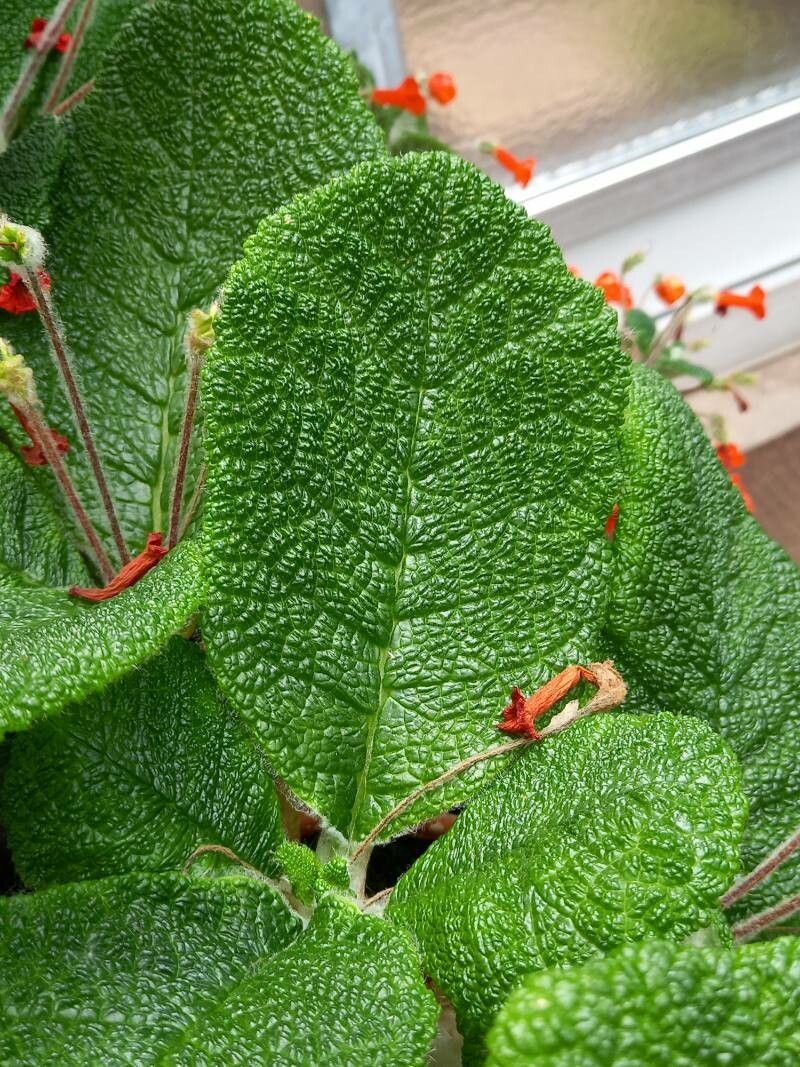
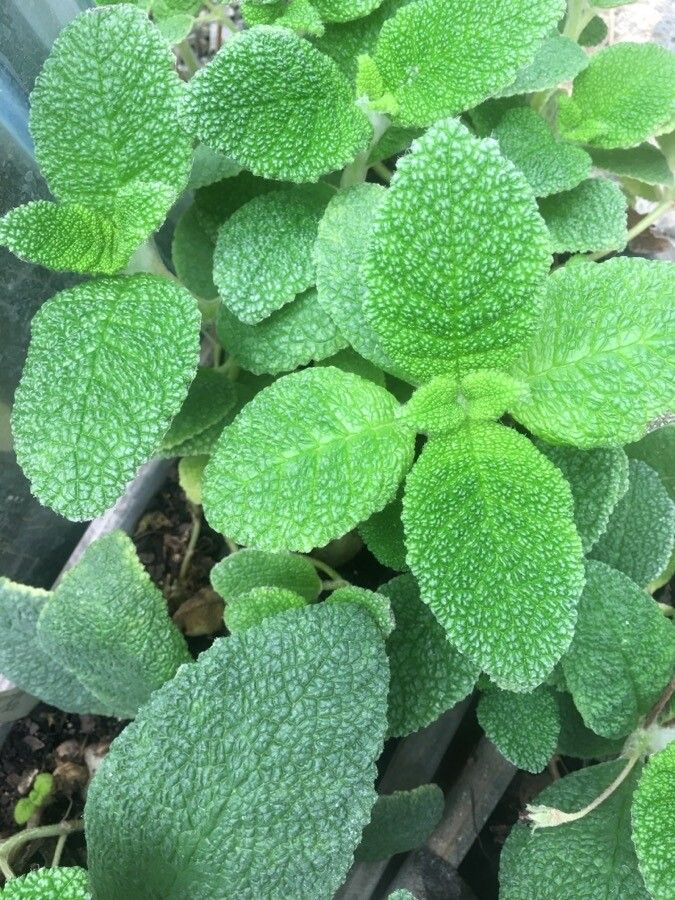
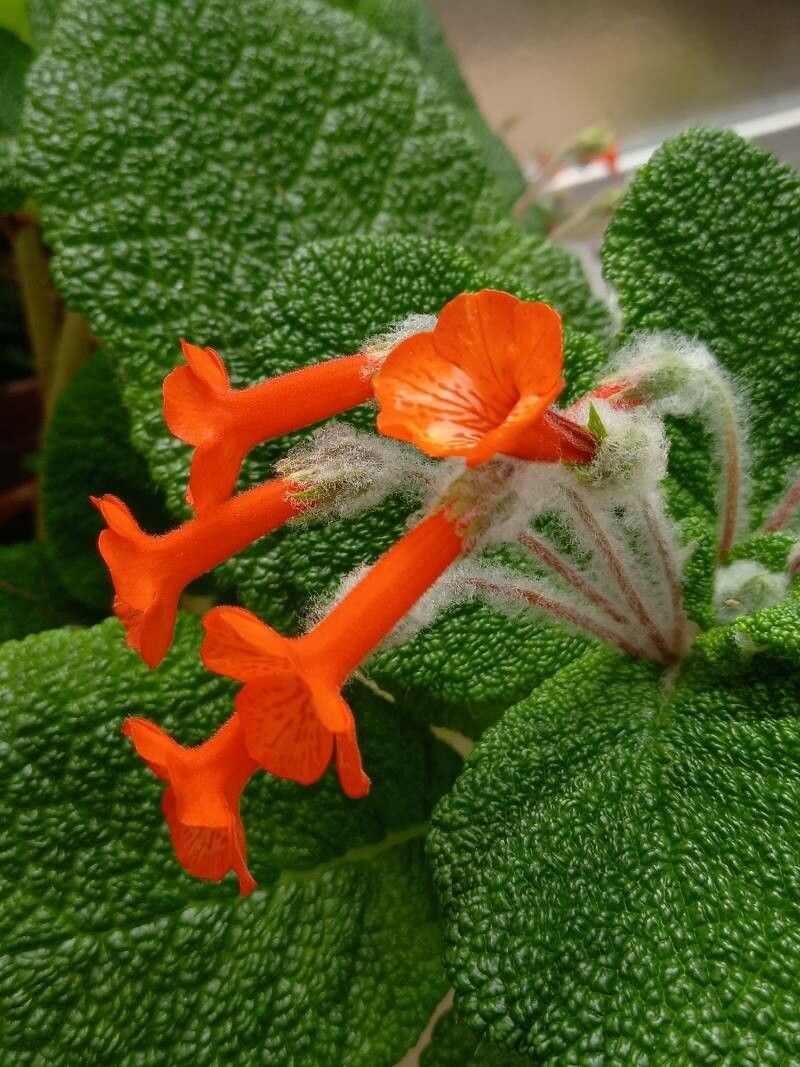
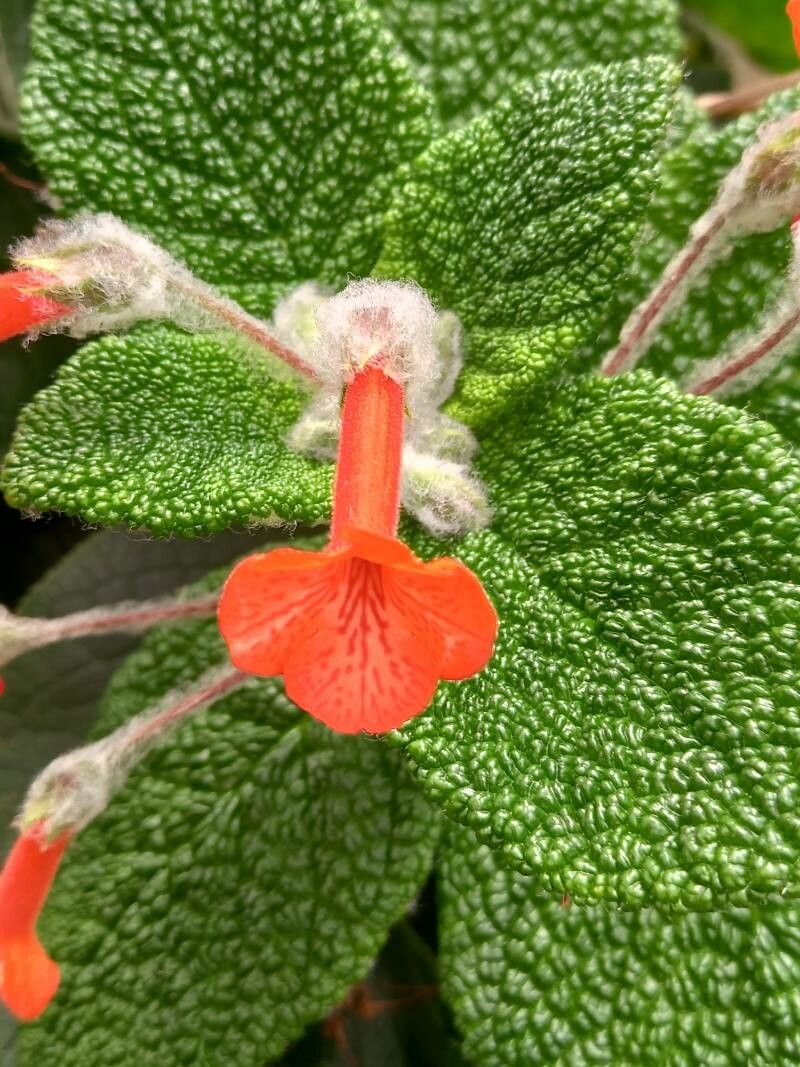
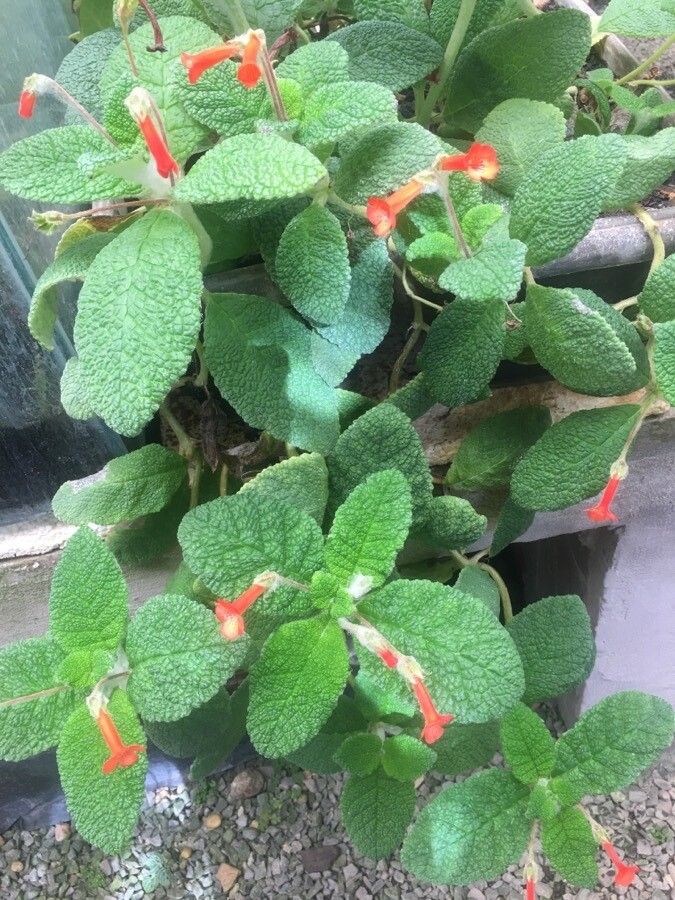
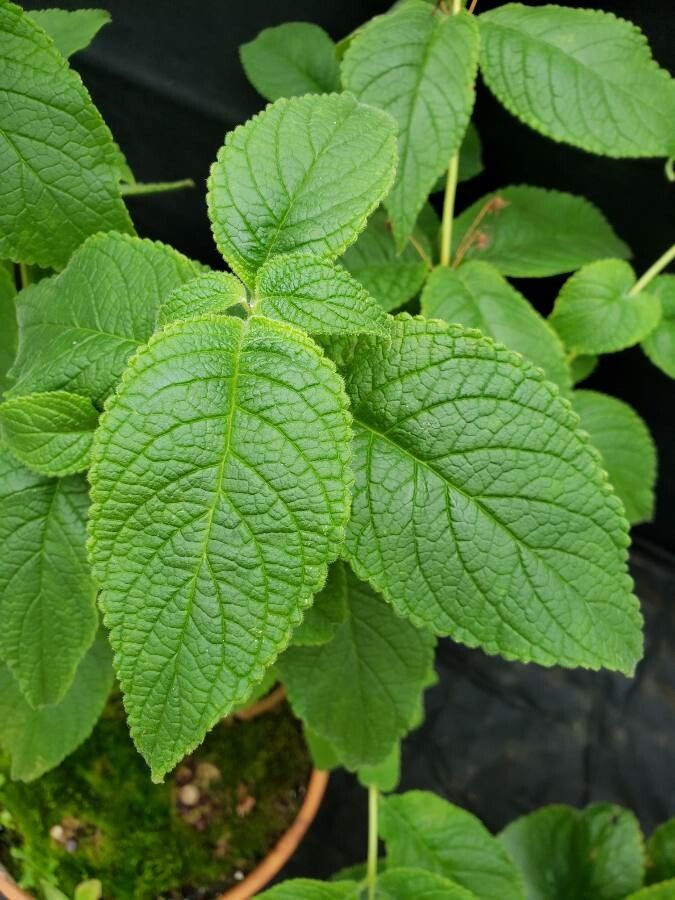
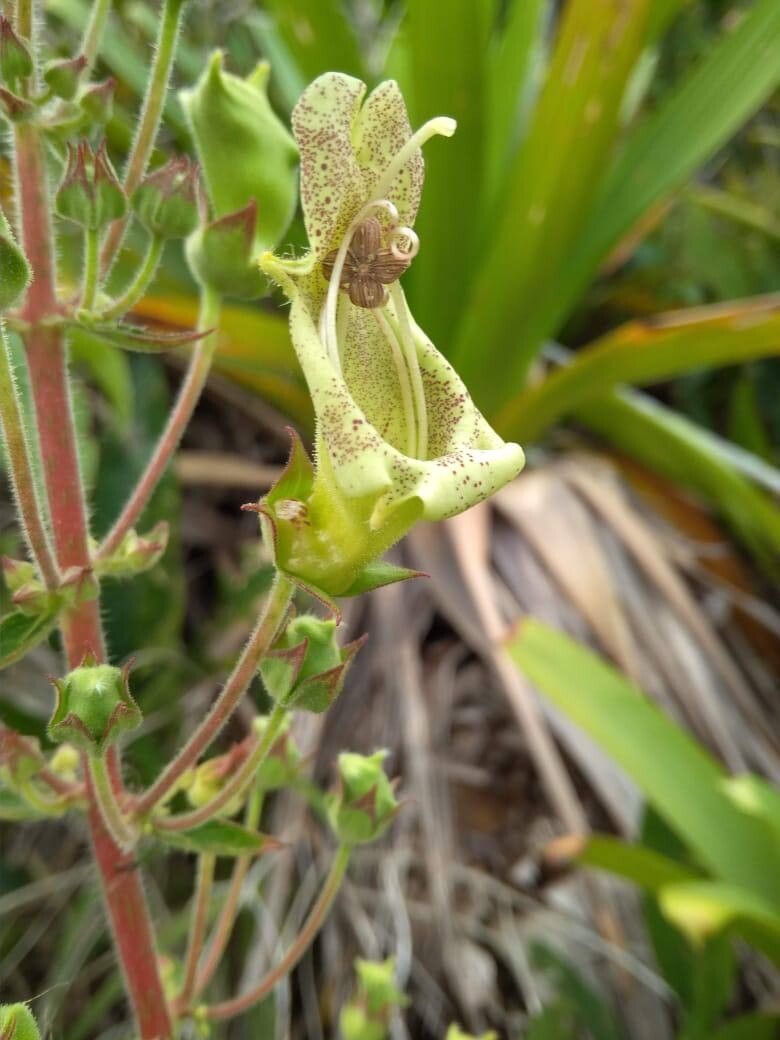
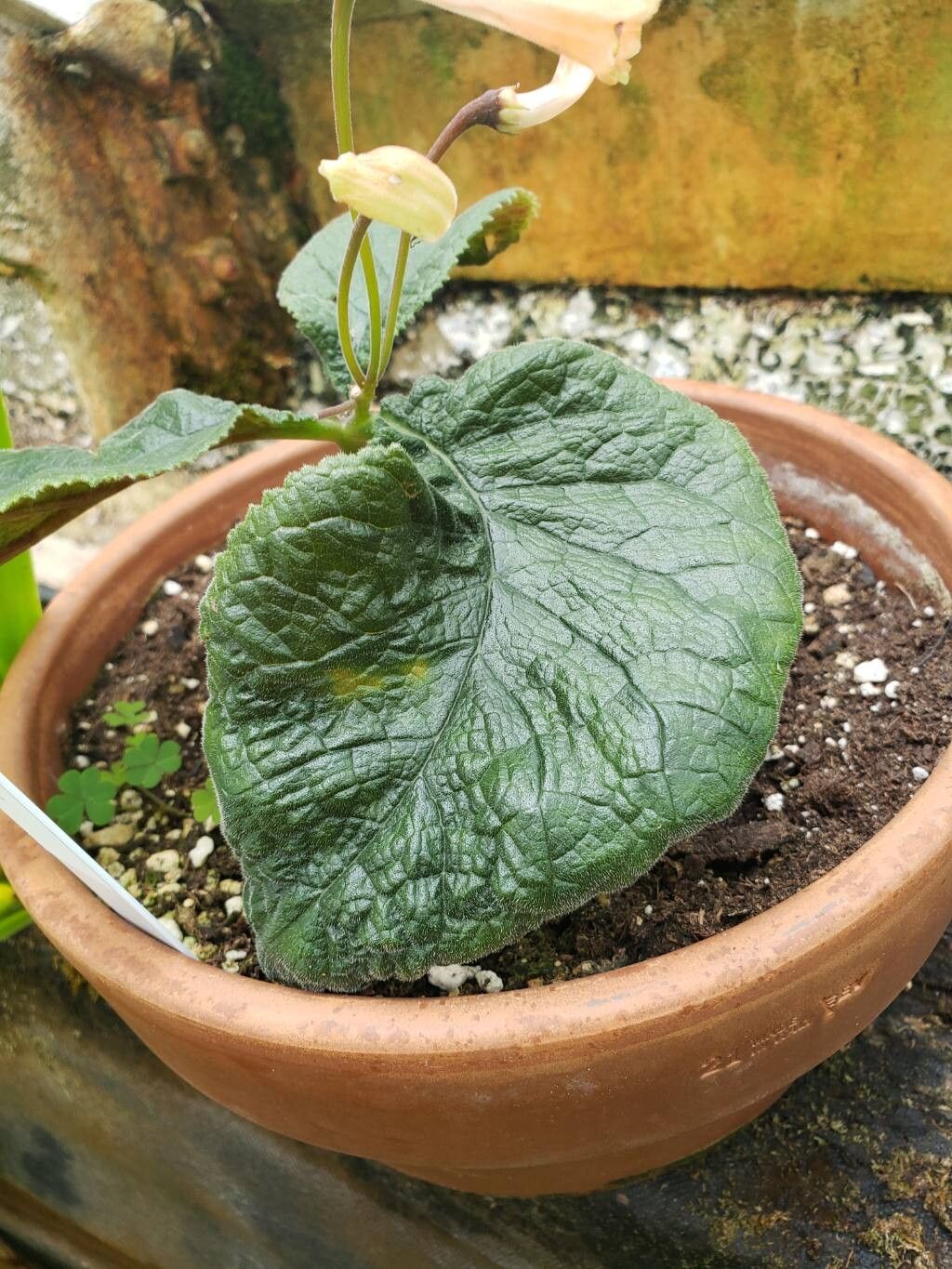
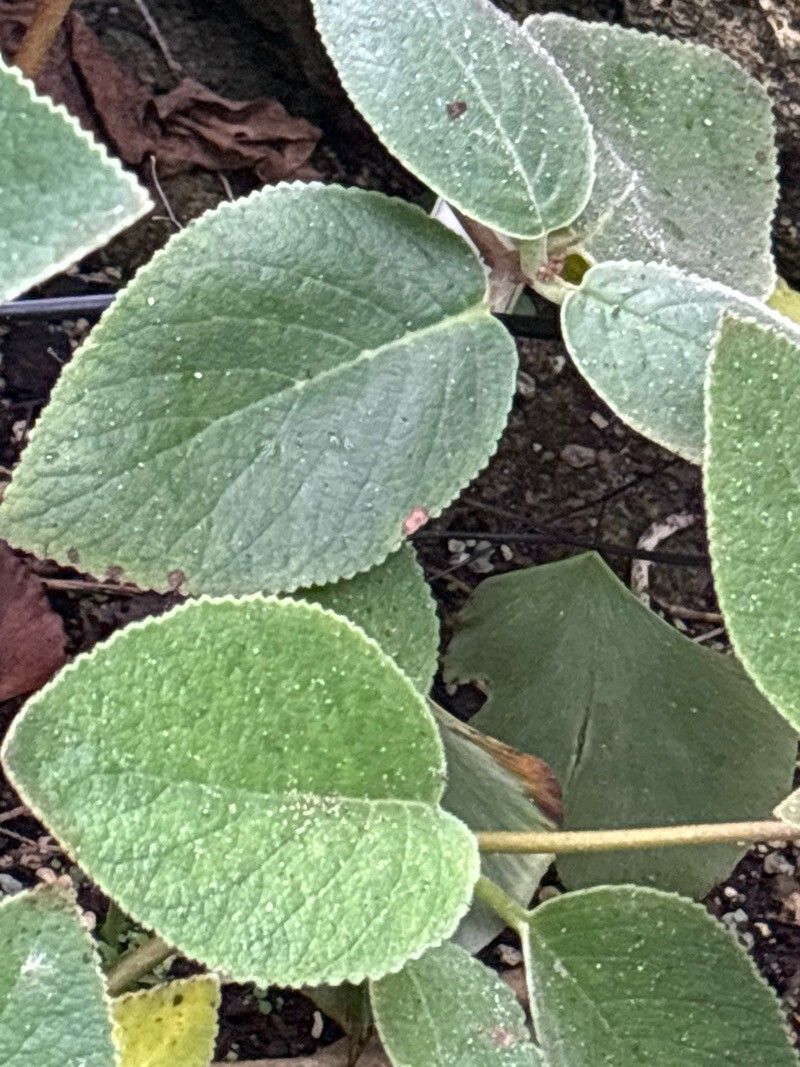
Sinningia bullata is a tuberous member of the flowering plant family Gesneriaceae. It produces small orange-red flowers and is found in Brazil. It is named for its bullate leaves, and also produces a woolly backing to its leaves.
Emerald Forest has strong resistance to disease and is generally not prone to illness. However, it can be vulnerable to leaf spots if light and ventilation are poor and if it is overwatered. The plant's care level is considered easy, since it only needs regular watering and doesn't require much maintenance otherwise. Emerald Forest is well suited to people who do not have the time or energy to devote to regular care.
How to keep Sinningia Bullata.
Light
Emerald Forest is native to habitats such as forest understories and rocky areas, where it grows in natural shade. It prefers partial sun but can adapt to full sun or full shade, showing its hardy and versatile nature.
Water
The Emerald Forest plant thrives in high humidity, similar to its natural tropical rainforest habitat. It does best with a balance between dry and moist conditions, so watering it once a week is recommended. As an evergreen typically grown indoors, the Emerald Forest benefits from consistent temperature and moisture levels year-round.
Temperature
Emerald Forest comes from tropical areas, where the climate is generally warm and humid. As a result, it is well-suited to high temperatures and humidity. It does not like sudden temperature changes and prefers a stable temperature environment, so it is important to avoid temperature fluctuations indoors. It typically cannot tolerate cold temperatures and needs higher temperatures to grow. If the temperature falls too low, the plant may stop growing or even die.
Fertilizer
Proper fertilization is vital for Emerald Forest's health and appearance. Fertilize Emerald Forest during summer, repeating the treatment monthly throughout the season. Nutrients drive growth and sustain the plant's parts. Fertilization improves Emerald Forest's flowering, ensuring the best blooms.
Pruning
Emerald Forest showcases distinctive wrinkled leaves and vibrant blooms. To maintain its health and beauty, prune it in early spring. This helps remove dead material, encourages new growth, and improves air circulation. Always use sterilized tools during pruning to prevent infections and keep your Emerald Forest disease-free and attractive.
Pot & Repot
When repotting Emerald Forest, choose a pot 1–2 inches (2.5–5.1 cm) larger with ample drainage. Use a well-draining potting mix. Repot in spring or fall, ensuring the root ball is slightly lower than the rim of the flower pot. Water thoroughly after repotting and place it in a warm spot with indirect sunlight.
Botanical profile.
- Plant Type
- Herb
- Life Cycle
- Perennial
- Genus
- Sinningia
- Family
- Gesneriaceae
- Hardiness Zone
- 10-12
- Mature Height
- 20 cm to 30 cm
- Mature Spread
- 20 cm to 25 cm
- Leaf Color
- Dark Green, Olive Drab
- Leaf Type
- Evergreen
- Flower Color
- Red, Pink
- Flower Size
- 3.05 cm to 4.06 cm
- Bloom Time
- Late spring, Summer, Early fall, Mid fall
- Planting Time
- Spring, Summer
- Harvest Time
- Fall