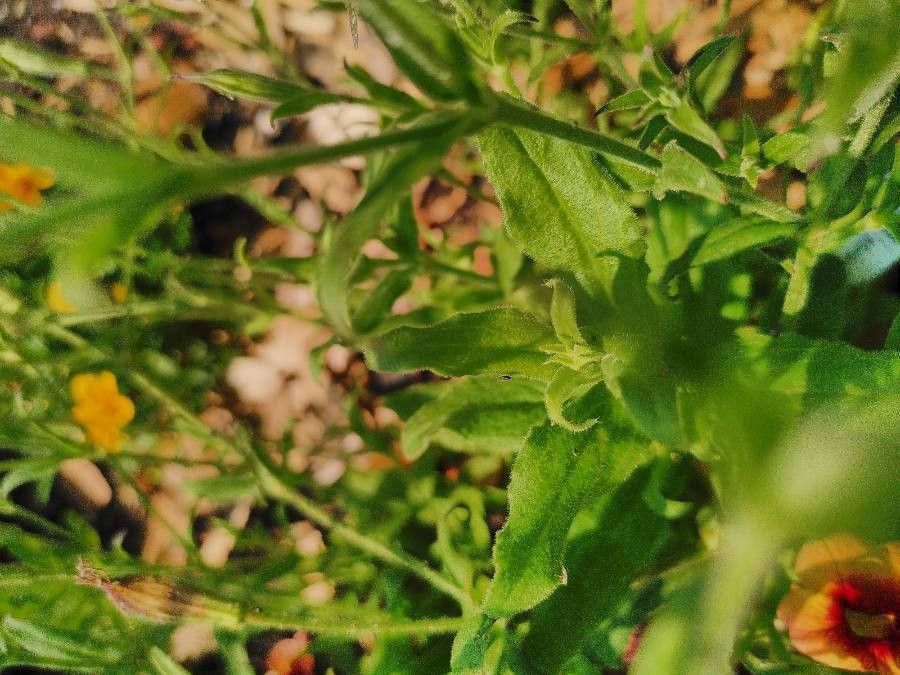
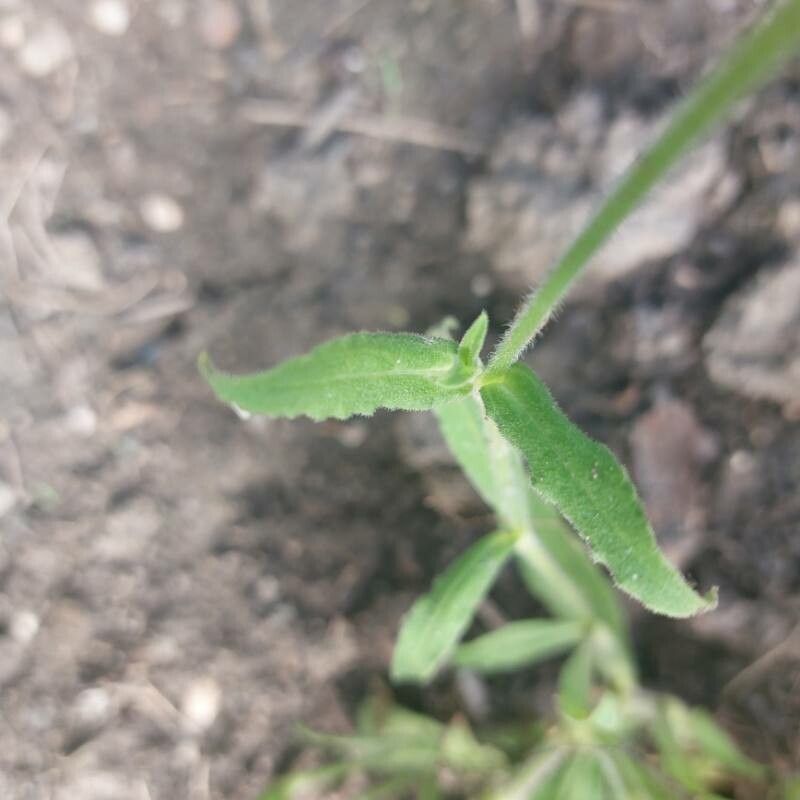
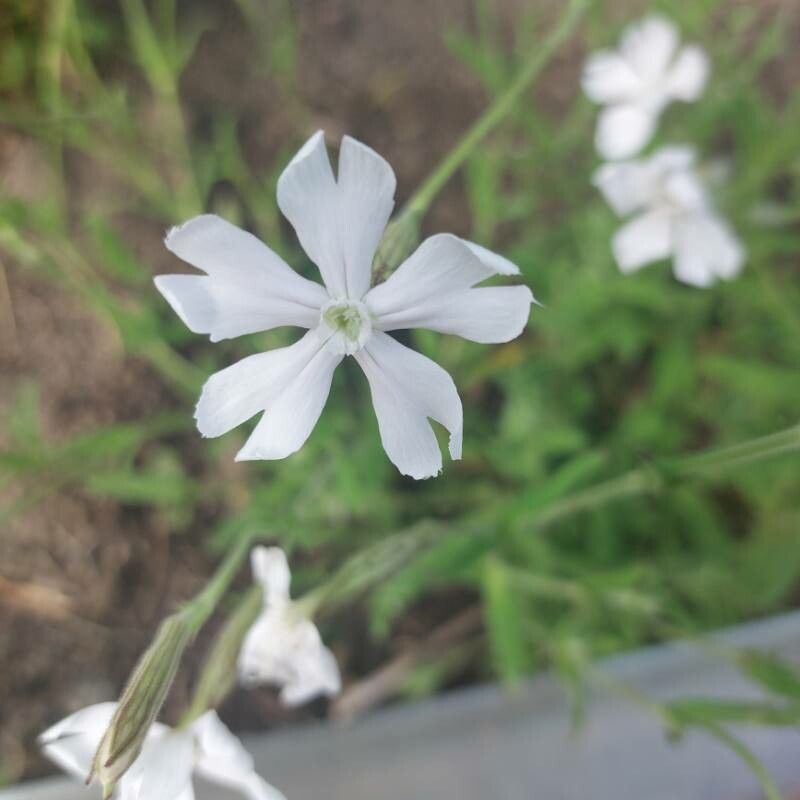
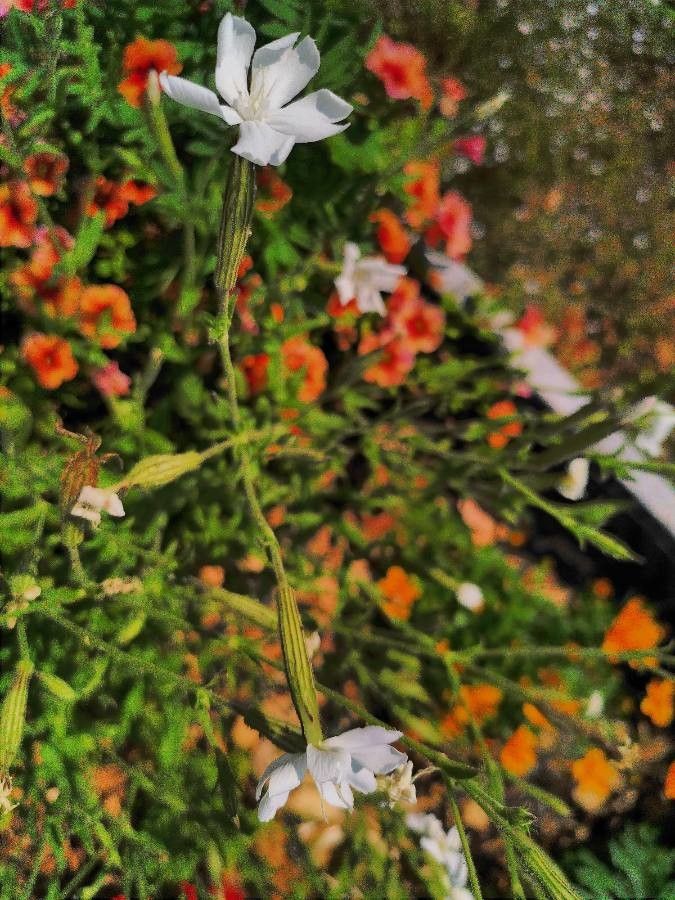
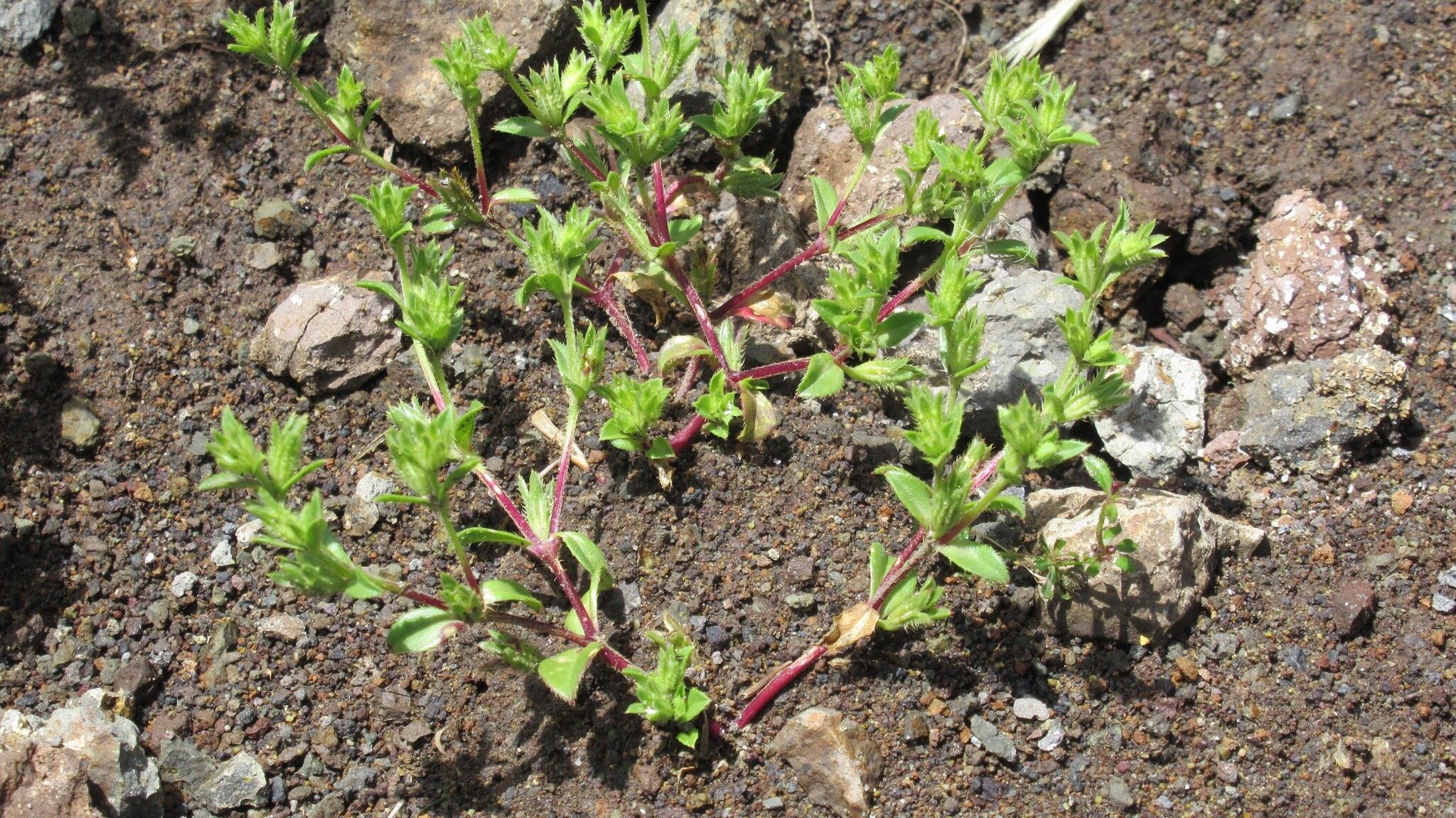
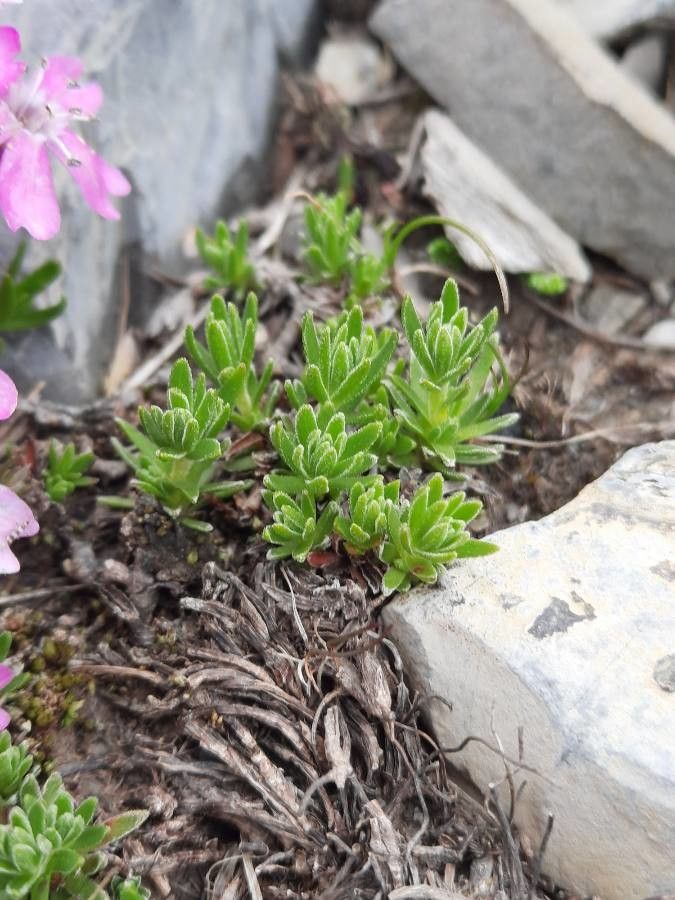
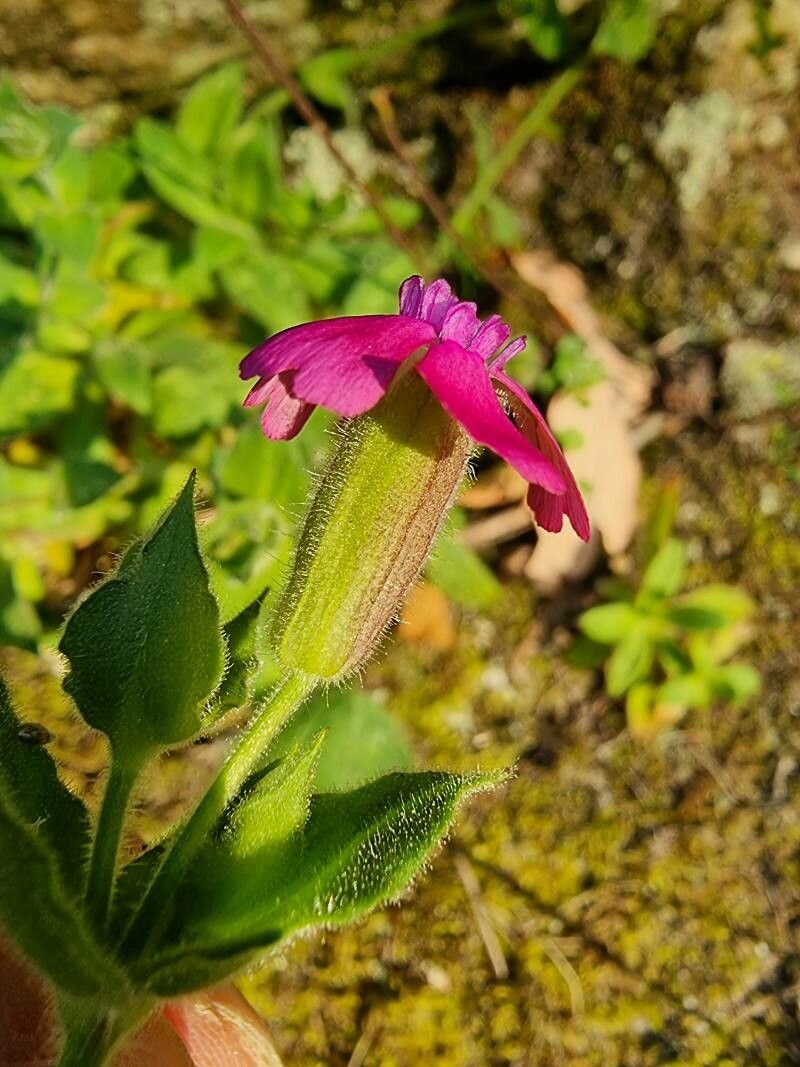
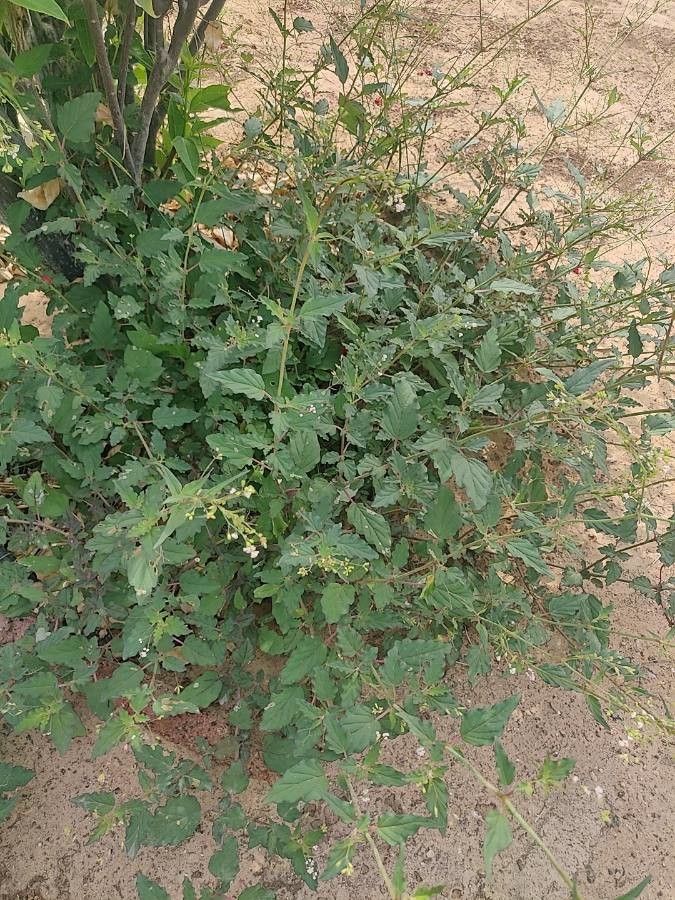
Silene undulata, commonly known as African dream root or Xhosa dream herb, is a perennial plant native to South Africa. Traditionally, the Xhosa people have utilized its psychoactive properties to induce vivid and lucid dreams. The plant contains a compound called Calea zacatechichi, which is believed to enhance dream recall and promote spiritual experiences. The plant features small white flowers that bloom in summer, and its lance-shaped leaves have wavy edges. Silene undulata prefers well-drained soil and can thrive in full sun or partial shade, reaching up to 1 meter in height. Aside from its traditional use as a dream enhancer, Silene undulata has also been explored for its potential medicinal properties, including anti-inflammatory effects, pain relief, and anti-anxiety benefits. It's important to note that Silene undulata is considered a controlled substance in some countries due to its psychoactive properties. Therefore, it should be used with caution and under the guidance of an experienced practitioner or herbalist.
Garden Catchfly is fairly resistant to disease and generally does not tend to suffer from many illnesses. Still, it can be vulnerable to pests and diseases present in its surroundings. These problems are usually minor. Regarding care, this plant has moderate maintenance needs. It should be pruned regularly to preserve a neat appearance and healthy growth. Fertilizing can also encourage flowering. Garden Catchfly is well suited to anyone with an outdoor area, such as a garden or patio, and does not demand extensive care experience. It may need more attention when cultivated indoors.
How to keep Silene Undulata.
Light
Garden Catchfly does best with abundant sunlight during the day but can also tolerate lower light levels. Native to sunny habitats, insufficient exposure can weaken its vigorous condition, while light beyond its tolerance can cause mild stress.
Water
Silene undulata is native to the Eastern Cape of South Africa, where it thrives in subtropical climates with moderate humidity and well-drained soil. It requires consistent moisture but should not be overwatered, so watering once a week is ideal. Adding mulch helps retain moisture, which is especially beneficial for outdoor garden beds or borders.
Temperature
Garden Catchfly is native to temperate regions and is adapted to temperatures ranging from 68 to 105.8 °F (20 to 41 ℃). To meet its needs, alter the surrounding conditions accordingly, especially during extreme seasonal changes.
Fertilizer
When Garden Catchfly has opened most of its blooms to full size, resume fertilizing. Around the time the blooms are at peak output, apply fertilizer every three to four weeks, weather permitting. After Garden Catchfly begins producing fewer new blooms, stop fertilizing; there's no need to feed it when the plant can no longer produce more blooms.
Pruning
Silene undulata is known for its appealing wavy leaves and delicate flowers. To encourage healthy blooms and strong growth, it's best to prune in early spring. This helps remove dead stems and excess growth, which improves air circulation and sunlight exposure. Make sure to use clean, sharp tools to prevent infection.
Botanical profile.
- Plant Type
- Herb
- Life Cycle
- Annual
- Genus
- Silene
- Family
- Caryophyllaceae
- Hardiness Zone
- 5-13
- Mature Height
- 40 cm to 61 cm
- Mature Spread
- 15 cm to 30 cm
- Leaf Color
- Green
- Leaf Type
- Semi-evergreen
- Flower Color
- Pink, White
- Flower Size
- 1.02 cm to 1.52 cm
- Bloom Time
- Late spring, Early summer, Mid summer
- Planting Time
- Spring, Summer, Autumn
- Harvest Time
- Early summer, Mid summer
- Native Area
- Libya, Iraq, Tunisia, Syria, Italy, Egypt, Spain, Portugal, Iran, Cyprus, Pakistan, Croatia, Morocco, Lebanon
Other names.