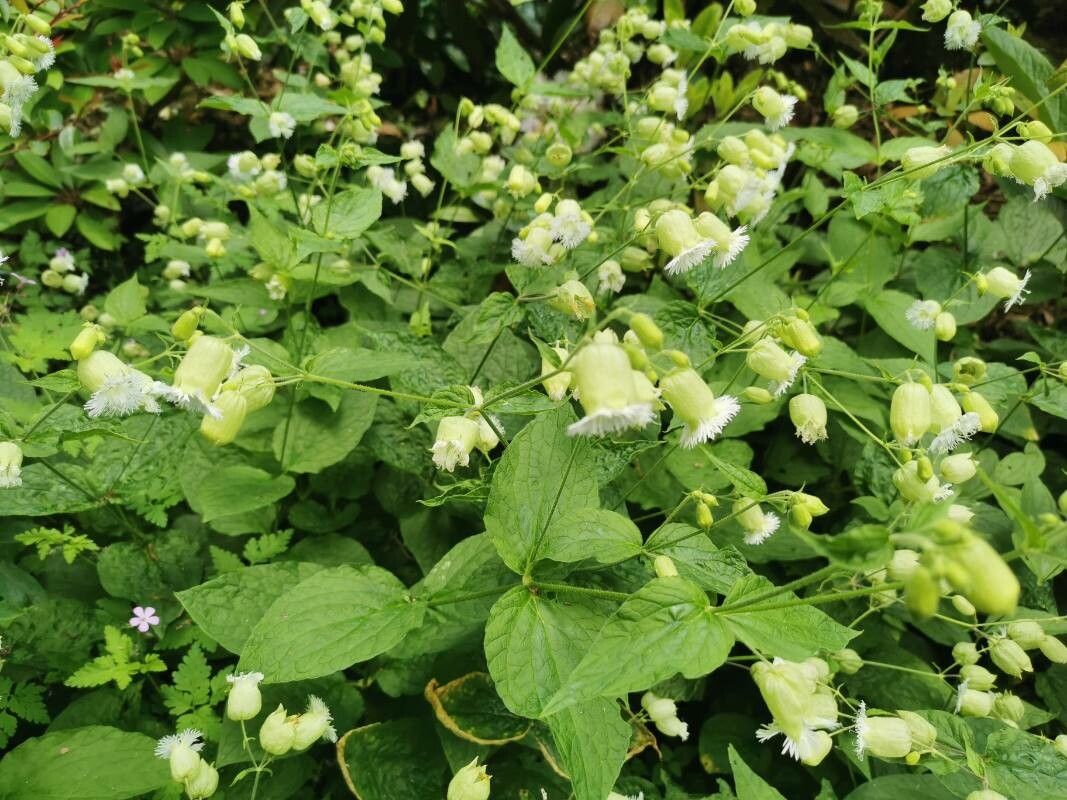
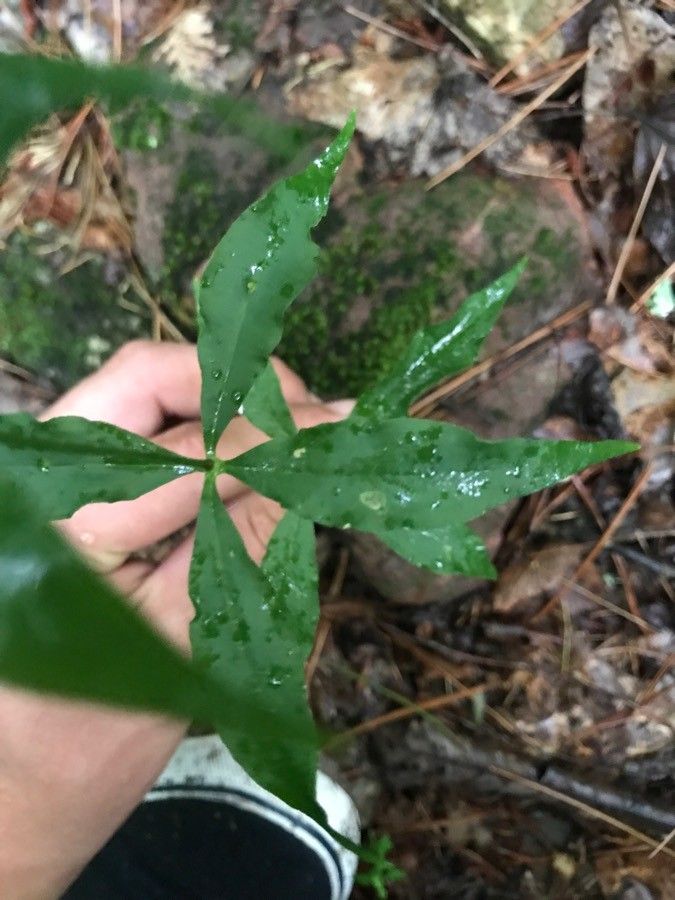
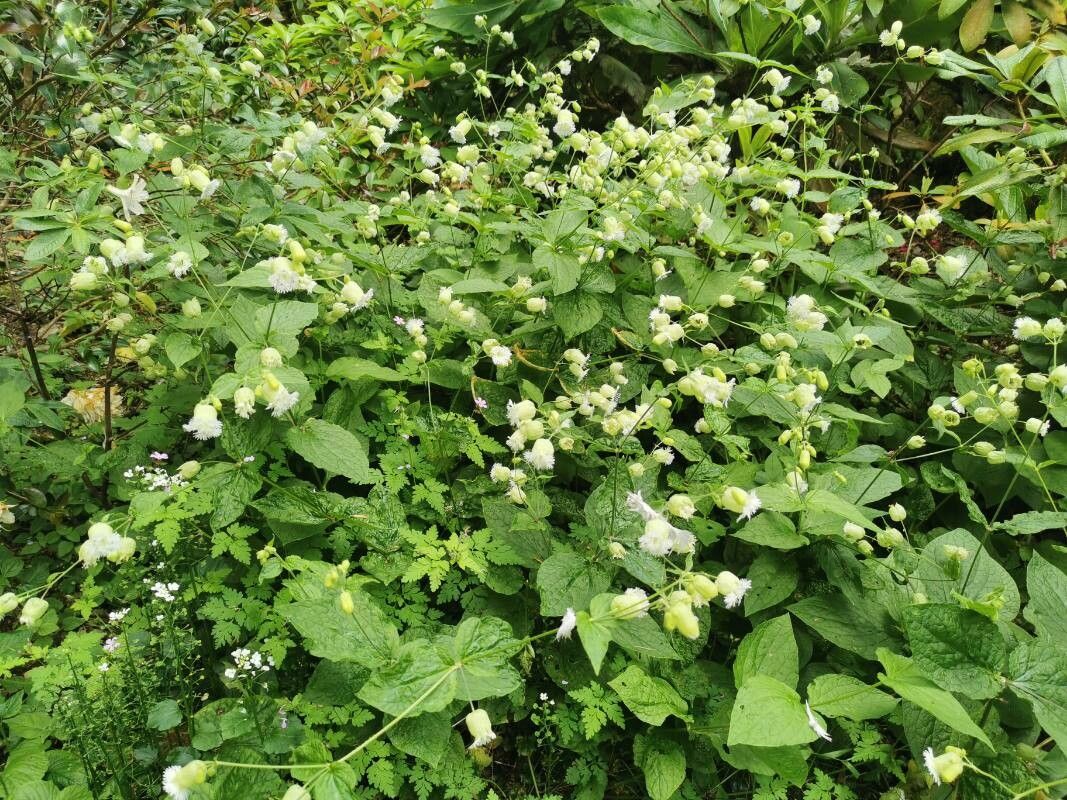
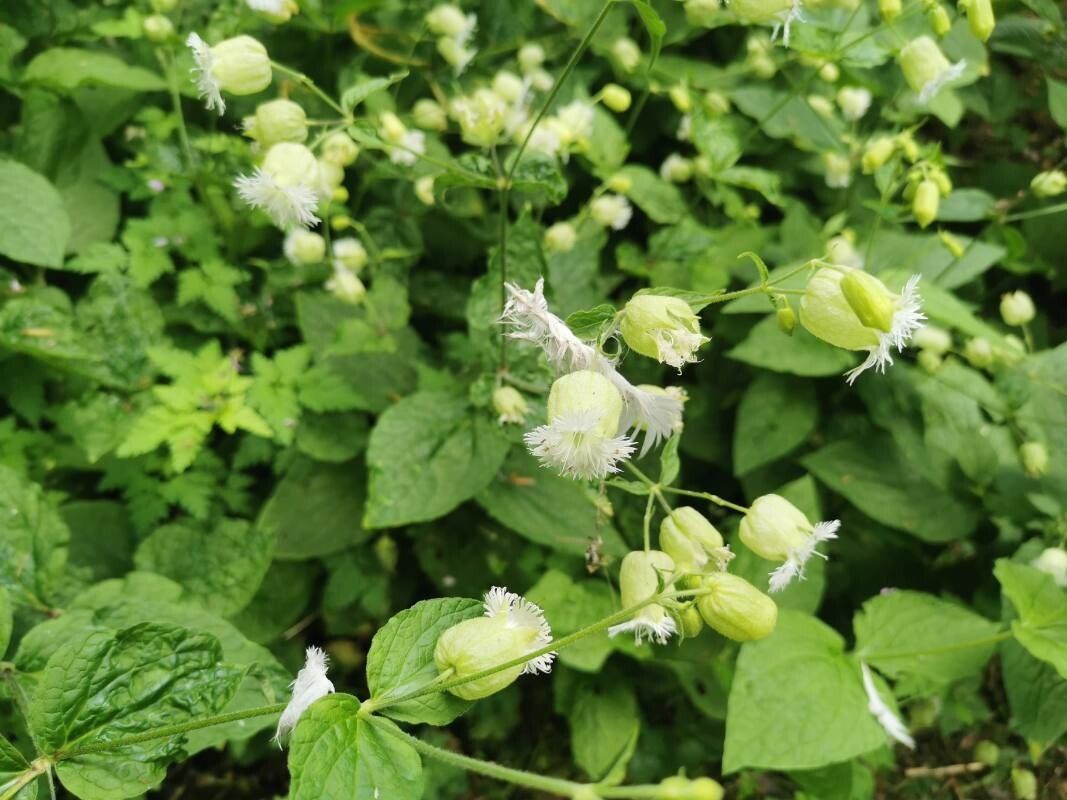
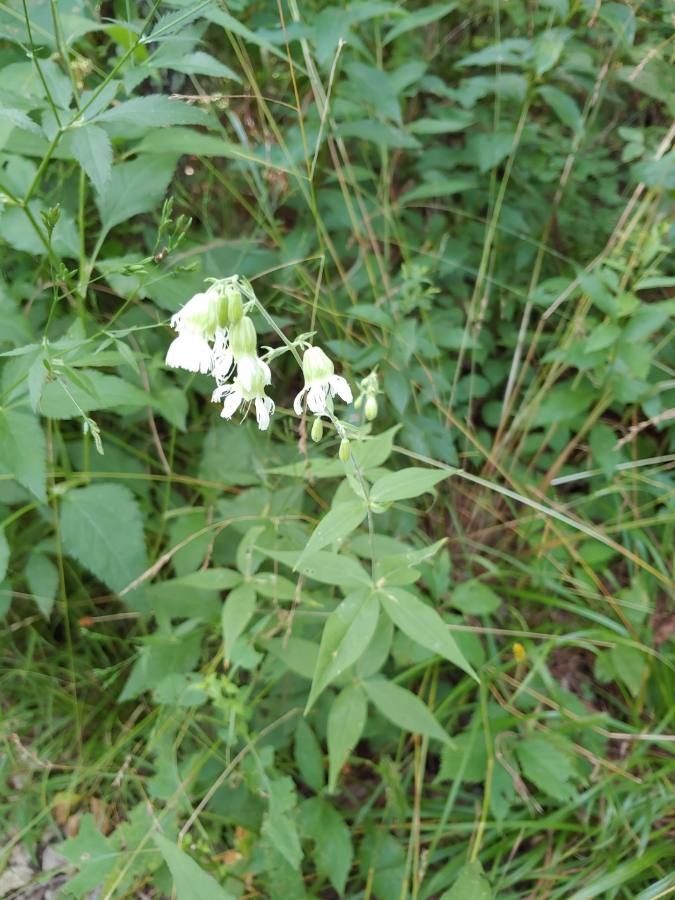
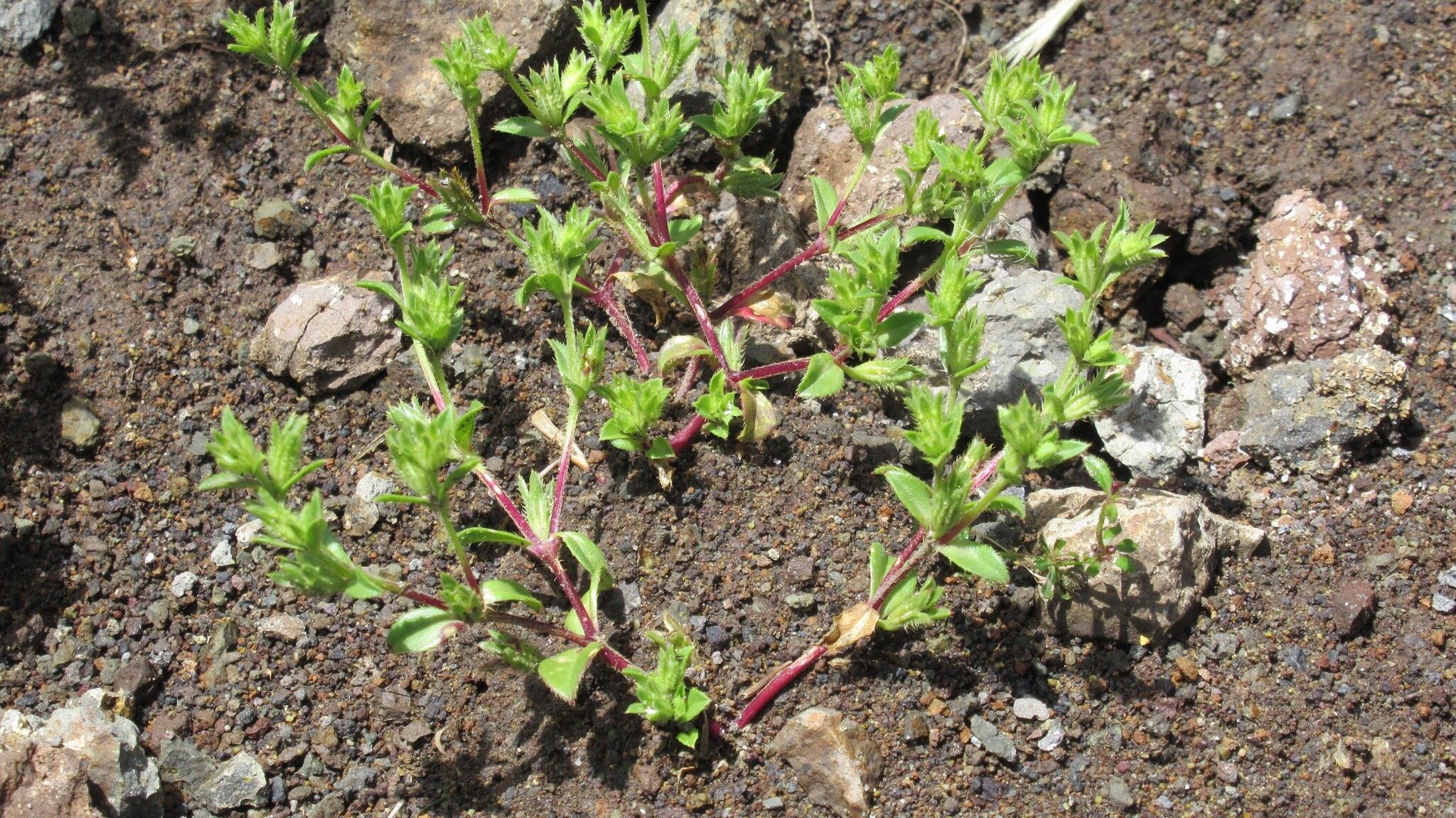
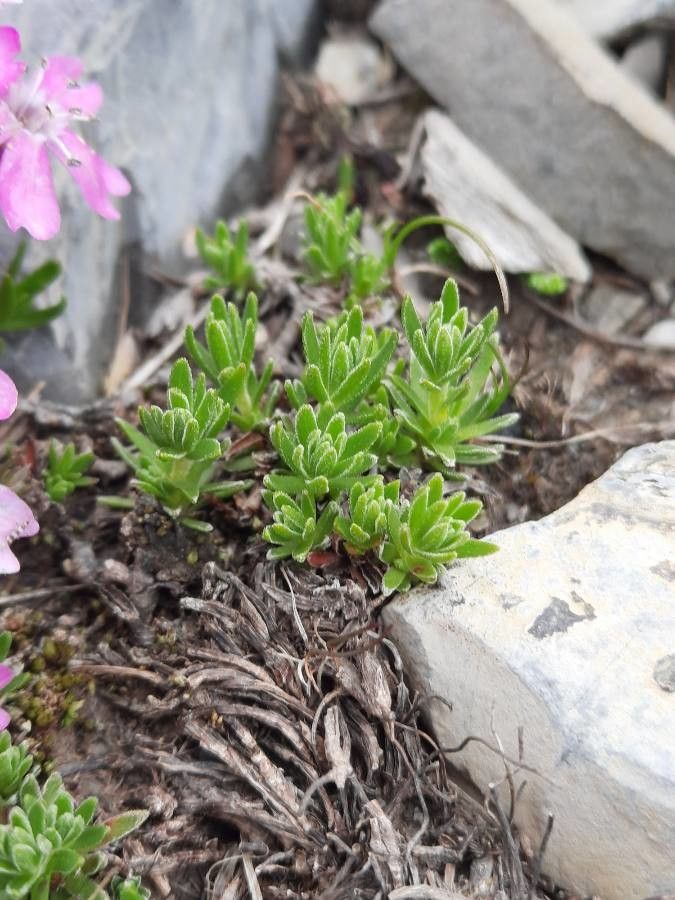
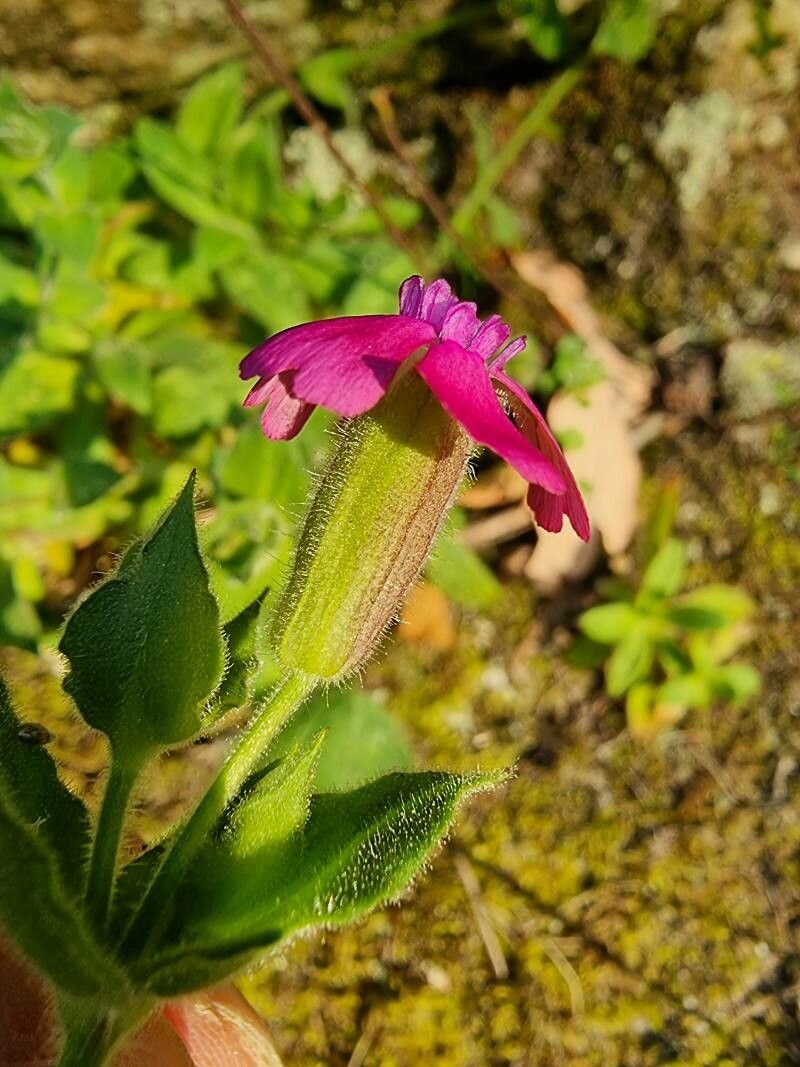
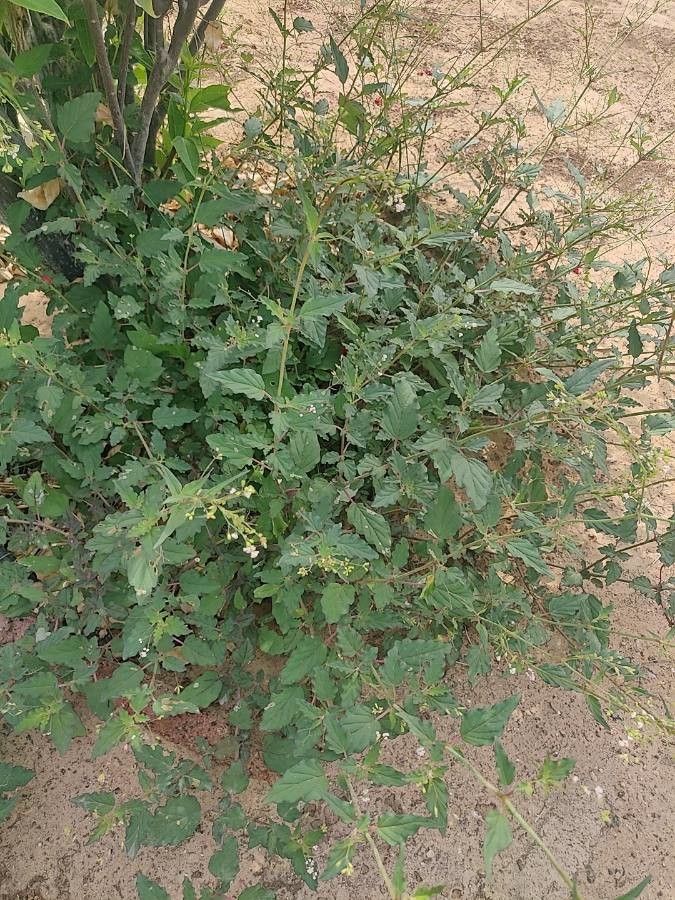
Silene stellata, known by the common names starry campion and widow's frill, is a perennial summer flowering forb with white flowers, which is native to the Eastern United States. It grows in habitats such as forests, river flats, and tall grass prairies.
Widowsfrill has good disease resistance and is generally not prone to diseases. However, it can be susceptible to pests and diseases present in its surroundings. These infections are usually not severe. In terms of care, this plant requires medium maintenance. It needs regular pruning to maintain a good appearance and healthy growth. Fertilizing can also help promote flowering. Widowsfrill is suitable for anyone with outdoor space, such as a garden or patio, and does not require a lot of care experience. It may require more attention when grown indoors.
How to keep Silene Stellata.
Light
Widowsfrill does best with moderate sunlight for optimal growth. Although it can tolerate stronger light, extended exposure may cause stress. Commonly found in places with intermittent sun, its native habitat suggests that controlled light is advantageous. Both too little and too much light can impede its growth and health.
Water
Widowsfrill, which originates from moist woodlands, thrives in consistently damp conditions. It should be watered weekly, but take care to avoid waterlogging. Usually grown outdoors to benefit from natural light, this plant also fares well with mulching, which helps retain soil moisture during its active growing season.
Temperature
Widowsfrill is native to temperate habitats and prefers temperatures between 41 and 90 °F (5 to 32 °C). As seasons shift, it may need moderate adjustment depending on the overall temperature fluctuations.
Fertilizer
Early spring—when Widowsfrill is coming out of dormancy and starting active growth—is the best time to apply fertilizer. Fertilization supplies the essential nutrients for healthy development. While Widowsfrill typically has low fertilizer requirements, applying fertilizer annually can improve its survival and encourage better, longer-lasting blooms.
Pruning
Widowsfrill thrives in shady areas and is known for its star-shaped flowers. To maintain its health, it's important to prune the plant from early to late spring. Pruning encourages healthy growth, helps prevent leggy stems, and supports dense foliage. Additionally, removing spent flowers enhances blooming. Proper pruning also improves air circulation, which reduces the risk of disease.
Botanical profile.
- Plant Type
- Herb
- Life Cycle
- Perennial
- Genus
- Silene
- Family
- Caryophyllaceae
- Hardiness Zone
- 5-8
- Mature Height
- 15 cm to 52 cm
- Mature Spread
- 46 cm to 61 cm
- Leaf Color
- Green, Yellow, Gray, Gold, Silver
- Leaf Type
- Deciduous
- Flower Color
- White
- Flower Size
- 2.54 cm
- Bloom Time
- Summer
- Planting Time
- Spring, Summer
- Harvest Time
- Late summer, Early fall, Mid fall
Other names.
Reader questions.
How should I water my Widowsfrill plant?
To properly water the Widowsfrill plant, it's best to use filtered water at room temperature. Tap water can have harmful particles, so it's better to avoid using it. The reason for using room temperature water is because the plant comes from a warm environment and cold water can be detrimental. It's also important to avoid overhead watering as it can cause leaf problems. Instead, water the plant by applying filtered room temperature water directly to the soil until it's completely soaked. This method helps the roots stay moist and enables them to spread and absorb necessary nutrients.
What are the sunlight requirements for Widowsfrill?
Widowsfrill, with its botanical name Silene stellata, prefers moderate exposure to sunlight for optimal growth. It thrives under conditions of about 3-6 hours of sunlight, termed as partial sun, but can also withstand full sun which is above 6 hours of sunlight per day. It's important to watch the sunlight's movement through your garden to ensure that plants get a balance of light and shade. For indoor growth or in less sunny areas, artificial lighting can be used to supplement natural light, promoting healthier growth with LEDs being a recommended choice. Different plants require different wattages per square foot based on their light needs: full sun plants need 30-50W/sq ft, partial sun plants need 20-30W/sq ft, and full shade plants need 10-20W/sq ft.
What is Widowsfrill and where is it originally from?
Widowsfrill, botanically known as Silene stellata, is indigenous to environments with temperate climates. It prefers temperatures within the range of 41 to 90 °F (5 to 32 °C), thriving well in these conditions without the need for specialized frost protection measures during winter. Its strong cold resistance means it can generally withstand the cold seasons, though precautions should be taken if temperatures are expected to dip below -25°C.
What should I do if I give my Widowsfrill plant too much water or not enough water?
When caring for your Widowsfrill, both overwatering and underwatering can harm its health. However, overwatering is more common and can cause the stems and leaves to wilt and turn yellow. It can also lead to root rot, mold, and mildew, which can kill the plant. Underwatering is less likely, but it can still happen, causing the leaves to become brittle and brown. It's important to be vigilant for signs of overwatering and take action quickly. If you notice early signs, reduce your watering schedule and check the soil's drainage. If the soil drains poorly, replace it with a well-draining mix. If you see signs of underwatering, simply water more consistently until the signs improve.
What symptoms indicate Widowsfrill is experiencing poor light conditions?
When Widowsfrill faces inadequate light conditions, several symptoms may arise. New leaves may appear smaller than mature ones, the plant might exhibit leggy or sparse growth, and there could be a noticeable increase in leaf drop as the plant conserves resources. Growth may slow down or stop entirely, and new leaves might develop in lighter colors or even yellow (chlorosis) due to insufficient chlorophyll. If exposed to excessive sunlight, symptoms such as sunscald, leaf curling, wilting, and leaf scorching may occur, indicating stress and damage from overexposure.
How should Widowsfrill be cared for during winter?
To care for Widowsfrill during winter, especially if temperatures are anticipated to fall below -25°C, it's essential to provide cold protection. This can include covering the plant with soil or straw to insulate it against severe cold. Additionally, before the onset of the first freeze in autumn, the plant should be watered abundantly to ensure the soil remains moist and goes into a frozen state, thereby preventing drought and water scarcity during the winter and early spring months.
How often should I water my Widowsfrill plant?
If your Widowsfrill plant is in a pot, the best way to determine if it needs water is to stick your finger into the soil. If the top two to three inches of soil feel dry, then it's time to water it. If you have your Widowsfrill planted outdoors in the ground, you can use the same method to test the soil. Once again, if the top few inches of soil are dry, it's time to water. Typically, during spring and early fall, you'll need to water this plant about once a week using this method. However, in extremely hot weather, you may need to water it twice or more per week. It's worth noting that mature, well-established Widowsfrill plants have a good ability to withstand periods of drought.
How can I address light-related issues for my Widowsfrill?
To address light-related issues in Widowsfrill, it's vital to ensure the plant receives adequate sunlight, which can involve gradually acclimatizing it to more intense light or utilizing artificial lighting. For indoor plants, shifting them to sunnier spots weekly or using a desk/ceiling lamp for at least 8 hours daily can help. Outdoors, gradually moving plants to sunnier locations can prevent sunburn. If obstructions like trees shade your plant, consider pruning to improve sunlight exposure. For smaller plants, transplanting during their dormant period to a sunnier location with good drainage is advised. It's important to note that while parts of the plant affected by insufficient light may not recover, new growth should be healthy with appropriate light adjustments.
What are the signs that Widowsfrill is experiencing temperature stress?
Signs of temperature stress in Widowsfrill vary depending on whether the stress is from low or high temperatures. In low temperatures, especially below -20°C, there may be a decrease in sprouting or a complete lack of sprouting during spring, even though the plant is cold-tolerant and has no noticeable changes through winter. In high temperatures, exceeding 32°C, symptoms include lighter leaf color, curling, susceptibility to sunburn, and in severe cases, wilting and dryness of the entire plant.
How much water does my Widowsfrill plant need?
When watering your Widowsfrill, don't be afraid to use a generous amount of water. Make sure the first two to three inches of soil are dry and then give the plant a thorough watering. You want to soak the soil completely, allowing excess water to flow out through the drainage holes at the bottom of the pot. If you don't see any excess water draining, you may not have given enough water. However, be careful not to let the water accumulate in the soil, as this can harm the plant. It's also important to have well-draining soil, as poor drainage can be harmful to the plant's health. If the plant is outside, about 1 inch of rain per week is enough.
How can you manage temperature stress in Widowsfrill?
Managing temperature stress in Widowsfrill involves specific actions depending on the stress type. For cold stress, particularly when the plant fails to sprout in spring, removing any unsprouted parts is recommended. For heat stress, sunburned and dried-up parts of the plant should be trimmed away. The plant should be moved to a shaded location or covered with a shade cloth to protect it from midday and afternoon sun. Additionally, watering the plant in the morning and evening helps keep the soil moist and supports the plant through high temperatures.
What is the best way to water my Widowsfrill at different times of growth?
The water requirements of the Widowsfrill can vary depending on its growth stages. For example, when your Widowsfrill is in its early years or when you have recently relocated it, you will need to provide more water than usual. During these stages, the plant focuses on establishing new roots to support future growth, which requires additional moisture. As the plant matures, it will require less water. Additionally, during its bloom period, the Widowsfrill may need more water due to the increased demand for moisture during flower development.