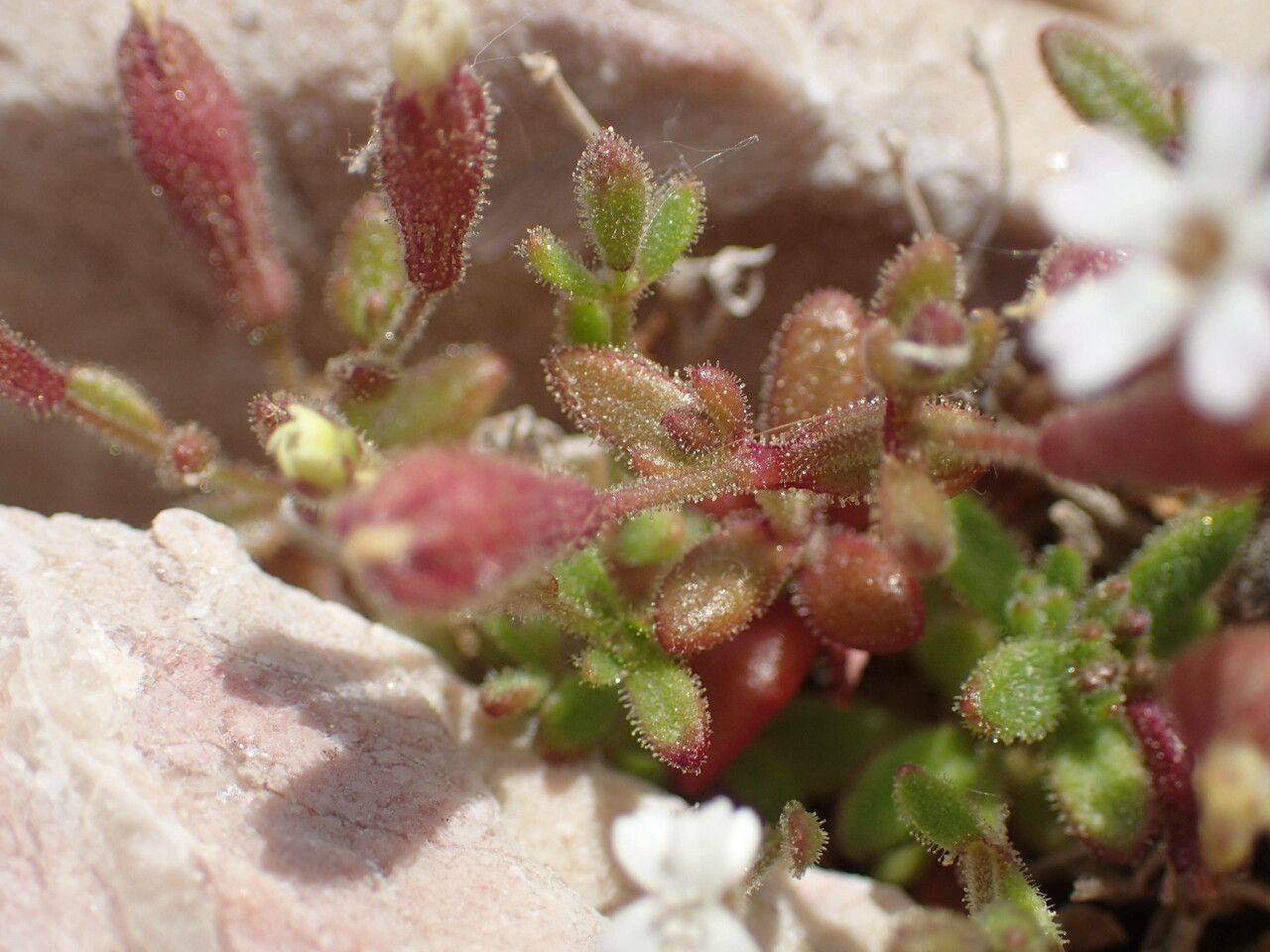
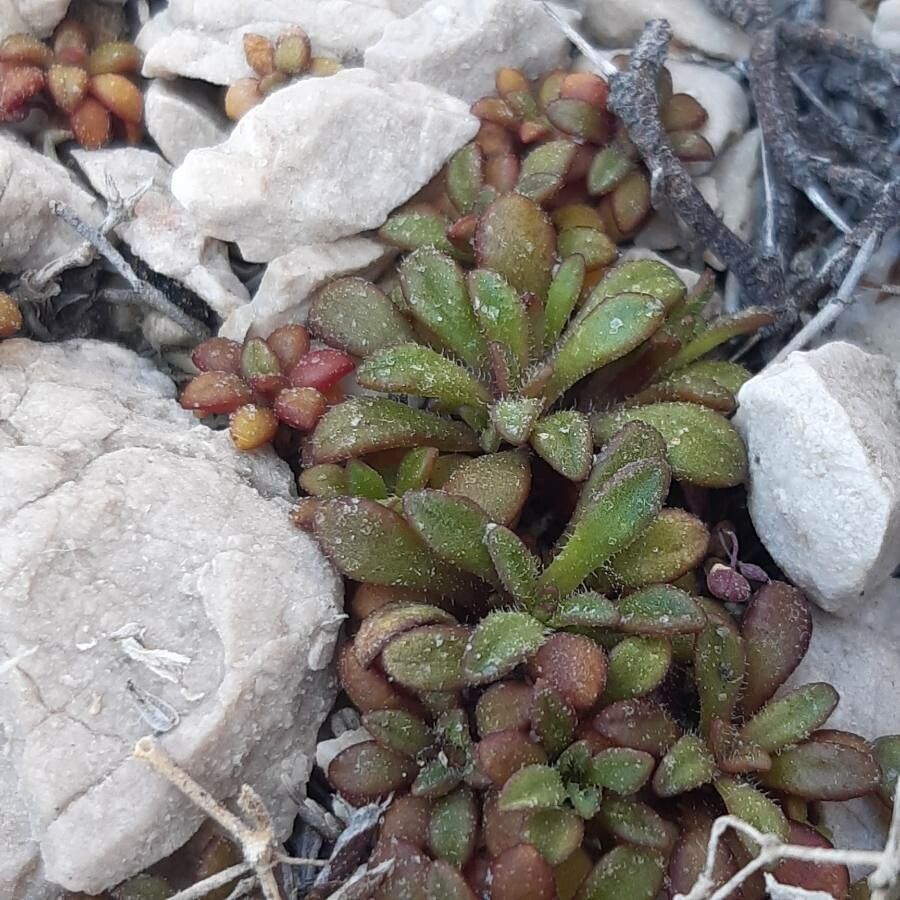
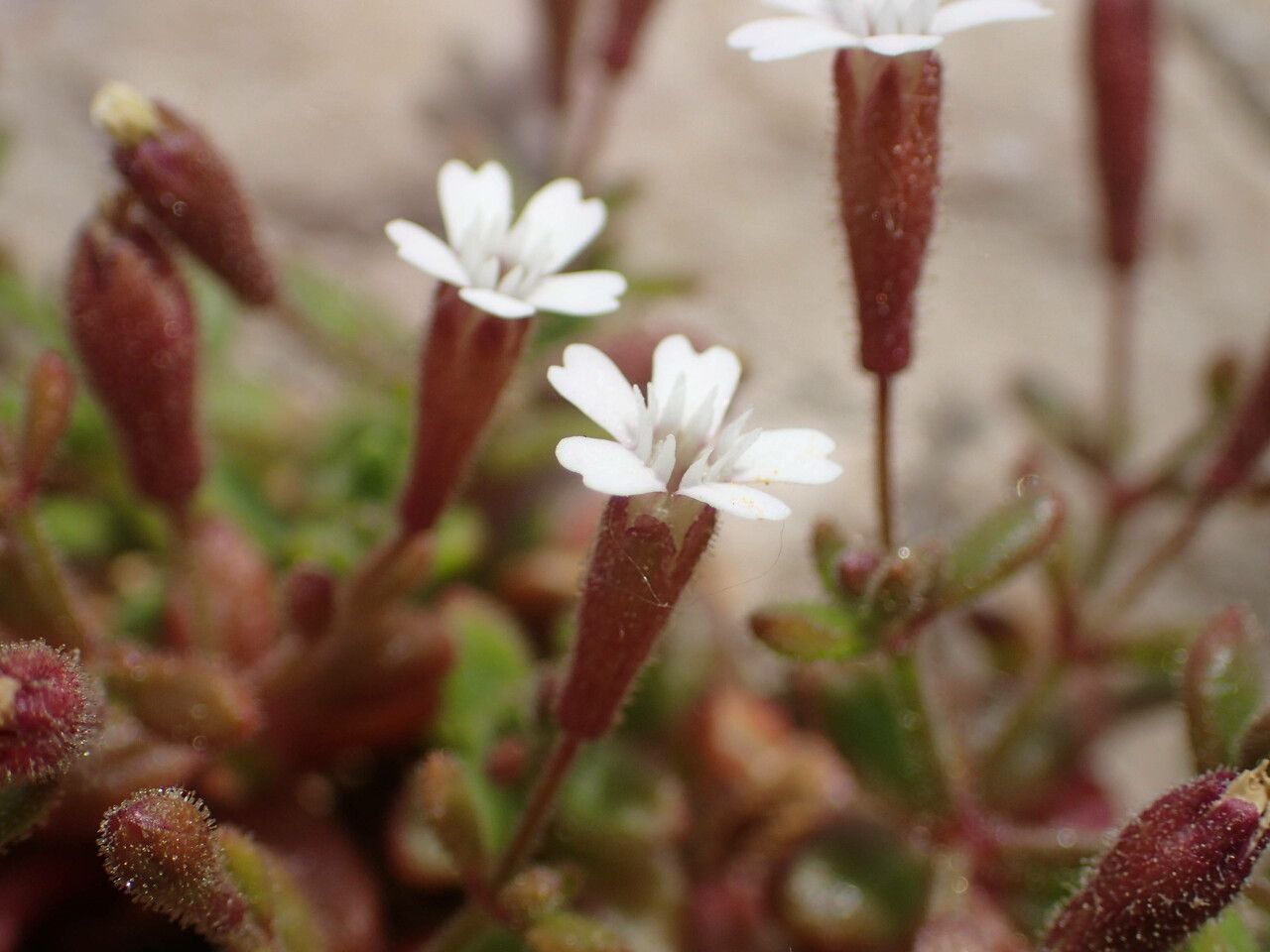
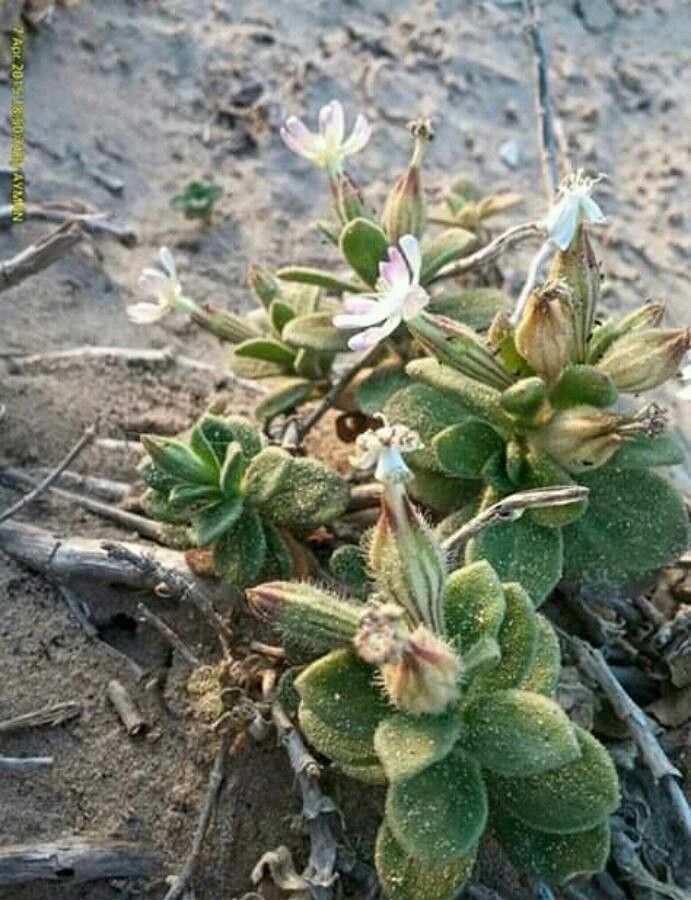
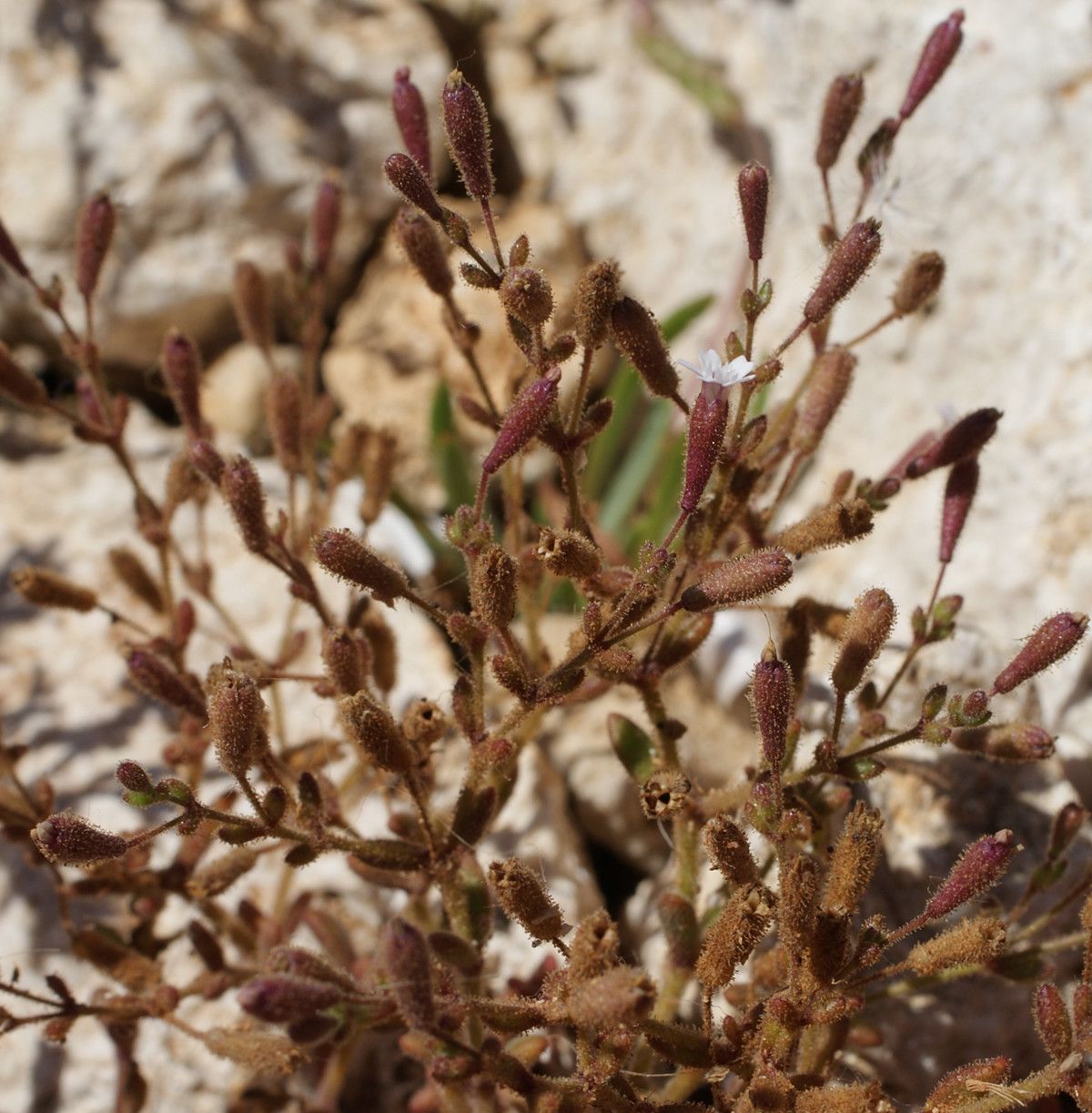
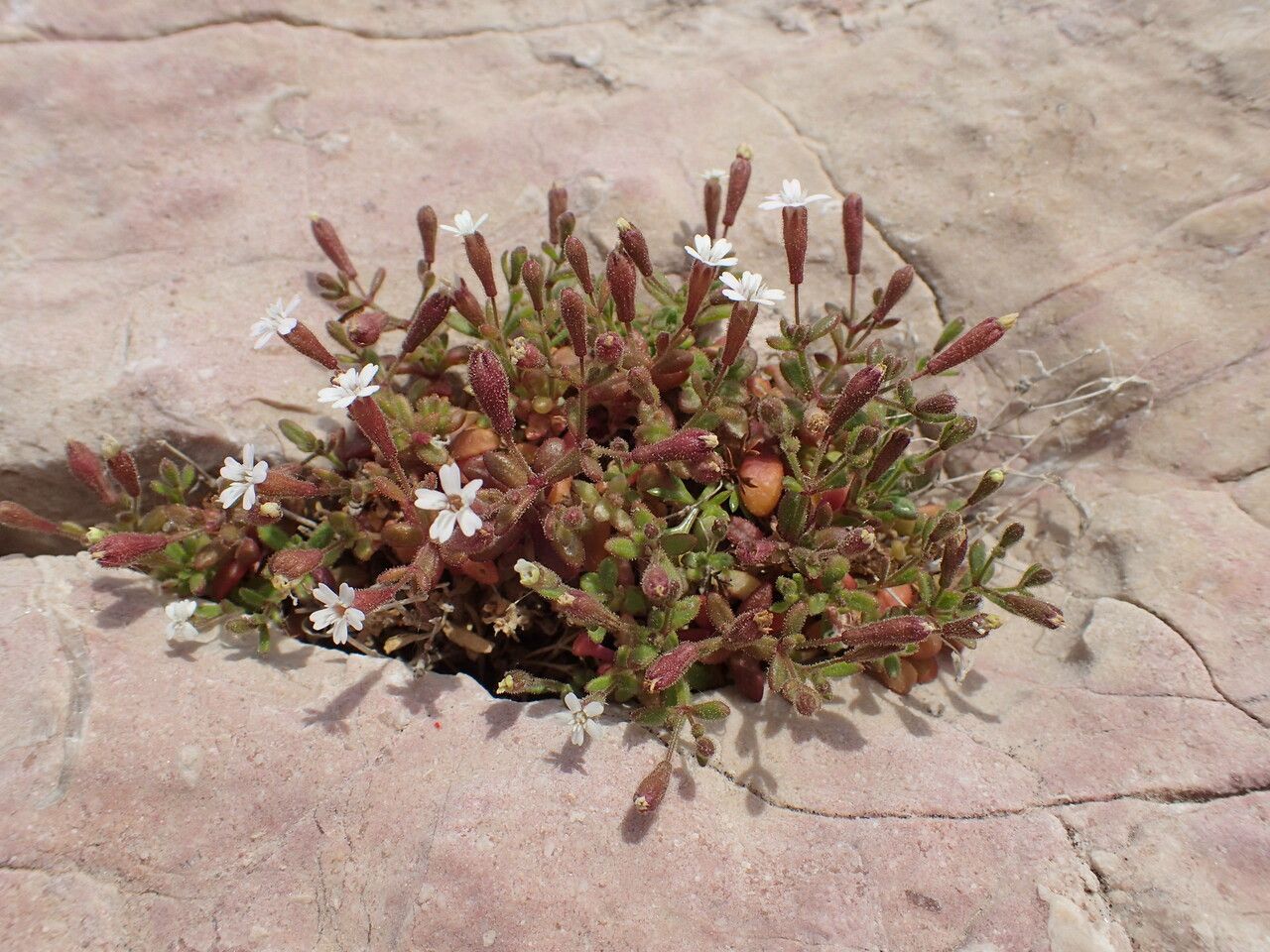
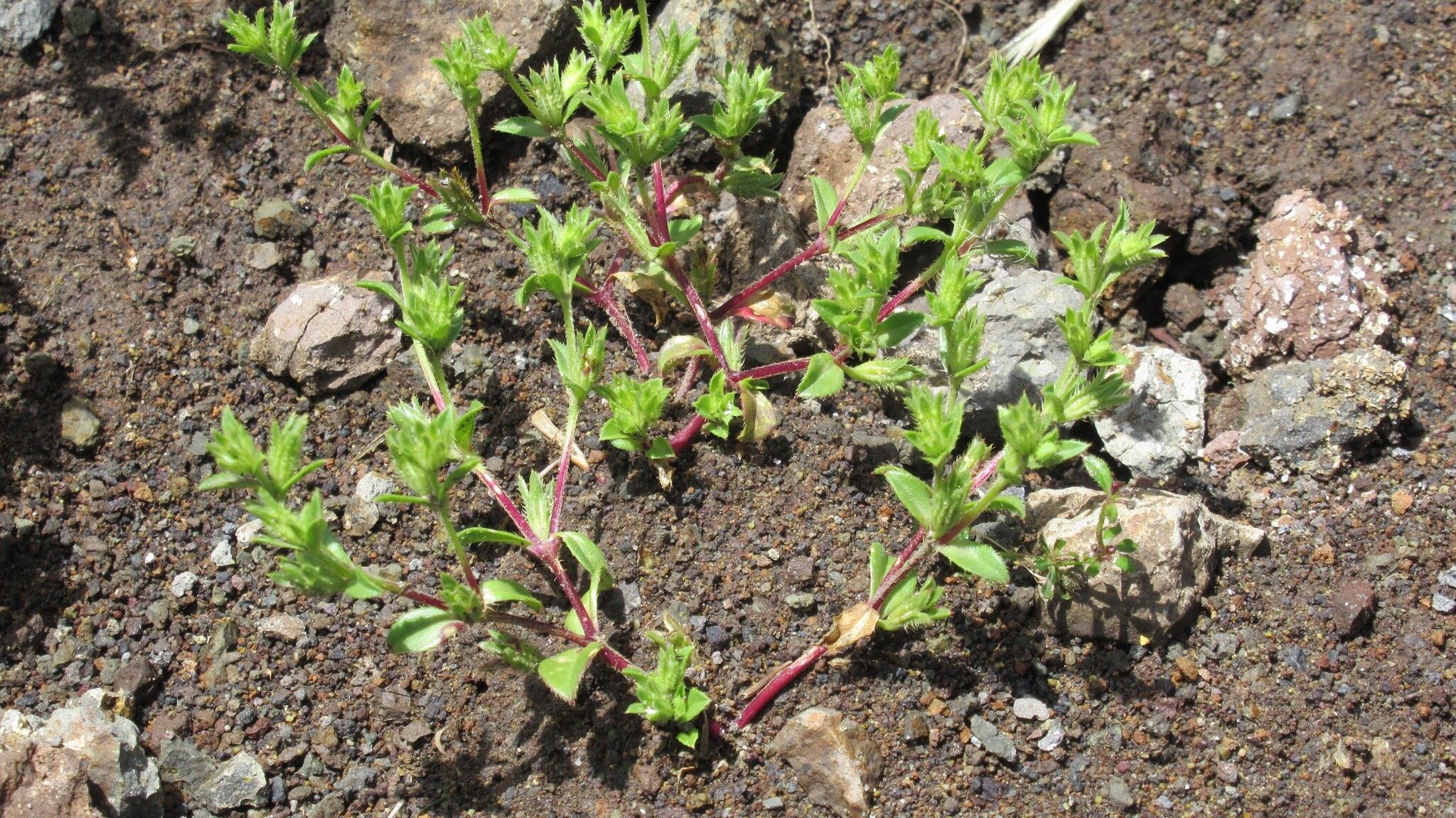
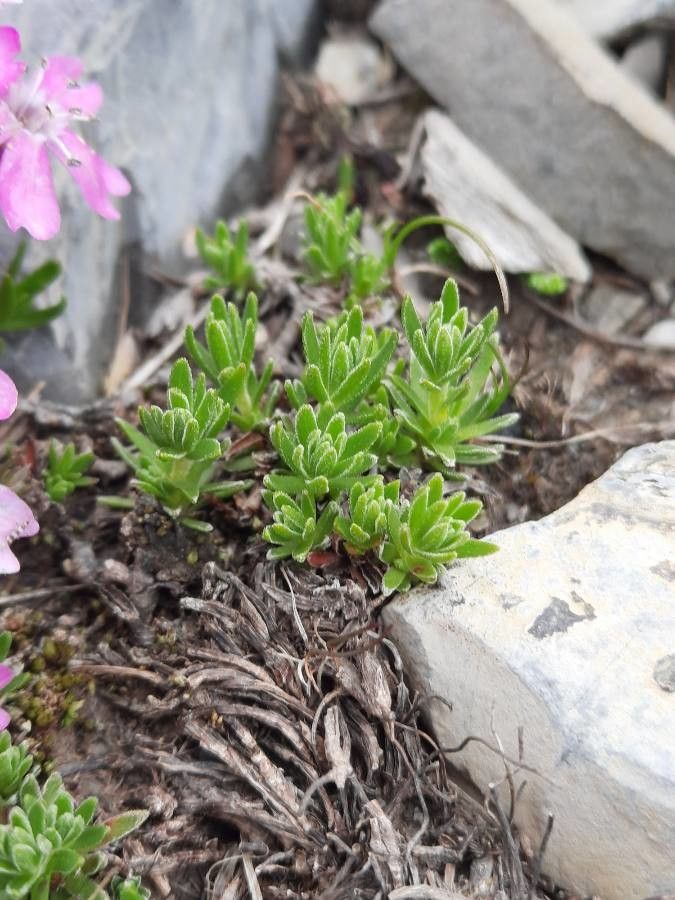
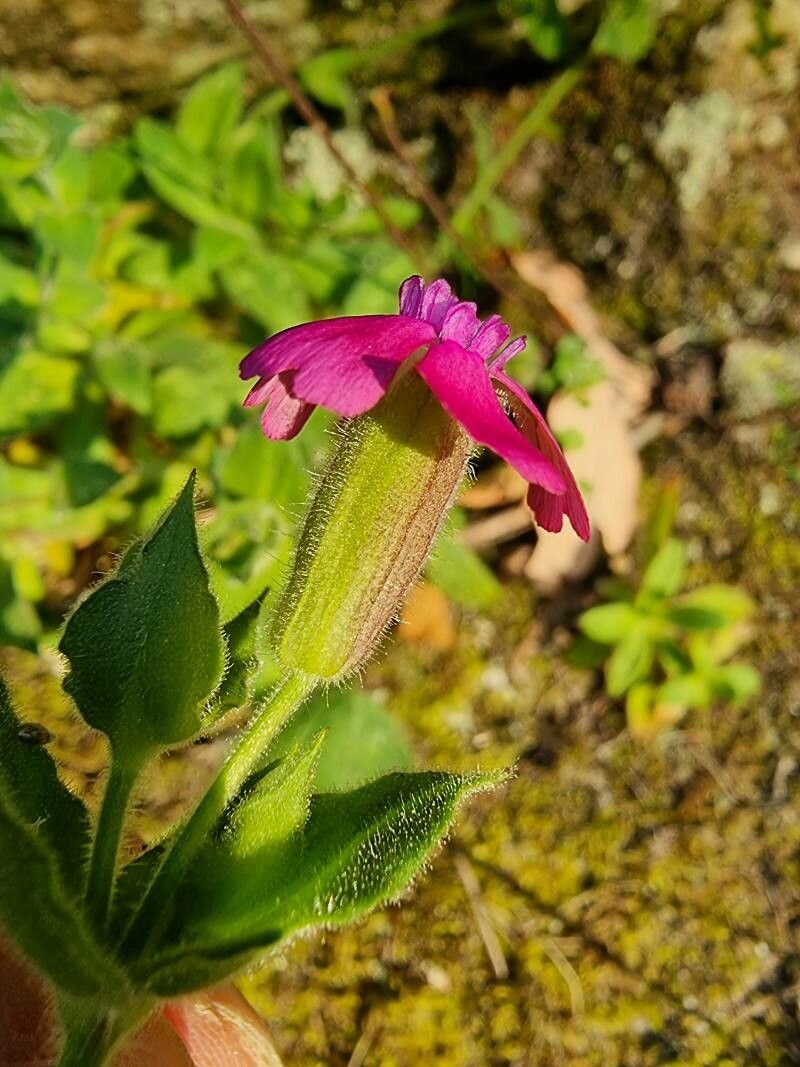
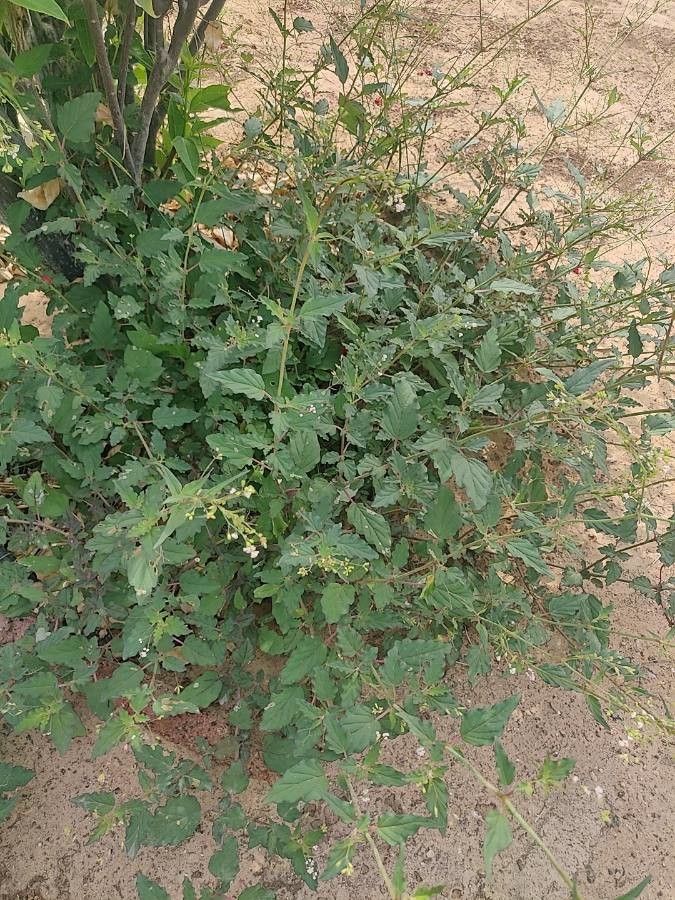
Silene sedoides is a species of Silene. It is widely distributed across the Aegean Sea but one of its subspecies is endemic to Greece.It has hermaphroditic flowers with pink or crimson petals.
Hairy catchfly has strong disease resistance and is usually not prone to illnesses. However, it can be affected by pests and diseases present in its surroundings. These infections tend to be mild. Regarding care, this plant requires moderate maintenance. It should be pruned regularly to maintain a neat appearance and healthy growth. Fertilizing can also help encourage flowering. Hairy catchfly is suitable for anyone with outdoor space, such as a garden or patio, and does not demand much experience in plant care. It may need more attention when grown indoors.
How to keep Silene Sedoides.
Light
Hairy catchfly comes from bright, open habitats and performs best in full sun. It can tolerate some partial shade but favors direct sunlight for optimal growth. This plant, which may be annual or biennial, is known for its sun-loving habit.
Water
Hairy catchfly thrives in well-drained, moderately humid environments similar to its native alpine habitats. It requires modest watering, about twice a week. Its drought-resistant nature makes it perfect for outdoor cultivation, especially in rock gardens, where it can flourish even with inconsistent rainfall.
Fertilizer
When most of Hairy catchfly's blooms have opened to full size, resume fertilizing. As the blooms reach their peak output, begin fertilizing once every three to four weeks, as weather allows. Then, when Hairy catchfly begins to produce fewer new blooms, stop fertilizing; there's no need to feed the plant when it can't produce any more blooms.
Pruning
Hairy catchfly is known for its hairy stems and vibrant flowers, which can thrive with proper pruning techniques. To encourage growth and blooming, prune the plant from early to late spring by removing any dead stems. Light trimming helps maintain the plant's shape, improves air circulation, reduces pest problems, and promotes a bushier growth. Always use clean, sharp tools to avoid damaging the plant.
Botanical profile.
- Plant Type
- Herb
- Life Cycle
- Annual
- Genus
- Silene
- Family
- Caryophyllaceae
- Hardiness Zone
- 7-10
- Mature Height
- 5 cm to 15 cm
- Mature Spread
- 10 cm to 20 cm
- Leaf Color
- Dark Green, Forest Green
- Leaf Type
- Semi-evergreen
- Flower Color
- White, Purple, Pink
- Flower Size
- 0.51 cm to 1.02 cm
- Bloom Time
- Late spring, Early summer, Mid summer
- Planting Time
- Spring, Summer
- Harvest Time
- Mid summer, Late summer, Early fall
Other names.
Reader questions.
What are the sunlight requirements for Hairy Catchfly (Silene sedoides)?
Hairy Catchfly (Silene sedoides) thrives in different sunlight conditions depending on the specific needs. For full sun exposure, it requires above 6 hours of sunlight daily. If the plant is in partial sun, it should receive about 3-6 hours of sunlight. It's important to observe the movement of sunlight through your garden to find the optimal spots that offer the ideal balance of light and shade, ensuring the plants remain healthy and happy.
Is there any special advice on sunlight for growing Hairy Catchfly (Silene sedoides)?
Yes, when growing Hairy Catchfly (Silene sedoides), it's crucial to monitor how sunlight interacts with your garden. This involves selecting locations that provide a balanced mix of light and shade suited for your plants. This careful observation will help in placing your plants in spots where they can flourish by receiving the right amount of sunlight they need.