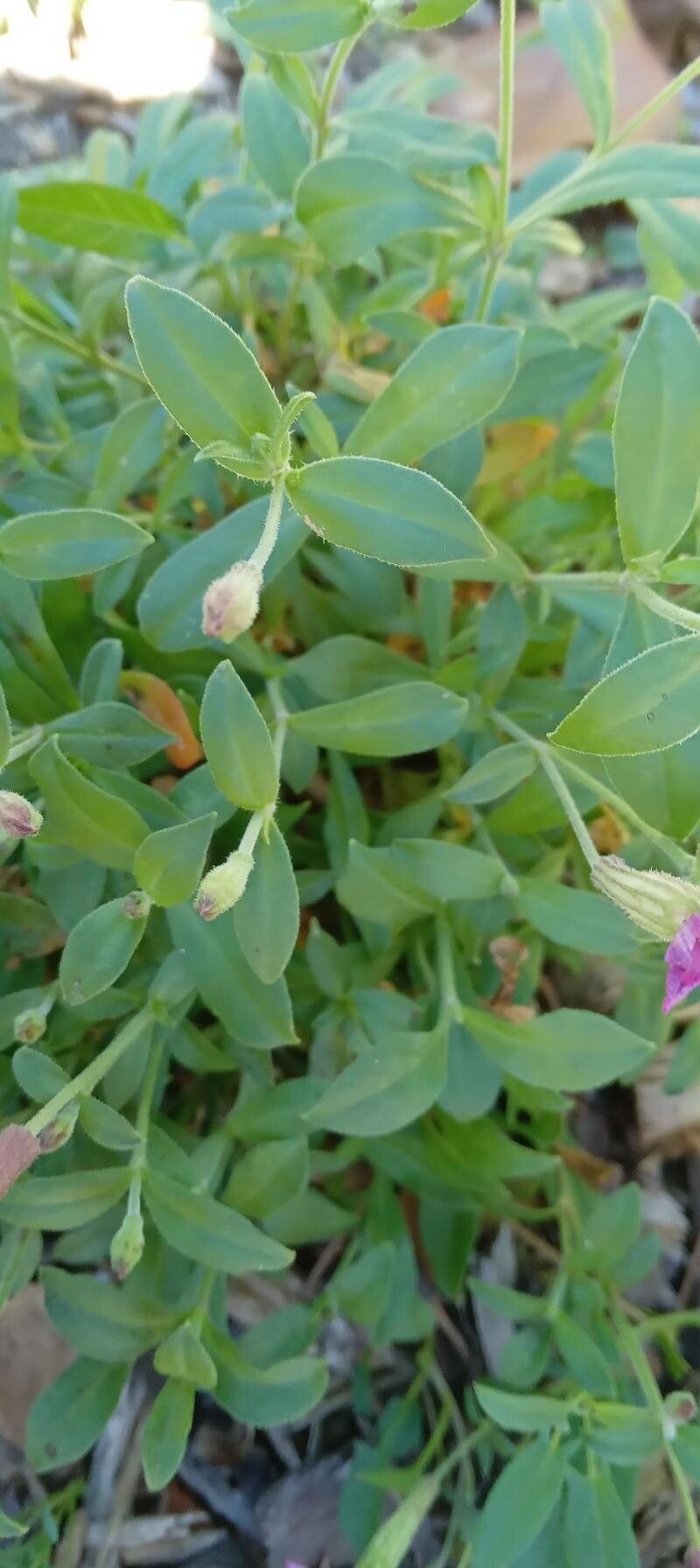
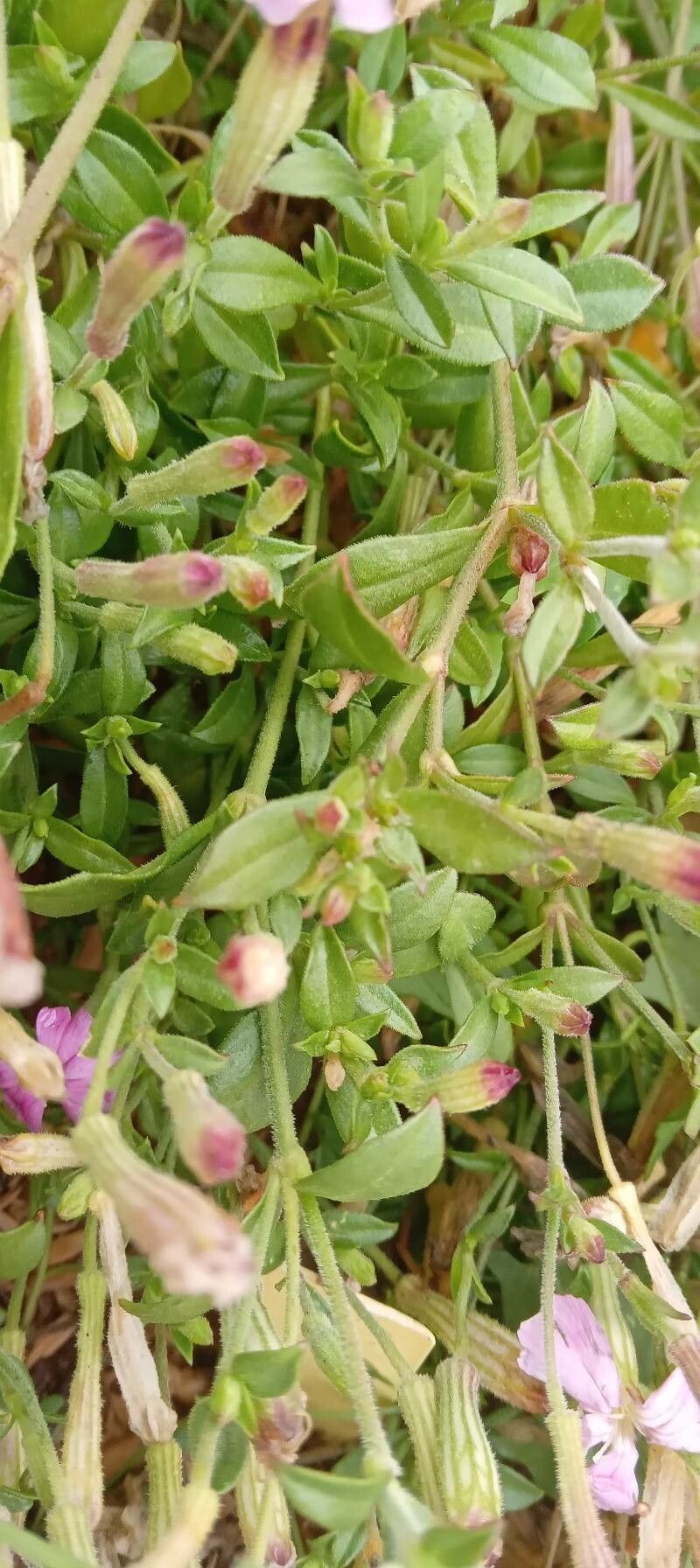
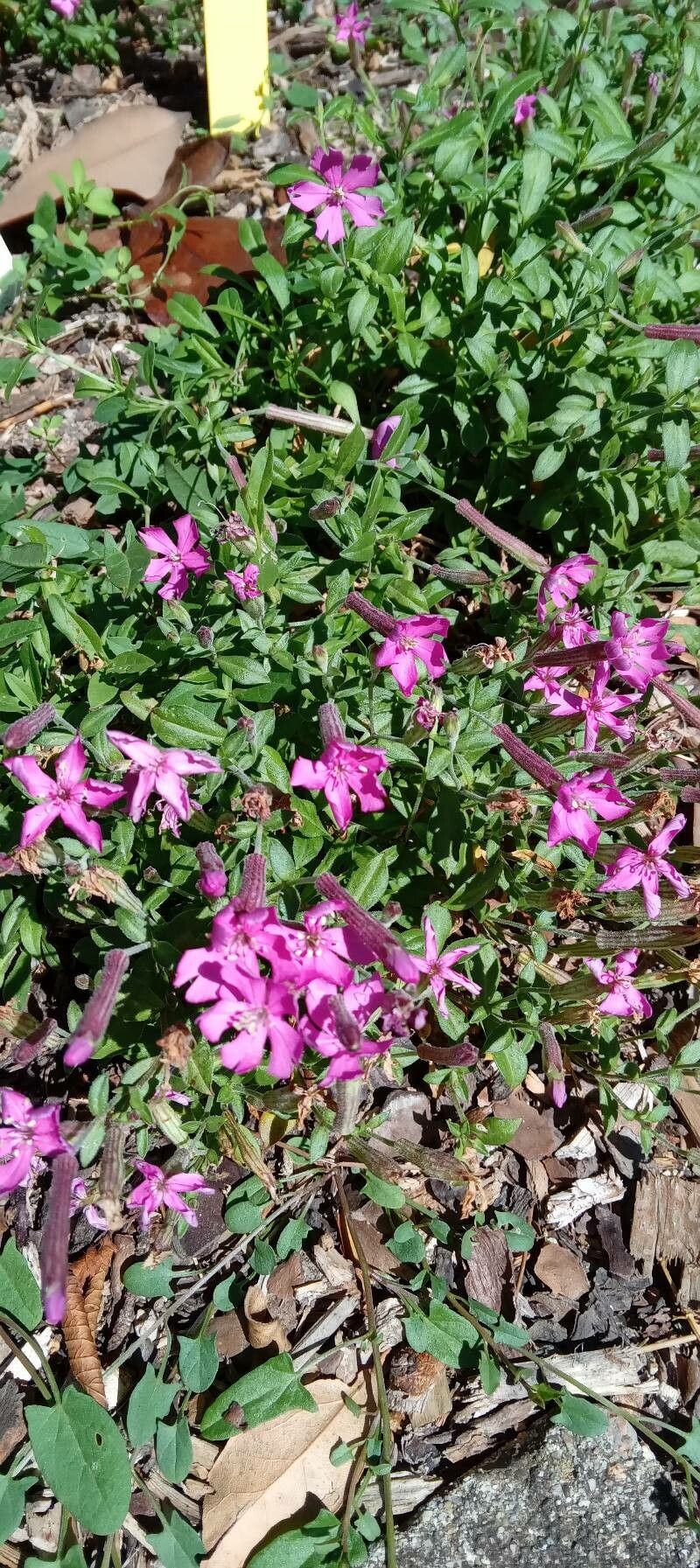
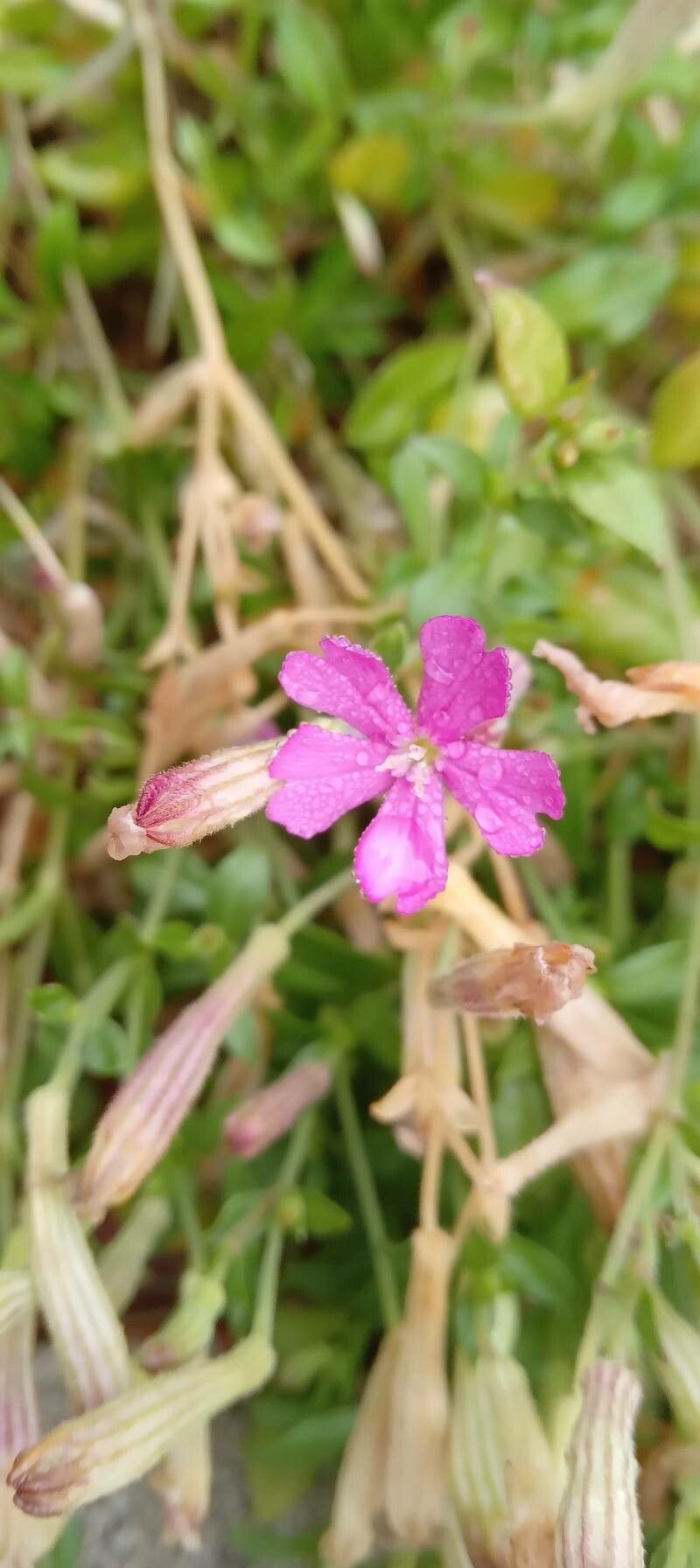
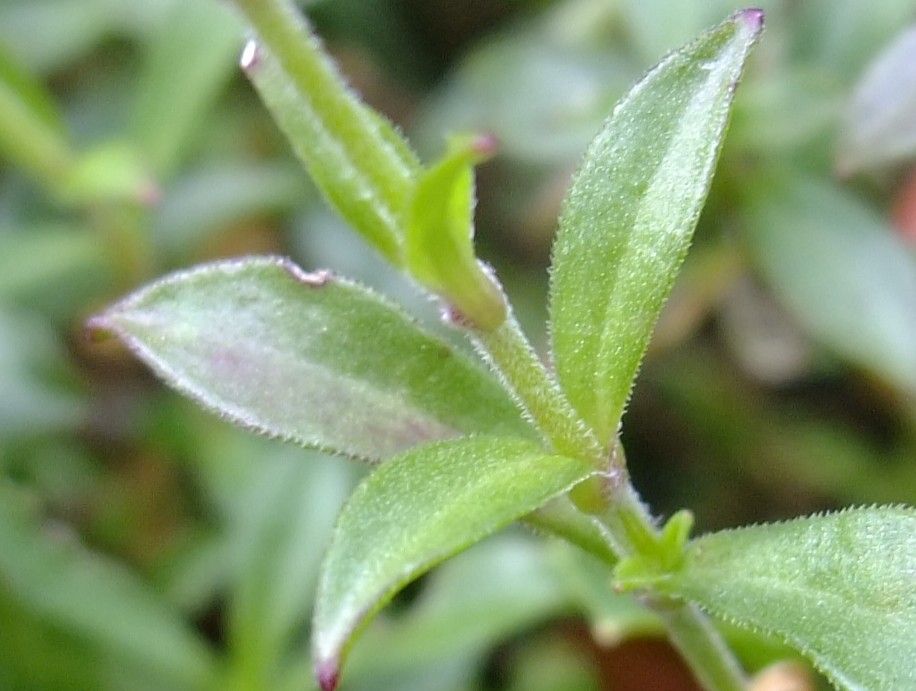
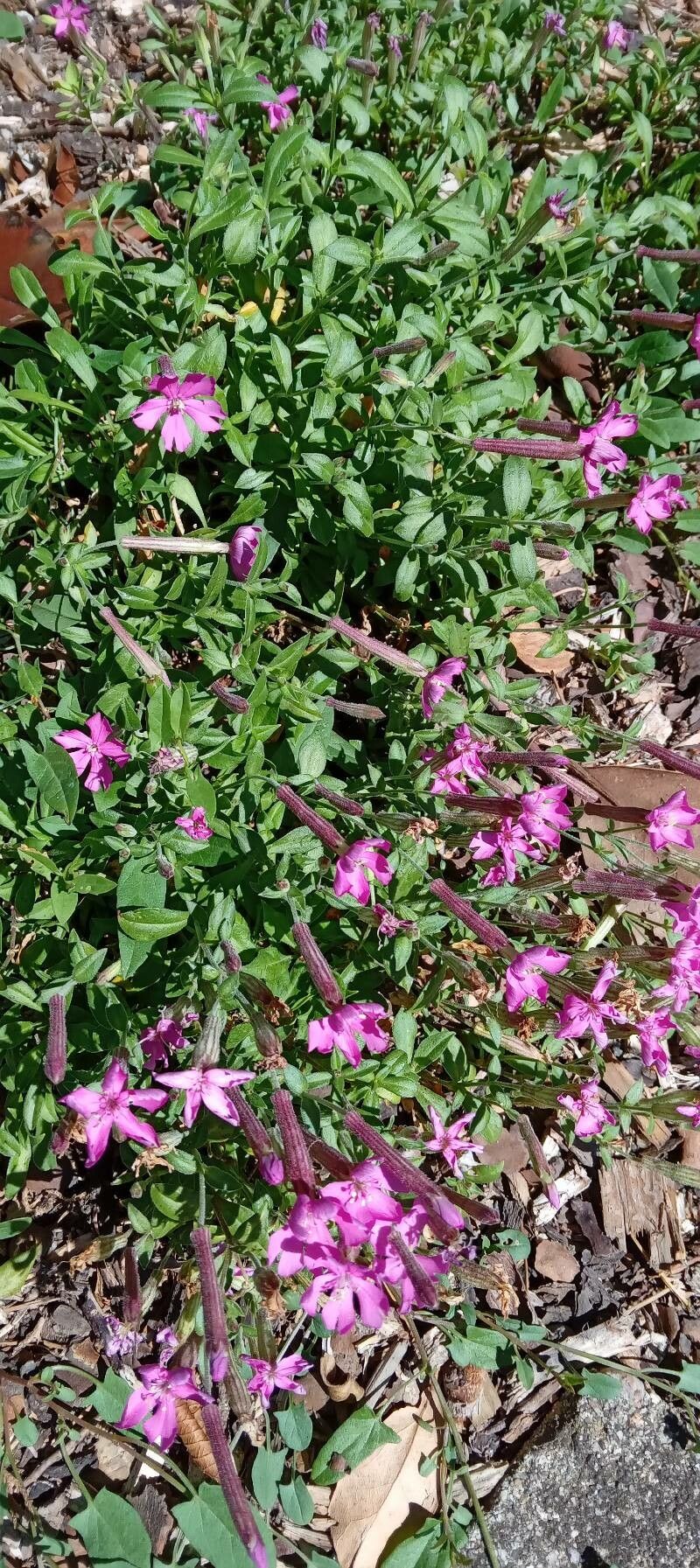
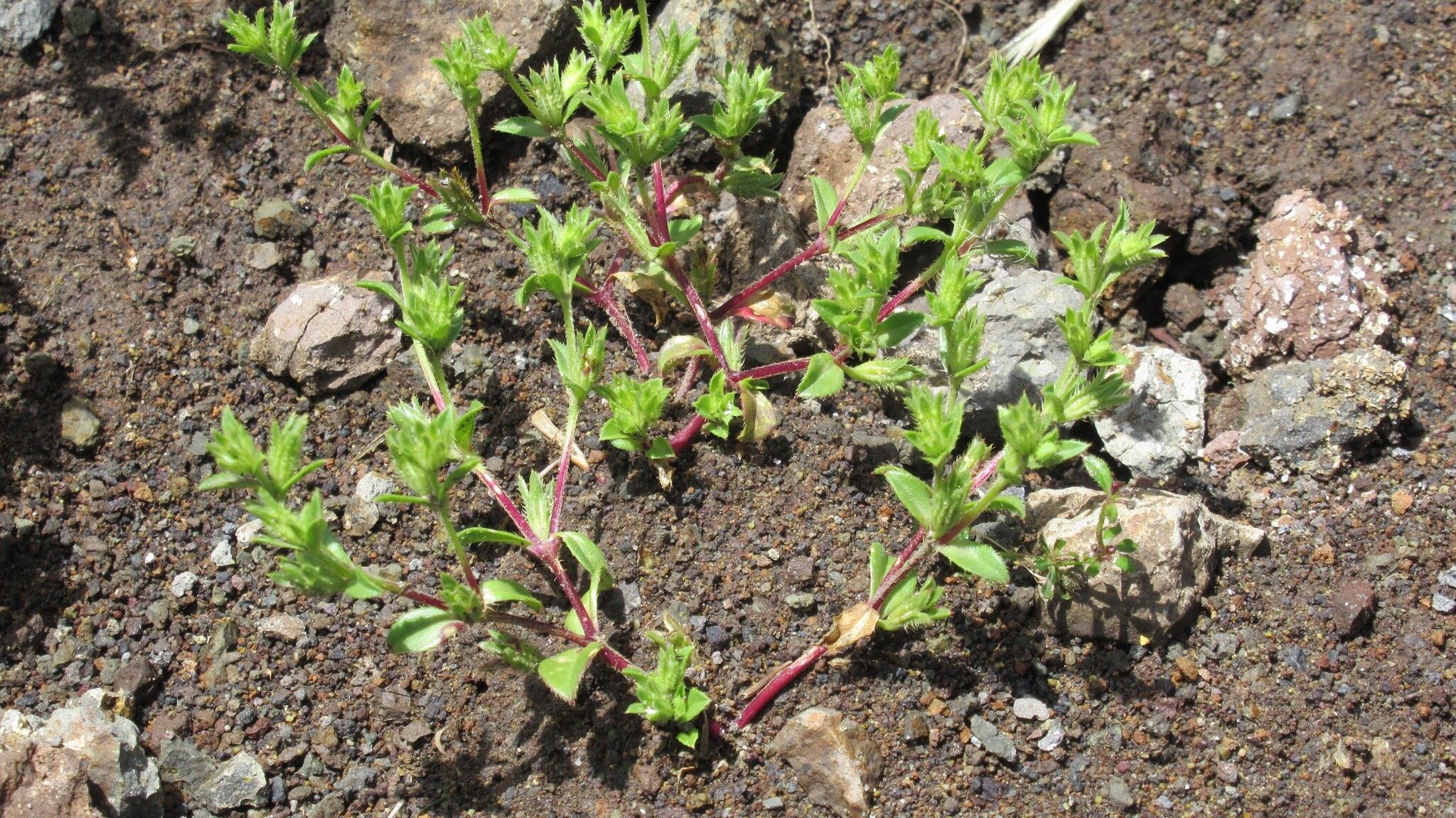
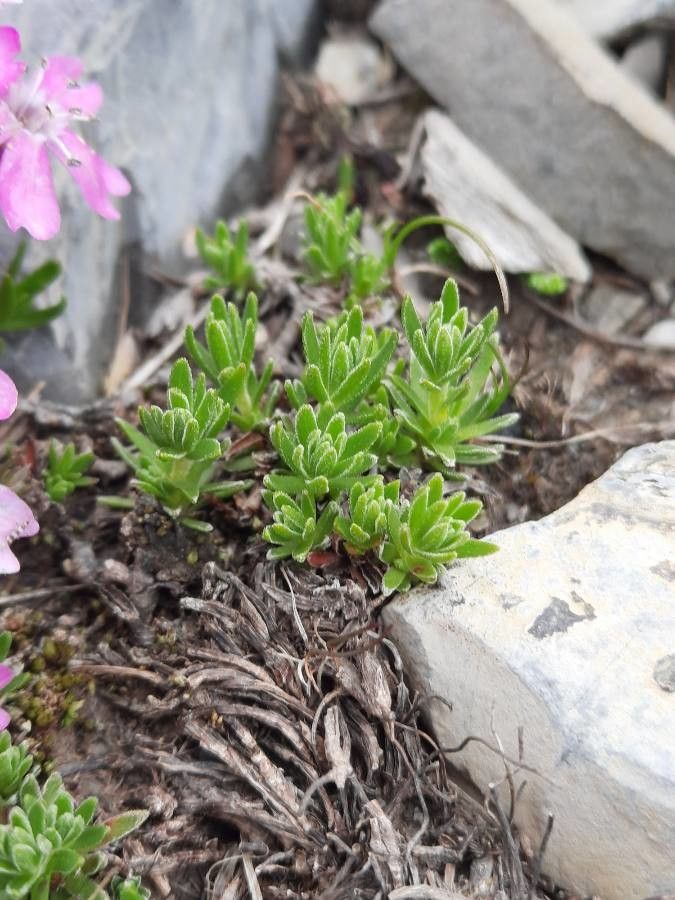
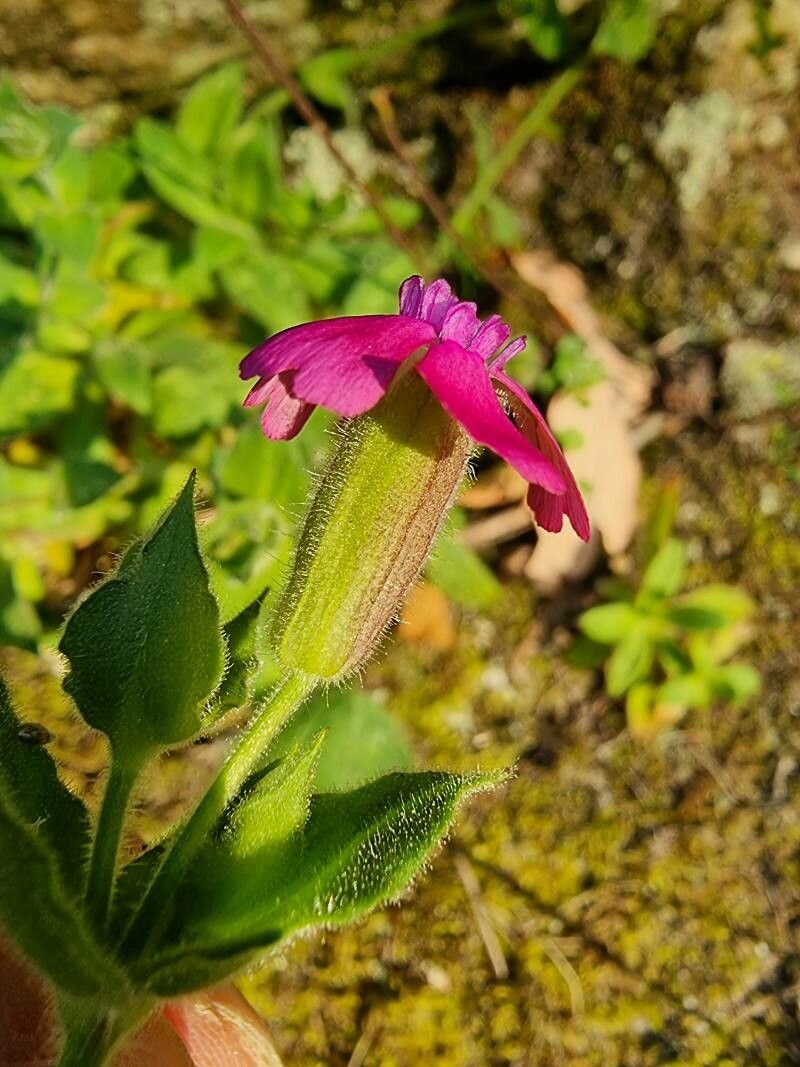
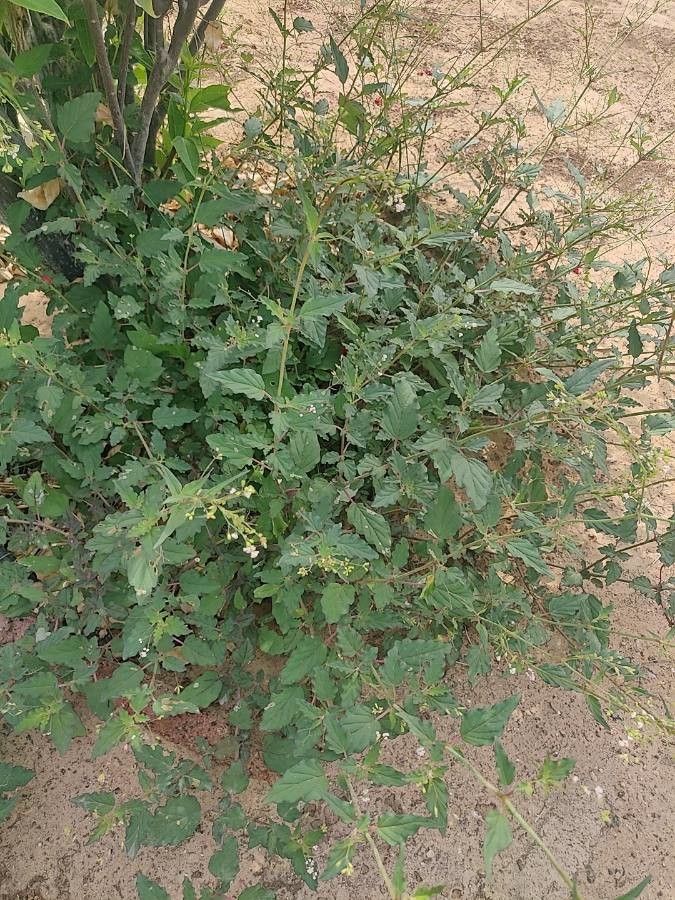
Silene schafta, the Caucasian campion or autumn catchfly, is a species of flowering plant in the family Caryophyllaceae, native to western Asia. Growing to 25 cm (10 in) tall by 30 cm (12 in) wide, it is a mat-forming semi-evergreen perennial, with narrow leaves and clusters of bright pink, five-petalled flowers in late summer.The specific epithet schafta derives from a local Caspian name for this plant.Valued in the garden as easily grown groundcover for rock gardens, Silene schafta has gained the Royal Horticultural Society's Award of Garden Merit.
Caucasian campion is fairly resistant to disease and typically does not suffer from illnesses. However, it can be vulnerable to pests and diseases present in its surroundings. When infections do occur, they are usually mild. In terms of care, the plant requires a moderate level of maintenance. It needs regular pruning to keep a tidy appearance and support healthy growth. Fertilizing can also help encourage flowering. Caucasian campion is suitable for anyone with outdoor space, such as a garden or patio, and does not demand extensive care experience. It may require more attention when grown indoors.
How to keep Silene Schafta.
Light
Caucasian campion is a sun-loving perennial herbaceous plant native to open habitats, commonly growing in meadows and grasslands. It prefers full sun but can also tolerate partial sun.
Water
The Caucasian campion originates from rocky slopes and thrives in moderately moist environments. To care for it, water the plant weekly, ensuring the soil remains evenly moist but not soggy. Although it can be grown indoors, it fares better outdoors and adapts well to different climates. During its dormancy period, the plant requires less frequent watering.
Temperature
Caucasian campion can tolerate a wide range of temperatures, but its distribution may still be constrained by different combinations of moisture and heat. It performs best in warm summer climates with sufficient rainfall or watering. Extended periods of cloudy, rainy weather or sustained high temperatures can raise the chance of Caucasian campion dying. In winter, proper protection from cold can increase the plant's survival.
Fertilizer
Typically, one application of fertilizer in spring is enough for Caucasian campion, although repeated feedings can maximize growth. Apply fertilizer every one to one and a half months. Fertilization improves the leaves’ appearance and function, helping maintain uniform color and a healthy texture. It also promotes root development and nutrient uptake for sustained plant health.
Pruning
Caucasian campion is known for its vibrant magenta flowers, and it benefits greatly from pruning in early to late spring. Trim the old stems to encourage new growth and maintain the plant's shape. Be sure to remove any dead foliage to keep the plant healthy and prevent it from becoming leggy. With regular care, you can ensure a profusion of blooms and a neat garden appearance. For more detailed care instructions, consult local gardening guides.
Pot & Repot
When repotting Caucasian campion, select a pot 1–2 inches (2.5–5.1 cm) larger with good drainage. Use a well-draining potting mix. Repot in spring or fall, making sure the root ball sits slightly below the rim of the pot. Water thoroughly after repotting and keep it in a warm spot with indirect sunlight.
Botanical profile.
- Plant Type
- Herb
- Life Cycle
- Perennial
- Genus
- Silene
- Family
- Caryophyllaceae
- Hardiness Zone
- 4-9
- Mature Height
- 10 cm to 15 cm
- Mature Spread
- 15 cm to 30 cm
- Leaf Color
- Green
- Leaf Type
- Deciduous
- Flower Color
- Pink
- Flower Size
- 2.03 cm to 3.05 cm
- Bloom Time
- Mid summer, Late summer, Early fall
- Planting Time
- Spring, Summer
- Harvest Time
- Early fall, Mid fall
- Native Area
- Pakistan, Iran, Azerbaijan
Other names.