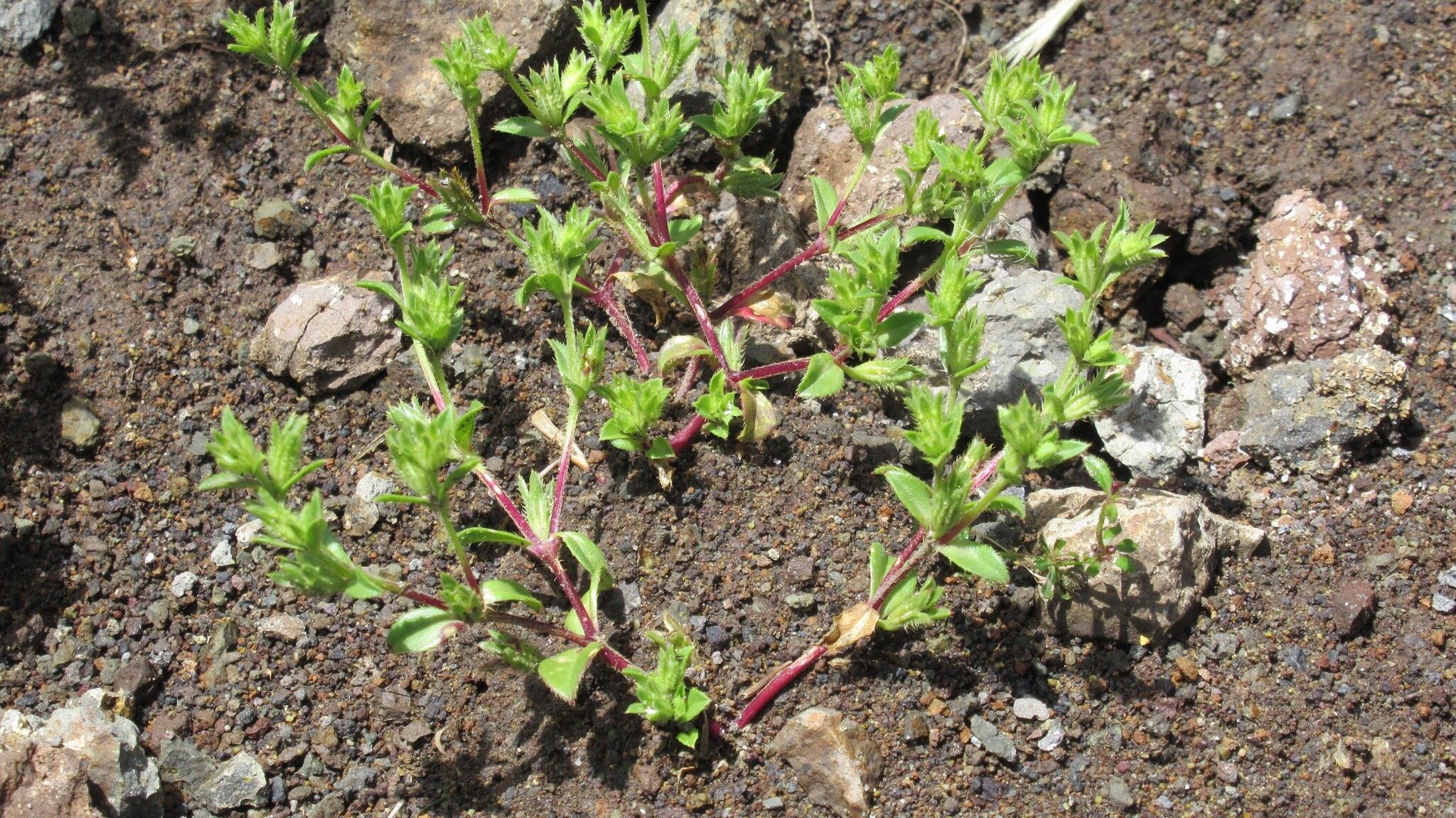
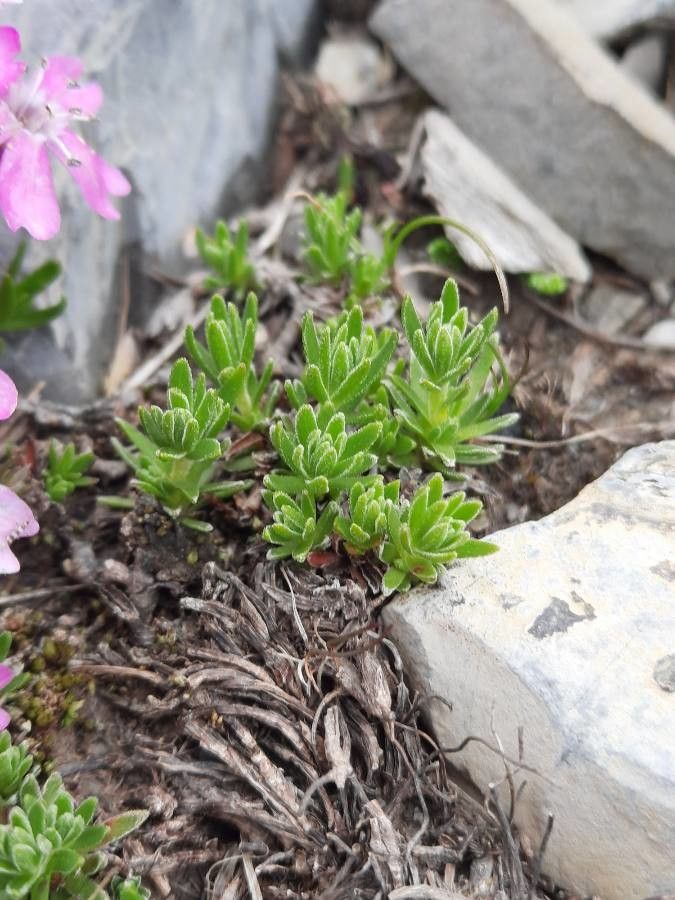
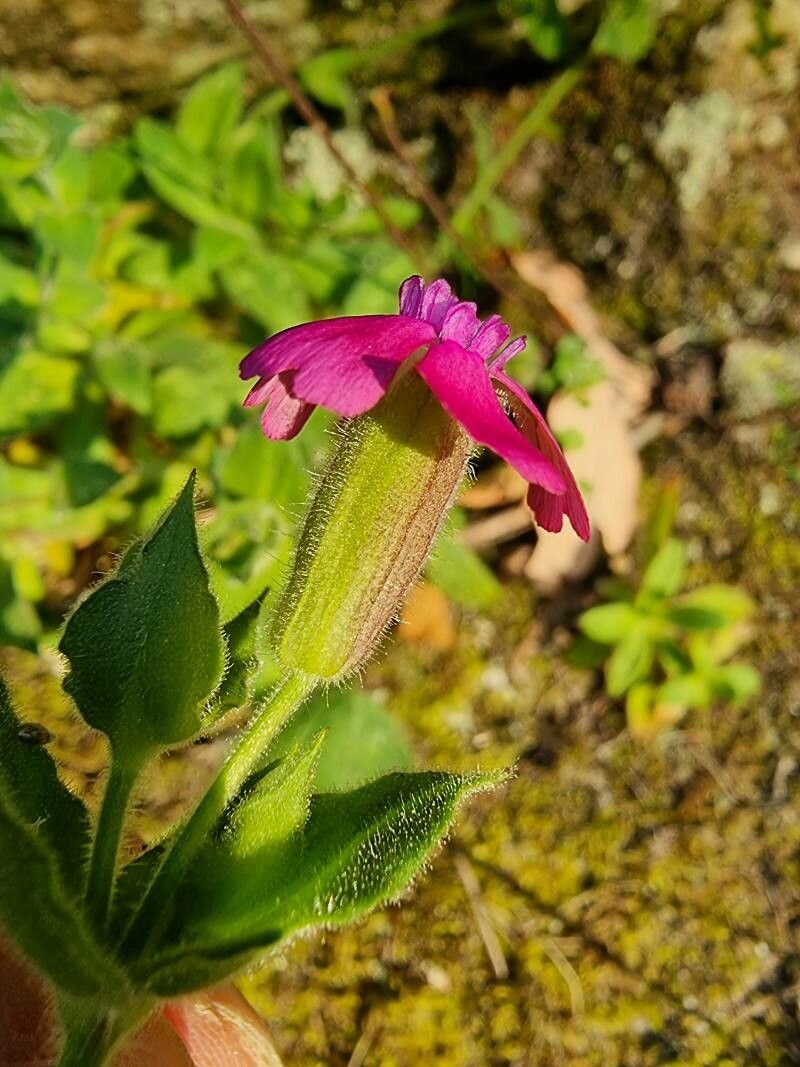
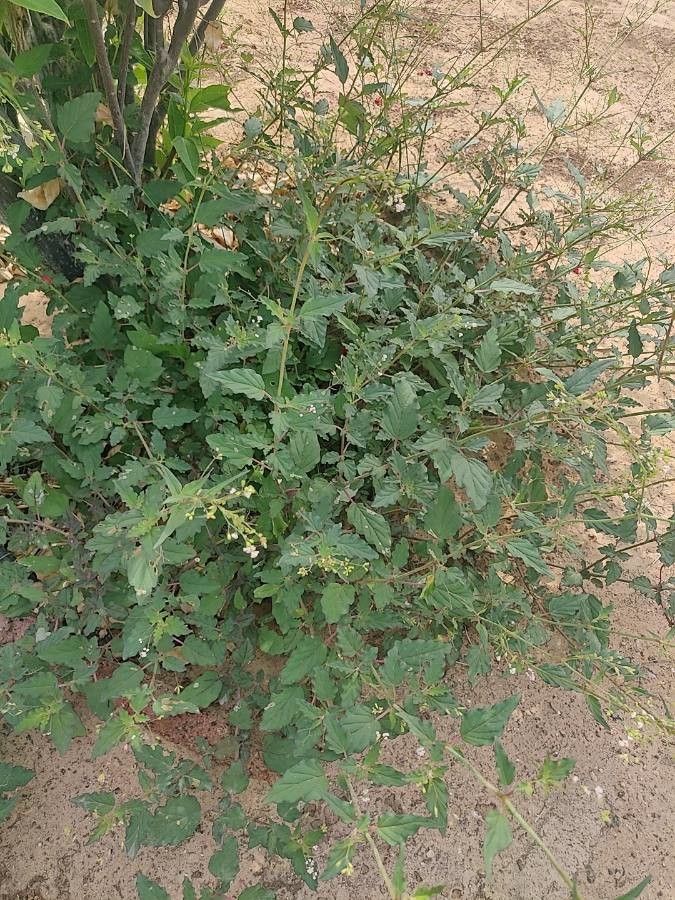
Silene parishii, commonly known as Parish's catchfly, is a perennial herbaceous plant in the family Caryophyllaceae. Native to California, it thrives in the Mojave and Sonoran deserts. The plant can grow up to 30 cm tall and features narrow, gray-green leaves. Its pink or white flowers have five petals, each deeply notched at the tips, giving them a fringed appearance.
This plant is well-adapted to harsh desert conditions, utilizing a deep taproot system to access water from underground sources. Additionally, small hairs on its leaves and stems help reduce water loss through transpiration.
Silene parishii plays a crucial role in desert ecosystems by providing food for pollinators such as bees, butterflies, and moths. It also serves as a host plant for several species of moths.
However, Silene parishii is currently considered threatened due to habitat loss from human activities like urbanization and agricultural expansion. Conservation efforts are underway to protect its habitat through practices such as controlled burns and grazing management plans.
In summary, Silene parishii holds significant ecological importance but faces threats from human activities. Therefore, conservation efforts are essential to preserve this species for the benefit of future generations.
Botanical profile.
- Genus
- Silene
- Family
- Caryophyllaceae