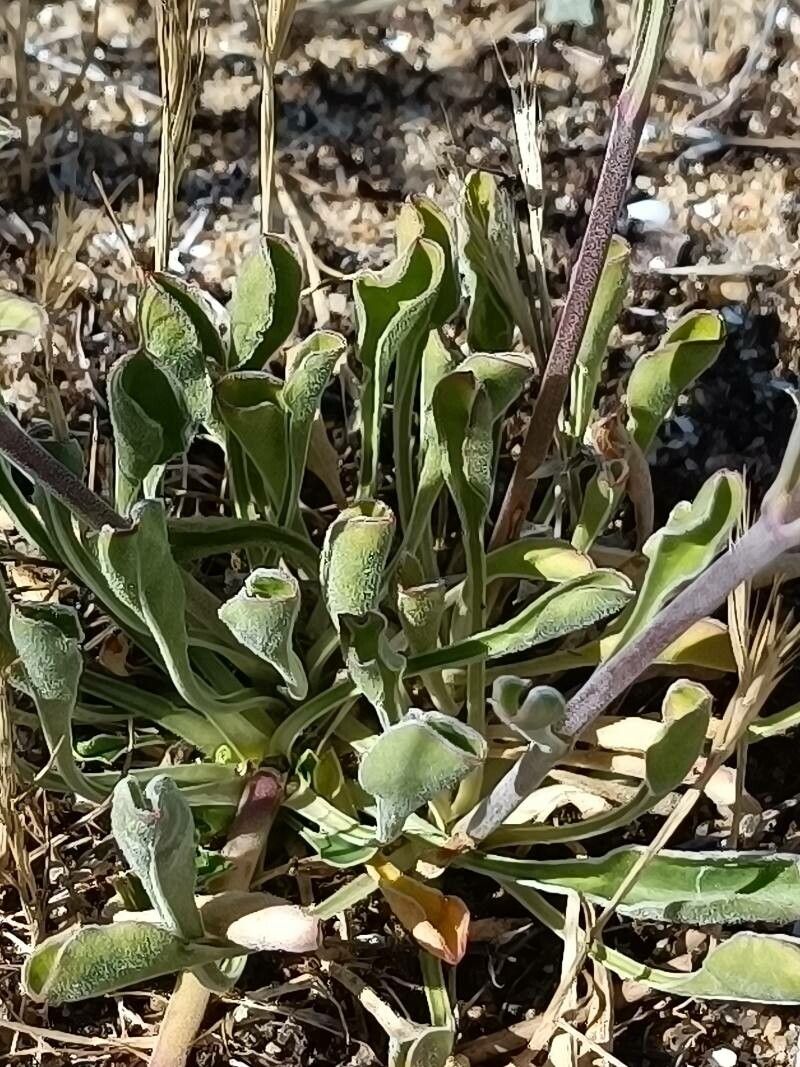
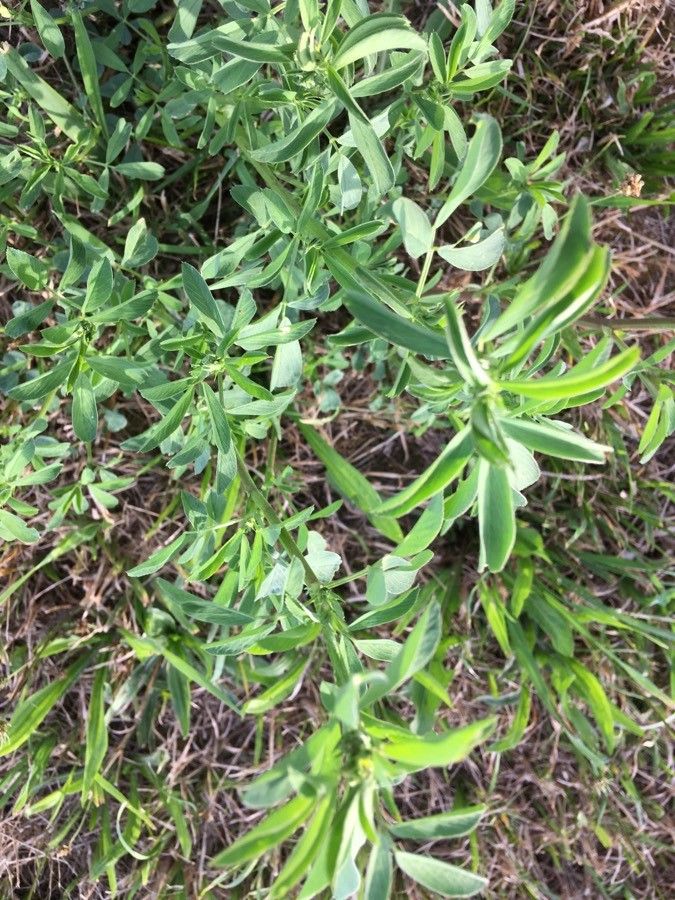
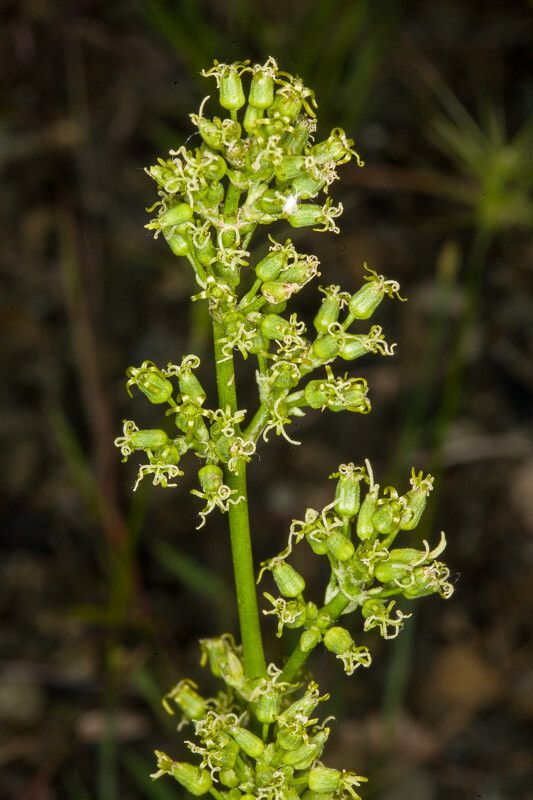
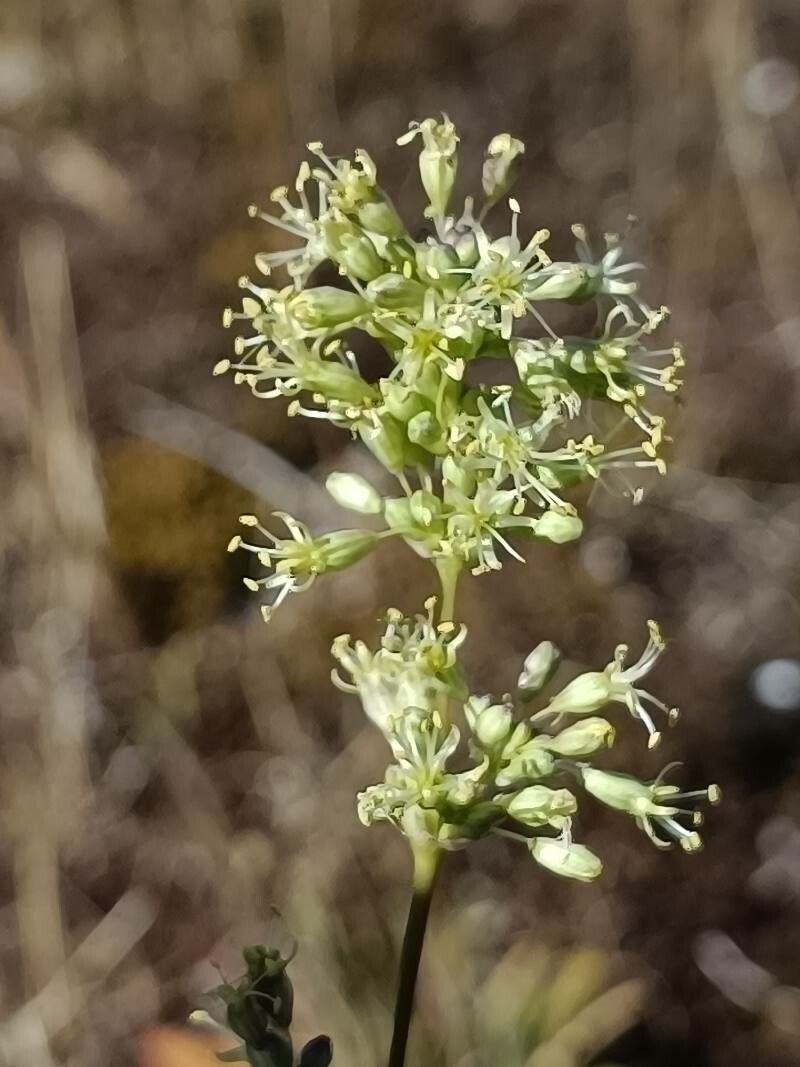
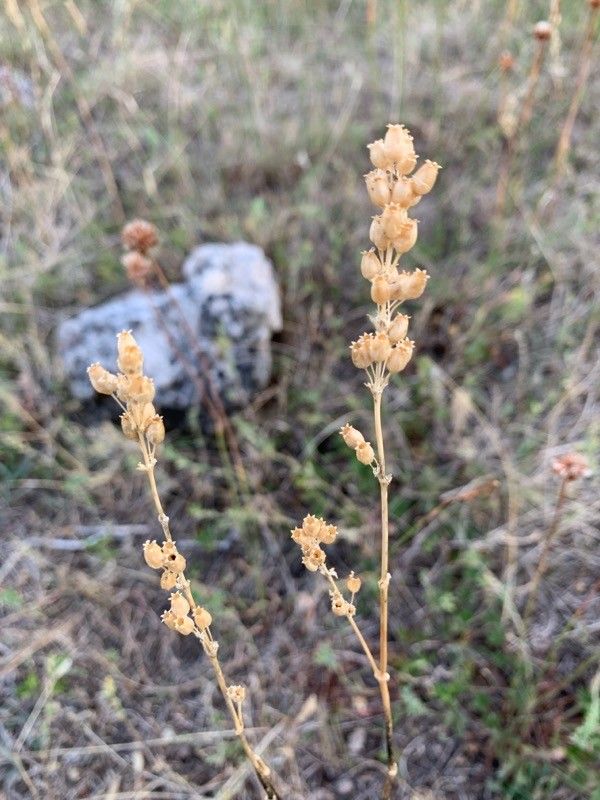
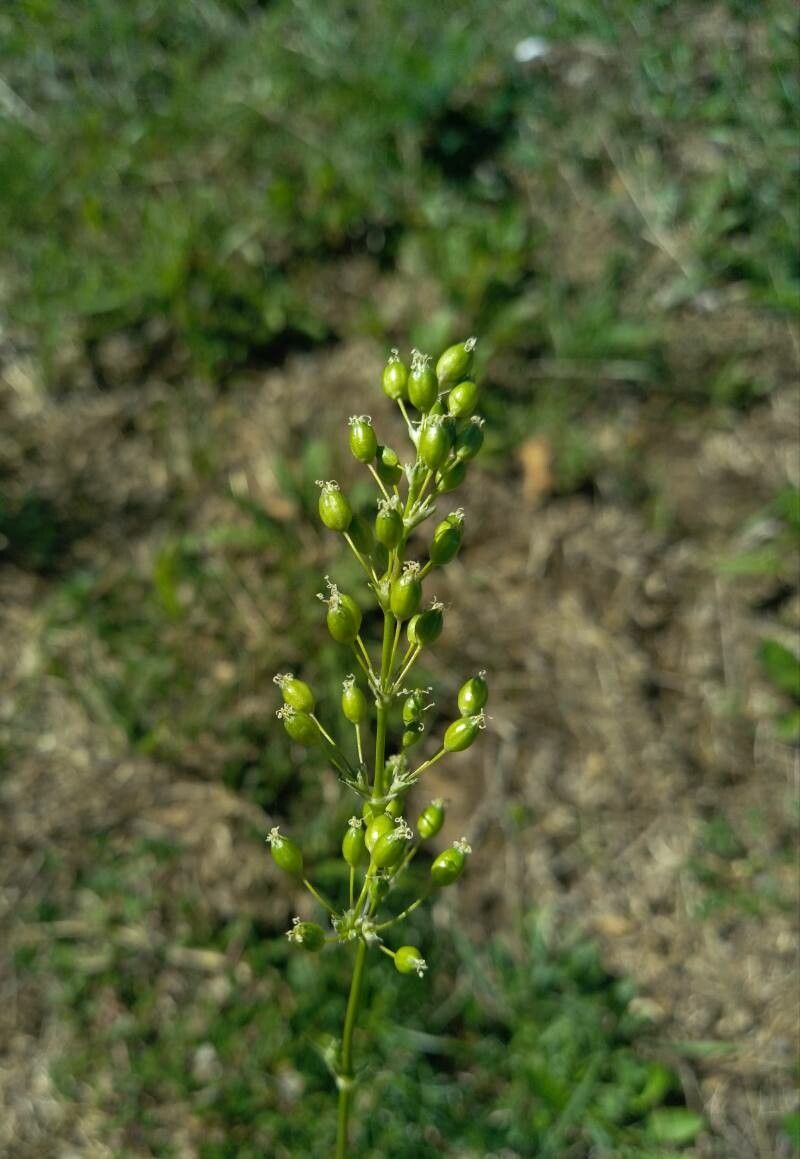
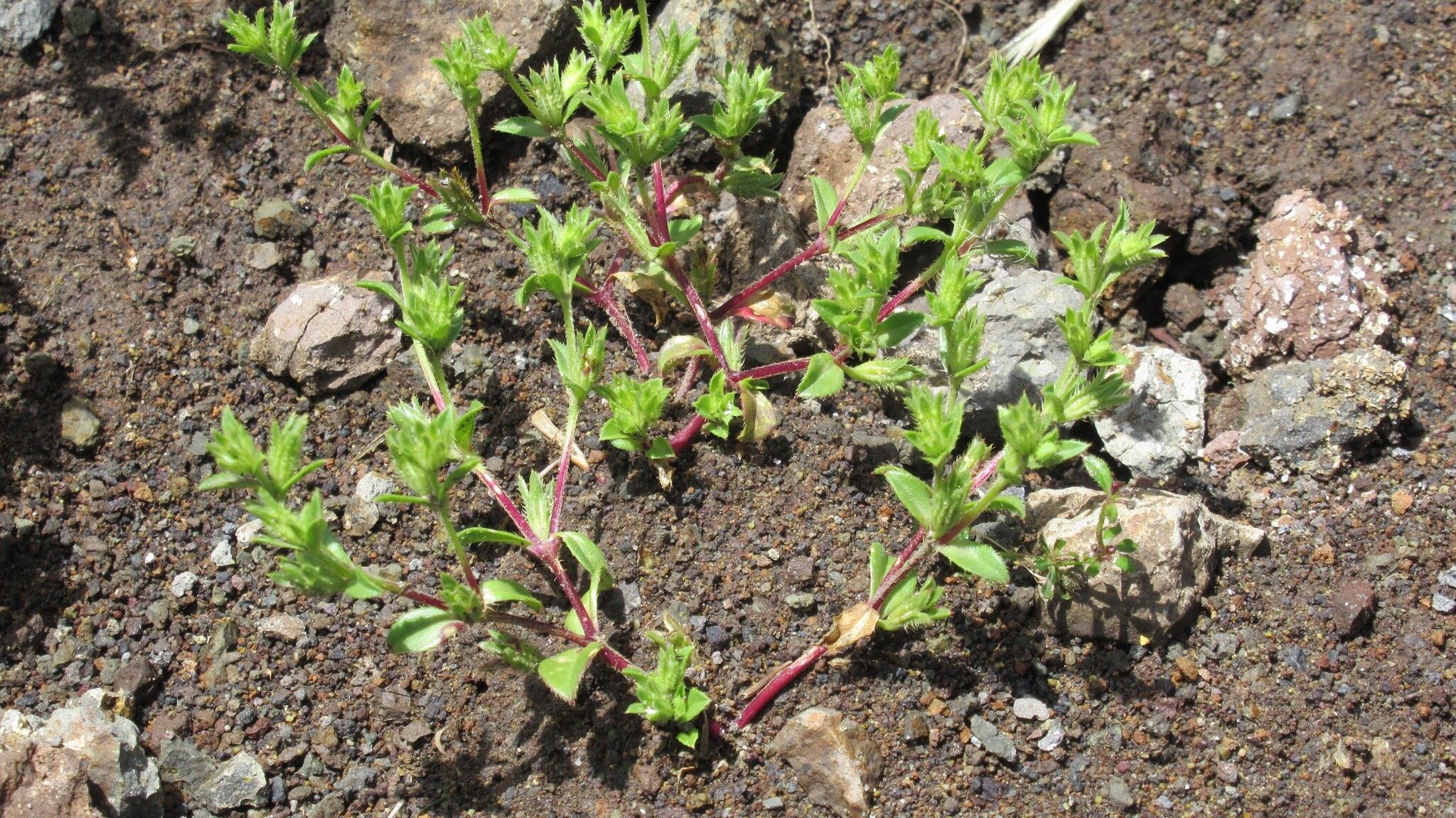
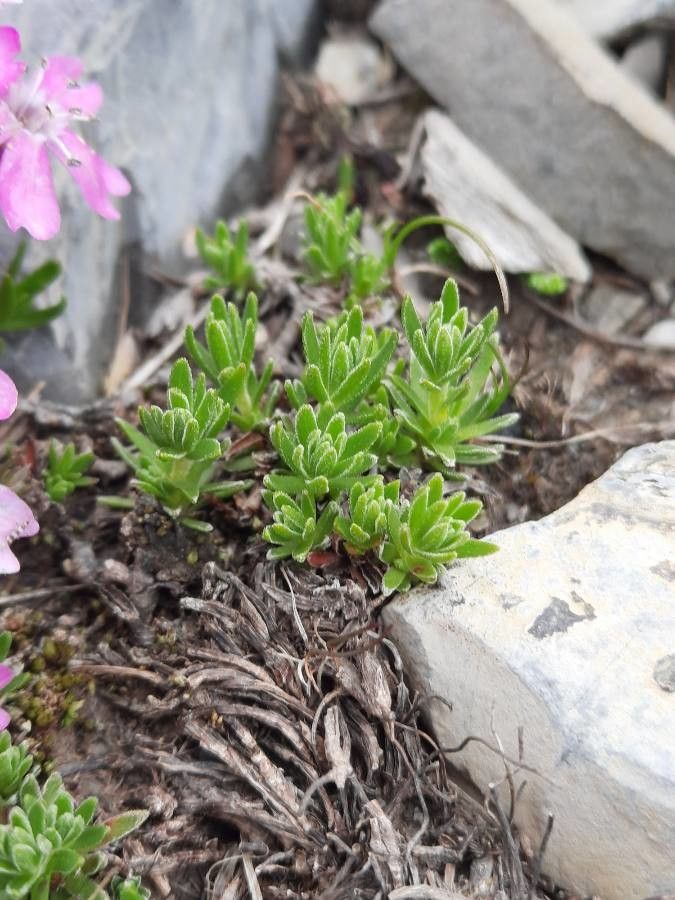
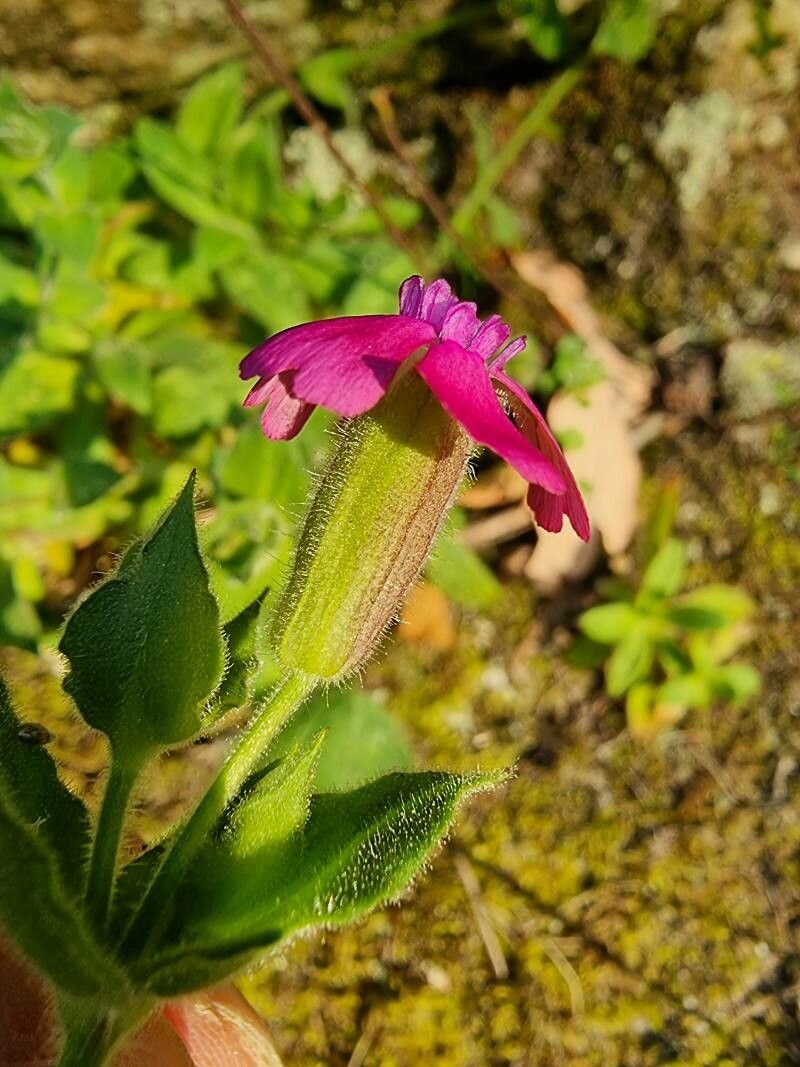
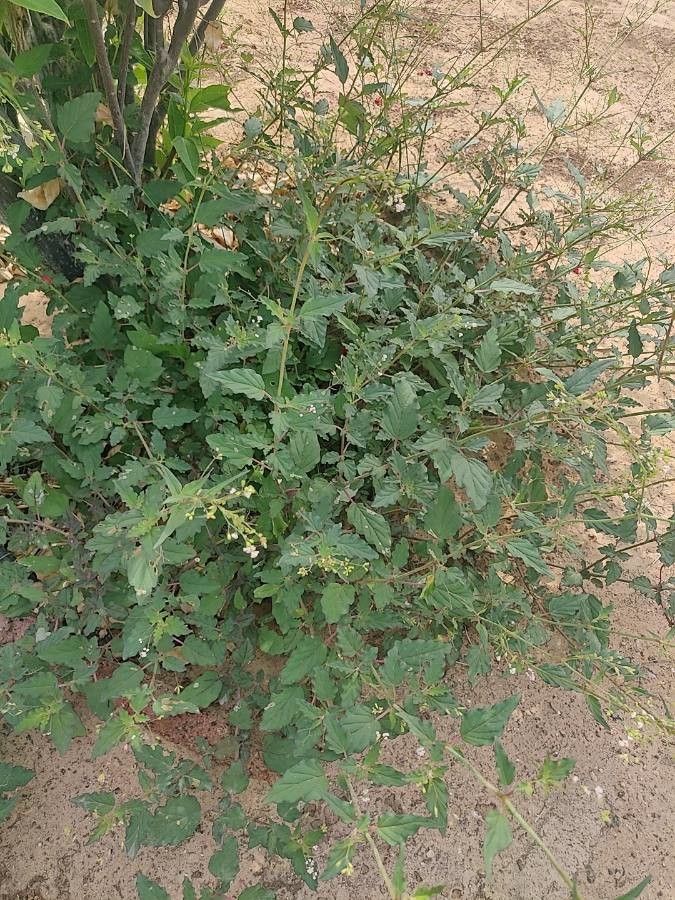
Silene otites, called Spanish catchfly, is a species of flowering plant in the genus Silene, native to Europe and the Transcaucasus area, and introduced to Xinjiang in China. It varies its floral odors to attract mosquitoes and moths at night and flies and bees by day. It is dioecious, with separate male and female plants.
Spanish catchfly has good resistance to disease and is generally not highly susceptible to illnesses. However, it can be affected by pests and diseases present in its surroundings. These infections are usually mild. As for care, this plant requires a moderate level of maintenance. It should be pruned regularly to keep a neat appearance and support healthy growth. Fertilizing can also help encourage flowering. Spanish catchfly is suitable for anyone with an outdoor area, such as a garden or patio, and does not demand extensive gardening experience. It may need more attention when grown indoors.
How to keep Silene Otites.
Light
Spanish catchfly comes from sunny, open habitats where it prospers in full sunlight. It tolerates partial sun but favors direct sunlight for the best growth. This plant, which can be annual or biennial, is noted for being sun-loving.
Water
The Spanish catchfly is a plant that excels in dry environments due to its excellent drought tolerance. For optimal health, it requires balanced watering about once a week. As an evergreen, it can survive with very little water during the colder months, making it a resilient choice for both indoor and outdoor gardening.
Temperature
Spanish catchfly can adapt to a wide range of temperature conditions, yet its distribution may still be constrained by various combinations of water and heat. It thrives most in warm summer climates with adequate rainfall or watering. Prolonged stretches of cloudy and rainy weather, as well as extended high temperatures, can raise the chance of the plant dying. In winter, adequate protection from cold can increase its survival rate.
Fertilizer
Spanish catchfly are regarded as heavy nutrient feeders. They require frequent, small doses of nitrogen and potassium fertilizers and occasional applications of phosphorus, micronutrients, sulfur, and magnesium to sustain healthy growth and bright coloration. Continuous fertilization throughout the growing season is necessary to prevent deficiency symptoms and maintain optimal growth.
Pruning
The Spanish catchfly is a herbaceous perennial plant characterized by its slender, sticky stems and small, star-shaped flowers. To promote new growth, prune the plant in the spring. Removing dead stems improves air circulation, and pinching off spent blooms will prolong flowering. These practices enhance the health and appearance of the Spanish catchfly throughout the growing season.
Botanical profile.
- Plant Type
- Herb
- Life Cycle
- Biennial
- Genus
- Silene
- Family
- Caryophyllaceae
- Hardiness Zone
- 4-9
- Mature Height
- 20 cm to 49 cm
- Mature Spread
- 15 cm to 30 cm
- Leaf Color
- Green, Dark Green
- Leaf Type
- Semi-evergreen
- Flower Color
- White, Yellow, Green
- Flower Size
- 0.25 cm to 0.51 cm
- Bloom Time
- Late spring, Early summer, Mid summer
- Planting Time
- Spring, Summer
- Harvest Time
- Mid summer, Late summer, Early fall
Other names.
Reader questions.
What is the most effective way to give water to my Spanish catchfly?
To properly water the Spanish catchfly, it is recommended to use filtered water at room temperature. Tap water may contain harmful particles, so it's best to avoid using it. The water should be at room temperature or slightly warmer to prevent shocking the plant, considering its warm natural habitat. Instead of overhead watering, it's better to apply filtered room temperature water directly to the soil until it is completely soaked. This method benefits the plant by providing moisture to the roots, aiding in their spread and nutrient absorption.
What are the sunlight requirements for Spanish catchfly?
Spanish catchfly, also known by its botanical name Silene otites, thrives in environments that provide full sun exposure, which is above 6 hours of sunlight per day. It can also tolerate partial sun, defined as about 3-6 hours of sunlight daily. When choosing a location for your Spanish catchfly, consider spots in your garden that offer a balance of light and shade to ensure the plant's happiness and optimal growth.
What should I do if I give too much or too little water to my Spanish catchfly?
Both overwatering and underwatering can harm the health of your Spanish catchfly, but overwatering is more common. When the plant receives too much water, its stems and leaves may wilt and turn yellow. Overwatering for a long time can also lead to diseases like root rot, mold, and mildew, which can be fatal. On the other hand, underwatering is less common because the plant is somewhat resistant to drought. However, it's still possible, and in such cases, the leaves can become brittle and brown. It's important to pay attention to signs of overwatering so you can take action promptly. Some diseases caused by overwatering, such as root rot, may not be correctable if you wait too long. If you notice early signs, reduce your watering schedule immediately. Check the soil quality as well. If the soil doesn't drain well, replace it with loose, well-draining potting mix. If you see signs of underwatering, simply increase the watering frequency until the signs fade away.
How can artificial lighting be used for Spanish catchfly grown indoors?
For Spanish catchfly plants grown indoors where natural sunlight is insufficient, artificial lighting is a vital solution. LED lights are a popular choice as they can be customized to provide specific wavelengths of light that plants need. Full sun plants should receive 30-50W/sq ft of artificial light, partial sun plants need 20-30W/sq ft, and full shade plants require 10-20W/sq ft. The light source should be placed 12-36 inches above the plant to mimic natural sunlight, and most plants will need 8-12 hours of light per day.
How frequently should I water my Spanish catchfly plant?
If your Spanish catchfly is in a pot, the best way to determine if it needs water is to stick your finger in the soil. If the top few inches are dry, it's time to water it. For Spanish catchflies grown outdoors in the ground, you can use the same method to test the soil. When the top few inches are dry, it's time to water. In the spring and early fall, watering once a week is usually sufficient. In extremely hot weather, you may need to water twice a week or more. However, mature Spanish catchflies that are well-established can withstand drought well.
What are the symptoms of inadequate lighting for Spanish catchfly?
When Spanish catchfly is grown indoors with insufficient light, it may exhibit several symptoms: new leaves might grow smaller, the plant could develop leggy or sparse growth, there could be faster leaf drop, growth may slow or stop, new leaves may appear lighter in color, chlorosis (yellowing) can occur, sunscald could damage leaves and stems, leaf curling might happen as a defense against extreme sunlight, wilting from overexposure to sunlight increasing water loss, and leaf scorching could appear as brown, dry edges on leaves.
How much water should I give my Spanish catchfly plant?
To properly water your Spanish catchfly, don't be afraid to give it a generous amount of water. Make sure the top two to three inches of soil are dry before watering. Provide enough water to completely saturate the soil, but be careful not to let it accumulate. Allow excess water to drain out of the pot's drainage holes. If you don't see any excess water draining, you may have underwatered the plant. However, be cautious not to overwater, as this can harm the plant too. If there is no water draining from the pot, it could mean that the soil does not drain well, which is not good for the plant's health. If the plant is outdoors, one inch of rainwater per week is sufficient.
How can I mitigate the problems of insufficient sunlight for Spanish catchfly?
To counteract insufficient sunlight for Spanish catchfly, consider gradually moving plants to sunnier locations, allowing them to receive at least 6 hours of direct sunlight daily. If moving the plant isn't feasible, use artificial lighting, such as desk lamps or professional grow lights, for at least 8 hours daily. Outdoor plants should also be gradually moved to better-lit spots to avoid sunburn. If sunlight is blocked by objects like trees, consider reducing obstructions or transplanting smaller plants to sunnier locations with ample sunlight and good drainage. Note that parts of the plant damaged by low light may not recover, but new growth should be healthy with improved lighting conditions.
How do I water my Spanish catchfly as it grows?
The water needs of the Spanish catchfly can change depending on its growth stages. In the first few years of its life, or after being transplanted, it will require more water than usual. During this time, the plant focuses on developing new roots to support future growth, and these roots function best with extra moisture. As the Spanish catchfly matures over a few seasons, it will require less water. Additionally, during the bloom period, the plant may need more water to support flower development.
How should I water my Spanish catchfly at different times of the year?
The Spanish catchfly has different water needs depending on the season. In the hottest months of the year, it will need the most water. During the summer, you might need to water the plant more than once a week, depending on how quickly the soil dries out. On the other hand, during winter, the plant enters a dormant phase and requires much less water than usual. In fact, you may not need to water it at all during this time. However, if you choose to water the plant in winter, make sure to do so only once a month. Overwatering during this period increases the risk of disease for the Spanish catchfly.
What's the difference between watering my Spanish catchfly inside and outside?
In order to grow the Spanish catchfly successfully, it is recommended for gardeners who do not live in temperate or tropical regions to cultivate it indoors. It is important to keep in mind that the soil in a container may dry out faster than soil in the ground. Additionally, if the plant is placed near drying elements like air conditioning units, it will require more frequent watering compared to if it was planted outdoors. In such cases, outdoor plants may not need much watering, especially if they receive regular rainfall. However, indoor plants will require more watering as they cannot rely on rainwater to moisturize the soil.