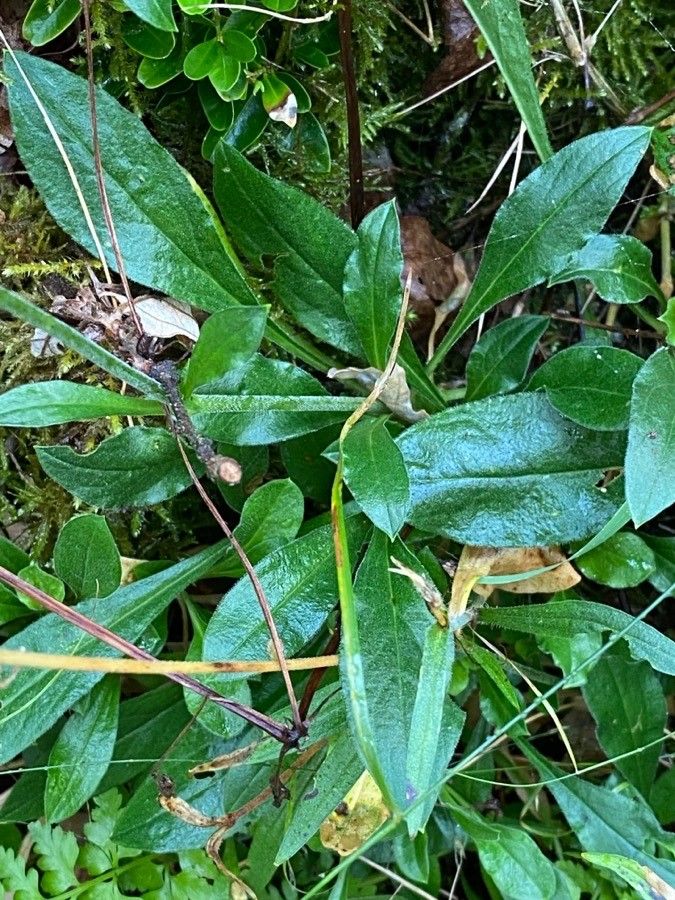
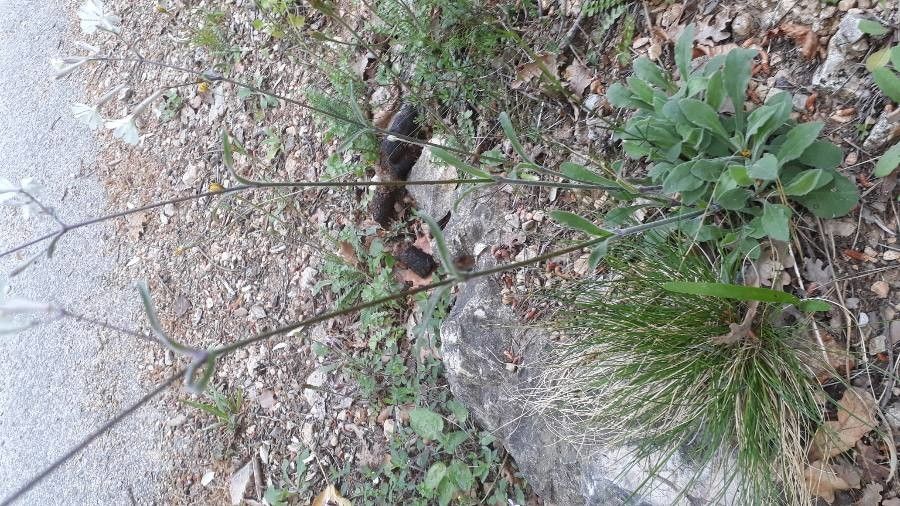
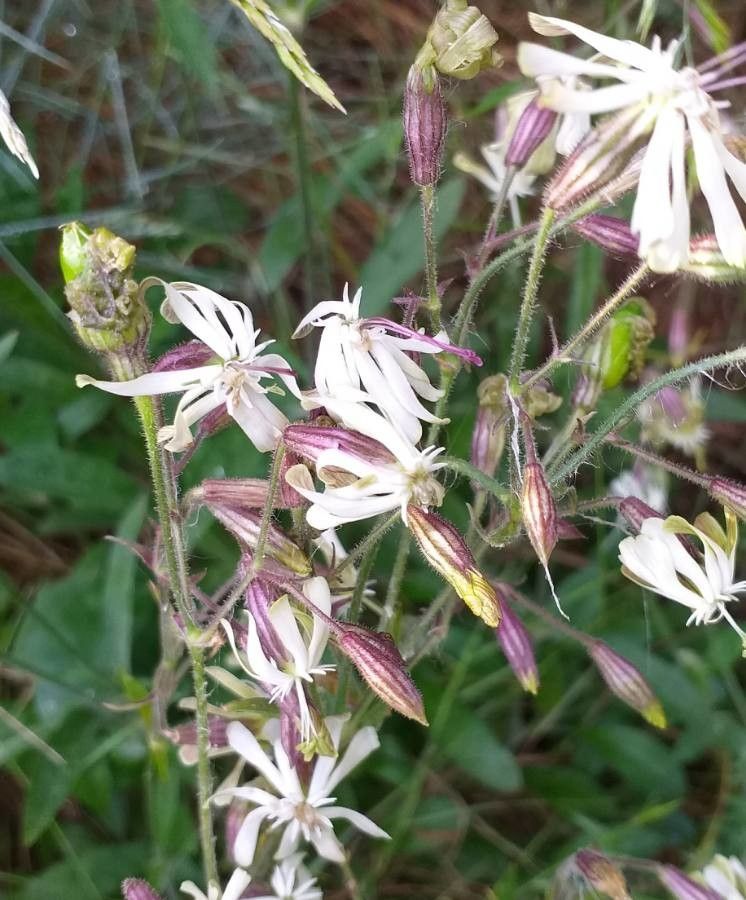
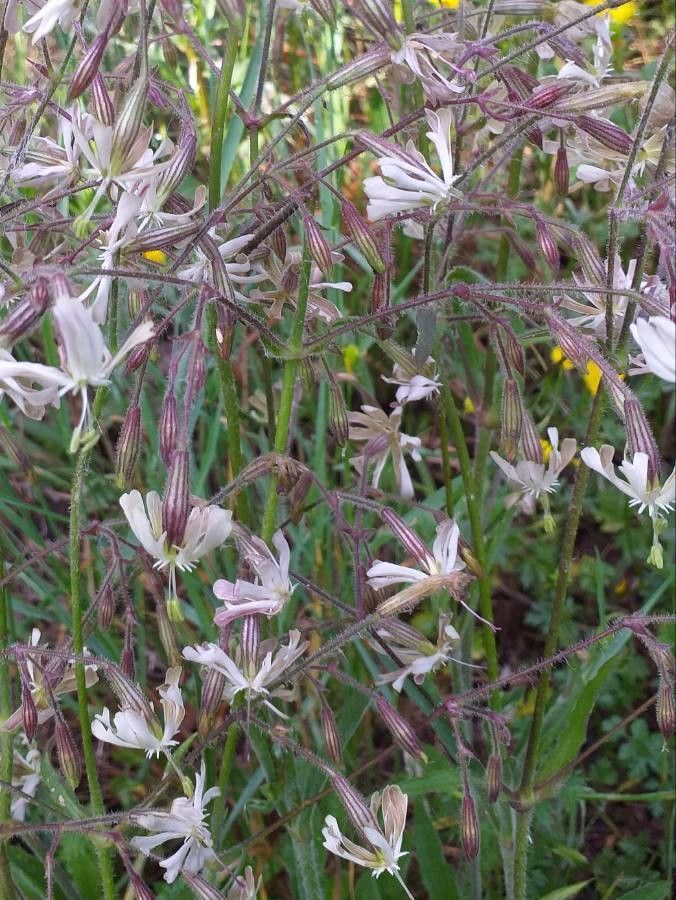
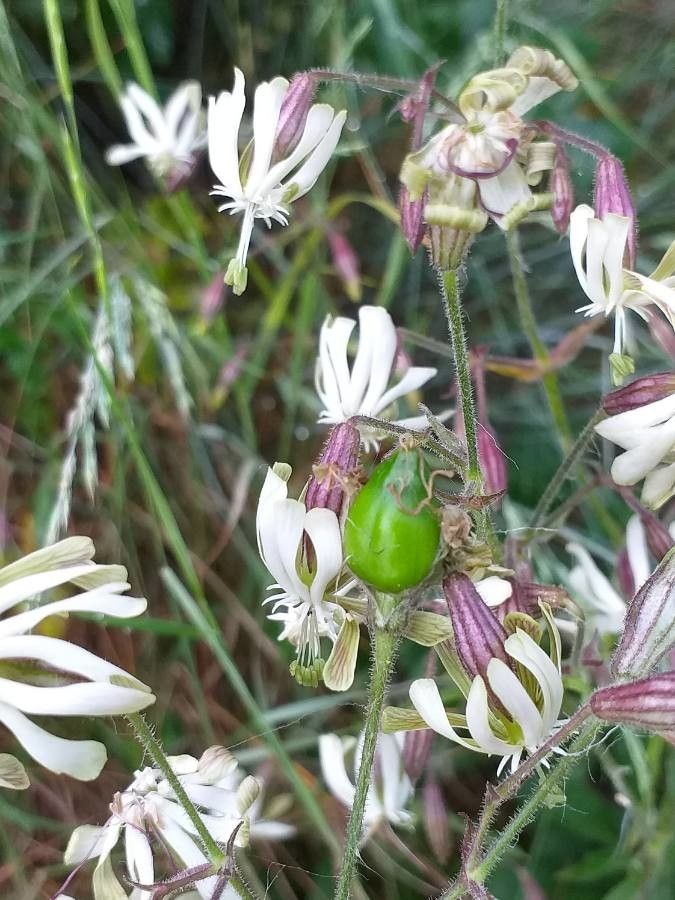
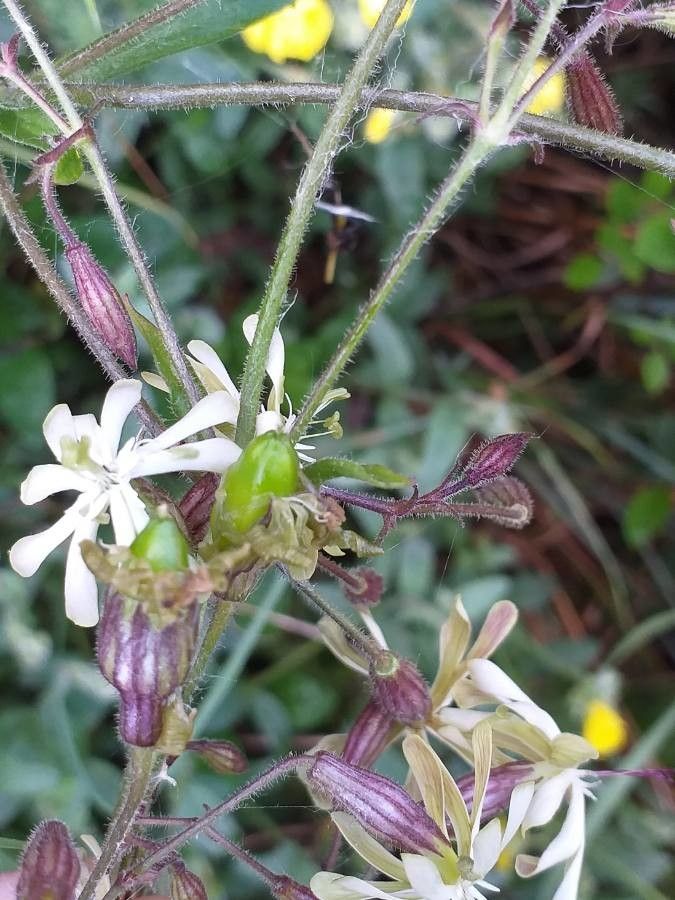
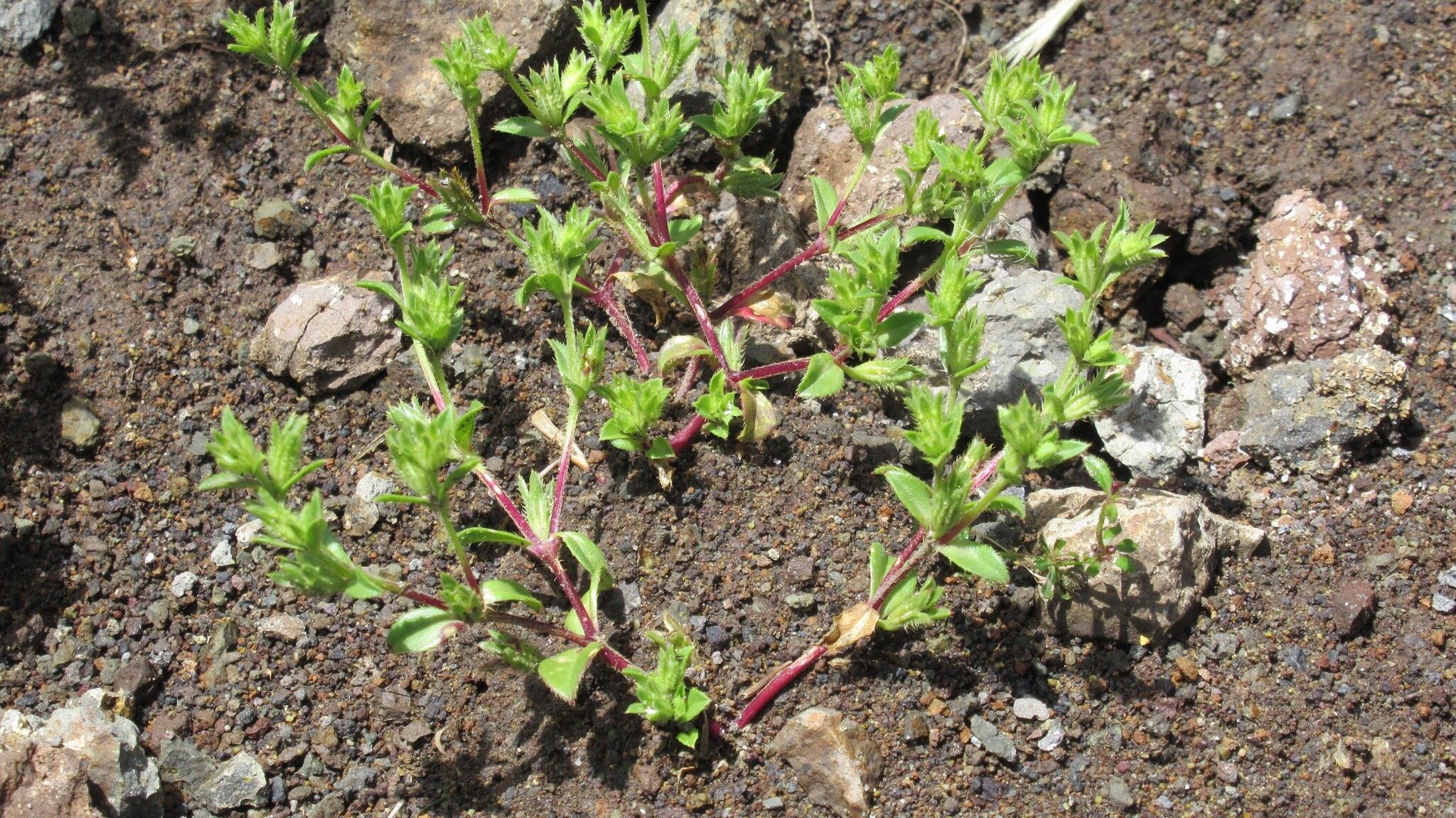
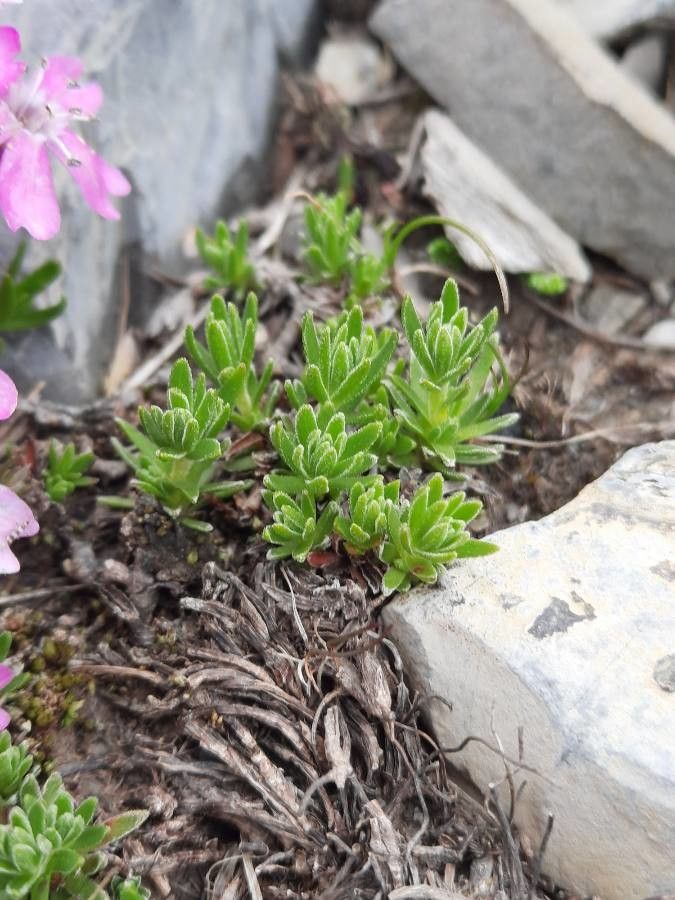
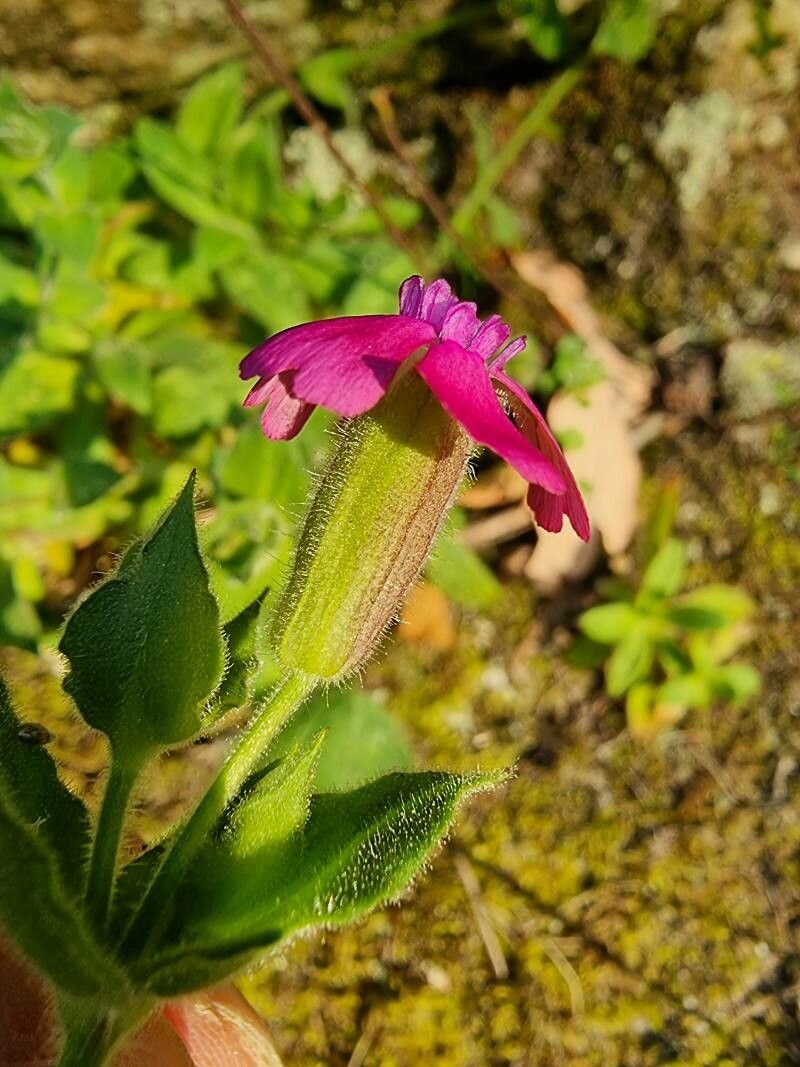
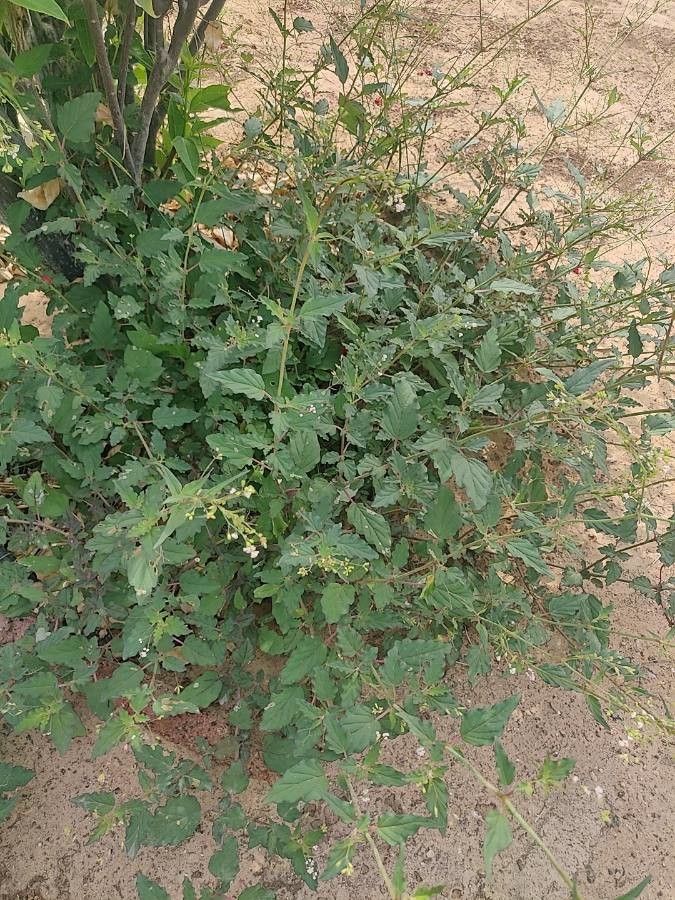
Silene nutans, commonly known as Nottingham catchfly, is a herbaceous perennial plant that belongs to the Caryophyllaceae family. It is native to Europe and Asia and has also been introduced to North America. The plant can grow up to 60 cm tall and features a basal rosette of lance-shaped leaves with pointed tips. Its slender, erect, and branched stem is adorned with small leaves. The flowers of Silene nutans are either pink or white, each with five petals deeply notched at the tips. They bloom from June through August in clusters at the top of each stem, emitting a sweet fragrance that attracts moths for pollination. Silene nutans prefers well-drained soil and can thrive in either full sun or partial shade. Once established, it can tolerate some drought conditions. Propagation is possible through seeds or division in early spring or fall. Medicinally, the plant contains saponins, which have anti-inflammatory properties. These compounds can be used to treat skin conditions such as eczema and psoriasis. Overall, Silene nutans is an attractive perennial with beautiful pink or white flowers. It adds color to any garden setting and offers medicinal benefits when utilized appropriately.
Eurasian catchfly has strong resistance to disease and is generally not susceptible to illnesses. Still, it can be vulnerable to pests and diseases present in its environment. Such infections are typically mild. Care-wise, this plant needs a moderate amount of maintenance. It should be pruned regularly to preserve a neat appearance and support healthy growth. Applying fertilizer can also encourage flowering. Eurasian catchfly is appropriate for anyone with an outdoor area, like a garden or patio, and does not demand extensive gardening experience. It may need additional care if kept indoors.
How to keep Silene Nutans.
Light
Eurasian catchfly does best in locations that receive ample sunlight all day. Its native habitat is open ground without shade. Although it can tolerate a range of light levels, too little or too much sun can limit healthy growth and lead to problems such as weak stems or reduced flowering.
Water
The Eurasian catchfly flourishes in moderate moisture conditions and prefers consistent weekly watering, though it can tolerate drought situations as well. This plant is native to temperate regions and is commonly found in meadows. It is resilient to varying rainfall patterns, making it an excellent choice for a wide range of outdoor gardens.
Temperature
Eurasian catchfly prospers in its native temperate habitat where temperatures range from 50 to 77°F (10 to 25℃). It grows best under these moderate conditions. If the climate diverges significantly from this range, seasonal temperature adjustments may be required.
Fertilizer
The best time to fertilize a Eurasian catchfly is in early spring, when it is coming out of dormancy and starting active growth. Fertilization supplies essential nutrients for healthy development. Although Eurasian catchfly has fairly low fertilizer requirements, applying fertilizer once a year can improve its survival and encourage better, longer-lasting blooms.
Pruning
Eurasian catchfly benefits from pruning early to late in the spring, which involves removing any dead or damaged stems to promote healthy growth and vibrant blooms. Regularly trimming spent flowers encourages prolonged flowering. Ensuring good air circulation reduces the risk of diseases, thereby enhancing the plant's vigor and decorative appeal in gardens.
Botanical profile.
- Plant Type
- Herb
- Life Cycle
- Perennial
- Genus
- Silene
- Family
- Caryophyllaceae
- Hardiness Zone
- 6
- Mature Height
- 25 cm to 76 cm
- Mature Spread
- 30 cm to 37 cm
- Leaf Color
- Green
- Leaf Type
- Semi-evergreen
- Flower Color
- White
- Flower Size
- 1.78 cm
- Bloom Time
- Mid spring, Late spring, Early summer
- Planting Time
- Spring, Summer
- Harvest Time
- Summer
Other names.
Reader questions.
How should I water my Eurasian catchfly?
To ensure the proper care of your Eurasian catchfly, it is recommended to use filtered water at room temperature. This is because tap water may contain harmful particles for the plant's health. Additionally, the water should be kept at room temperature or slightly warmer to avoid shocking the catchfly, as it is accustomed to warm environments. Instead of overhead watering, it is recommended to apply filtered room temperature water directly to the soil until it is completely soaked. This method benefits the catchfly by providing moisture to the roots and aiding in spreading and nutrient absorption.
Why should I add fertilizer to my Eurasian catchfly plant?
The Eurasian catchfly relies on its leaves for its main structure. Fertilization is an important way to ensure that the leaves not only look great but also serve their purpose effectively. Proper fertilization leads to consistent leaf color and a healthy texture. Additionally, fertilization benefits the Eurasian catchfly beneath the soil by promoting the growth of new roots and maintaining existing ones. This not only maintains the plant's current health but also enhances its ability to absorb soil nutrients in the future.
What are the sunlight requirements for Eurasian catchfly?
Eurasian catchfly thrives in areas receiving generous sunlight, needing above 6 hours of sunlight daily to flourish. The plant originates from open, unshaded habitats which implies its preference for full sun exposure. Despite its ability to adapt to various lighting conditions, both its growth and flower production might suffer in inadequate light. Ensuring a perfect balance of light and shade, considering the movement of sunlight through your garden, is crucial for the plant's wellbeing.
What is the ideal temperature range for Eurasian catchfly?
Eurasian catchfly, or Silene nutans, thrives best in its native temperate environment, where temperatures fluctuate between 50 to 77°F (10 to 25°C). It flourishes most comfortably within this temperature range. Seasonal adjustments may need to be made to accommodate significant deviations from these temperatures.
What should I do if I give too much or too little water to my Eurasian catchfly?
Overwatering and underwatering can both harm your Eurasian catchfly, but overwatering is more common. When this plant gets too much water, it wilts and turns yellow. Overwatering can also cause diseases like root rot, mold, and mildew, which could kill your plant. Underwatering is less common but can still happen. When it does, the leaves become brittle and brown. It's important to recognize the signs of overwatering early. Some diseases caused by overwatering, like root rot, may be irreversible if not addressed promptly. If you notice early signs of overwatering, reduce your watering schedule and check the soil's quality. If the soil drains poorly, replace it with a loose, well-draining mix. If you see signs of underwatering, simply water more regularly until the signs disappear.
When should I fertilize my Eurasian catchfly?
Grow your Eurasian catchfly outdoors each year and it will send out new growth in early spring. This is your cue to start fertilizing. Typically, a single application of fertilizer is sufficient for the plant's wellbeing. However, if you want to optimize its growth, you can feed it multiple times during the spring and early summer, about once every month to a month and a half.
How does artificial lighting support Eurasian catchfly growth?
When natural sunlight is insufficient, particularly during winter or in less sunny spaces, artificial lighting becomes essential for the growth of indoor Eurasian catchfly plants. The use of artificial lights, such as LED, can compensate for the lack of sunlight, promoting healthier and faster plant growth. For optimal growth under artificial light, full sun plants require 30-50W/sq ft, partial sun plants need 20-30W/sq ft, and full shade plants should get 10-20W/sq ft. Place the light source 12-36 inches above the plant to mimic natural sunlight and maintain this artificial lighting for 8-12 hours per day to emulate the natural daylight hours most plants need.
Does Eurasian catchfly require any special measures during winter?
Eurasian catchfly is highly cold-tolerant and doesn't require added frost protection during winter. However, it's advisable to water the plant generously before the first freeze of autumn to keep the soil moist. This preparation helps to mitigate drought and water scarcity for the plant throughout the winter and early spring months.
How often do I need to water my Eurasian catchfly plant?
If your plant is in a pot, the most precise way to determine if your Eurasian catchfly needs water is by checking the soil. Simply plunge your finger into the soil and if the top two to three inches are dry, it's time to water it. For those who grow their Eurasian catchfly outdoors in the ground, you can use a similar method to test the soil moisture. When you find that the first few inches of soil have dried out, it's also time to water the plant. Usually, during the spring and early fall, you'll need to water the plant about once a week using this method. However, in extremely hot weather, you may need to increase the watering frequency to about twice or more per week. That being said, it's worth noting that mature, well-established Eurasian catchfly plants have a remarkable ability to withstand drought.
When is it not a good idea to fertilize my Eurasian catchfly?
During late fall and winter, your Eurasian catchfly goes into a dormant phase and stops growing. Therefore, it is not recommended to fertilize it during this time. In spring and summer, if you choose to fertilize your Eurasian catchfly multiple times, it's important to gradually decrease the amount of fertilization as summer approaches. This is because the growth rate of your Eurasian catchfly will also slow down. In general, it is not advisable to fertilize your Eurasian catchfly when the weather is unseasonably hot or the soil is overly dry. Fertilizing in such conditions can stress your Eurasian catchfly and cause it to die prematurely.
What are the symptoms of insufficient light in Eurasian catchfly?
Inadequate lighting can cause several issues in Eurasian catchfly, including smaller new leaves, leggy or sparse growth, faster leaf drop, and halted growth. You may also notice lighter-colored new leaves or symptoms of chlorosis, where leaves lose their green color, and sunscald, which leads to damaged leaves from intense sunlight exposure. Furthermore, the plant might exhibit leaf curling or wilting as defense mechanisms against overexposure to sunlight, alongside leaf scorching, characterized by brown, dry, and crispy leaf edges.
How does Eurasian catchfly react to low temperatures, and what should be done in spring?
Despite its high tolerance to cold, Eurasian catchfly's winter temperature should remain above -25°C. If temperatures fall below this threshold, there might not be noticeable changes during winter, but there could be a decrease in spring sprouting, or the plant may not sprout at all. In such cases, it's recommended to remove any parts that failed to sprout in spring.