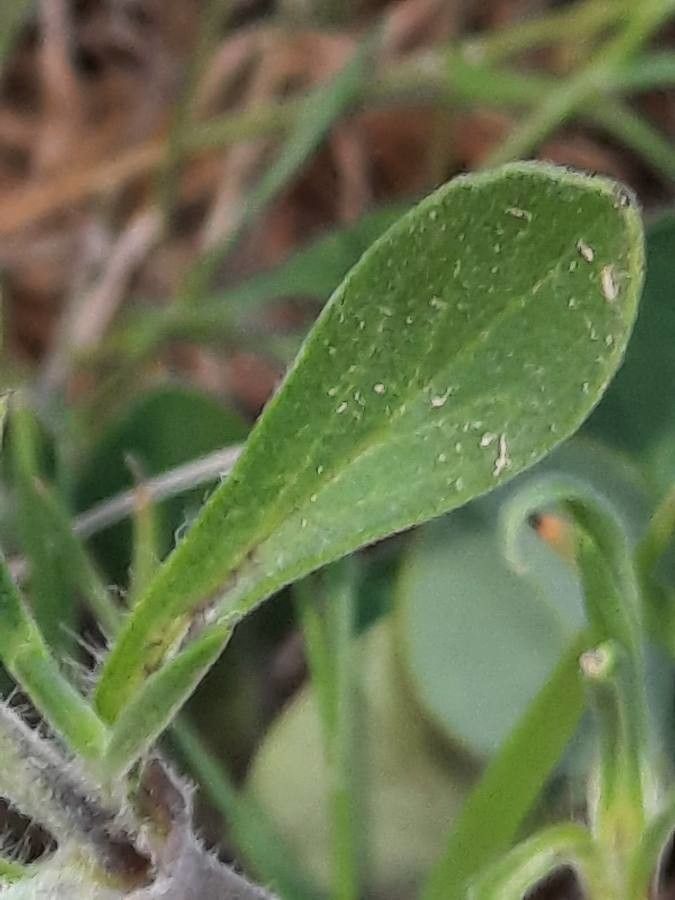
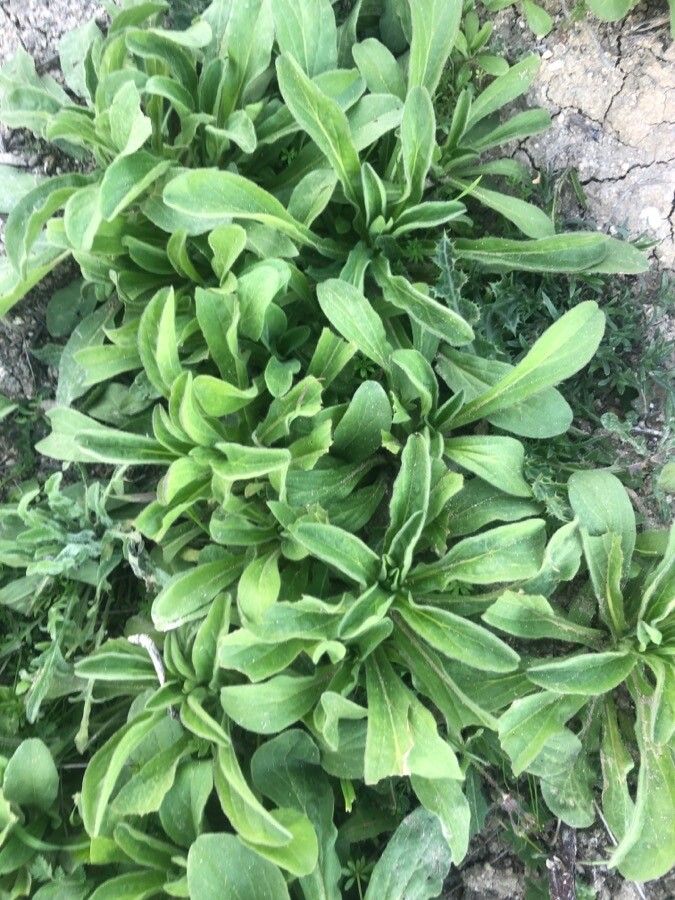
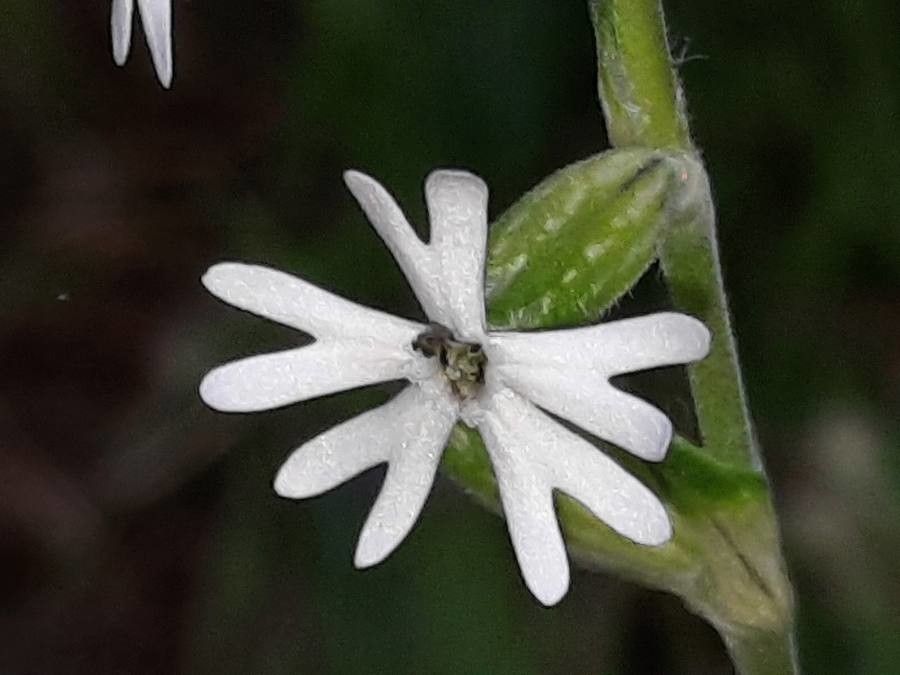
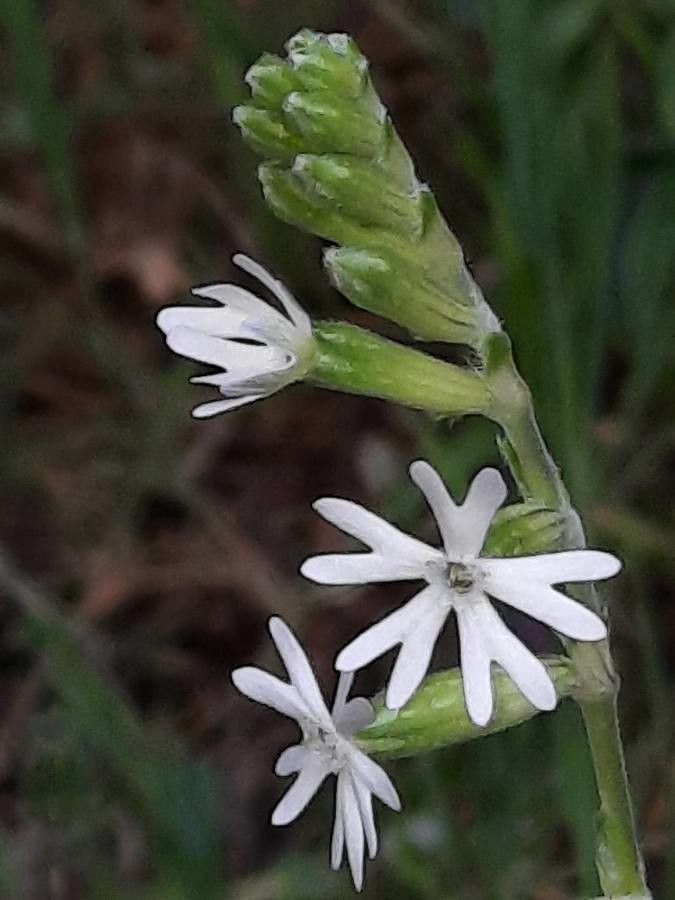
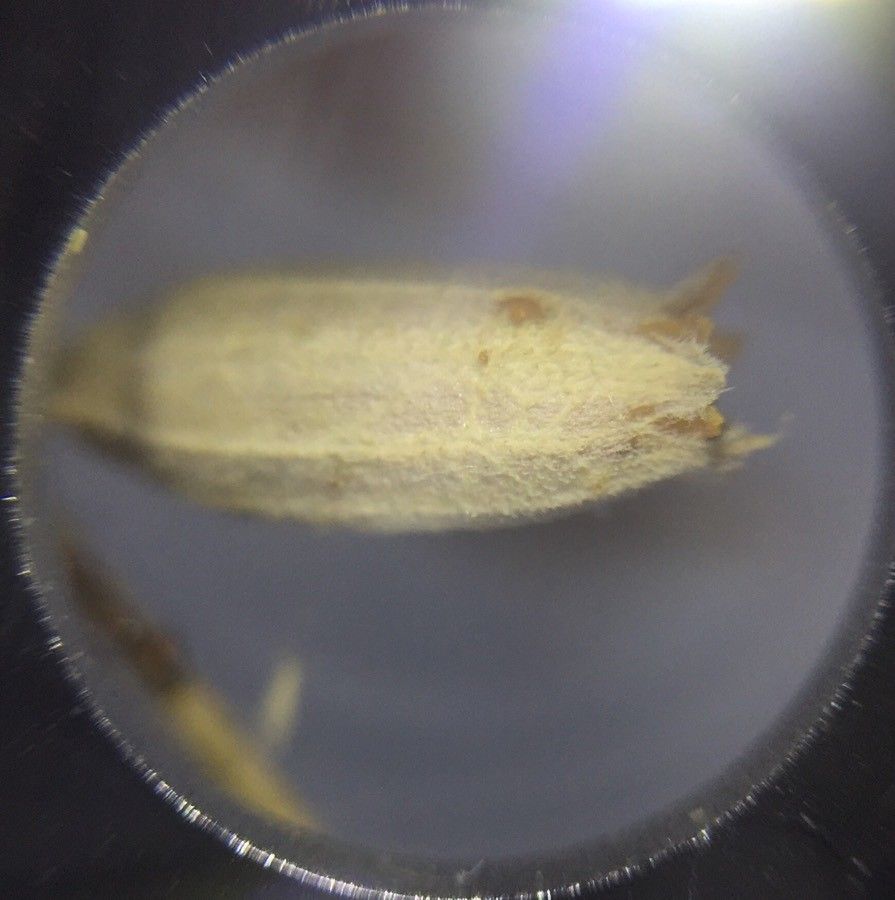
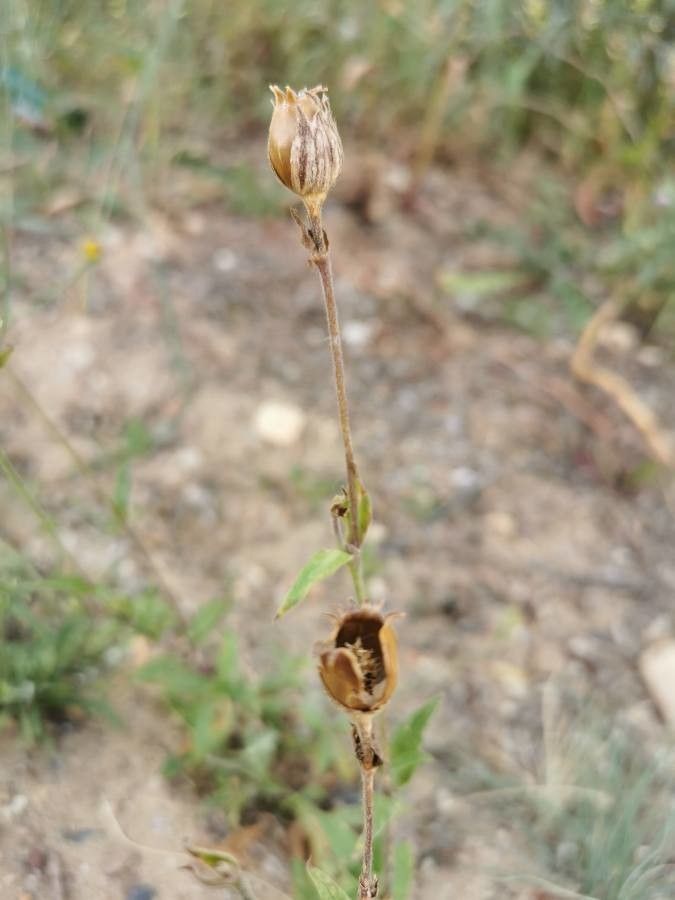
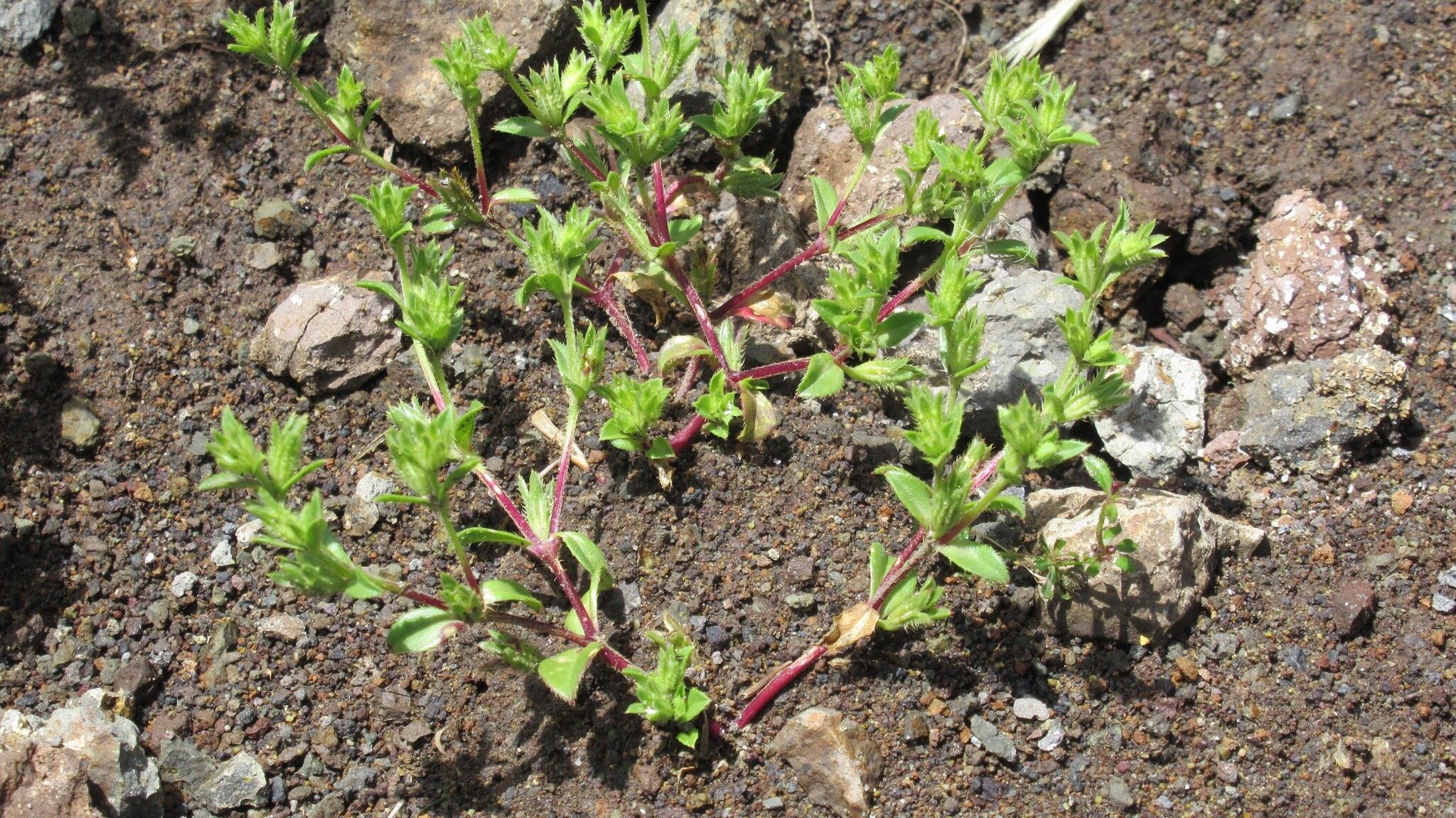
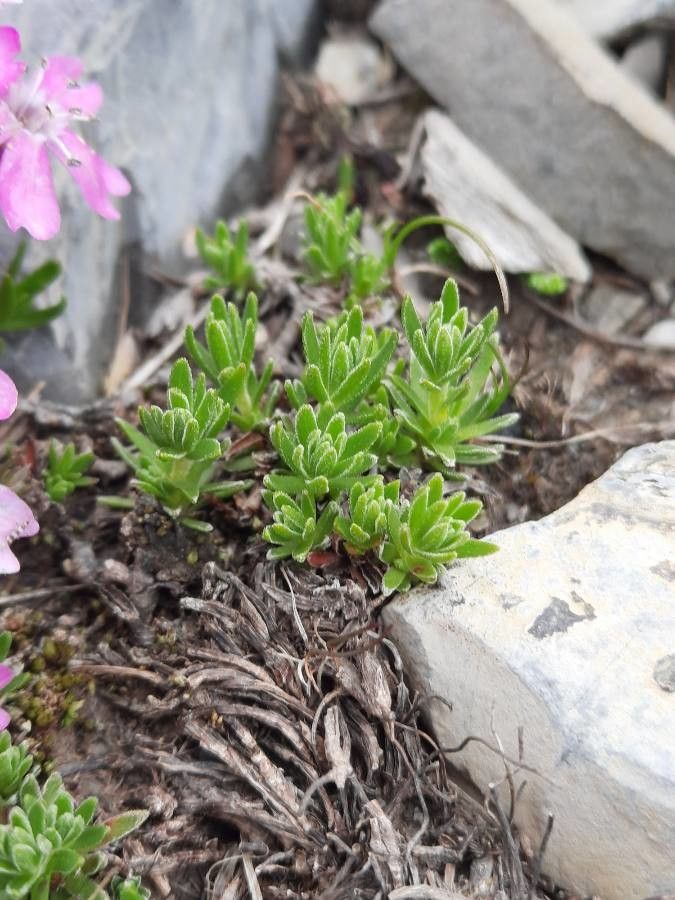
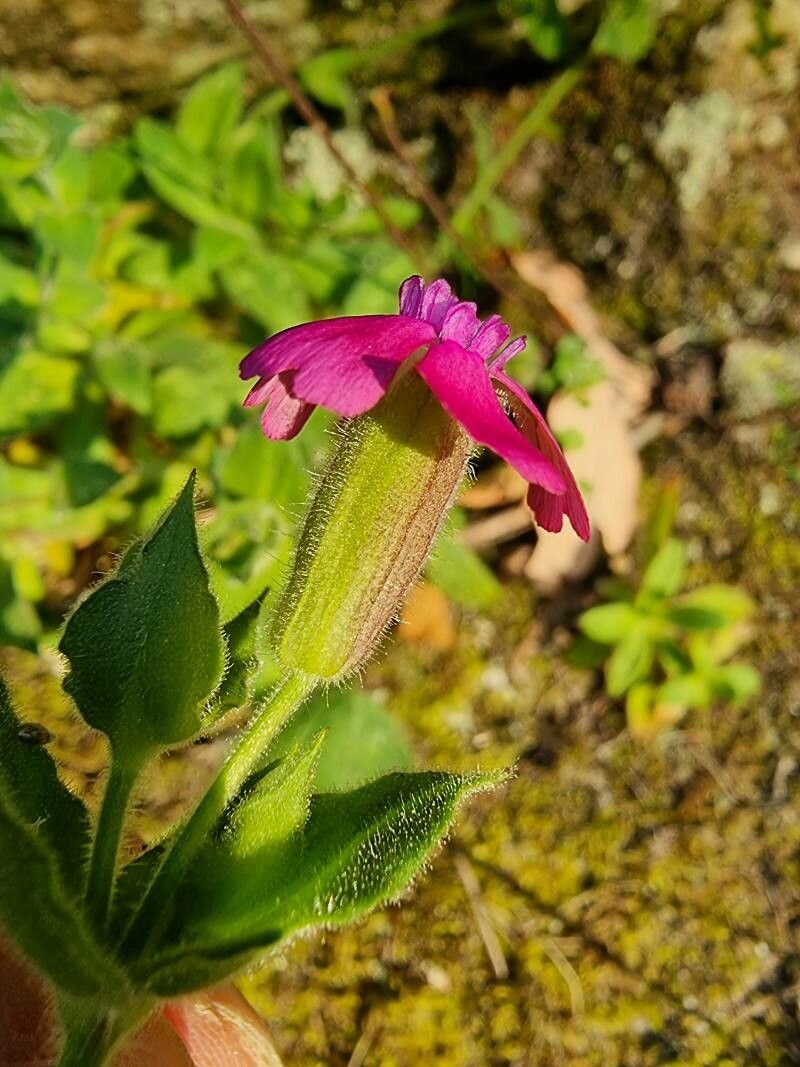
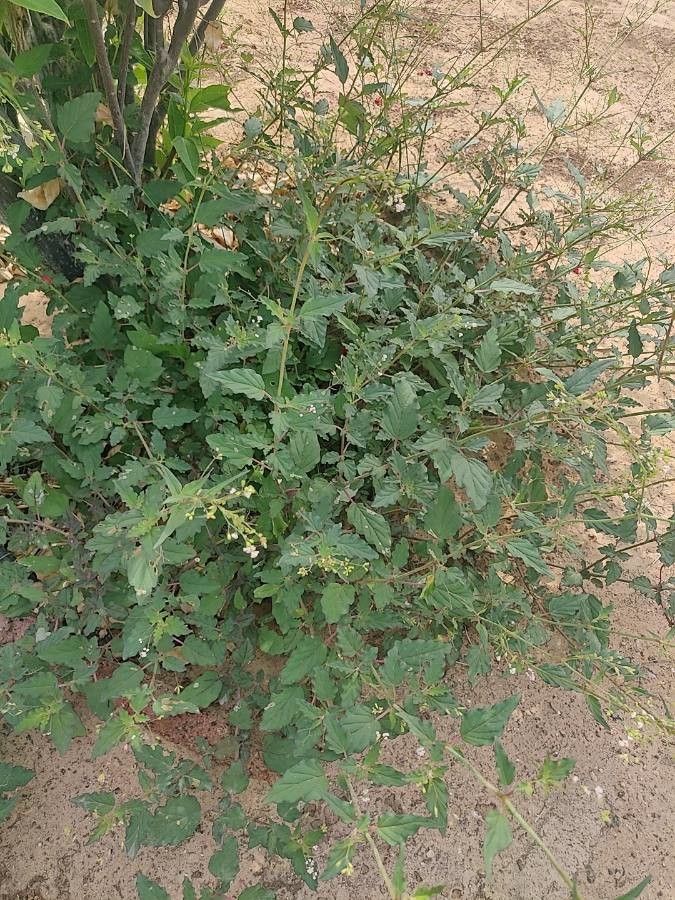
Silene nocturna is a species of annual herb in the family Caryophyllaceae (carpetweeds). They have a self-supporting growth form and simple, broad leaves. Individuals can grow to 0.39 m.
Night-flowering catchfly is fairly resistant to disease and usually does not suffer from illnesses. However, it can be vulnerable to pests and diseases present in its surroundings. These problems are typically mild. In terms of care, this plant requires moderate maintenance. It should be pruned regularly to maintain a tidy appearance and support healthy growth. Fertilizing can also help encourage flowering. Night-flowering catchfly is suitable for anyone with outdoor space, such as a garden or patio, and does not demand extensive care experience. It may need more attention when grown indoors.
How to keep Silene Nocturna.
Light
Night-flowering catchfly comes from bright, open habitats and performs best in full sun. It can tolerate partial sun but favors direct sunlight for optimal growth. This plant, which may be annual or biennial, is recognized for its sun-loving nature.
Water
The night-flowering catchfly thrives in environments with moderate moisture and prefers a humid atmosphere. While it can withstand periods of drought, it ideally needs to be watered weekly. This outdoor plant flourishes in temperate climates, especially during the rainy season, when it can benefit from natural rainfall.
Temperature
Night-flowering catchfly can adapt to a wide range of temperature conditions, but its distribution may still be limited by different combinations of water and heat. It does best in warm summer climates with adequate rainfall or watering. Prolonged periods of cloudy, rainy weather or extended high temperatures can increase the likelihood that Night-flowering catchfly will die. In winter, proper protection against cold can improve the plant's survival rate.
Fertilizer
Night-flowering catchfly benefits from regular, dilute applications of fertilizer to encourage healthy leaf growth. You should fertilize Night-flowering catchfly about once a month during the summer months. Nitrogen is essential for foliage, and supplying nitrogen-rich sources helps Night-flowering catchfly thrive.
Pruning
The night-flowering catchfly is known for its fragrant flowers that bloom in the evening. It requires minimal pruning, but a trim from early to late spring can be beneficial. By removing dead stems and shaping the plant, you improve air circulation, which enhances flowering, prevents disease, and encourages vigorous growth. This makes it a lively and attractive addition to your garden.
Botanical profile.
- Plant Type
- Herb
- Life Cycle
- Annual
- Genus
- Silene
- Family
- Caryophyllaceae
- Hardiness Zone
- 7-10
- Mature Height
- 20 cm to 49 cm
- Mature Spread
- 10 cm to 30 cm
- Leaf Color
- Green
- Leaf Type
- Semi-evergreen
- Flower Color
- White, Pink
- Flower Size
- 1.02 cm to 2.03 cm
- Bloom Time
- Mid spring, Late spring, Early summer
- Planting Time
- Spring
- Harvest Time
- Summer
Other names.
Reader questions.
How should I water my Night-flowering catchfly?
Night-flowering catchfly can be watered using various common watering tools, such as a garden hose with a spray nozzle or a watering can. This plant is not very particular about the type of water it receives, so rainwater, tap water, or filtered water will suffice. However, it is advisable to avoid watering from overhead as it can harm the leaves, flowers, and potentially cause diseases. Setting up a drip irrigation system is often the most effective method for watering night-flowering catchfly as it delivers water evenly and directly to the soil. When it comes to watering a container-grown night-flowering catchfly, you can employ a similar approach but change the tools used, such as using a cup, watering can, or tap to directly water the soil.
What should I do if I give too much or too little water to my Night-flowering catchfly?
To effectively care for your Night-flowering catchfly, it's important to address both underwatering and overwatering. Firstly, if you notice your plant is lacking moisture, increase the frequency of watering. However, be cautious of overwatering, as this can have serious consequences if not detected early. Overwatering can lead to diseases that cause the plant to deteriorate and eventually die. To prevent this, choose a suitable location for your plant that receives ample sunlight to help dry the soil, and ensure the soil has good drainage to prevent water from pooling and causing waterlogged conditions. If you have overwatered a potted Night-flowering catchfly, consider transferring it to a new pot with better drainage. Use loose soil and a pot that efficiently drains excess water.
How frequently should I water my Night-flowering catchfly?
Night-flowering catchfly requires regular watering throughout the growing season. In the spring, you should water it about once a week. As the season gets warmer, you may need to water it two to three times a week. However, watering more than this can harm the plant. It's important to keep the soil relatively moist but not wet, regardless of how often you water. Watering a potted night-flowering catchfly is different. The soil in a pot can dry out faster, so you should water it a few times a week, compared to just once a week for an in-ground plant.
How much water does my Night-flowering catchfly require?
There are a few different ways you can determine how much water to give your Night-flowering catchfly. Some gardeners prefer to gauge the soil's moisture by feeling it, suggesting that you water until the top six inches of soil feel damp. Alternatively, you can use a fixed measurement. Typically, about two gallons of water per week is recommended, depending on the temperature and how quickly the soil dries out. However, adhering strictly to this guideline may result in overwatering if your plant needs less water for any reason. When growing Night-flowering catchfly in a container, a different method is needed. Generally, you should water enough to moisten all the dry layers of soil. To check, you can stick your finger in the soil or water until you see a slight trickle from the pot's drainage holes.
How do I know if I'm watering my Night-flowering catchfly enough?
Avoiding overwatering your Night-flowering catchfly can be tricky. On one hand, the plant needs to be moistened weekly due to its deep roots. On the other hand, these plants are highly prone to root rot and browning if they receive too much water. Underwatering is less of a concern as Night-flowering catchfly can survive without frequent watering for a while. However, if they go too long without water, they will wilt and develop dry leaves.
How often should I water my Night-flowering catchfly throughout the different seasons?
As the season progresses, the water needs of your Night-flowering catchfly will increase. In the spring, watering once per week should be sufficient. However, as the summer heat sets in, you may need to water your Night-flowering catchfly more frequently, potentially up to three times per week. This is especially important to keep in mind if your Night-flowering catchfly is growing in a container, as the soil in containers tends to dry out faster in warm weather. In the fall, when your Night-flowering catchfly is still blooming, it may require slightly less water due to lower temperatures and less intense sunlight compared to summer.
How do I water my Night-flowering catchfly at different stages of growth?
Night-flowering catchfly goes through various growth stages throughout the year, each with different water requirements. To start, you will sow the seeds and during germination, you should provide more water than the plant will need later in life. Ensure the soil remains consistently moist by watering frequently. Once the seedling emerges from the soil, it will require slightly less water. Once the plant reaches maturity, you can water it once a week. During flower development, you may need to increase the watering slightly to support the process.
What's the difference in how you water Night-flowering catchfly inside and outside?
Night-flowering catchfly plants mostly thrive outdoors and not indoors for several reasons. Firstly, these plants tend to grow quite tall. Secondly, Night-flowering catchfly requires more daily sunlight than what most indoor locations can offer. In case you are able to provide a suitable indoor environment for growing them, be prepared to water your plants more frequently compared to if they were outdoors. This is because indoor locations are typically drier due to HVAC units, and the soil in containers tends to dry out faster compared to soil in the ground.