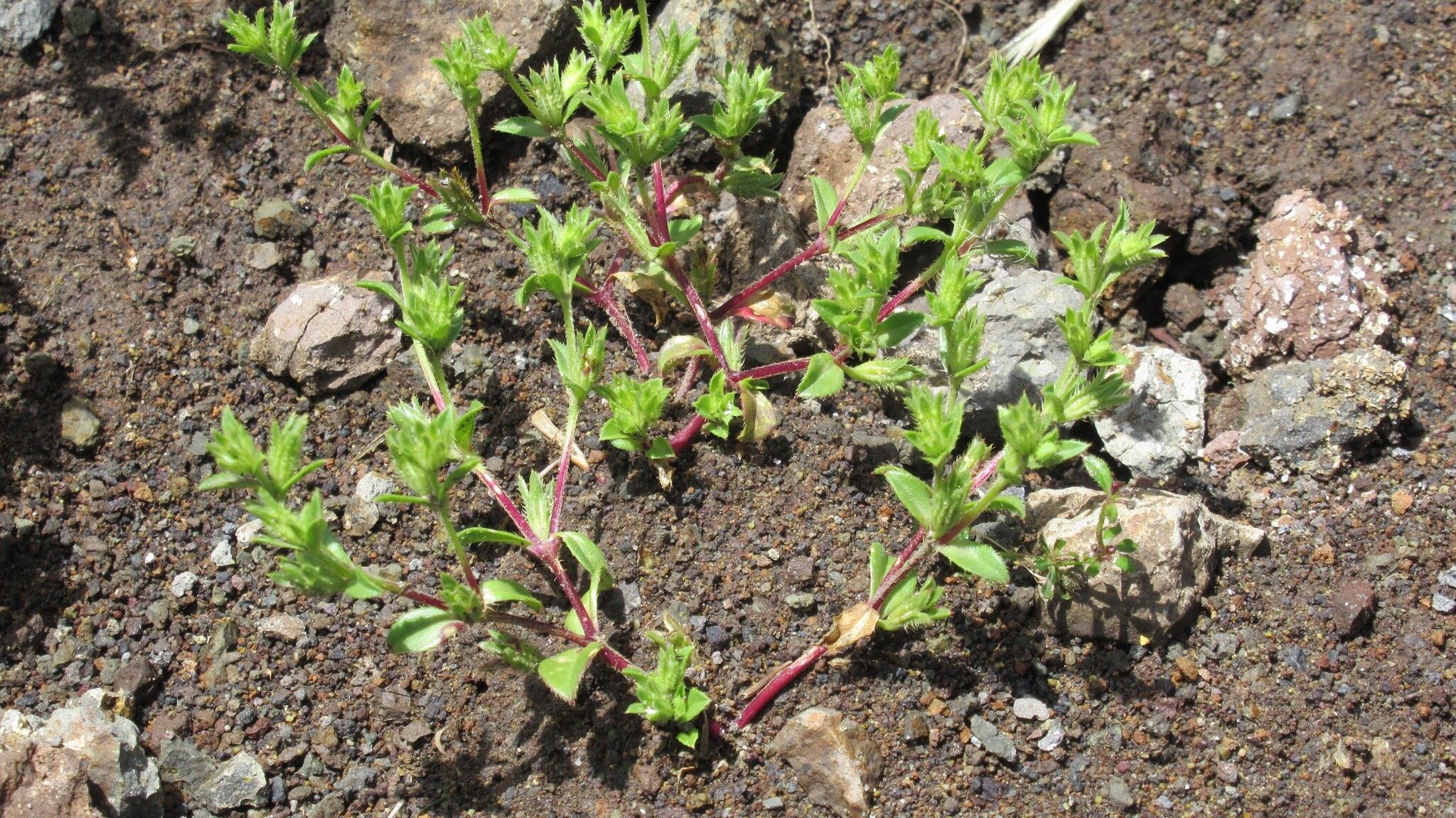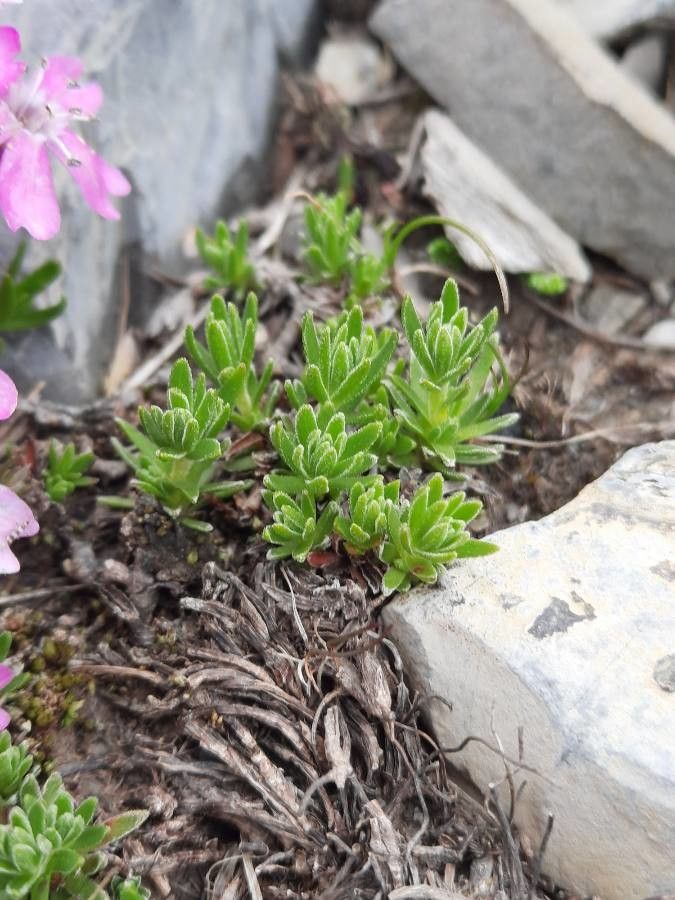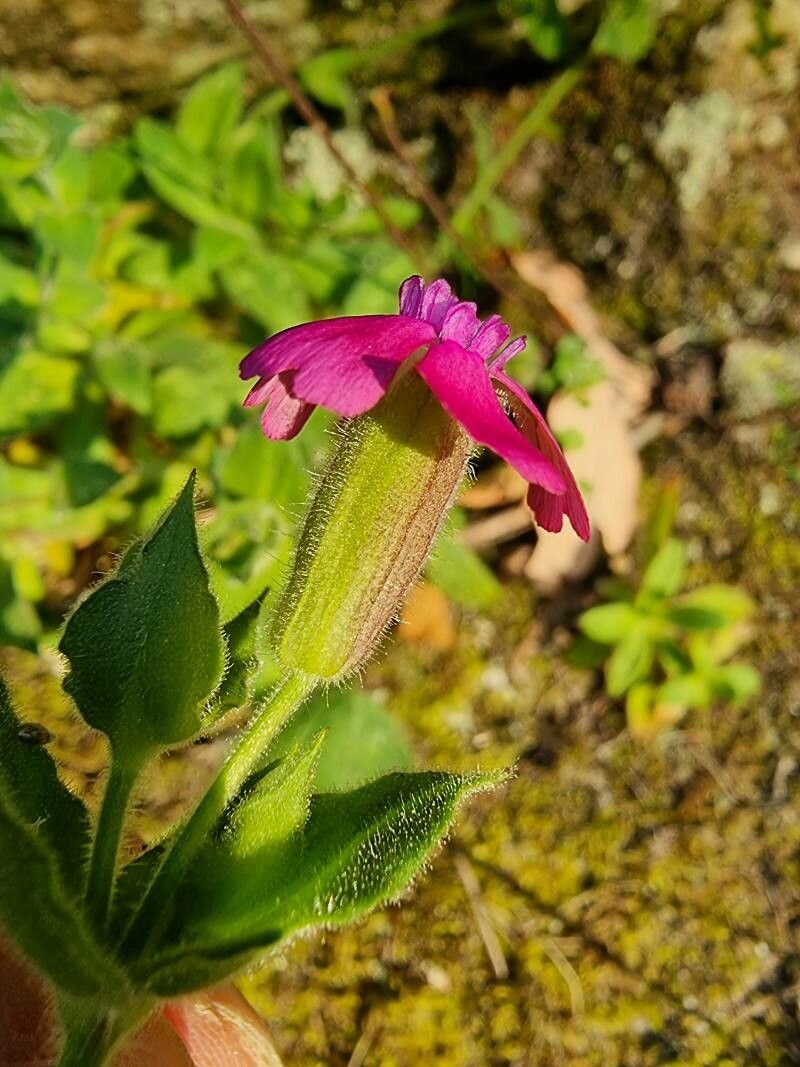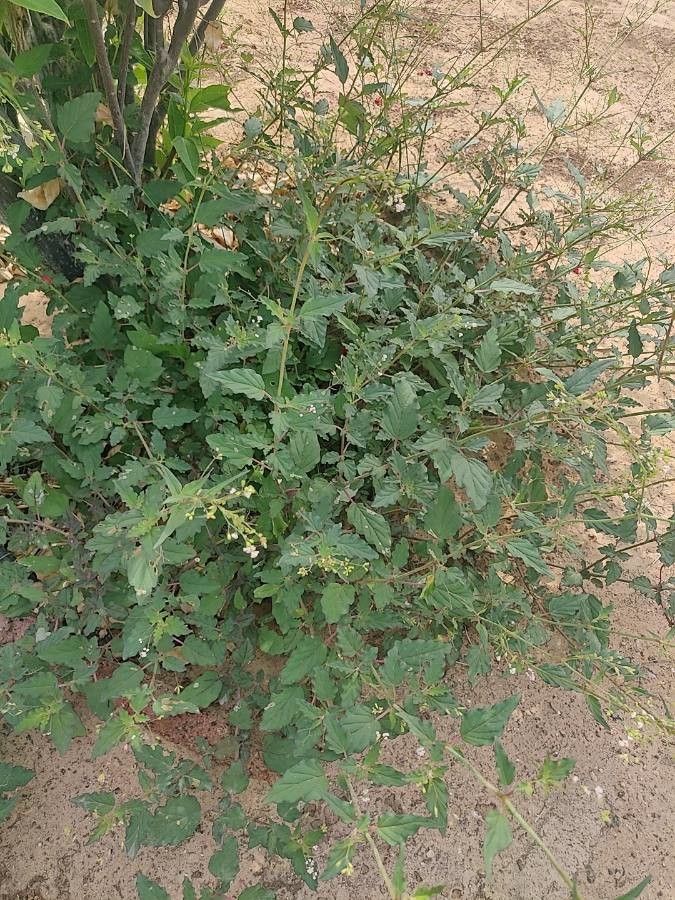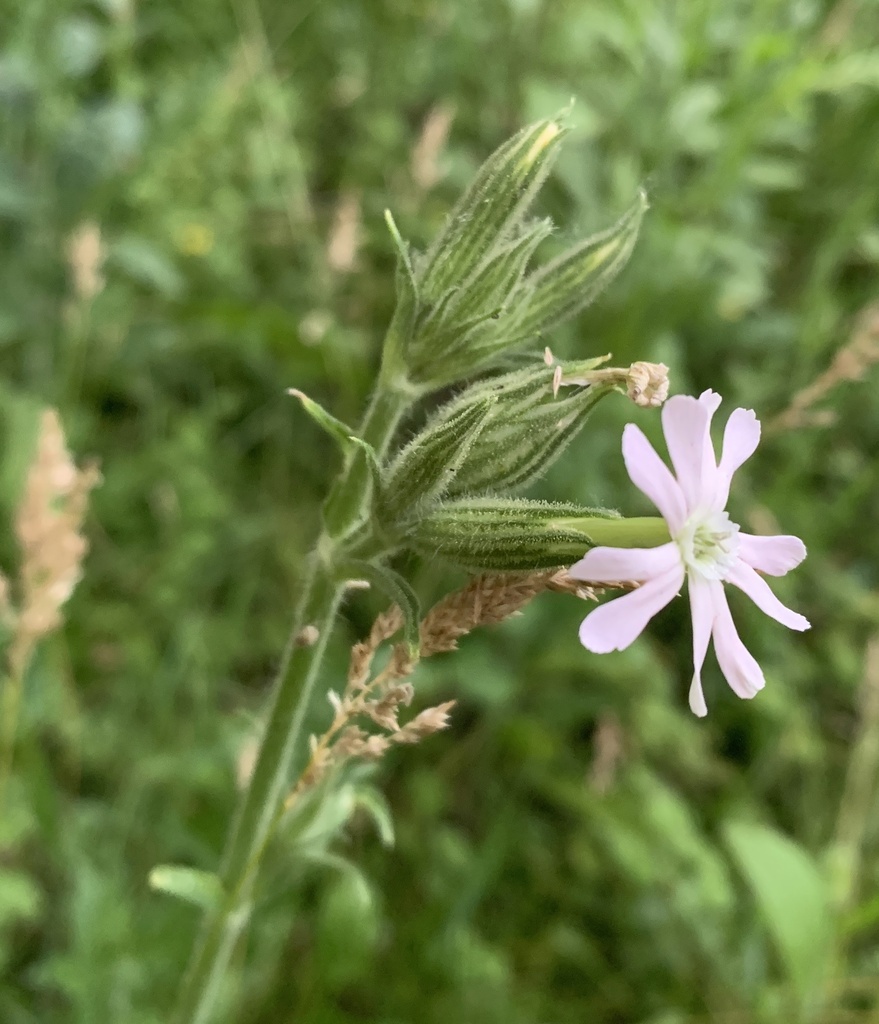
Silene noctiflora is a species of flowering plant in the family Caryophyllaceae known by the common names night-flowering catchfly, nightflowering silene and clammy cockle. It is native to Eurasia, but it is known on other continents as an introduced species and sometimes a weed. In North America, it is a common weed of grain crops in the Canadian prairie provinces and in much of the United States. It grows in fields and in other disturbed habitat.
Nightflowering silene is fairly disease-resistant and usually not prone to illnesses. Still, it can be affected by pests and diseases present in its surroundings. These problems are typically not serious. For care, the plant requires moderate maintenance. Regular pruning is needed to keep its appearance neat and support healthy growth. Fertilizing can also help encourage flowering. Nightflowering silene is suitable for anyone with outdoor space, such as a garden or patio, and does not need extensive care experience. It may demand more attention if grown indoors.
How to keep Silene Noctiflora.
Light
Nightflowering silene comes from bright, open habitats and does best in full sun. It can tolerate some partial shade but favors direct sunlight for optimal growth. This species, which may be annual or biennial, is noted for its sun-loving habit.
Water
The nightflowering silene flourishes with moderate moisture, needing to be watered twice a week for optimal growth. It is best grown outdoors, where seasonal rainfall complements its natural growth cycle and boosts its flowering potential.
Temperature
Nightflowering silene can tolerate a wide range of temperatures, but its distribution may still be limited by particular combinations of moisture and heat. It grows best in warm summer climates with adequate rainfall or watering. Extended periods of cloudy and rainy weather, as well as prolonged high temperatures, can increase the likelihood of Nightflowering silene dying. In winter, appropriate protection from cold can improve the plant's survival rate.
Fertilizer
When most of Nightflowering silene's blooms have opened to full size, resume fertilizing. At the peak of bloom production, apply fertilizer every three to four weeks, weather permitting. Then, once the plant begins producing fewer new blooms, stop fertilizing — there is no need to feed it when it can no longer produce additional flowers.
Pruning
The nightflowering silene is known for its distinctive flowers that bloom at night. To encourage healthy growth and a well-shaped plant, it's best to prune it from early to late spring. Be sure to remove any dead stems and thin out crowded areas to improve air circulation and reduce the risk of disease. Always use sharp, clean tools to help the plant remain vigorous and flower more prolifically.
Botanical profile.
- Plant Type
- Herb
- Life Cycle
- Annual
- Genus
- Silene
- Family
- Caryophyllaceae
- Hardiness Zone
- 4-8
- Mature Height
- 25 cm to 40 cm
- Mature Spread
- 49 cm
- Leaf Color
- Green
- Leaf Type
- Deciduous
- Flower Color
- White, Pink
- Flower Size
- 2.03 cm to 3.05 cm
- Bloom Time
- Summer, Early fall
- Planting Time
- Spring, Summer
- Harvest Time
- Late summer, Fall
- Native Area
- Turkey, Austria, Slovakia, Montenegro, Croatia, Slovenia, Belarus, Uzbekistan, Russia, Iraq, Germany, Indonesia, Estonia, Romania, Latvia, Belgium, France, Netherlands, Tajikistan, Czech Republic, Bulgaria, Armenia, Poland, Greece, Ukraine, Serbia, China, Lithuania, Kyrgyzstan, Kazakhstan, Italy, Switzerland, Iran, Azerbaijan, United Kingdom, Hungary