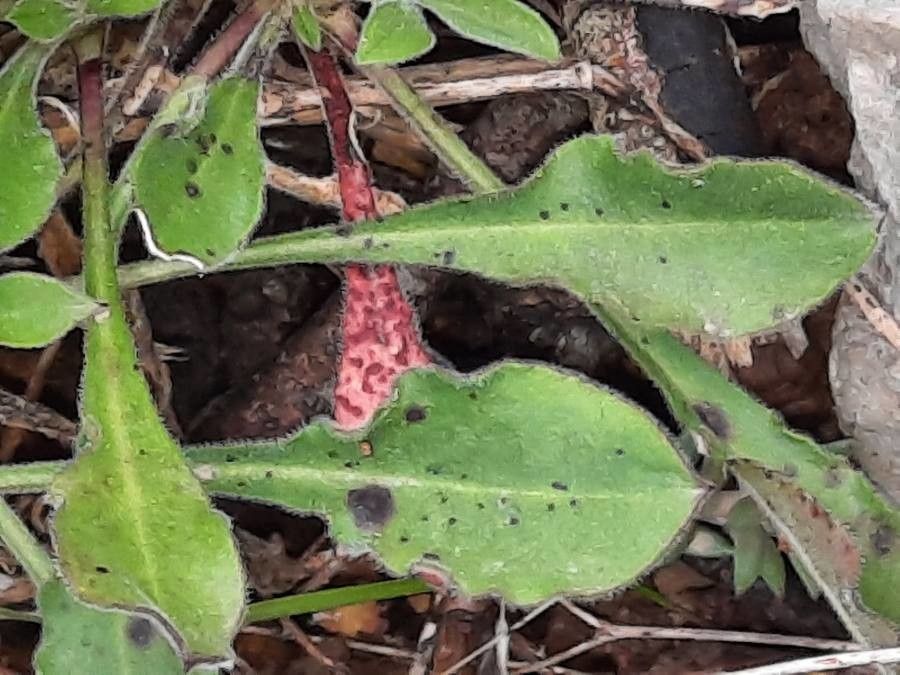
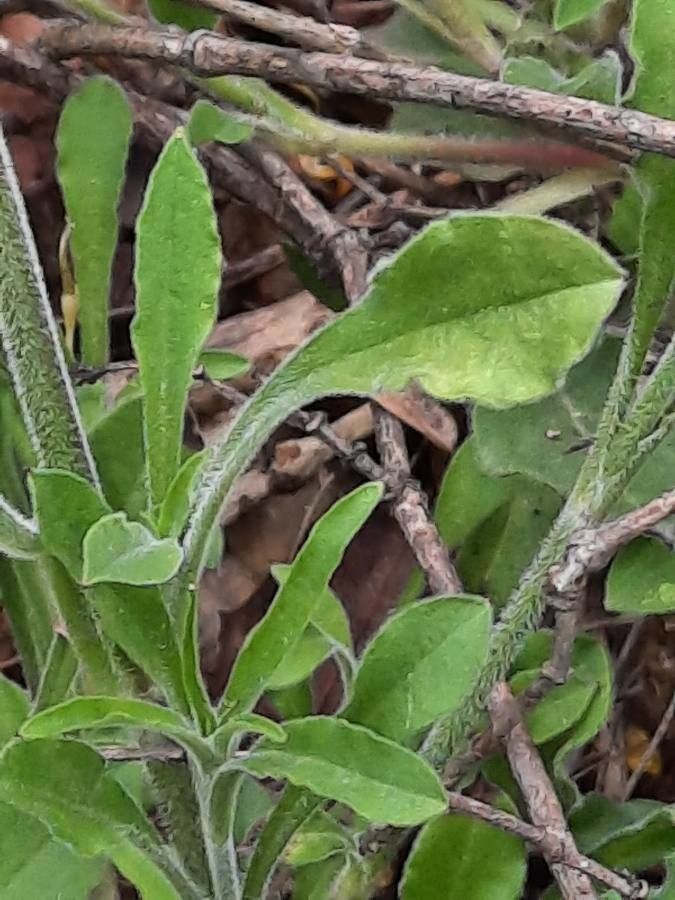
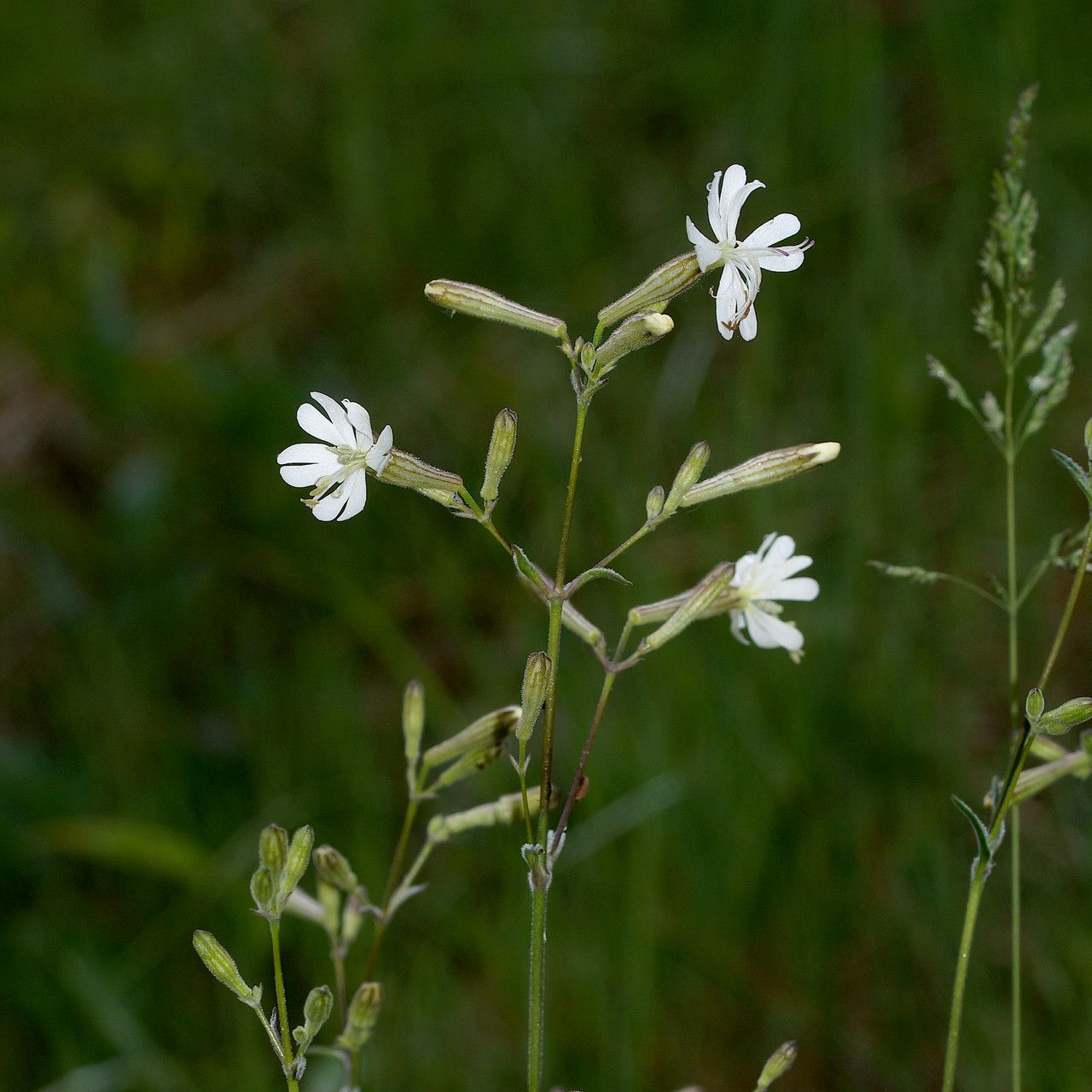
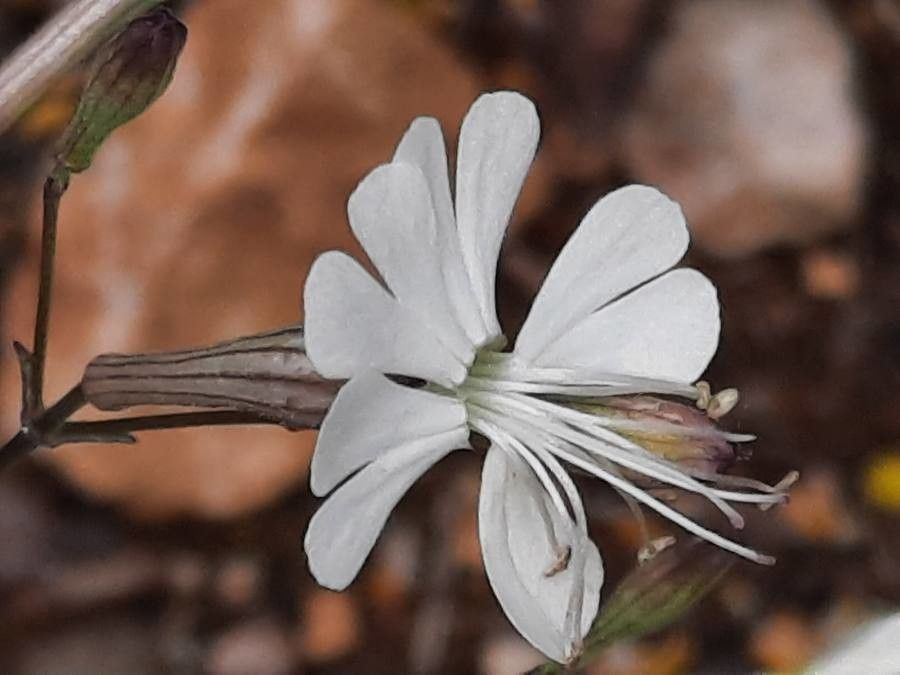
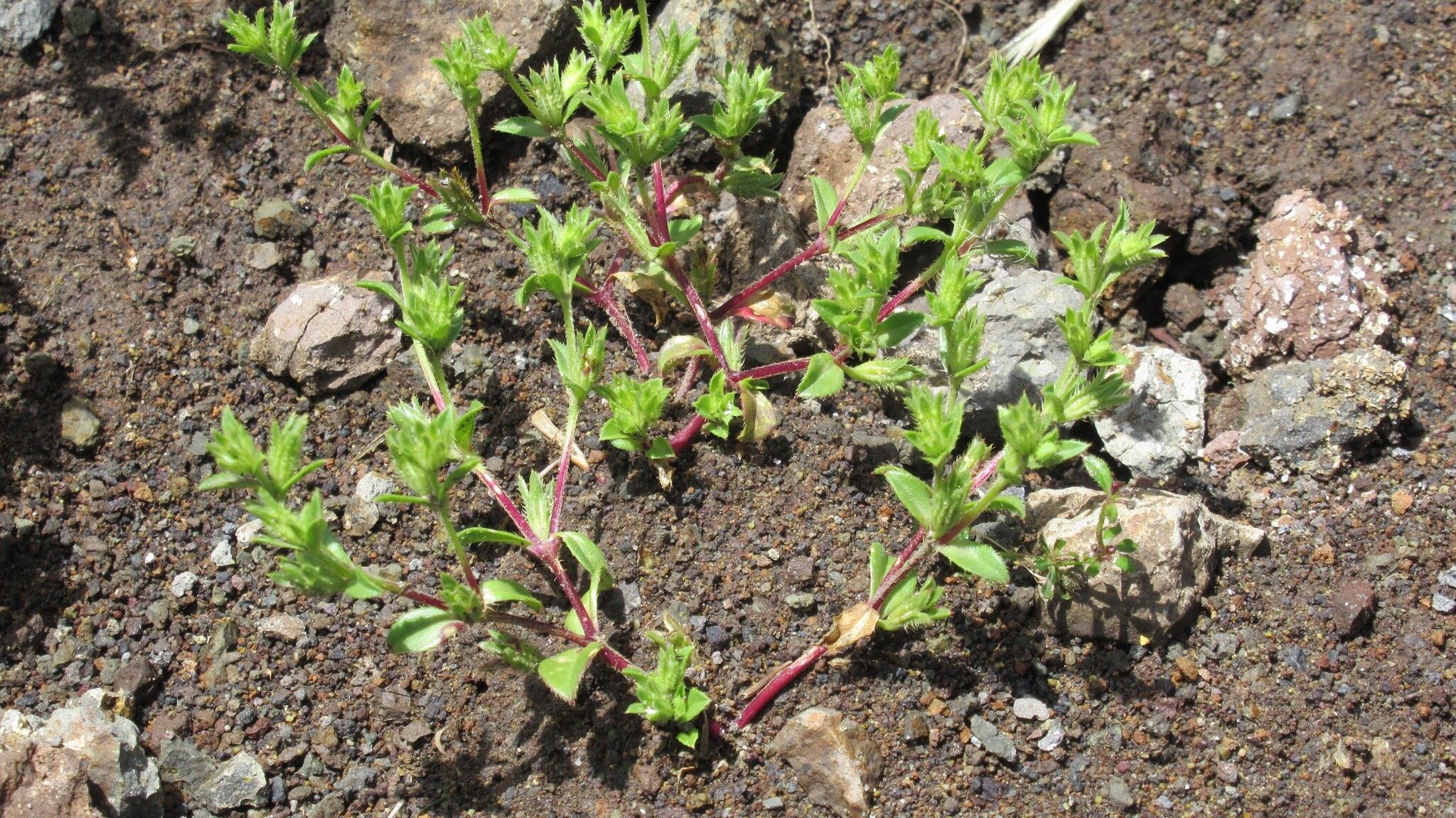
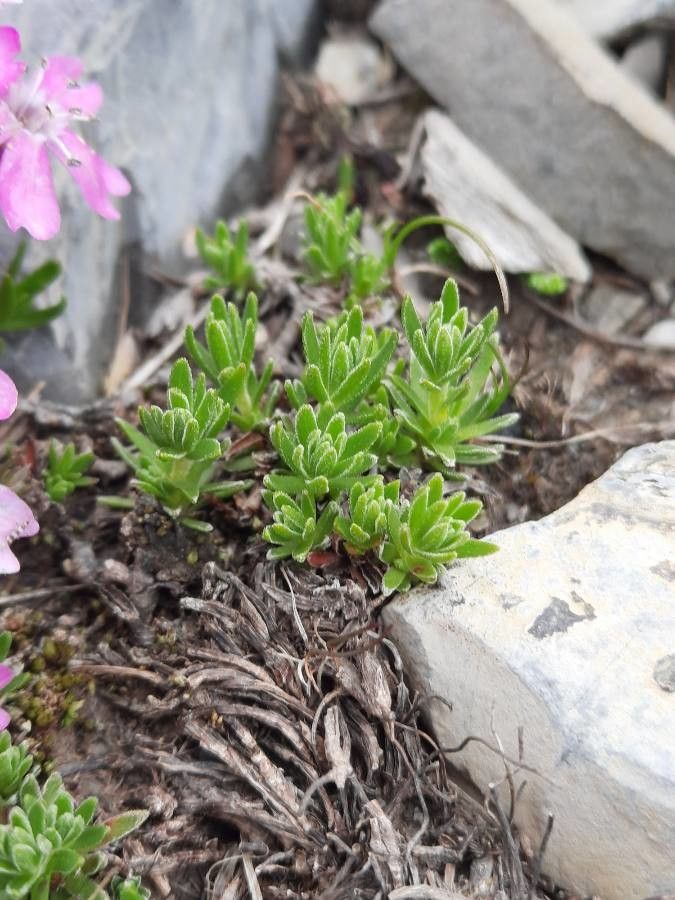
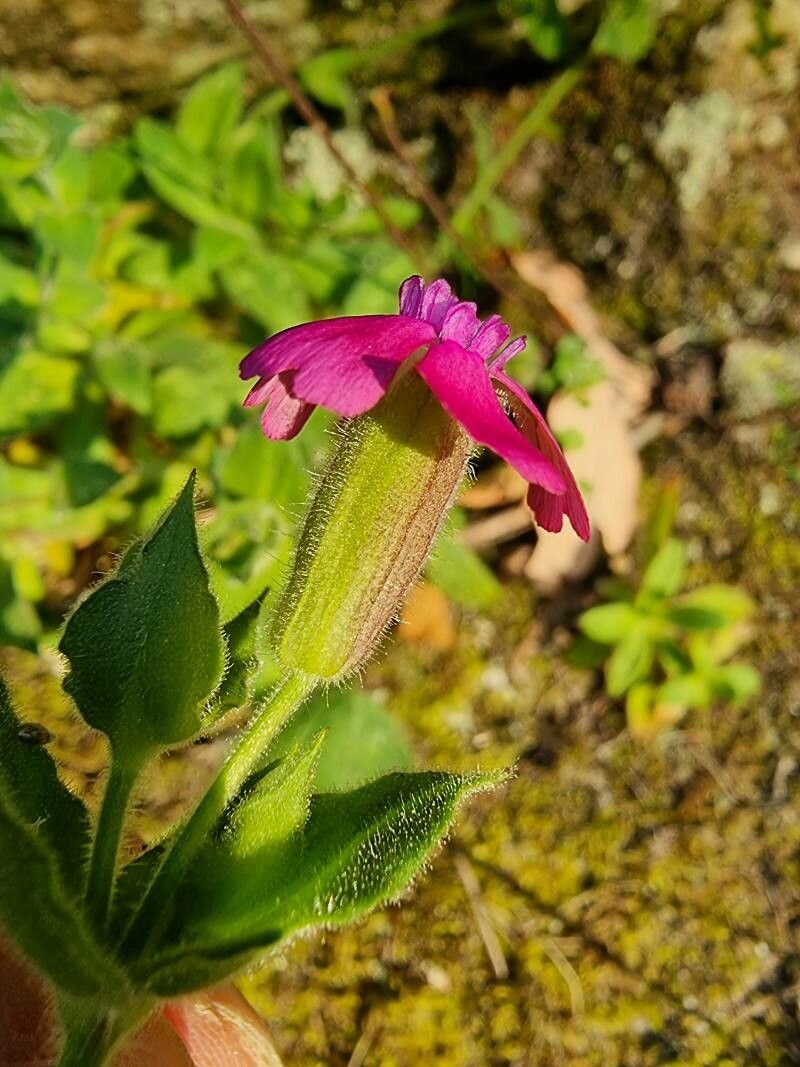
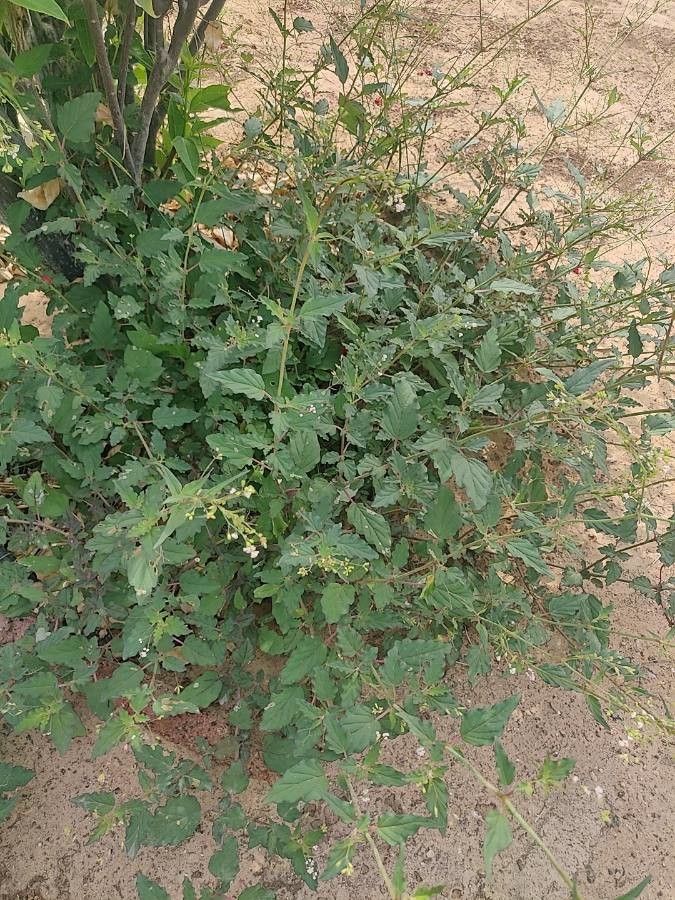
Silene italica, commonly known as Italian catchfly, is a herbaceous perennial plant in the Caryophyllaceae family. Native to Italy and other parts of Europe, it has also been introduced to North America. The plant can grow up to 60 cm tall and features narrow leaves arranged in opposite pairs along its stem.
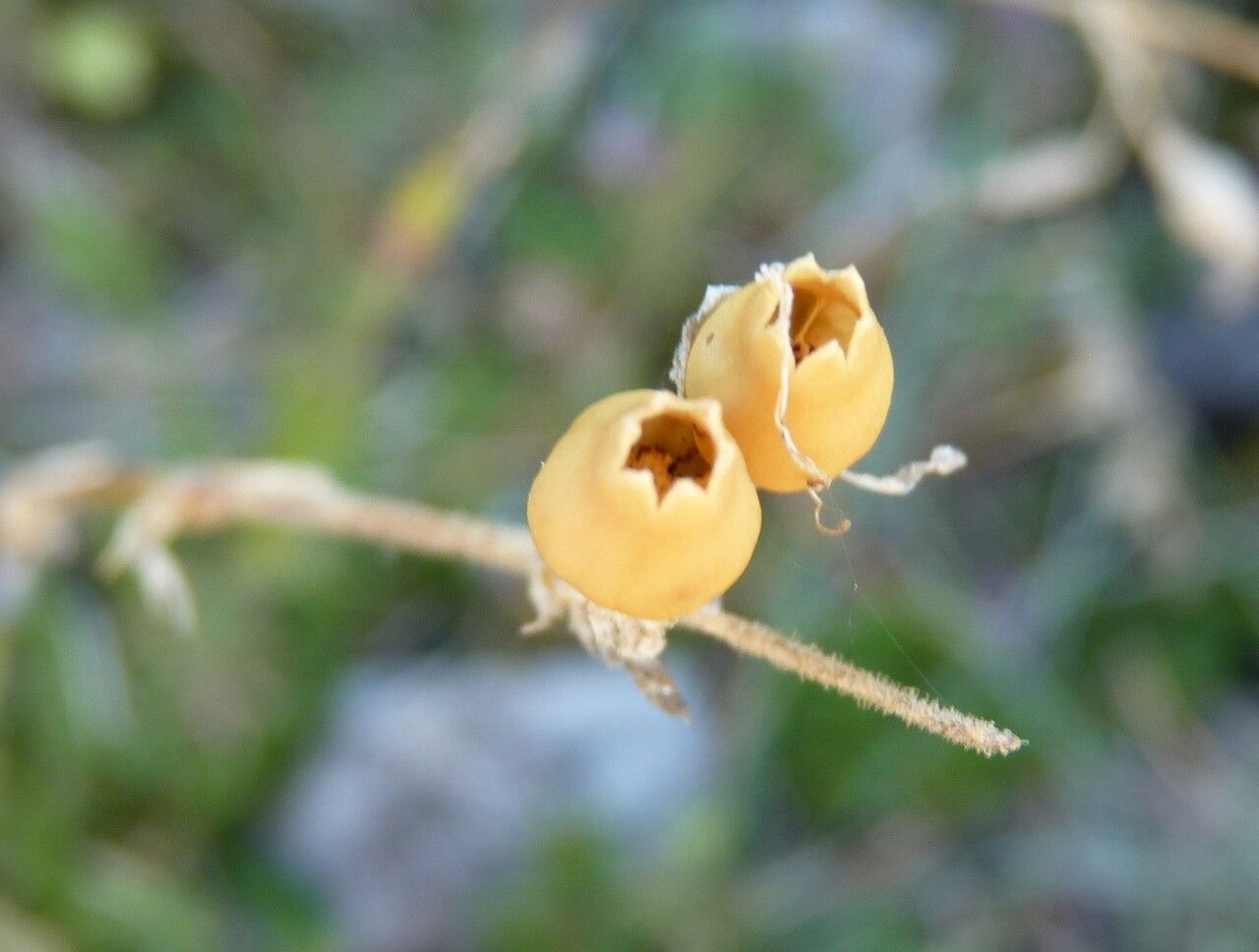
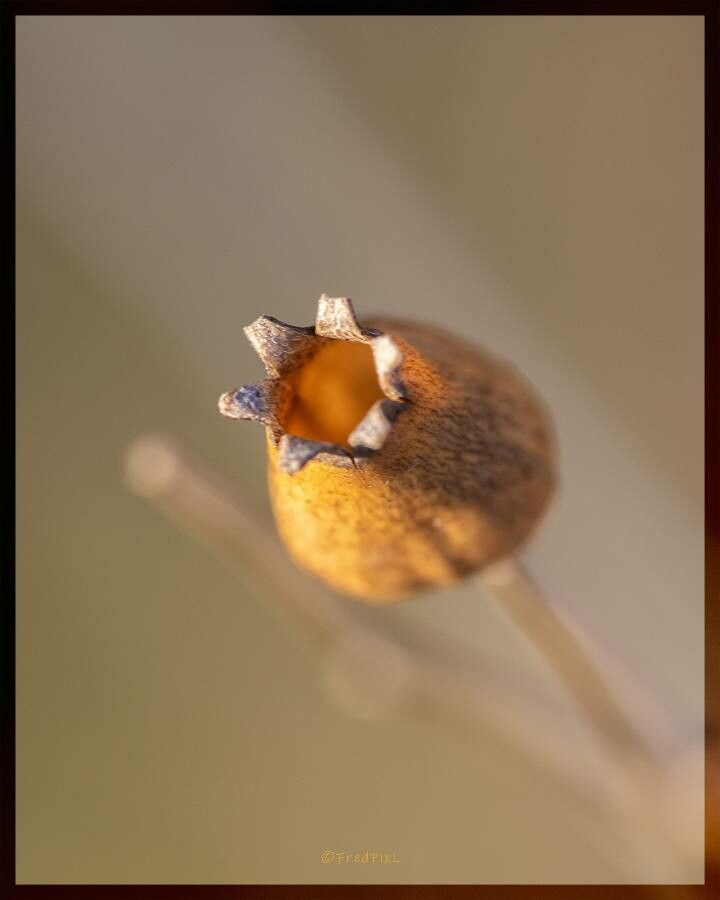
The flowers of Silene italica are pink or white, each with five petals that are deeply notched at the tips. They bloom from May to August, attracting bees, butterflies, and other pollinators. The plant produces fruit in the form of capsules containing numerous small seeds.
Silene italica thrives in well-drained soils with full sun or partial shade, though it can tolerate a wide variety of soil types. It is commonly found on rocky slopes, meadows, fields, roadsides, and disturbed areas such as abandoned quarries.
For centuries, Silene italica has been used for its medicinal properties, particularly its anti-inflammatory effects, which are useful in treating skin conditions like eczema and psoriasis. Additionally, the plant has a place in traditional Italian cuisine, where its young leaves are eaten raw or cooked similarly to spinach.
Overall, Silene italica is an attractive perennial with beautiful flowers that support pollinators. Its medicinal properties and culinary uses make it a valuable component of various ecosystems around the world.
Italian catchfly has strong resistance to diseases and generally does not tend to get sick. It can, however, be vulnerable to pests and illnesses present in its environment. These issues are usually minor. In terms of care, the plant is moderately demanding. It should be pruned regularly to maintain an attractive appearance and healthy growth. Fertilizing can also help encourage flowering. Italian catchfly is suitable for anyone with outdoor space, such as a garden or patio, and does not require extensive care experience. It may need more attention when grown indoors.
How to keep Silene Italica.
Light
Italian catchfly comes from sunny, open habitats where it does best in full sunlight. It will tolerate some shade but favors direct sun for optimal growth. This plant, which can be annual or biennial, is known for its sun-loving nature.
Water
The Italian catchfly flourishes in a Mediterranean-like climate that features alternating dry and moist periods, demonstrating moderate drought tolerance. It requires weekly watering, and it's important to ensure the soil is well-draining to prevent root rot. The plant prefers full sun and is ideal for outdoor settings such as rock gardens or containers with controlled drainage.
Temperature
Italian catchfly can tolerate a wide range of temperatures, but its distribution may still be constrained by specific combinations of moisture and heat. It does best in warm summer climates with adequate rainfall or watering. Extended periods of cloudy, rainy weather, as well as prolonged high temperatures, can increase the likelihood of Italian catchfly dying. In winter, suitable protection from cold can improve the plant's survival rate.
Fertilizer
Italian catchfly requires regular fertilization to encourage flowering but does not tolerate excess. It needs small, frequent doses of fertilizer throughout its entire life cycle, especially during the peak period of active growth and when it is flowering. You will feed your Italian catchfly until they stop blooming.
Pruning
Italian catchfly is a herbaceous perennial that produces white to pink flowers. To promote growth and maintain the plant’s shape, prune it in early spring. Make sure to remove any dead or damaged stems during this process. Pruning encourages blooming, improves air circulation, reduces pest issues, and enhances the plant's overall vitality, making it a strong addition to your garden.
Botanical profile.
- Plant Type
- Herb
- Life Cycle
- Biennial
- Genus
- Silene
- Family
- Caryophyllaceae
- Hardiness Zone
- 5-9
- Mature Height
- 76 cm
- Mature Spread
- 20 cm to 40 cm
- Leaf Color
- Green, Gray
- Leaf Type
- Semi-evergreen
- Flower Color
- White
- Flower Size
- 1.52 cm to 2.03 cm
- Bloom Time
- Mid spring, Late spring, Early summer
- Planting Time
- Spring, Summer, Autumn
- Harvest Time
- Summer
Other names.
Reader questions.
How should I water my Italian catchfly in the best way?
To properly water the Italian catchfly, follow these guidelines to ensure its health. Choose filtered water over tap water as tap water may contain harmful particles. It is also important to use water at room temperature or slightly warmer to avoid shocking the plant. Additionally, avoid overhead watering to prevent foliage complications. Instead, pour the filtered, room temperature water directly onto the soil until it is completely soaked. This helps moisten the roots and supports their growth and nutrient absorption.
What are the sunlight requirements for Italian catchfly?
Italian catchfly thrives in environments that offer full sun, requiring above 6 hours of sunlight daily. It can also tolerate partial sun, which is about 3-6 hours of sunlight. However, for optimal growth, direct sunlight is preferred. It's important to watch how sunlight moves through your garden, selecting spots that provide a balance of light and shade to ensure the plants' health.
What should I do if I give my Italian catchfly too much or too little water?
It is crucial to carefully manage the watering of your Italian catchfly to ensure its health. While both overwatering and underwatering can harm the plant, overwatering is a more common issue. When the Italian catchfly receives excessive water, its stems and leaves may wilt and turn yellow. Overwatering over time can even lead to diseases like root rot, mold, and mildew, which can be fatal for the plant. On the other hand, the Italian catchfly has good resistance to drought, so underwatering is less frequent. However, it is still possible, and you may notice that the leaves become brittle and brown in such cases. To properly care for your Italian catchfly, it is important to be vigilant for signs of overwatering. Some diseases caused by overwatering, like root rot, may be irreversible if not addressed promptly. If you observe early signs of overwatering, reduce your watering schedule immediately. Additionally, check the quality of the soil in which your plant grows. If the soil drains poorly, replace it with a loose, well-draining potting mix. Conversely, if you notice signs of your Italian catchfly not receiving enough water, increase your watering frequency until the signs diminish.
How can artificial lighting support Italian catchfly growth?
Indoor plants like Italian catchfly require adequate lighting for optimal growth, especially when natural sunlight is insufficient, like in winter or in less sunny spaces. Artificial lights, particularly LEDs, are beneficial as they can be customized to the specific light wavelengths needed by the plants. For full sun plants, 30-50W/sq ft of artificial light is recommended, for partial sun plants, 20-30W/sq ft, and for full shade plants, 10-20W/sq ft. The light source should be placed 12-36 inches above the plant, mimicking natural sunlight for 8-12 hours per day.
How often should I water my Italian catchfly plant?
If your Italian catchfly is in a pot, you can use a precise method to determine if it needs water. Just insert your finger into the soil and if the top two to three inches are dry, it's time to water. The same method can be used if your Italian catchfly is planted outdoors in the ground. Again, when the top few inches of soil are dry, it's time to water. In spring and early fall, watering once a week is usually sufficient. However, during extremely hot weather, you may need to water twice or more per week. It's worth noting that mature and well-established Italian catchflies have a good ability to withstand drought.
What are the symptoms of insufficient light in Italian catchfly?
Italian catchfly shows several symptoms under inadequate light, including the growth of smaller leaves, leggy or sparse growth, faster leaf drop, slower or no new growth, lighter-colored new leaves indicating lack of chlorophyll, and conditions like chlorosis where leaves turn yellow, sunscald, leaf curling, wilting, and leaf scorching. These symptoms suggest the plant is not receiving enough light and is struggling to photosynthesize effectively.
How much water does my Italian catchfly require?
To properly water your Italian catchfly, don't be afraid to give it a good amount of water. Make sure the first two to three inches of soil are dry before watering. It's best to thoroughly water the plant, ensuring that the soil is soaked completely. Add enough water so that it drains out of the pot's bottom drainage holes. If you don't see any excess water draining, you may have not given enough water. However, be careful not to let the water accumulate in the soil, as this can harm the plant. On the other hand, if the water isn't draining properly, it could mean that the soil isn't draining well, which is bad for the plant's health. If the plant is outside, about 1 inch of rain per week should be sufficient.
How can I resolve light deficiency issues for Italian catchfly?
To combat light deficiency in Italian catchfly, gradually increase its sunlight exposure, aiming for at least 6 hours of direct sunlight daily by moving it closer to a south-facing window or using grow lights for indoor plants. For outdoor plants, relocate them to sunnier spots incrementally to avoid sunburn. Pruning obstructions like branches can also improve sunlight availability. When increasing light exposure, remember that parts of the plant damaged by insufficient light may not recover, but new, healthy growth can occur with better lighting conditions.
How do I water my Italian catchfly as it grows?
The water needs of the Italian catchfly can vary based on its growth stages. When it is in its early years or has recently been transplanted, it will require more water than usual. During this period, the plant focuses on developing new roots, which need extra moisture. As the plant matures, it will require less water. Additionally, during the bloom period, when the plant is developing flowers, it may require more water due to the increased moisture needs of the flower development process.
How do I water my Italian catchfly throughout the year?
The Italian catchfly has different water needs depending on the season. During the hottest months of the year, especially in summer, you may need to water this plant more frequently, possibly even more than once a week, depending on how quickly the soil dries out. However, in the winter, when the plant goes into a dormant phase, its water needs decrease significantly. In fact, you might not need to water it at all during the winter months. If you do choose to water it during this time, make sure not to do so more than once a month. Overwatering in winter can increase the risk of disease for the Italian catchfly.
How does watering my Italian catchfly plant differ when I do it inside compared to outside?
Indoor gardening is the preferred method for growing Italian catchfly for gardeners residing outside temperate and tropical regions. They should be mindful of the soil in containers drying out faster than ground soil. Additionally, the presence of drying elements like air conditioning units can increase the watering frequency for Italian catchfly grown indoors. Conversely, if planted outside, the need for watering may be reduced if regular rainfall occurs. In this case, the plant can survive with minimal watering. However, indoor growers will need to water the plant more frequently as it cannot rely on rainwater to moisten the soil.