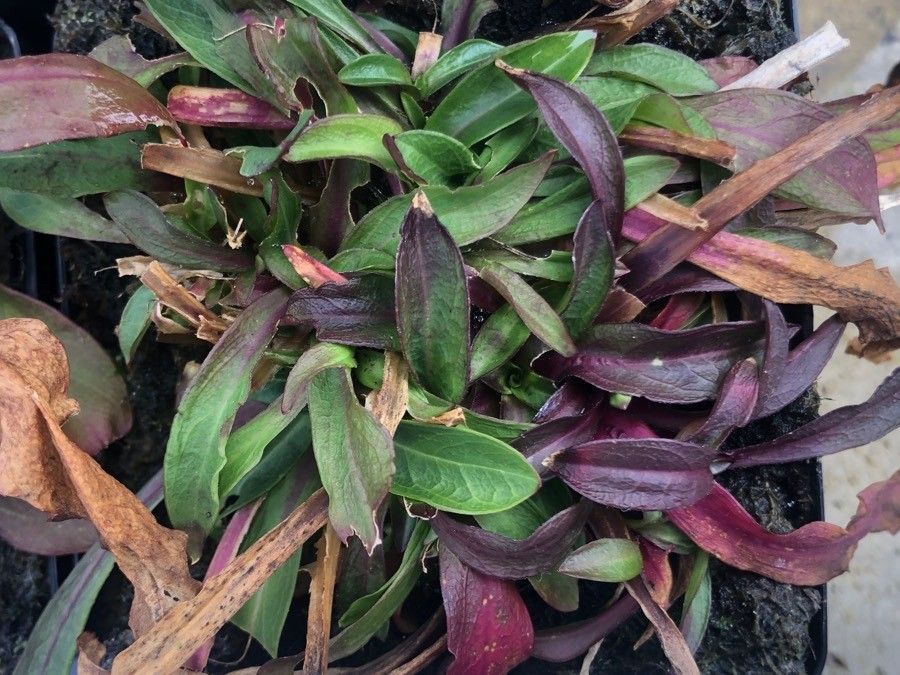
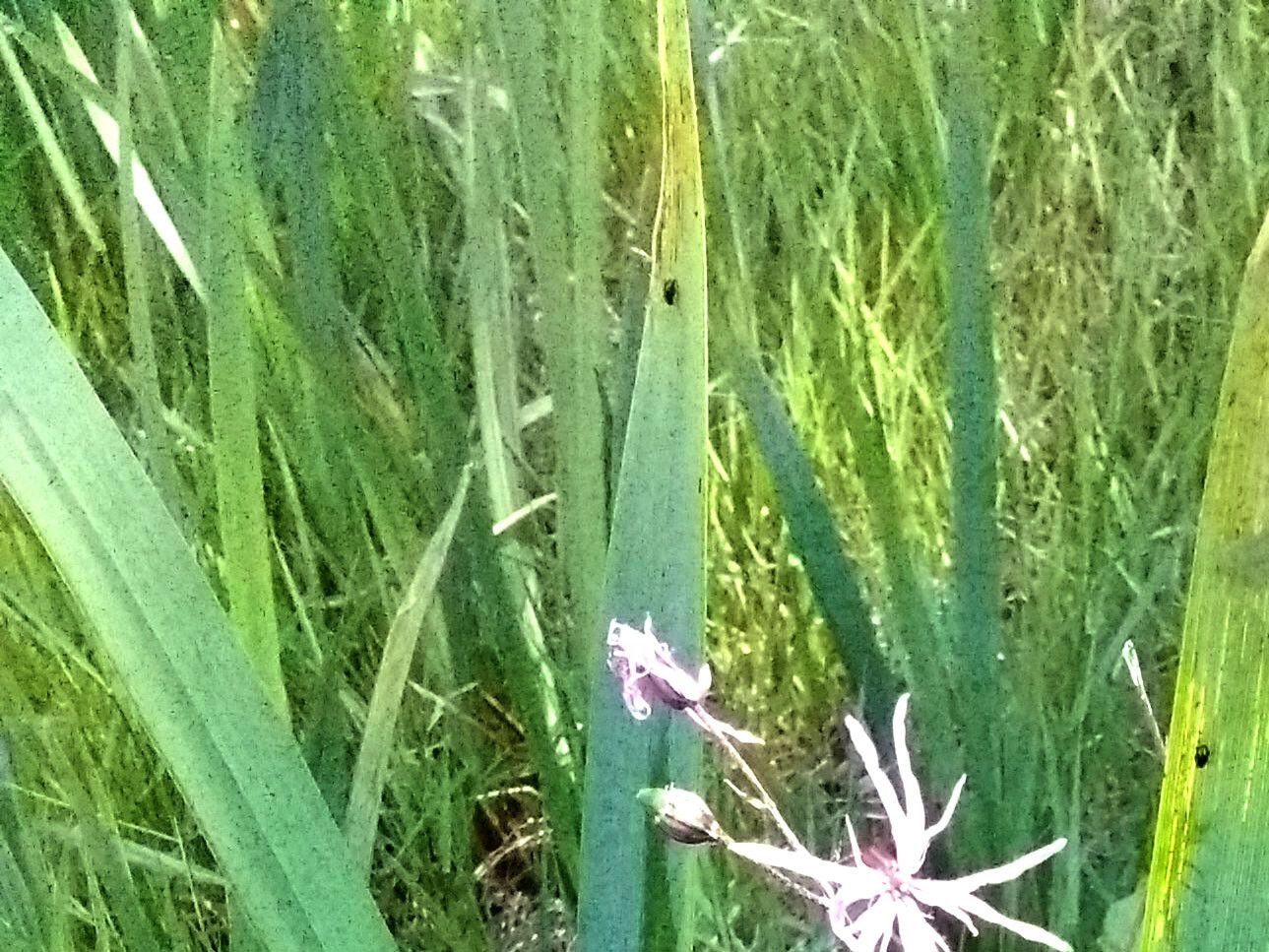
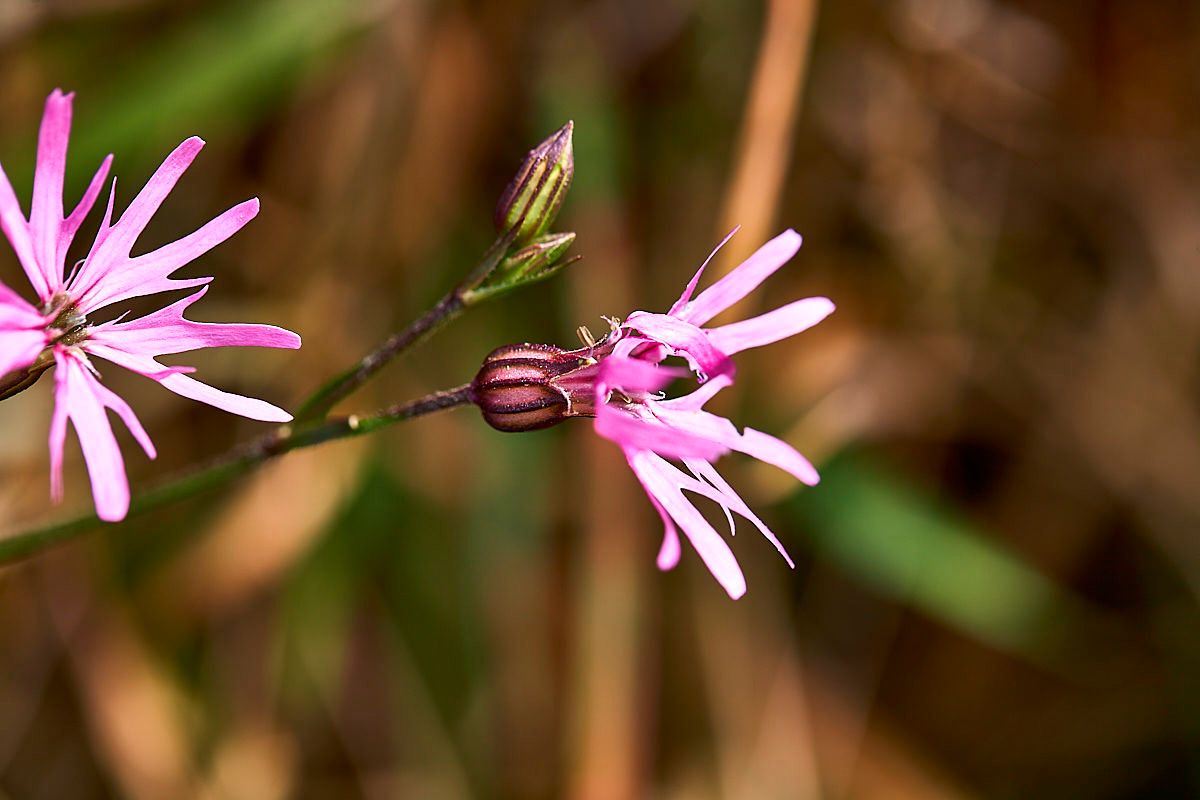
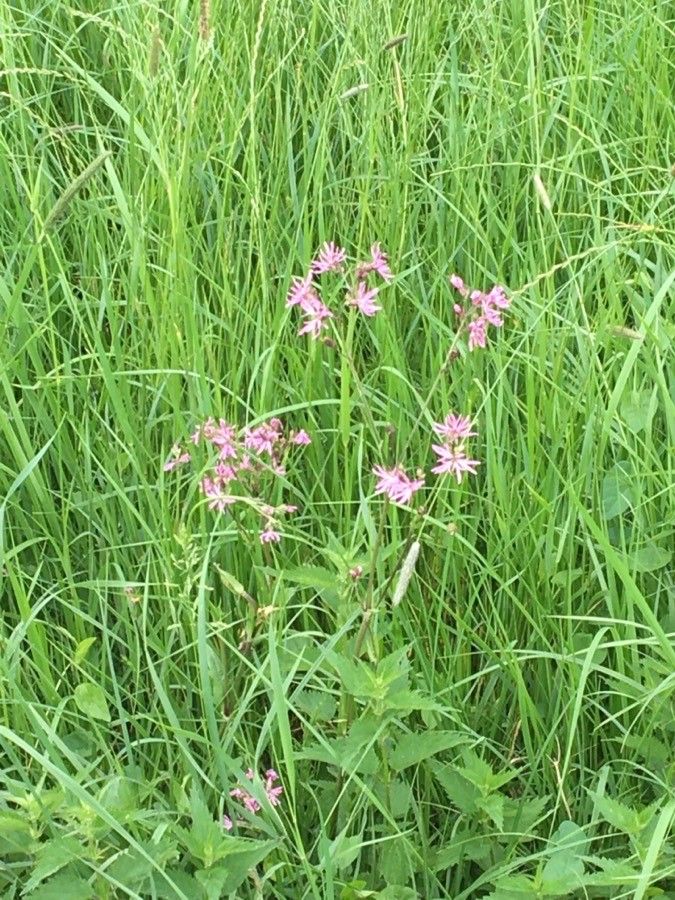
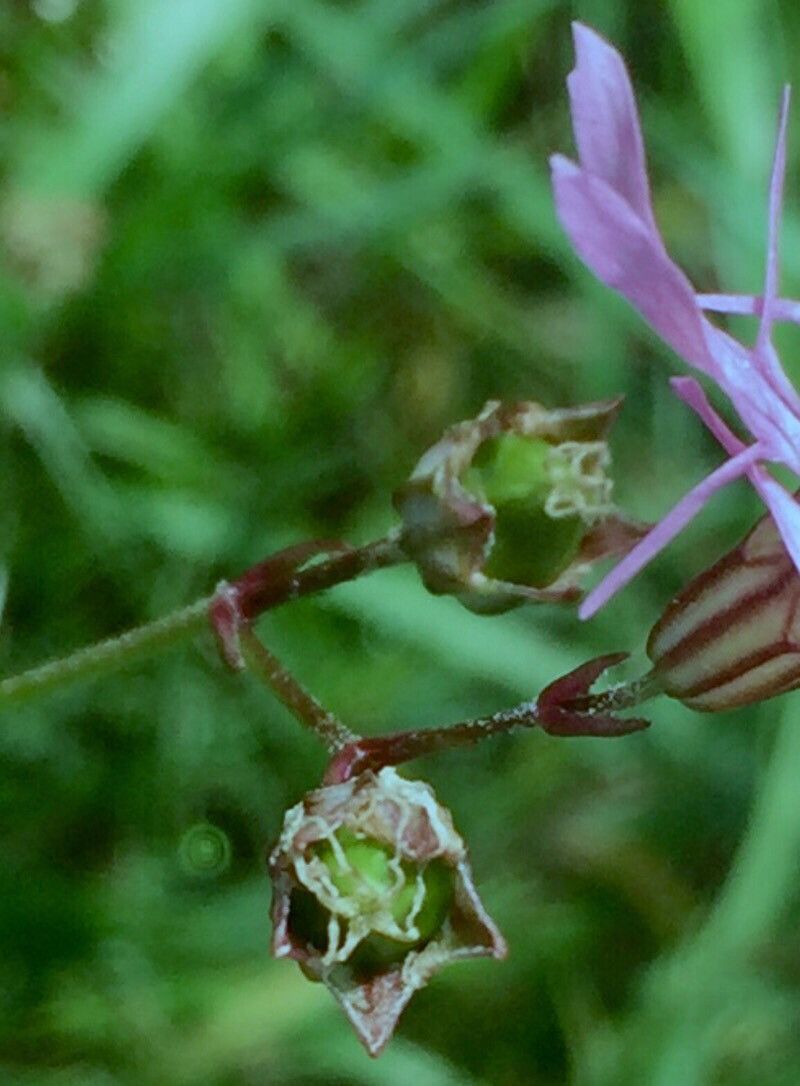
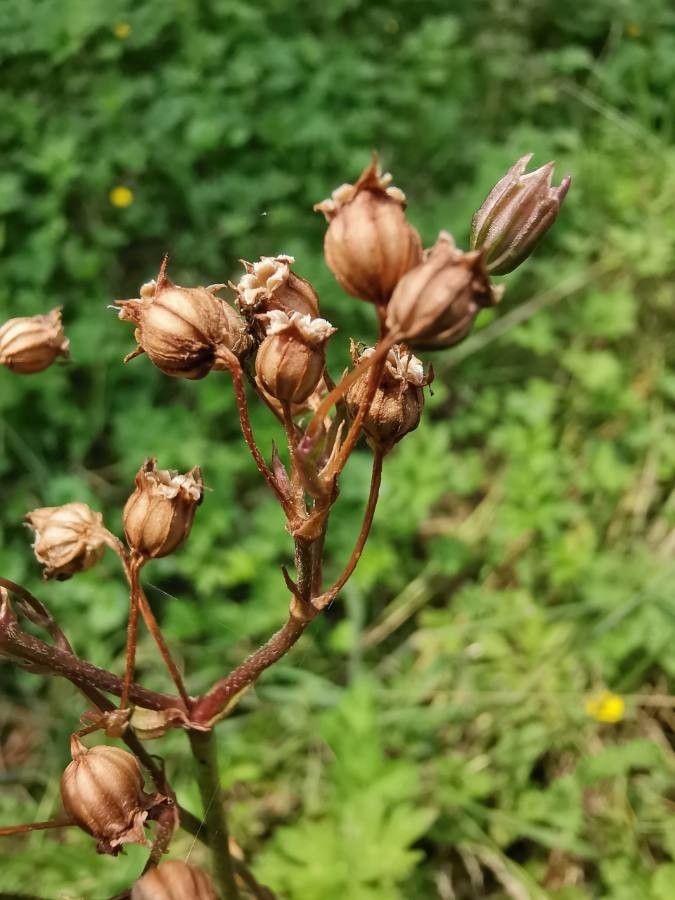
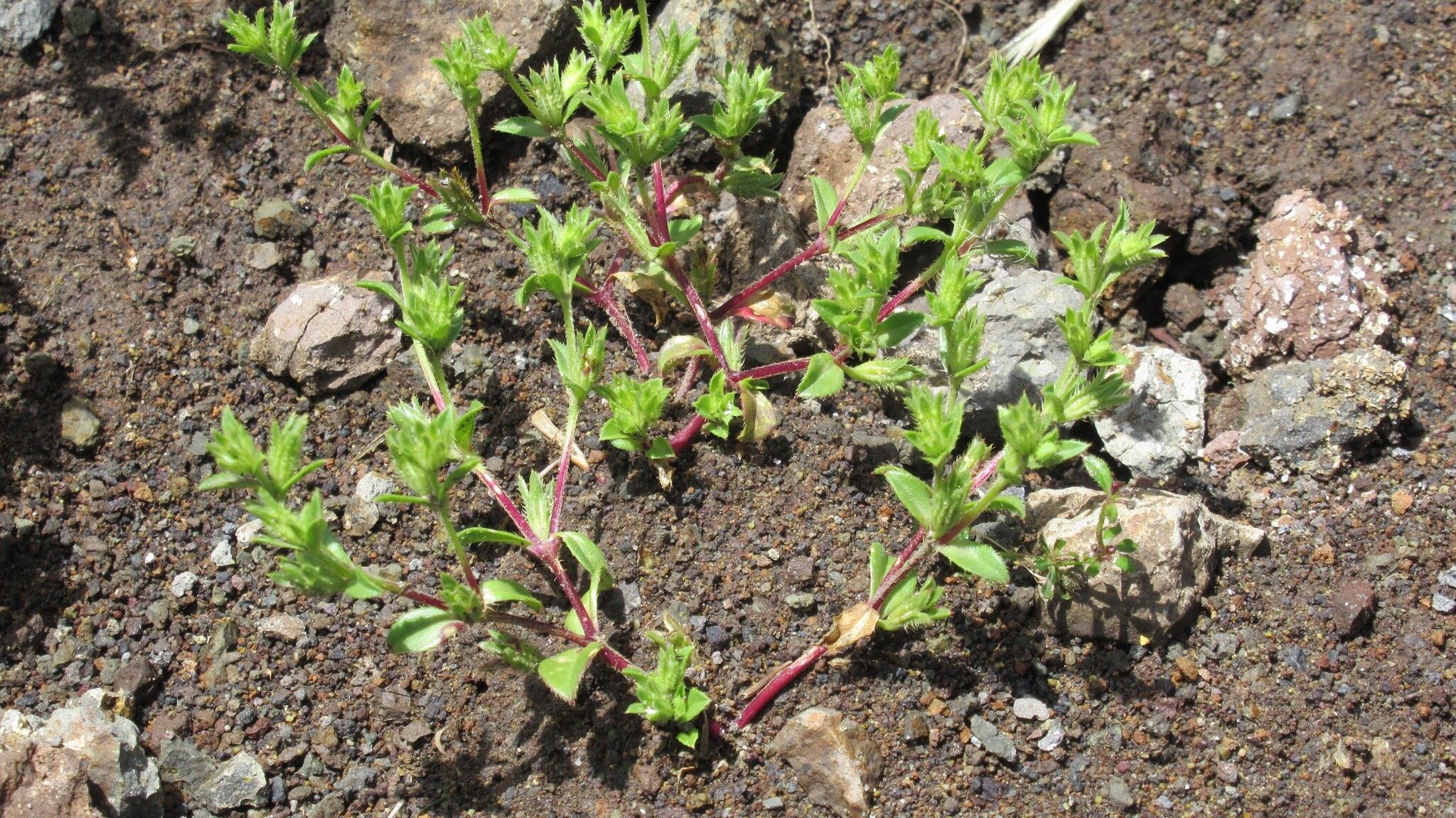
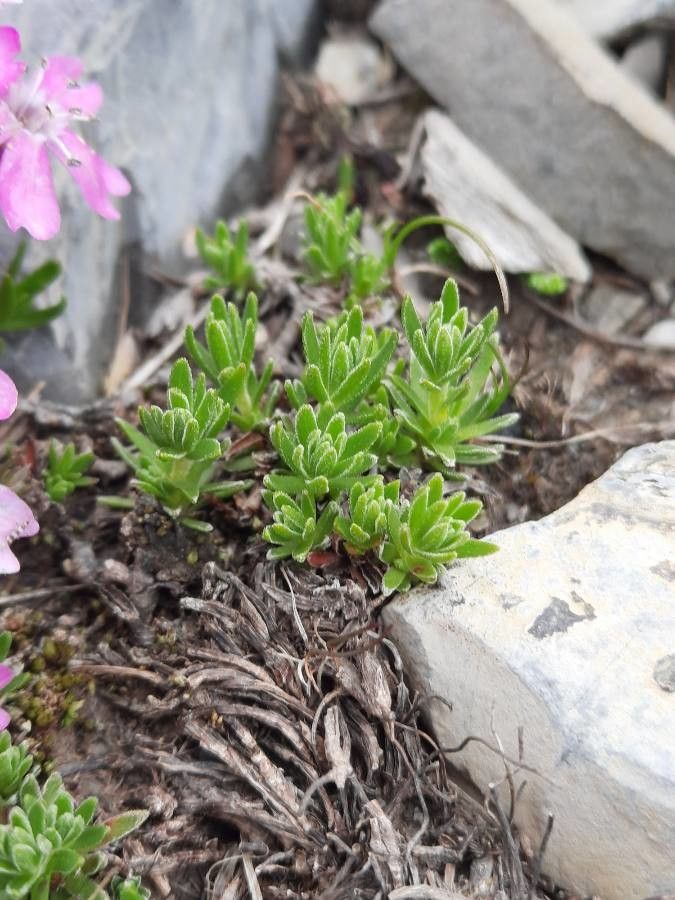
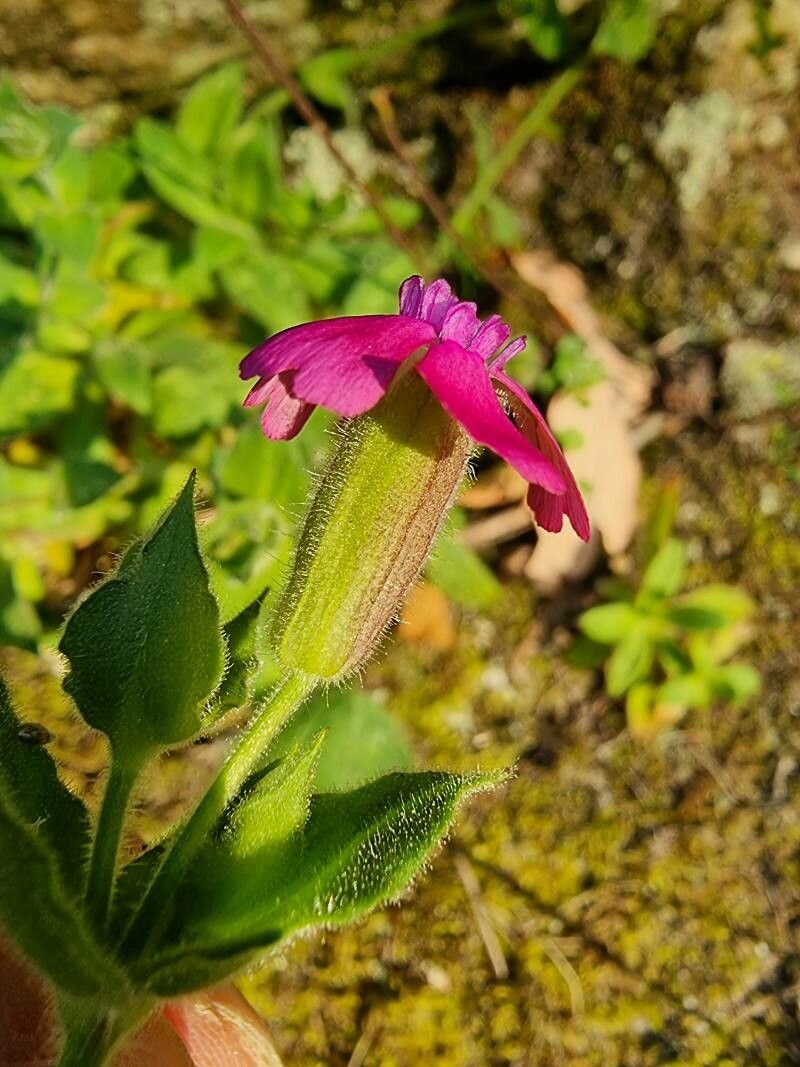
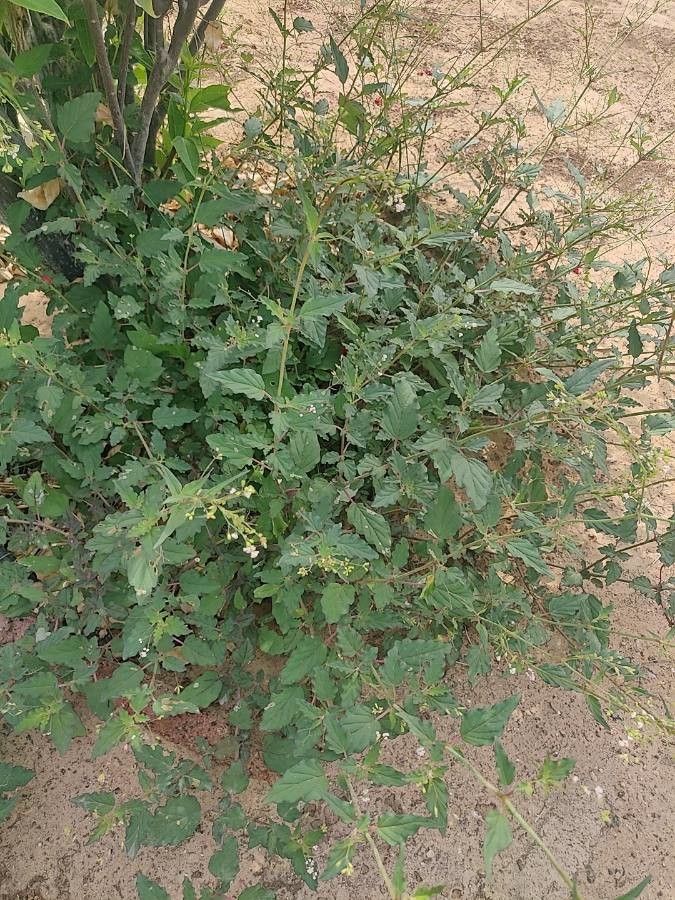
Silene flos-cuculi (syn. Lychnis flos-cuculi), commonly called ragged-robin, is a perennial herbaceous plant in the family Caryophyllaceae. This species is native to Europe and Asia, where it is found along roads and in wet meadows and pastures. In Britain it has declined in numbers because of modern farming techniques and draining of wet-lands and is no longer common. However, it has become naturalized in parts of the northern United States and eastern Canada.
Ragged-robin has strong disease resistance and is usually not prone to illnesses. Still, it can be vulnerable to pests and diseases present in its environment. Such infections are generally mild. Regarding care, this plant needs moderate maintenance. It should be trimmed regularly to preserve a neat appearance and healthy growth. Applying fertilizer can also encourage flowering. Ragged-robin is appropriate for anyone with an outdoor area, such as a garden or patio, and does not demand much care experience. It may need more attention when cultivated indoors.
How to keep Silene Flos Cuculi.
Light
The ragged-robin does best when exposed to abundant light, using it effectively to encourage healthy growth. In its early growth stages, adequate light promotes vigorous development. It originates from habitats with high light levels but can also cope in locations with moderate illumination. Excessively strong or insufficient light can affect its health.
Water
Ragged-robin thrives in environments with consistent moisture, such as damp meadows. To maintain its hydration, water the plant weekly. While it has moderate drought tolerance, it flourishes best outdoors where it can benefit from natural water cycles that align with seasonal rainfall patterns.
Temperature
Ragged-robin is native to habitats where temperatures typically range from 41 to 89.6 °F (5 to 32 ℃). The plant favors this moderate temperature span. Seasonal adjustments may be necessary to maintain optimal growing conditions.
Fertilizer
For Ragged‑robin, the primary time to apply fertilizer is in early spring, as the flowers begin to form. The appropriate fertilizer promotes stronger blooms and helps Ragged‑robin produce attractive flowers. Fertilizing at that early spring stage helps ensure good flowering throughout the season and supplies energy for dormant growth phases.
Pruning
To ensure Ragged-robin thrives, begin with early spring pruning to remove any dead stems, which promotes vibrant blooms and healthy growth. Regularly deadhead the plant to extend its flowering period and prevent self-seeding. Additionally, consistent trimming helps maintain its shape and prevents the plant from becoming leggy. By providing timely care, you can direct the plant's energy toward robust growth, resulting in a lush and appealing appearance.
Botanical profile.
- Plant Type
- Herb
- Life Cycle
- Perennial
- Genus
- Silene
- Family
- Caryophyllaceae
- Hardiness Zone
- 4-8
- Mature Height
- 76 cm
- Mature Spread
- 76 cm
- Leaf Color
- Green
- Leaf Type
- Deciduous
- Flower Color
- Pink, White, Red
- Flower Size
- 2.54 cm to 5.08 cm
- Bloom Time
- Late spring, Early summer
- Planting Time
- Winter
- Harvest Time
- Mid summer
- Native Area
- Turkey, Austria, Sweden, Slovakia, Montenegro, Croatia, Slovenia, Belarus, Russia, Germany, Iceland, Estonia, Romania, Latvia, Belgium, Netherlands, France, Portugal, Czech Republic, Bulgaria, Poland, Greece, Ukraine, Serbia, Lithuania, Norway, Italy, Kazakhstan, Spain, Switzerland, Denmark, Finland, Ireland, United Kingdom, Hungary
Other names.
Reader questions.
How should I water my Ragged-robin plant?
To properly water the Ragged-robin, follow these guidelines: 1. Use filtered water at room temperature. Tap water may contain harmful particles for the plant's health. 2. Ensure the water is at room temperature or slightly warmer since the Ragged-robin is originally from a warm environment and can be sensitive to cold water. 3. Avoid overhead watering as it can cause problems with the foliage. Instead, water the soil directly. 4. Apply the filtered, room temperature water until the soil is completely soaked. This helps the roots stay moist and facilitates their spread through the soil to collect the necessary nutrients.
Why do I have to put fertilizer on my Ragged-robin plant?
The Ragged-robin has leaves that play a significant role in its structure. Fertilization is essential to maintain the appearance and function of these leaves. When properly fertilized, the Ragged-robin's leaves will have consistent color and a healthy texture. Fertilization also benefits the plant underground by promoting the growth of new roots and preserving the existing ones. This ensures that the plant remains healthy and able to absorb nutrients from the soil in the long run.
What are the sunlight requirements for Ragged-robin?
Ragged-robin needs a certain amount of sunlight to thrive. For full sun, it requires above 6 hours of sunlight, and for partial sun, about 3-6 hours of sunlight is needed. It's essential to watch how sunlight moves through your garden to find spots that offer the perfect balance of light and shade, ensuring the plants' happiness. Ragged-robin originates from environments that receive abundant light, promoting healthy growth. It can manage in moderate light but extreme or deficient light conditions could impact its health.
What temperature conditions are ideal for growing Ragged-robin?
Ragged-robin thrives in environments where temperatures typically range between 41°F (5°C) and 89.6°F (32°C), preferring this moderate range for optimal growth. The plant is known for its strong cold resistance and generally does not require special frost protection measures, even in winter. However, in conditions where winter temperatures are expected to drop below -30°C, it's important to take steps to protect the plant against the cold, such as covering it with soil or straw. Additionally, watering the plant abundantly before the first freeze in autumn to ensure the soil remains moist is recommended. This aids in preventing drought and water scarcity during the winter and early spring months.
What should I do if I give my Ragged-robin plant too much water or not enough?
Overwatering and underwatering are both harmful to your Ragged-robin's health, but overwatering is more commonly seen. When this plant receives excessive water, its stems and leaves may wilt and turn yellow. Overwatering for a long period can also lead to diseases like root rot, mold, and mildew, which can be fatal. However, underwatering is less likely for the Ragged-robin, as it tolerates dry conditions well. But, if underwatering does happen, you may notice that the leaves become dry and brown. It is important to recognize signs of overwatering promptly. Some diseases resulting from overwatering, such as root rot, may not be fixable if not addressed quickly. If you observe early signs of overwatering, reduce your watering schedule immediately. Additionally, check the soil quality where the Ragged-robin is planted. If the soil drains poorly, replace it with a loose, well-draining potting mix. On the other hand, if your Ragged-robin lacks sufficient water, simply increase your watering frequency until the signs of dryness disappear.
When should I put fertilizer on my Ragged-robin plant?
When you grow your Ragged-robin outdoors, it will start growing new shoots in early spring. This is a signal that it's time to fertilize the plant. Generally, one application of fertilizer in the spring is enough for the Ragged-robin to thrive. However, if you want to promote maximum growth, you can fertilize multiple times during the spring and early summer. In this case, you can feed the Ragged-robin about once every month to a month and a half.
How important is lighting for Ragged-robin's growth?
Lighting is crucial for the ragged-robin's growth, especially in its early stages, by promoting vigorous development. In situations where natural sunlight is insufficient, particularly during winter or in less sunny spaces, artificial lighting becomes essential. It promotes faster, healthier growth by providing vital light. Indoor plants require specific amounts of artificial light based on their sun requirements: full sun plants need 30-50W/sq ft, partial sun plants need 20-30W/sq ft, and full shade plants require 10-20W/sq ft.
How does Ragged-robin respond to low temperatures and what measures should be taken?
Ragged-robin is cold-tolerant and thrives best at temperatures above 5°C. During winter, it should be kept above -25°C. If temperatures fall below -30°C, while there may not be noticeable changes during the winter, a decrease in sprouting or no sprouting at all may occur in the spring. In the spring, it is advised to remove any parts of the plant that have failed to sprout as a solution to this issue.
How frequently should I water my Ragged-robin plant?
If you have a potted plant, the best way to determine if your Ragged-robin needs water is to stick your finger in the soil. If the top two to three inches of soil are dry, it's time to water it. If you have your Ragged-robin planted outdoors, you can use a similar method to check the soil. Once again, if the first few inches of soil are dry, it needs to be watered. Usually, during spring and early fall, watering once a week is sufficient. However, in really hot weather, you may need to water it twice a week or even more. Nonetheless, mature and well-established Ragged-robin plants can handle drought quite well.
When is it not a good idea to use fertilizer on my Ragged-robin?
During the late fall and winter, your Ragged-robin goes into a dormant phase and stops growing. So, it's best to avoid fertilizing it during this time. In the spring and summer, if you choose to fertilize, gradually decrease the amount of fertilizer as summer approaches because the growth rate of your Ragged-robin slows down. It's important to note that fertilizing when it's extremely hot or when the soil is very dry is not recommended, as it can harm your Ragged-robin and cause it to die early.
What are the symptoms of light deficiency in Ragged-robin?
Symptoms of light deficiency in Ragged-robin include smaller new leaves, leggy or sparse growth, faster leaf drop, slower or no new growth, lighter-colored new leaves, chlorosis (where leaves lose their green color and turn yellow), sunscald (damaged leaves or stems from intense sunlight), leaf curling, wilting, and leaf scorching. These indicate the plant is not receiving adequate light for healthy growth.
What should be done if Ragged-robin experiences high temperatures?
During the summer, it's important to ensure that Ragged-robin's temperature stays below 32°C. Should the temperature rise above 35°C, the plant's leaves may become lighter in color, prone to curling, and susceptible to sunburn, potentially leading to the entire plant wilting and drying out. To counteract these effects, trim away the sunburned and dried-up parts of the plant. Additionally, moving the plant to a location that provides shade during the midday and afternoon sun, or using a shade cloth, can be beneficial. Keeping the soil moist by watering the plant in the morning and evening will also help mitigate the impact of high temperatures.