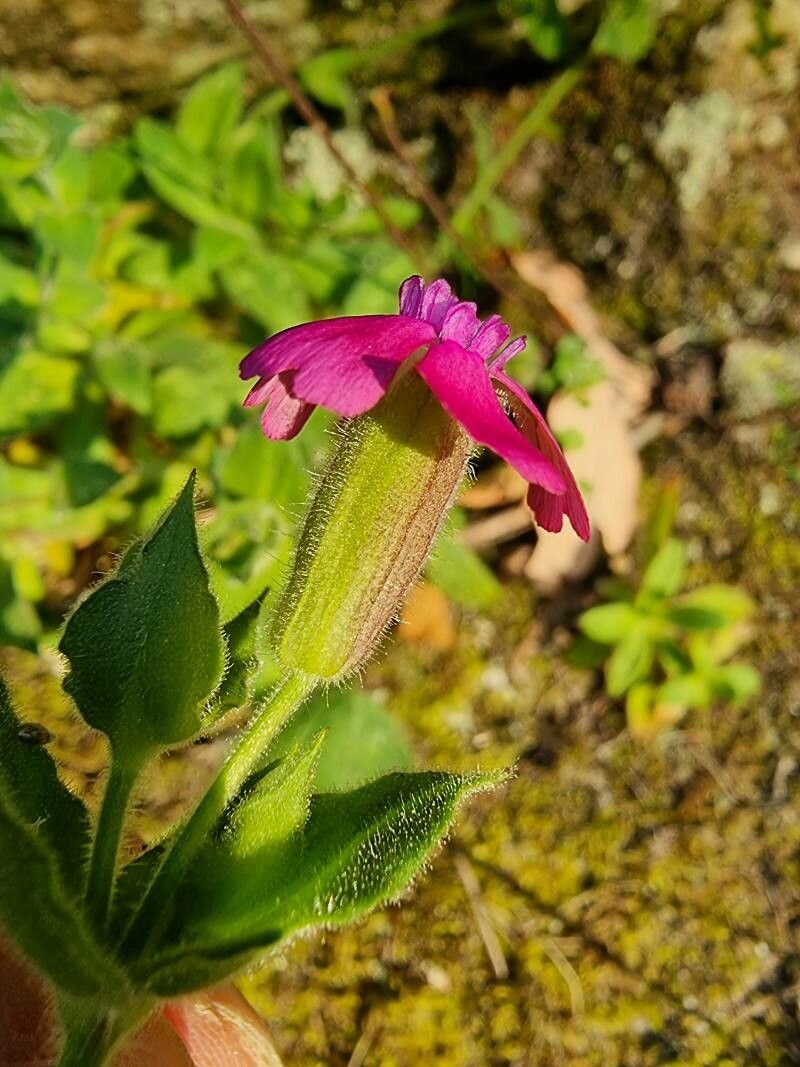
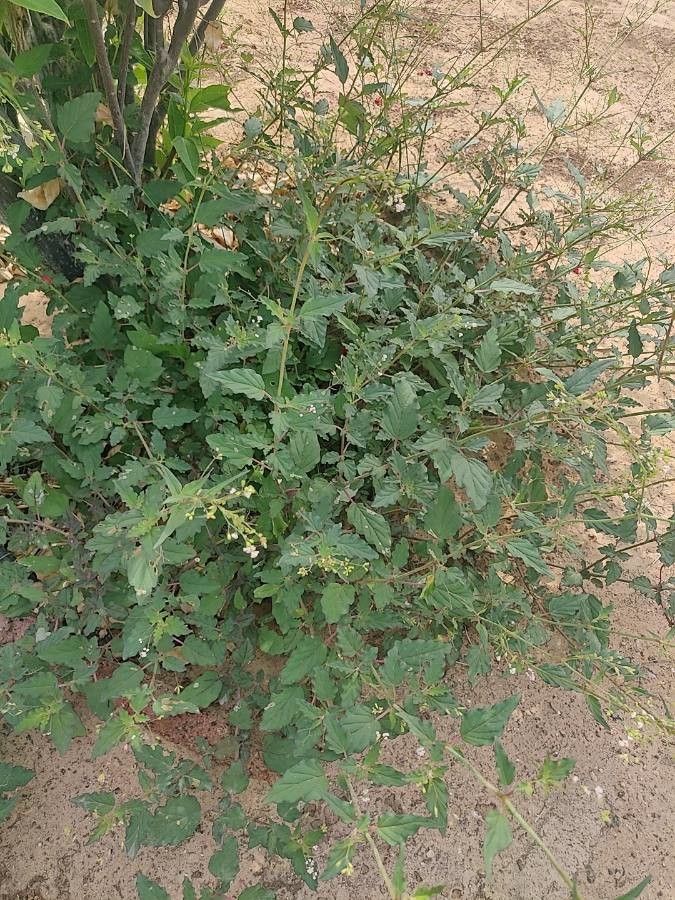
Nodding catchfly has strong disease resistance and is generally not susceptible to illnesses. Still, it can be affected by pests and diseases present in its environment, though such infections are typically mild. Regarding maintenance, this plant needs a moderate level of care. It should be pruned regularly to preserve a neat appearance and healthy growth. Applying fertilizer can also encourage flowering. Nodding catchfly is appropriate for anyone with outdoor space, like a garden or patio, and does not demand extensive gardening experience. It may, however, need more attention if grown indoors.
How to keep Silene Cretica.
Light
Nodding catchfly prefers locations with plenty of sunlight but can tolerate some shade. Its typical habitat is in areas that receive abundant sun, which supports optimal growth. Too little light can cause stunted development, while too much sun can stress the plant.
Temperature
Nodding catchfly originates from temperate climates and does best at temperatures between 68 and 100.4 °F (20 to 38 ℃). Seasonal adjustments to temperature may be required to keep conditions ideal.
Fertilizer
When most of Nodding catchfly's flowers have opened to full size, resume fertilizing. At the time when blooms are at their peak, feed the plant every three to four weeks, as weather allows. Then, once Nodding catchfly begins producing fewer new blooms, stop fertilizing; there's no need to feed it when it can no longer produce more flowers.
Botanical profile.
- Plant Type
- Herb
- Life Cycle
- Annual, Biennial
- Genus
- Silene
- Family
- Caryophyllaceae
- Hardiness Zone
- 11-12
- Mature Height
- 25 cm
- Mature Spread
- 25 cm
- Leaf Color
- Green, Blue
- Leaf Type
- Deciduous
- Flower Color
- Pink
- Flower Size
- 2.54 cm
- Bloom Time
- Spring
- Planting Time
- Spring, Autumn, Winter
- Harvest Time
- Late spring, Early summer, Mid summer
- Native Area
- Greece, Turkey, Italy
Other names.