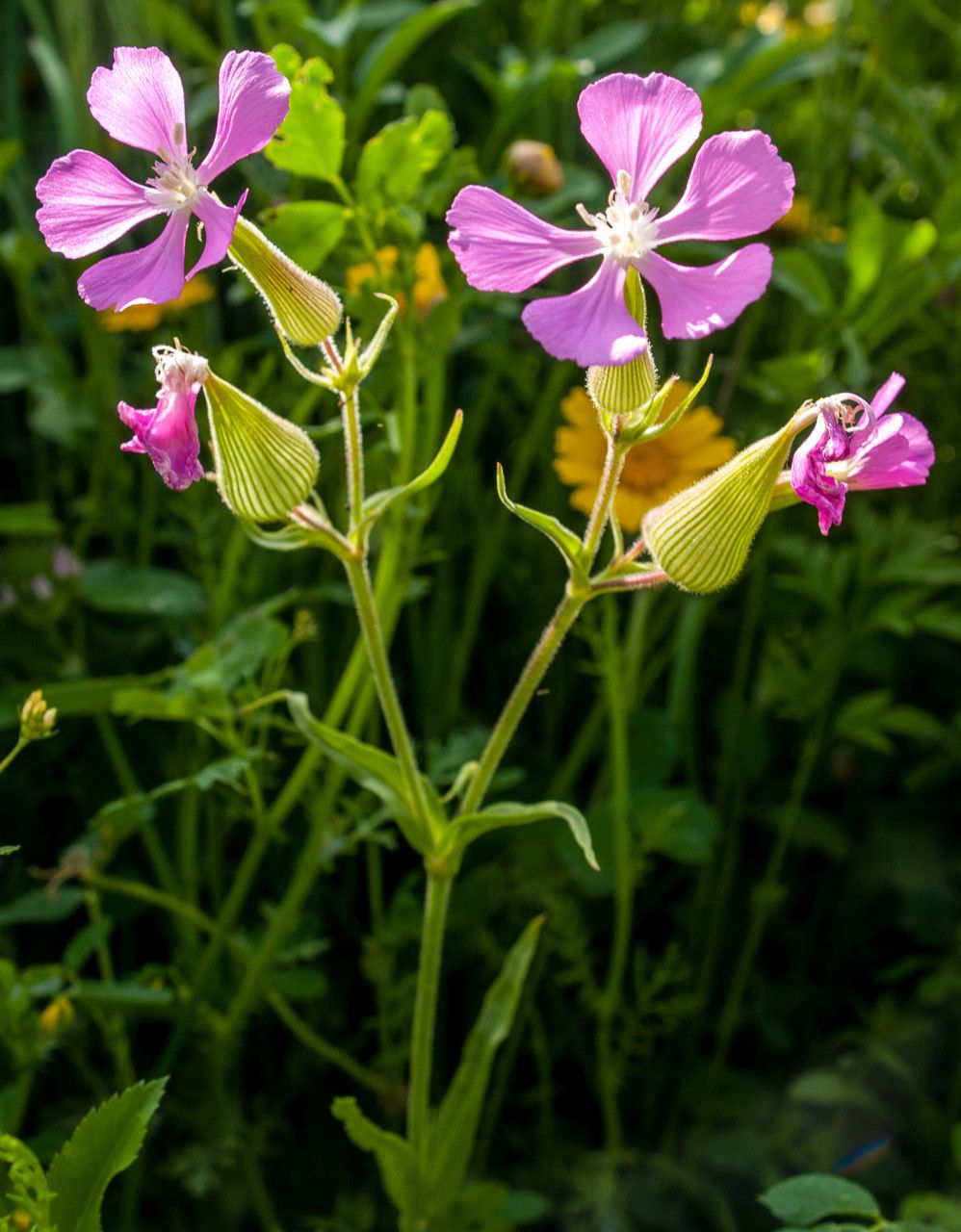
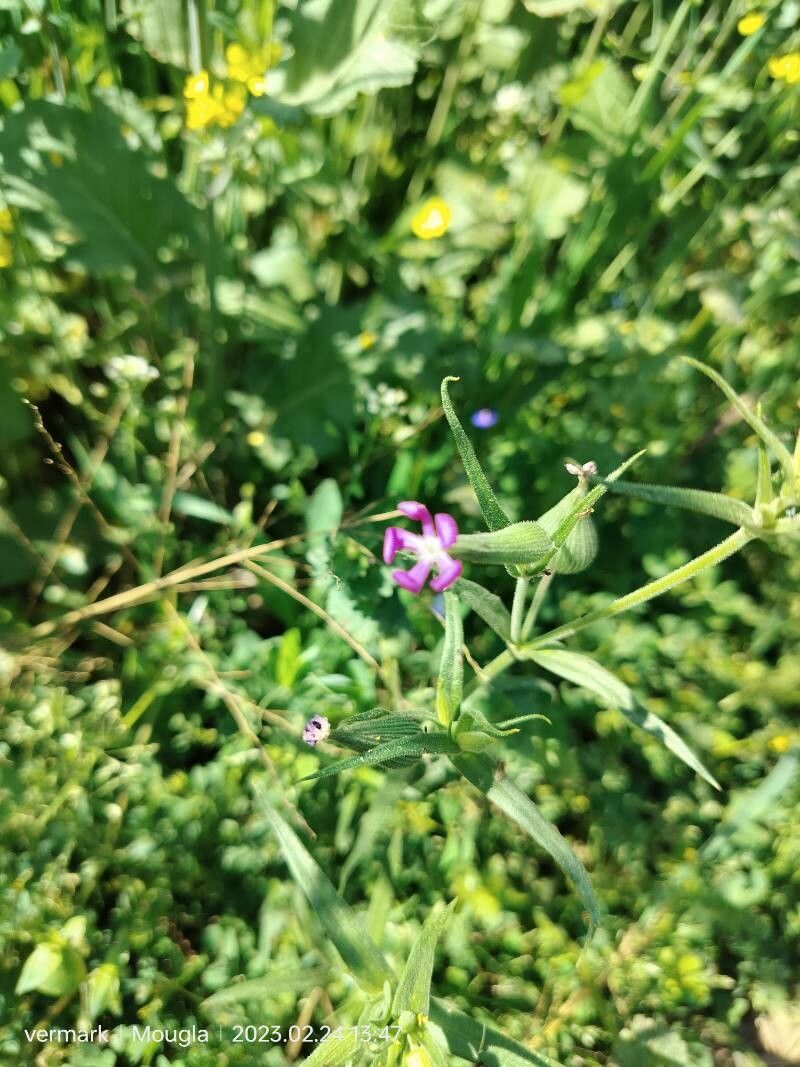
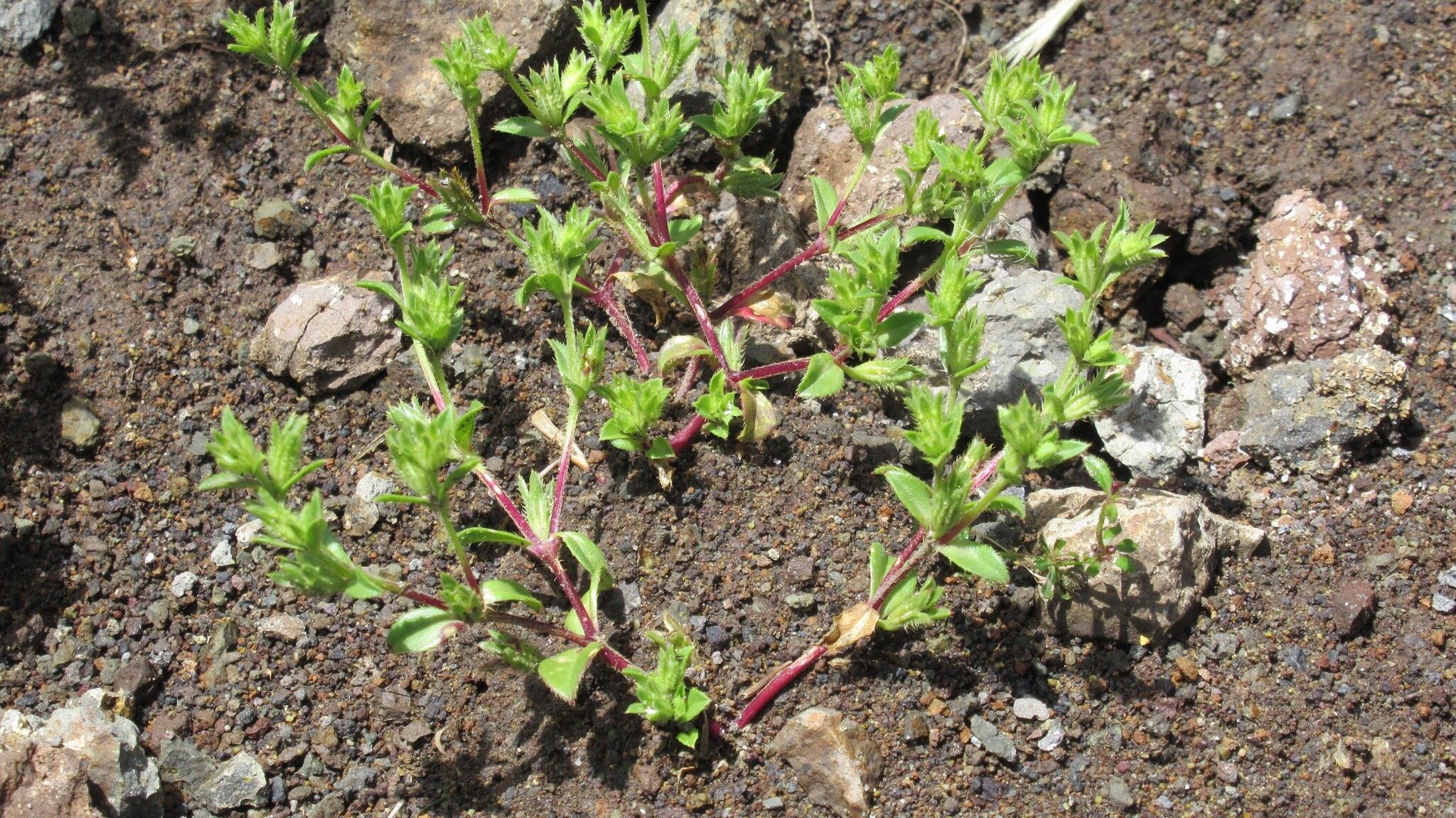
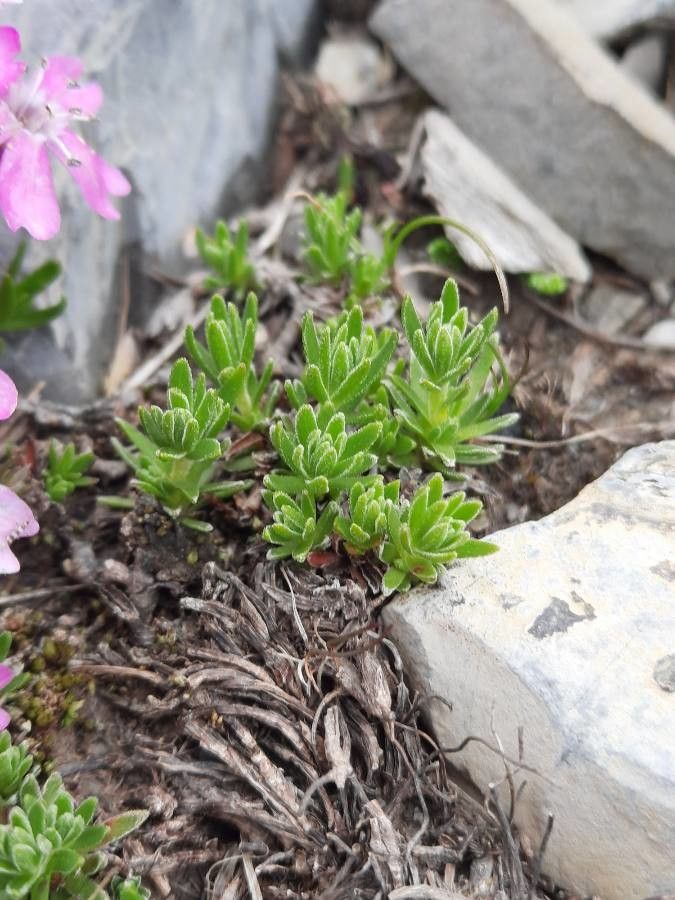
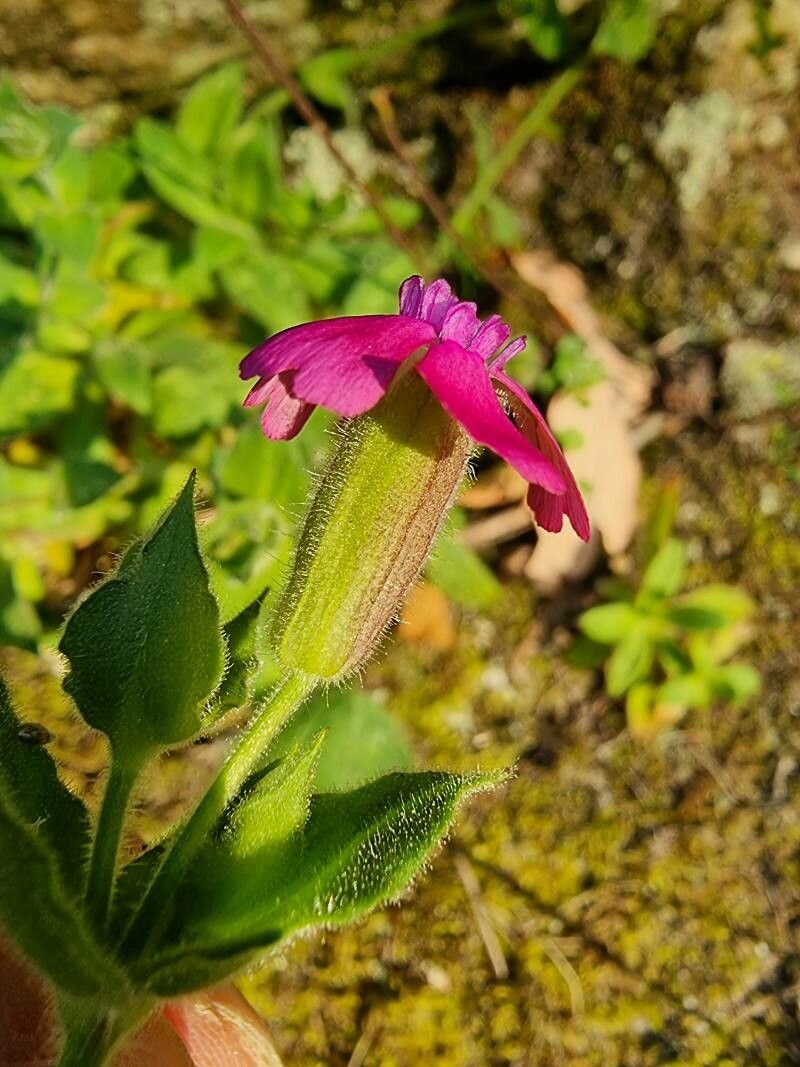
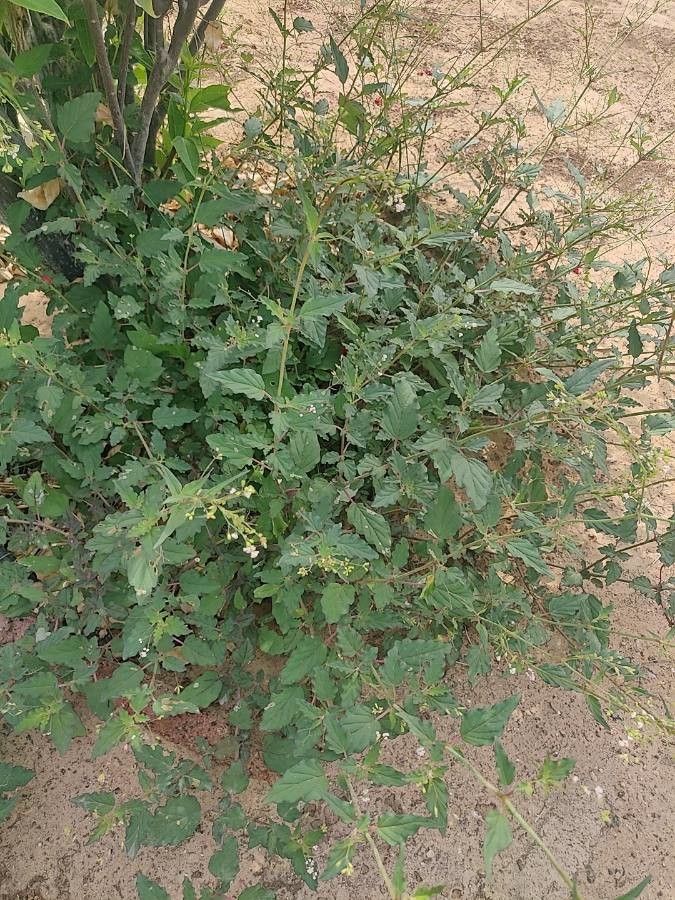
Silene conoidea is a species of flowering plant in the family Caryophyllaceae known by the common names weed silene and large sand catchfly. It is native to Eurasia, and it is known in other parts of the world, such as western North America, as a weed. It is an annual growing up to a meter in height with a hairy, partially glandular stem. The lance-shaped leaves are up to 12 centimeters long near the base of the plant and smaller farther up. The flower is enclosed in an inflated, hairy, glandular calyx of fused sepals which is ridged with many veins. It is open at the top, revealing five bright pink petals.
Weed silene is fairly disease-resistant and typically isn't prone to illnesses. However, it can be vulnerable to pests and diseases present in its surroundings. Such infections are usually mild. Regarding care, the plant needs moderate maintenance. Regular pruning is required to preserve a neat appearance and support healthy growth. Applying fertilizer can also encourage flowering. Weed silene is suitable for anyone with outdoor space, such as a garden or patio, and doesn't demand extensive care experience. When grown indoors it may require more attentive care.
How to keep Silene Conoidea.
Light
The weed silene thrives with abundant, intense light. A lack of adequate exposure can negatively affect its vigor and growth. Native to habitats where such light conditions are common, there is no particular growth stage that requires a different light intensity. Nonetheless, both excessive and insufficient light can hinder its development and overall health.
Water
Silene, a weed native to temperate regions, prefers moderate soil moisture and should not be waterlogged. To maintain healthy growth, it's best to water it weekly. Typically grown outdoors, silene thrives in conditions that mimic the rainfall patterns of its natural habitat, promoting robust growth during the growing season.
Temperature
Weed silene can tolerate a wide range of temperatures, but its distribution may still be restricted by different combinations of moisture and heat. It performs best in warm summer conditions with adequate rainfall or watering. Extended periods of cloudy, rainy weather or prolonged high temperatures can raise the chance of Weed silene dying. In winter, protecting the plant from cold can increase its survival rate.
Fertilizer
Weed silene benefits from regular, diluted fertilizer applications to encourage healthy leaf growth. You should feed Weed silene about once a month during the summer. Nitrogen is important for foliage, and providing nitrogen-rich sources helps Weed silene thrive.
Pruning
Weed silene features vibrant flowers and branching stems, and it thrives when regularly pruned. The best time for pruning is in the spring. This process involves removing dead growth and thinning the branches to improve air circulation. As a result, you get healthier blooms and a lower risk of disease.
Botanical profile.
- Plant Type
- Herb
- Life Cycle
- Annual
- Genus
- Silene
- Family
- Caryophyllaceae
- Hardiness Zone
- 5-9
- Mature Height
- 20 cm to 49 cm
- Mature Spread
- 15 cm to 30 cm
- Leaf Color
- Green
- Leaf Type
- Semi-evergreen
- Flower Color
- Pink
- Flower Size
- 1.02 cm to 2.03 cm
- Bloom Time
- Mid spring, Late spring, Early summer
- Planting Time
- Spring, Summer, Autumn
- Harvest Time
- Summer
- Native Area
- Nepal, Saudi Arabia, Libya, Egypt, Turkey, India, Tajikistan, United Arab Emirates, Cyprus, Armenia, Pakistan, Greece, Morocco, Lebanon, Uzbekistan, China, Afghanistan, Iraq, Syria, Kyrgyzstan, Kazakhstan, Spain, Mongolia, Oman, Iran, Azerbaijan, Algeria, Kuwait, Turkmenistan, France
Other names.
Reader questions.
What are the sunlight requirements for Weed Silene?
Weed Silene requires full sun, which means it needs above 6 hours of sunlight daily to thrive. It's essential to observe your garden's light patterns and choose locations that offer a balance of light and shade suited for your plants. This ensures the plants' happiness by providing the right amount of light for healthy growth.
What essentials should be considered for Weed Silene's growth regarding light?
Weed Silene thrives under strong, abundant illumination. It originates from environments with prevalent exposure to such light conditions. This plant does not have specific growth stages that require unique light intensity requirements. However, both overexposure and underexposure could harm its development. If natural light is lacking, especially during winter or in less sunny indoor spaces, artificial lighting like LED lights can be utilized to support optimal growth. For artificial light, full sun plants need 30-50W per square foot, partial sun plants 20-30W per square foot, and full shade plants 10-20W per square foot.
What symptoms indicate insufficient light for Weed Silene?
Symptoms of insufficient light in Weed Silene include smaller new leaves, leggy or sparse growth, faster leaf drop, slower or halted growth, lighter-colored new leaves indicating a lack of chlorophyll, and conditions like chlorosis, sunscald, leaf curling, wilting, and leaf scorching. These symptoms show the plant's struggle with inadequate sunlight, affecting its health and ability to photosynthesize effectively.
How can I remedy light deficiencies for Weed Silene?
To address light deficiencies for Weed Silene, gradually move your plants to sunnier spots to ensure they receive at least 6 hours of direct sunlight daily. For indoor plants, consider using artificial light if moving them isn't feasible, keeping lights on for at least 8 hours a day. Outdoors, it's vital to acclimate plants to brighter spots without causing sunburn. If physical obstructions block sunlight, pruning or relocating the plant may be necessary. Remember, while affected parts may not recover, new growth will be healthy under improved lighting conditions.