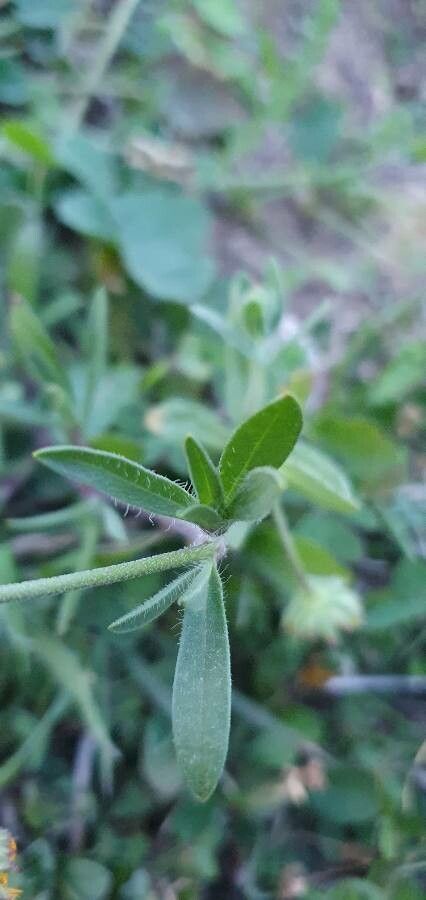
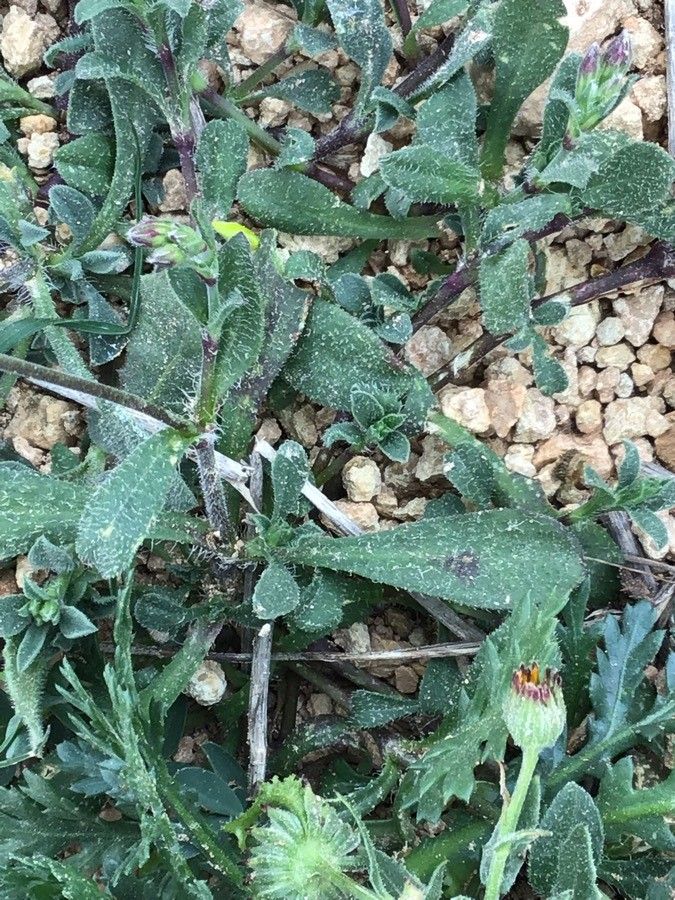
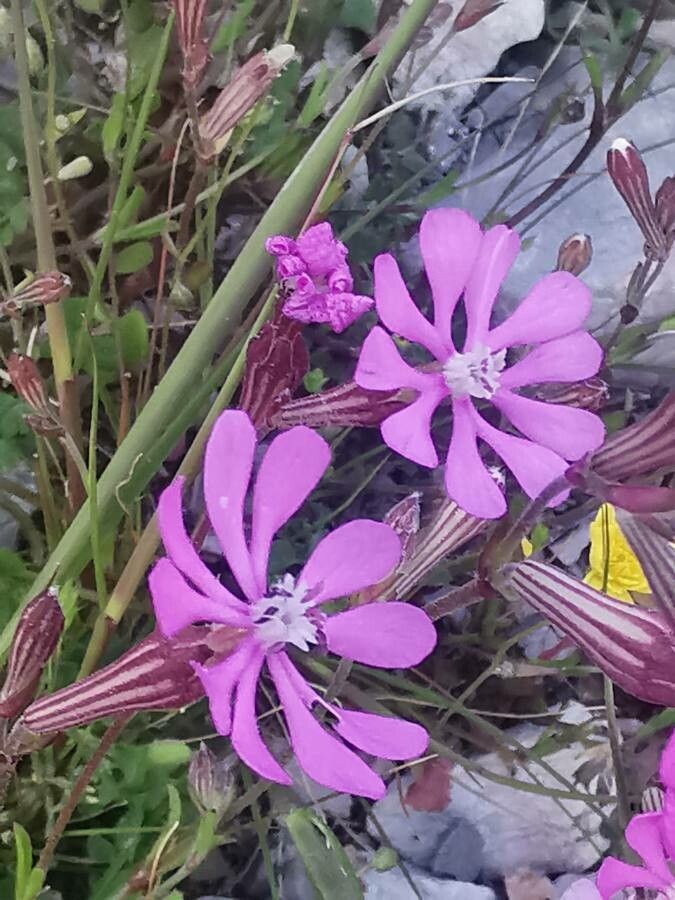
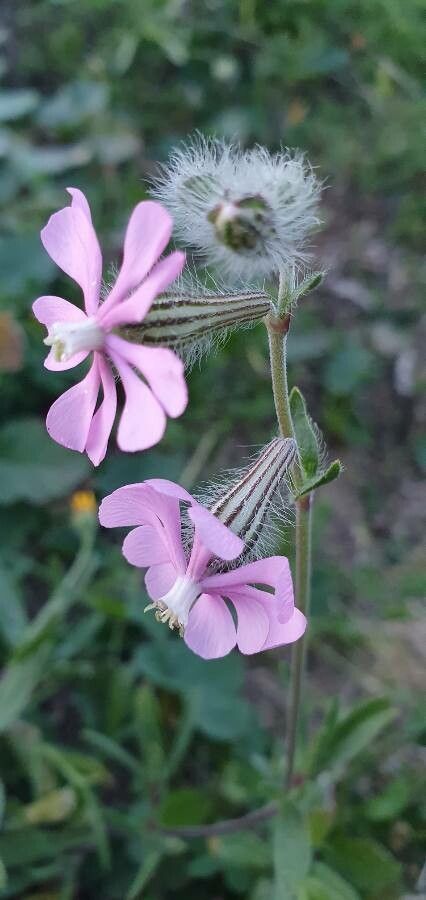
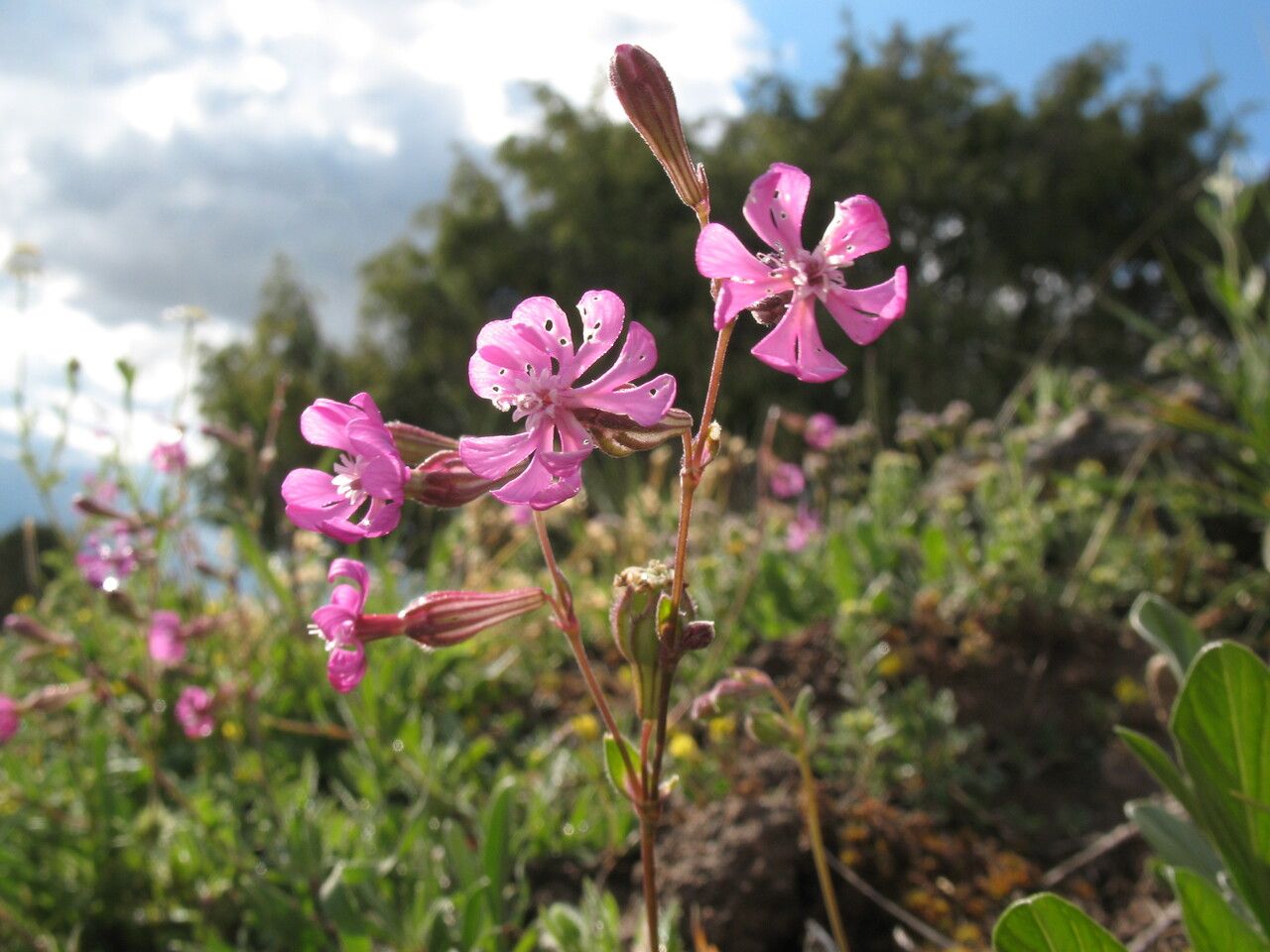
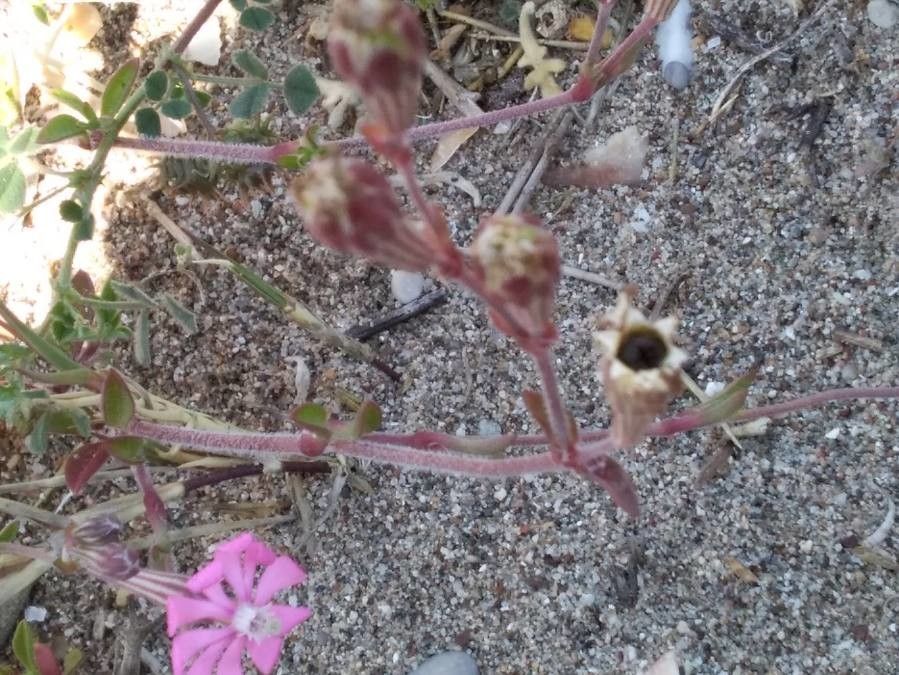
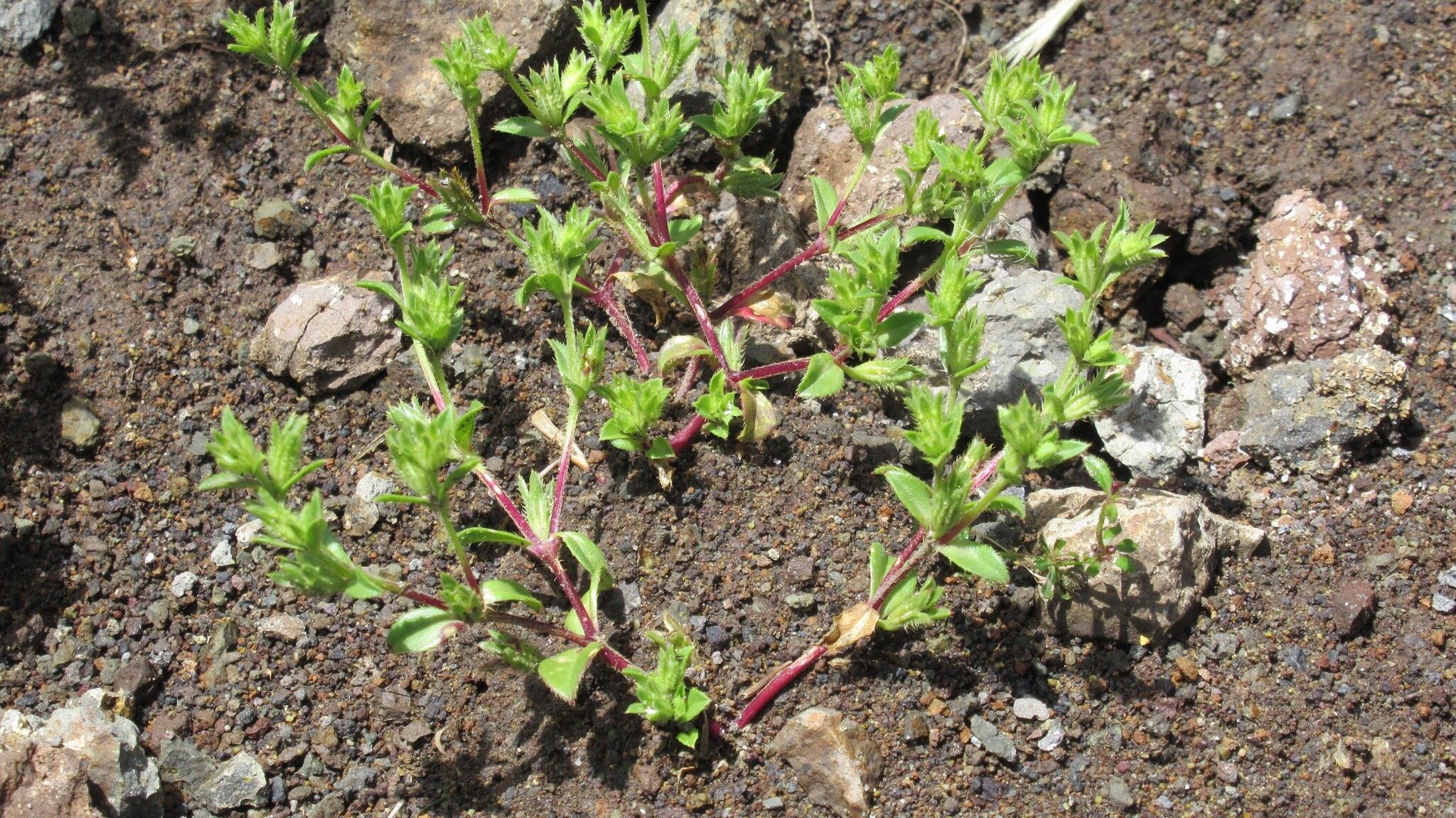
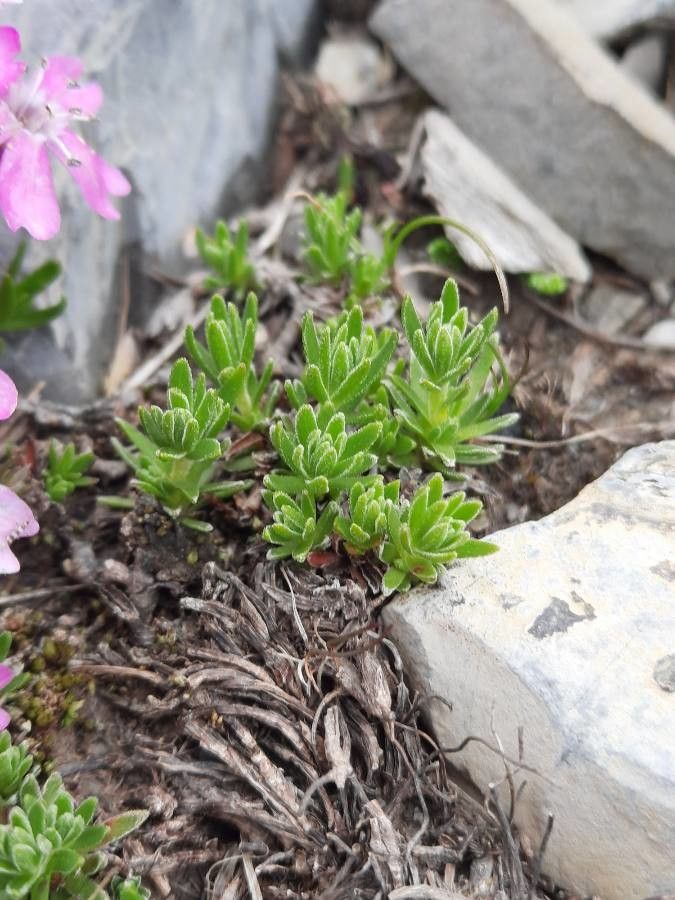
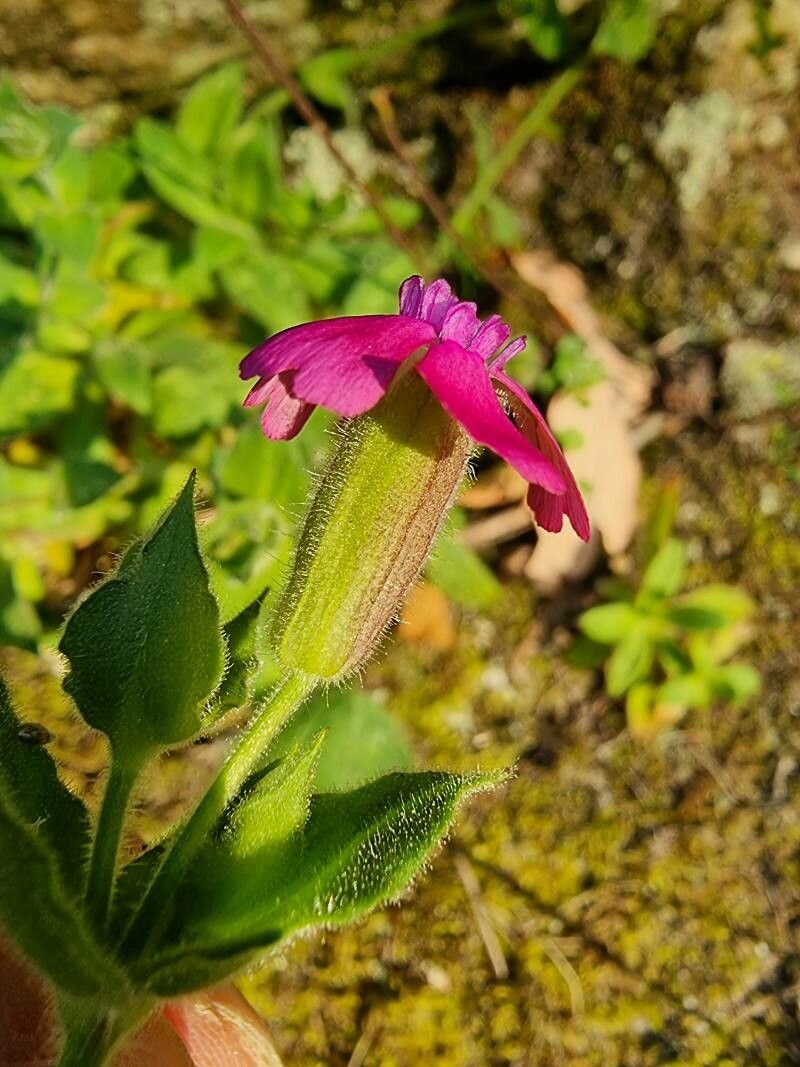
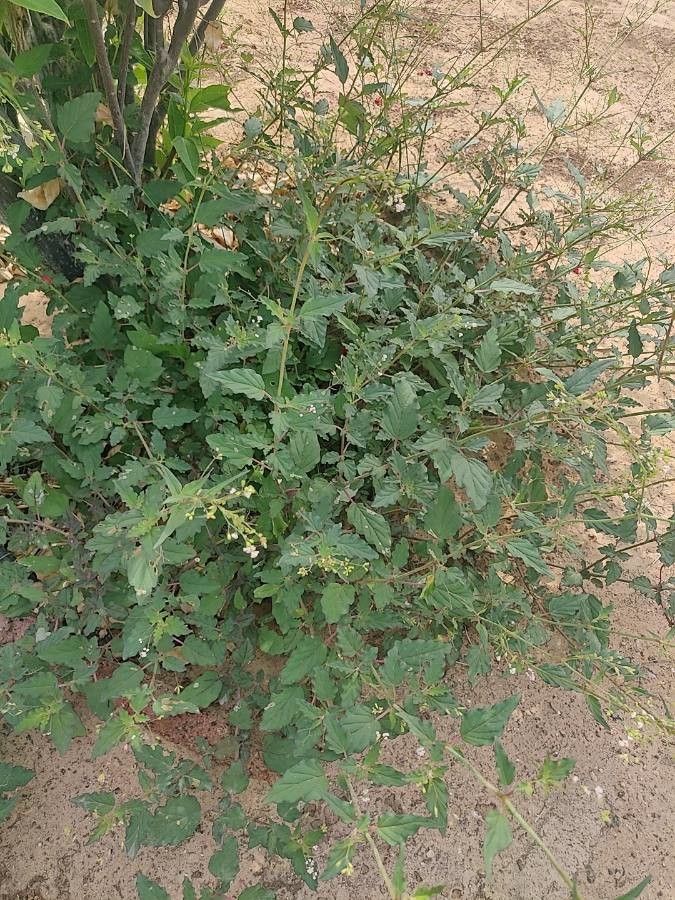
Silene colorata is a species of plant in the family Caryophyllaceae. It is native to Lebanon and surrounding mediterranean areas.
Common catchfly is fairly disease-resistant and is typically not prone to illnesses. However, it can be affected by pests and diseases present in its environment. These issues are usually mild. As for care, this plant needs moderate maintenance. It should be pruned regularly to keep a neat appearance and support healthy growth. Using fertilizer can also encourage flowering. Common catchfly is suitable for anyone with outdoor space, like a garden or patio, and does not demand extensive care experience. It may need extra care when grown indoors.
How to keep Silene Colorata.
Light
Common catchfly thrives optimally in uninterrupted sunlight. Its overall health significantly benefits from generous exposure to sunlight, leading to lively growth. An excessive amount of shade could lead to subpar growth. The native habitats of this species typically provide unrestricted access to light.
Water
Mediterranean catchfly thrives in Mediterranean climates, where it enjoys a balance of sunlight and occasional rain. While it can withstand drought conditions, the plant needs regular moisture during its growth period, ideally with weekly watering. When grown outdoors, it may require more frequent watering during the warmer months due to higher temperatures and increased sunlight.
Temperature
Common catchfly thrives natively in areas with moderate climates. It favors a temperature spectrum of 68 to 95 °F (20 to 35 ℃). Seasonal adjustments might be necessary to maintain the temperature within this desirable range.
Fertilizer
When the Common catchfly has mainly unfurled its blossoms to their full extent, it marks the appropriate time to recommence fertilization. With the blossoms at their maximum proliferation, you should commence the fertilizing process once again, doing so every three to four weeks depending on the weather conditions. However, as soon as the Common catchfly shows signs of producing fewer new blooms, discontinue fertilization. You should refrain from fertilizing when the plant has reached its maximum bloom production capacity.
Pruning
The Mediterranean catchfly is known for its vibrant flowers and thrives in well-draining soil. To encourage growth and flowering, prune the plant from early to late spring. During this time, remove dead stems and thin out overcrowded areas. This practice, timed with the end of dormancy, not only enhances the plant's ornamental appeal but also reduces the risk of disease.
Botanical profile.
- Plant Type
- Herb
- Life Cycle
- Annual, Biennial
- Genus
- Silene
- Family
- Caryophyllaceae
- Hardiness Zone
- 3-8
- Mature Height
- 46 cm
- Mature Spread
- 30 cm
- Leaf Color
- Green
- Leaf Type
- Deciduous
- Flower Color
- White, Pink
- Flower Size
- 0.51 cm to 0.76 cm
- Bloom Time
- Mid spring, Late spring, Early summer, Mid summer
- Planting Time
- Spring, Autumn
- Harvest Time
- Summer, Early fall
- Native Area
- Libya, Egypt, Turkey, India, Austria, Slovakia, Montenegro, Pakistan, Slovenia, Morocco, Croatia, Yemen, Belarus, Russia, Germany, Romania, Belgium, Portugal, Netherlands, Saudi Arabia, France, Tunisia, Cyprus, Bulgaria, Poland, Greece, Ukraine, Lebanon, Serbia, Afghanistan, Syria, Italy, Spain, Switzerland, Denmark, Israel, Albania, Ireland, United Kingdom, Hungary, Algeria
Other names.
Reader questions.
What is the most effective way to give water to my Mediterranean catchfly plant?
Watering Mediterranean catchfly is easy and flexible. You can use a garden hose with a spray nozzle, a watering can, or any other common watering tool. This plant doesn't mind where the water comes from – rainwater, tap water, or filtered water will all do. However, it's best to avoid watering overhead, as it can harm the leaves and flowers and increase the risk of disease. A drip irrigation system is often the most effective way to water Mediterranean catchfly, as it provides even and direct water to the soil. If you have a container-grown catchfly, you can follow a similar watering approach using a cup, watering can, or tap to apply water directly to the soil.
What are the sunlight requirements for Mediterranean catchfly?
Mediterranean catchfly needs specific sunlight conditions to thrive. For full sun exposure, the plant requires more than 6 hours of sunlight daily. In partial sun conditions, it should receive about 3-6 hours of sunlight. It's important to observe how sunlight moves through your garden, choosing spots that ensure a balance of light and shade for your plants' optimal growth.
What should I do if I give my Mediterranean catchfly too much water or too little water?
There are simple solutions for underwatering Mediterranean catchfly. When you notice your plant lacks moisture, start watering it more regularly. Overwatering, on the other hand, can be a more serious issue. If it goes unnoticed, it can lead to diseases and eventually the decline and death of the plant. To prevent this, choose a suitable location with plenty of sunlight to dry the soil, and good drainage to prevent water from pooling. If you overwater a potted Mediterranean catchfly, consider transferring it to a new pot with better soil drainage and more efficient drainage holes.
What are the essentials for growing Mediterranean catchfly?
Growing Mediterranean catchfly effectively requires ample sunlight, reflecting its natural habitat preferences. While the plant can adapt to slightly less light, insufficient exposure may impede its growth, and excessive sunlight can be detrimental. In cases where natural light is not enough, especially indoors or during winter, artificial lighting such as LED lights can be used to supplement plant growth. The amount of artificial light needed varies depending on the plant's sunlight requirements; full sun plants need 30-50W/sq ft, partial sun plants 20-30W/sq ft, and full shade plants 10-20W/sq ft. It's also crucial to place the artificial light source at the right distance (12-36 inches) above the plant and mimic the natural daylight hours, generally 8-12 hours per day.
How much water does my Mediterranean catchfly need?
The Mediterranean catchfly requires regular watering throughout the growing season. In spring, water it once a week. As the season progresses and temperatures rise, increase watering to two to three times per week. However, be careful not to overwater, as this can harm the plant. It's important to keep the soil consistently moist but not wet. If growing the Mediterranean catchfly in a pot, you will need to water it more often than if it were in the ground. Typically, water a potted Mediterranean catchfly a few times per week, compared to just once per week for an in-ground plant.
What are the symptoms of inadequate lighting in Mediterranean catchfly?
Mediterranean catchfly exhibits several symptoms when exposed to inadequate lighting. These include smaller new leaves, leggy or sparse growth, and accelerated leaf drop, all indicating light deficiency. Other symptoms are slower or halted growth, lighter-colored new leaves, and chlorosis—the loss of leaf green color. Excessive sunlight exposure can lead to sunscald, characterized by pale or necrotic areas on the plant, leaf curling as a defense mechanism against too much sunlight, wilting due to increased water loss, and leaf scorching, indicated by brown and crispy leaf edges.
How much water does my Mediterranean catchfly require?
When it comes to watering your Mediterranean catchfly, there are a couple of approaches you can take. Some gardeners prefer to assess the moisture level of the soil by touching it, and they suggest watering until the top six inches of soil feels moist. Alternatively, you can use a specific measurement of water. In general, giving your Mediterranean catchfly around two gallons of water per week is recommended, taking into account factors like temperature and how fast the soil dries out. However, it's important to be cautious not to overwater if your plant doesn't require that much water. If you're growing your catchfly in a container, the method for determining how much water to provide is slightly different. In this case, you should water enough to moisten all the layers of dry soil. Checking for moisture by sticking your finger in the soil or allowing excess water to drain out of the pot's holes are effective ways to gauge if enough water has been given.
What solutions can mitigate lighting issues for Mediterranean catchfly?
To address lighting issues for Mediterranean catchfly, gradually increasing sunlight exposure to at least 6 hours daily is advisable. For indoor plants, using artificial light sources like desk or ceiling lamps for at least 8 hours daily, or investing in plant grow lights, can provide necessary light. When growing outdoors, moving plants to sunny spots gradually helps in avoiding sunburn. Reducing obstructions to sunlight, such as pruning trees, and transplanting smaller plants during their dormant period to locations with better sunlight and drainage, are also effective solutions. It's important to remember that parts of the plant already affected by inadequate light may not recover fully, but new growth should be healthy after improving light conditions.
How can I know if I am giving enough water to my Mediterranean catchfly?
Avoiding overwatering your Mediterranean catchfly can be somewhat difficult. These plants have deep roots, so you need to moisten the soil weekly. However, they are also highly susceptible to root rot, which can cause browning. Underwatering is less likely, as these plants can survive without supplemental watering for a while. But if you go too long without watering, the plant will wilt and the leaves may become dry.
How do I water my Mediterranean catchfly during different seasons?
As the seasons progress, you should expect your Mediterranean catchfly's water needs to change. In spring, watering once per week should be sufficient. However, as the summer heat sets in, your Mediterranean catchfly will likely need more frequent watering, sometimes up to three times per week. This is particularly important if your catchfly is growing in a container, as the soil in containers tends to dry out faster in warm weather. In autumn, when the temperature drops and the sun is not as intense, your catchfly may require slightly less water, even though it is still blooming.
How do I water my Mediterranean catchfly while it's growing in different stages?
Throughout the year, Mediterranean catchfly goes through various growth stages with different water requirements. To begin with, when you start the plant from a seed, it needs more water during the germination process. You should water it frequently to keep the soil consistently moist. After a few weeks, as the plant grows above the soil, it will need slightly less water than in its seedling phase. Once the plant is fully mature, you can water it once a week. During flower development, you may need to give a little extra water to support the process.
What's the difference between watering Mediterranean catchfly inside and outside?
Mediterranean catchfly generally thrive better when grown outdoors for a few reasons. Firstly, these plants tend to reach significant heights, which can be challenging to accommodate indoors. Secondly, Mediterranean catchfly requires ample daily sunlight, which may be difficult to provide in most indoor settings. However, if you can create an appropriate indoor growing environment, you might need to water your Mediterranean catchfly more frequently compared to outdoor cultivation. One reason for this is that indoor environments are typically drier due to HVAC systems. Additionally, the soil in containers can dry out relatively quickly compared to soil in the ground.