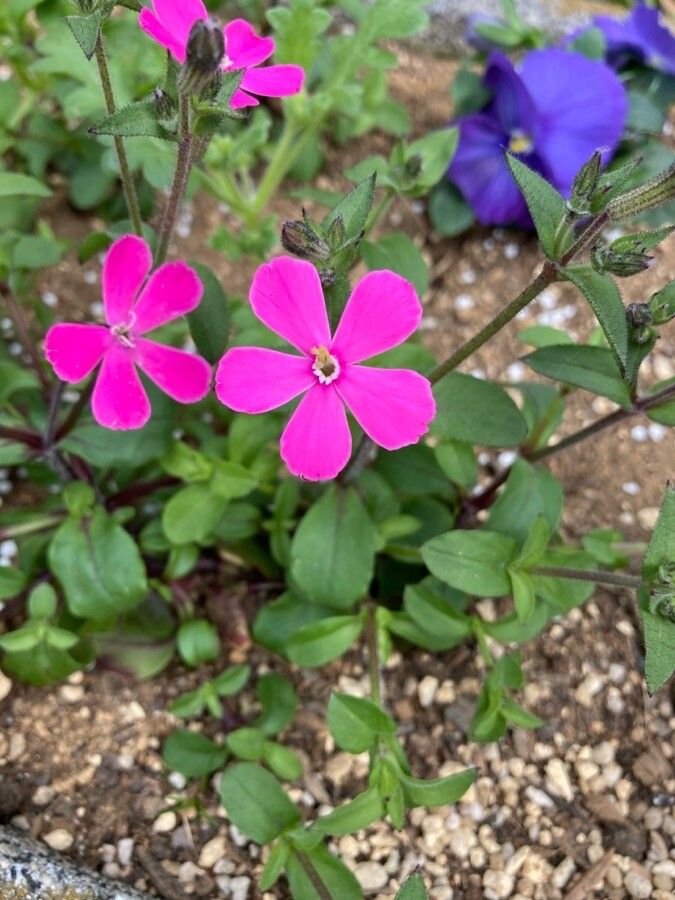
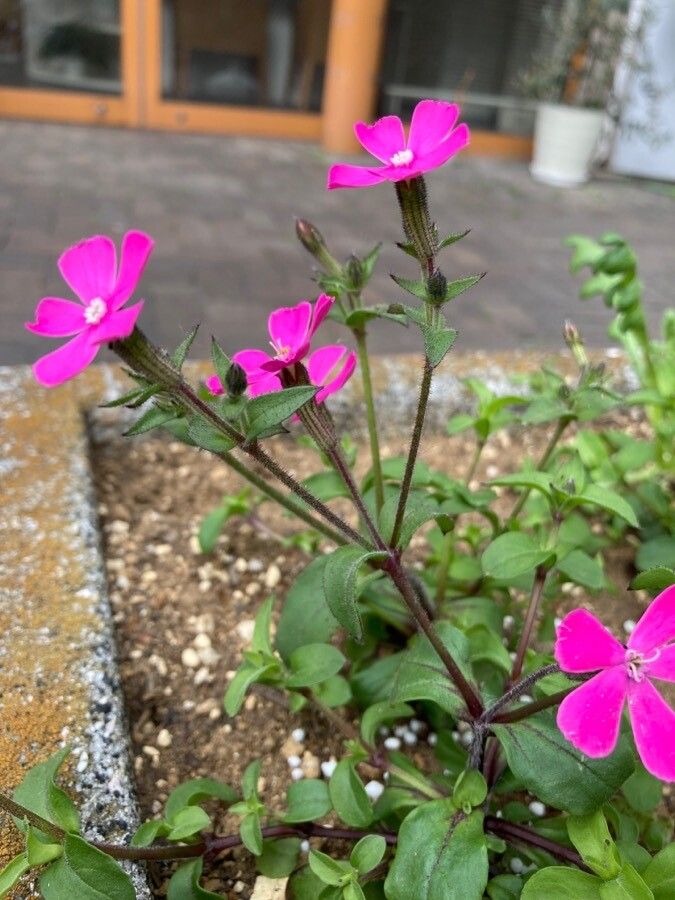
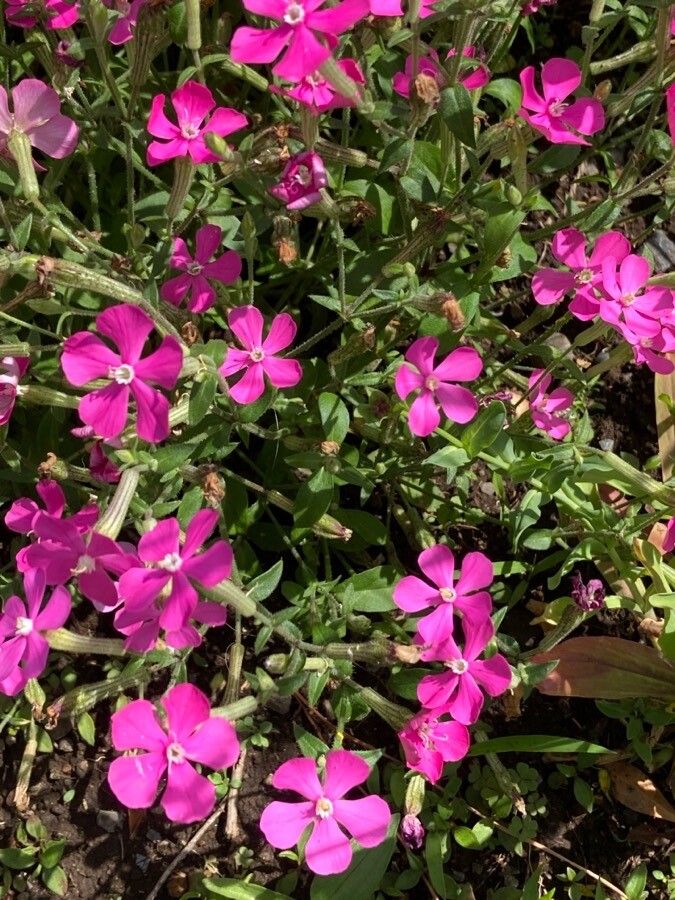
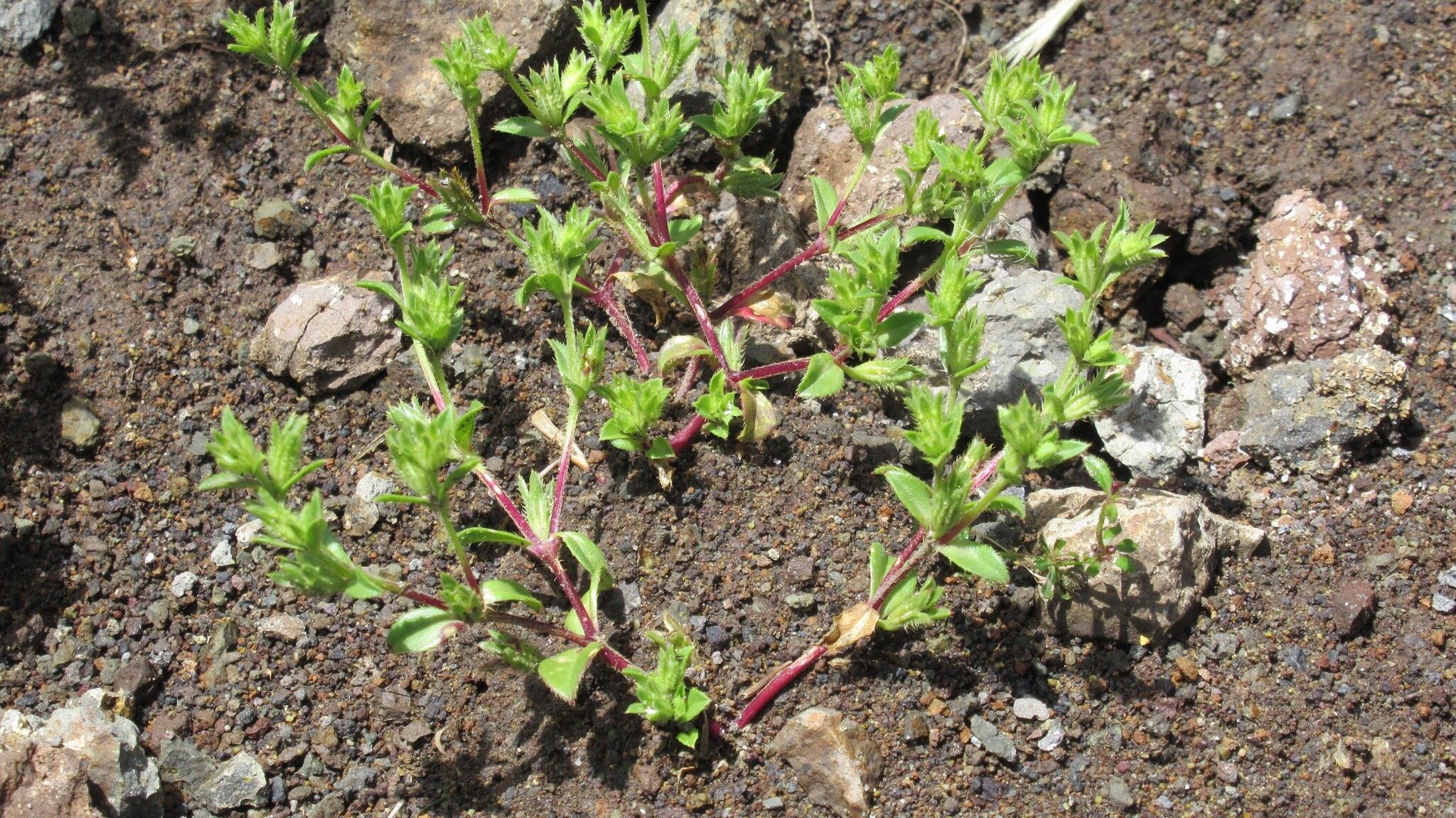
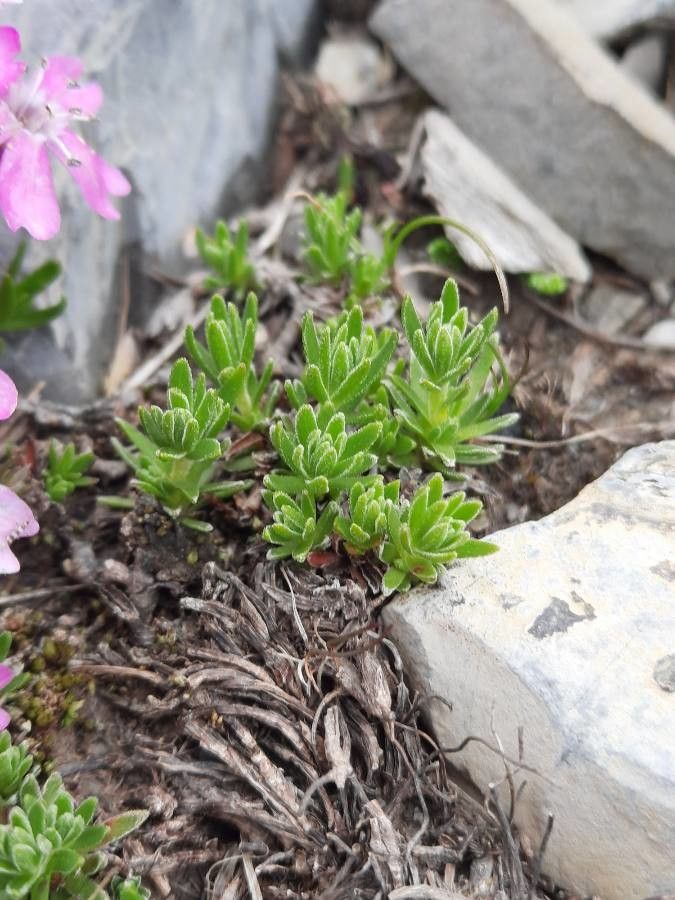
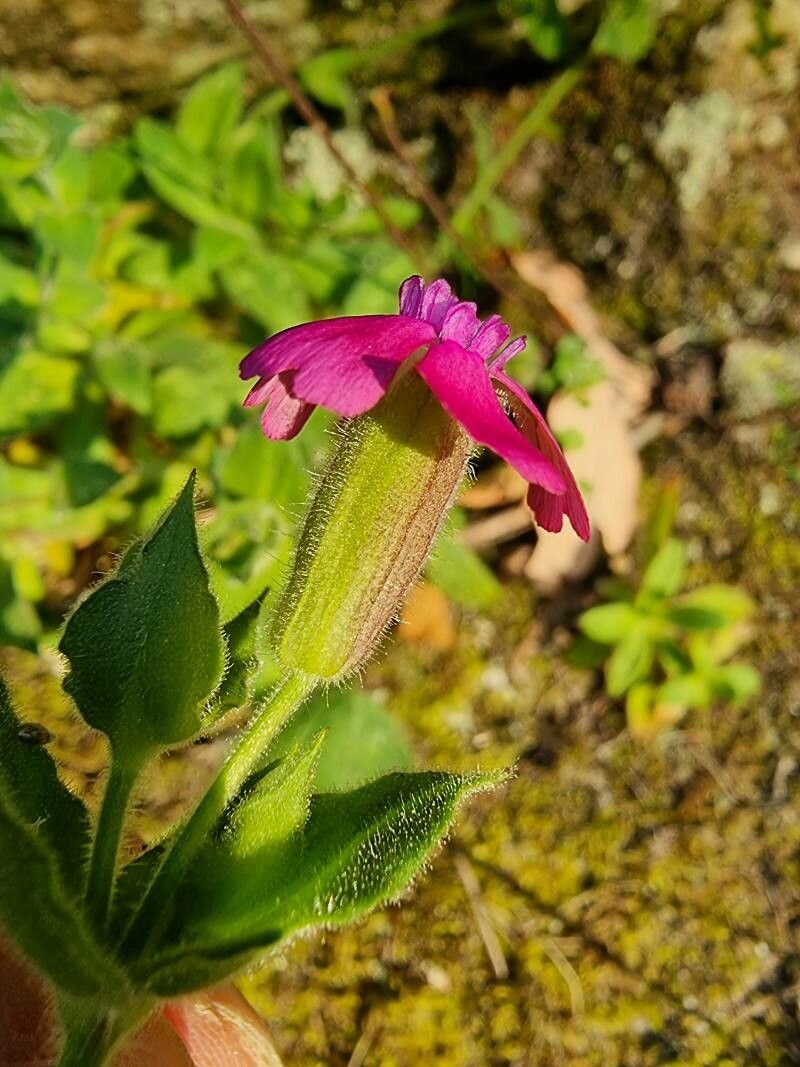
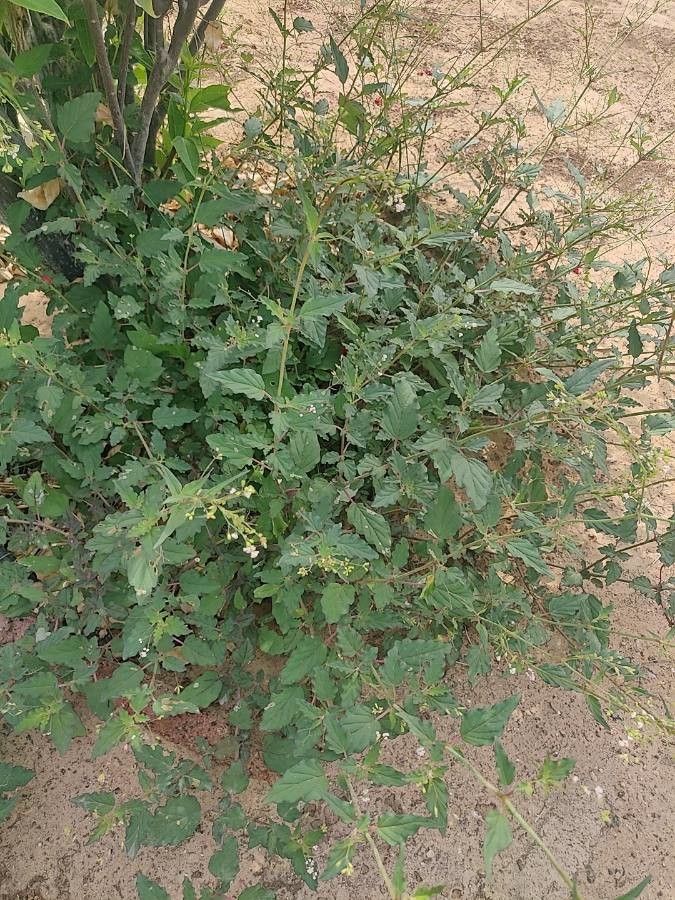
Silene caroliniana, the sticky catchfly or wild pink, is a spring flowering perennial forb with pink flowers, which is native to the Eastern United States. It is listed as an endangered species by the state of Florida. It is found growing in habitats such as dry rocky or sandy forests, barrens, and outcrops. The corolla varies in color ranging from a dark pink to white. When in bloom they are visited by pollinators, like large bees, bee flies, and hawkmoths.
Sticky catchfly is fairly disease-resistant and usually not affected by illnesses. Still, it can be vulnerable to pests and diseases present in its environment. These problems are typically mild. For care, this plant needs moderate maintenance. It should be pruned regularly to keep a neat appearance and support healthy growth. Fertilizing can also help encourage flowering. Sticky catchfly is well suited to anyone with outdoor space, such as a garden or patio, and does not demand much care experience. It may call for more attention when grown indoors.
How to keep Silene Caroliniana.
Light
Sticky catchfly does best in places that receive plentiful sunlight throughout the day. Sunlight is crucial for its healthy development at every stage. While it comes from sunny habitats and can tolerate reduced light, lower light levels may weaken its vigor.
Water
Sticky catchfly thrives in well-drained soils found in open woodlands and prefers moderate moisture levels. It can tolerate short periods of drought. To encourage vigorous flowering, water the plant every 1-2 weeks, particularly during the growing season. Consistent humidity improves the plant's resilience and overall health, highlighting its need for a balance between dry and wet conditions.
Temperature
Sticky catchfly can tolerate a wide range of temperature conditions, but its distribution may still be constrained by different combinations of moisture and heat. It does best in warm summer climates with sufficient rainfall or watering. Extended periods of cloudy, rainy weather or prolonged high temperatures can raise the likelihood of Sticky catchfly dying. In winter, adequate protection from cold can increase the plant's chances of survival.
Fertilizer
For Sticky catchfly, the primary time to apply fertilizer is in early spring as the flowers begin to form. The proper fertilizer promotes better blooms and helps Sticky catchfly produce attractive flowers. Fertilizing in early spring ensures strong flowers during the season and supplies energy for dormant growth phases.
Pruning
Sticky catchfly is characterized by its sticky stems and vibrant pink flowers. For optimal health and blooming, prune the plant from early to late spring. Removing dead stems and spent flowers will promote vitality, improve air circulation, and reduce the risk of disease. This aligns with the plant's natural growth cycle.
Botanical profile.
- Plant Type
- Herb
- Life Cycle
- Perennial
- Genus
- Silene
- Family
- Caryophyllaceae
- Hardiness Zone
- 4-8
- Mature Height
- 10 cm to 30 cm
- Mature Spread
- 10 cm to 30 cm
- Leaf Color
- Green
- Leaf Type
- Semi-evergreen
- Flower Color
- Pink
- Flower Size
- 2.54 cm to 7.62 cm
- Bloom Time
- Spring
- Planting Time
- Spring, Autumn
- Harvest Time
- Summer
Other names.