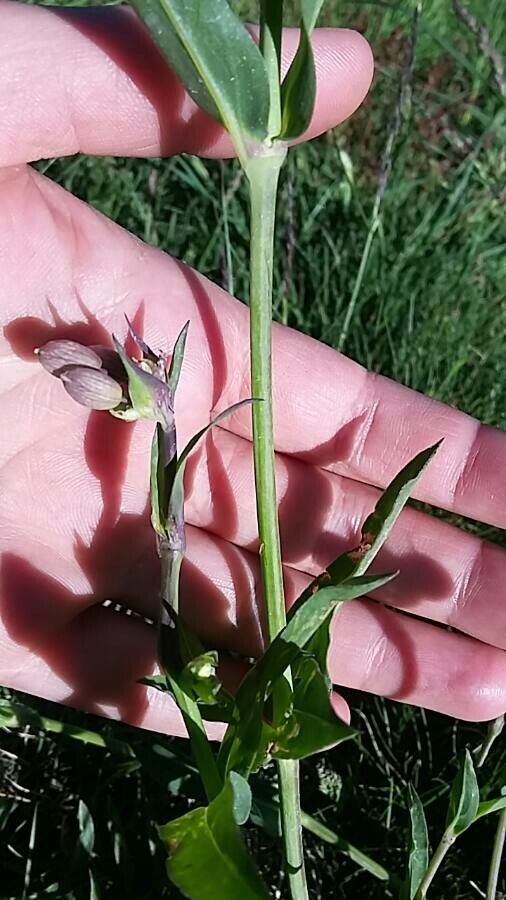
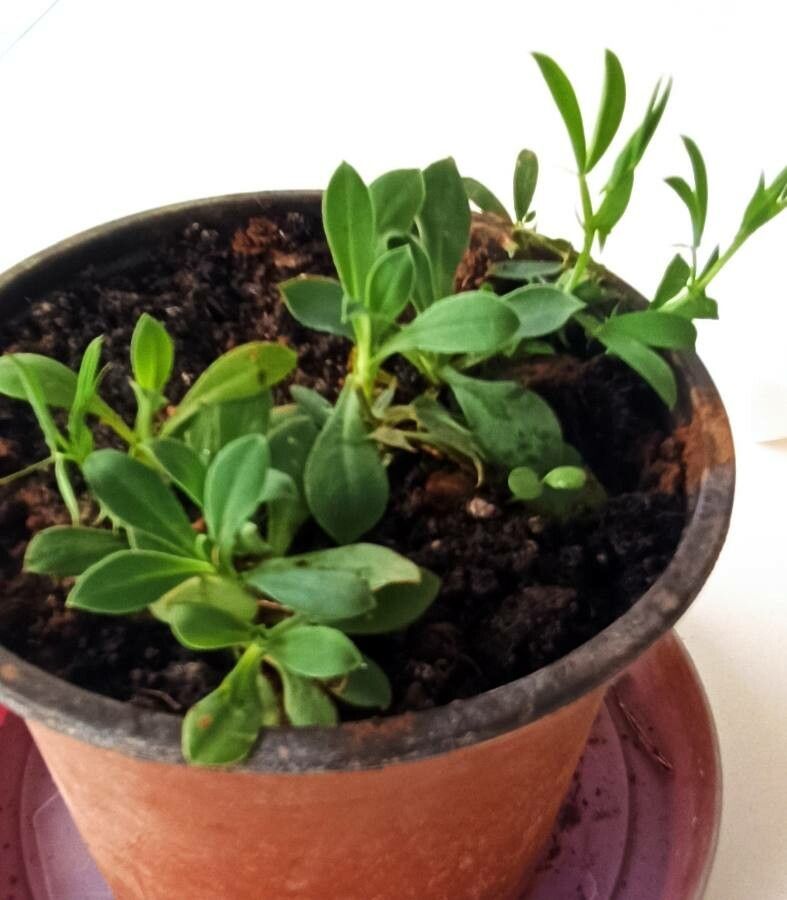
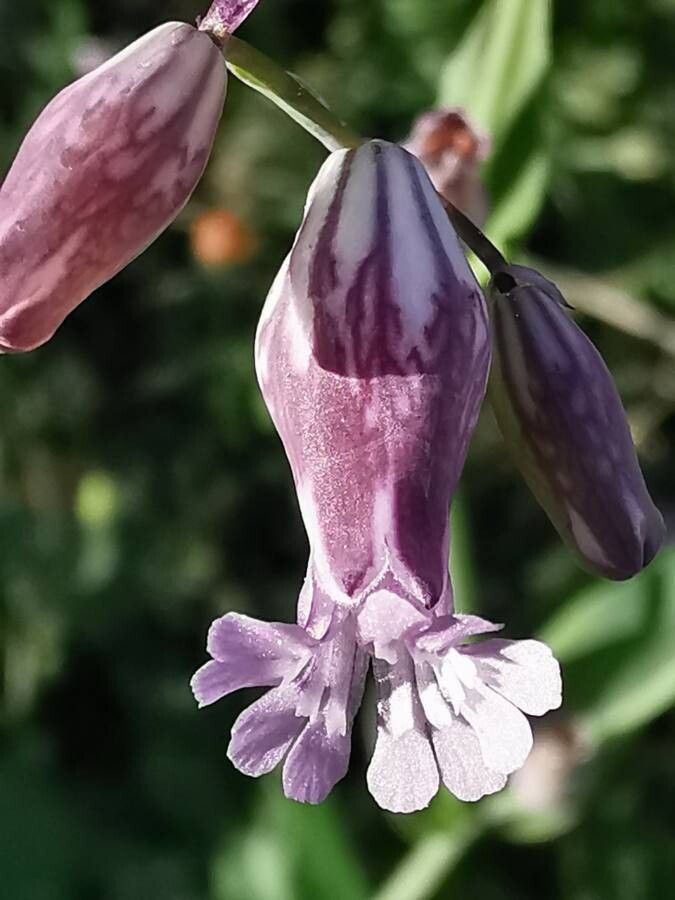
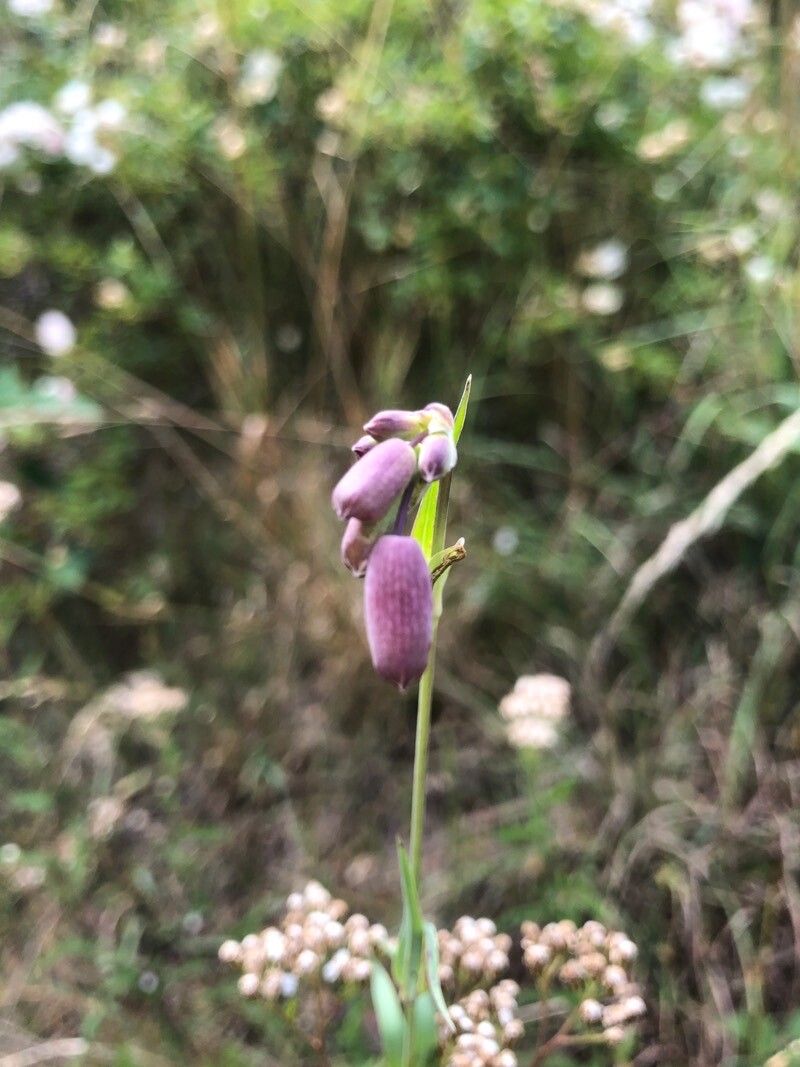
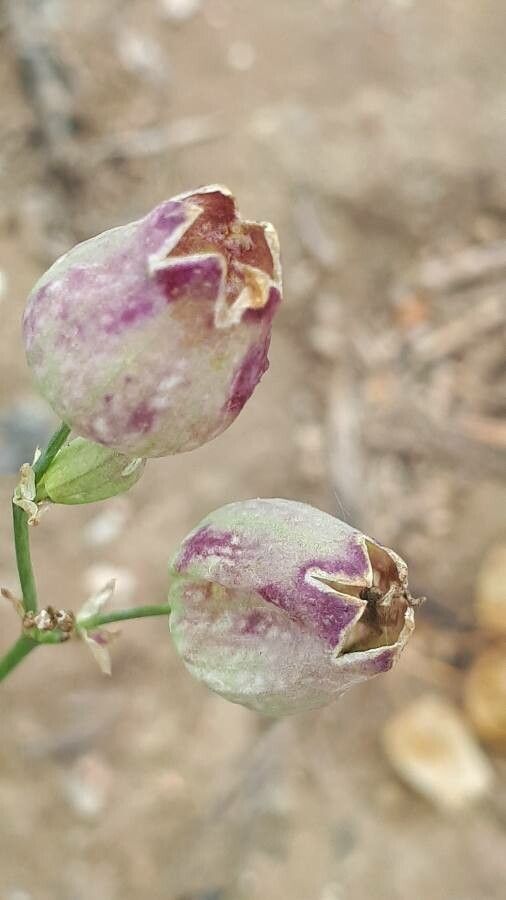
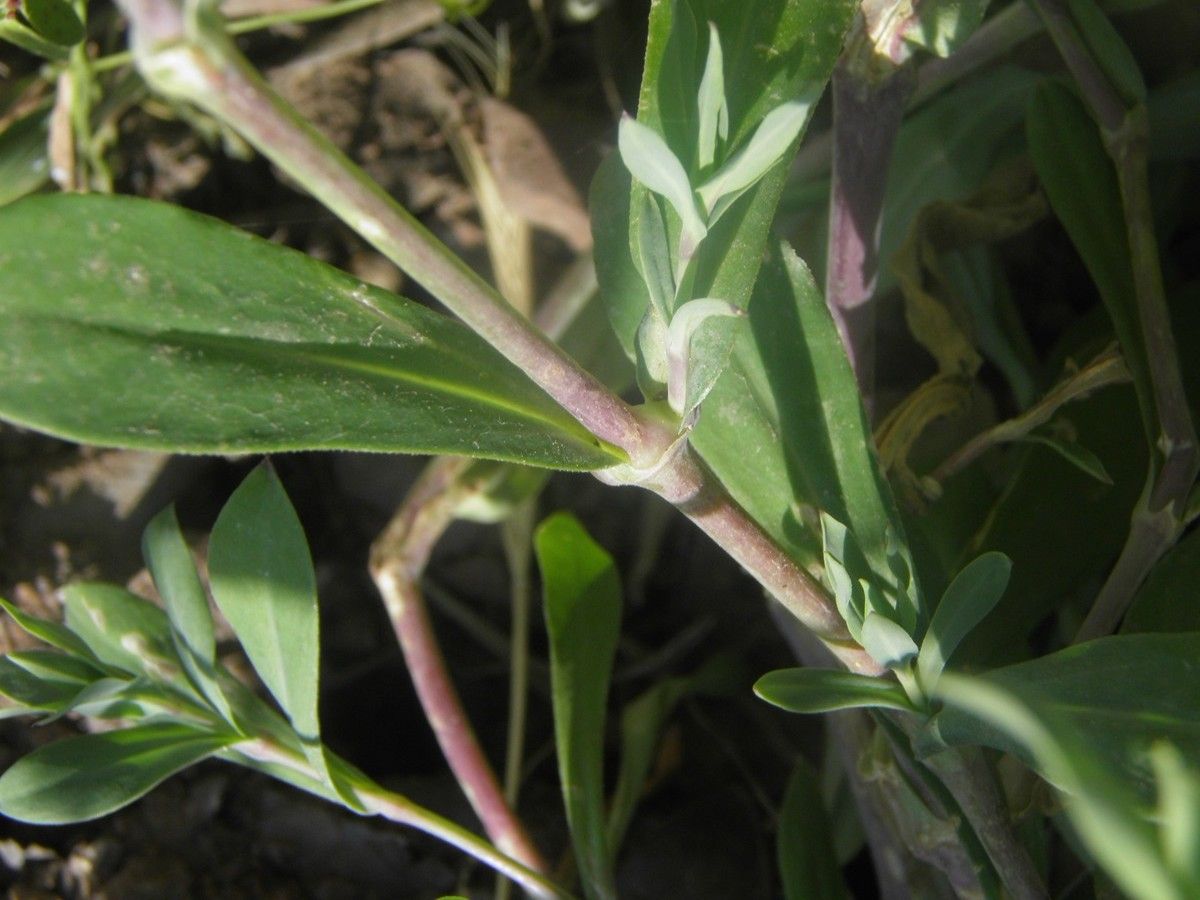
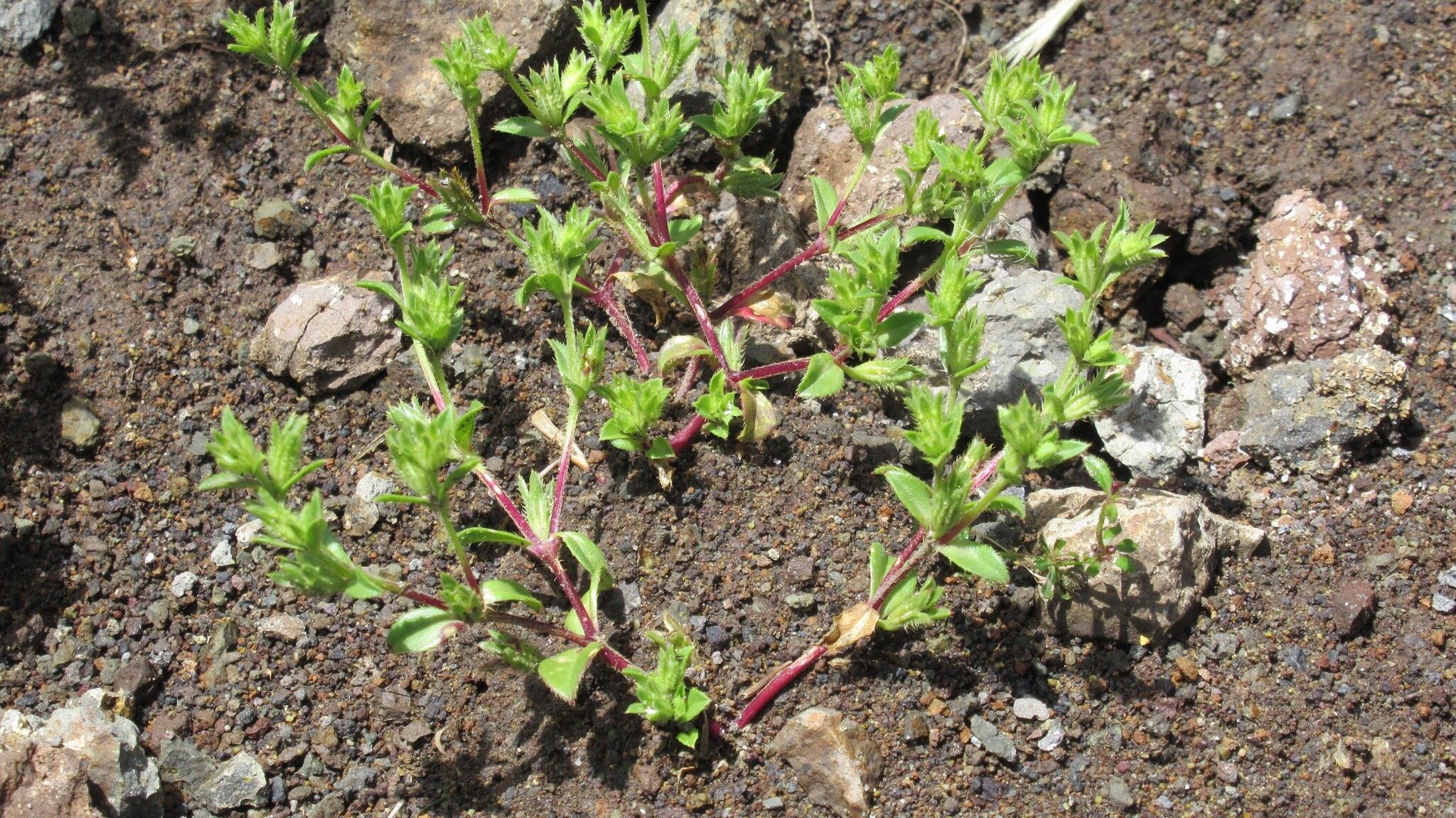
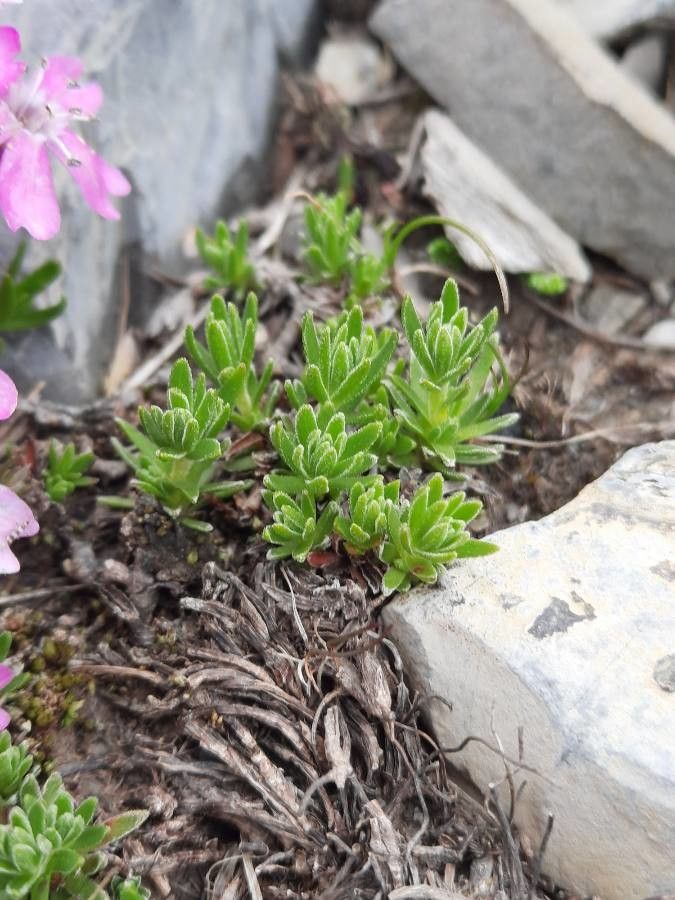
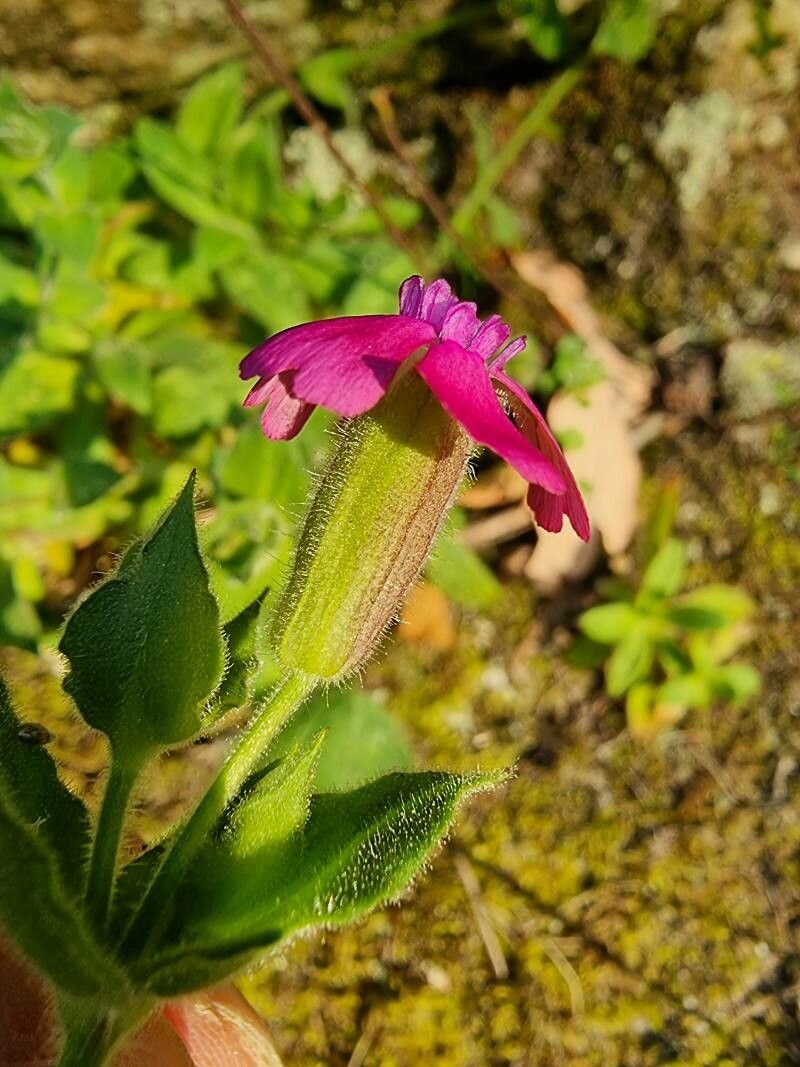
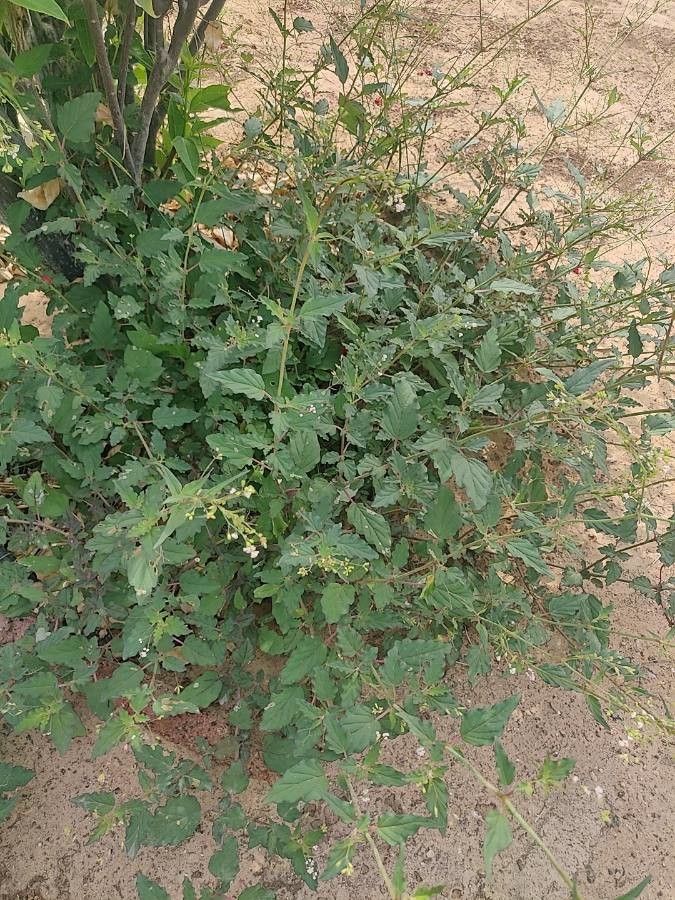
Silene behen is a species of annual herb in the family Caryophyllaceae (carpetweeds). They have a self-supporting growth form and simple, broad leaves. Individuals can grow to 0.4 m.
Hairless catchfly is fairly disease-resistant and usually not prone to illnesses. However, it can be affected by pests and diseases found nearby. These problems are generally mild. For care, the plant needs a moderate level of attention. Regular pruning is necessary to keep a tidy appearance and healthy growth. Fertilizing can also encourage flowering. Hairless catchfly is appropriate for someone with outdoor space, such as a garden or patio, and does not demand a lot of care experience. It may need extra attention when grown indoors.
How to keep Silene Behen.
Light
Hairless catchfly comes from well-lit, open habitats where it does best in full sun. It will tolerate some shade but favors direct sunlight for peak growth. This plant, which can be annual or biennial, is known for preferring sunny conditions.
Temperature
Hairless catchfly can adjust to a wide variety of temperature conditions, although its range may still be constrained by different combinations of moisture and heat. It grows best in warm summer climates with sufficient rainfall or watering. Extended periods of cloudy, rainy weather or prolonged high temperatures can raise the likelihood of Hairless catchfly dying. During winter, protecting it from cold can increase the plant's chances of survival.
Fertilizer
Hairless catchfly are regarded as heavy feeders in terms of nutrients. They require frequent, small applications of nitrogen and potassium fertilizers and periodic additions of phosphorus, micronutrients, sulfur, and magnesium to sustain good growth and bright coloration. Continuous fertilization during the growing season is necessary to prevent deficiency symptoms and maintain optimal growth.
Botanical profile.
Other names.