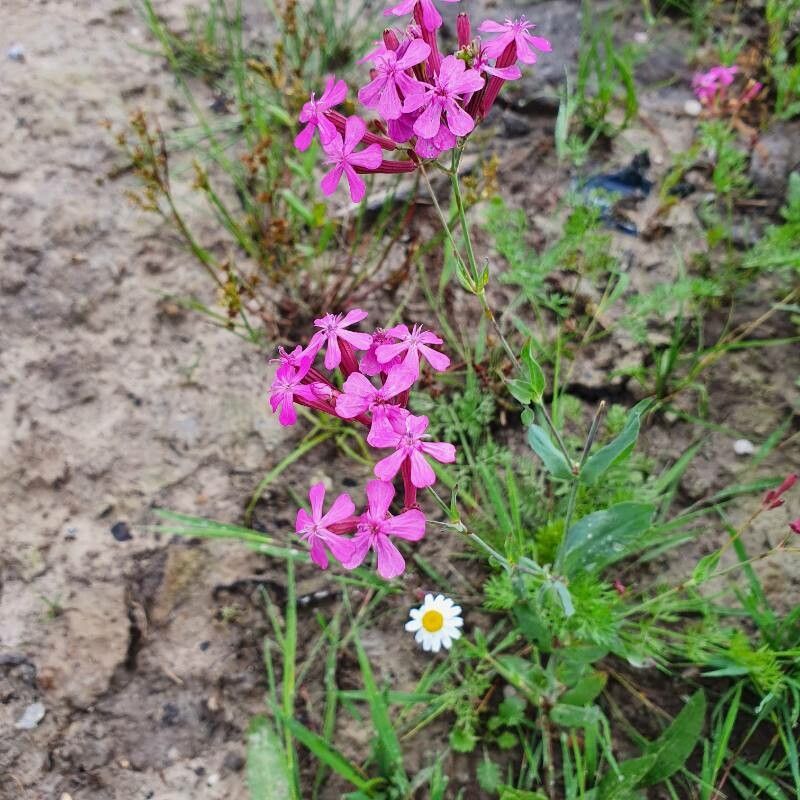
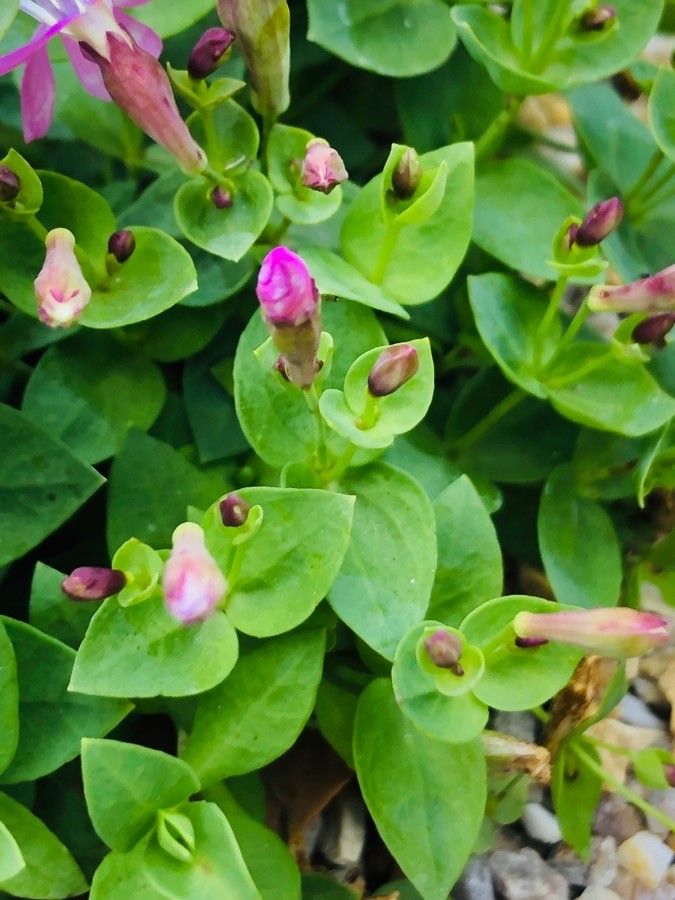
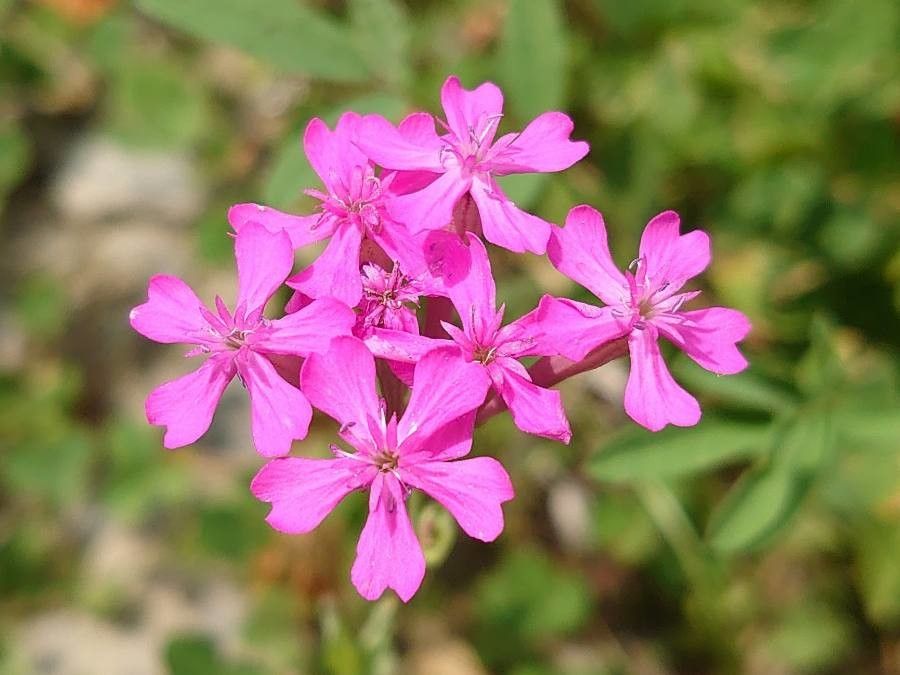
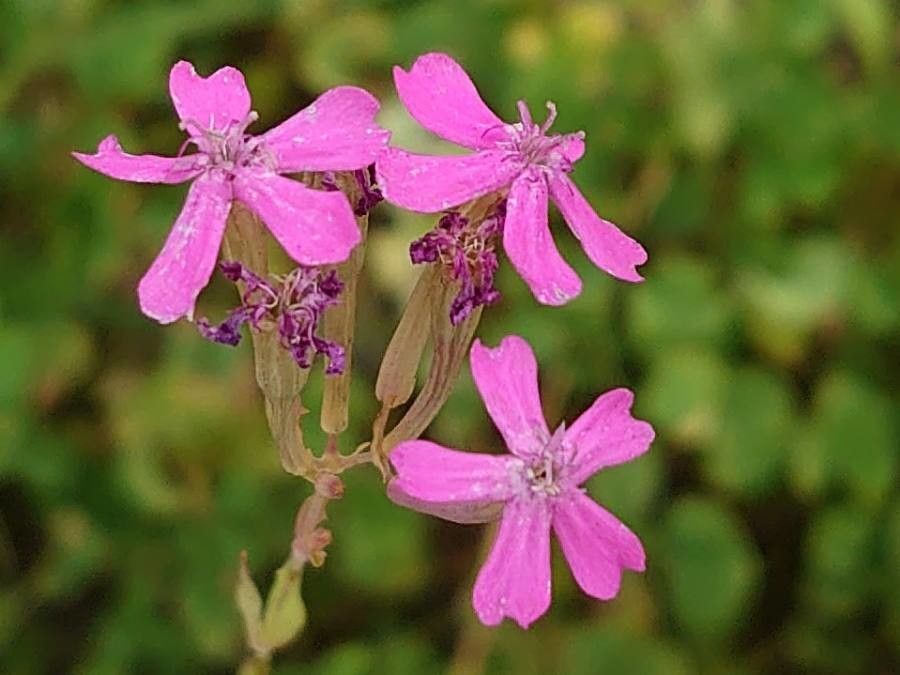
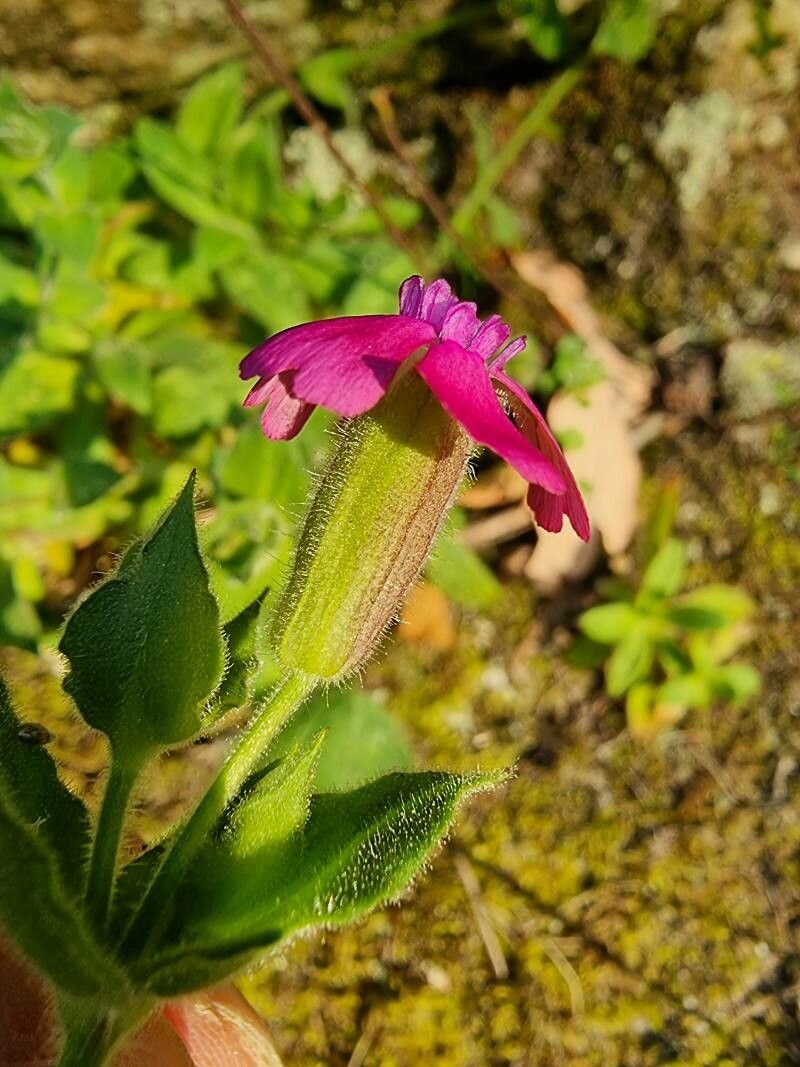
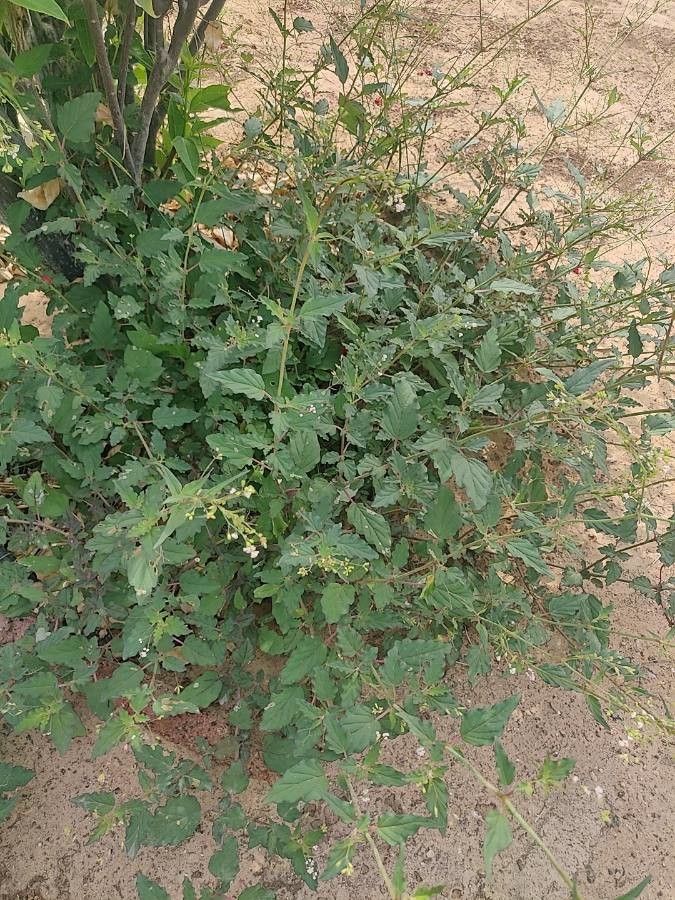
Silene armeria, commonly known as the Sweet William catchfly, is a species of plant in the family Caryophyllaceae. Originally a native of Europe, it has become widespread in the United States. Perennial in USDA plant hardiness zones 5 to 8. A small-growing form is known as dwarf catchfly. The name comes from the way in which small insects are trapped by the sticky sap exuded onto the stem. However it is not currently regarded as a carnivorous plant, though it has been identified as a carnivorous plant in the past.
Sweet william catchfly has strong resistance to disease and is generally not very susceptible to illnesses. Nevertheless, it can be affected by pests and diseases present in its environment. These infections tend to be mild. Regarding care, the plant needs a moderate level of maintenance. Regular pruning is necessary to preserve a neat appearance and encourage healthy growth. Applying fertilizer can also support better flowering. Sweet william catchfly is a good choice for anyone with outdoor space, such as a garden or patio, and does not demand extensive plant-care experience. It may need extra attention if cultivated indoors.
How to keep Silene Armeria.
Light
Sweet William catchfly flourishes with unobstructed exposure to sunlight, a preference linked to its natural growing environment. This sunlight exposure is essential for healthy development during the various stages of growth. Excessive sun can scorch the leaves, while inadequate light may impair its vital functions.
Water
Sweet William Catchfly thrives in well-drained soils and prefers environments with moderate moisture. It also has a degree of drought resistance. For optimal growth, water the plant every 1-2 weeks, ensuring the soil dries out slightly between each watering. Although primarily grown outdoors, Sweet William Catchfly adapts well to seasonal changes and benefits from natural rainfall patterns.
Temperature
Sweet william catchfly can tolerate a wide range of temperatures, though its distribution can still be restricted by particular combinations of moisture and heat. It does best in warm summer conditions with enough rainfall or watering. Long periods of cloudy, rainy weather or extended high temperatures increase the risk of the plant dying. In winter, shielding it from the cold can enhance its chances of survival.
Fertilizer
When Sweet william catchfly has opened most of its blooms to full size, it's time to resume fertilizing. At about the peak of bloom production, begin fertilizing again once every three to four weeks, weather permitting. Then, when Sweet william catchfly starts producing fewer new blooms, stop fertilizing; there's no need to fertilize once the plant can no longer produce more blooms.
Pruning
Sweet William catchfly boasts striking pink flowers and thrives when properly cared for. To ensure its health and beauty, follow these maintenance steps: 1. Prune the plant from early to late spring. 2. Regularly deadhead the flowers to extend the blooming period. 3. Trim back any damaged stems to encourage bushier growth. These practices help improve air circulation, reduce the risk of disease, and enhance flowering, contributing to a healthy and vibrant garden.
Botanical profile.
- Plant Type
- Herb
- Life Cycle
- Annual, Perennial
- Genus
- Silene
- Family
- Caryophyllaceae
- Hardiness Zone
- 3-9
- Mature Height
- 20 cm to 61 cm
- Mature Spread
- 15 cm to 30 cm
- Leaf Color
- Green
- Leaf Type
- Deciduous
- Flower Color
- Pink
- Flower Size
- 2.03 cm to 3.05 cm
- Bloom Time
- Late spring, Early summer, Mid summer
- Planting Time
- Spring
- Harvest Time
- Mid summer
- Native Area
- Turkey, Austria, Czech Republic, Slovakia, Montenegro, Bulgaria, Poland, Greece, Croatia, Slovenia, Ukraine, Serbia, Russia, Lithuania, Hungary, Germany, Italy, Switzerland, Albania, Romania, France
Other names.
Reader questions.
What are the sunlight requirements for Sweet William catchfly?
Sweet William catchfly (Silene armeria) thrives in various sunlight conditions. For full sun exposure, it requires above 6 hours of sunlight daily. If it's in partial sun, about 3-6 hours of sunlight is sufficient. It's important to observe how sunlight moves through your garden to find spots that offer the right balance of light and shade. This ensures your plants get the right amount of light they need to be happy and healthy.
What is the botanical name of Sweet William catchfly?
The botanical name of Sweet William catchfly is Silene armeria. This plant is known for its distinctive appearance and is a popular choice for gardeners looking for vibrant color.
What should I watch for when placing Sweet William catchfly in my garden regarding sunlight?
When placing Sweet William catchfly in your garden, it's crucial to watch how sunlight moves across the area throughout the day. This observation helps you choose the best spots that provide the ideal balance of light and shade for your plants. By doing so, you can ensure their happiness and wellbeing by catering to their specific sunlight requirements.