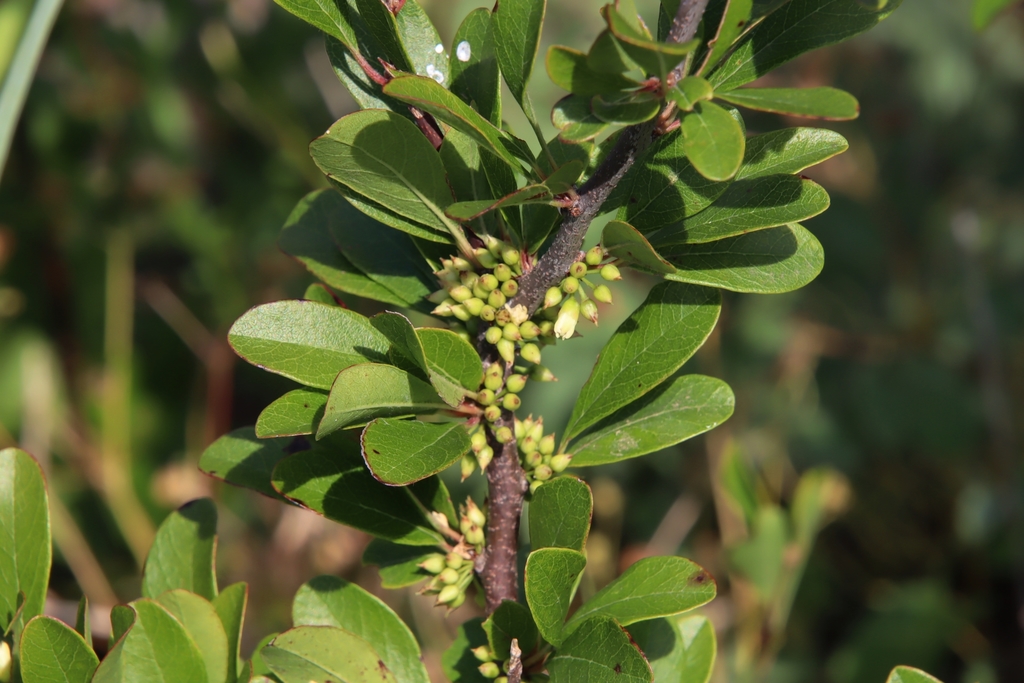
Sideroxylon lanuginosum, commonly known as gum bully or woolly bully, is a small to medium-sized evergreen tree belonging to the Sapotaceae family. It is native to the southeastern United States, specifically Florida, Georgia, Alabama, and Mississippi. This tree can reach heights of up to 30 feet, with a trunk diameter of up to 12 inches.
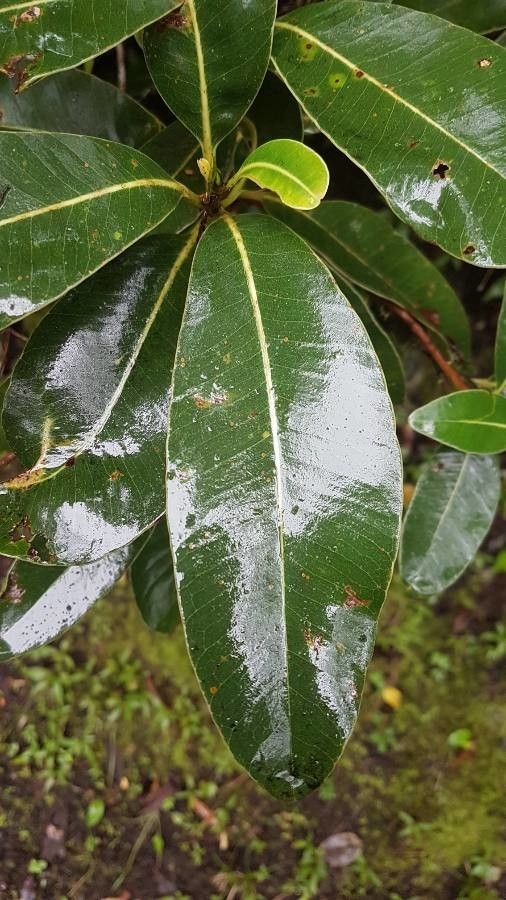
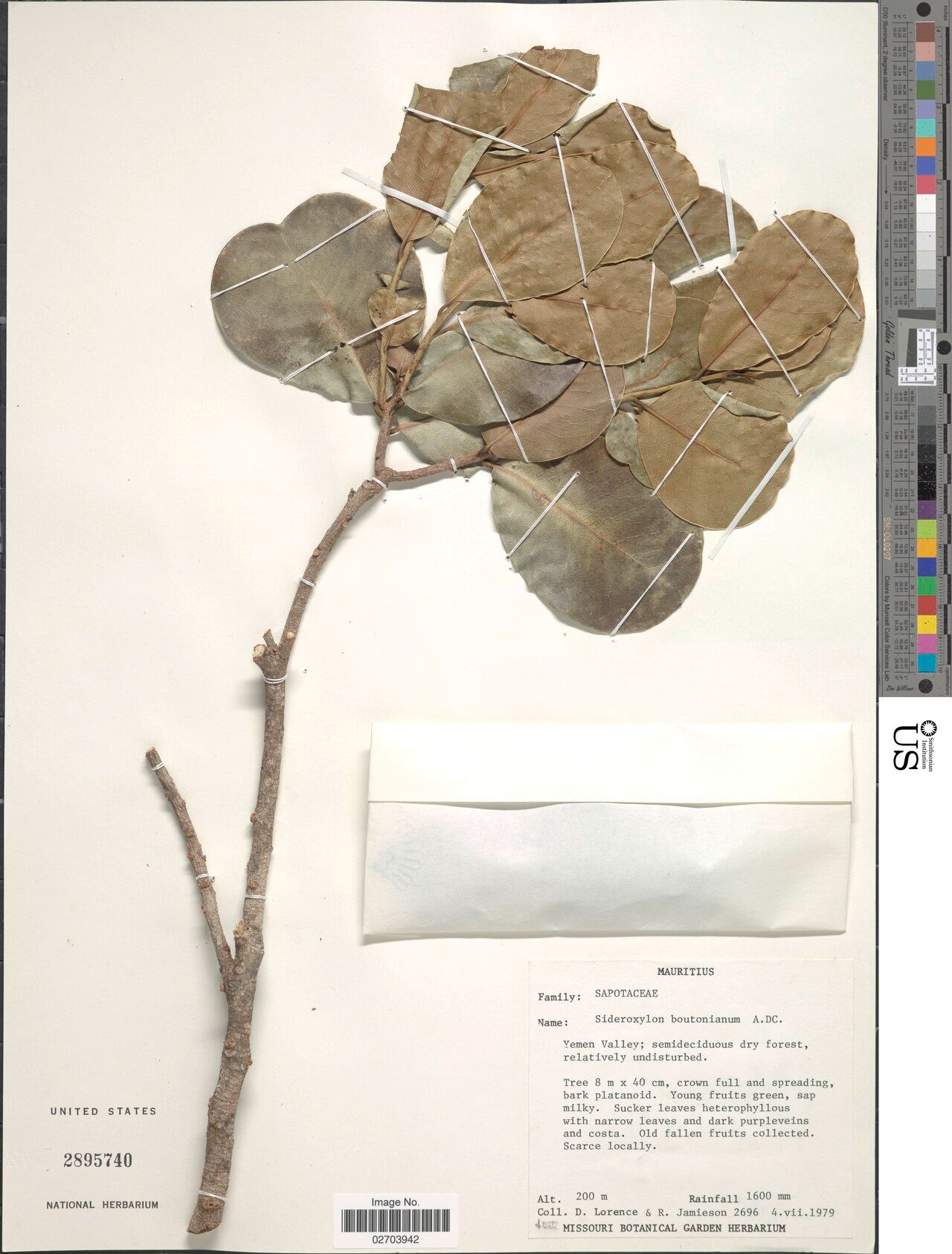
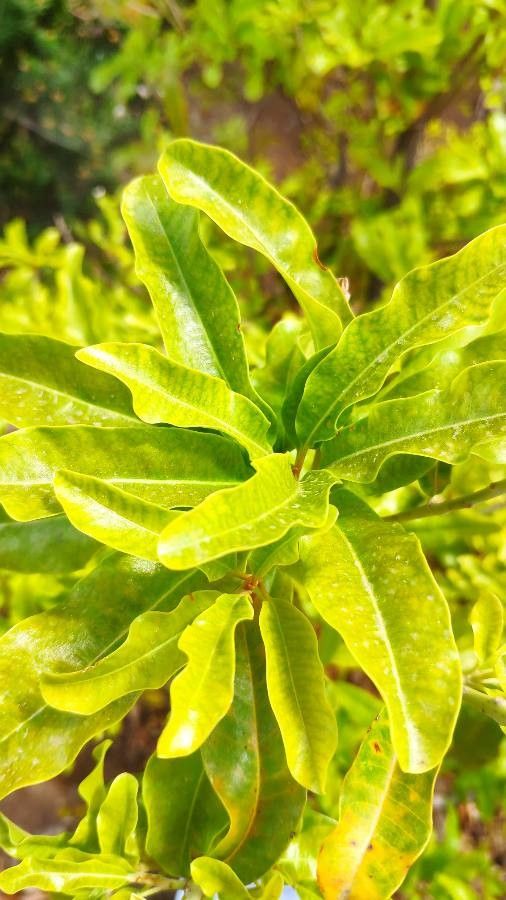
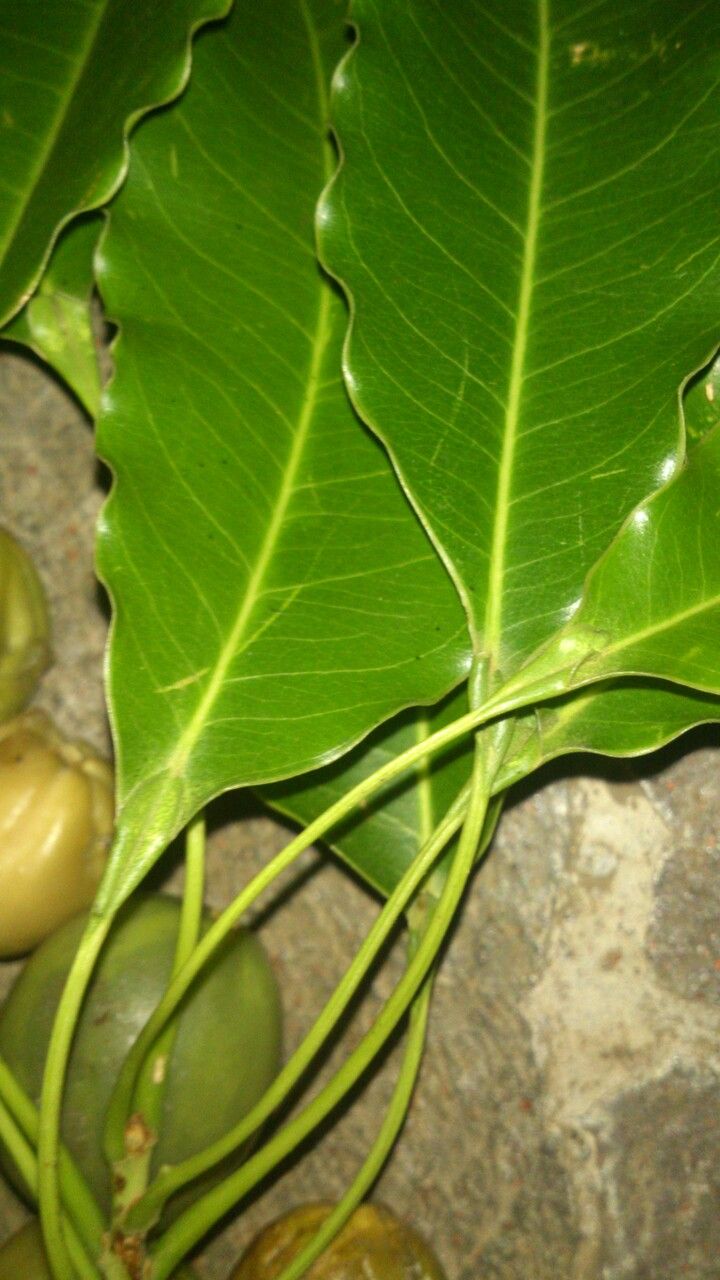
The leaves of Sideroxylon lanuginosum are simple, alternate, and elliptical, measuring 2 to 4 inches in length. The upper surface of the leaves is dark green, while the lower surface has a woolly texture, which gives the tree its common name.
The flowers are small and greenish-white, with five petals that bloom from March through May. The tree produces an edible, berry-like drupe that ripens from August through October.
Native Americans have historically used Sideroxylon lanuginosum for various medicinal purposes, including treatments for coughs, colds, fever, and diarrhea. The tree also serves as a natural insecticide due to its high content of saponins, which have insecticidal properties.
Overall, Sideroxylon lanuginosum is an attractive evergreen tree that provides food for wildlife and possesses medicinal properties. Its aesthetic appeal and functional benefits make it a valuable component of its ecosystem.
Gum Bully: The plant known as Bumelia is part of the Sapotaceae family, the same family as the tropical sapodilla tree (Manilkara zapota), which is the source of chicle, a key ingredient in chewing gum. Previously, Bumelia was scientifically named Bumelia lanuginosa. However, its botanical name has since been updated to Sideroxylon lanuginosum. Despite the name change, it is still commonly referred to as "gum bully" due to its distinctive characteristics.
Gum bumelia shows strong disease resistance and is generally not prone to illnesses. In terms of care, this plant is fairly low-maintenance. When grown outdoors it needs only minimal watering, and larger plants typically do not require pruning. Smaller plants, however, should be pruned after they have finished blooming. Gum bumelia is suitable for anyone with an outdoor area, like a garden or deck, and does not demand much gardening experience.
How to keep Sideroxylon Lanuginosum.
Light
Gum bumelia does best in spots that get full sun throughout the day, though it can tolerate areas with only limited sunlight. Excessive intense sun may cause leaf scorch, while too little sun can prevent optimal growth and flowering.
Water
The gum bully plant thrives in environments that resemble its natural habitat and requires very little watering. It is drought-tolerant and should be watered only once every three weeks, with the soil allowed to dry out between waterings. As an outdoor species, the gum bully benefits from natural rainfall and is an excellent choice for xeriscaping.
Temperature
The native habitat of gum bumelia experiences temperatures from 10 to 35 ℃ (50 to 95 ℉). To do well, this temperate woody plant prefers conditions within that range. In winter, temperatures below 10 ℃ (50 ℉) may need adjustment to prevent damage, while during hot summers, temperatures above 35 ℃ (95 ℉) may call for extra moisture to maintain optimal growth.
Fertilizer
Fertilize your Gum bumelia in early spring to encourage healthy growth. Regular feeding boosts the plant’s overall health, leading to vigorous growth, greater resilience to harsh conditions, and improved resistance to pests and diseases. Keep a consistent fertilization schedule for your Gum bumelia to preserve vibrant, deeply colored foliage and a lush appearance.
Pruning
Gum bully benefits from regular pruning in early spring. To promote better air circulation and light penetration, remove dead branches and thin out crowded areas. This practice enhances the plant's growth and resilience. Make sure to always use clean, sharp tools to prevent infections.
Botanical profile.
- Plant Type
- Shrub
- Life Cycle
- Perennial
- Genus
- Sideroxylon
- Family
- Sapotaceae
- Hardiness Zone
- 6-10
- Mature Height
- 4.57 m to 13.72 m
- Mature Spread
- 7.62 m to 10.36 m
- Leaf Color
- Green, Yellow, Gold
- Leaf Type
- Deciduous
- Flower Color
- White, Cream
- Flower Size
- 0.51 cm
- Bloom Time
- Late spring, Early summer, Mid summer
- Planting Time
- Autumn, Winter
- Harvest Time
- Mid summer, Late summer
Other names.
Reader questions.
How should I water my Gum bully plant?
To promote excellent root development, place a garden hose at the base of the plants instead of directly spraying the leaves. If the plants are outdoors and exposed to direct sunlight, the leaves will need more water. You can also use bubblers or soaker hoses to keep the roots moist, and when adding or removing plants, make sure to water deeply to encourage deep root growth. Drain any excess water and allow the soil to dry before watering again. To prevent diseases, water at ground level rather than overhead. On a sunny day, spraying the entire bush with water can be beneficial. Whether the plants are in pots or in the ground, it's important to give them deep watering rather than light sprinkling, especially for Gum bully.
Why should I put fertilizer on my Gum bully?
No matter which type of Gum bully you own, regular fertilization is essential for promoting overall plant health. By providing the proper nutrients, you can enhance growth and make your Gum bully more resilient to challenging growing conditions. This will also help in the prevention of diseases and pests. Your Gum bully's foliage is one of its most appealing aspects, so it's crucial to maintain it. To achieve this, establish a consistent fertilization schedule tailored to your Gum bully's needs. This will encourage the development of vibrant, lush leaves.
What are the sunlight requirements for Gum bully?
Gum bully (Sideroxylon lanuginosum) thrives best in locations that receive full sun exposure, meaning above 6 hours of sunlight per day, but it can also tolerate partial sun, with about 3-6 hours of sunlight. It is essential to observe how sunlight moves throughout your garden to find spots that provide the right balance of light and shade, ensuring the plants grow healthily. Overexposure to the sun can result in leaf scorch, whereas insufficient sunlight might hinder the plant's growth and flowering.
What is the ideal growth temperature range for Gum Bully?
Gum Bully (Sideroxylon lanuginosum) thrives in a temperature range between 10°C (50°F) and 35°C (95°F). This range represents the native growth environment of the plant, providing the temperate conditions it prefers. To ensure optimal growth, maintaining temperatures within this range is crucial, particularly by adjusting conditions to prevent damage during temperatures below 10°C in the winter and providing additional moisture during hot summers when temperatures exceed 35°C.
What should I do if I give too much/not enough water to my Gum bully?
When a Gum bully plant is overwatered, it may exhibit symptoms such as yellowing, dropping leaves, and wilting. The plant may also appear dull and unhealthy, with mushy stems. When these signs begin to show, it is best to adjust your watering schedule. Wilting can also occur as a result of under watering, indicated by crispy, dry leaves. In such cases, check the soil for dryness and provide a thorough watering. Sufficient water will help the Gum bully plant recover, but the damaged root system may still cause the plant to appear dry with yellow leaves after a few days. Once the plant returns to normal, the yellowing of leaves will cease. When cultivating a Gum bully plant indoors, always check the moisture level in the pot and avoid overwatering. Look out for signs of black spots, which indicate a need for the soil to dry out for a few days before watering again. Overwatering can lead to root rot, so transfer the plant to a different pot if you observe discolored and slimy roots. It is important to prevent root rot by avoiding excessively soggy soil. When planting the Gum bully outdoors, dig a little deeper and, if the soil feels excessively dry, it may indicate underwatering. Adequate watering is necessary to assist the plant in recovering.
When should I fertilize my Gum bully?
To ensure healthy growth for your Gum bully, fertilize it for the first time in late winter or early spring. This will provide the necessary nutrients for growth once warm weather arrives. In warm climate regions, it's also beneficial to fertilize again in early fall. This supplies additional nutrients for the upcoming growing season and increases the Gum bully's ability to withstand winter without leaf damage. Fertilizing earlier will help new branches grow stronger to endure the cold winter.
How does artificial lighting affect Gum bully's growth indoors?
For Gum bully growing indoors, adequate lighting is crucial, especially when natural sunlight is insufficient, like during winter or in less sunny locations. Artificial lights, particularly LED lights, are beneficial as they can be customized to provide specific wavelengths needed for optimal plant growth. Full sun plants require 30-50W/sq ft, partial sun plants need 20-30W/sq ft, and full shade plants should have 10-20W/sq ft of artificial light. The light source should be placed 12-36 inches above the plant to mimic natural sunlight and left on for 8-12 hours per day, depending on the plant's needs.
How do you protect Gum Bully during extreme winter conditions?
Gum Bully possesses strong cold resistance, eliminating the need for special frost protection measures under normal winter conditions. However, for temperatures expected to drop below -25°C, protecting the plant is important. Wrapping the trunk and branches with non-woven fabric or cloth can offer sufficient cold protection. Additionally, it is advisable to water the plant abundantly before the first freeze in autumn, ensuring the soil remains moist and enters a frozen state to prevent drought and water scarcity during the colder months.
How frequently should I water my Gum bully plant?
The Gum bully prefers deep and infrequent watering, especially when planted in pots. Since the water storage of flower pots is limited and the soil dries out faster, it's recommended to soak them in a gallon of water each time. In cold regions, watering is required every 3 to 5 days. Water the plant early in the morning when the soil is dry, whether it's outdoors or indoors. You can also check the soil inside to determine if watering is needed. If the top 2-3 inches of soil is dry, it's time for a full watering. During hot days, check the moisture daily as the heat can quickly dry out the soil in the pot. If you have a garden, soil irrigation is also necessary. In hot climates, watering once a week is generally sufficient. Only water when you notice about 2 to 3 inches of soil becoming too dry indoors or outdoors. Take into account the amount of rainfall, and avoid adding watering if there has been a lot of rain to prevent root rot. The Gum bully typically grows during spring and fall, and if it's planted outdoors, adding 3 to 4 inches of mulch can help conserve water. Sandy soil requires more frequent watering because it drains faster, while clay soil requires less frequent watering to avoid root rot. You can mark the watering dates on the calendar and pay attention to any drooping leaves, which could indicate if watering is needed a day earlier.
When is it best to not put fertilizer on my Gum bully plant?
There are certain times of the year when you should avoid fertilizing your Gum bully plant. The first instance is during the winter months, specifically in the early and mid-winter, when the plant is dormant and doesn't require any nourishment. Additionally, it is not advisable to fertilize the plant during late spring and throughout the summer. This time of the year is usually hotter and drier, which can have a negative impact on your Gum bully if you fertilize it. To prevent any problems, it is best to stick to a fertilization schedule that involves feeding only in early spring and early fall.
What symptoms indicate Gum bully is not receiving enough sunlight?
When Gum bully doesn't receive adequate sunlight, you might notice several symptoms indicating light deficiency: new leaves may grow smaller than mature ones, the plant may exhibit leggy or sparse growth, faster leaf drop, and slower or halted new growth. Leaves might develop irregular color patterns, appear pale due to insufficient chlorophyll, or even show signs of chlorosis, turning yellow. Other symptoms include sunscald, leaf curling, wilting, and leaf scorching, suggesting either too much direct sunlight or a severe lack of it.
What are the symptoms of Gum Bully being exposed to low temperatures, and how can they be addressed?
When Gum Bully is exposed to temperatures below its cold tolerance, specifically below -25°C, the branches might not show immediate damage but can become brittle and dry by spring, with no new growth. The solution to this is pruning. In spring, any dead branches that have failed to produce new leaves should be pruned away to encourage healthy new growth and maintain the plant's vitality.