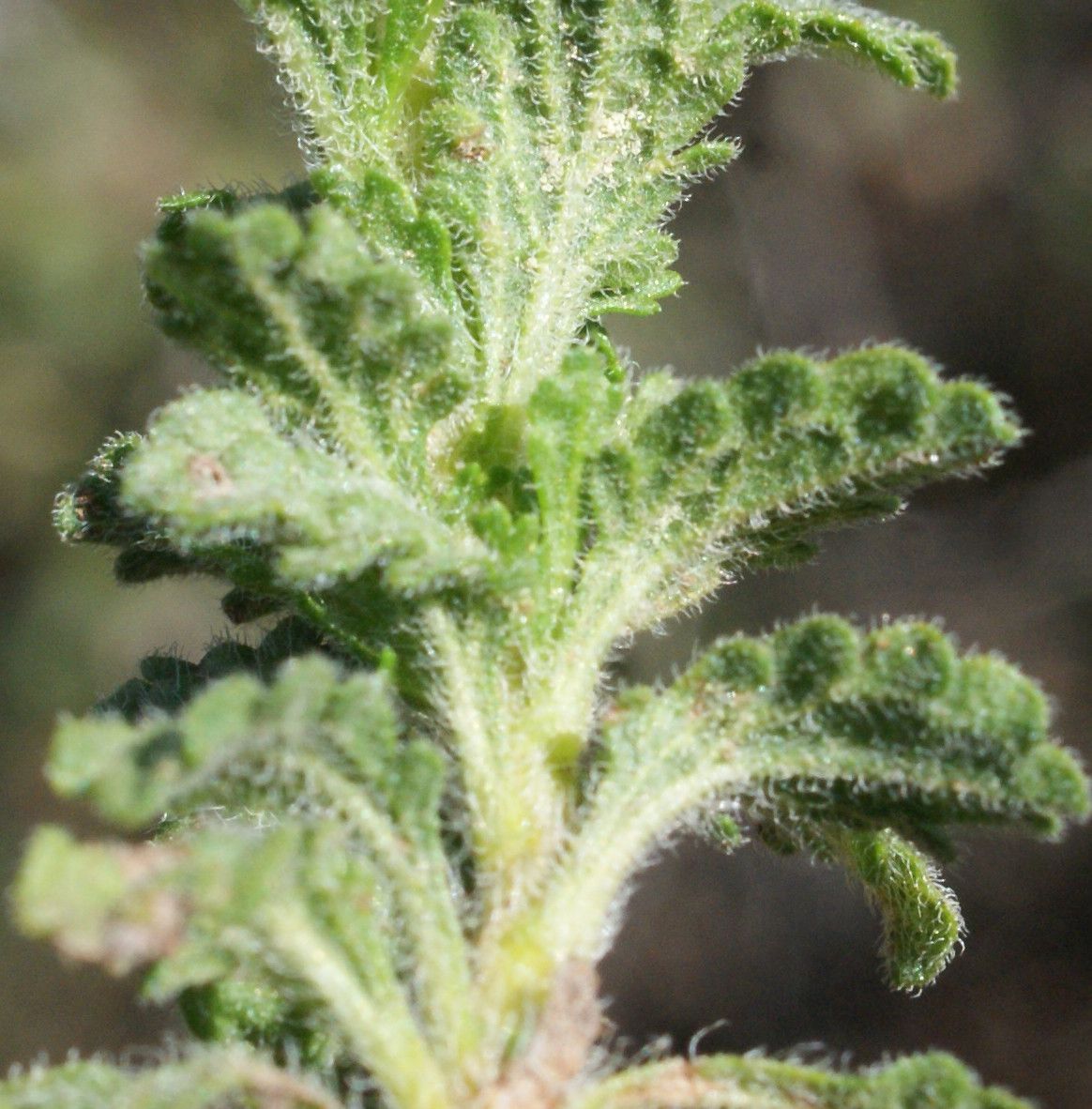
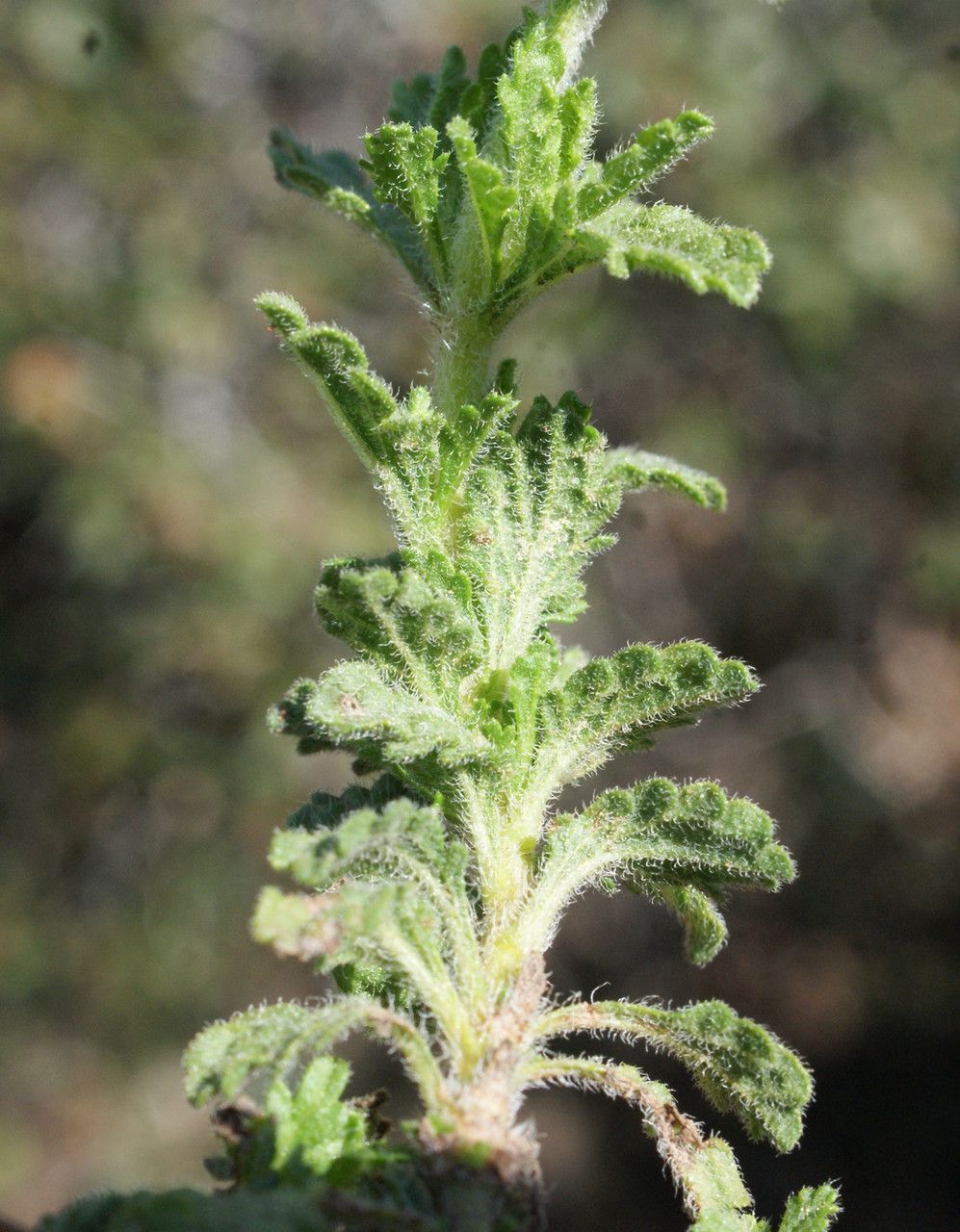
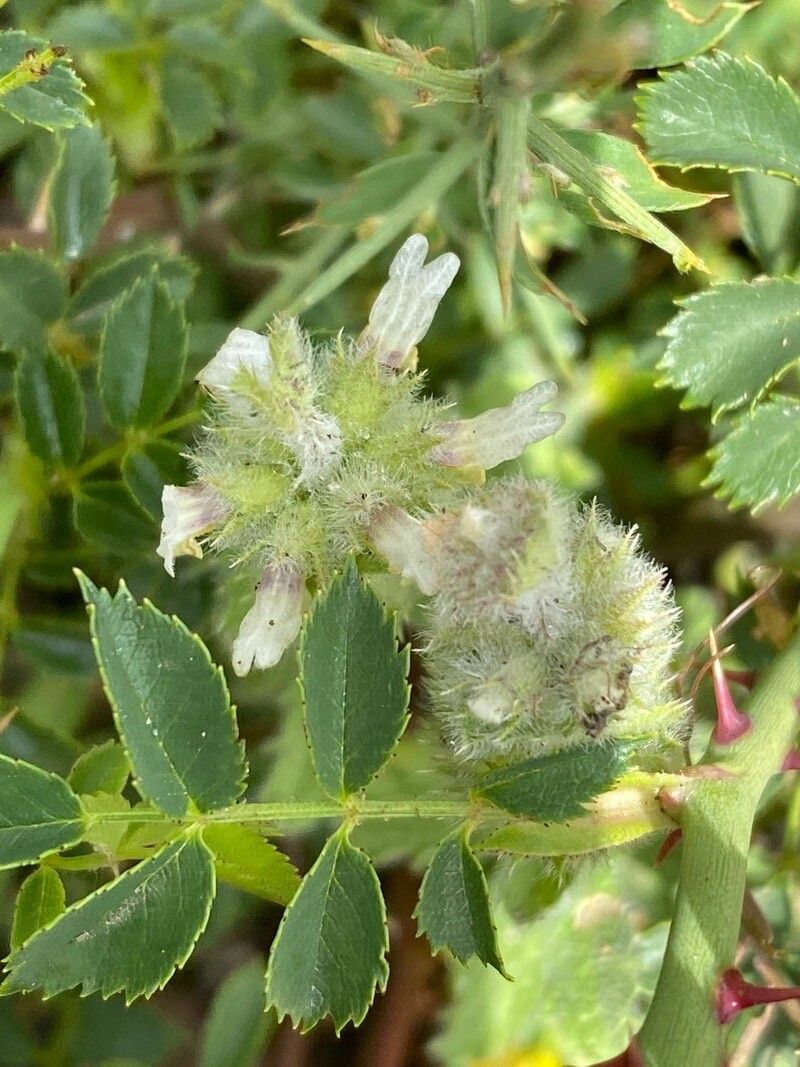
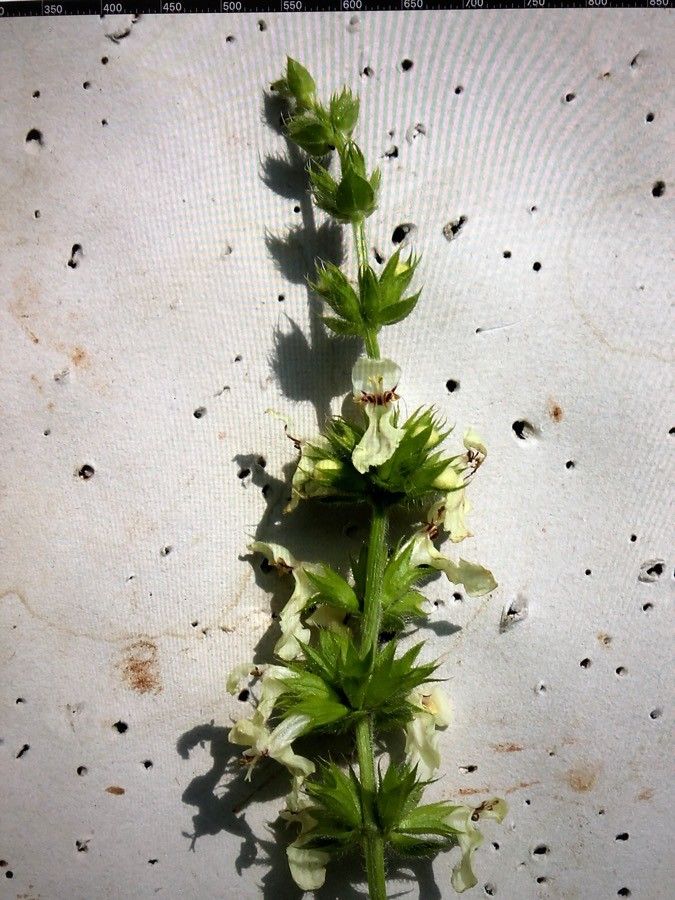
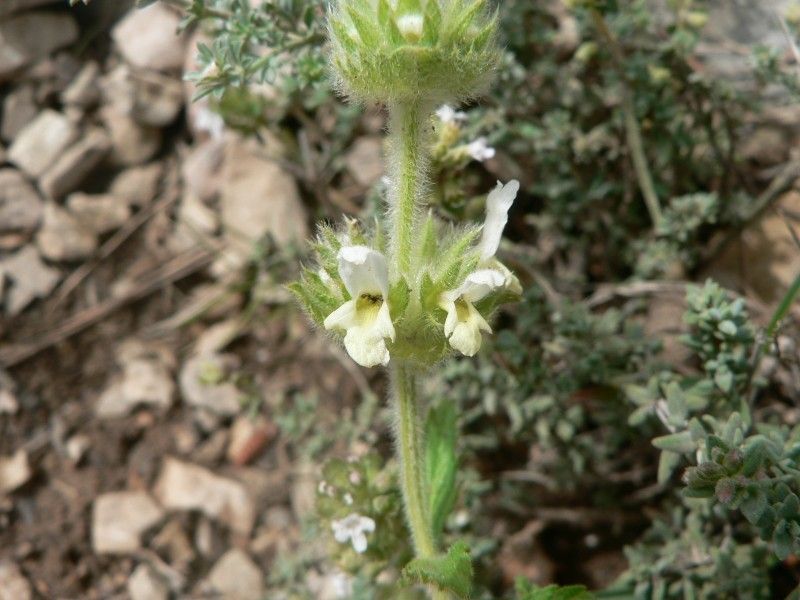
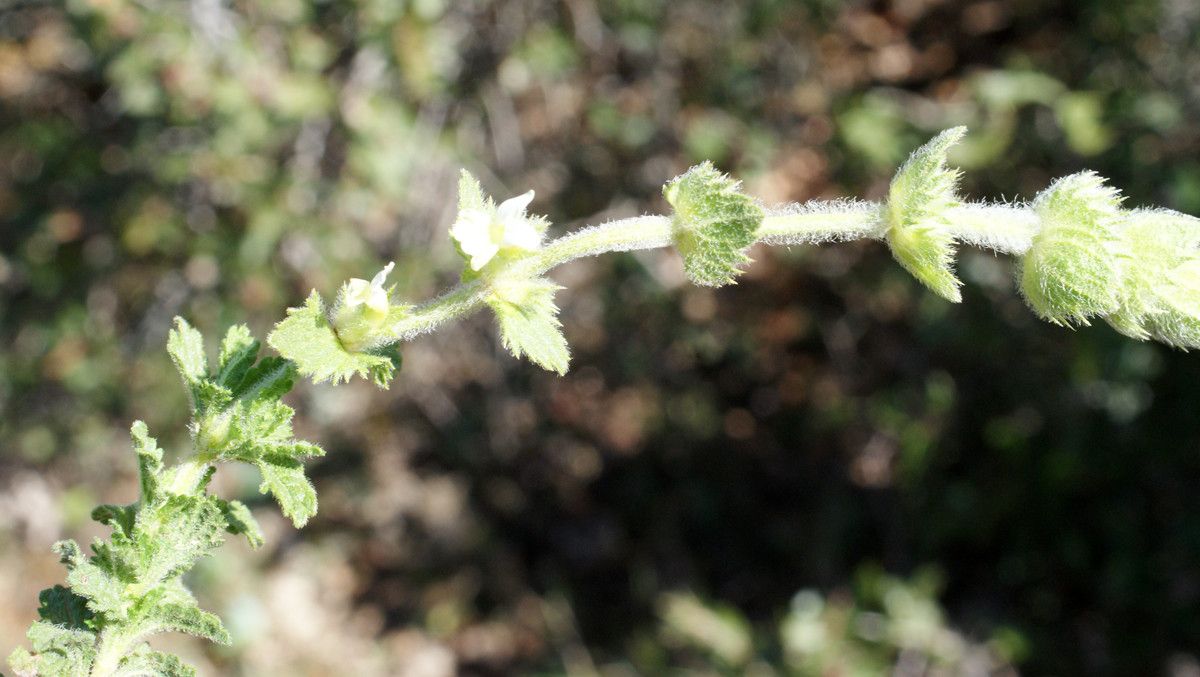
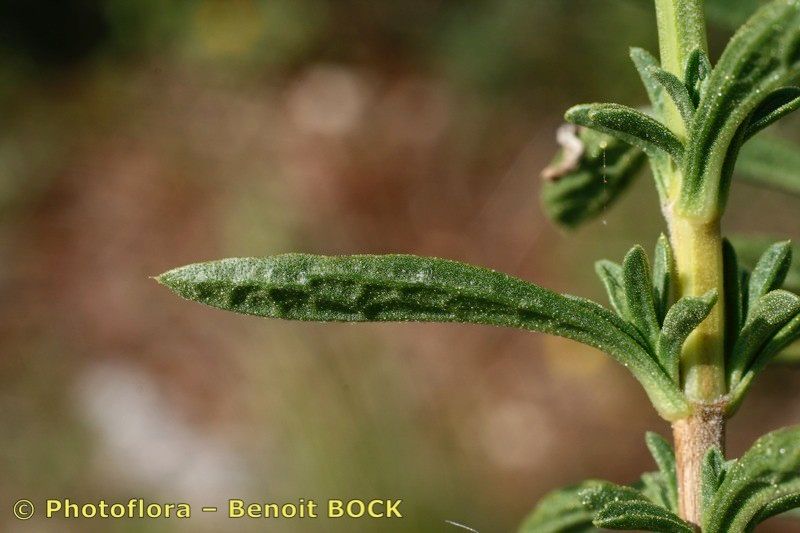
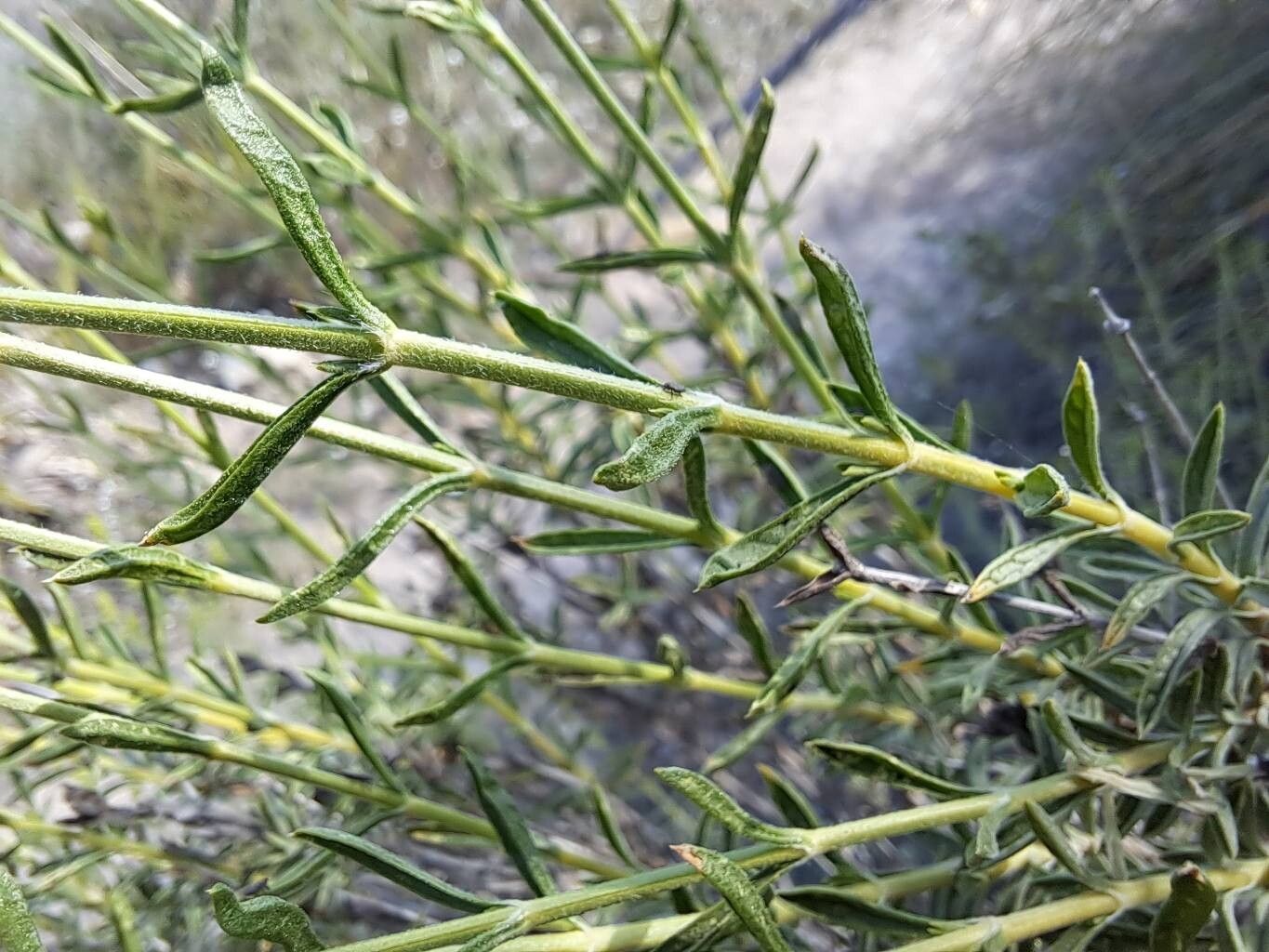
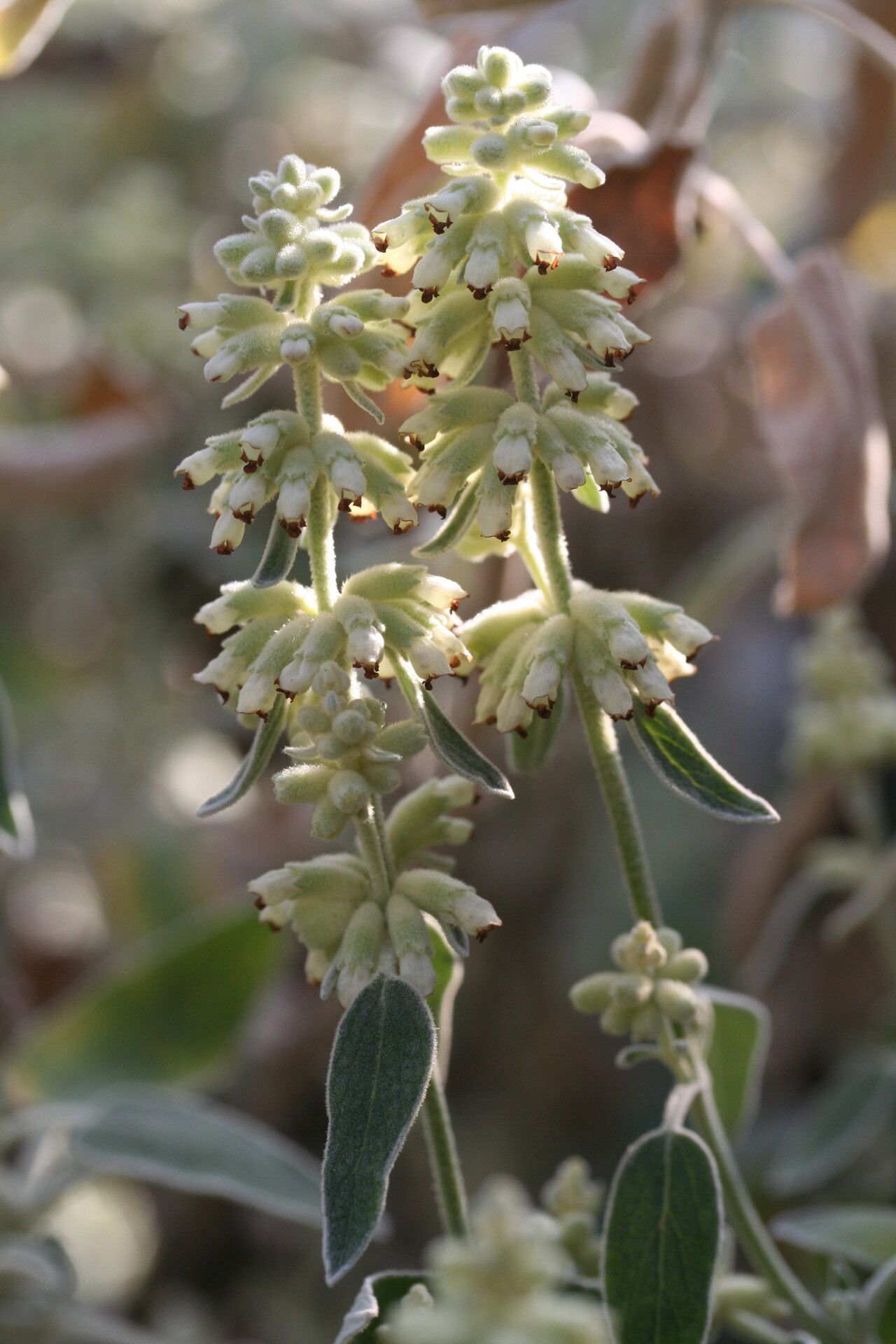
Hairy ironwort has strong resistance to disease and is usually not likely to suffer from illnesses. In terms of maintenance, this plant is fairly low-maintenance. When grown outdoors it needs only light watering, and larger specimens typically do not need pruning. Smaller plants, however, should be pruned after they have finished blooming. Hairy ironwortt is appropriate for anyone with an outdoor area, like a garden or a deck, and does not demand much care experience.
How to keep Sideritis Vulgaris.
Light
Hairy ironwort originates from environments with plenty of open space, like sunlit meadows and edges of forests, where it gets ample light. While it does well in Full Sun it can also withstand Partial Sun, demonstrating its adaptability to different light conditions.
Temperature
The original habitat of the Hairy ironwort is in climates with average temperatures. For it to grow naturally, the best thermometer readings would be approximately 59 to 95 °F (15 to 35 ℃). If weather conditions become overly drastic, small modifications may be required to guarantee its successful cultivation.
Fertilizer
The right timing is critical when fertilizing Hairy ironwort. You should fertilize it at the beginning of spring, and continue it on a monthly basis until the start of summer. Fertilizer aids in creating beautiful blooms and supplying energy during both dormant and active periods of growth.
Botanical profile.
- Plant Type
- Shrub
- Life Cycle
- Perennial
- Genus
- Sideritis
- Family
- Lamiaceae
- Hardiness Zone
- 8-9
- Mature Height
- 49 cm
- Mature Spread
- 20 cm to 40 cm
- Leaf Color
- Green
- Leaf Type
- Evergreen
- Flower Color
- Yellow
- Flower Size
- 1.02 cm to 1.52 cm
- Bloom Time
- Summer
- Planting Time
- Spring, Summer, Autumn
- Harvest Time
- Late summer, Early fall, Mid fall
- Native Area
- Portugal, Italy, Spain, Morocco, France