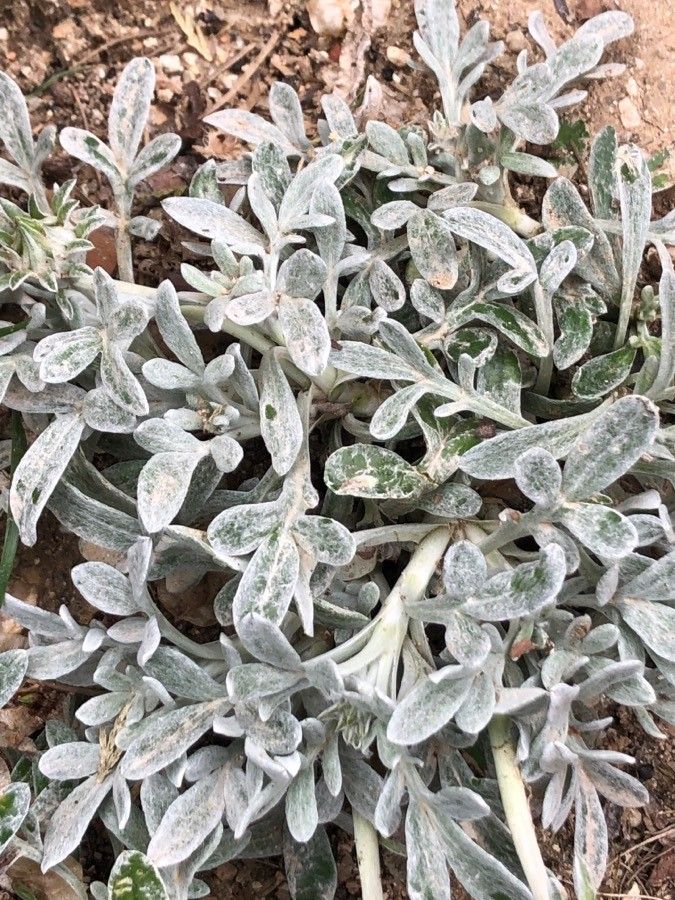
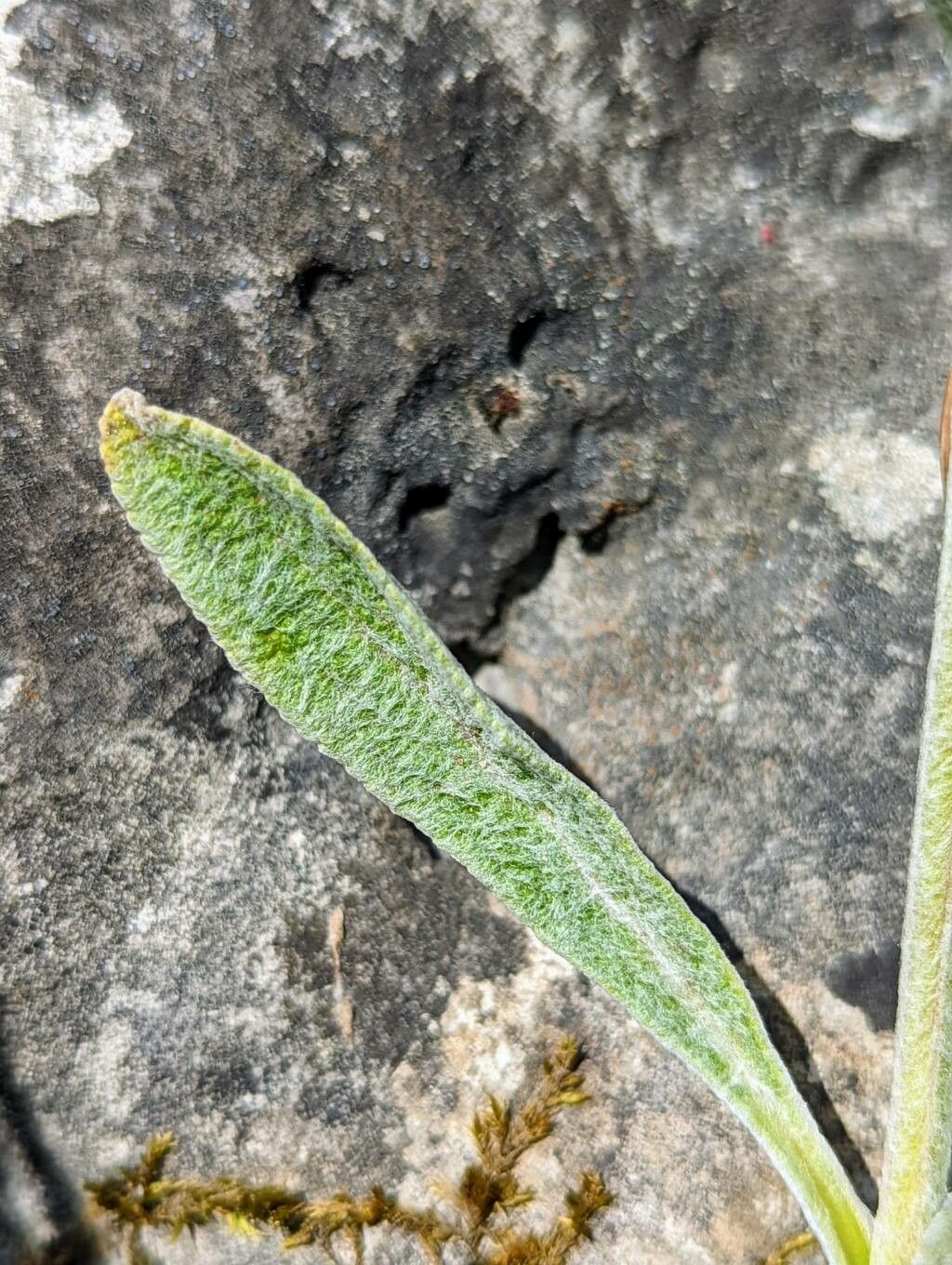
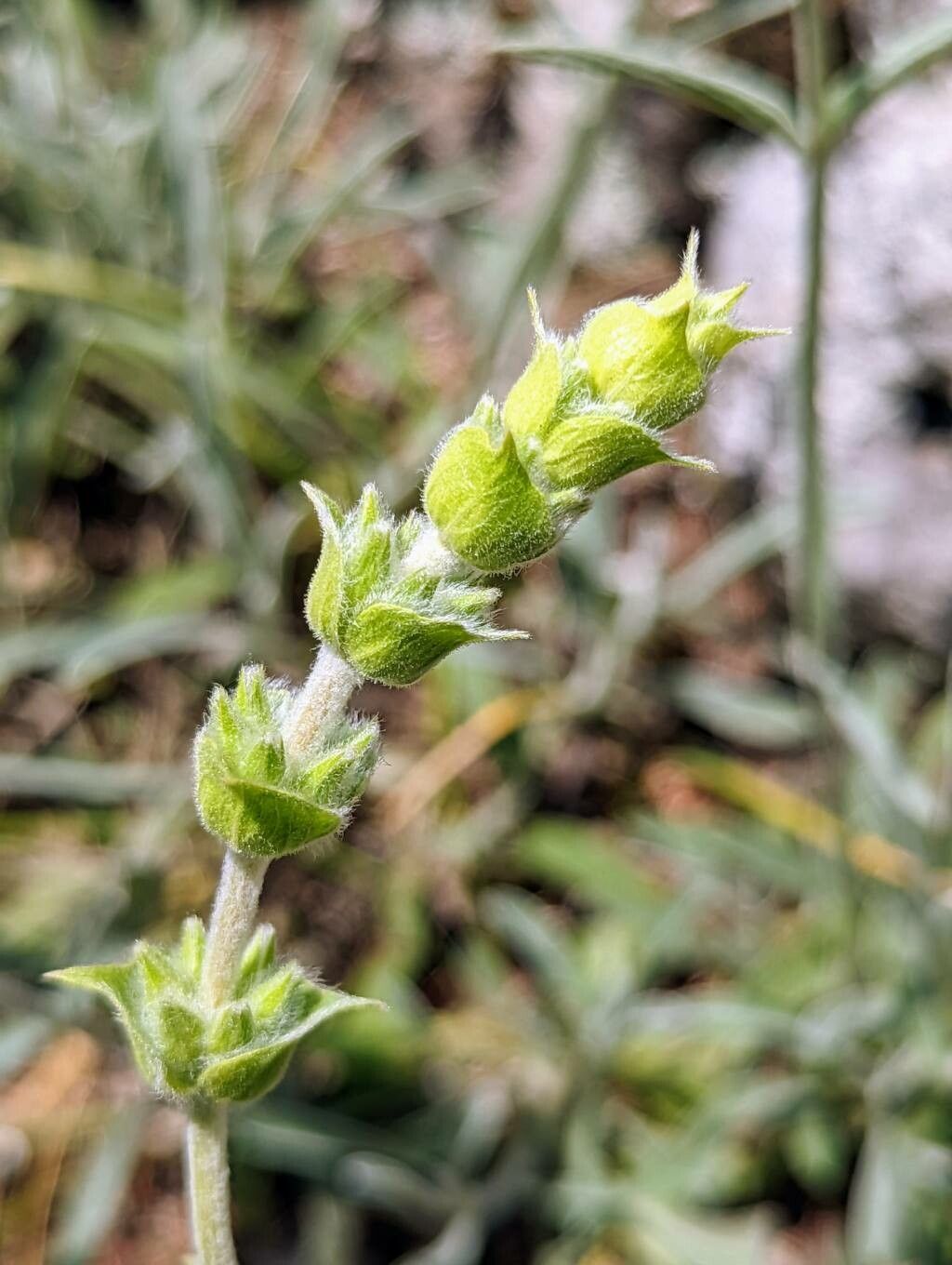
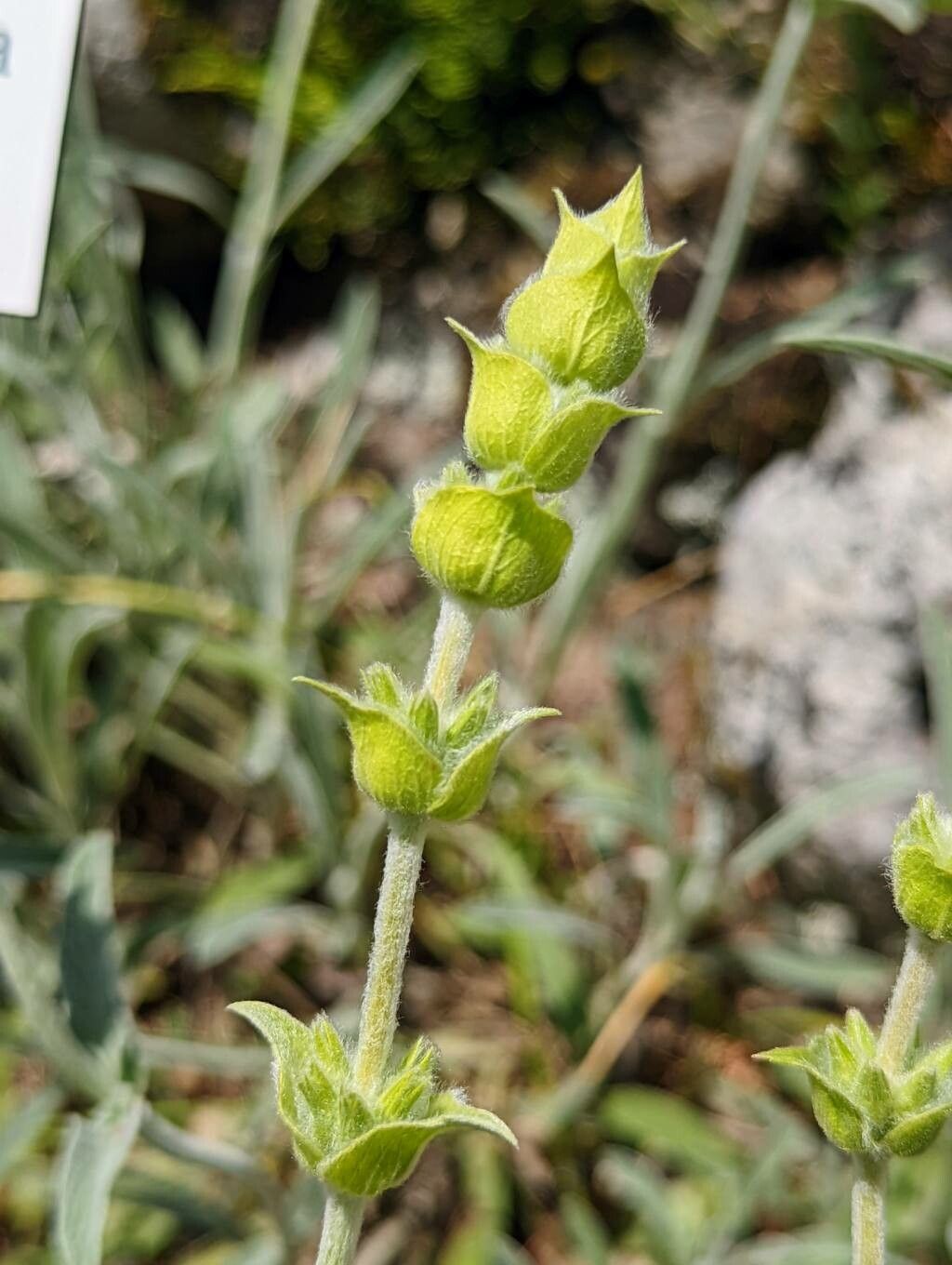
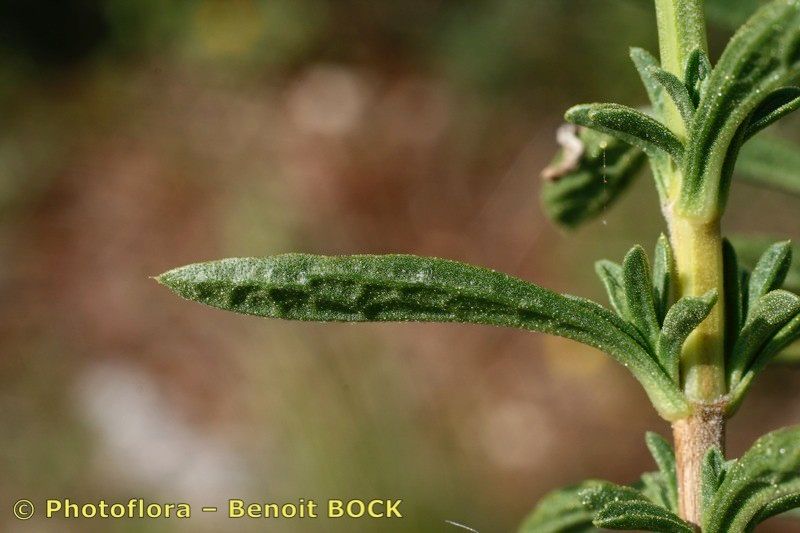
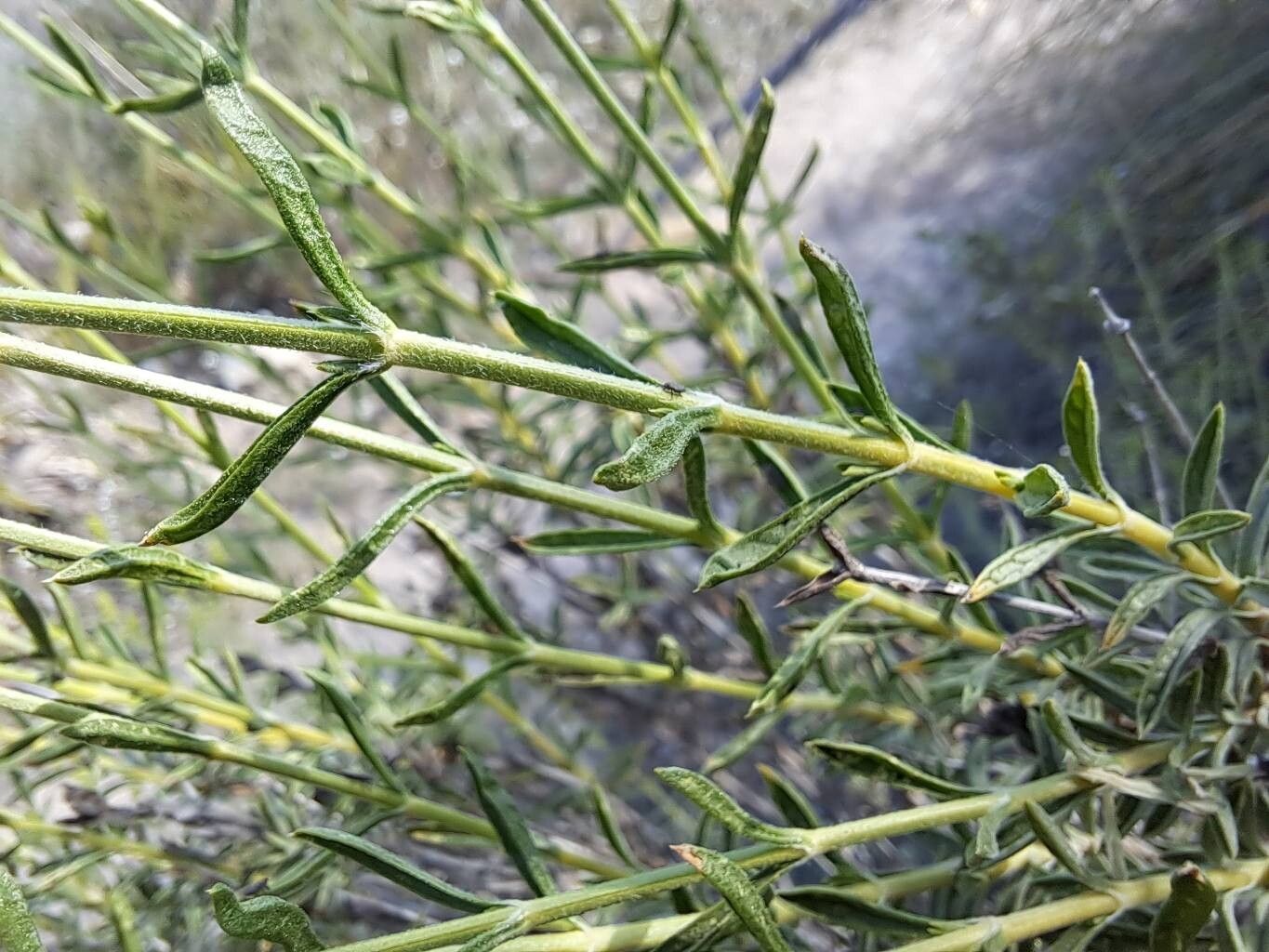
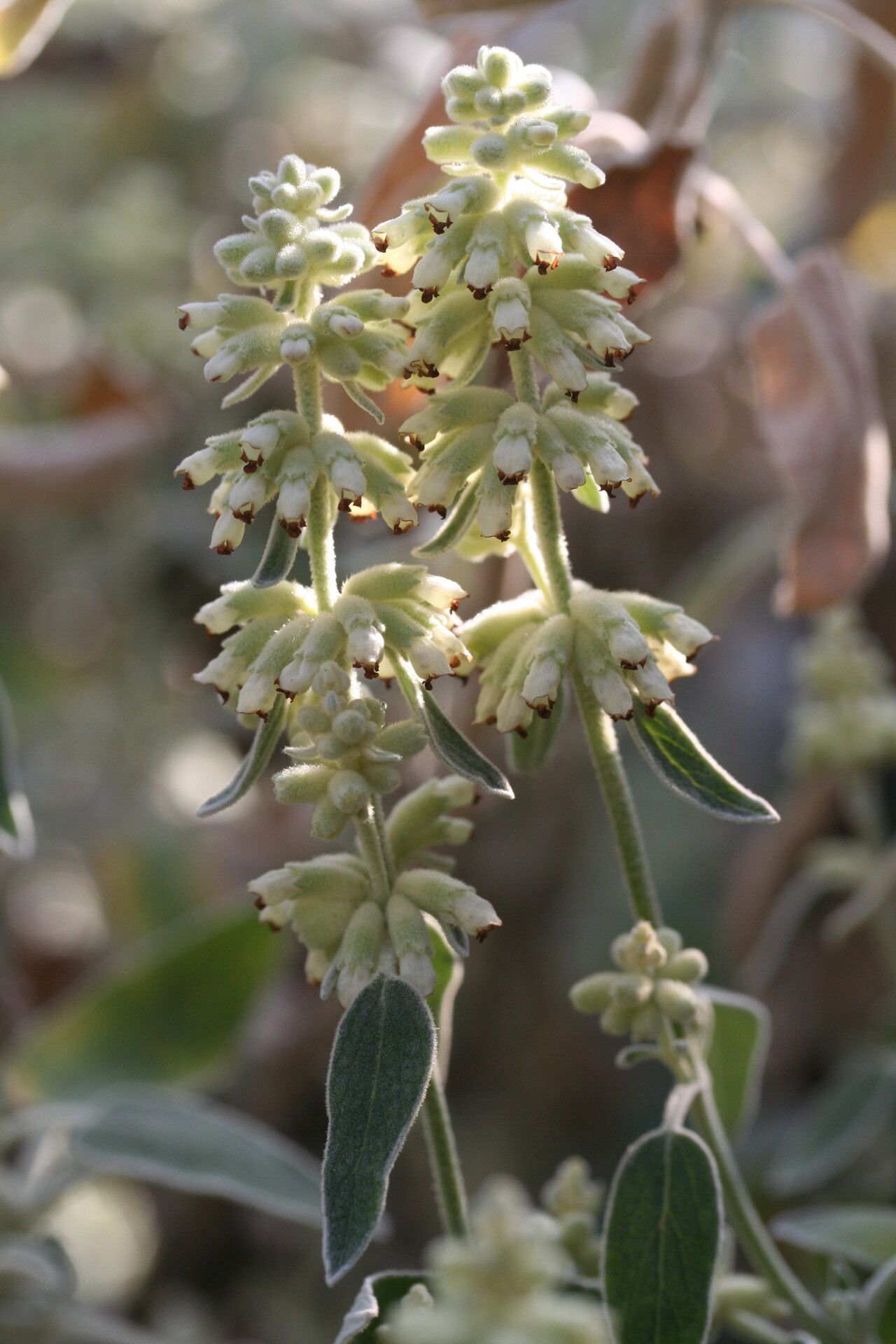
Sideritis syriaca, commonly referred to as Syrian ironwort, is a perennial herbaceous plant in the Lamiaceae family. Native to the eastern Mediterranean, it is found in countries such as Greece, Turkey, and Syria. The plant can grow up to 50 cm in height and features a woody stem with small, finely haired leaves. Its flowers are small and yellowish-white.
Sideritis syriaca has been prized for centuries due to its medicinal properties. It contains essential oils, flavonoids, tannins, and other compounds known for their anti-inflammatory effects. Often consumed as herbal tea, it is valued for its calming effects on the body.
In Greece, Sideritis syriaca holds cultural significance and is commonly known as "mountain tea" or "shepherd's tea." It is customarily served hot or cold with honey or lemon, particularly during social gatherings.
The plant thrives in dry, rocky areas at high altitudes but can be cultivated at lower elevations under suitable conditions. Due to its popularity, both medicinally and culturally, Sideritis syriaca has been over-harvested, leading to some populations becoming endangered. In response, local governments in countries where the plant grows natively, such as Greece, have implemented conservation measures. These include restricting harvesting times during certain periods of the year to allow populations to recover, while still enabling traditional use by local communities who rely on this herbaceous plant for their livelihoods.
Cretan mountain tea has strong resistance to diseases and is usually not easily affected by them. However, it can be vulnerable to pests and diseases present in its environment. These infections tend to be mild. Regarding care, this plant needs moderate maintenance. It should be pruned regularly to preserve a neat appearance and support healthy growth. Fertilizing can also encourage flowering. Cretan mountain tea is appropriate for anyone with outdoor space, such as a garden or patio, and does not demand extensive care experience. It may need more attention when grown indoors.
How to keep Sideritis Syriaca.
Light
Cretan mountain tea is a perennial herbaceous plant that favors sunny conditions and originates from open habitats, frequently flourishing in meadows and grasslands. It prefers full sun but can tolerate partial sun.
Water
Cretan mountain tea, native to Crete, thrives in dry conditions and only needs watering once a week. Although drought-tolerant, it benefits from consistent soil moisture during its active growth phase. This helps enhance its aromatic foliage, making it well-suited for outdoor cultivation.
Temperature
Cretan mountain tea can tolerate a wide range of temperatures, but its distribution may still be restricted by different combinations of moisture and heat. It does best in warm summer climates with sufficient rainfall or watering. Extended periods of cloudy, rainy weather or prolonged high temperatures can raise the chance of Cretan mountain tea dying. In winter, protecting the plant from cold can improve its survival rate.
Fertilizer
The best time to fertilize Cretan mountain tea is in early spring, as it comes out of dormancy and begins active growth. Fertilizing supplies essential nutrients needed for healthy growth. Although Cretan mountain tea has fairly low fertilizer requirements, applying fertilizer once a year can improve its survival and encourage better, longer-lasting flowers.
Pruning
Cretan mountain tea is an aromatic herb recognized for its grey-green leaves and yellow flowers. To promote bushier growth and improve airflow, prune the plant from early to late spring by removing one-third of its height. Be sure to use clean, sharp tools during pruning to prevent damage and enhance the plant's health and vitality.
Botanical profile.
- Plant Type
- Herb
- Life Cycle
- Perennial
- Genus
- Sideritis
- Family
- Lamiaceae
- Hardiness Zone
- 7-10
- Mature Height
- 30 cm to 61 cm
- Mature Spread
- 30 cm to 46 cm
- Leaf Color
- Green, Silver, Gray
- Leaf Type
- Evergreen
- Flower Color
- Yellow
- Flower Size
- 1.02 cm to 1.52 cm
- Bloom Time
- Early summer, Mid summer
- Planting Time
- Spring, Summer, Autumn
- Harvest Time
- Late summer, Early fall
Other names.