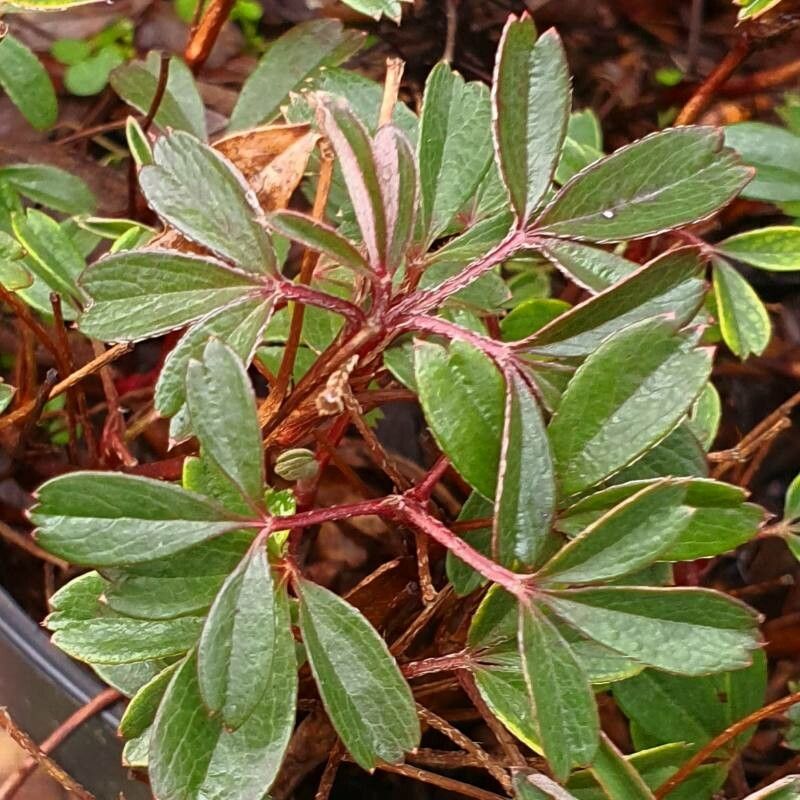
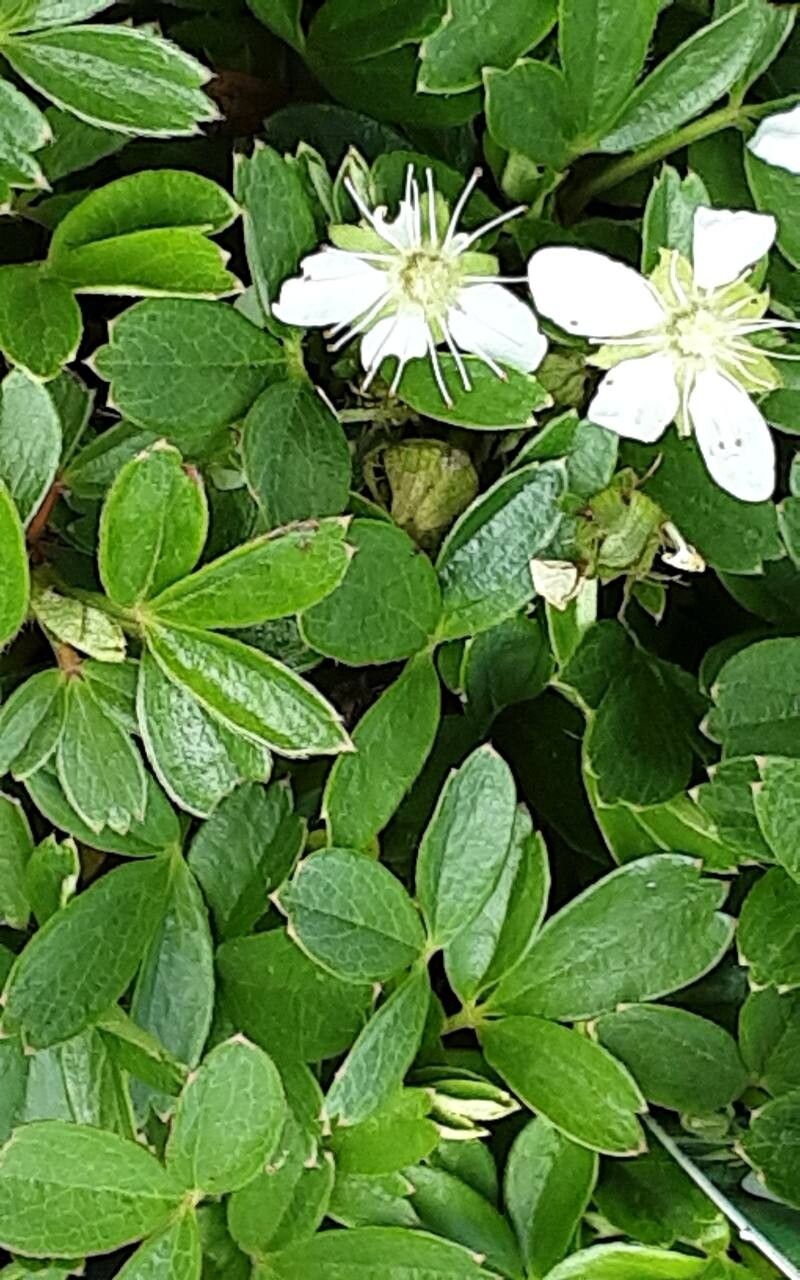
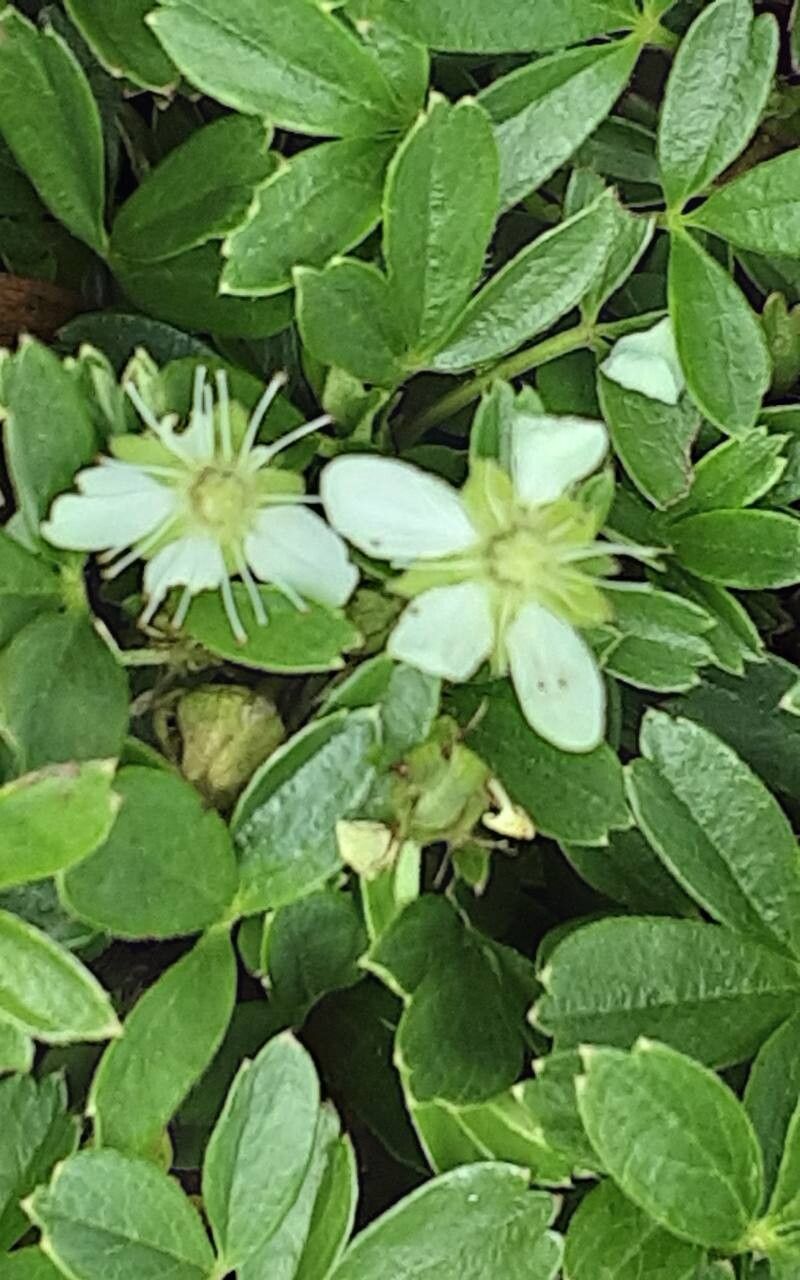
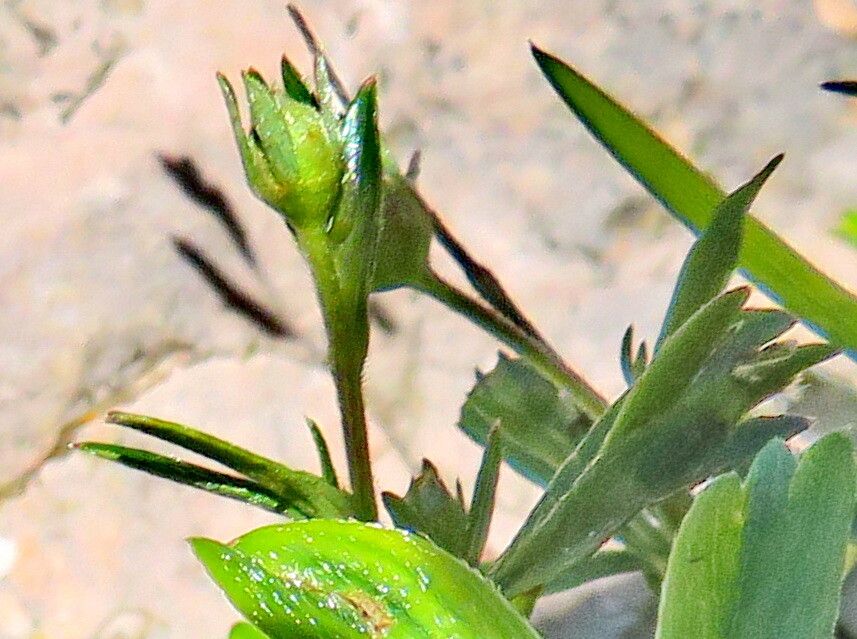
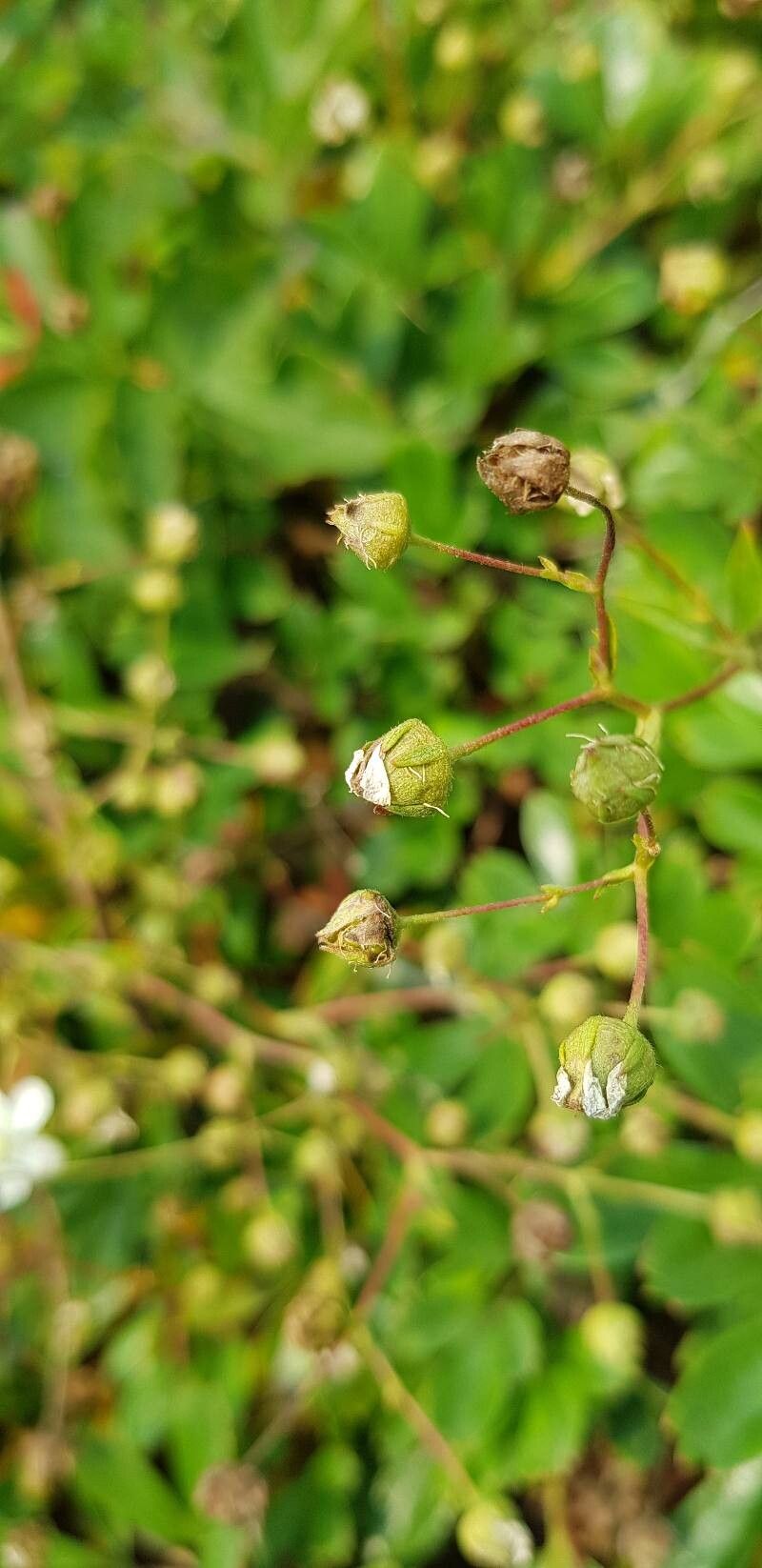
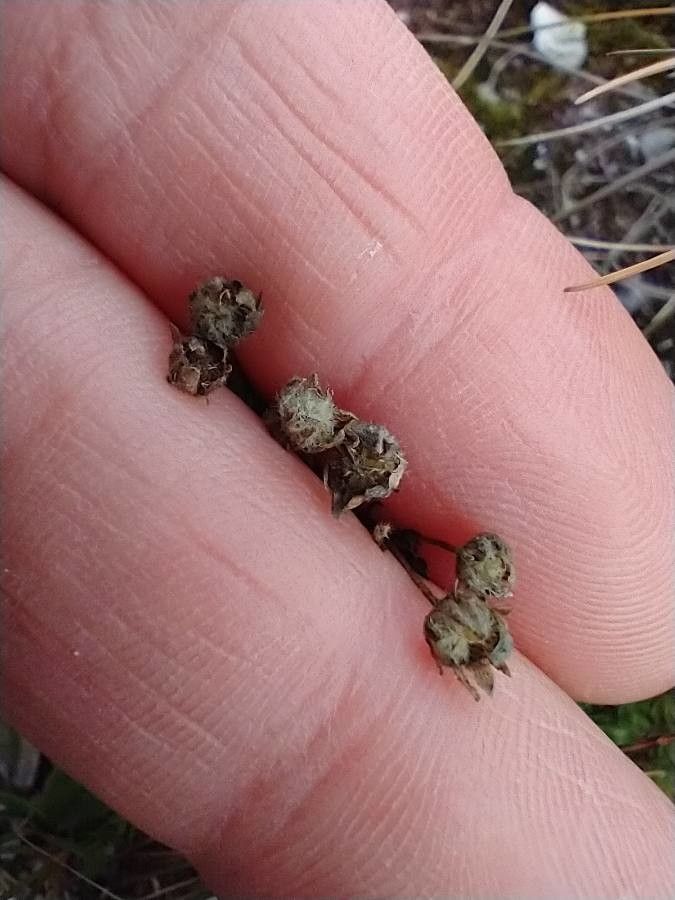
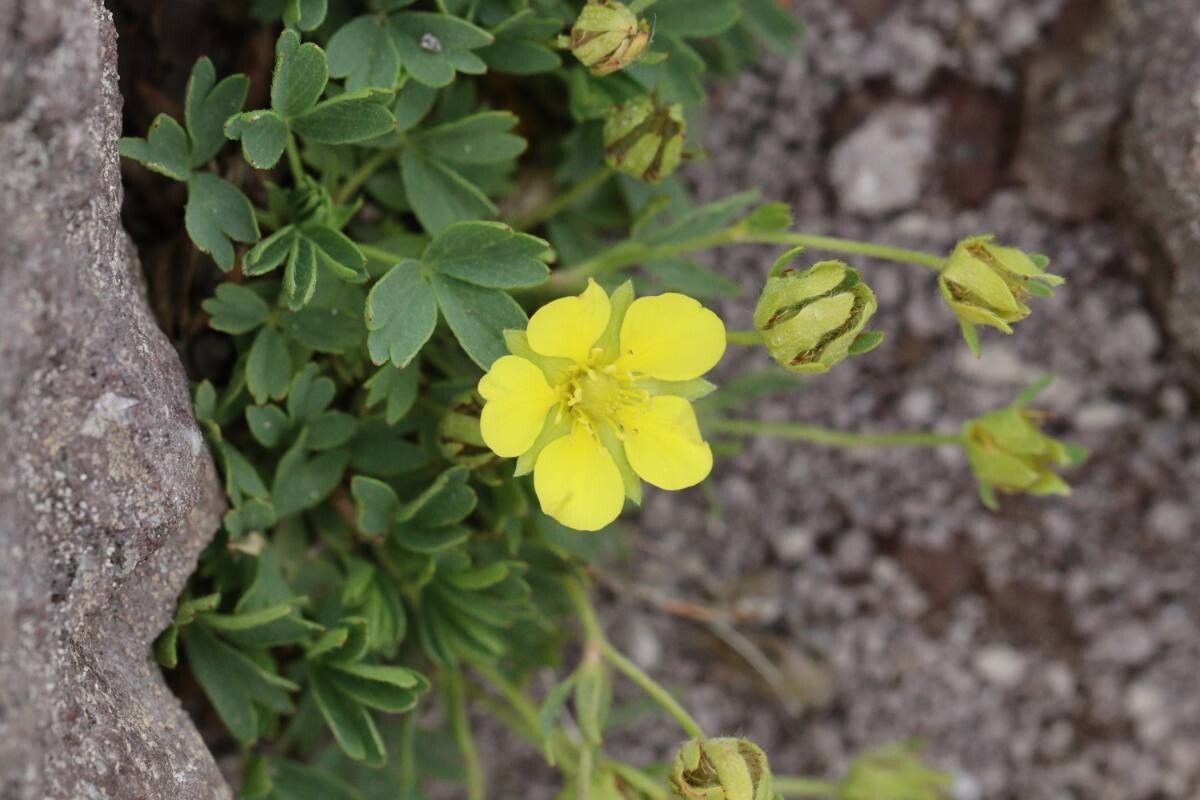
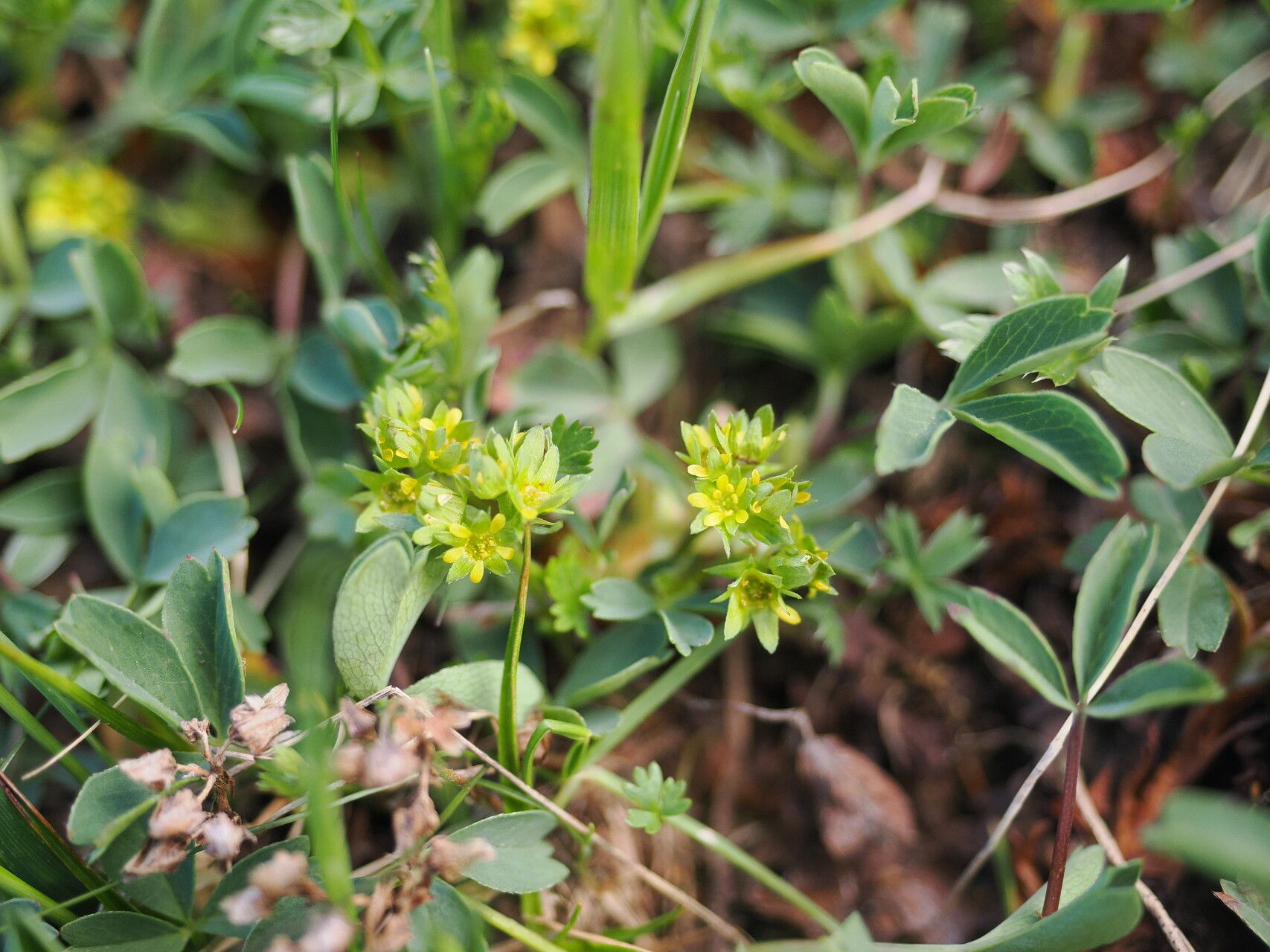
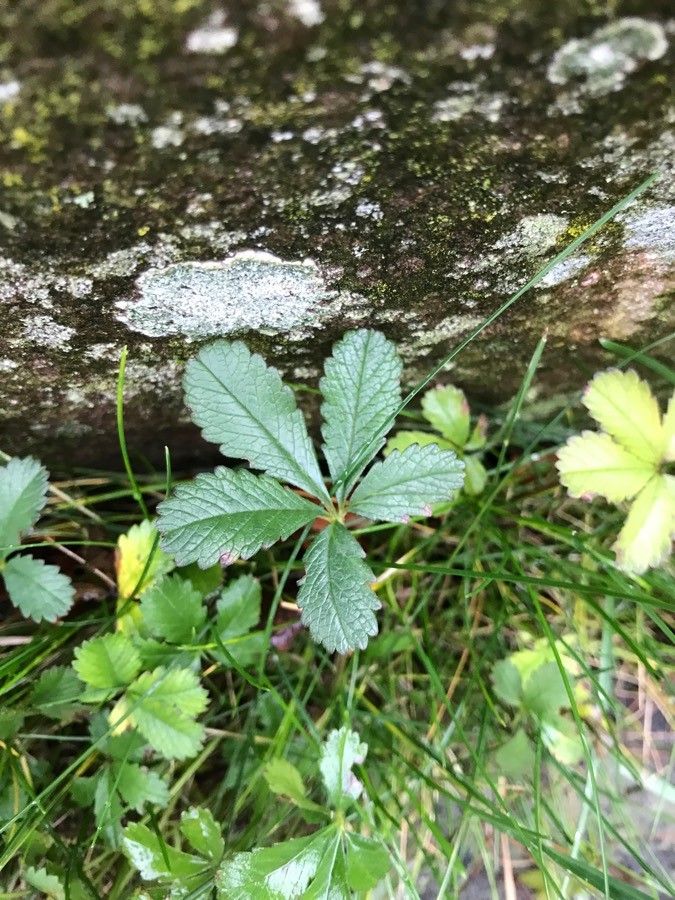
Sibbaldia tridentata is a species in the plant family Rosaceae. Its synonyms include the illegitimate name Sibbaldia retusa and Sibbaldiopsis tridentata. Under the latter name, it has been treated as the only species in the genus Sibbaldiopsis. Its English names include three-toothed cinquefoil, shrubby fivefingers, and wineleaf.
Three-toothed cinquefoil is fairly resistant to disease and typically does not suffer from many illnesses. Nonetheless, it can be affected by pests and diseases present in its surroundings. Such infections are generally mild. Regarding care, the plant needs a moderate amount of attention. Regular pruning is necessary to preserve an attractive appearance and support healthy growth. Applying fertilizer can also help encourage flowering. Three-toothed cinquefoil is well suited for anyone with an outdoor area, like a garden or patio, and does not require extensive gardening experience. When grown indoors, it may demand more care.
How to keep Sibbaldia Tridentata.
Light
Three-toothed cinquefoil is a sun-loving, perennial herbaceous plant native to open habitats and commonly found in meadows and grasslands. It prefers full sun but can also tolerate partial sun.
Water
The three-toothed cinquefoil, a plant native to alpine regions, thrives in environments with infrequent but consistent moisture. It should be watered weekly to mimic the natural precipitation it would receive in its native habitat. Although the plant is drought-tolerant, its water needs decrease during dormancy in the colder months, reflecting its adaptation to seasonal changes in water availability.
Fertilizer
Typically a single fertilizer application in spring is enough for Three-toothed cinquefoil, though repeated feedings can enhance growth. Apply every month to every month and a half (about every 4–6 weeks). Fertilization improves the leaves' appearance and function, maintaining even color and a healthy texture. It also encourages root development and better nutrient uptake for long-term plant health.
Pruning
The three-toothed cinquefoil, known for its vibrant foliage, benefits greatly from pruning between early to late spring. To encourage compact growth, remove dead stems and trim any leggy branches. This seasonal pruning not only boosts the plant's health and promotes vigorous development but also enhances air circulation. These practices help maintain its aesthetic appeal and prevent disease.
Pot & Repot
When repotting Three-toothed cinquefoil, select a pot 1–2 inches (2.5–5.1 cm) larger with ample drainage. Use a well-draining potting mix. Repot in spring or fall, ensuring the root ball sits slightly below the rim of the flower pot. Water thoroughly after repotting and place in a warm spot with indirect sunlight.
Botanical profile.
- Plant Type
- Herb
- Life Cycle
- Perennial
- Genus
- Sibbaldia
- Family
- Rosaceae
- Hardiness Zone
- 3-7
- Mature Height
- 10 cm to 30 cm
- Mature Spread
- 46 cm
- Leaf Color
- Green, Yellow, Gold
- Leaf Type
- Evergreen
- Flower Color
- White, Yellow
- Flower Size
- 2.54 cm
- Bloom Time
- Mid spring, Late spring, Early summer
- Planting Time
- Spring, Summer, Autumn
- Harvest Time
- Mid summer, Late summer, Early fall
- Native Area
- Denmark
Other names.