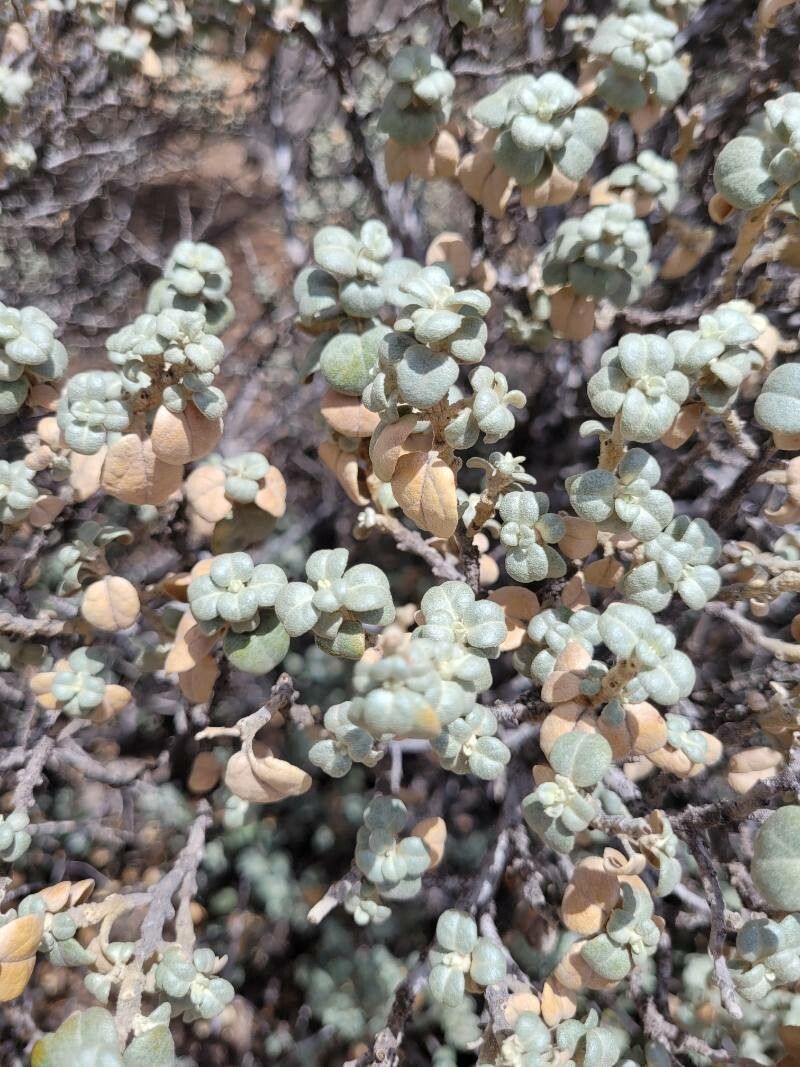
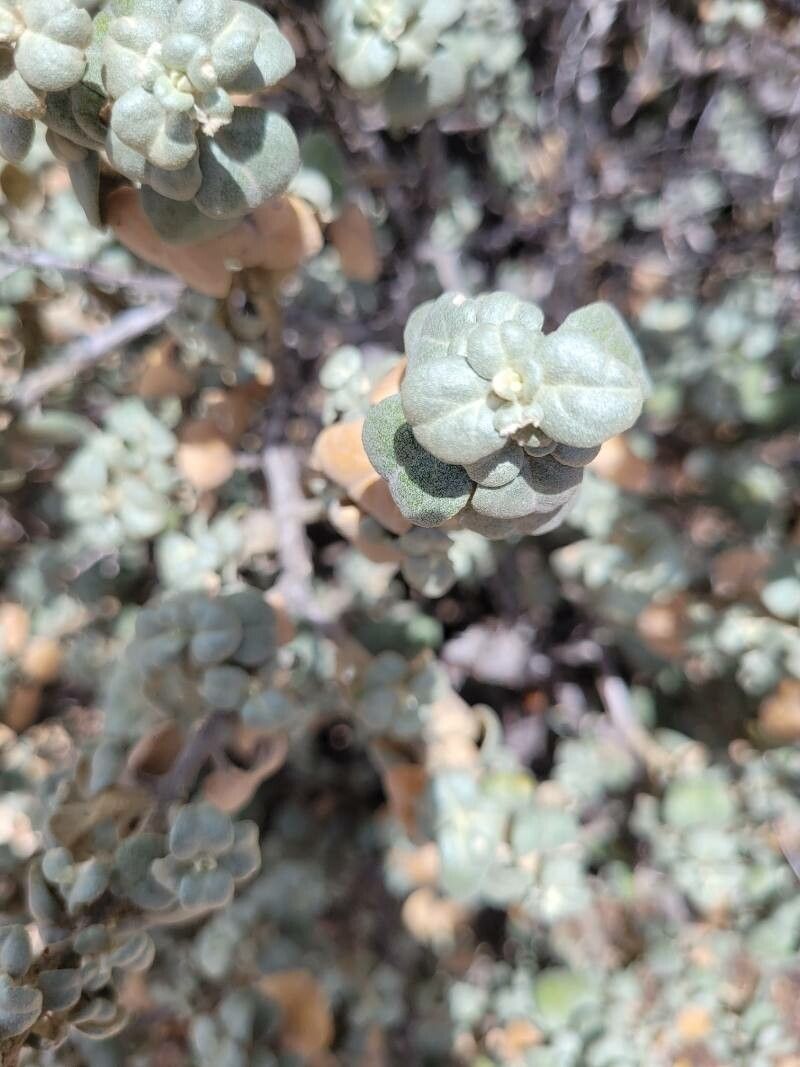
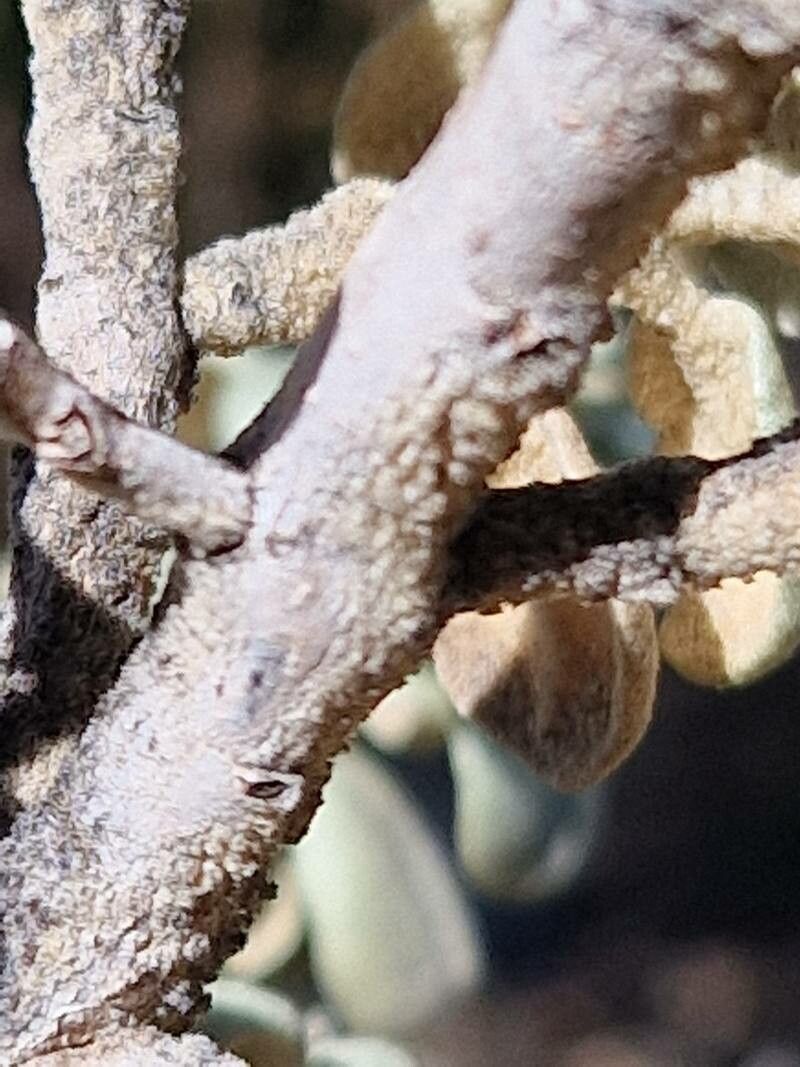
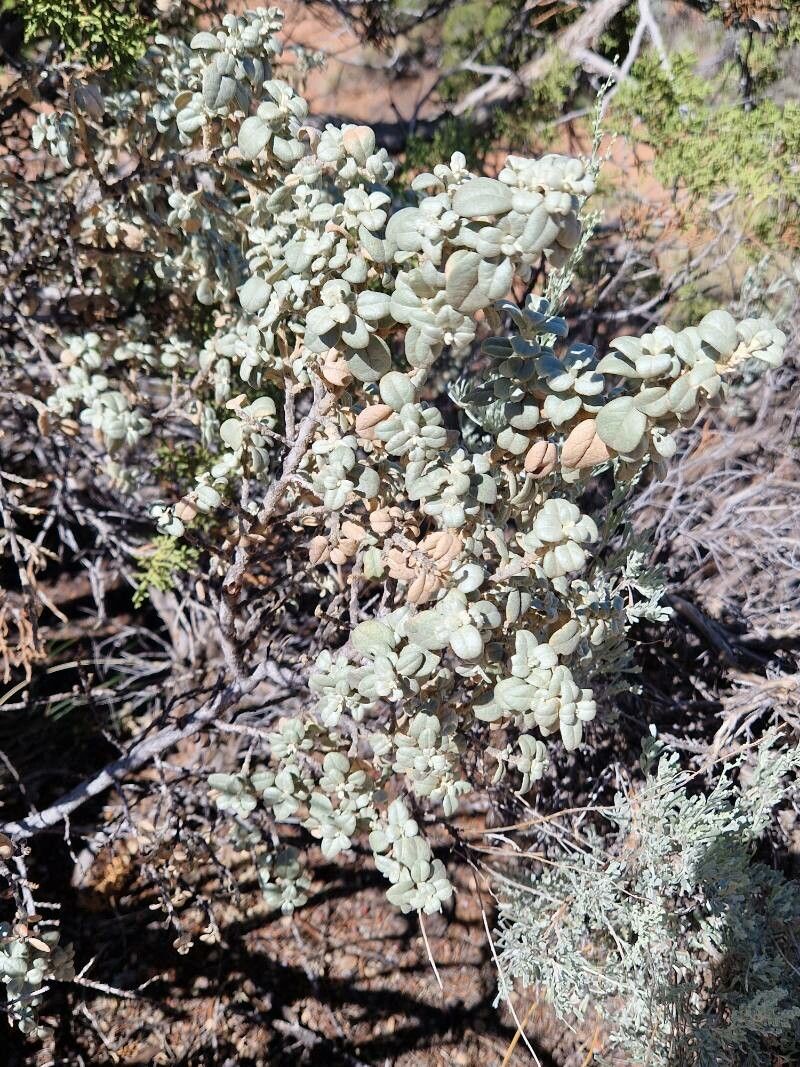
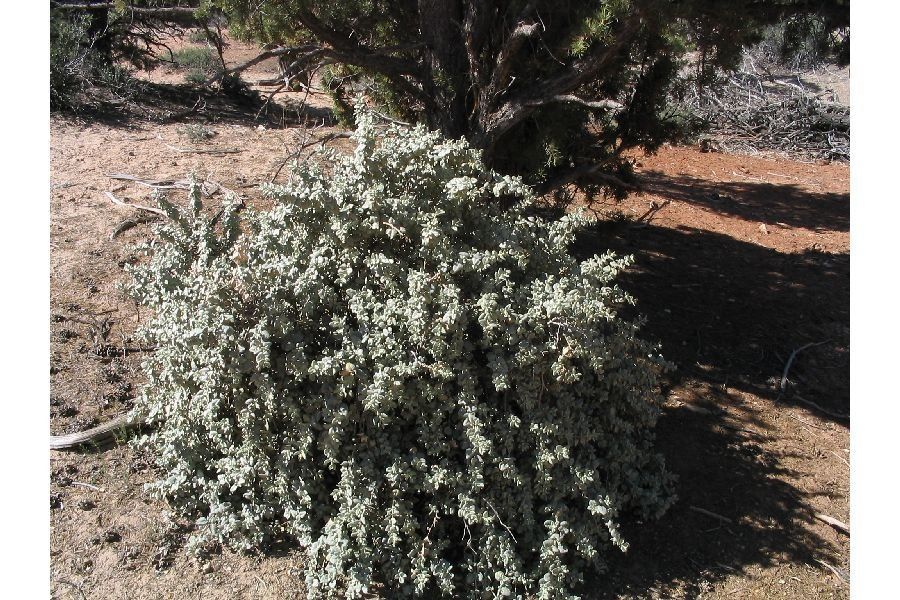
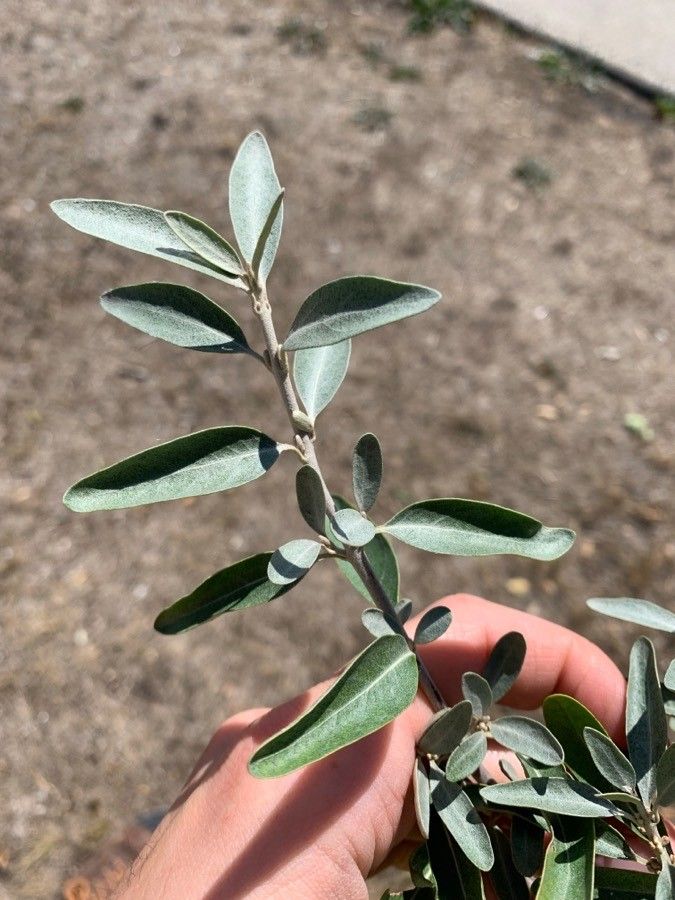
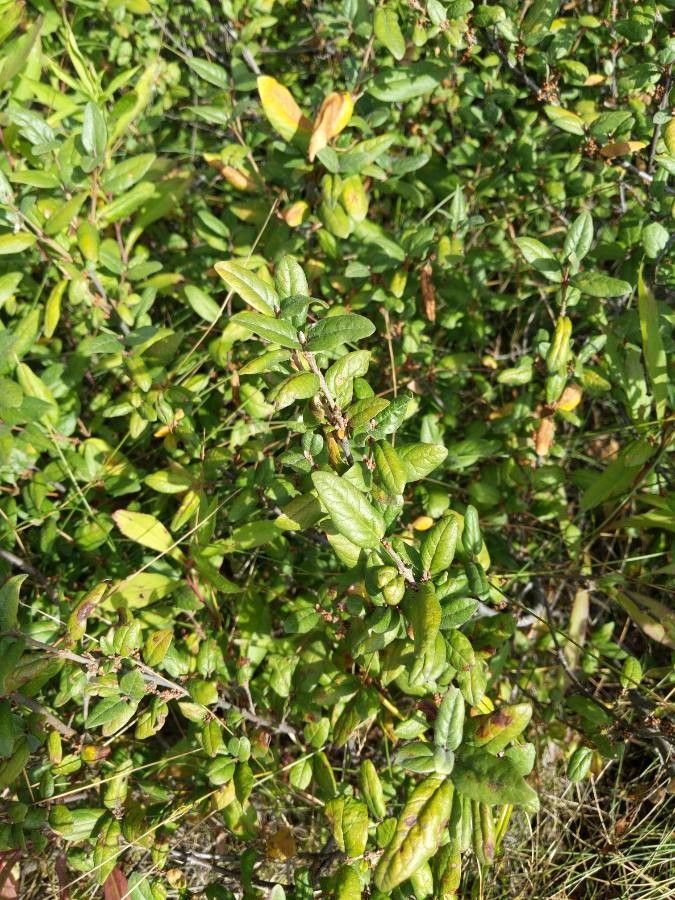
Shepherdia rotundifolia, the roundleaf buffaloberry or silverleaf, is a 3-to-6-foot (1-to-2-meter) evergreen shrub in the oleaster family (Elaeagnaceae) that grows only in the Colorado Plateau (endemic) of the southwestern United States.: 97 The common name comes from western settlers using the cooked berries in a sauce for eating cooked buffalo meat.: 97
Roundleaf buffaloberry has strong disease resistance and is generally not susceptible to diseases. Regarding care, this plant is fairly low-maintenance. When grown outdoors it needs only minimal watering, and larger plants usually do not require pruning. Smaller plants, however, should be pruned after they have bloomed. Roundleaf buffaloberry is appropriate for anyone with an outdoor area, such as a garden or deck, and does not demand much gardening experience.
How to keep Shepherdia Rotundifolia.
Light
Roundleaf buffaloberry performs best in sites that receive sunlight for most of the day, showing optimal growth and health under those conditions. It can also tolerate light shade. Both too little and too much sunlight can negatively affect its vitality and growth. This reflects its natural tendency to be adapted to abundant light exposure.
Water
Roundleaf buffaloberry thrives in arid environments due to its excellent drought tolerance, requiring watering only every 2-3 weeks. While it can endure dry periods, supplying sufficient moisture during the growing season boosts its growth and berry production.
Temperature
Roundleaf buffaloberry prospers in its native habitat where temperatures fall between 41 and 95 °F (5 to 35 ℃). Its liking for moderate conditions highlights its preference for this temperature range. Extreme climate deviations may necessitate seasonal adjustments.
Fertilizer
Fertilize your Roundleaf buffaloberry in early spring to encourage healthy growth. Regular feeding improves overall health, leading to vigorous growth, increased tolerance of harsh conditions, and stronger resistance to pests and diseases. Keep a consistent fertilization schedule for your Roundleaf buffaloberry to maintain foliage that is vibrant, richly colored, and lush in appearance.
Pruning
Roundleaf buffaloberry has round leaves and produces buffaloberry fruits. It is best to prune this plant in early spring. Pruning helps remove dead branches, shape the plant, and improve air circulation. This promotes growth and fruit production while managing size and preventing overgrowth.
Botanical profile.
- Plant Type
- Shrub
- Life Cycle
- Perennial
- Genus
- Shepherdia
- Family
- Elaeagnaceae
- Hardiness Zone
- 5-9
- Mature Height
- 0.91 m to 1.22 m
- Mature Spread
- 1.52 m
- Leaf Color
- Silver, Gray
- Leaf Type
- Deciduous
- Flower Color
- Yellow
- Flower Size
- 0.25 cm to 0.51 cm
- Bloom Time
- Early spring, Mid spring
- Planting Time
- Spring, Summer, Autumn
- Harvest Time
- Early summer, Mid summer
Other names.
Reader questions.
What are the sunlight requirements for Roundleaf Buffaloberry?
Roundleaf Buffaloberry (Shepherdia rotundifolia) thrives in areas that receive full sun, defined as more than 6 hours of sunlight daily, but it can also tolerate partial sun, which is about 3-6 hours of sunlight. The plant demonstrates optimum growth and health when exposed to abundant sunlight throughout the day but can withstand some shade. However, both a lack and an excess of sunlight have adverse effects on its vitality and growth.
What are the ideal temperature conditions for growing Roundleaf Buffaloberry?
Roundleaf buffaloberry (Shepherdia rotundifolia) thrives best in its native habitat with temperatures ranging from 41 to 95°F (5 to 35°C), indicating its preference for moderate climates. The plant is robust against cold, typically not requiring special frost protection. However, for winter temperatures expected to dip below -25°C, providing cold protection by wrapping the trunk and branches with non-woven fabric or cloth is advisable. Additionally, to counter potential drought and water scarcity during winter and early spring, it's recommended to water the plant abundantly before the first autumn freeze, ensuring the soil remains moist and enters a frozen state.
How important is artificial lighting for indoor Roundleaf Buffaloberry plants?
Artificial lighting is crucial for the growth of indoor Roundleaf Buffaloberry plants, especially when natural sunlight is insufficient, like in winter or in less sunny spaces. LED lights are recommended because they can provide specific wavelengths needed by the plants. Full sun plants require 30-50W/sq ft, partial sun plants need 20-30W/sq ft, and full shade plants need 10-20W/sq ft of artificial light. The optimal setup involves placing the light source 12-36 inches above the plant for 8-12 hours per day to mimic natural sunlight as closely as possible.
What should I do if the Roundleaf Buffaloberry is exposed to low temperatures?
Roundleaf buffaloberry is cold-tolerant, favoring temperatures above 5°C and ideally should not fall below -20°C. Exposure to temperatures below -25°C may not show immediate damage during winter, but by spring, the branches might become brittle and dry, and fail to produce new shoots. In such cases, it's essential to prune away any dead branches that haven't produced new leaves by spring as a recovery measure.
What symptoms indicate a Roundleaf Buffaloberry plant is not receiving enough light?
A Roundleaf Buffaloberry plant not receiving enough light may exhibit several symptoms, including smaller new leaves, leggy or sparse growth, faster leaf drop, slower or no new growth, lighter-colored or pale new leaves, chlorosis (leaves turning yellow), sunscald, leaf curling, wilting, and leaf scorching. These signs suggest the plant is struggling with light deficiency and is unable to maintain its normal growth and photosynthesis processes.
How does high temperature affect Roundleaf Buffaloberry and what are the solutions?
In high temperatures, particularly above 35°C and more critically over 38°C, Roundleaf buffaloberry may show signs of stress. Symptoms include leaves turning lighter, drying and withering of the tips, and increased susceptibility to sunburn. To mitigate damage, trim away the affected parts of the plant. Move the plant to a shaded area or use a shade cloth to protect it from the midday and afternoon sun. Ensure the soil remains moist by watering the plant during cooler times of the day, such as morning and evening.
How can I address insufficient sunlight for my Roundleaf Buffaloberry plant?
To address insufficient sunlight for Roundleaf Buffaloberry plants, gradually introduce them to brighter conditions until they receive at least 6 hours of direct sunlight daily. For indoor plants, move them to a sunnier location or use artificial lighting like desk lamps or grow lights for at least 8 hours a day. Outdoors, choose spots with more sunlight and avoid drastic changes in light to prevent sunburn. If the surrounding environment blocks sunlight, consider pruning or transplanting smaller plants to sunnier locations. Note that parts of the plant affected by low light may not recover, but new growth should be healthy with improved light conditions.